
Fittingly, I started the year with Wright, reading through his earliest work (What Saint Paul Really Said) and ended with his most recent work (Into The Heart of Romans). Inbetween, I finally finished his magnum opus (The New Testament in its World).
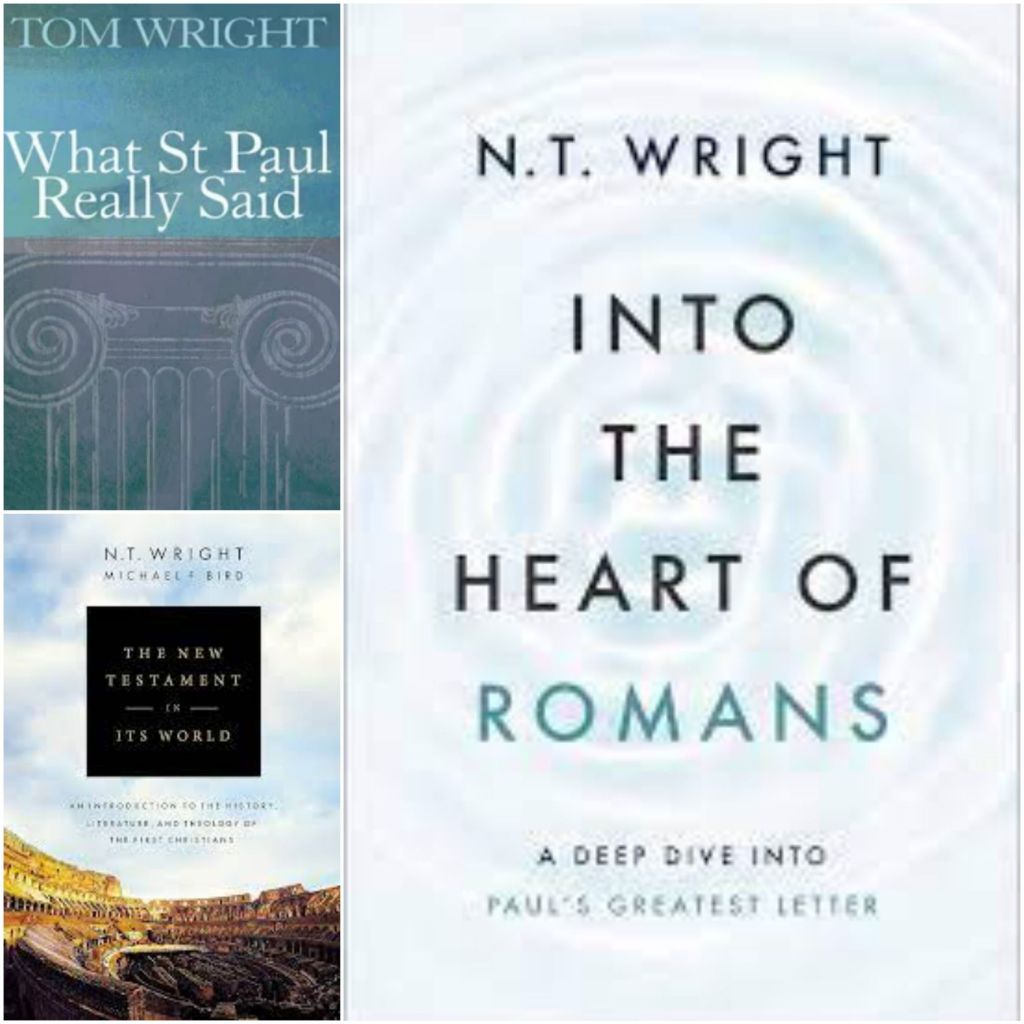
All three of these books emphasize three crucial facets of Wright’s work- the presence of temple, outlining the Exodus and creation as themes that run through the whole of the NT, establishing the foundation of new creation and human vocation as the primary expression of these themes, and establishing the importance of the story of Israel when it comes to making sense of and telling the story of Jesus.
There is something of a parallel here to reading through King: A Life and Abraham Joshua Hesschel’s Moral Grandeur and Spiritual Audacity side by side, two books speaking to the same time and similar contexts while imagining the promise of liberation in the face of great oppression.
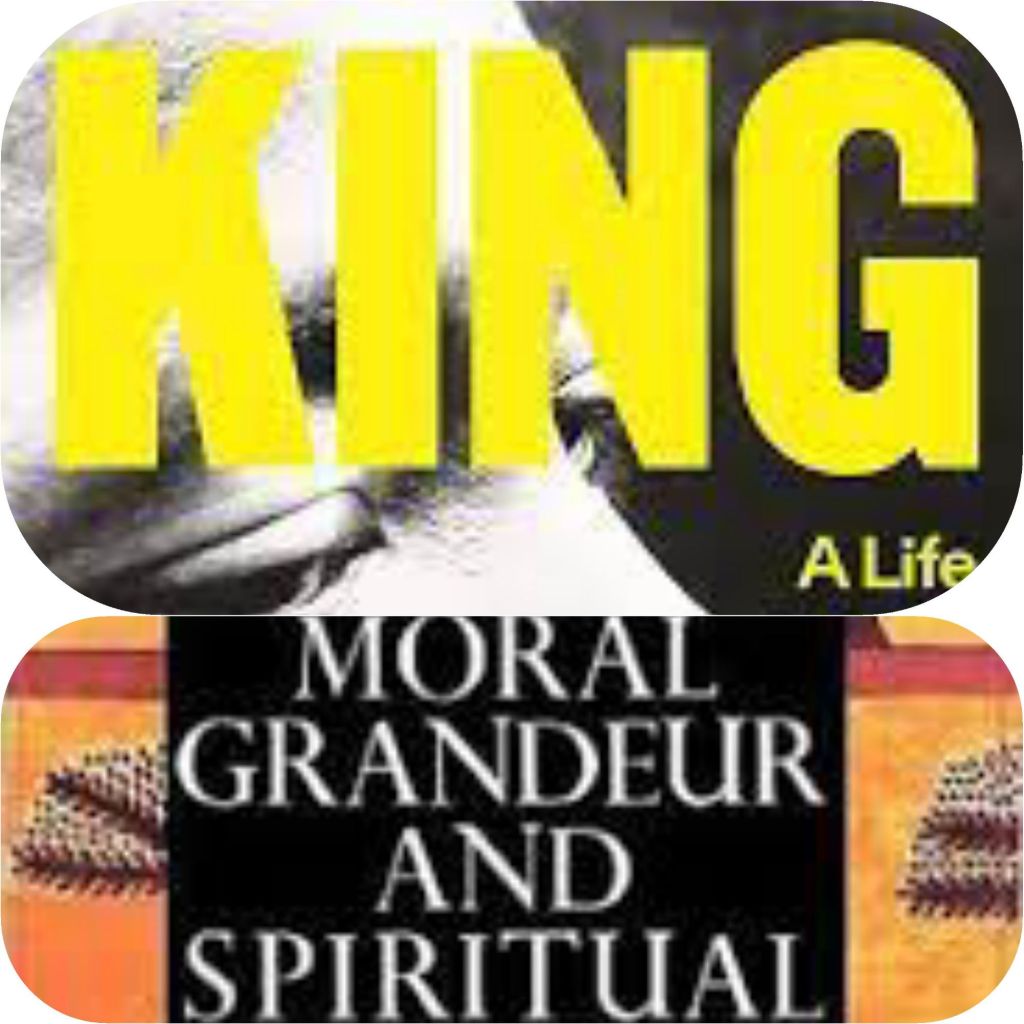
These were books I read as part of a pilgrimage down to the deep south, and if the story of creation and the story of the Exodus and the story of Jesus is going to make sense to me, it needs to make sense to these places and these experiences. If I am going to make sense of the story of creation, of the Exodus, of Jesus, then I must make sense of these places and these experiences.
Speaking of travel, I have long been fascinated by the Mississippi, having travelled the river road myself, and Life on the Mississippi: An Epic American Adventure was a great entry into discussions about the river’s story and its history.
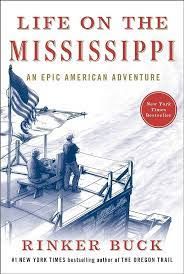
It’s a story about experiencing the river from the perspective of its heyday, but even more it’s a story about the socio-economic development that brings the river, and indeed the river as a symbol of America, to where it is now. From this end it invites philosophical, spiritual and moral reflection, connecting its sense of place to experience and travel to knowledge. Paired with this was River of Dreams: A Journey Through Milk River Country by Liz Bryan, a book that does a really great job of exploring the role of its river in the development of southern Alberta and Montana, shifting borders and all.
Later in the year I traveled the world through maps, the book The Map Tour: A History of Tourism Told Through Rare Maps taking me on a journey from the Grand Tour to Globalization, proving to be a fascinating way to consider the worlds development by way of travel.

Seeing the way that the history of tourism connects to the construction of our global realities, much of this hinging on the direction in which tourism flows, was as fun as it was enlightening. In a more specific way, I picked up the book Gichigami Hearts: Stories and Histories From Misaabekong by Linda Grover on a trip to Michigan.
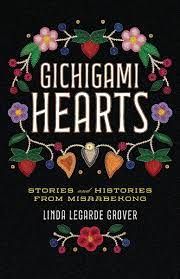
It tells the story of Duluth from the perspective of its people and their relationship to the land. Its part memoir, part lore, and a deeply personal ode to the place’s deep spiritual heritage.
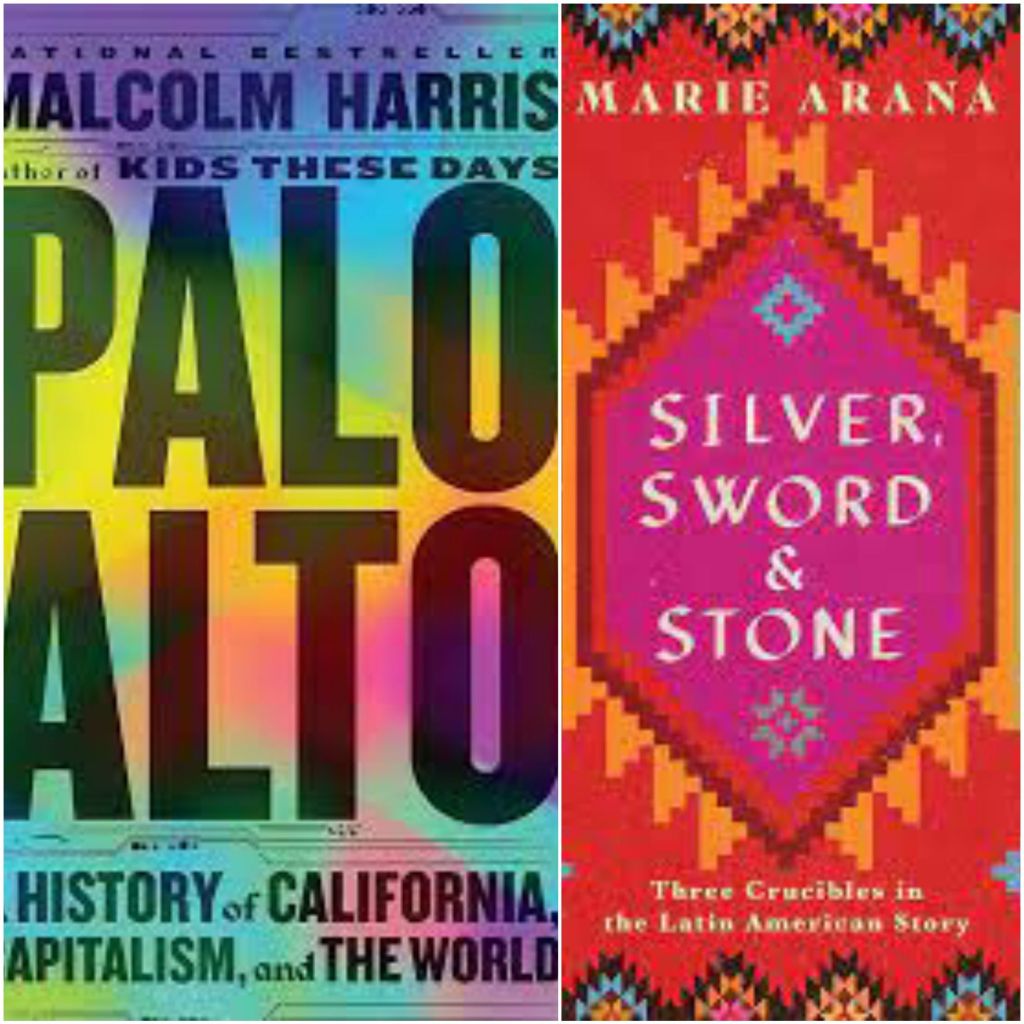
I could also throw Malcolm Harris’ Palo Alto: A History of California, Capitalism, and the World and Silver, Sword, and Stone: Three Crucibles in the Latin American Story into the mix as solid examples of using the specificity of a place, a reality, or an idea to trace a global history. Both were thought provoking, and, to differing degrees, entertaining reads.
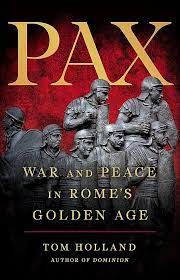
Or Tom Holland’s Pax: War and Peace in Rome’s Golden Age was a great book about how understanding Rome is crucial to understanding the modern West, especially as it relates to history.
I also faced some big questions over the course of my reading in 2023:.
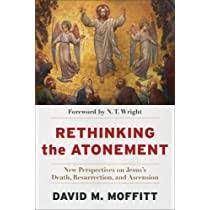
David Moffitt’s Rethinking the Atonement: New Perspectives on Jesus’ Death, Resurrection and Ascension had me challenging certain conceptions about the person and work of Jesus by looking at what the language of sacrifice actually meant to the ancient peoples.
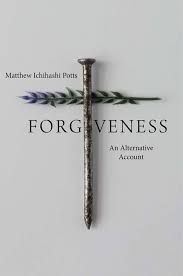
Forgiveness: An Alternative Account by Matthew Potts had me re-examining the nature of forgiveness and its relationship to God, justice, and salvation. A truly transformative read that I wish I could put into the hands of everyone.
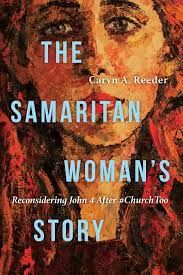
The Samaritan Woman’s Story: Reconsidering John 4 by Caryn Reeder had me exploring a familiar passage with fresh eyes, challenging the ways this passage has been read and used through the lens of certain conceptions of womanhood.
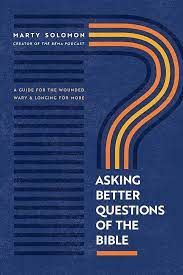
Marty Solomon had me asking better questions in Asking Better Questions of the Bible: A Guide For the Wounded, Wary, and Longing For More while Flood and Fury: Old Testament Violence and the Shalom of God by Matthew Lynch had me looking more closely at our assumptions of violence in the Bible, and more specifically the whole of the Biblical narrative.


Dru Johnson had me reconsidering the definition of knowing from its biblical context, or from the context of the world behind the text in Biblical Knowing: A Scriptural Epistemology of Error.
Maybe this is why I found myself, then, reading through the existentialists. Philosophy of the Heart: The Restless Life of Soren Kierkegaard/Sickness Unto Death (Clare Carlisle/Kierkegaard) being my favorites.
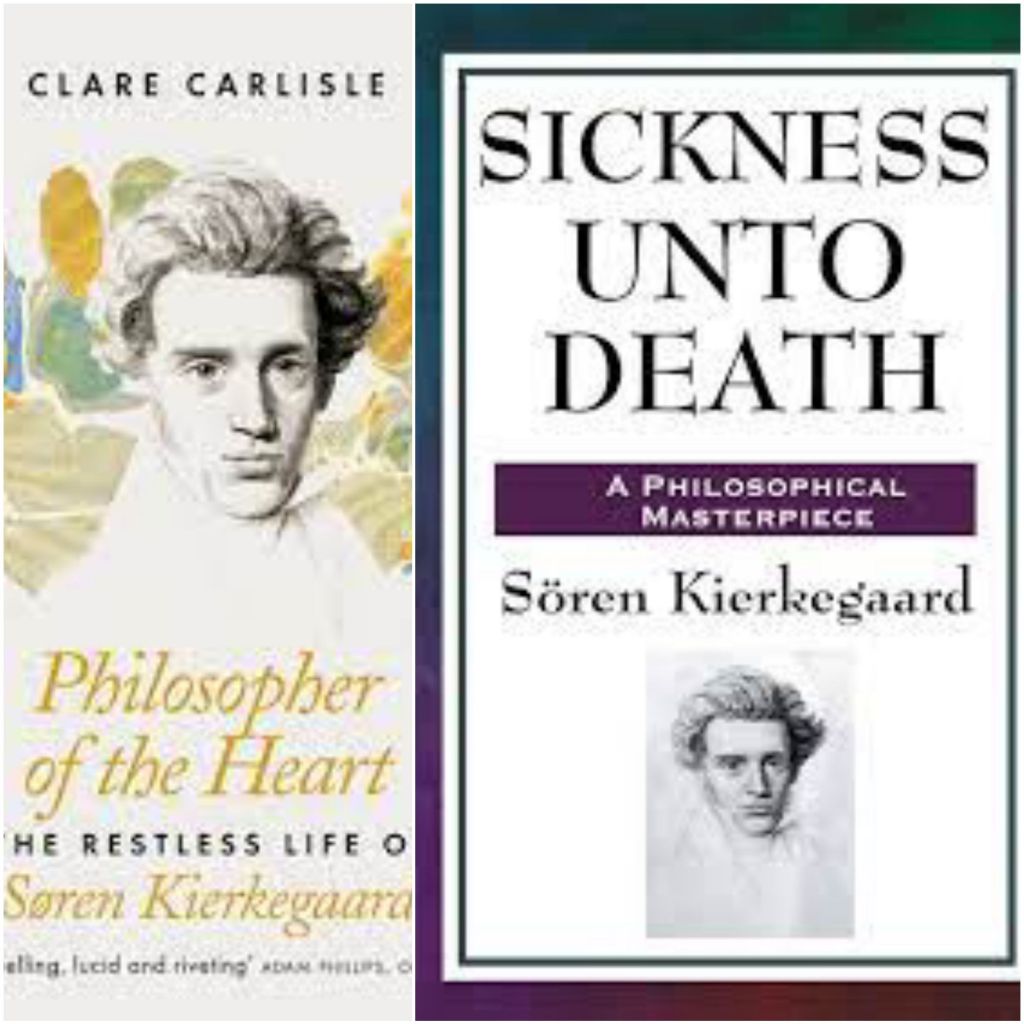
I loved how the story of the famed existentialist philosopher, along with his words, flesh out the some of the biggest challenges and struggles of existence, searching as it does for authenticity amidst the illusions. I could also throw Monothreeism: An Absurdly Arrogant Attempt To Answer All the Problems of the Last 2000 Years in One Night at a Pub by JD Lyonhart, a book that delves into the deeper philosophical problems relating to God and the world.

It is not a perfect book, and the further it goes along the more it gets bogged down in a potential need to posit answers, but it does a good job at boiling things down to a necessary foundation. The questions we ask are less rooted in answers as they are in establishing that foundational assumption (or assumptions) that functions as our starting point, and giving us a place to begin exploring from.
Perhaps on the more liberative side is my journey through the Gospel of John with Scott Mcknight’s commentary John: Responding to the Incomparable Story of Jesus, a book that really brings to life the grand vision of John’s Gospel as an appeal to belief in the hope of the person and work of Jesus.

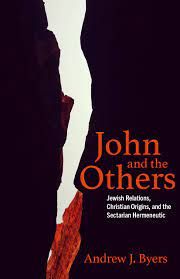
John and the Others: Jewish Relations, Christian Origins, and the Sectarian Hermeneutic by Andrew Byers functioned as a perfect tandem read, with Mcknights commentary on John, probing the ways in which the assumption of a fervent anti-Jewishness in the Gospel of John has led to modern studies and interpretations doing great harm, largely missing the boat in terms of what the biblical writer(s) wanted to say with the Gospel narrative.
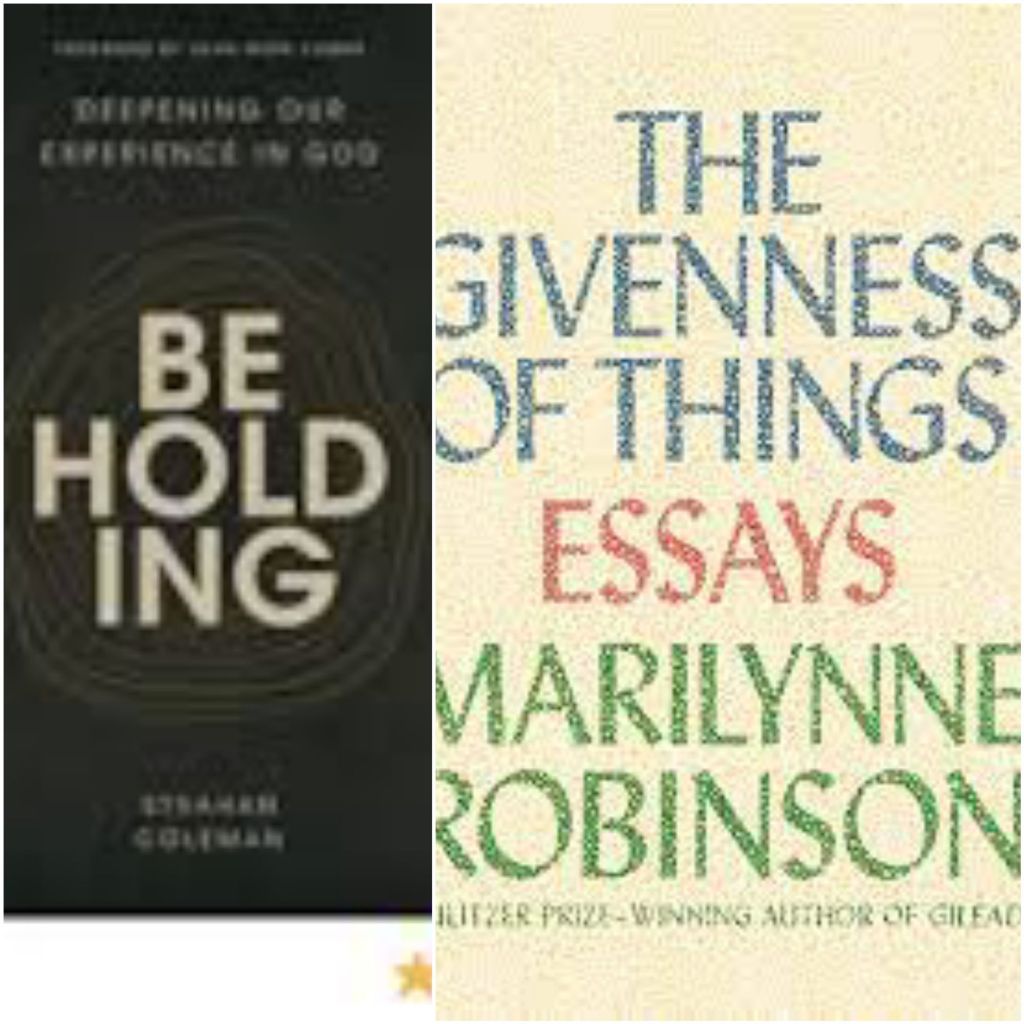
Beholding: Deepening Our Experience in God by Strahan Coleman and the Givenness of Things: Essays by Marilynne Robinson were both enriching experiences that challenged my conception of reality and re-imagined the relationship between academics/intellectualism and matters of the Spirit in compelling ways.
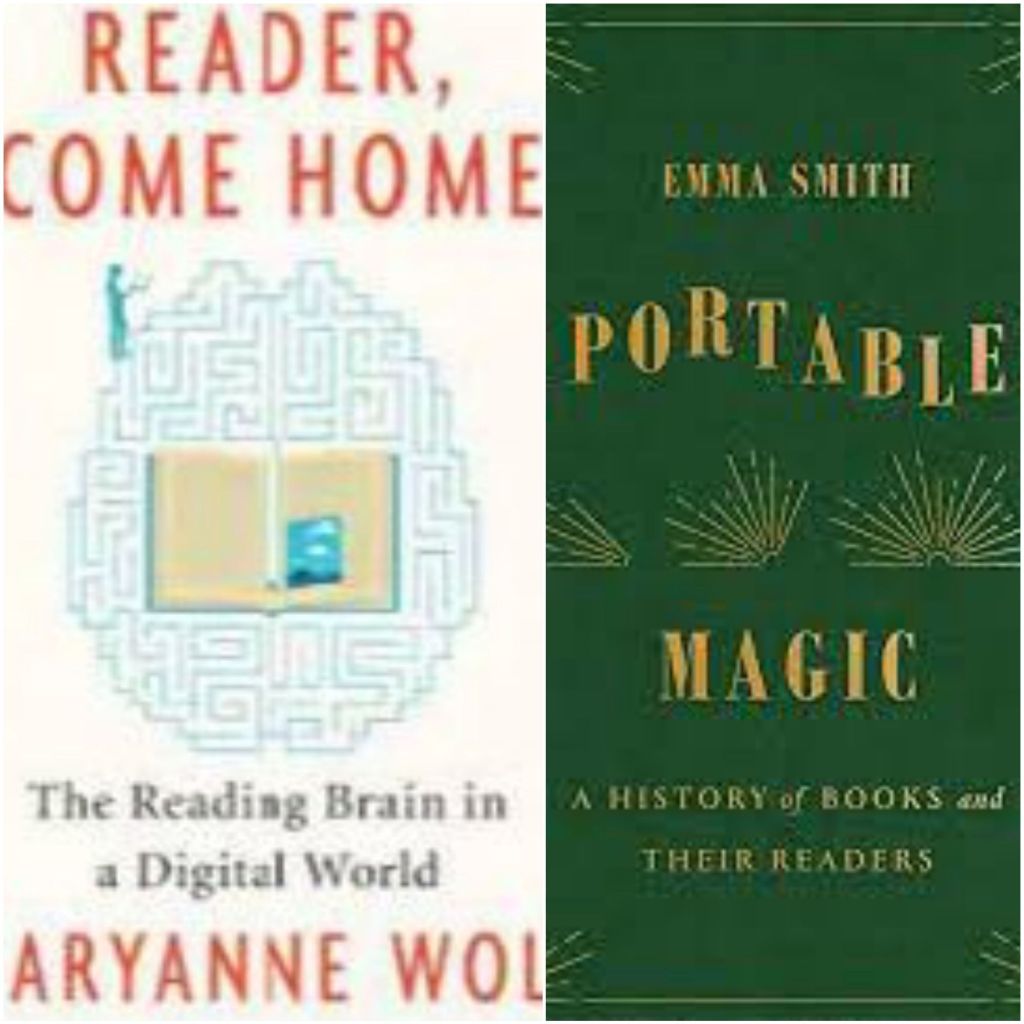
Reader Come Home: The Reading Brain in a Digital World by Maryanne Wolf, and Portable Magic: A History of Books and Their Readers both have their strengths and weaknesses as an overall project, but they are reads that still remain in my consciousness as a celebration of the power and meaning of books, and further a compelling conversation about the relevance of how we read and why.
 The Stories of my Life