
We’ve reached the end of the first quarter. I recently took the time to reflect on my reading journey thus far in 2025. You can find that in a recent post in this space. I thought I would do the same thing for my journey in film.
The Oscar Films
As is true every year, January is generally devoted to catching up with the Oscar nominated films, most of which are not released wide until January and February. This year’s slate included the innovative cinematic epic The Brutalist, a film that I appreciated more than I connected with it on an emotional level.

It’s an impressive feat on a technical level, boasting some incredibly inventive camera work and cinematography for a film of this budget. The on location shots, especially in the second half, are brilliantly marked by the functionality of its raw, unfiltered approach, including its use of widescale shots and an incredible score. The story of this architect fills the breadth of is 3 and a half hour run time, beckoning back to a bygone era of storytelling methods, intermission and all. My one critique is that I struggled to connect with Brody’s character, That’s where I felt the emotional distance. His character is someone whom embodies an arc which feels bound to a singular experience. I have read some reviews expressing an appreciation for the arc’s subteties, finding the depth in the smaller details, and that leaves me curious about revisiting this one down the road. But as an initial experience I was struggling to find a way in to his personal viewpoint, which was seemingly absent of any real transformation.
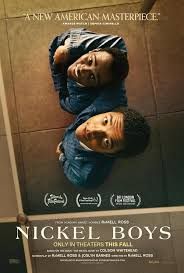
On the other side of that coin is Nickel Boys, a film that is every bit as impressive in terms of its cinematic approach, filmed through the fascinating lens of its first person perspective. While this is a restrained approach that stands in contrast to the epic nature of The Brutalist, noted in the narrowed use of its aspect ratio as well, the narrative and character arc was far more evident and profound. This is a film that is all about the transformation. Its about seeing the same scene from different perspectives, allowing us to pick up details we might of have missed. This becomes even more powerful as it brings in a secondary perspective, exploring the overlap of these shared experiences and these different vantage points in relationship. One of the most powerful films of the year, to be sure. It’s still deeply sad that it remains so underseen.

Equally powerful was the white knuckle nature of now award winning international film I’m Still Here’s exploration of the pains of trauma and the healing power of familial bonds.

Or the deeply hopeful narrative of All We Imagine as Light, a story about what it is to see the world, to see ourselves in the world, in this tapestry of rain and light. It is the beauty of the spaces we occupy, both ones we have arrived at and are simultaneously beginning from.
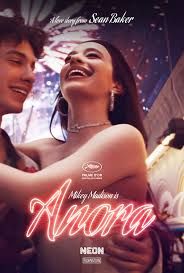
Then there is the deceptively alluring nature of the since crowned Oscar winner Anora, a film which uses the intense plot of its story, filmed in a way that is energized and deeply entertaining, to ask big questions about how it is we judge ourselves when we are similtaneously being judged by the outside world. This judgment has the power to dictate how it is we belong, and it brings up deep philsophical questions regarding how it is that our identity is shaped. There is the external crisis of her place in the world, with its social constructions, and there is the internal crisis grappling with how it is she exists this world, naviating who she is in what is a morally and ethically complex existence.
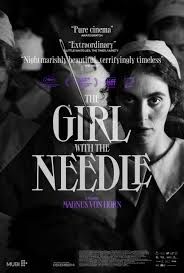
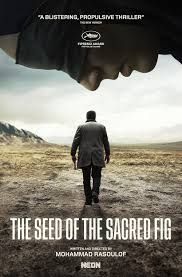
There is a similar moral and ethical crisis running through two of the other international contenders, The Girl With the Needle, one of the most shocking and oppressive viewing experiences of 2024, and The Seed of the Sacred Fig, of which the final 60 minutes of this film represent what is probably ranking among the most intense things I saw in 2024, bringing its vulnerability and real world horrors to bear in its captivating climax.
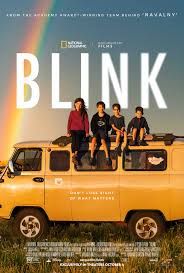
A shout out to the documentary, Blink. Some saw it as a bit too sentimentally drawn, following what is in measure an affluent family dealing with a crisis by way of their privileged ability to drop everything and travel the world while things are still intact. I can get that, but there’s little question that it nevertheless works on an emotional level all the same.
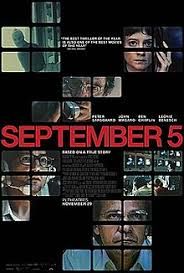
And then there is the riveting September 5th, which plays like 2024’s Saturday Night Live with its fever pitched pacing and precision like filmmaking that is constantly moving with the characters and the unfolding events. It got the short of the end of the stick in the whole Oscars conversation, as its genuinely very good.
The Best of the Rest: Honorable Mentions
In my yearly resolutions tradition, which I call Rosebud, I reflected on the present state of the movie industry (or more specifically the American film industry, which tends to impact things here in Canada whether we want it to or not). As someone who’s love for film and visual storytelling is rooted way back in their childhood, for whom the classic theaters of the 80’s and 90’s led me to become a life long cinephile, I confessed that in all that time I have never experienced the level of cynicism and constant vitriol that has been dominating the landscape over the last couple years. Every week there is another controversy and crisis, and every week there is another compaign going after another film. As the calendar turned over, I lamented the loss of that simple joy of being able to see and appreciate films together.
Arriving at the end of the first quarter things have only gotten worse. Certainly this years Oscars plays into this with the whole debacle of Emilia Perez followed up by the contrarians launching a vile campaign against Anora’s record breaking night. But it is not contained to that. It’s either a story of films not getting seen, or it’s a story of terrible people doing and saying terrible things to whatever film they have in their sights in the present moment.
It’s exhausting. To the point where it sucks the life out of what makes cinema meaningful- the anticipation, the conversation, the collective experience, the investment. It feels like the entire thing has become so devalued at this point, little more than a politicized commodity, that finding reasons to care feels too difficult to even know where to start reclaiming some of that passion.
And yet, I persist. I continue to support the films. I continue to go to the cinema. I continue to try and keep this passion alive. And if nothing else it’s a way of holding on to that which matters- the power of story. The power of transformation. And maybe that’s enough to break through the noise.
Certainly there’s a fair deal to celebrate in the first quarter. In a landscape that has left theaters struggling to find successful ventures, horror remains a hot ticket item. 2025 has given us two Soderberg films thus far. One of those is what I would call the best horror film to release in the first quarter, Presence. A film that tells its story from the vantage point of the ghost, leaning into its small cast of characters, its single setting (a house), a distinct and developed sense of atmosphere and tension, and just the right amount of twists and turns to create its arc.
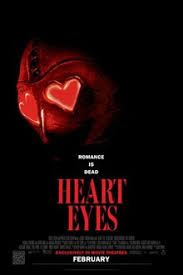
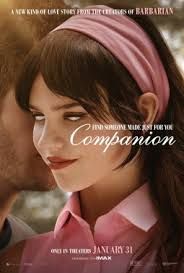
If Presence was kind of ignored at the box office, Heart Eyes and Companion both performed better, leaning into their crowd pleasing nature and fun characters. They are the sort of middle of the road horror fare that can connect with a diverse crowd, making them a fun night out at the movies.

As a big, big fan of Paul Schraeder, I was both excited and a little dismayed to find his latest release, the introspective and contemplative O Canada, quietly get dropped wide on Kanopy of all places, the free library borrowing system. Nowhere else, just Kanopy. It just might be his most personal film to date, with the story of an aging and sick filmmaker looking back on his career intersecting with elements of Schraeder’s own life and story. Although he’s not sick, he’s clearly using this as a way to look back on his own legacy and ask some big and important questions about its meaning and worth, especially where who he is remains to intimately tied to the films he has made. It’s not his best film, but it is a return to some of his most classic tendencies following the previous trilogy that has consumed him over the last number of years. Given the nature of its wide release I imagine its not likely to get an audience, but at the very least I finally got to catch up with it.
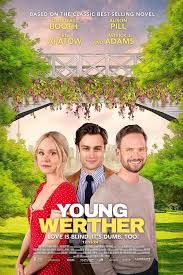
There were two underrepresented films that are worth noting here too, the first an effective and memorable romantic comedy-drama called Young Werther. I loved the back and forth of the film’s central relationship, playing as a kind of contest between characters that is less about the ultimate outcome and more about navigating the internal crisis and growth that these events inspire. It’s funny, entertaining, and also filled with charming moments.
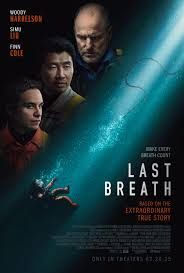
The other is Last Breath, the dramatized take of the previously released documentary. It doesn’t add any details to the story, but as a dramatic retelling its extremely effective. Short, intense, and delivers an emotional punch (albeit in a kind of nihilistic cage, but that’s a whole other discussion).
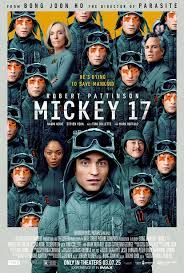
And then there’s Mickey 17 and Snow White, two high profile films, both in their own ways massive victims of the prevailing cynicism and vitriol. Both movie’s claim to fame at this point is the weaponized headlines concerning their failed box office performance, the first ironically boasting numbers that should, in all respects, be a resounding success for an international, indie filmmaker, the second showcasing how out of touch box office expectations are with reality, naming a nearly 100 million dollar opening weekend as somehow a colossal failure. Both, in their way own way, are very good films with mixed elements.
Mickey 17 is noted for its biting satire on big budget hollywood, not to mention the present state of American culture and society. It uses its own unnecessarily bloated budget (which is what happens in Hollywood when your little indie that could, a small film called Parasite, becomes an Oscar winning cultural phenomenon- they give you the money to waste) to lean into its own brand of lunacy. It never loses touch of its commentary though, grounding it in the story’s central character, Mickey. That is part of its brilliance. Its own absurdity as a film, which throws plot points and third acts and ideas at the wall with a sense of unhinged glee, is the blinding force of superficiality that covers up and/or reveals the real substance underneath. Thus is not just a satire that critiques Hollywood, it’s an invitation for those willing to do the work to locate and experience the real themes waiting to be unearthed, actively resisting the trappings of big budget Hollywood.
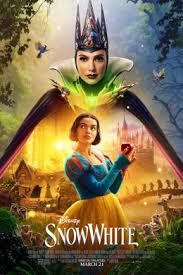
Snow White is in some ways the counter opposite. It genuinely leans into its blockbuster status and takes it seriously. While the film and its star have been forced to contend with one of the most vile attacks on a character and film in recent history, it is better for its unapologetic commitment to sincerity and authenticity. Its one of the more hopeful cinematic experiences I’ve had in a good while, appealing to the truth and power of togetherness and love and kindness as a way forward.
My Top 10 Films of the First Quarter
Now for my current top 10 films at the end of the first quarter in 2025:
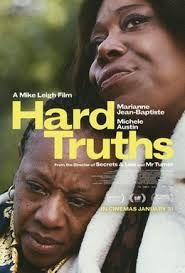
10. Hard Truths
A showcase role for Marianne Jean-Baptiste, featuring a case study in self destructive behavior. What makes it so powerful is that it simultaneously challenges the idea that what we see on the surface is what is really there, driving all of this destruction towards a pointed message about grace.
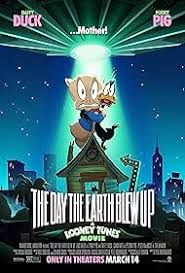
9. The Day The Earth Blew Up: A Looney Tunes Movie
I had no idea this film existed, let alone was releasing, until I saw the sign on my way to a different theater. Colour me intrigued. Bought a ticket. It’s delightful. A throwback to the classics, but also fittingly modernized in a way that blends into that nostalgia.

8. Paddington in Peru
New director, same delightful nature. The playground here is bigger, given the international stage, and that leads to a greater degree of creativity in the staging of the different set pieces. That’s where it gets the most mileage. It admittedly does not match the magic of the first two (which would be difficult to do), but it certainly manages to make a case for its existence, which is a definite success story given the change of guard.

7. The Order
The third biggest surprise of the first quarter. A genuinely intelligent thriller based on a true story with a stylish, recreated period piece setting providing the foundation for a patient but driving edge of your seat story.
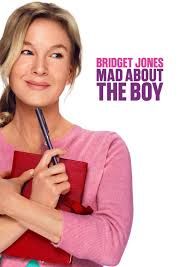
6. Bridget Jones: Mad About The Boy
My second biggest surprise of the first quarter. Like seriously, where did this one come from. Zero expectations. I could appreciate the first one, but wasn’t attached to it in any way. And yet this new chapter comes out swinging, ultimately proving to be an incredibly powerful exploration of grief and a celebration of life.
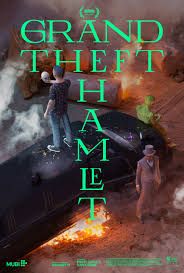
5. Grand Theft Hamlet
Far and away my number one biggest surprise of the first quarter. A documentary about a pair of filmmakers whom use the pandemic as a chance to make a film adaptation of Hamlet set inside the game Grand Theft Auto. You’d think this would be dumb and ridiculous. It’s the furthest thing from that. It’s a deeply human, deeply felt and often very funny journey of exploration, much of which emerges in real time as they indulge this experiment. It’s unlike anything else you’ll see this year, and its destined to still be lingering around my list at the end of this year.
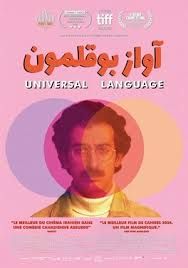
4. Universal Language
Took a while for this Canadian made movie set in Winnipeg to get its official first screenings here in Winnipeg. But I can testify to it taking our city by storm. While the humor is decidedly built on insider language, both as a Canadian and as a Winnipegger, it’s the commentary on Iranian cinema that is the real unsung hero of this story. Which is to say, if it’s a difficult film to get ones hands and minds around in the moment, it rewards through the subsequent digging and research that helps bring clarity to its vision. It’s an extremely coherent film ONCE you know what it is doing and what it is talking about. For the moment however, it still managed to be one of the funniest movies I’ve seen in a long, long time. And one of the best Winnipeg centered films.

3. Better Man
Shocker- another film no one saw. Which is a shame, because this one’s a banger. Tells the story of Robbie William’s journey from young kid to rising star to the constant rise and fall that marks his journey to and through fame. He might not be immediately recognizable to those of us this side of the pond (North America), but that doesn’t prevent this biopic from standing on its own. It’s creative. It’s entertaining. It’s a bonafide musical that defies genre conventions and forges its own path, ultimately resulting in a film that is a genuine crowd pleaser.

2. Exhibiting Forgiveness
A debut film that explores the idea of forgiveness through the parallel stories of son and father, father and son, standing on both sides of the generational line of shared trauma. Here it distinguishes between forgiveness and justice, or forgiveness and restitution/reconciliation. Acts of forgiveness are located in a world where justice and reconciliation is not yet realized. Therefore it can only ever acknowledge that which is wrong. It is a recognition of loss. What we attach forgiveness to- the hoped for justice or reconciliation that will one day come, is its own separate thing. Forgiveness is rooted in the promise of the reconciliation of all things, but it is not the thing that brings it about, nor does it require reconciliation to be realized. It is simply the removal of an obstacle to the free participation in that awaited reconciliation.
There is some real, understated filmmaking on display here, using different shooting choices to bring its emphasis on art and music, to the forefront of the story as well. Thus it’s a very visual film, and those visuals go a long ways in evoking the necessary emotions that give this film its power. The performances then compliment this vision by bringing their own imaginings of these characters, husband and wife, sons and fathers, to the table. An exceptional film, and one that is sure to foster discussion and dialogue.

1. Black Bag
It’s struggled to get the audience it deserves (surprise, surprise), but this slick, sexy, ridiculously entertaining relationship thriller is one of the best things Soderberg has done in a while. And he has been consistently churning out good and inventive films. It’s a dialogue driven film with twists and turns that afford it that prestigious and distinguished air befitting its perfectly sculpted cast.
 The Stories of my Life