
“By this gospel you are saved… For what I received I passed on to you as of first importance- that Christ died for our sins according to the Scriptures, that he was buried, that he was raised on the third day according to the Scriptures… If there is no resurrection of the dead, then not even Christ has been raised. And if Christ has not been raised, our preaching is useless and so is your faith.”
– 1 Corinthians 15
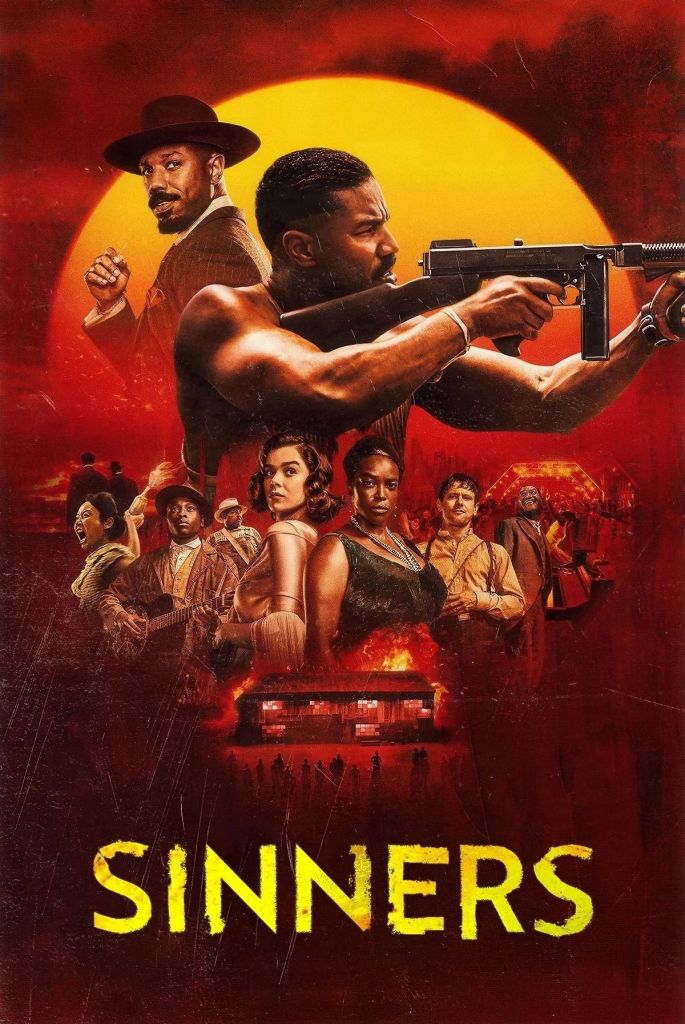
It’s hard not to imagine this films release coinciding with Holy Week being somewhat intentional. While the animated film King of Kings appears to still be doing well, I might argue that Coogler’s film digs even deeper into the themes of the season with its emphasis on sin and death, longing and desire, resurrection and redemption. This stunning work, with its incredible sense of place and immersive cinematography is a powerful reminder of why narrative matters when it comes to making sense of this world. The story we tell shapes the way we grapple with reality, and the way we find redemption within it.
At the core of this films layered and contemplative approach is the idea of sin as a cyclical reality. Sin as an enslaving reality that holds individuals and families, generations, cultures and societies in its grip, binding together the whole within competing narratives. Everyone in this film is running from something, from a past that holds them hostage to failure, loss, oppression, suffering, fear, hurt. And it all culminates in the eventual question that follows- what is one running towards? Is there even anything to run towards?
One of the most powerful contrasts within the film, which it explores through its vampire laden premise, is the notion of resurrection. The tension here becomes one of desired redemption, and yet what haunts these desires is the question of what this hoped for resurrection represents. Does it bring the promise of the defeat of the enslaving Powers of Sin and Death, or does it simply bind us to the same destructive force that has shaped their reality?
Music plays a huge role in telling this story, with a specific emphasis on the old spirituals and the blues. The film describes the power of song as having the ability to blur the lines between past, present, and future, and indeed the overarching realities of life and death. It represents those thin places, if you will. But the dueling forces at war here suggest that in these spaces we let in both life and death, the devil and God. It becomes a question then of allegiance. Do we allow the cycles of sin to consume us, or do we break the cycle by trusting in a different way forward. The only to do this is to come to know where it is that we running towards. What it is our hope is resting in. Where it is we can find this hope. All else lead to the same reality- a world still enslaved to sin and death.
Coogler is brave enough to bring us towards notes of redemption without disguising the darkness as something other than it is. He is willing to dance with the devil in the moonlight so as to imagine, and indeed taste and see the sunrise. He has described this as his most personal and invested film to date, and what more powerful weekend to consider this narrative movement than the movement from death to life in the Easter story.
 The Stories of my Life