
Looking back at my reflections for the first quarter of 2025, I can see some steady themes emerging, guiding my journey into the second half of this present season. Themes about finding ones place in the world. Finding ones place through a life of particiipation in a world where we find both the sacred and the profane. The importance of the act of seeking as an integral part of the art of participation, and the relevance of the mind in seeking coherence between spirit and body.
The Most Anticipated And the Biggest Surprises…
The first quarter certainly was blanketed by two of my most aniticipated reads: the latest in the Hunger Games series, Sunrise on the Reaping, and Aurelia, the latest by my favorite author Stephen Lawhead. While both of those were definite best of the year candidates for me, My Friends by Fredrik Backman, arguably the most aniticpated release of the second quarter, failed to live up to those expectations, taking a premise that held promise and underwriting its singular most compelling facet- the potential exploration of purely platonic relationships. All three of these books could be captured by this simple phrase- we find all things in relationship.

There have been plenty of suprises in the second quarter however, a few that will undoubtedly be in the mix come end of the year. Leading the way would be the sweeping, emotional epic Isola by Allegra Goodman. A compelling examination of womanhood, humanity and faith, taking the real world history of a sixteenth century woman left to fight for her survival on an island and turning it into a memorable character study asking big questions about faith (or faithful participation) in the face of suffering.

Brianna Labuskes The Boxcar Librarian and Patti Callahan’s The Story She Left Behind are two other possible contenders occupying similar space in the historical fiction genre. Both stories about women facing particular struggles against a particular socio-political backdrop with themes relating to the power of the book, or the power of the word, and the power of the relationships that bind us to our place in this world, be it family or friend. Labuske is new to me, and her ability to mine historical data with a real sense of imagination for the potential drama is expertly crafted and hugely entertaining. Callahan is familiar, becoming an automatic buy for me after reading Becoming Mrs. Lewis. This is only my second read from her, and its not quite as strong as Mrs. Lewis, but the potential is there and the setting (the English countryside alongside the abode of Beatrix Potter) and characters were spaces and persons I would happily have spent more time with.
The Mind And the Spirit…
The first quarter had me reading a couple books on the science of the mind (Light of the Mind, Light of the World and Hart’s magisterial All Things Are Full of Gods. Kieran Fox’s I Am Part of Infinity: The Spiritual Journey of Albert Einstein and The Transcendent Brain by Alan Lightman add to that mix, the first being an excellent biography with points of personal disagreement, focused primarily on capturing Einstein’s spiritual convictions and beliefs. The second being a less than satisfying attempt to reconcile transcendence with the authors noted and staunch materialism. I found Fox’s treatment to be honest, Lightman far less so. Fox brings out Einstein’s awareness of universal truths allowing it to shape the particulars, while Lightman imposes the particulars in an effort to construct and manufacture a universal. In terms of seeking, I find the best approaches to pose the question, what is the shape of this world we observe and experience, and to allow that to make sense of the particulars.
Although not as magisterial in nature, I would also add Loren Wilkinson’s fantastic Circles and the Cross. I found it equally compelling and important, probing the nature of the mind from the perspective of Christ and the cosmos.
From The River To The Ocean And Back Again…

I started the second quarter on the Panama Canal, traversing the waters of it’s creation, reflecting a monumental point in history, a moment that paved the way for the formation of the modern West: The Path Between the Seas by David McCullough and The Great Divide by Cristina Hematquez. Very different books, one a breezy but effective drama, the other a dense and detailed history. Both worthwhile in their own ways.
I continued from there in two parallel directions, the first moving me towars John Haywaood’s Ocean: A History of the Atlantic Before Columbus, an equally important work on understanding the historical formation of the West, and Josephine Quinn’s How The World Made the West: A 4,000 Year History, looking at the same historical period from a slightly different vantage point and challenging common perceptions of the West as a measure against opposing civilizations rather than seeing it as a product of civilization (singular).
I found both to be really helpful explorations of certain conceptualized trappings that prop up forms of Western exceptionalism.
As a tangental window, perhaps, into that whole conceptualized West idea, I prepared for the release of Ron Chernow’s massive biography on Mark Twain by reading Twain’s irreverant and often very funny travelogue following his trip abroad (A Tramp Abroad).
I went from the Ocean back to rivers in the provocative Is A River Alive by Robert Macfarlane and the mythic fiction of The River Has Roots by Amai El-Mohtere. The latter was one of those “throw the book down in frustration” experiences given the way I felt duped by a particular by a particular revelation near the end of the novel, but Macfarlane is an important voice in my life in terms of how he seeks to reconcile his skepticism of the transcendent with the honest ebb and flow of his particular spiritual journey through a material world. This might be his most honest reflections yet, and given that it focuses on one of my great loves (rivers), it certainly retains a spot on my keeper shelf. If The River Has Roots takes a mythic approach to examining the lives of two siblings finding their place in the world, or perhaps between the worlds. the worlds Macfarlane traverses is the transcendent and the physical.
Sacred Books, Sacred Films…
Continuing on the history front, The Bible: A Global History by Bruce Gordon was a really interesting look at the development of the Bible over history. It is tackling a lot, and some of it trends towards surface level treatment and generalizations, but I think it adds some helpful questions and observations to an always controversial topic, ultimately cutting through the noise with an express interest in capturing why the book gained and retained its sacred status. I think it gives people a way to see its relevance and importance to a life of faith through a fresh lens.
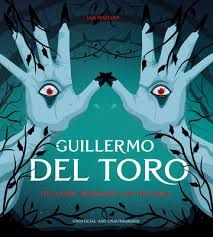
One of my favorite reads from the first quarter was the classic How To Read a Film. That pairs well with a deep dive into my favorite filmmaker with Guillermo del Toro: The Iconic Filmmaker and His Work by Ian Nathan. It’s a must read for anyone who is a fan, giving informative and illuminating context to his works and his motivations, especially where it connects to his relationship to his father, his mother and his grandmother, the basis for his interest in monsters and the tension between the spiritual and the material.
From Advent To Lent: Learning To Seek…
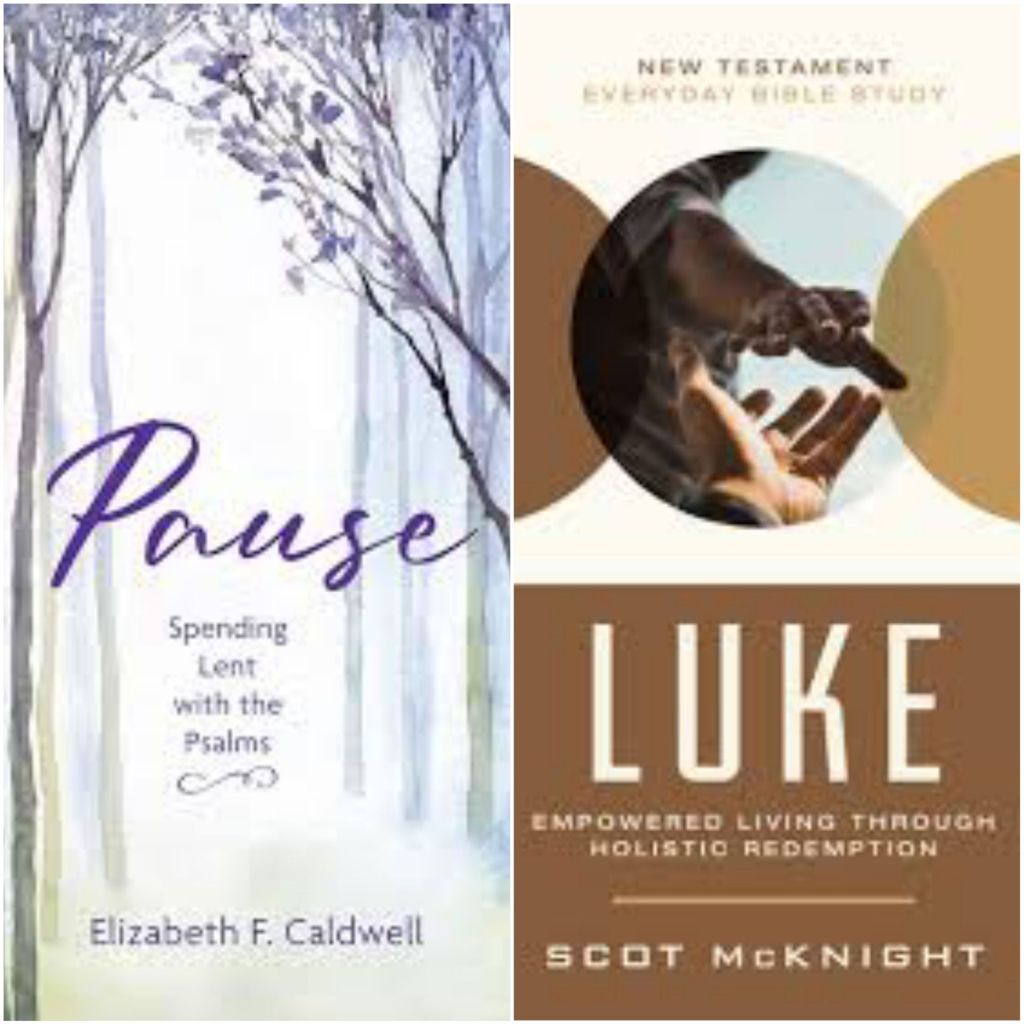
The second quarter coincided with Lent, and I partnered that with the wonderful Pause: Spending Lent With the Psalms and Scot Mcknight’s commentary on the Gospel of Luke, a book I had been with since the advent of Advent, given that my Church was journeying through the Gospel this year (from Advent to Lent).
With the death of Pope Francis, I also finally made room for his autobiography (Hope: The Autobiography), a fitting and timely cap to the Easter season that emphasises how faith makes sense only through a life of participation.
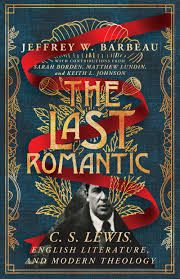
I listened to the audio version of The Last Romantic, a unique and fascinating series of essays that function as a conversation into the way Lewis was formed by the Romantics and how the convictions of the Romantics speaks to our modern world and debates.
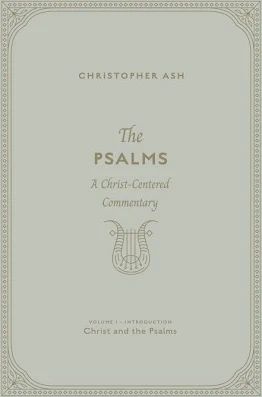
Picking off from my devoitional for Lent, I delved into Christopher Ash’s The Psalms: A Christ-Centered Commetnary. I struggle with a lot of the material coming from Reformed circles, and Ash is firmly centered within this Tradition. But to his credit, the academic elements here, married as it is to an expressed pastoral concern, was refreshing. He falls into some trappings, but for the most part I really liked his approach and his arguments for the interplay between the Psalms in its world and the patterned Tradition that fits it within that necessary Christological lens. It’s not an imposition, its a natural outflow of the Psalms interest.

Having read Walker Percy’s Signposts in a Strange Land in the first quarter, I finally was able to check off his classic The Moviegoer, a philosophical journey in the life of a fictional character seeking to understand the nature of “seeking.” The quest of life seeks the spiritual quest. As it says, to have arrived means to cease to be seeking, which mires one in the mundane.
Comfort Food, Family, Mystery and Dysfunction
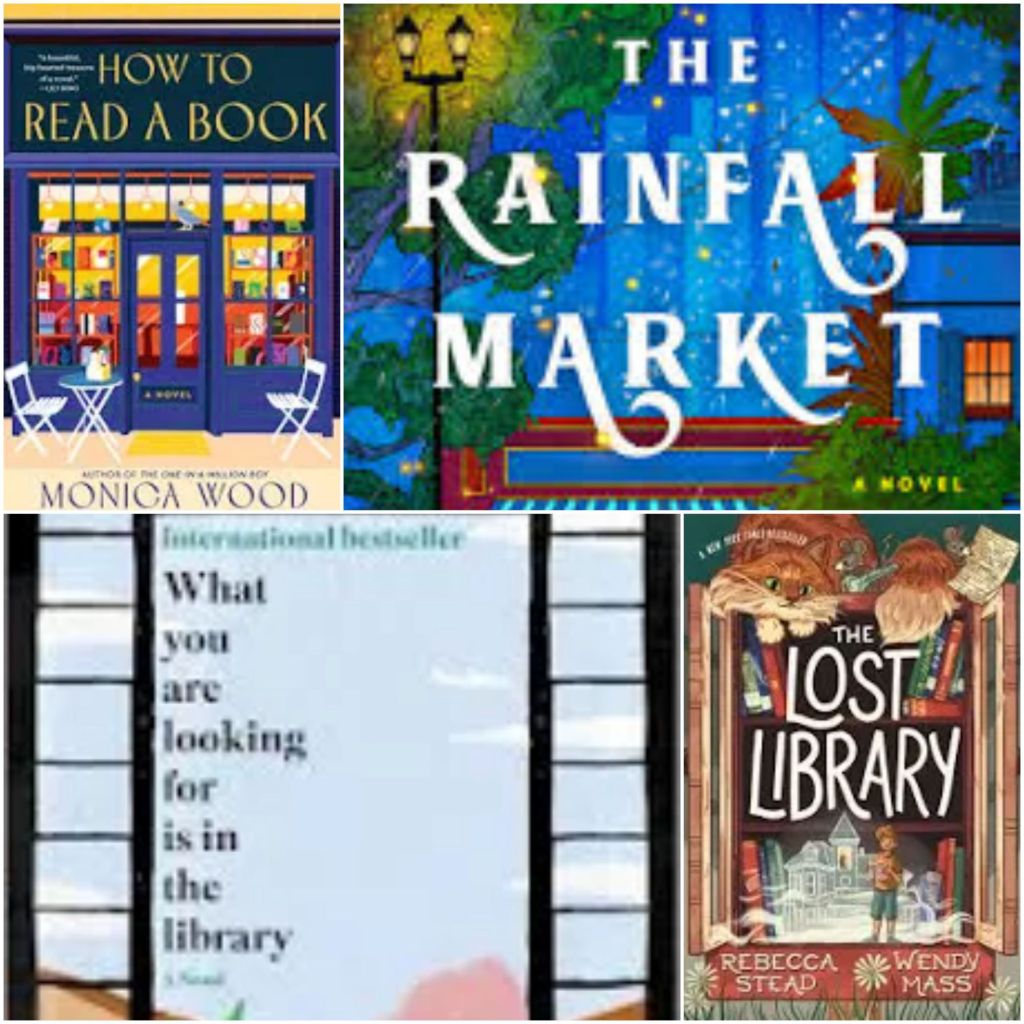
Carrying forward the simple loveliness of Sipsworth from the first quarter, Monica Wood’s How To Read a Book, Gwang’s The Rainfall Market, What You Are Looking For in the Library, and The Lost Library by Rebecca Snead, all fit the bill of comfort food, if it had a literary parallel. All of them have an equal and shared interest in big life questions married to simple adventures and the theme of relationship.
I also got back to Juneau Black’s quaint detective series, returning to Shady Hollow and its still endearing cast of talking animal characters with the second book in the series, Cold Clay. Equal doses of mystery and heart with a dash of quirky.
On a more edgier front, albeit still in the realm of simple, good entertainment, I also finally got to Zoje Stage’s follow up to the horror novel Babyteeth, Dear Hanna. Its good, not great, but also effective for what it sets out to accomplish, handing us a now grown Hanna dealing with her past and navigating the present struggles of someone with mental illness.
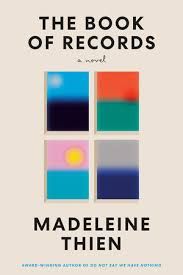
I picked up the buzzy The Book of Records (Madeleine Thien), continuing with my selection of Canadian authors (having read the great Moon of the Crusted Snow by Waubgeshig Rice in the first quarter). This one was underwhelming for me. A little too ambitious. Difficult to track with. Too singular for the depths it was trying to mine. And yet its also intriguing. using the voices of past, present and future to explore questions about the nature of our existence.
The Classics…

Also, on the classics front, I finished Kings Ransom by Ed McBain in preperation for Spike Lee’s remake of the older adaptation (Highest to Lowest). A page turner that leaves you with a ton to think about by the end in terms of its moral dilemma and its existential concerns.
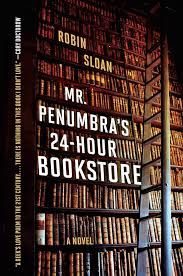
I had a more complicated relationship with the classic Mr. Penumbra’s 24-Hour Bookshop. Loved the premise, fusing the mystery of this bookshop where customers demonstrate peculaliar habits with worldbuilding didn’t love the execution, although it has a few points along the way that provided stand out moments.
Pre-Summer Reads…
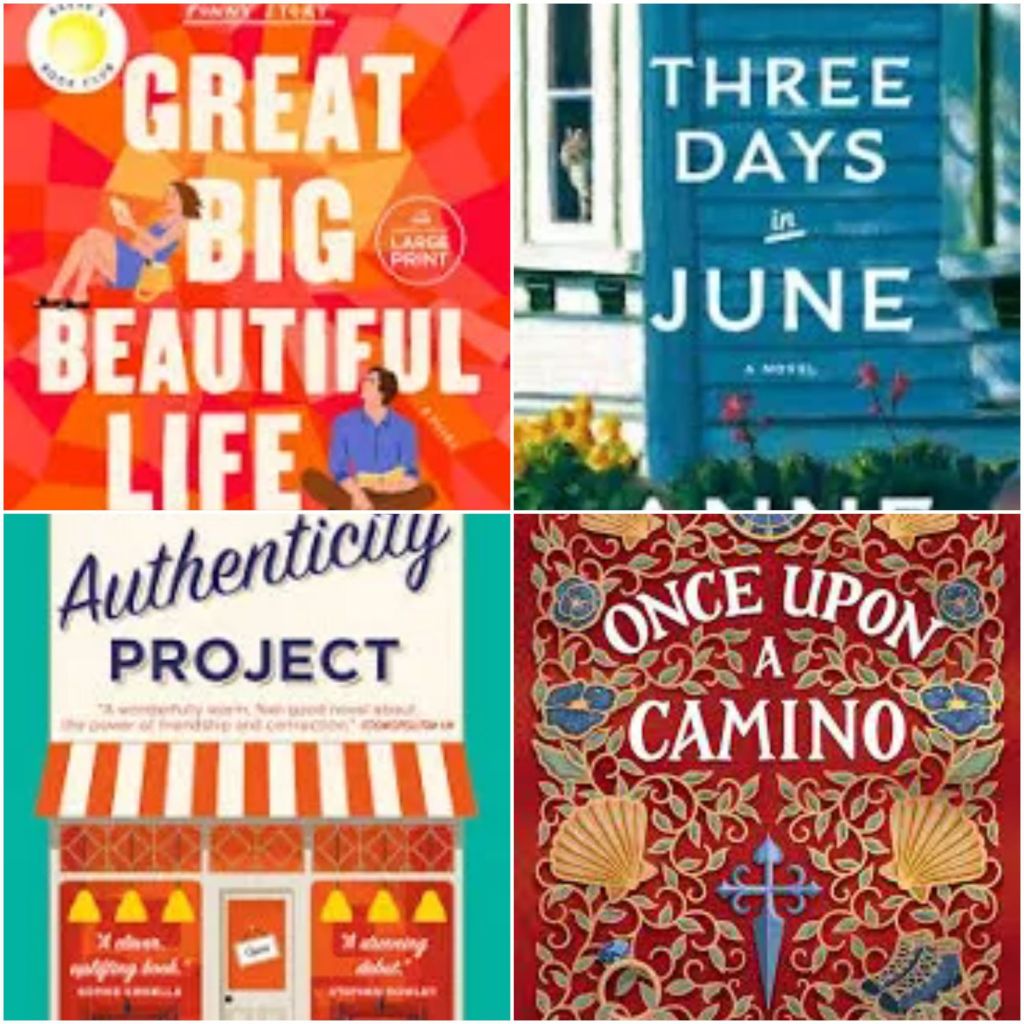
This past month has felt like “getting ready for summer” mode, spending time with some unlikely choices, such as Great Big Beautiful Life by Emily Henry, Three Days in June by Anne Tyler, Once Upon a Camino by Matthew Wilson, and The Authenticity Project by Clare Pooley. Suprisingly, I enjoyed Henry’s blend of soapy drama with just the right amount of substance thrown in to give it heft. I’ve never read her before, but all of the book groups I am a part of are always reading her latest as part of the summer reading lists, and for once I just wanted a participation trophy. Tyler’s equal blend of surface drama and substantive questions was one I liked even more. It’s less rom-com and more drama, and I really enjoyed the simple structure of the three days in life of a family, exploring the dynamics between a divorced couple against the backdrop of their daughters wedding. Wilson’s romantic adventure had time travel, so automatic points for me. Pooley? I actively disliked this book. Count it amongst my least favorite of the year with the frustrating Hollow Kingdom by Kira Buxtonwith and Here One Moment.
In the mix as well was Jacqueline Harpman’s I Who Have Never Known Men, a contained, melancholic experience told from a singular perspective that occupies the opposite side of the above “summer” fare.
Seeking Conversation Across Divided Lines…
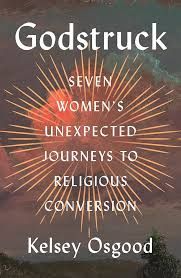
Perhaps a good pairing with Custodians of Wonder, a book I read in the first quarter, Godstruck: Seven Women’s Unexpected Journey’s to Religious Conversion by Kelsey Osgood was a lovely exploration of the lives of real people engaging real life spiritual quests across varied Traditions. It’s the universal nature of these quests that really stuck out for me, leading readers to wonder about the Truth that these quests are drawn towards.
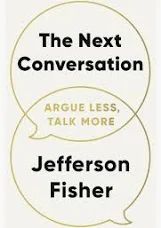
In a similar spirit, The Next Conversation: Argue Less, Talk More by Jefferson Fisher was a helpful guide to mutual connections across divided lines in something more than chaos and discord.
What’s Next In The Coming Months?
Probably a bit too ambitios, but I presently have started the third book in Black’s Shady Hallow series (Mirror Lake) with V.E. Schwab’s newest on tap alongside the second in Peter Brown’s acclaimed The Wild Robot series. I’m also in the middle of a fascinating travelogue called Go To Hell: A Traveler’s Guide to Earth’s Most Otherworldy Destinations, and have started listening to the Mark Twain biography which will likely take me months (on paper it leans close to 1000 pages). I also have Ben Aaronovitch’s Rivers of London (Book One) on the go, and I am finishing up a history on Ghosts called The First Ghosts, which so far is really good, pressing on the basic facts of history that not just these beliefs, but tangible real world encounters are present in every documented account that we have from human societies, cultures, groups.
After that, I’m hoping to work in a summer mystery (either Riley Sager’s With a Vengeance or Barclay’s Whistle (trains seem to be a good choice), a YA (probably Best of All Worlds), and the fluffy For Whom The Belle Tolls and Summer of the Monsters by David Sodergren. Building off I Am Part of Infinity, I just picked up Sean Carroll’s From Eternity to Here: The Quest For the Ultimate Theory of Time, and building off The Next Conversation, I also picked up Chatter: The Voice In our Head, Why it Matters and How To Harness It by Ethan Cross.
And if I can fit it in, a tandem read with two Ukranian stories (How April Went To Visit March and Other Ukrainian Folk Tales, and Endling by Maria Reva), along with a hoped for classic (either Franny and Zooey by J.D. Salinger or something by Flannery O’ Connor).
 The Stories of my Life