
Why Oklahoma?
Why Mackinack Island?
Why Birmingham?
Why Duluth?
Why Sault Ste Marie?
These questions reflect the shared response to my choice of destinations over the last three summers. While each destination has its own unique reasons and context concerning why I travelled to these particular places, each invokes that same seemingly essential degree of collective puzzlement. They don’t exactly scream tourist destination.
Each shares another characteristic in common- my decision to visit all three are connected to an item that is on my list (my bucket list if you will, although I prefer the phrase “life list”).
But that’s probably just doubling down on the puzzlement and restating the same question- why are they on my list to begin with?
While the relevant place for me right now is Sault Ste Marie, having just returned less than a week ago from a visit, let me start with a previous destination in order to dive deeper into that why question:
Birmingham, Alabama
Two summers ago I found myself hitting the road for my first solo road trip to Birmingham, Alabama. Now, to be clear Birmingham was not on my list. The mid-sized southern American city is iconic of course for both its bright culture and dark past, but for me the only real awareness I had of the place was in rhetoric or footnotes to conversations about larger topics. It’s never described as a destination for the restless wanderer or the interested tourist.
In this case, part of the why is incidental and practical- what put it on my radar, aside from being a budget friendly option to spend those short summer months on (I’m on the school system, so those months are a sort of routine rite of passage between seasons for me), was the simple fact that I was in the middle of reading the newly released King biography. Thus, I suddenly had a reason to put it on my radar, and decided that traversing this space in tandem with the words on the page was a compelling option. It didn’t hurt that the destination put me in relative proximity to a place that had been high on my list for a while- Charelston, South Carolina. So with Birmingham as my central hub, I set off on an adventure which could more accurately have cited Charleston as my main point of interest. That likely would have led to less puzzlement.
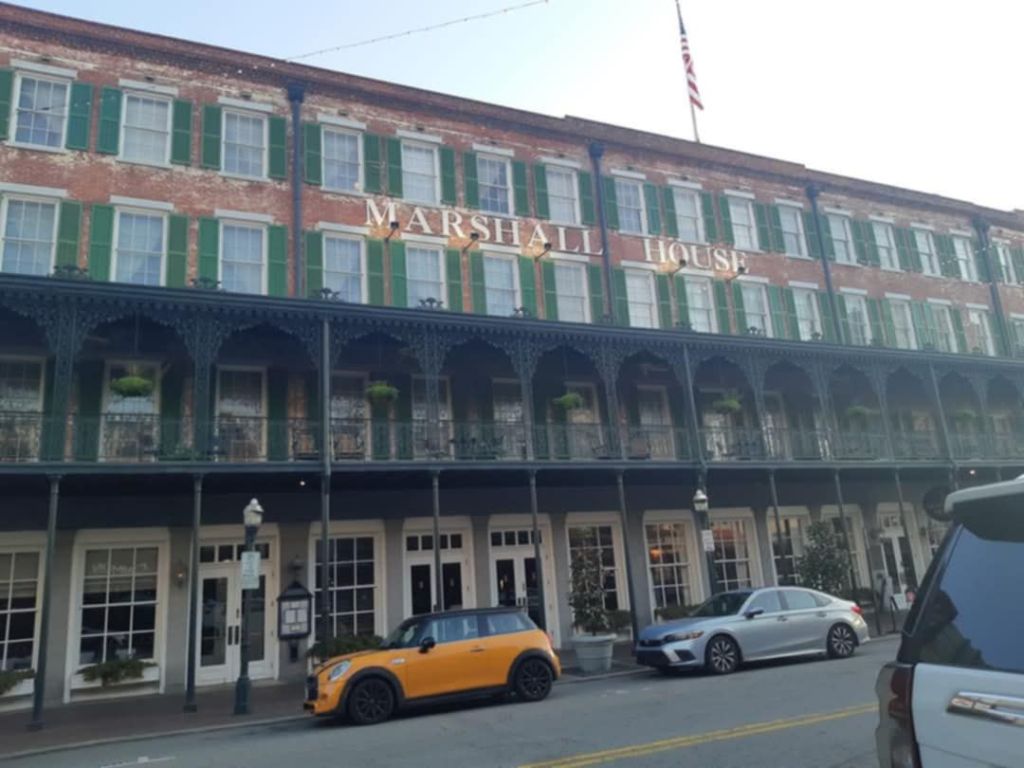
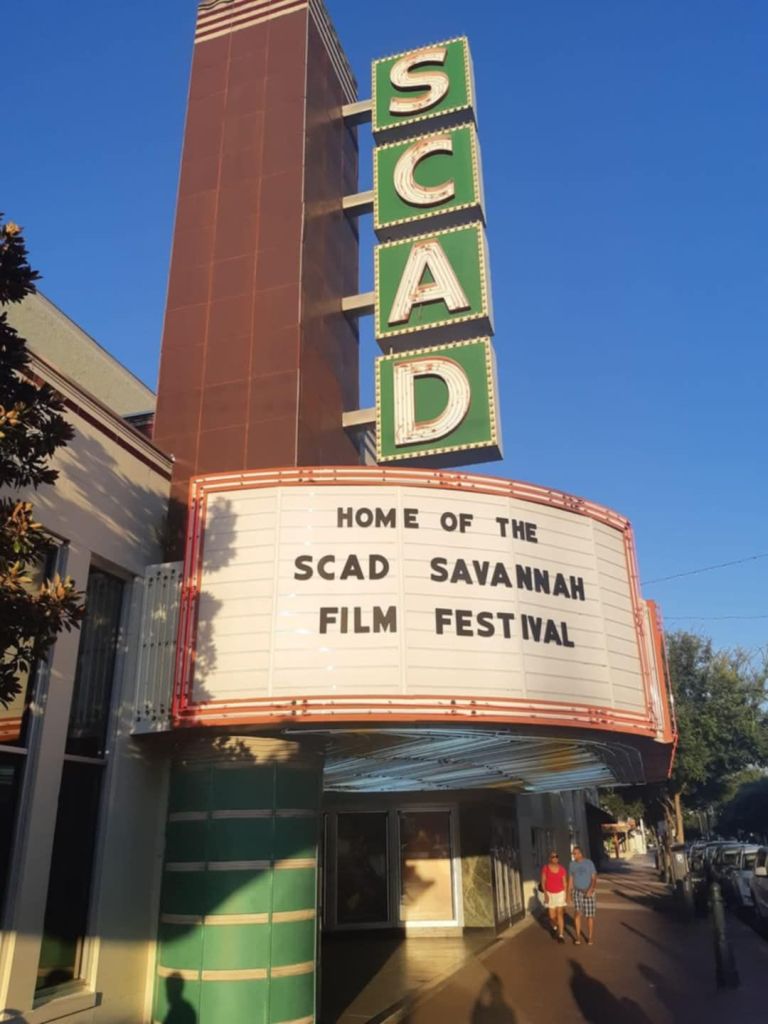
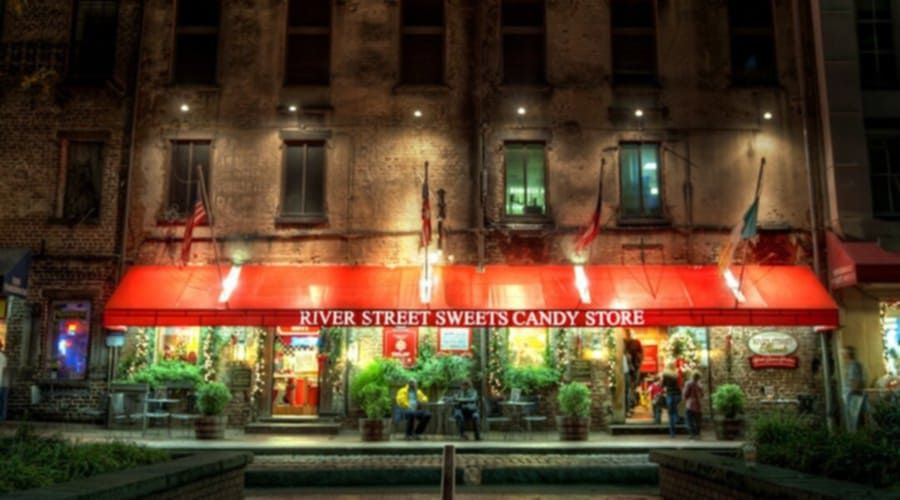
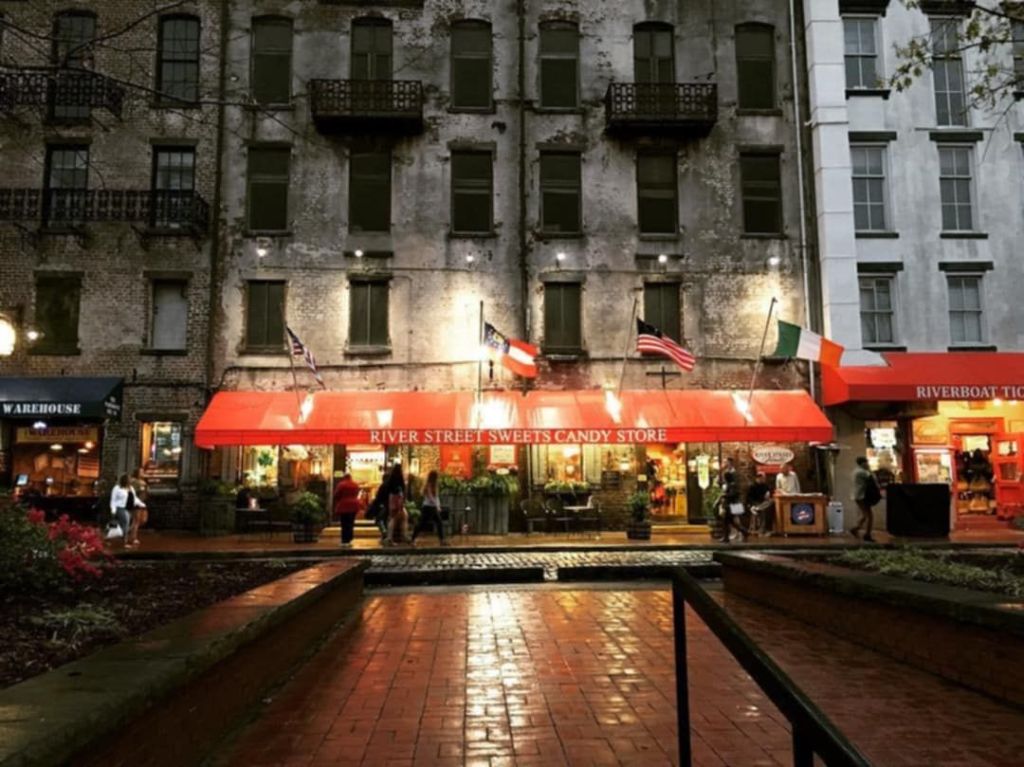
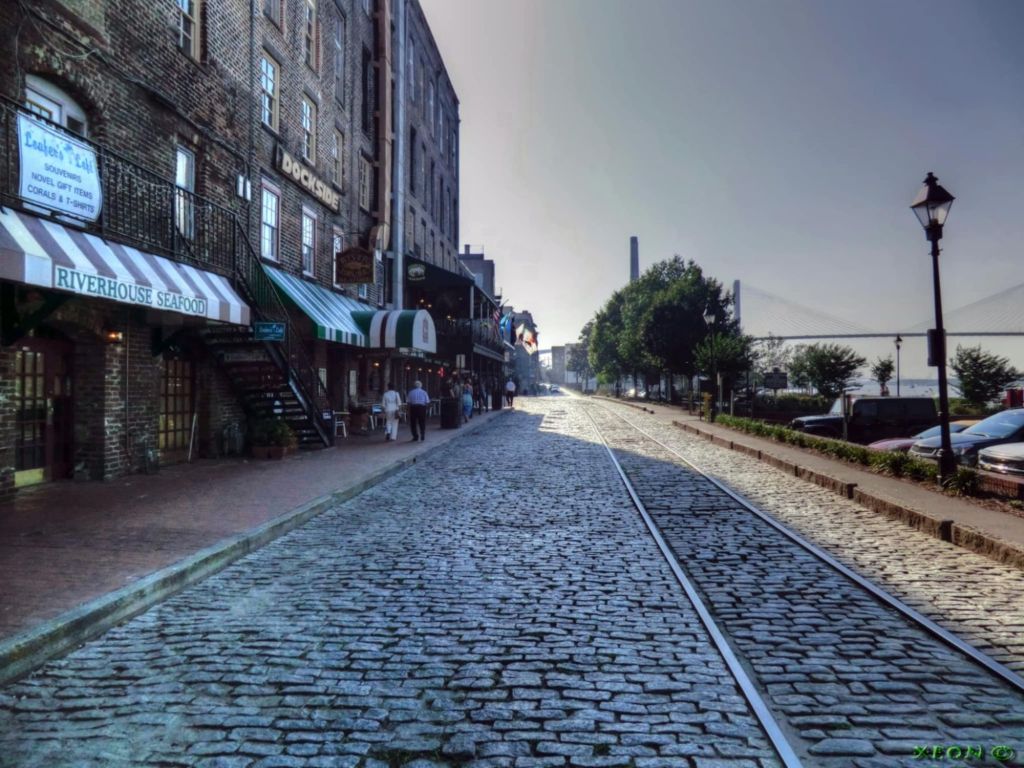
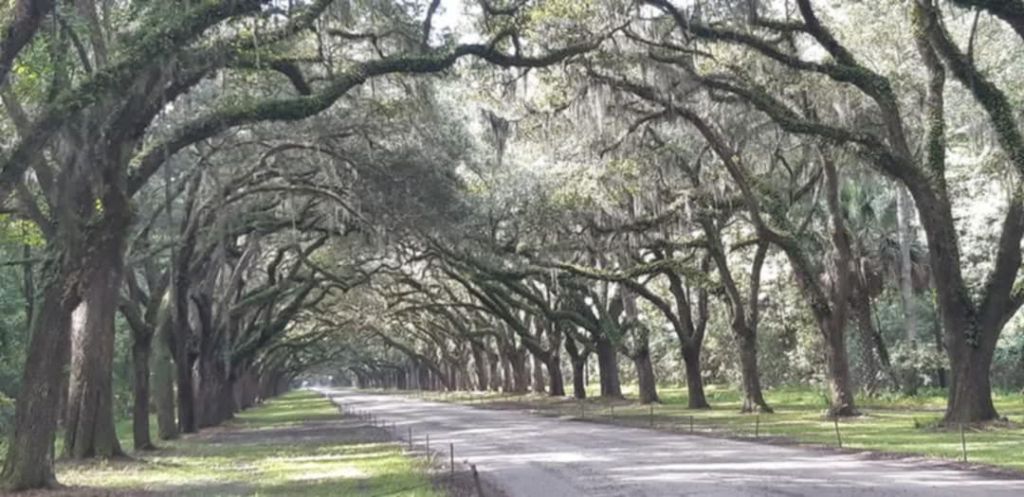
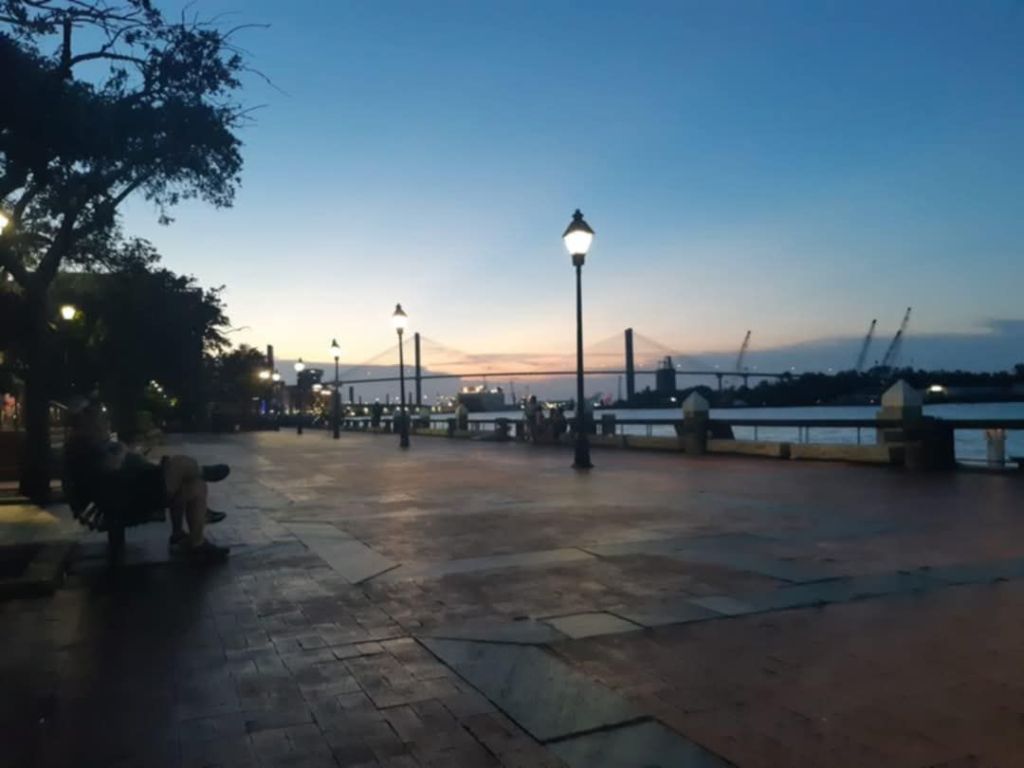
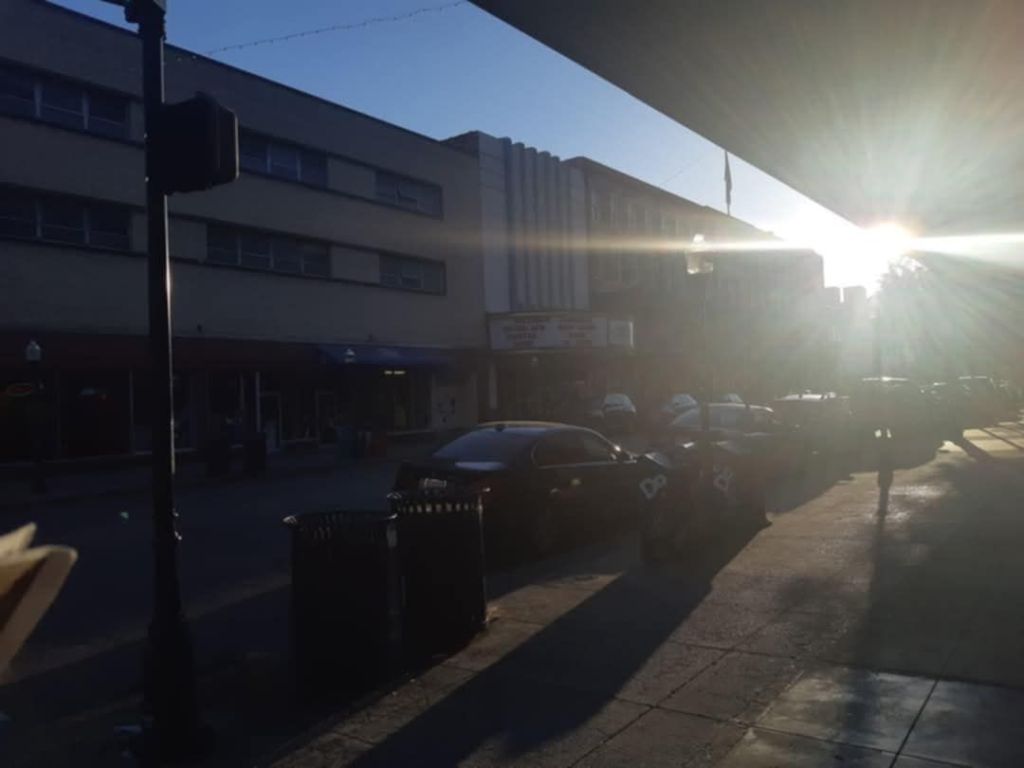
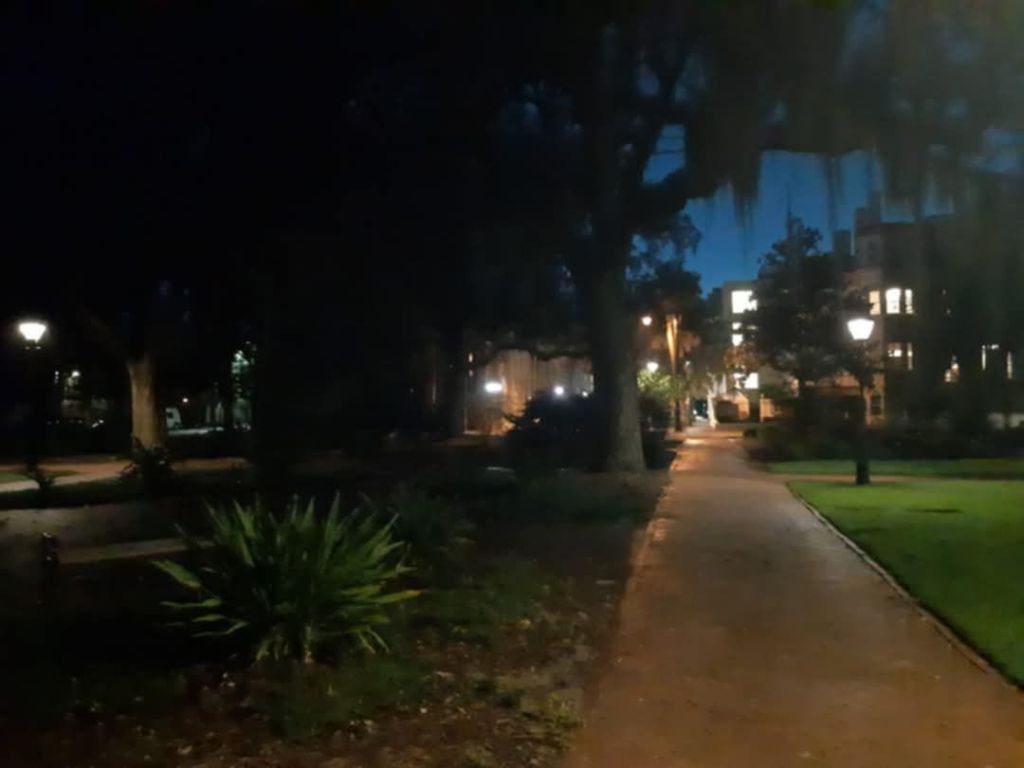
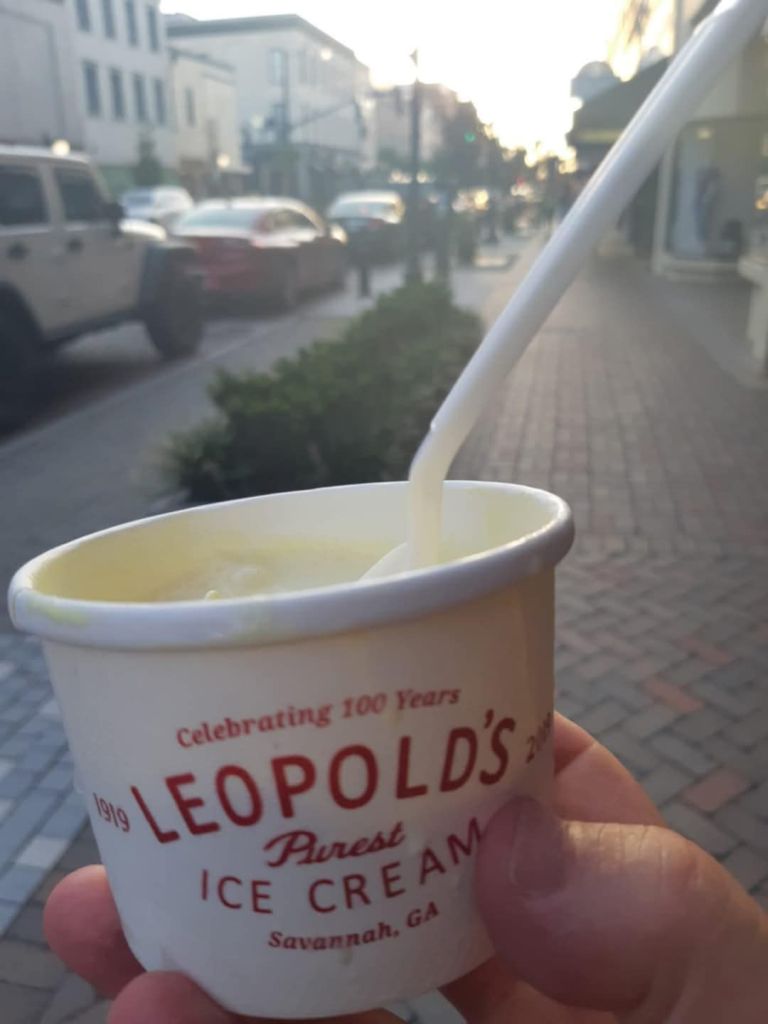
Ironcially, it turned out that my least favorite place to visit on that trip was Charleston. I loved Birmingham. I even ended up loving another place that was neither on my list or on my radar- Savannah, Georgia, which I traded some of my time in Charleston for.

Duluth, Minnesota
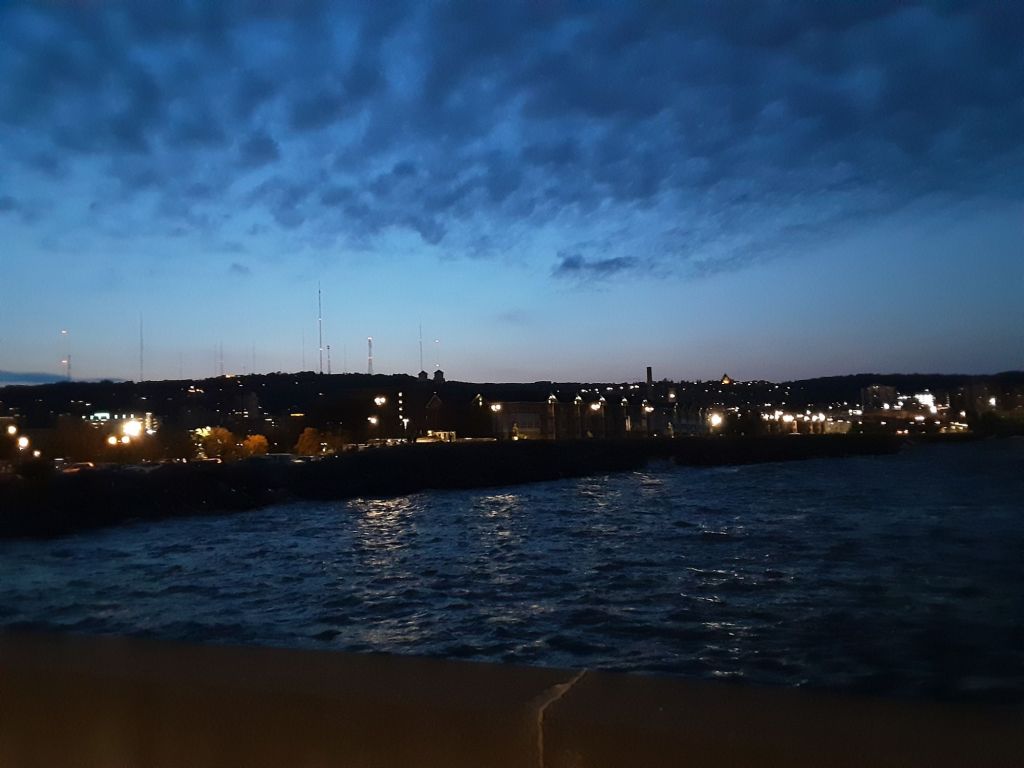
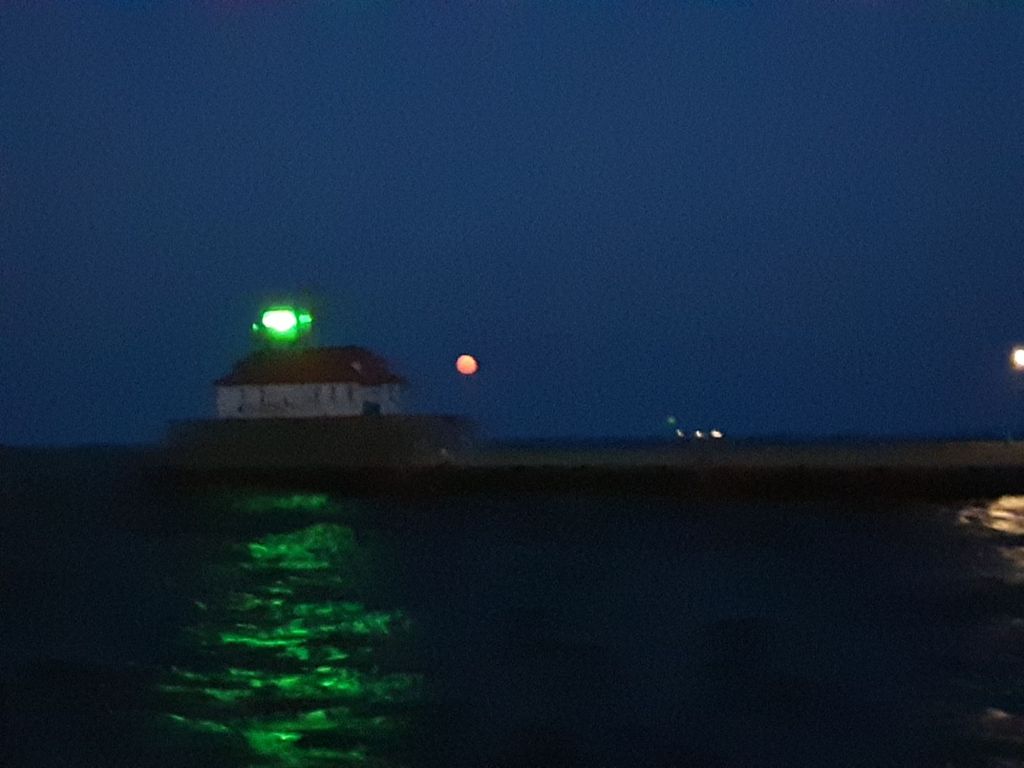
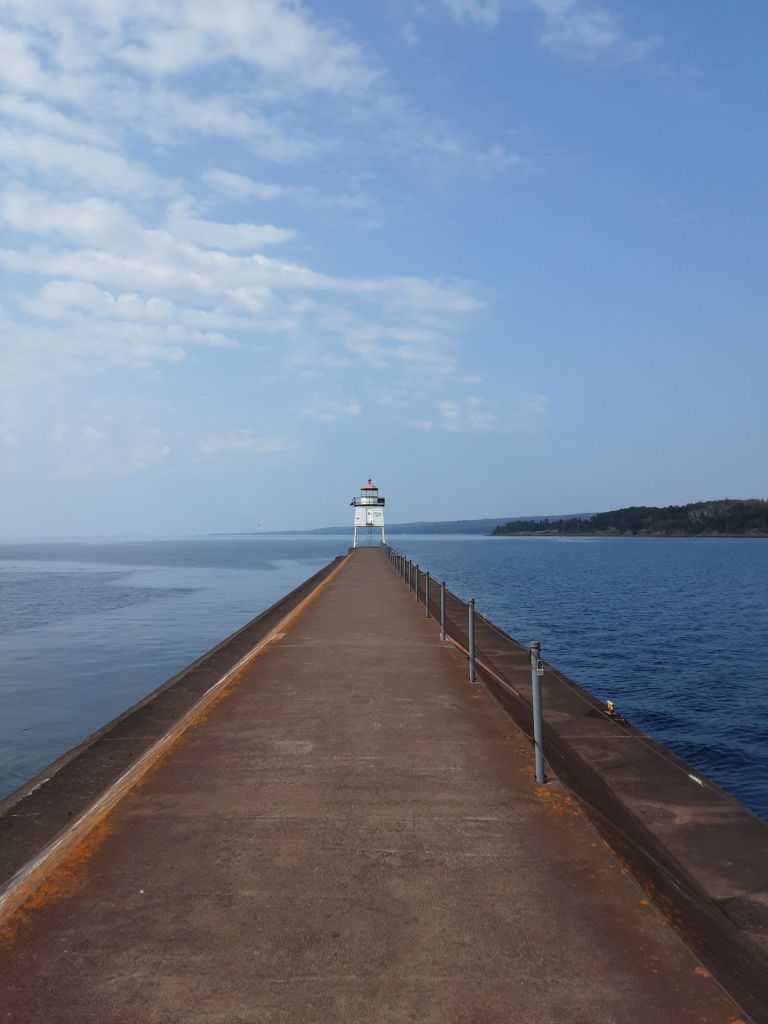
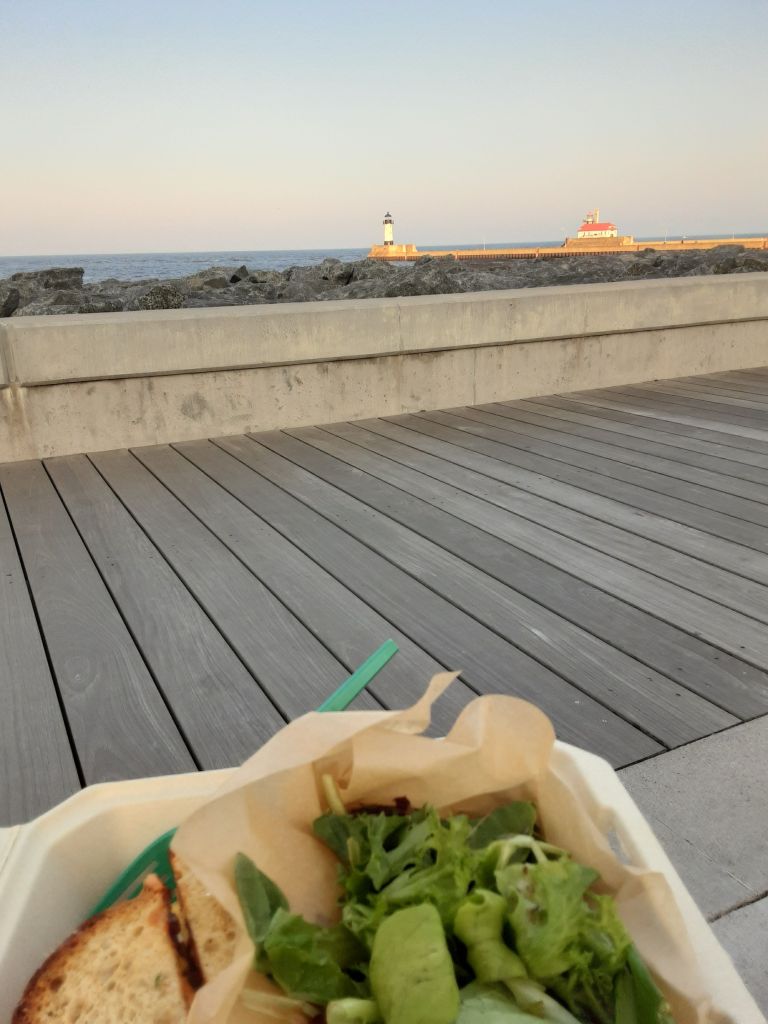
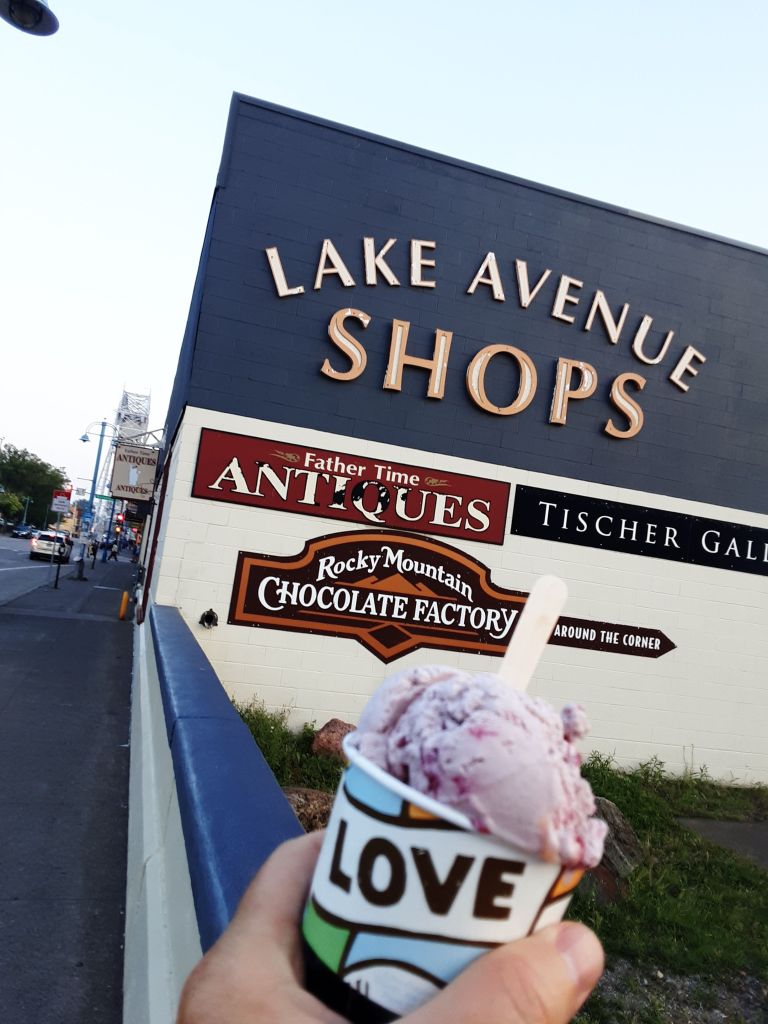
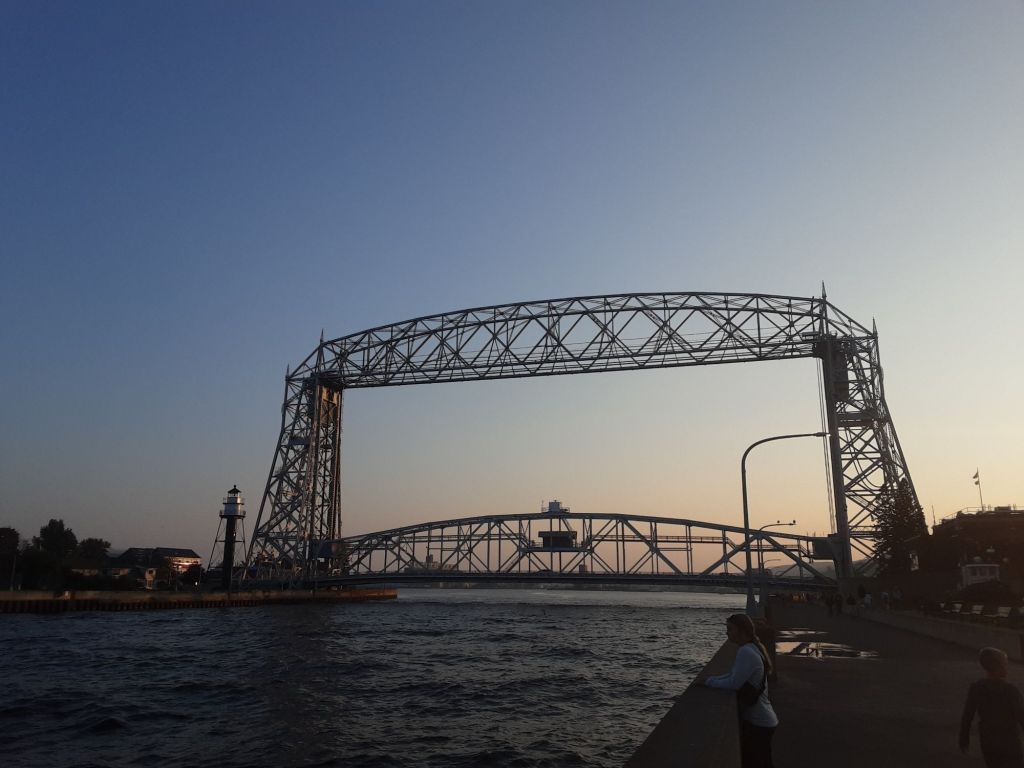
A second example: Last summer my already low budget was especially affected by a job change which had sliced my income in half. Why Duluth? Again, bring in the budget friendly destination. Nice and close to my hometown of Winnipeg. To be clear though, Duluth was simply a central hub that allowed me to check off another item on my life list: the Apostle Islands. Admittedly the islands were far down that list, but nevertheless they were on it. And the time seemed ripe to finally take the plunge given my limited resources.

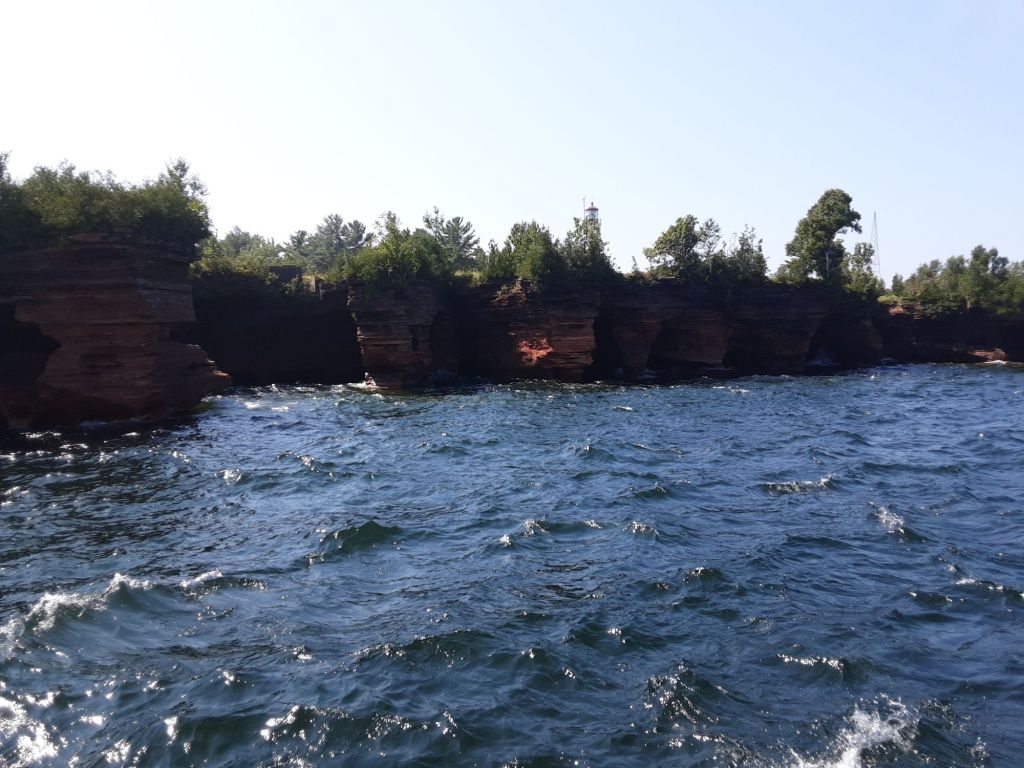
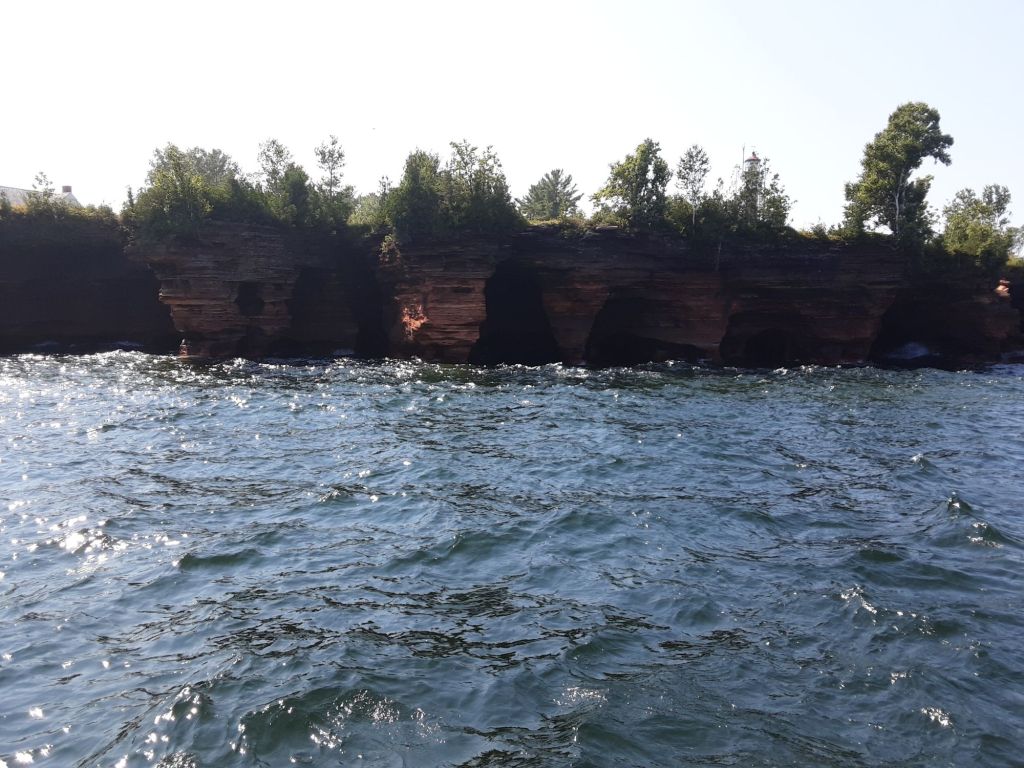
Turns out the islands were fine, but what I really loved was the chance to dig underneath the surface of Duluth. In this case, I had been there enough for the layout and the streets to feel familiar, but I gained a different kind of delight and joy from that trip- crossing that line between being a tourist to being a visitor. It’s kind of magical you move from familiar to routine. That’s when the nuances and the hidden spaces and captured moments are able to emerge with a new kind of veracity and power. The space feels, in part, yours. The chance to just settle in and experience the mix of culture, waterfront and trails and lifestyle from a completely different vantage point blends with mornings sunrise walks at the downtown waterfront, coffee with the now known baristas at Dulth Coffee Company, repeat visits to try different things local institutions like The Duluth Grill and At Sara’s Table, weekend trips up the North Shore, hikes through the popular parks., evening movies, and plays. The kind of stuff you often miss when being a tourist.
Three Essential Observations About Travel
These two examples underscore for me three essential observations about travel:
- Often times its the unexpected places and moments, not the antcipated and planned ones, that prove to be the most cherished.
- Any place can be a destination for the curious, and curiousity, or investing in that curiousity, is what makes any destination a worthwhile one.
- Taking the opportunity to invest opens up more oppporunity, such as a trip to check off the Apostle Islands leading to a chance to dive deep into the life and culture of Duluth, which then lead to a further opportunity to check off the lower mississippi GRR, which takes you to the headwaters. I had even forgotten that this was on my list, a holdover from a trip up the GRR from Minneapolis to Memphis, leaving the final part of the upper portion (Memphis to New Orleans) and the the lower portion (Minneapolis to the headwaters) on my TBT (to be travelled) list.

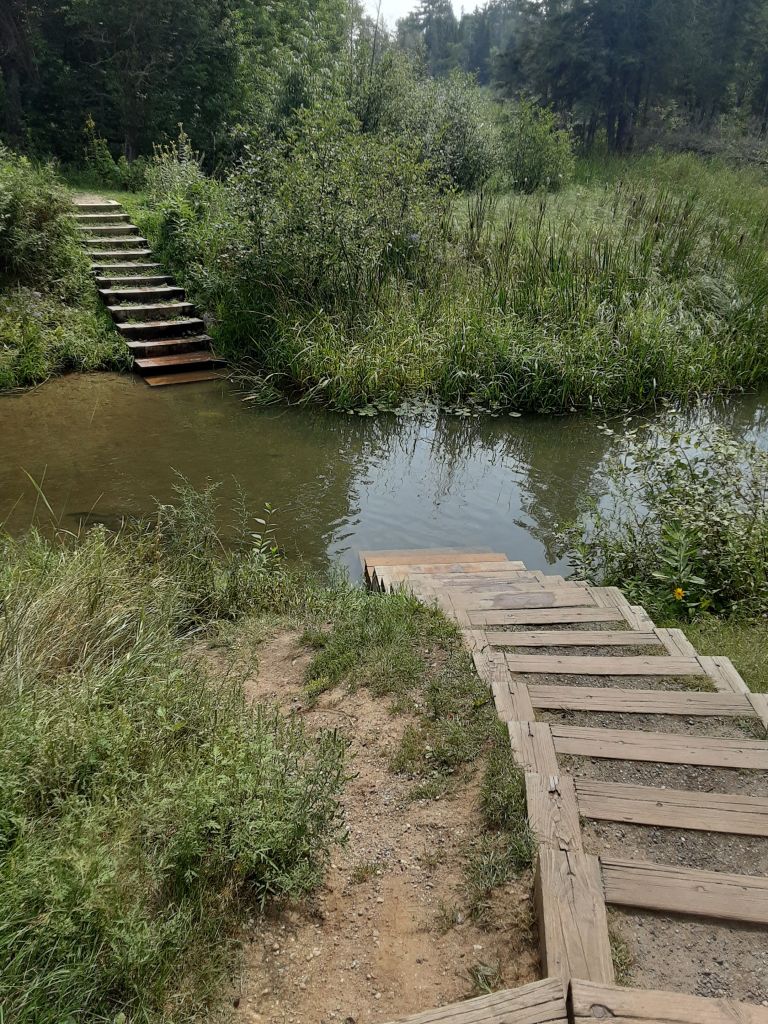


Which brings me to this summer: why Sault Ste Marie? A barely 90,000 large (or small) populated northern Ontario city seemingly in the middle of nowhere. A place boasting a reputation as a drug-hub given its proximity to the American border and its isolation from any significant center.
Sault Ste Marie
Let me backtrack for a bit. It starts with the once lofty asperations of maybe, just maybe, finally getting to England this summer. A destination residing at the top of my list that seems to forever come and go as a failed endeavor with each passing year. With my expceptionally depleted budget this was going to take some creativity, but it seems like its always my starting point any time I’m approaching the years travel plans. This is a story for another time, but a near comical mix of conflicts and failed and upended plans left us heading into summer with nothing on our plate and a very limited list of potentials, compounded by the fact that this year I don’t have the luxury of August with the demands of my new position as Transit Manager for my school (August is typically the one and only haven for anything remotely nearing budget friendly options in the summer, relatively speaking, with prices droppping the closer one gets to September).
So I find myself moving from the top of my list (England) down to the bottom. That’s where I noticed a tiny, seemingly insignificant mention of the Agawa Canyon Tour Train I had jotted down years ago.
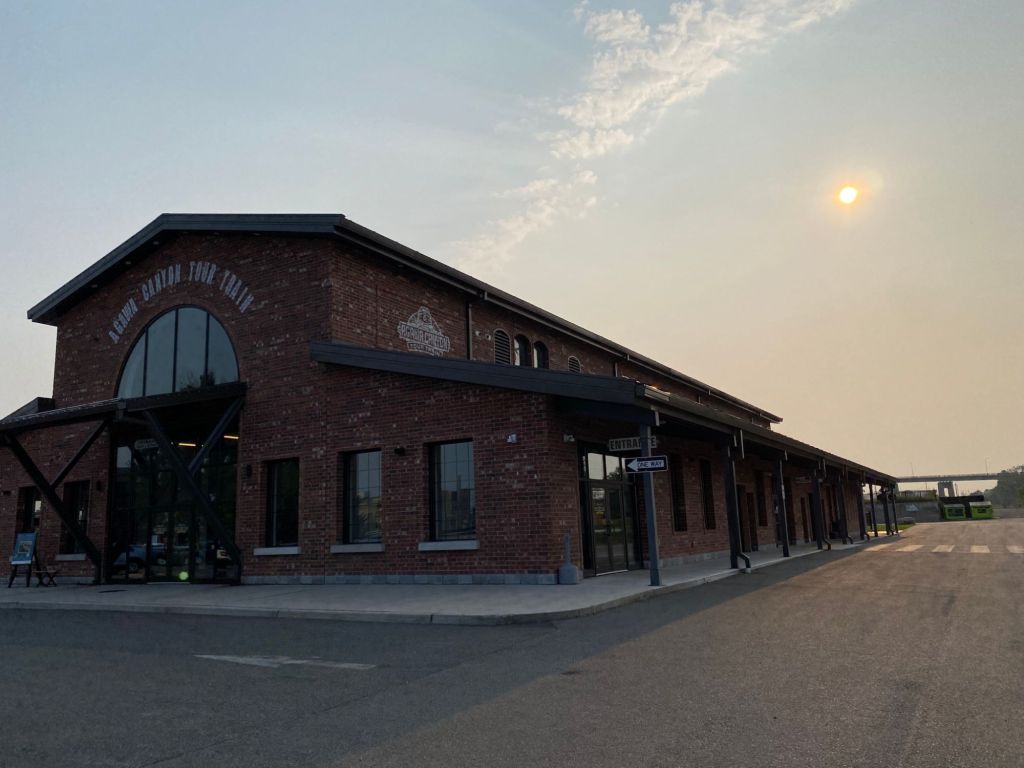
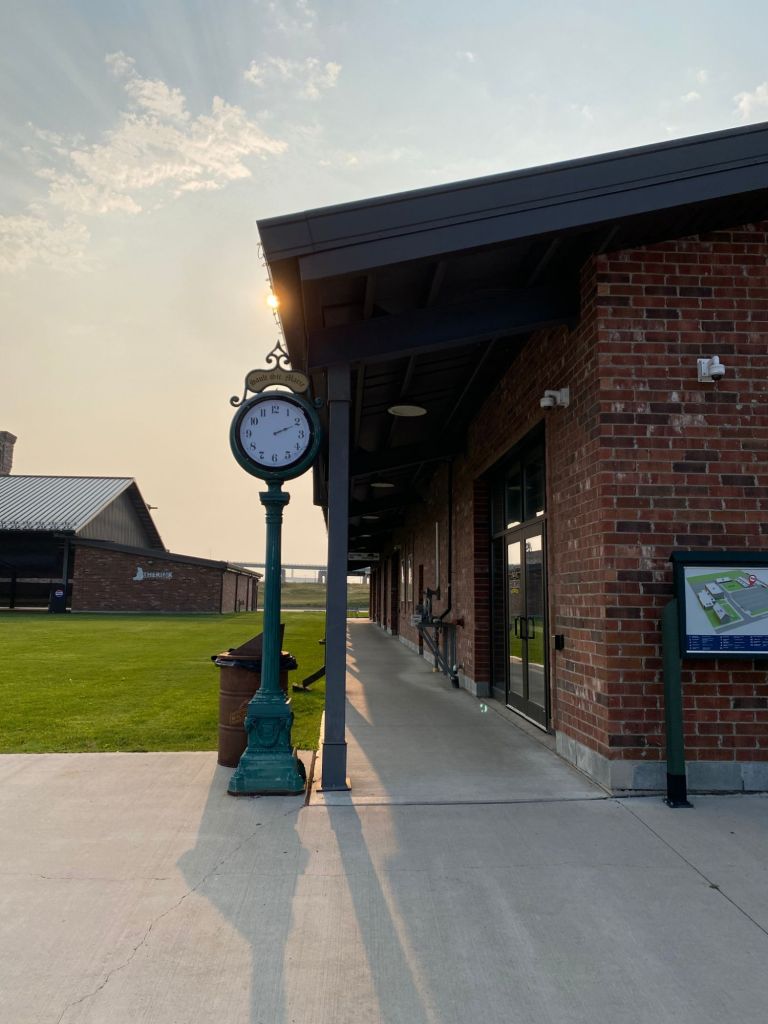
Why is this train on my list? Someone suggested that the simple fact I’m using train and vacation in the same sentence means I’m old. And I mean, that’s never been more true than turning 49 this past week (which is a digression needing its own space to flesh out as well). But there is another reason why its there: its association with the infamous “Group of Seven.”

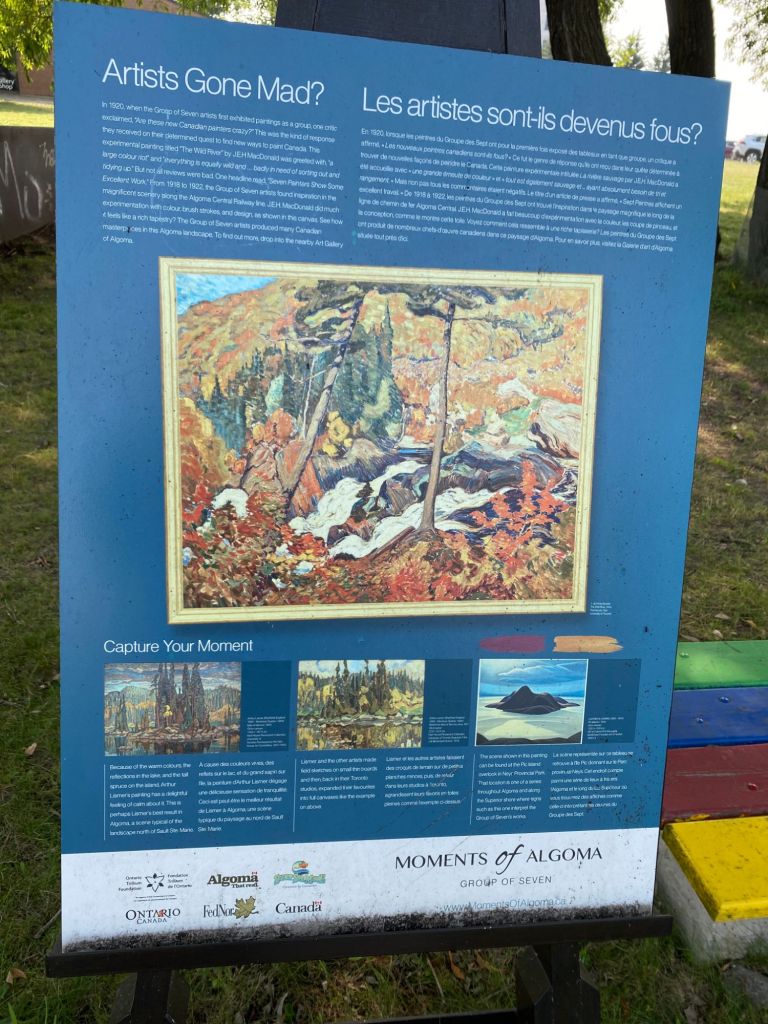
If America had its decisive break from Europe through its now infamous stated rebellion, it could be argued that Canada gained its true distinctivness through the emergence of the Group of Seven, who’s paintings come to light between 1920 and 1933 and go on to shape the fabric of Canadian culture at large. Their unique blend of emphasis on a mix of urban, landscape, and person, all brought together against the backdrop of this rugged wilderness of the northern locale, becomes a way of speaking to that necessary fusion of populution density and the sheer vastness of the country’s geographical space. The Agawa Canyon Train traverses the original inspiration and repeated pathways that helped foster the unique vision of these artists, accented by a local museum and artists center designed to continue their influence by connecting this history to the ever emerging voices of fresh generations.
Which is to say, tor a “middle of nowhere” part of Canada, this small city packs a significant punch in terms of cultural relevance. And in true self-depreciating fashion, which I am more and more convinced is found in all places big or small, may be a punch it delivers without the knowledge of some of its local residents, a note I make given some of my interactions during my stay. As one person put it, the goal of education in Sault Ste Marie is to enable people to leave. I’ll come back to that sentiment later, as there is many ways in which this misses the mark, but as a born and raised resident of Winnipeg, Manitoba, I know this kind of self depreciating attitude well. You don’t earn a spot on the Simpsons and the moniker “I was born here, what’s your excuse,” without it being in the air. For the record, I am invested in and love my hometown.
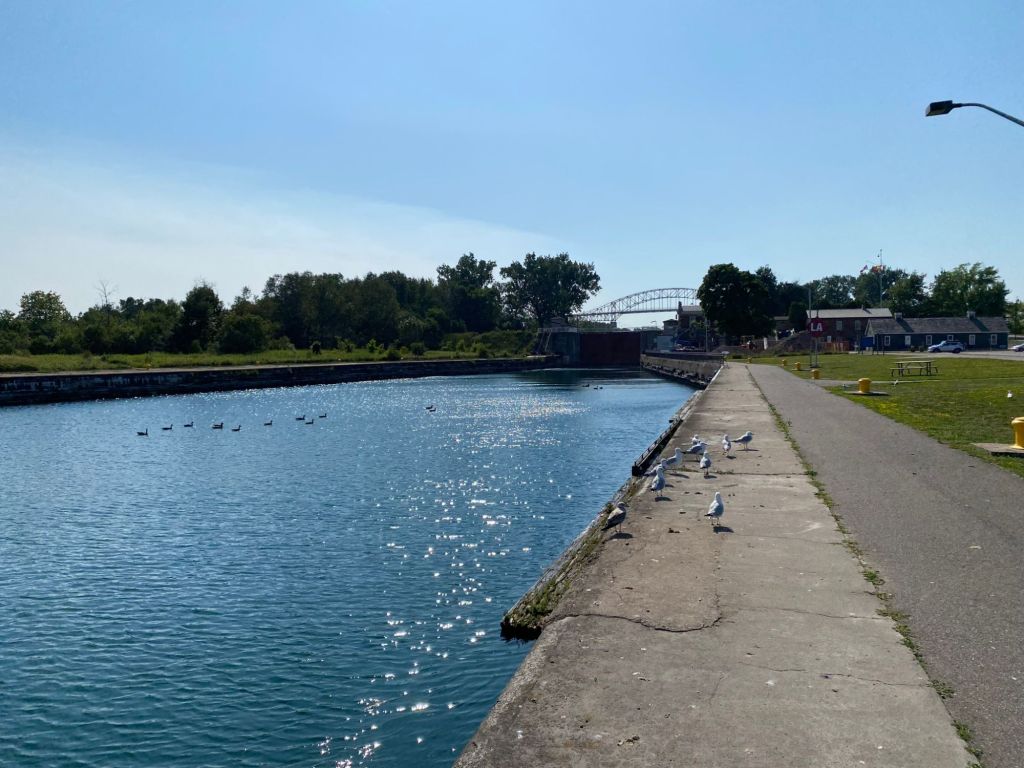
Back to the Soo: what is true of the Agawa Railroad and the Canada Seven could be equally applied to its other most recognizable attraction- the Soo Locks.

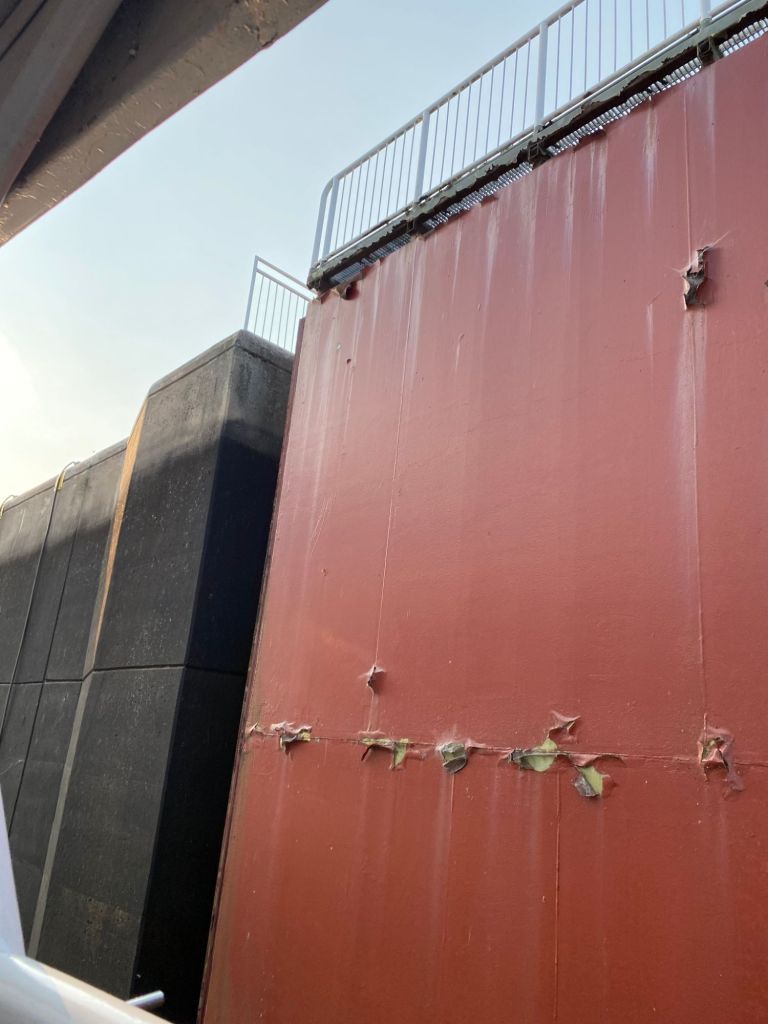
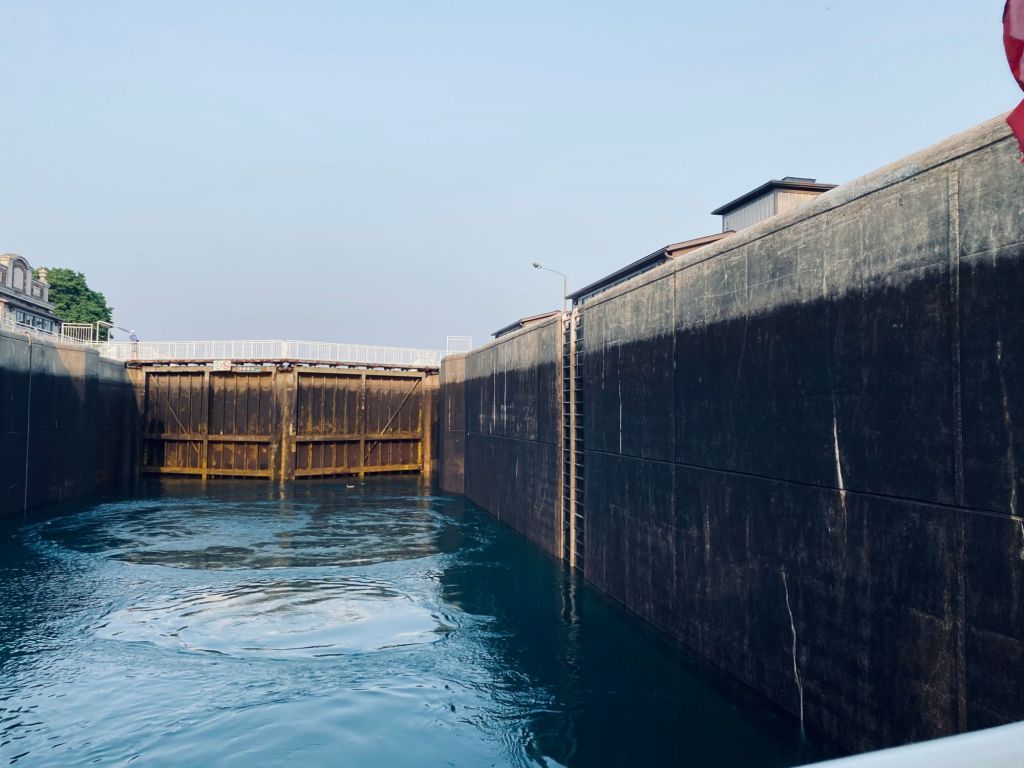
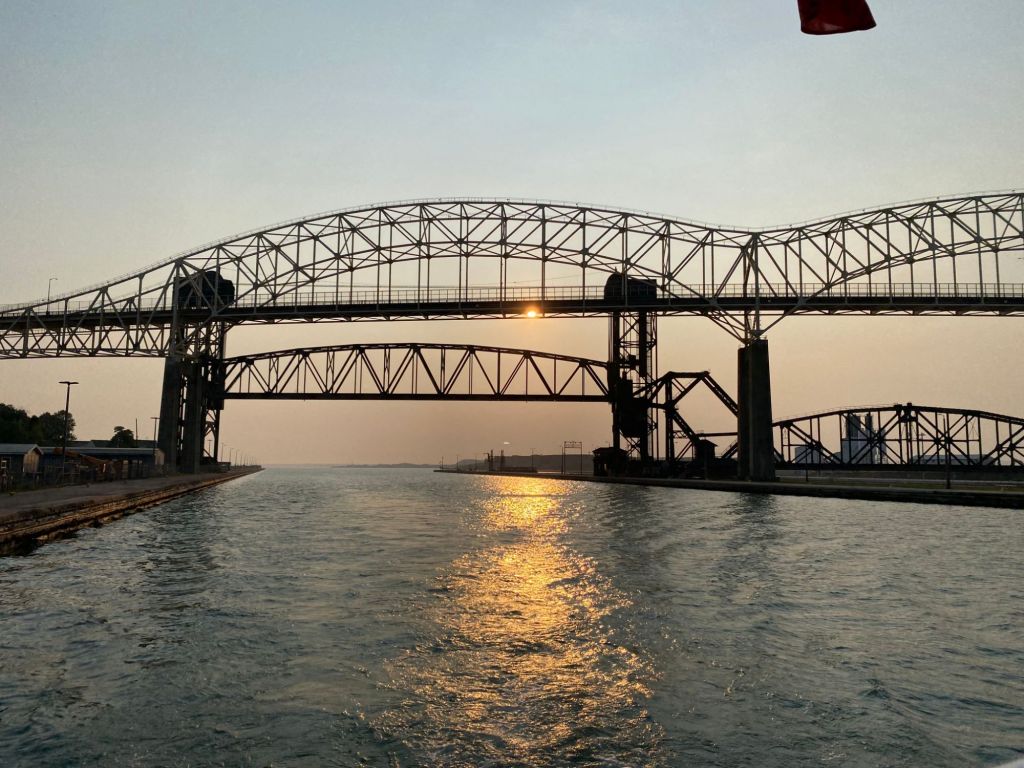
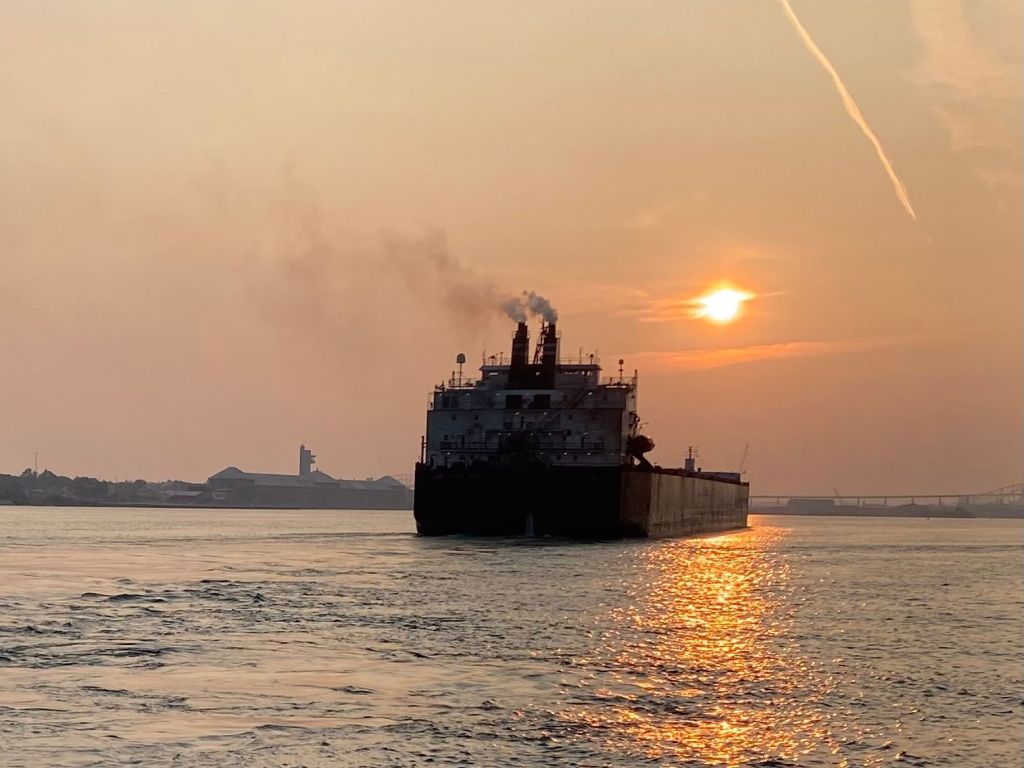
What I learned about the Locks:
- These locks represent the last and final piece of the puzzle that connects Lake Superior to the other Great Lakes, and thus the ocean.
- The locks are so important to the now developed economy of both the U.S. and Canada, that any intentional targeting which leaves them unusable for even a matter of months would cripple the country (hence the persisting lore of secret underground bunkers).
- While it costs upwards of hundreds of thousands of dollars to use the Panama locks/canal (beginning with a whopping $800 for vessels under 50 feet), using the Soo locks is free.
Funny enough, the significance of the locks plays directly into that reflection on self depreciating attitudes about a place. Here we have, nearly in the center of these two Countries, a fact that is symbollically recognized by the international bridge and the twin cities occupying both sides of the border (Soo Michigan and Soo Ontario), a transit coridor that functions as a waterway to somewhere else. What I discovered through conversations and podcasts and online discourse (some of the ways I like to immerse myself in a place), is that part of the identity crisis of the Soo connects to the question of why the city is not in fact bigger than it is. Given the beauty of its backyard, given its economic importance (including the massive Agawa steel plant), why did it not grow into a major city center? Part of the answer, at least in appearance, is the fact that its not bolstered by large access to self sustaining farm land. And perhaps its northern winters, but as a Winnipeger I find such critiques difficult to take seriously- winters are something we embrace. I don’t know. It likely just boils down to the ebb and flow of history. Sort of like why Winnipeg stole the once ambitions dreams of becoming Manitobas capital and largest center from Selkirk. What I can say is, its place and position as one of three most populated centers along the North Shore of the Great Lakes Region should not be measured by its relative population. It should be measured by its character and function. And, something else I’ve become more and more convinced of over the years, the best way to get ato know the character of a place is not through the dissenters, but through those who are passionately invested in the place itself. That’s what I wanted to seek out from this place I had driven through and by many times without really stopping to wonder and notice and experience.
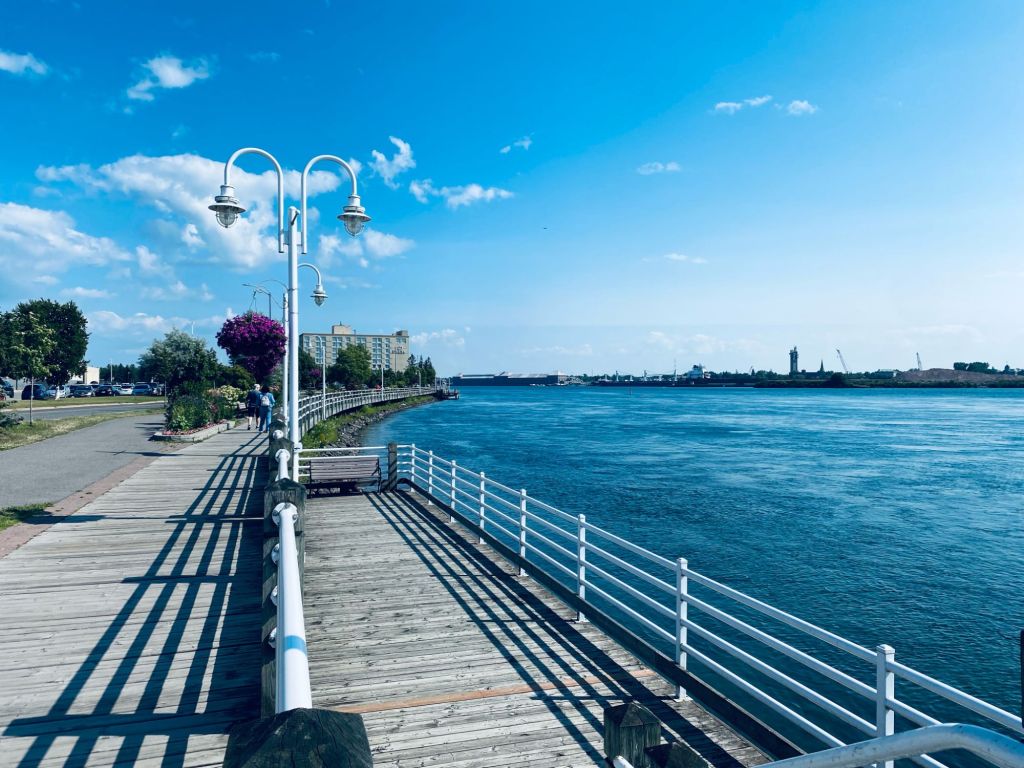
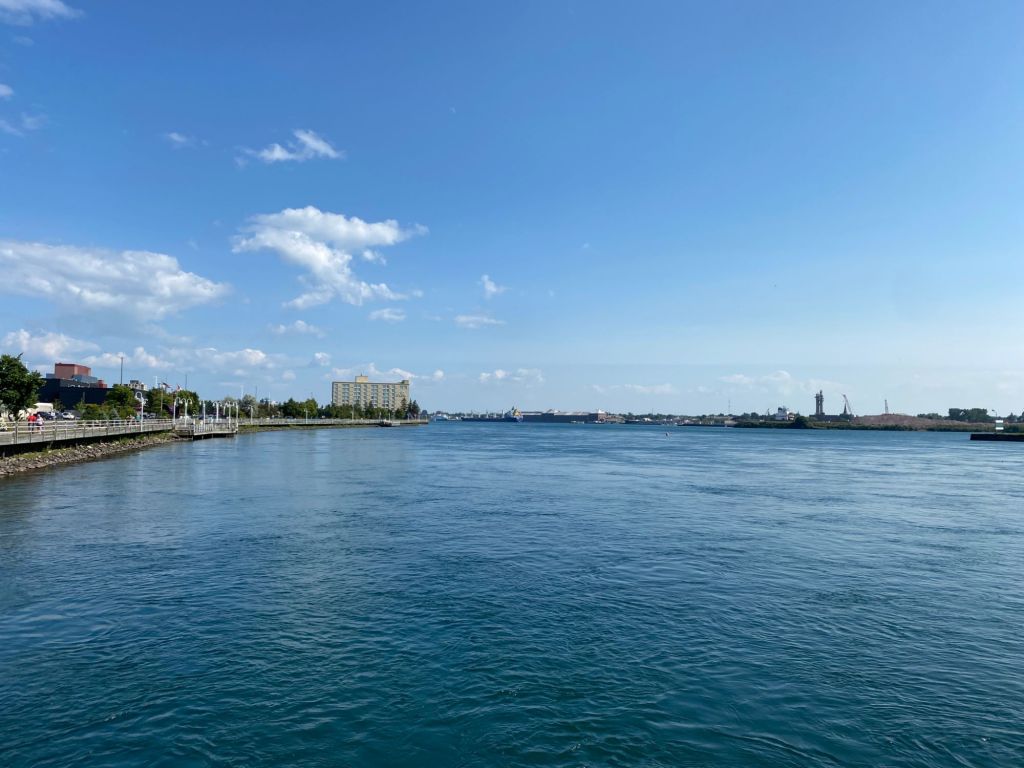
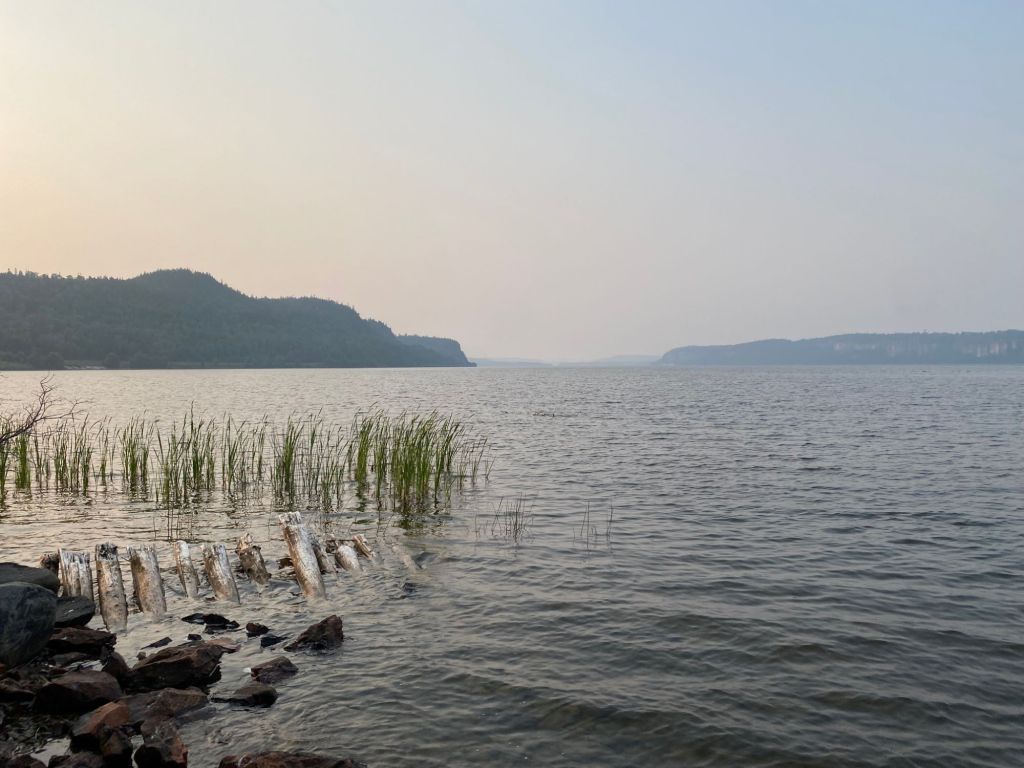
So, how would I describe Sault Ste. Marie? First off, it’s defined by a very concentrated mix of the city’s connected hub trails, its wilderness backdrop, and its waterfront canal.
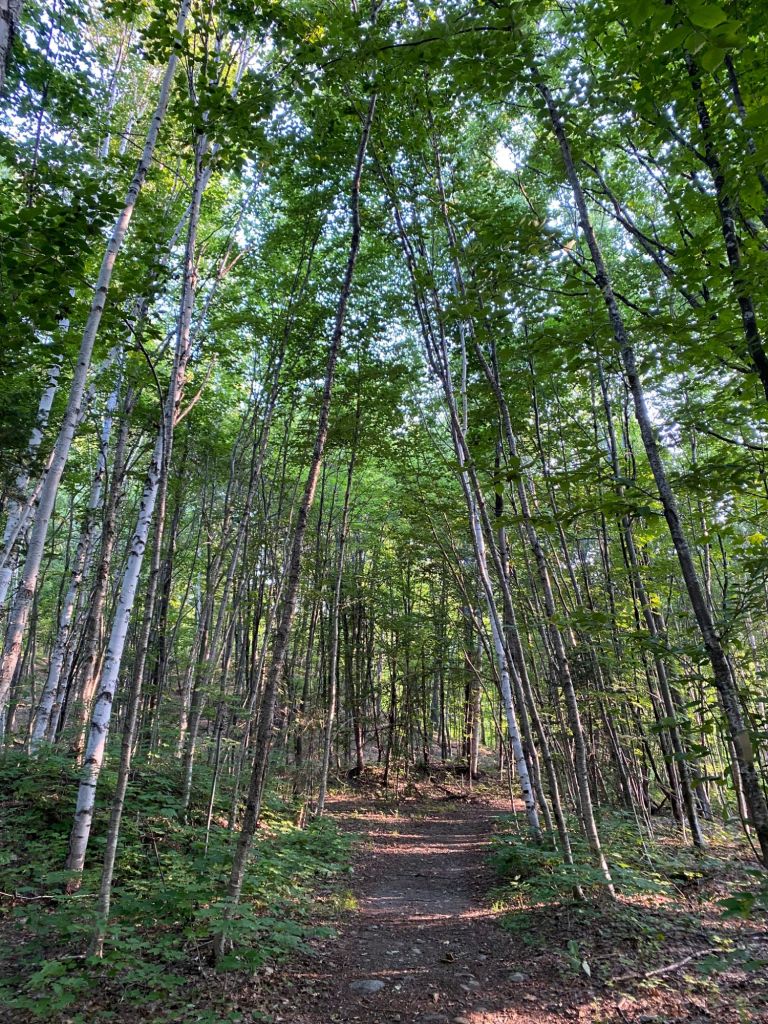
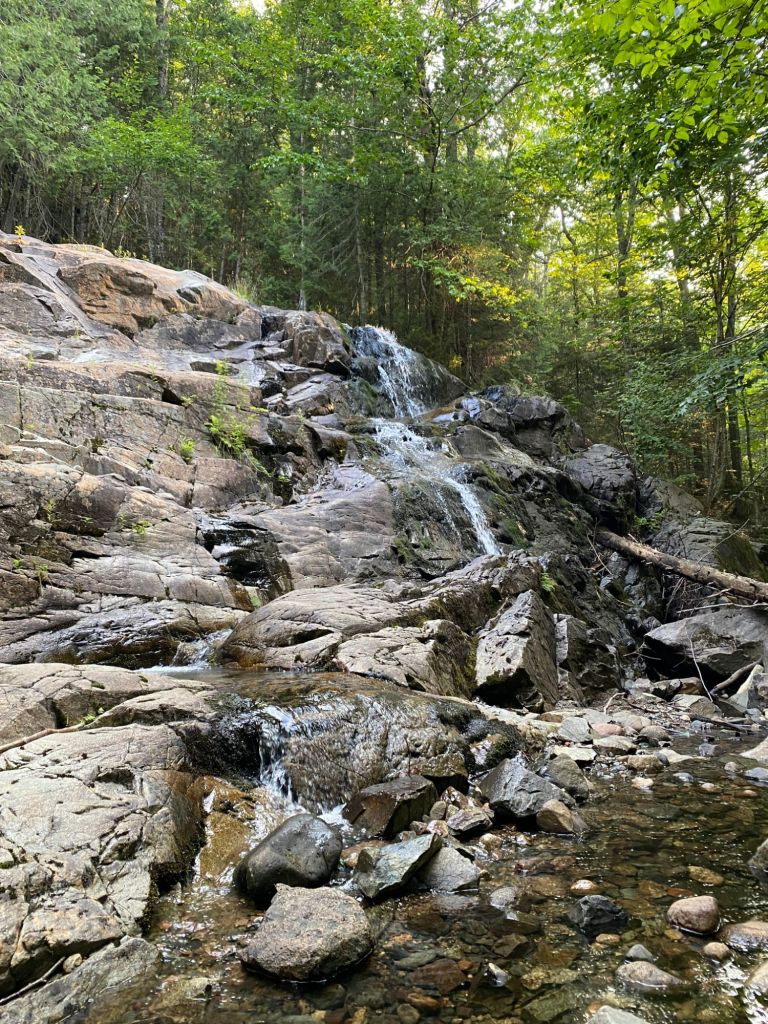
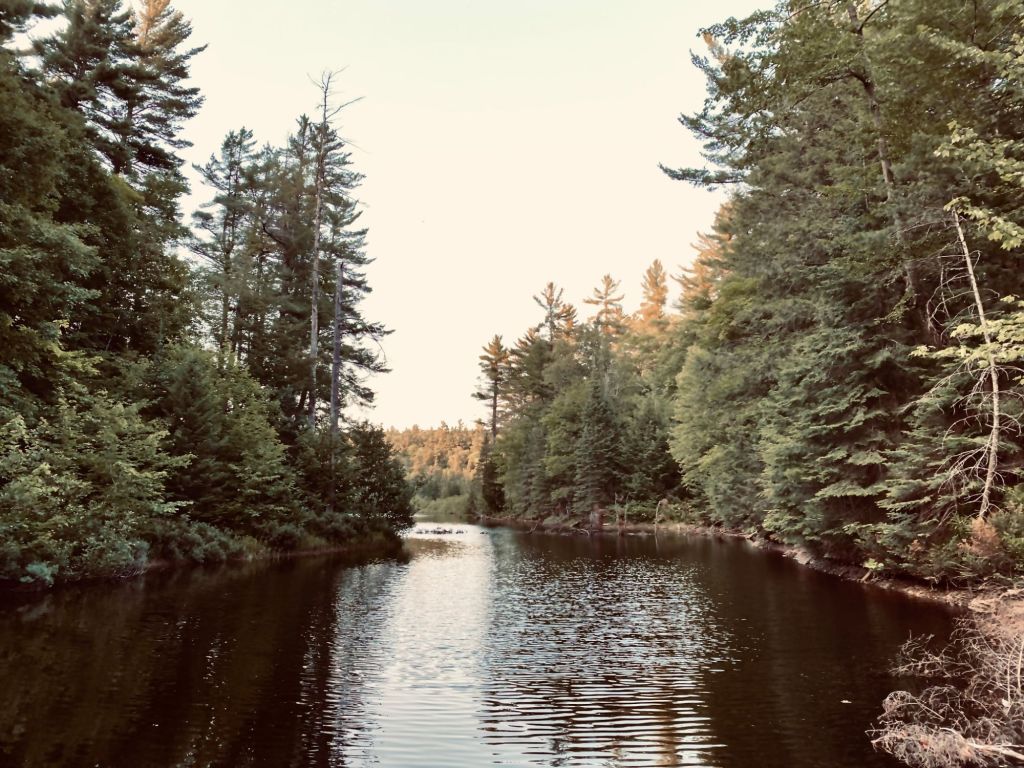
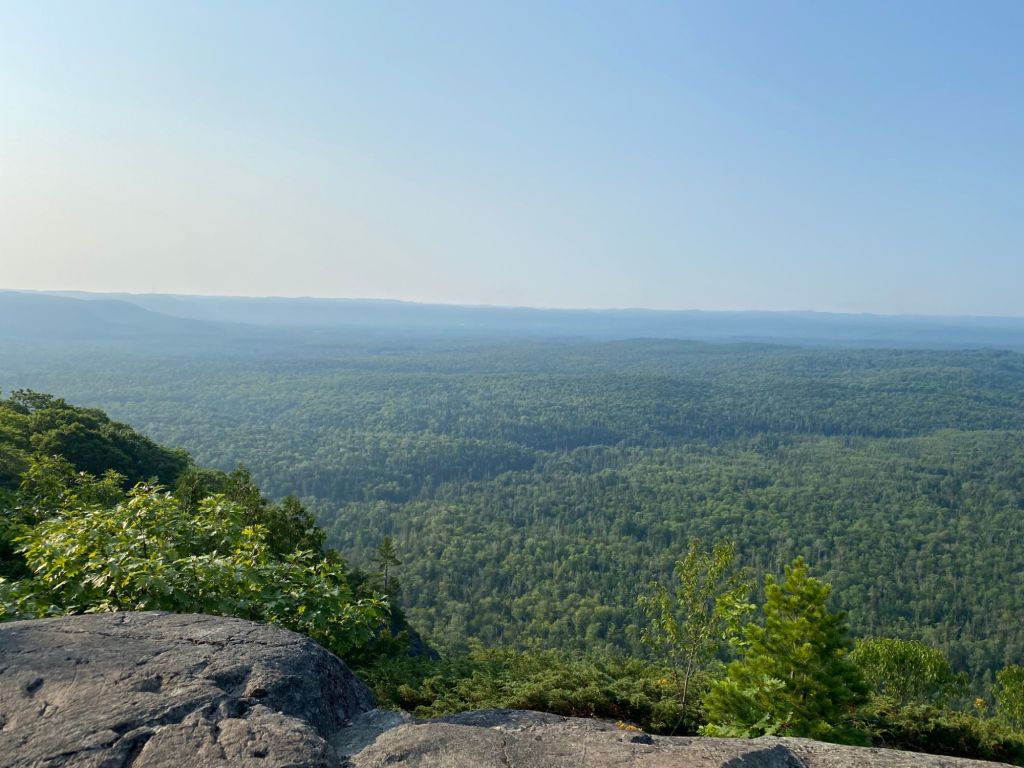
The popular moniker here is that everything is a 15 minute commute. What I discovered is that this is almost and nearly literaly true. This concentration is also defined by an interconnecteness between these three things. Hobbies, recreation and past times are spent in the citiy’s backyard, while all trails lead back to the waterfront and its canal where, when not meeting up at a select Tim Hortons, one finds the local hang out spots (Station Mall retaining a visible presence).
Full disclosure: I’m the kind of traveler that is always looking for that marriage of culture and landscape, as that’s what I think truly defines a sense of place. I admit, on the surface and at first glance the Soo appears shockingly, and even strikingly devoid of that cultural imprint. Save for the small Coles in the city’s lone mall (Station Mall), and an even smaller used booked store tucked away inside an antique shop (The Skeleton Key, which I recommend), the city has no bookstores, a lone and somewhat antiquated cineplex that plays the few current blockbusters of interest, and doesn’t have a single coffeeshop (once you set aside Tim Hortons and the much bandied about Starbucks in the local Pino’s grocer).
Shocking for a city which is, at to least to one degree, built around the identity of Canada’s most famous artists.
As I dug underneath the surface however, I found a real and authentic Soo identity waiting to be uncovered. Perhaps less conditioned for tourists like me, and much more the holistic product of those who have made this slice of Canadiana their home, the center piece of course being the Algoma Arts Museum.
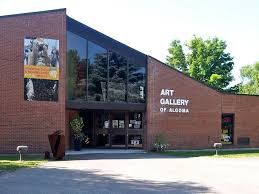
And what I discovered is that what makes this artistic interest so unique to this area is the way it frames the Soo identity around the visual senses. Here faces and landscape blend together. Further yet, to understand the Soo is to understand that which surrounds it. You can’t get to the Soo apart from going through the Algoma region, and certainly not apart from the rich indigenous culture and heritage that gives it its historic foundations (known as the Bawating to the Anishinaabe, and marked by the emergence of the Metis communtiy that would help shape this area around a distinct French influence).
Equally significant is the areas Italian influences and migration, representing the city’s true era as a boomtown in the 1940’s and 50’s, giving the city its post war identity. What’s shocking is how these roots have managed to remain, representing a quarter of the city’s 90,000 and giving it one of its most exciting characteristics- the ongoing pizza wars (I recommend Fratelli’s). In fact, this microcosm of Italian presence offers a good way into another distinct element that you’ll find in Sault St Marie, the common practice of self sustained food sourcing on a micro level (fueled by goats milk and cheese and maple syrup from the nearby St Joseph’s island). You’ll find many places get their food directly from their own backyard gardens
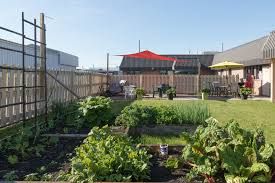
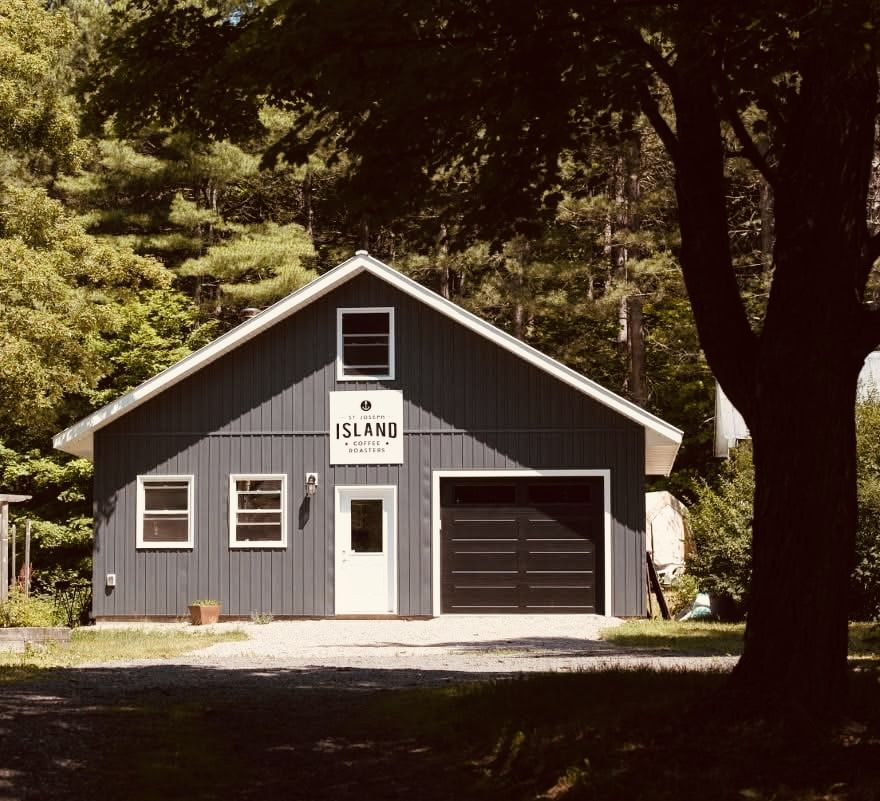
Feeding Your Soul Cafe, a wonderful gem of a spot on the northwestern side of that 15 minute commute, is a great example of this. You walk straight through these quintessential gardens that lead you straight to its localy inspired cousine waiting inside. Including a whole host of gluten free options for those who are celiac like me. And sure, while the city lacks a coffee shop, part of the culture of the Soo is lingering instead in these local institutions, in true Italian fashion. This is not a hurry up and go culture, which is refreshing since you will find that culture coming starkly into view the minute you hit Sudbury and begin that journey to southeastern Ontario. And bonus: the coffee comes straight from St. Josephs island, another local instituion that has made its home in this unsuspecting corner of our country. You can take the short but worth it trip to visit the roastery buried deep in the islands own remote forests,
The bottom line: a true Soo experience, at least of a leisurely day off, is a morning hike to the top of the Robertson Cliffs
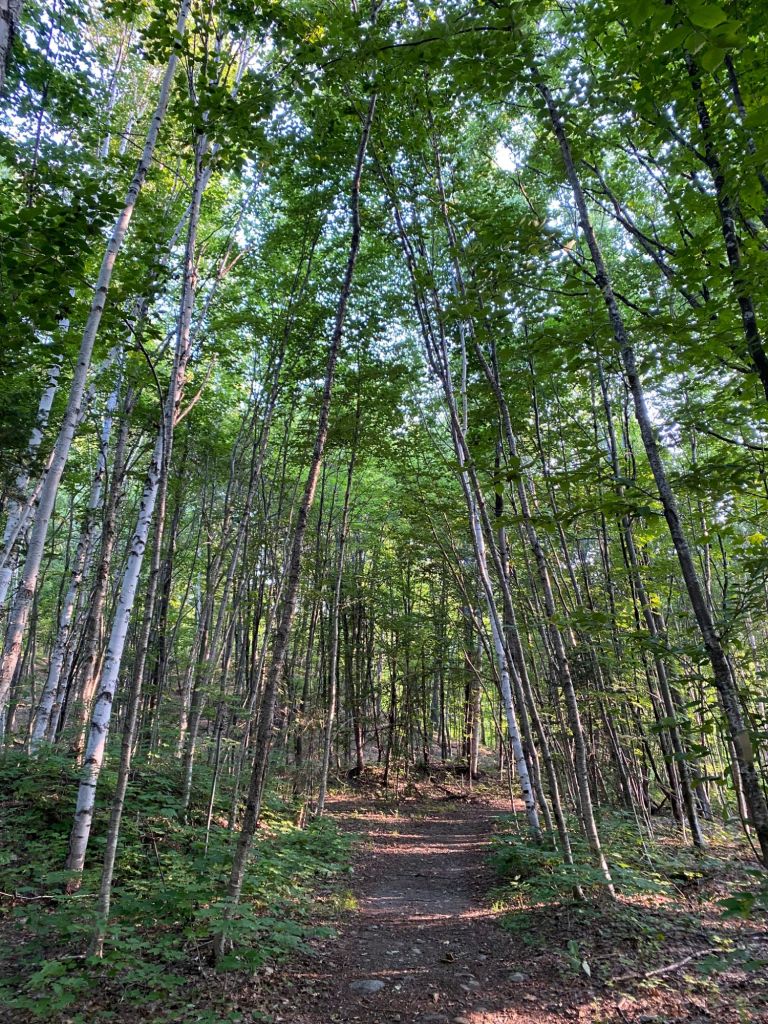
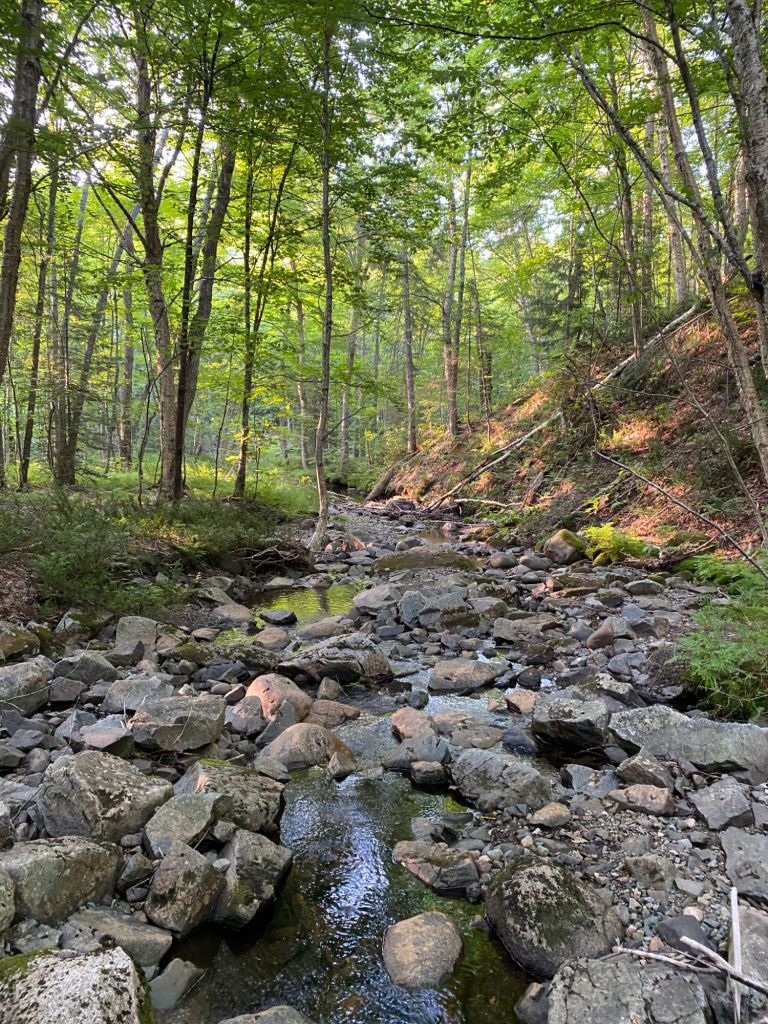
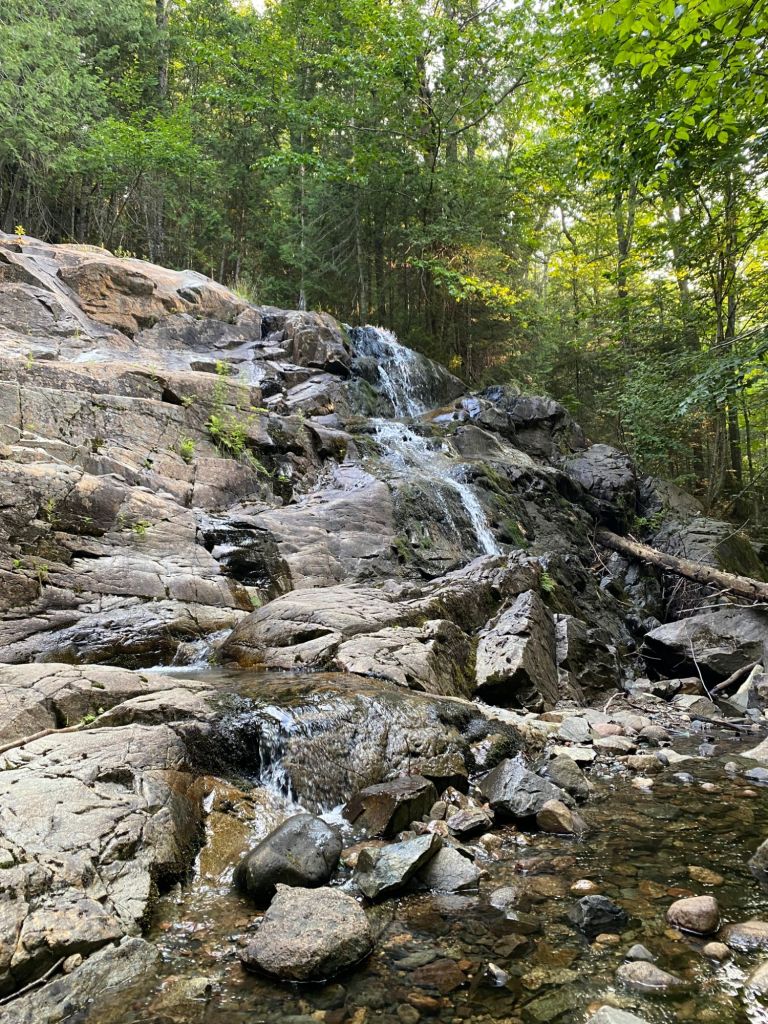
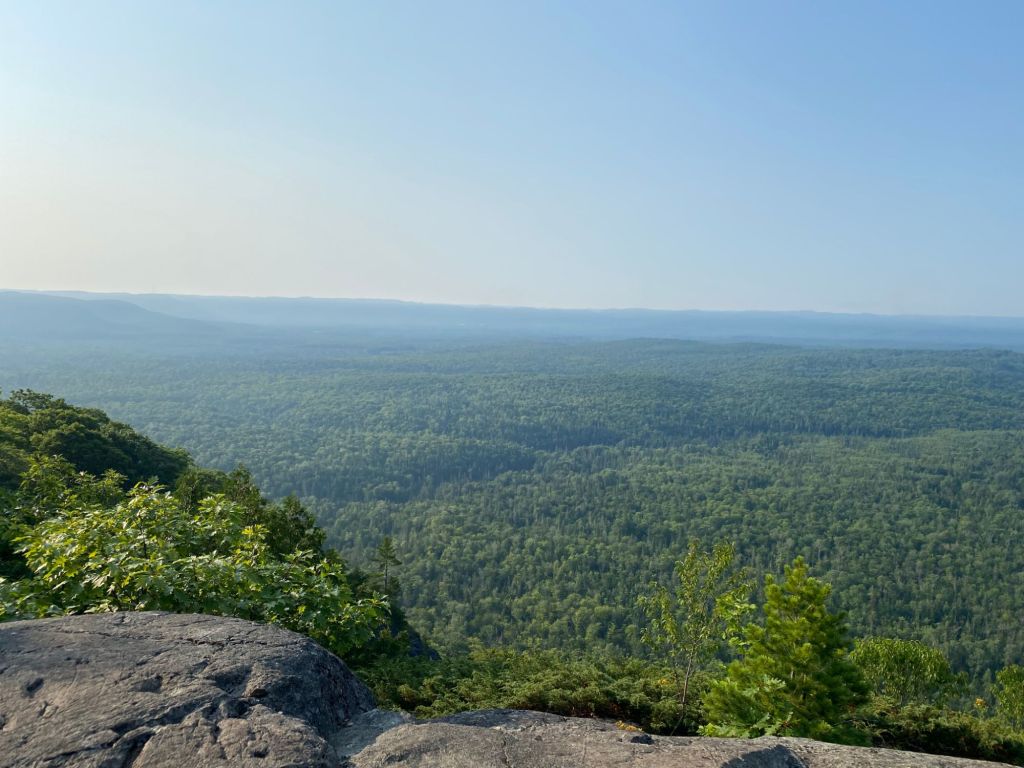
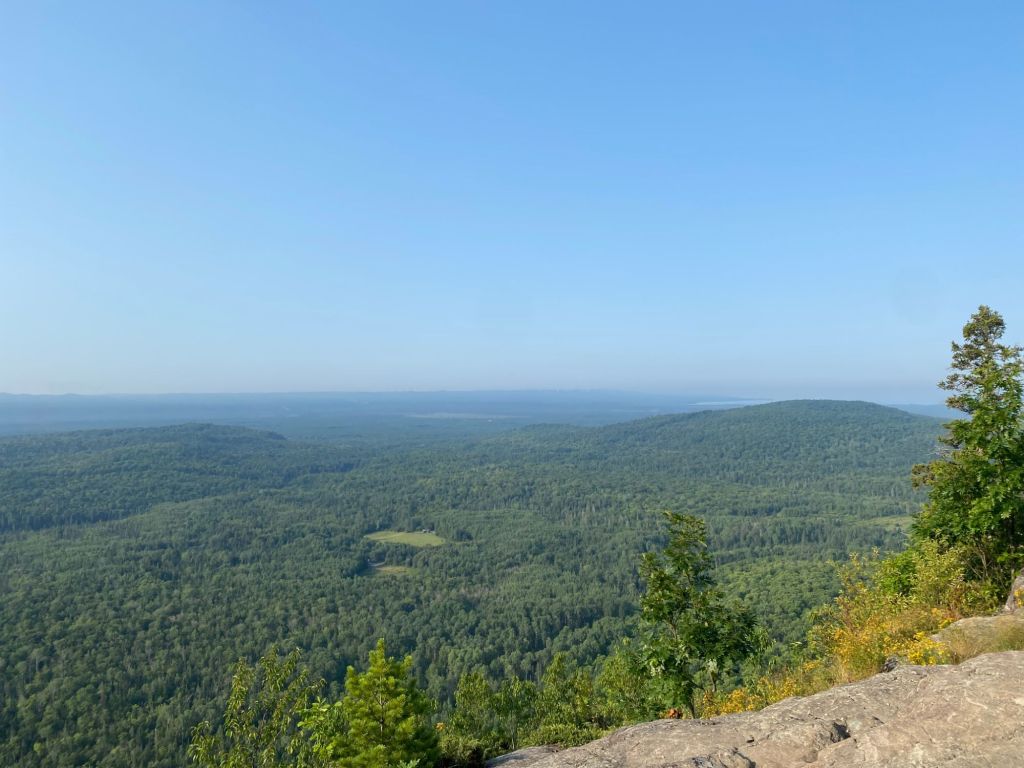
Or biking the Hiawatha/Voyageur trails
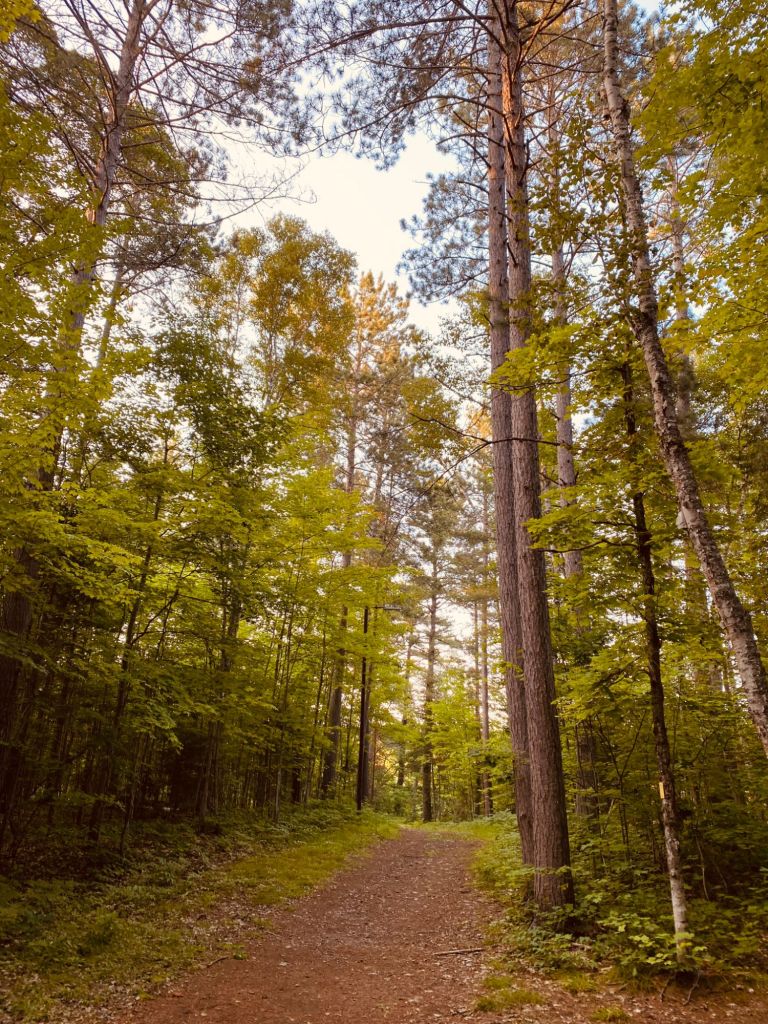
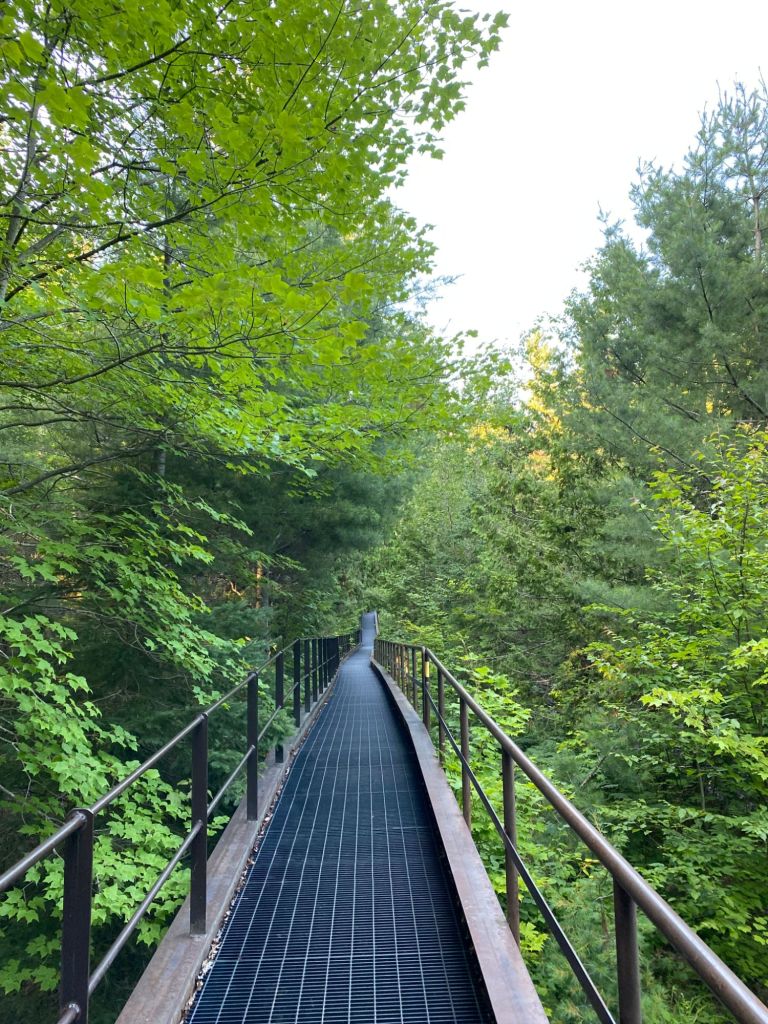
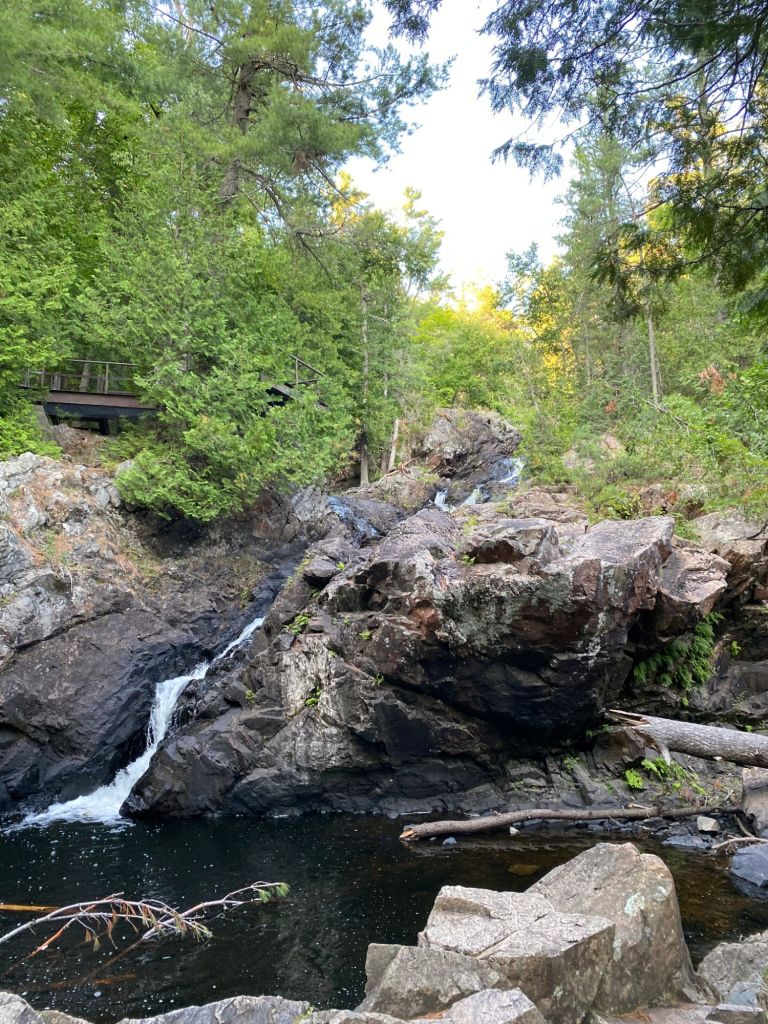
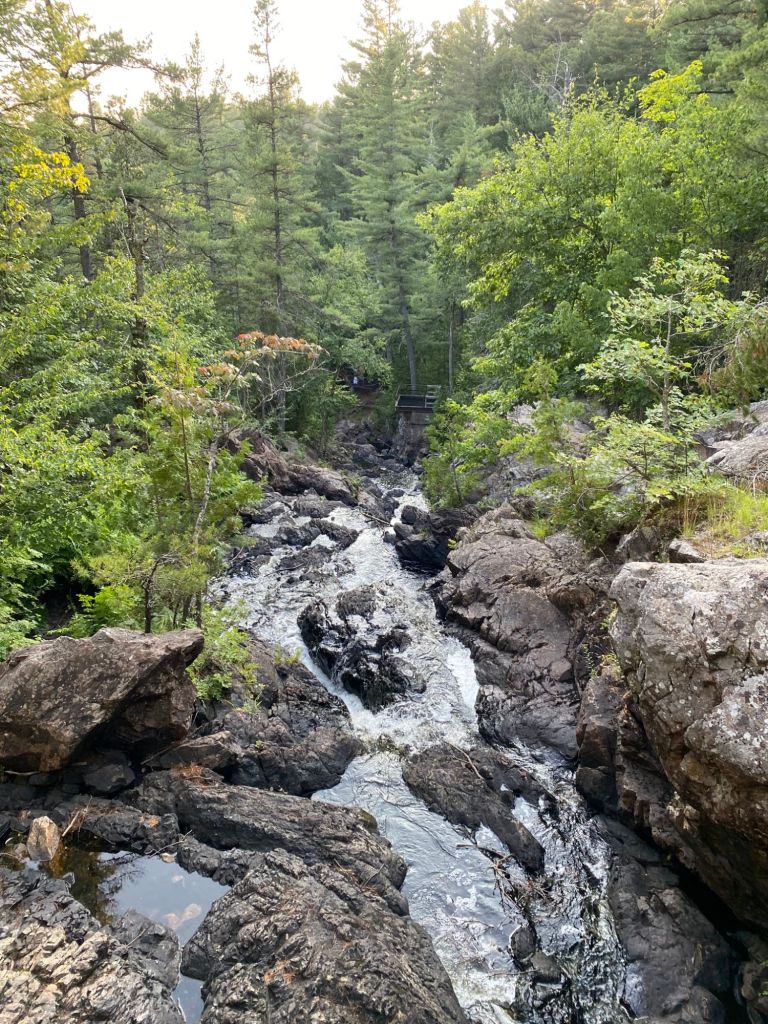
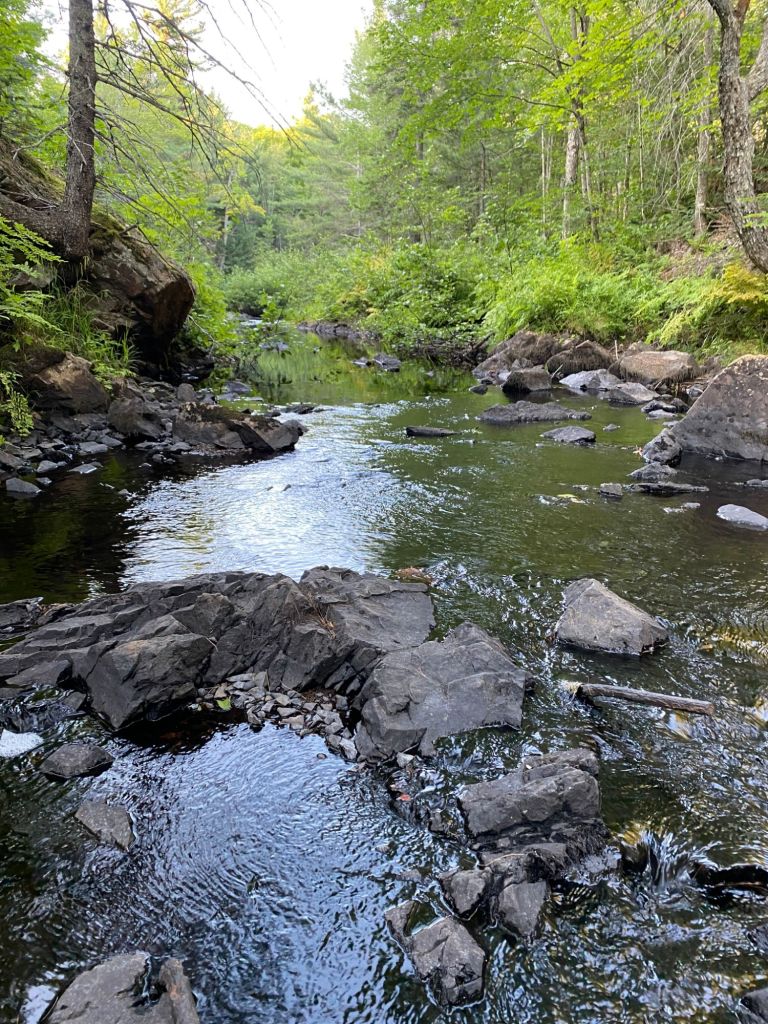
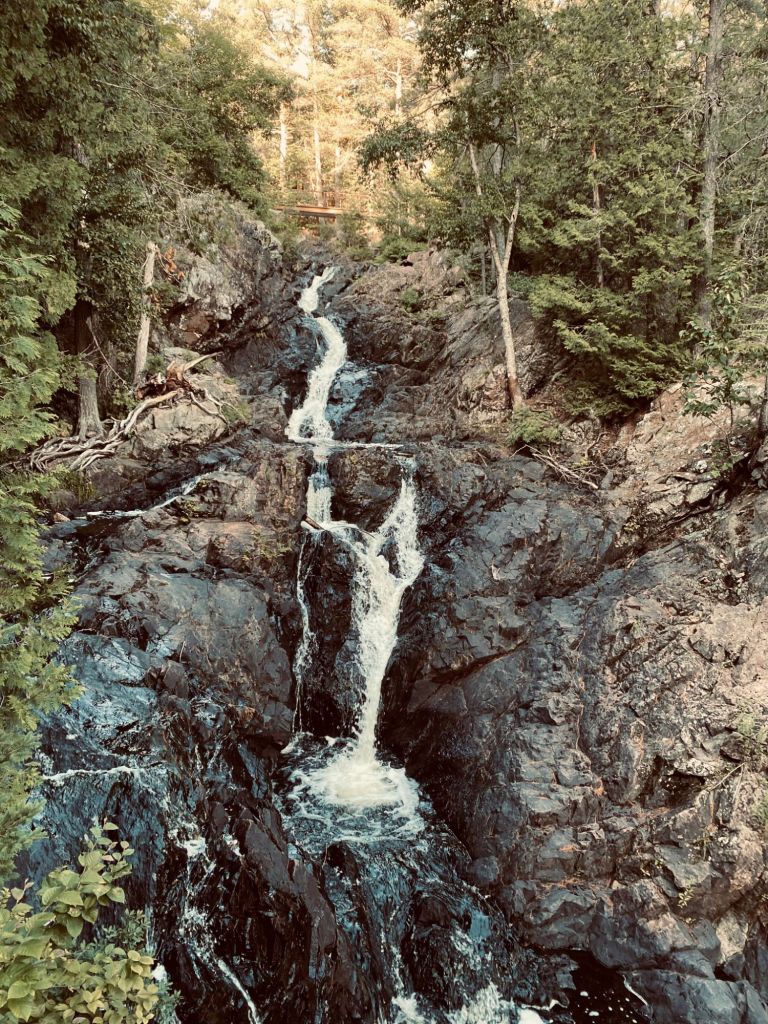

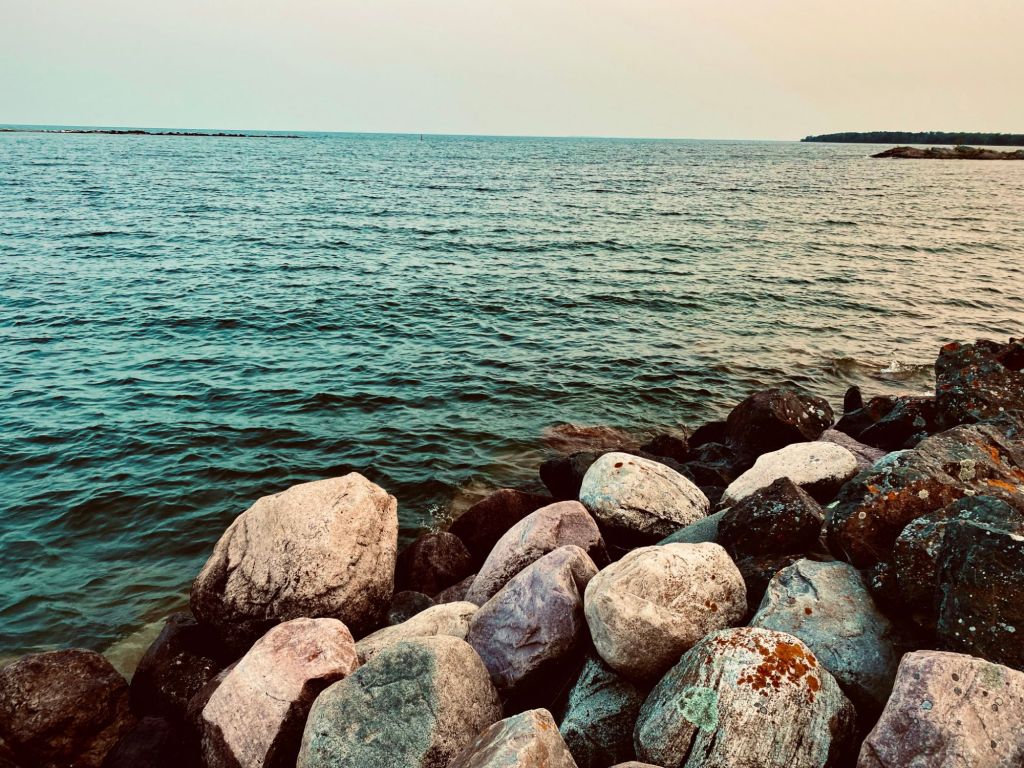
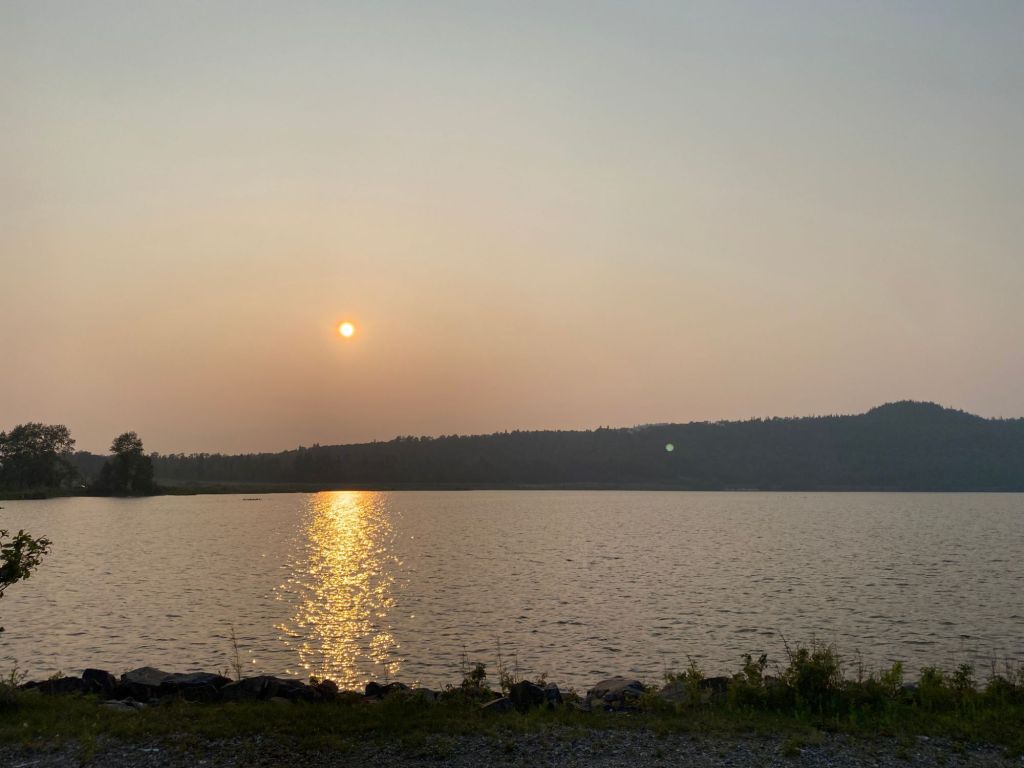
Followed by breakfast at the famed Breakfast Pig, an afternoon grocery shopping at Pino’s or hanging at Tim Hortons (or perhaps trade any of those for hanging out and dialoging with the locals at the aformentioned Feed Your Soul which closes at three, and then taking one of the paths to the St. Mary’s River to occupy an evening with sunsets and pizza (I would recommend the road through Bellevue Park).
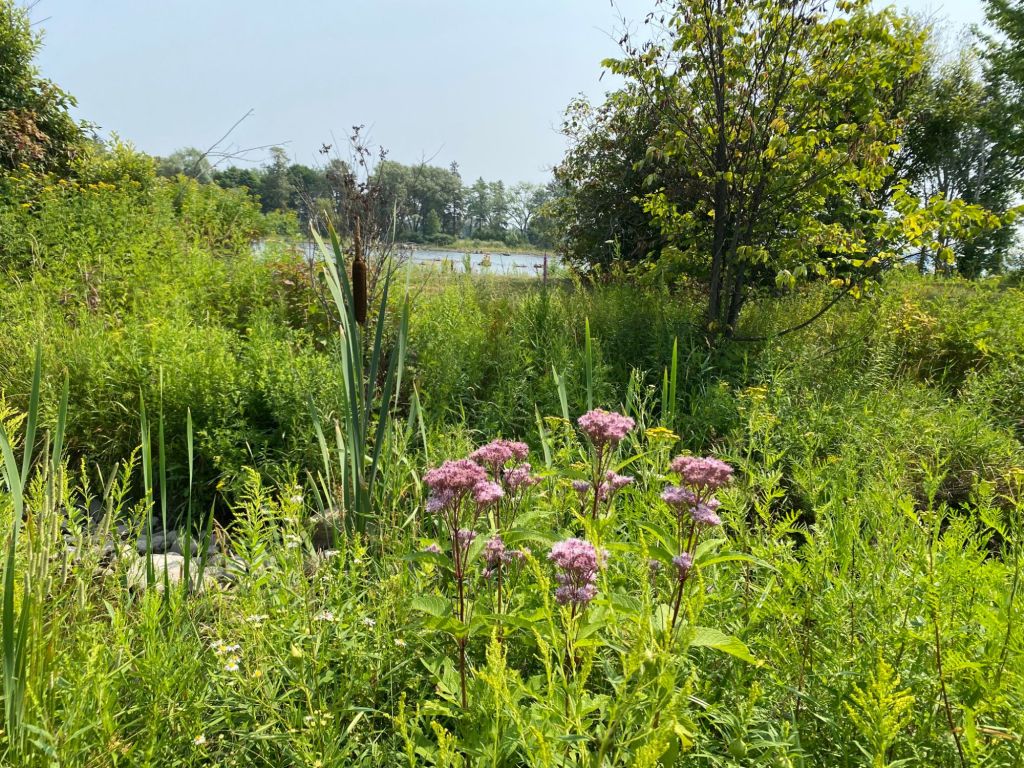

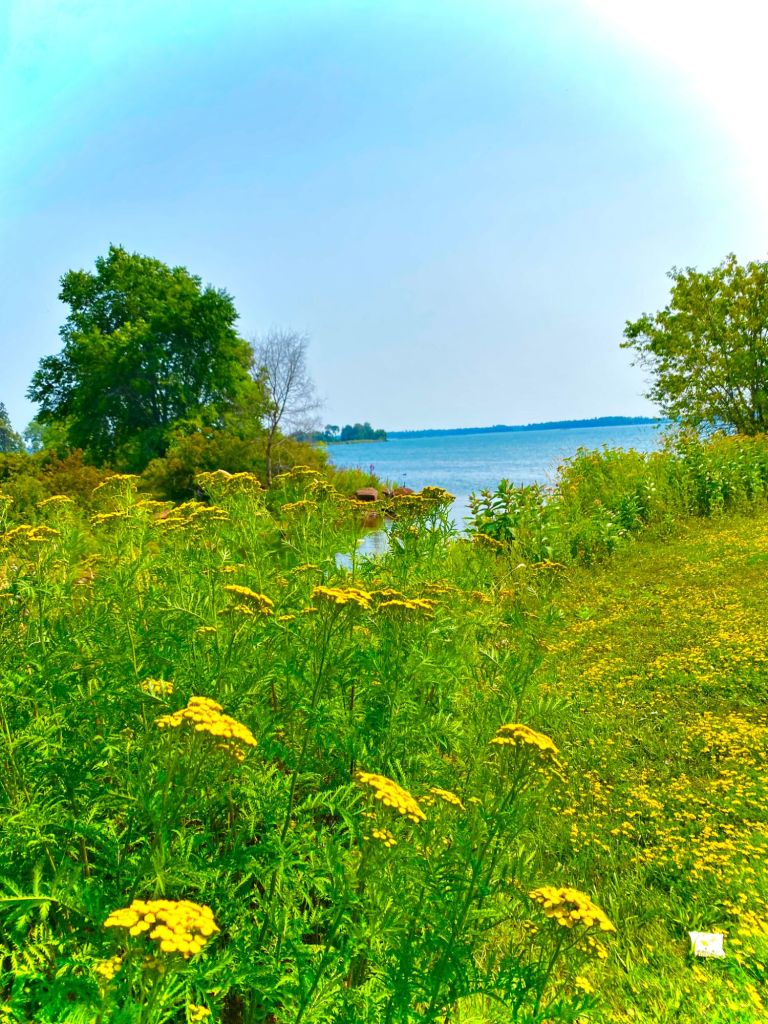
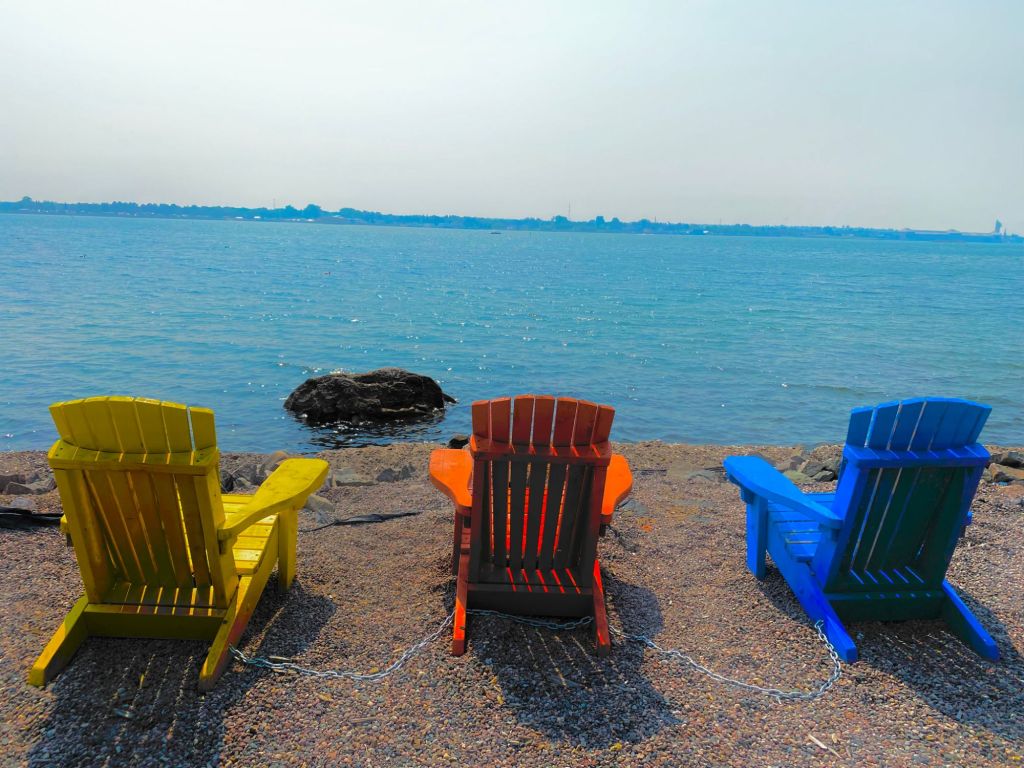
Other recommends: Cafe 4 Good (love their integrated approach to helping underserved portions of the poputlation), Ernies Cafe for a retro vibe, And O Cafe (paired with the Soo Market on Saturdays, since its right around the corner, is perfect).

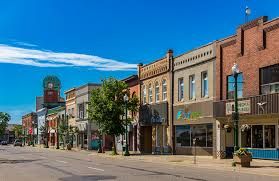
This identity becomes even more clarified once I started to gain a sense of the stated rivalries between the isolated northern locales that bookend this stretch of the Canadian landscape, the (slightly) more populous center of Thunder Bay on the northern end, and the stronger economic engine of Sudbury, the city built on a rock, on the southern end. Here the descriptions of the banter get fun, all sides slinging zingers at each other with a sense of glee indicative of a place needing a solid past time to fill those conversations at Tim Hortons. If Sudbury has the money and the innovation in the techs/medical care department, a product of its direct connection to the GTA, the Soo has affordability, a down to earth presence, the locks, and isn’t built on a rock. Interpretation: the Soo isn’t one dimensional
Yes, Sudbury has a coffee shop, but the Soo don’t actually care.
And let’s not get into the sports rivalry.
If you’re getting the sense that Thunder Bay tends to be the odd one out, it’s sort of true. That feud is more ammicable, given that the two cities are more interconnected in terms of shared and deeply embedded economic interests (they all know that despite the ongoing competition, what’s good for one is good for both), although Thunder Bay’s noted and elevated isolation is certainly a point any Soo apparently loves to make. That relationship tends to be ingrained more in history than the present, with the Soo and Sudbury rivalry being less dependent and enjoying the benefits of those centralized differences as adversaries.
Nevertheless, its all very much involved in helping to locate these distinct communities in their particular space and time. One of the strengths of the Soo, something that contrasts with the singular presence of Sudbury as a more defined economic engine, is its freedom and ability to reinvent itself. Here perceptions and articles documenting the recent history of rapid decline, relative of course to its small population, are met by articles of optimistic growth. Headlines in 2022 outline a unique city initiative that uses the city’s size as a strength by implementing green hydrogen infrastructure. The Algoma Steel industry is in the middle of a revolutionary overhaul towards the same ends, An emphasis on reducing car dependency through a visible active transportation hub. Making space for temporary residents.
While a 2023 report by a real estate company made headlines for advertising Soo residents as some of the least happy people in Canada (which kind of goes against its slogan of the friendliest city in the Algoma region), numerous studies over the years have indicated that it is one of the best places to start an independent business. I found this tidbit of information interesting, because part of my own experience visiting the city is that the visible lack of culture actually disguises the authentic experience of discovering unique shops littered throughout different sections of the city. Meaning, it hasn’t sprawled. In fact, I don’t know that it could really sprawl. Which leads to reinvention of existing neighborhoods and the preservation of its roots. While certainly a section like Queen’s Street is especially unique, or the recently developed Machine District,
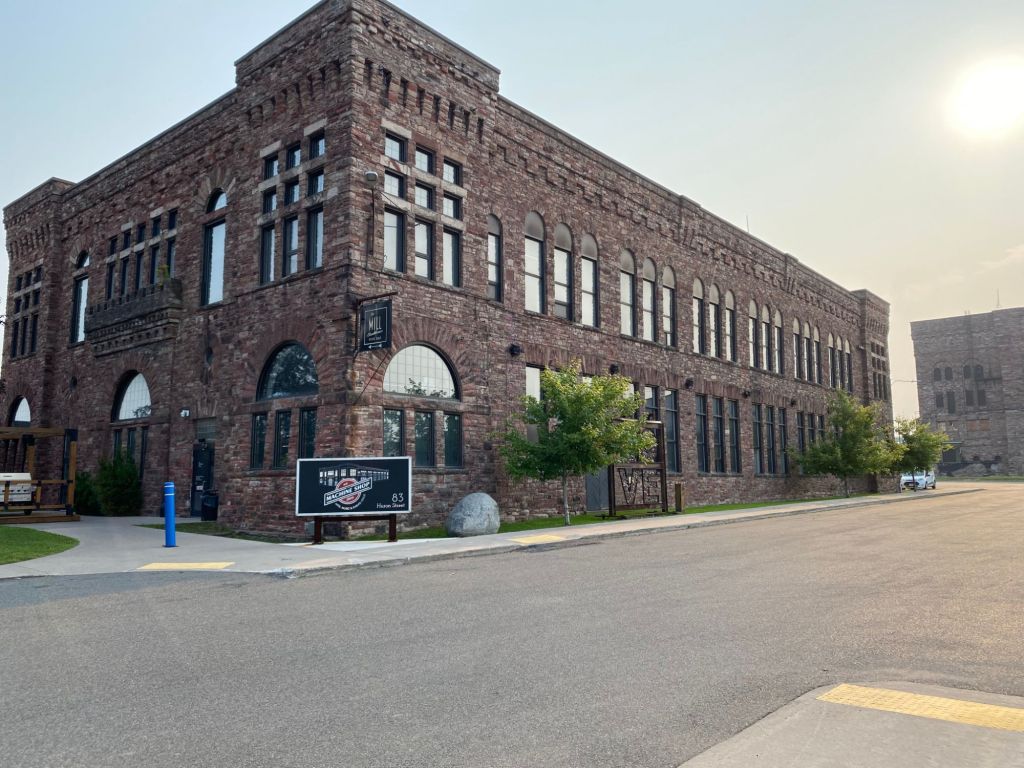
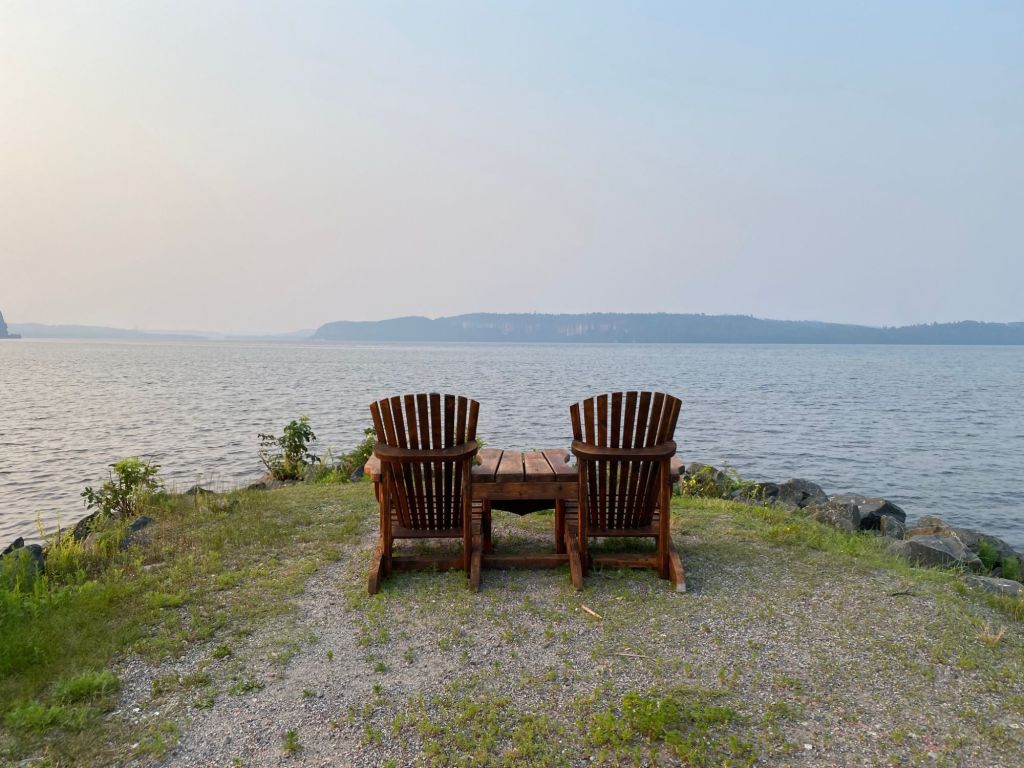
the sense that I got from the Soo is that it’s all seen as one big neighborhood with the canal as its shared backyard. As mentioned earlier, all roads lead to the St. Mary’s River. In fact, at one point as I was driving around and exploring, I found myself in an obviously low income area noted by its housing units. What stood out to me about this area was how it seemed that the way of life for this neighborhood was connected directly to the city’s biggest park, a central facet of the hub trail which circles the city as a functional perimeter for active transit. Coming from Winnipeg where our neighborhoods are defined by their historic divides dictated by the railroad and marked by sprawl, this to me stood out as a significant feature of the landscape- these public spaces are trutly shared by everyone regardless of class.
While I was travelling to the Soo, I was reading a book by one of the areas most celebrated authors- Mary Lawson.
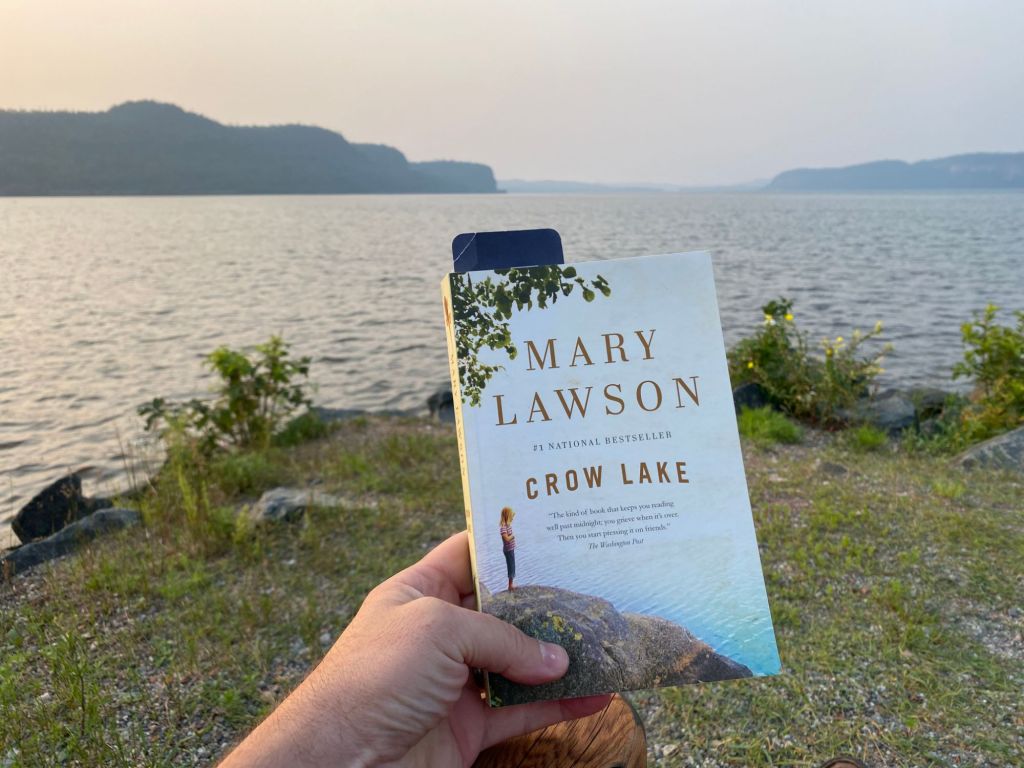
The book is called Crow Lake. It was the top recommendation for anyone looking to pair a literary voice with their exploration of the area. Lawson’s locations and people are technically fictional, but the story itself captures so much of what I’ve been talking about above. It’s about a family growing up in a place like the Soo, a humble, sparsely populated northern Ontario community. While the story is shaped by a certain tragedy that sits at the heart of its slow meandering plot, framed by the narration of the older sister in a family of four siblings, there is another theme or thread that sits in the background before ultimately becoming the central point of the journey and the questions the journey wants to evoke. As the initial chapters establish, this revolves around a great grandmother whom the siblings only know vicariously. The great grandmother symbolizes this tension that exists between those who stay and those who don’t. Between the need to preserve the integrity of this space by becoming part of its ethos and the need to escape it for the sake of opportunity, all shaped by the sort of judgment that social hierarchies can create. For the great grandmother this is about prioritizing education in an effort to escape the lower rungs. One of the morals or lessons that the book ultimately leaves us with then is the power of perception to this end. In a world where education is made out to be a singular conception and where progress and growth is made out to be a singular measure, perhaps there are different ways for one to be “educated,” different ways for one to be experienced and to grow, to have true character.
Which is to say, there are good reasons to immerse oneself in ones space. And there are many ways in which a space gives back. This is why, as it is for anyone who invests in the art of living, faces and places are one in the same. Perhaps this is one of the great gifts of the Soo’s deep connections with its indigenous roots, something that hasn’t been covered over by a certain kind of progress in this area.
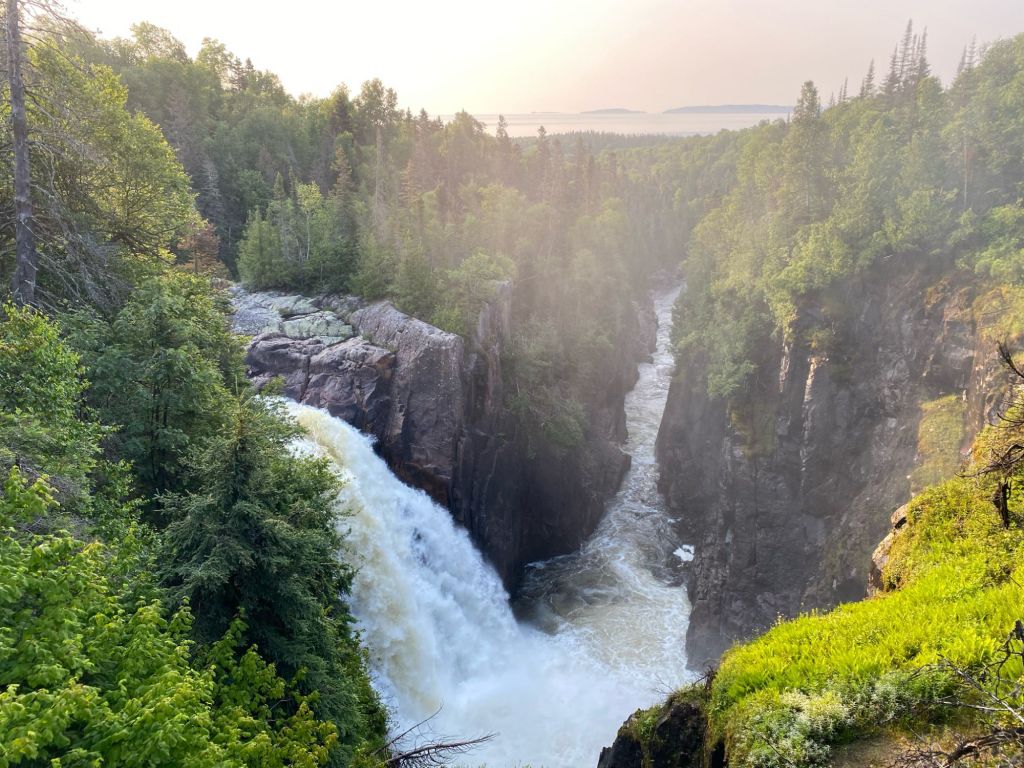
Which brings me back to that Train. I ultimately decided to pass on the train, despite it occupying space on my list for so long. After reading a bunch of reviews, I came to the conclusion that it might be better to shift my focus. It’s a pricey endeavor, and the train is iconic enough for people to shape their entire vacations around, which might be why some of the reaction exists. But the sentiment seemed to read loud and clear- great idea, poor execution. That and the long train ride with stories of poorly maintained and gross bathrooms awaiting at the remote canyon not accessible by cars weirded me out. My phobia of public washrooms kicked in and made the final decision. As a number of the voices stated, they believed you can get a similar taste for the place without the train.
Thus I made a shift. I traded the train for a day in nearby Manitou Island. Which of course deserves its own story as an integral piece of that Soo identity. The island I can happily recommend as one of canada’s best kept secrets, a sentiment a recent article I came across expressed.
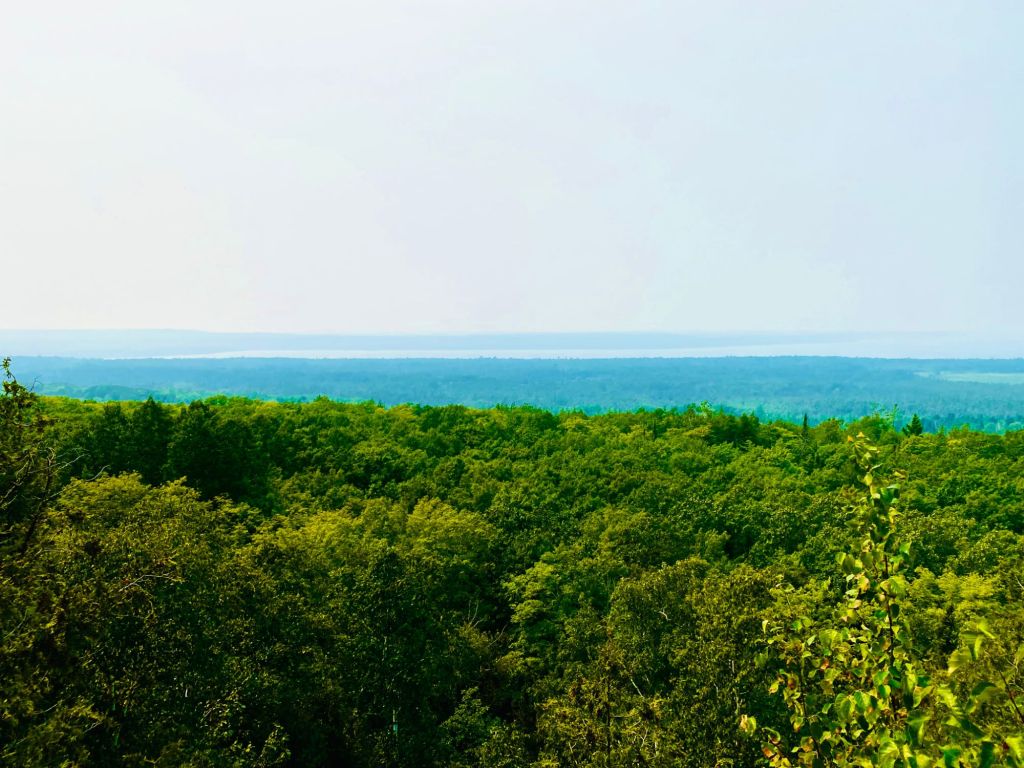
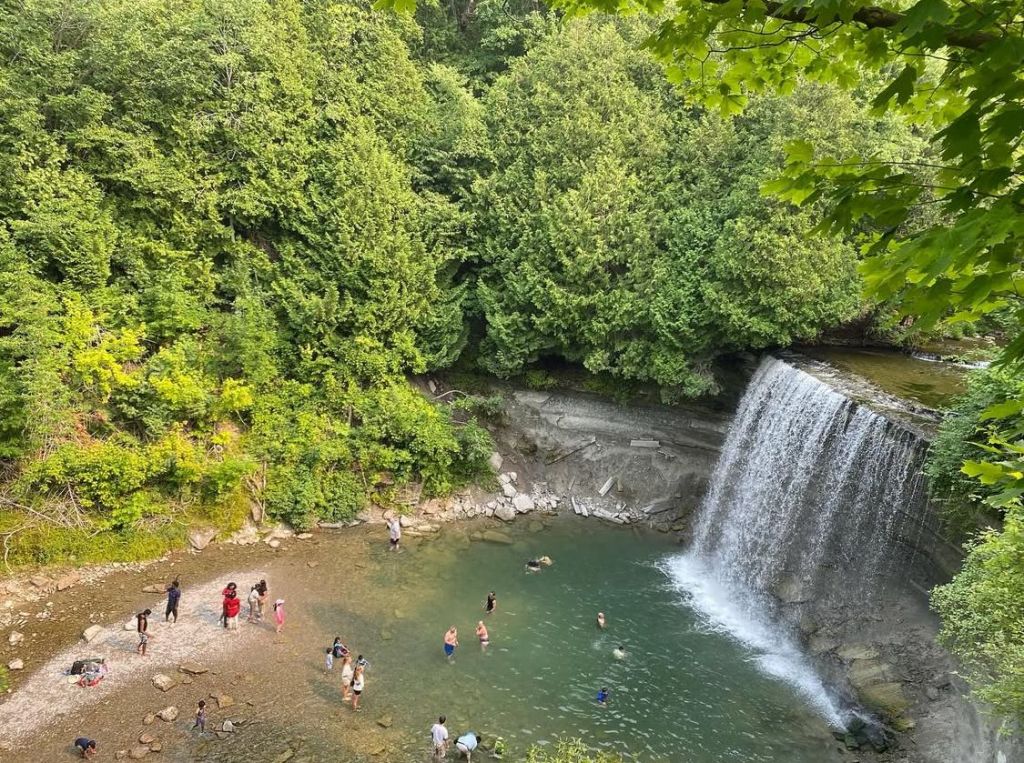
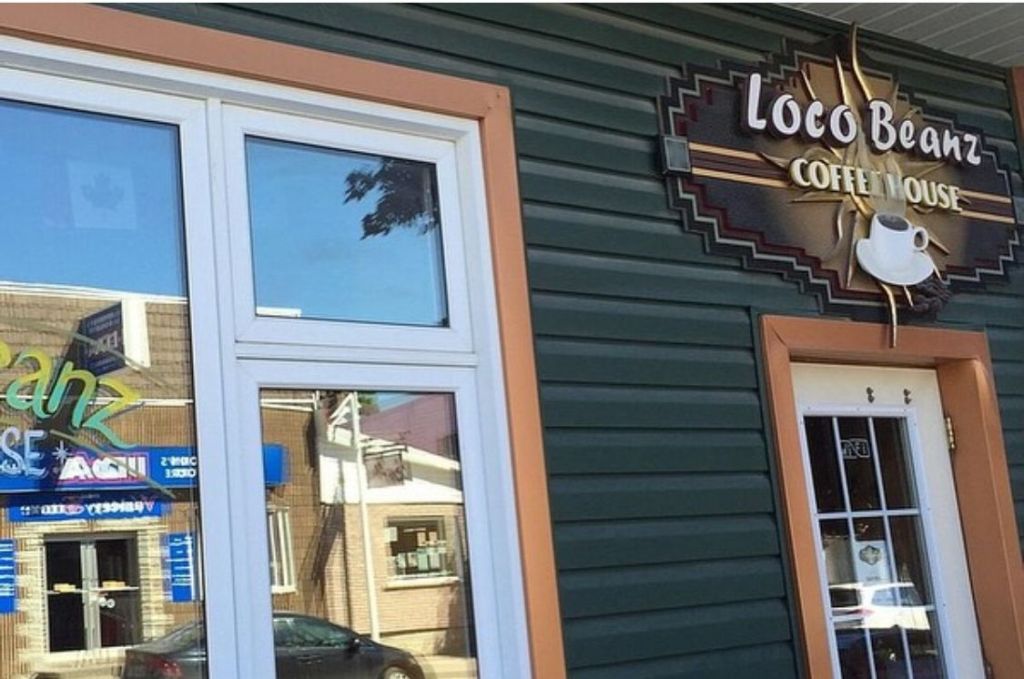
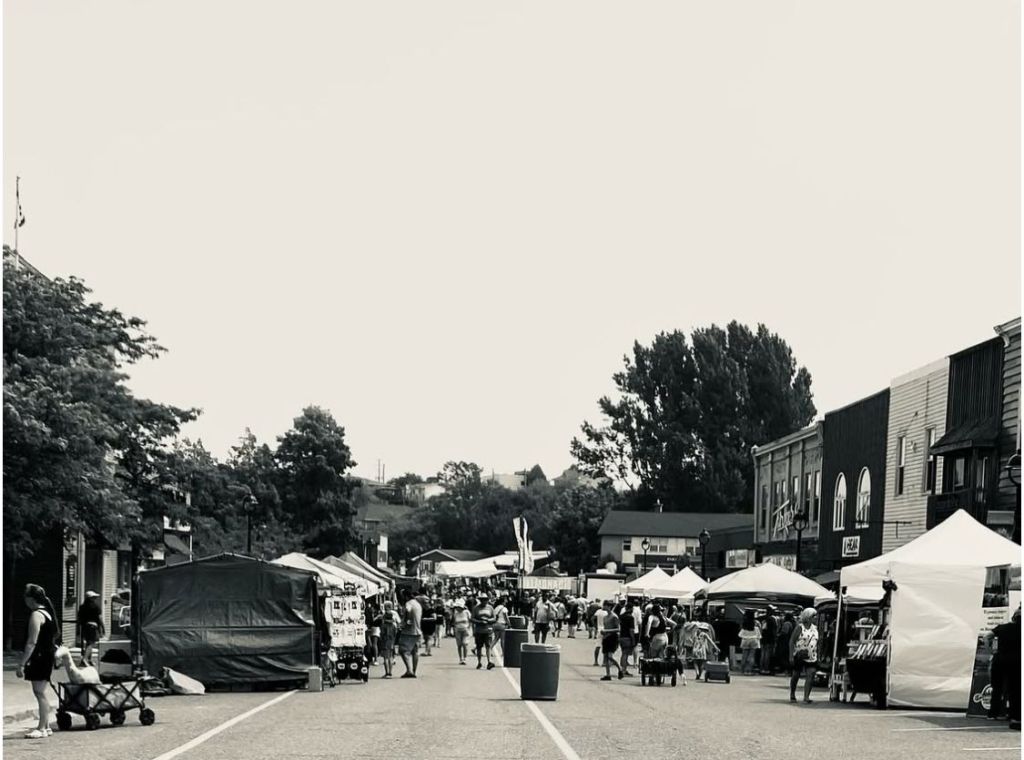
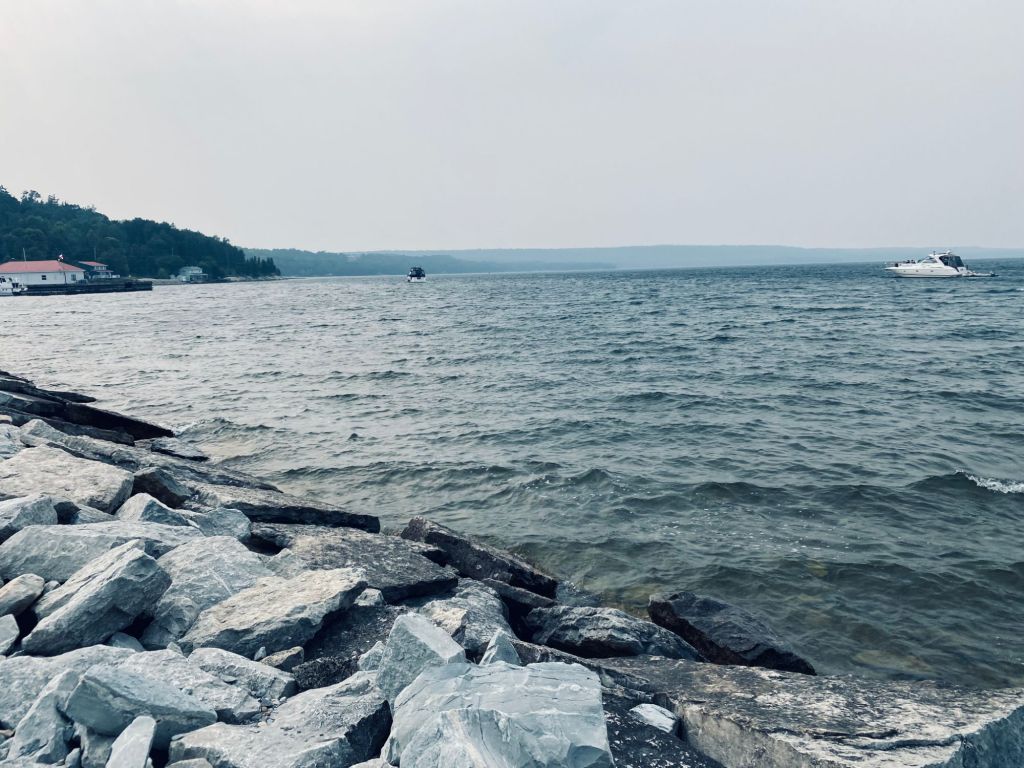
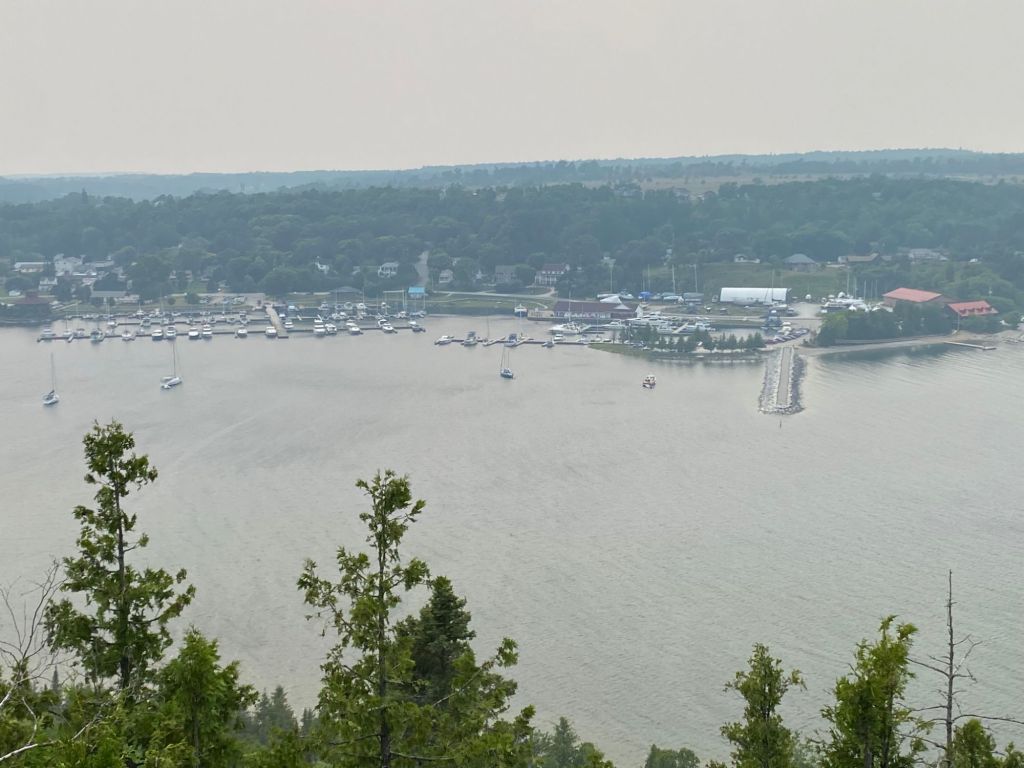
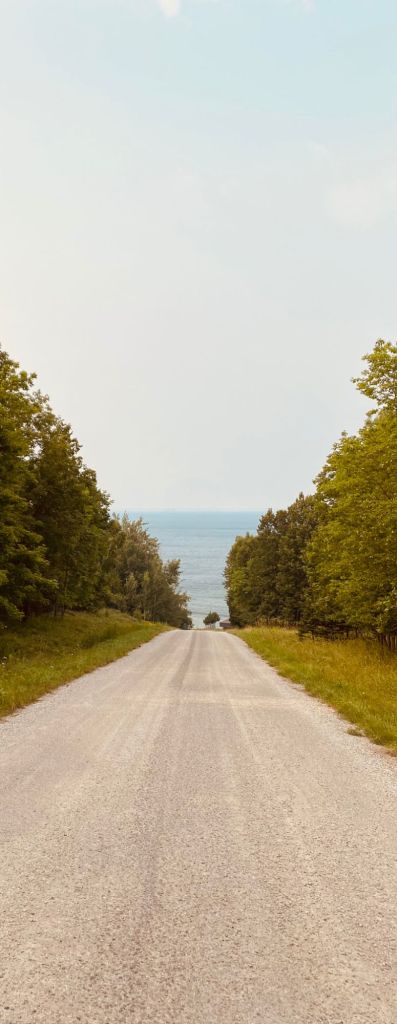
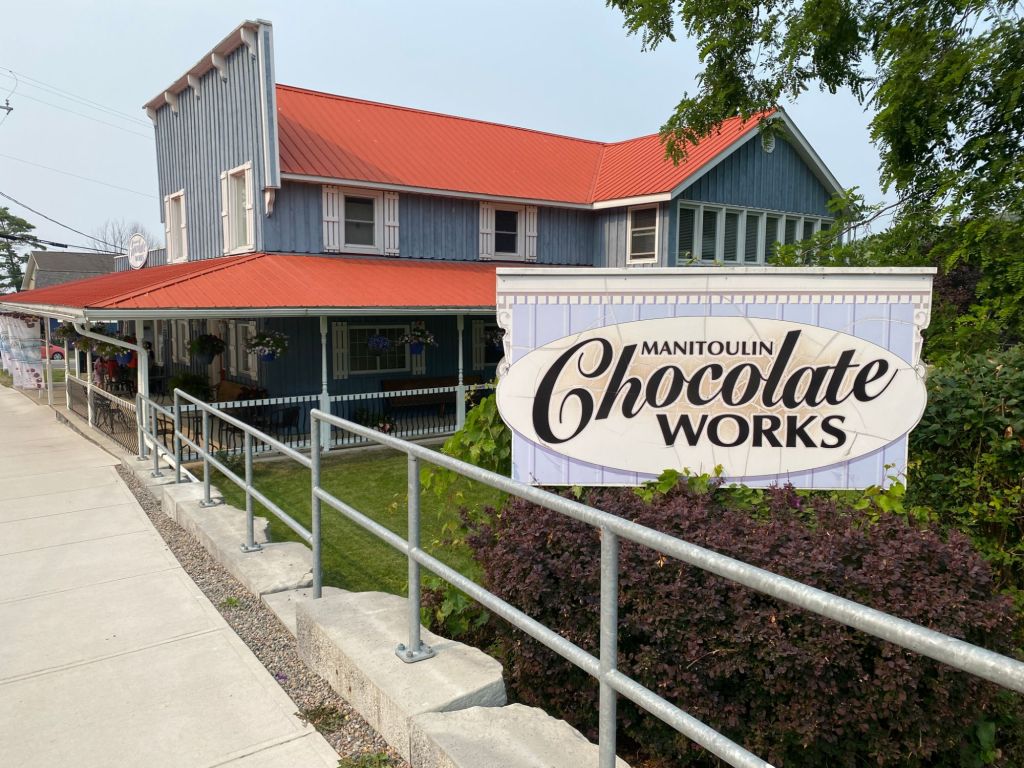
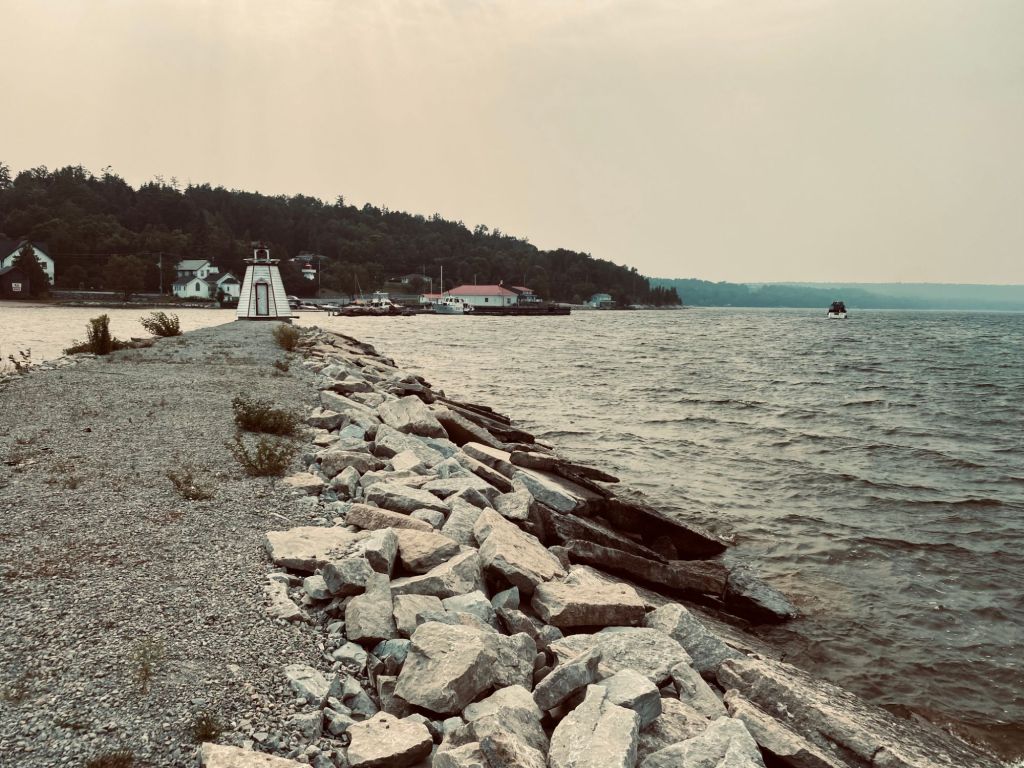
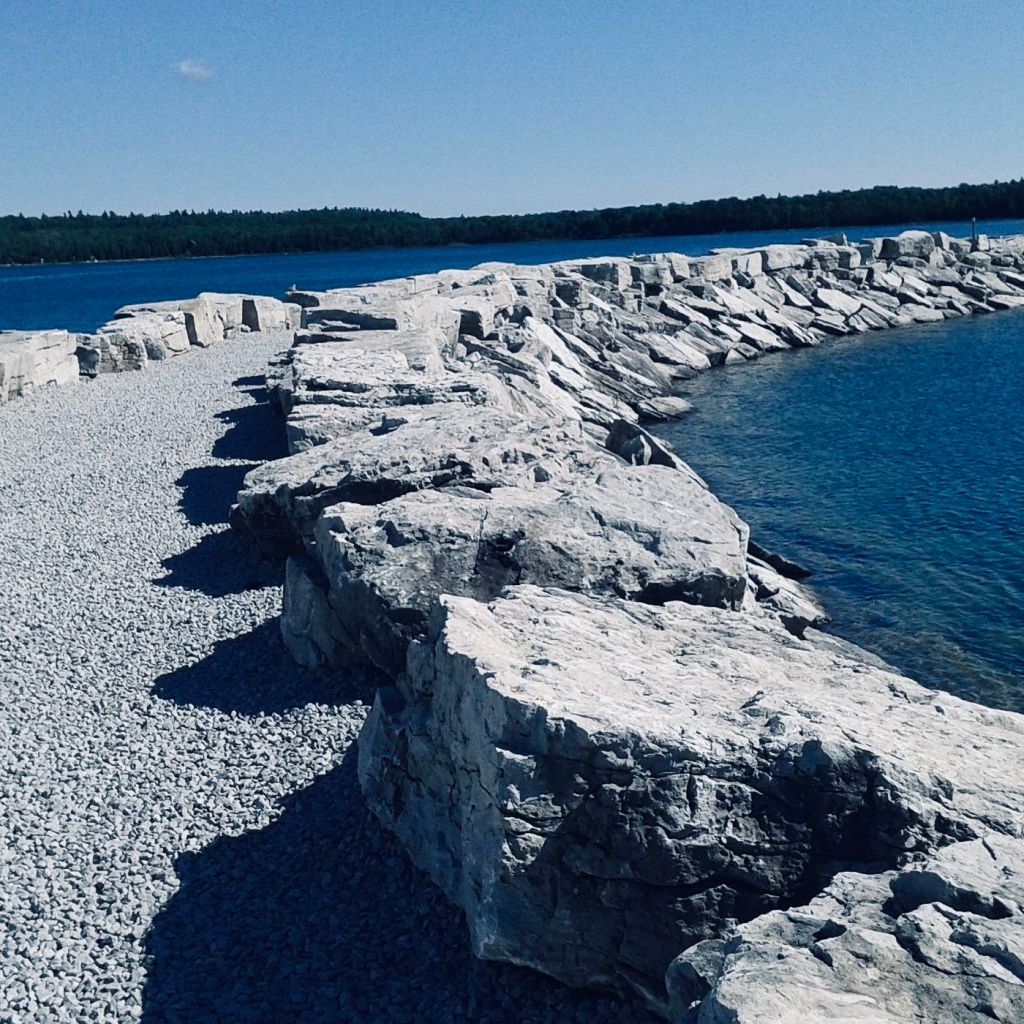
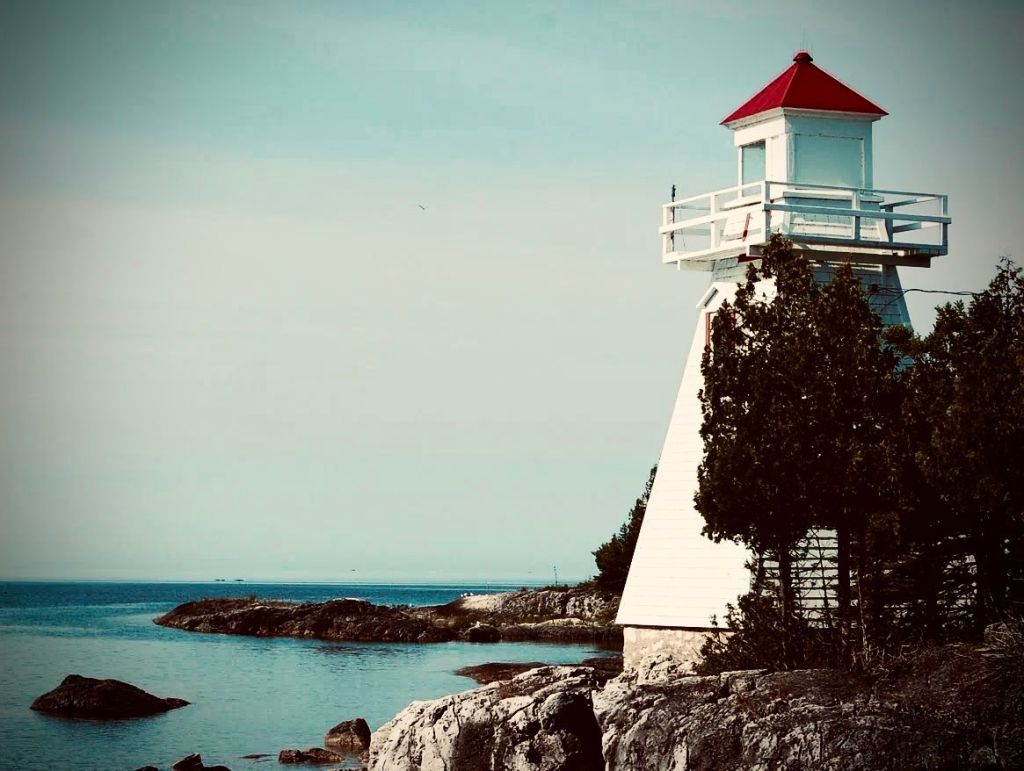
I’m grateful for all the faces and places I found and met immersed in this destination I chose to tour. Why Sault St. Marie? I came for the Art, I stayed for the context. Next time I anticipate crossing that line from tourist to visitor.
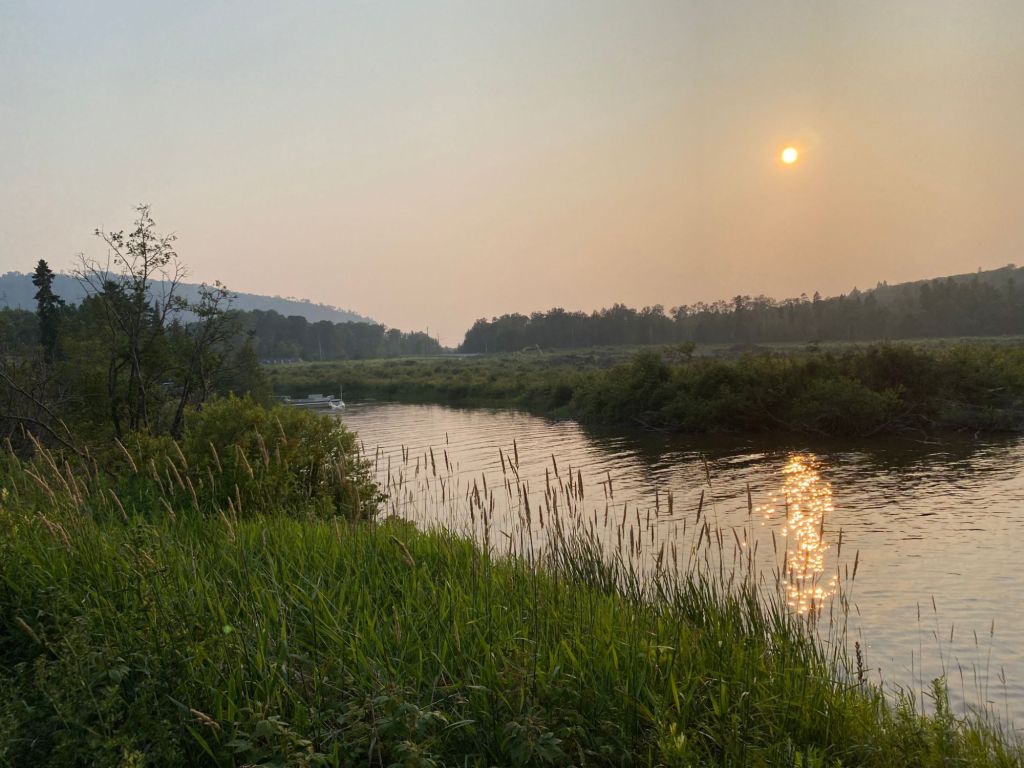
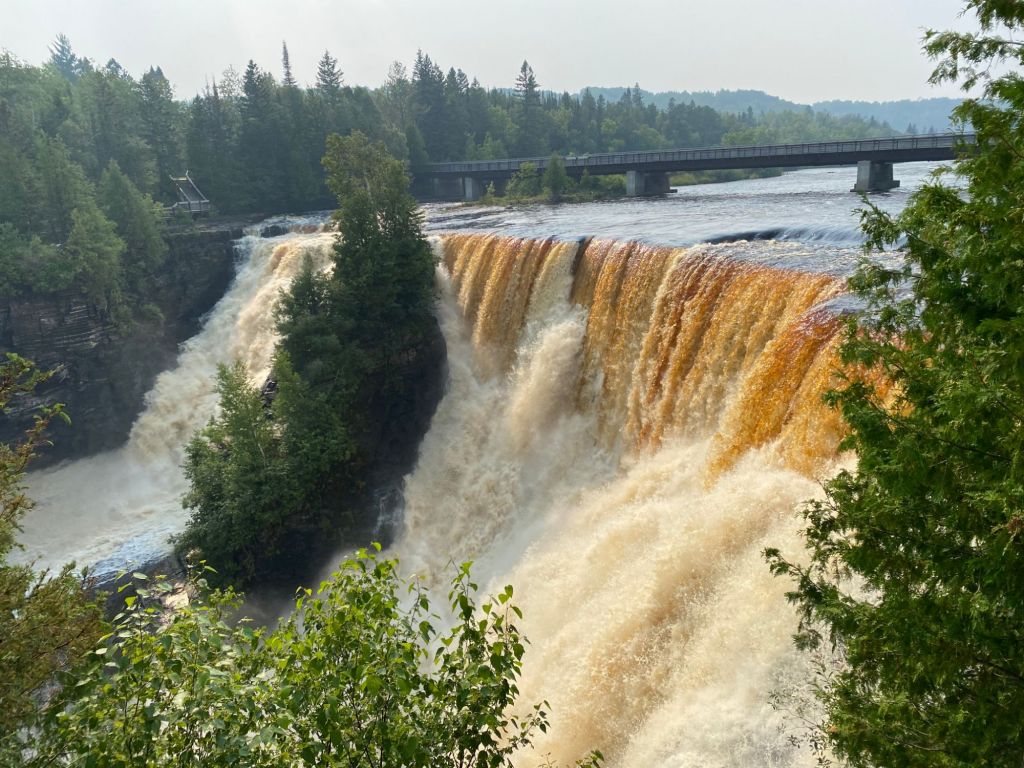
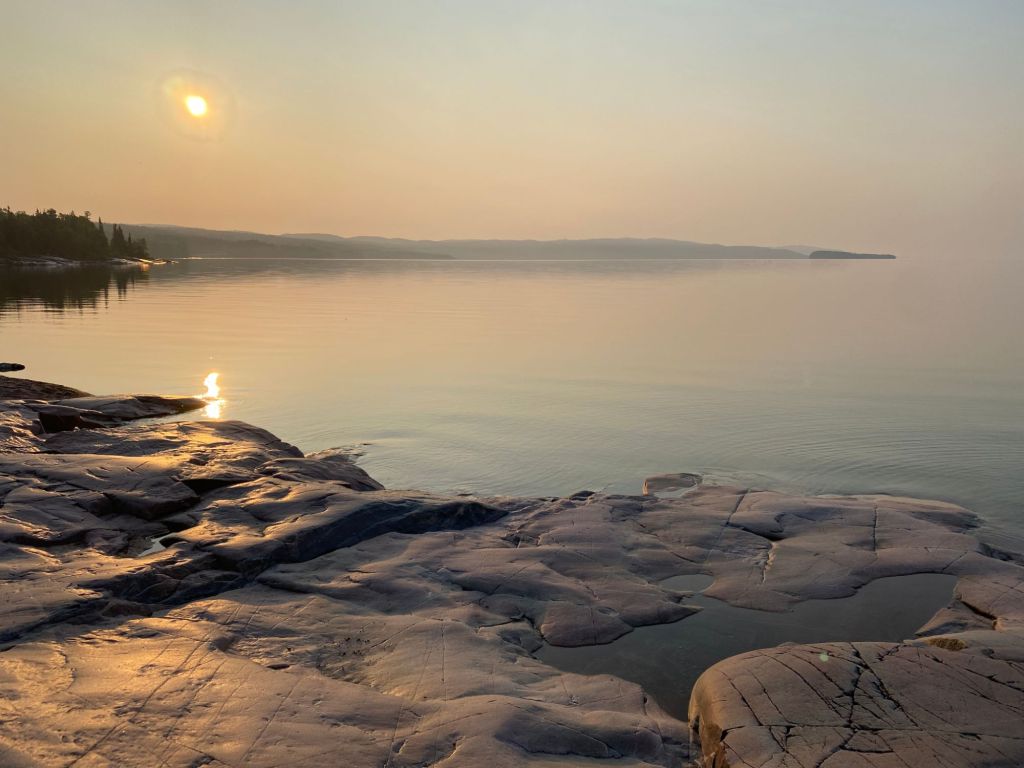
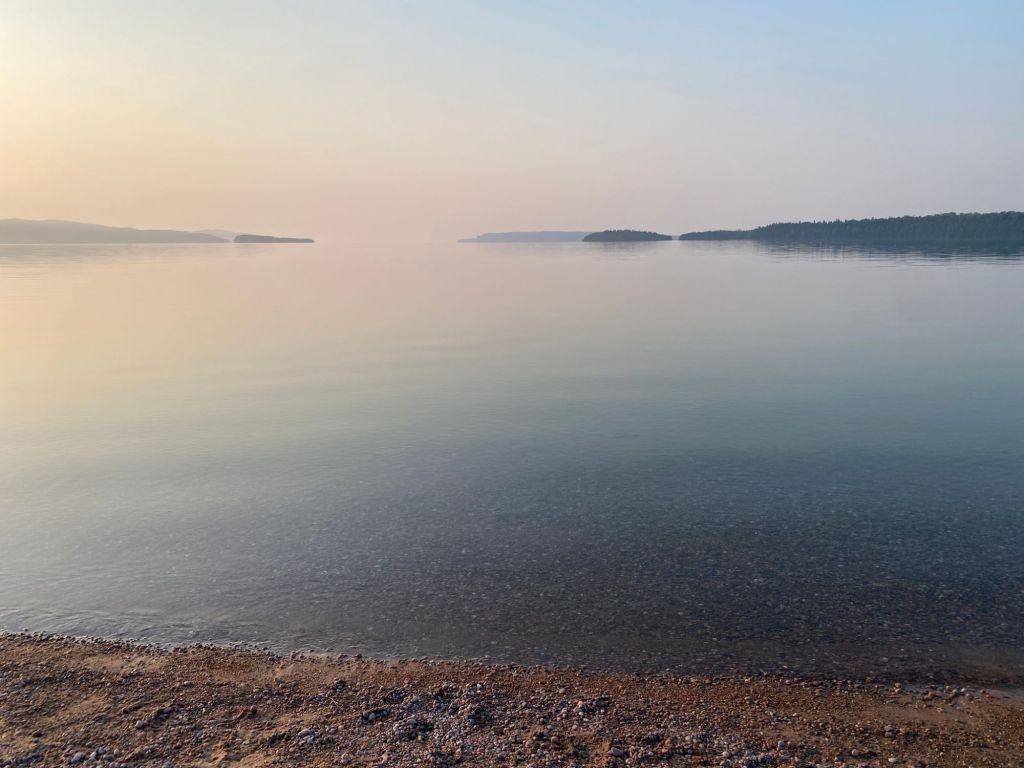
And make sure to enjoy the journey. The north shore is amazing
 The Stories of my Life