“Mirren was a lifelong book obsessive, who never felt she had quite enough books, who could really only feel secure with half a dozen unread paperbacks propped up by her bedside table, three libary cards, two Kindles, and an emergency set of Douglas Adams in the bathroom, in the case the lock broke.” (The Secret Christmas Library, Jenny Colgan)”
“But his power of reading began to diminish. He became restless and irritable. Something kept gnawing at his heart. There was a sore spot in it. The spot grew larger and larger, and by degrees the centre of his consciousness came to a soreness;” (The Gifts of the Child Christ, George MacDonald)
The above confession made by Colgan’s main character (Mirren) comes in the first pages of chapter 1 of her book The Secret Christmas Library, and my immediate reaction was that I felt seen. This describes the way I live my life (and the reality of how books occupy ever space of my home, my car, my work, my jacket pockets). This fear that at any point in any place I might find myself caught in a moment without a book is real.
Those who don’t get it will roll their eyes. Those who do know the battle is real. To be lost in this world without a story is to be stranded without a means of making sense of things. This is bigger than the pages of a book, and indeed the unfolding journey of Mirren in Colgan’s Christmas mystery witnesses to this truth.
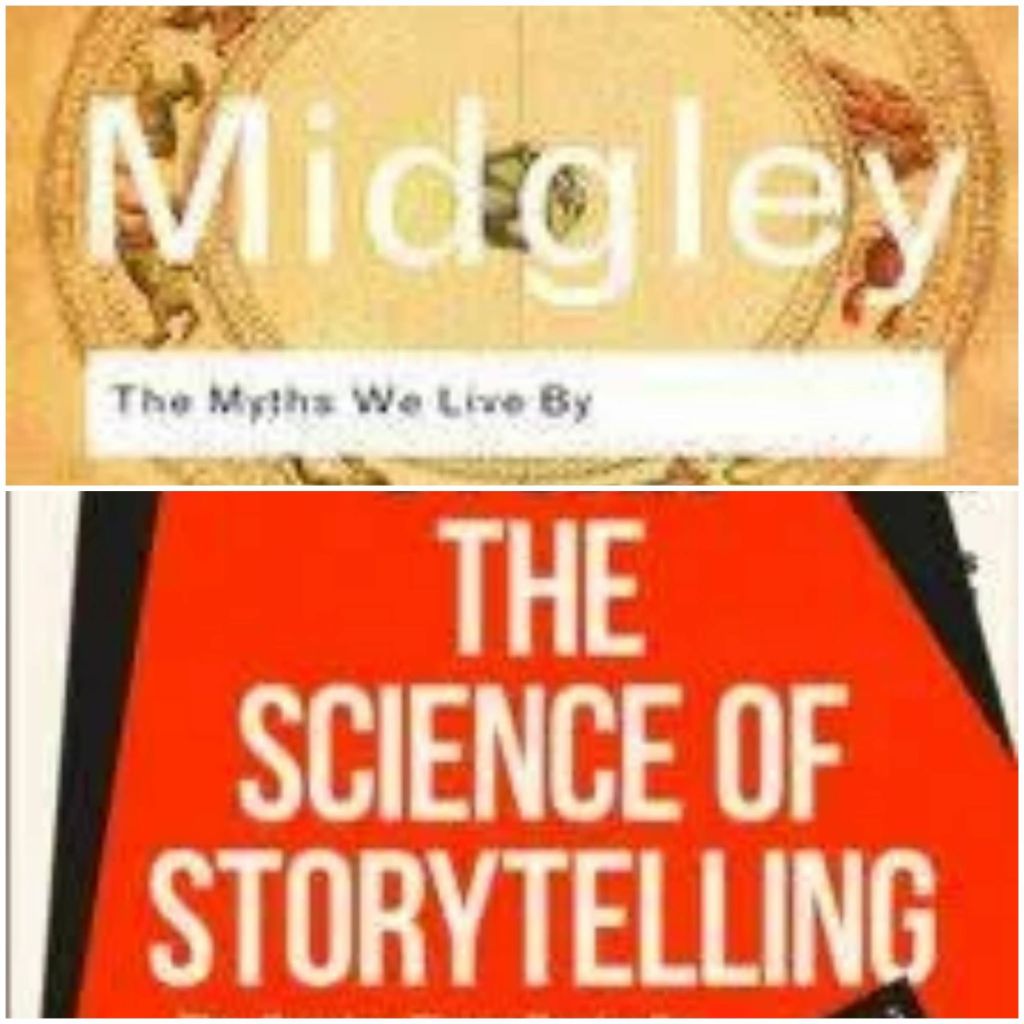
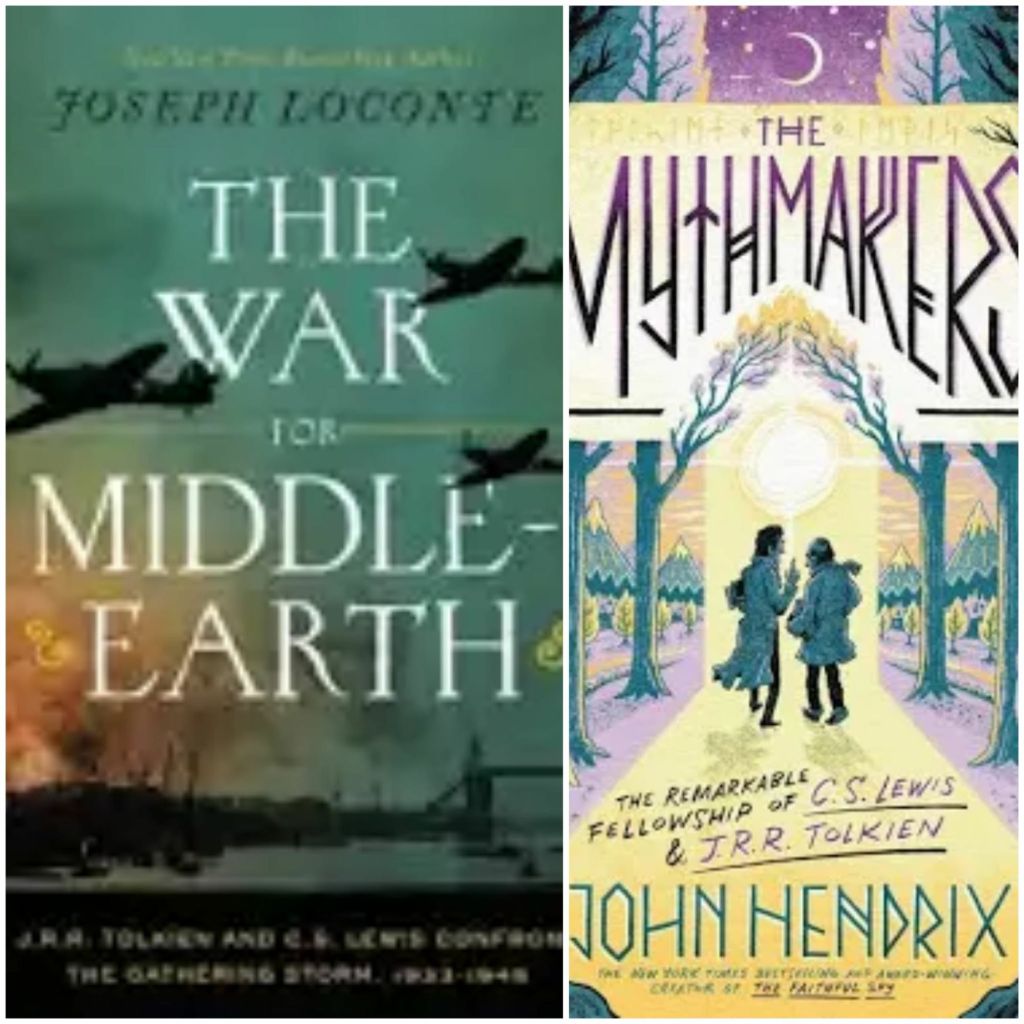
The calendar year is quickly coming to a close, and I’ve been turning my attention to both reflection and anticipation. Looking back at my reading year it struck me how immersed I’ve been in these waning months in both that question of why story matters, certainly fueled by the sobering realities facing our cinematic landscape with the recent news of mergers, and in reading stories about why it matters. It is the sacred call of Mary Midgley’s The Myths We Live By, the science behind Storr’s The Science of Storytelling, the interest of Jason Baxter in his exploration of the Medieval Mind of C.S. Lewis, shaped as it is by the books that he was abosrbed in. It’s even embedded in the why of Tolkien and Lewis’ own embrace of mythmaking (Loconte’s The War for Middle Earth, Hendrix’s The Mythmakers). It’s been found to the central lens through which we understand the different parts of scripture (Numbers: A Commentary, Johnson’s Understanding Biblical Law).
As 2025 comes to a close this essential truth seems to be prevalant: story matters.
I found the early months of 2025 sweeping me towards the subject of rivers and oceans. Heading into 2026 it feels like I’m now tumbling head first into that which water awkaens in me: the myths the waters hold and preserve. Thus I’ve been building this into my 2026 plans as my starting point, shaped as it is by a couple interweaving componants:
Books about story
Books about scripture as story
Books about the art of letter writing
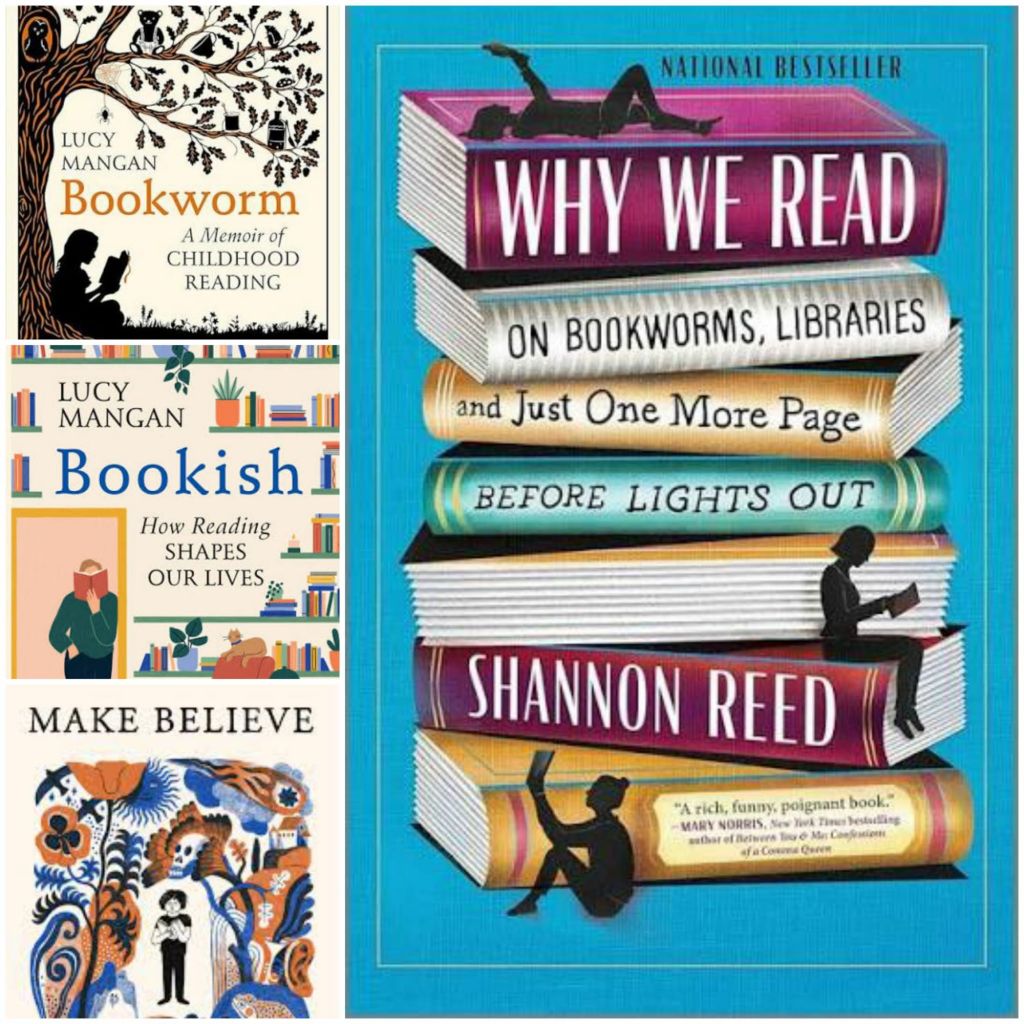
On the first front I’ve got a collection of related books with a shared emphasis on why reading matters. As the above quote from George MacDonald evokes, there is a restlessness not simply to finding ourselves lost without a story, but to understanding why story matters. Here I’ve lined up Shannon Reed’s Why We Read: On Bookworms, Libraries, and Just One More Page Before Lights Out, which is described as a book exploring the simply joy of storytelling.
Along with that I’ve got Lucy Mangan’s Bookworm: A Memoir of Childhood Reading, which looks at Mangan’s own childhood draw to stories and the page. Broadening out beyond memoir, she also wrote Bookish: How Reading Shapes Our Lives which gives this examination of her childhood a broader application. The Keeper of Stories. To round that out is also Mac Barnett’s Make Believe: On Telling Stories to Children.
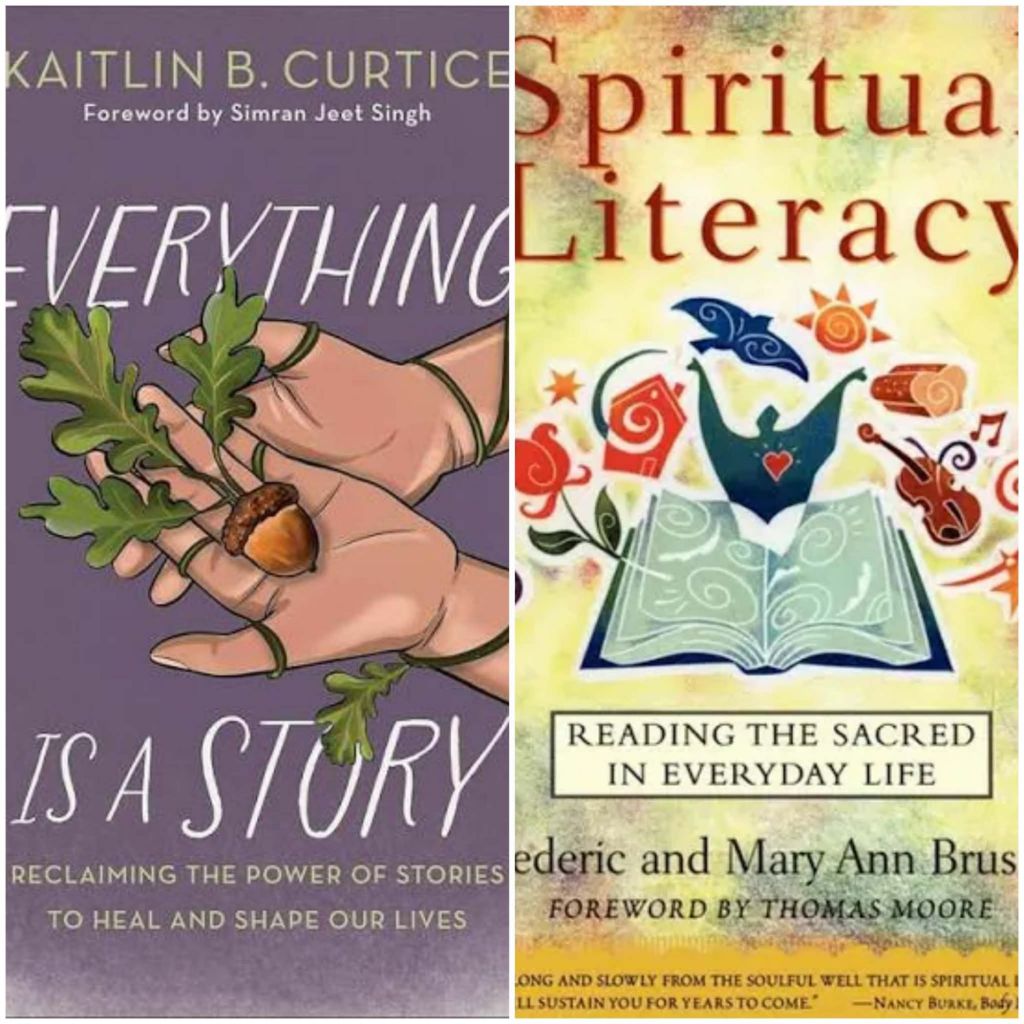
What is perhaps the driving force of this collection, Hwang Bo-Reum’s Every Day I Read: 53 Ways to Get Closer to Books, and Kaitlin Curtice’s Everything Is a Story: Reclaiming the Power of Stories to Heal and Shape Our Lives (which felt like a good pairing with Frederic Brussat’s Spiritual Literacy: Reading the Sacred in Everyday Life)
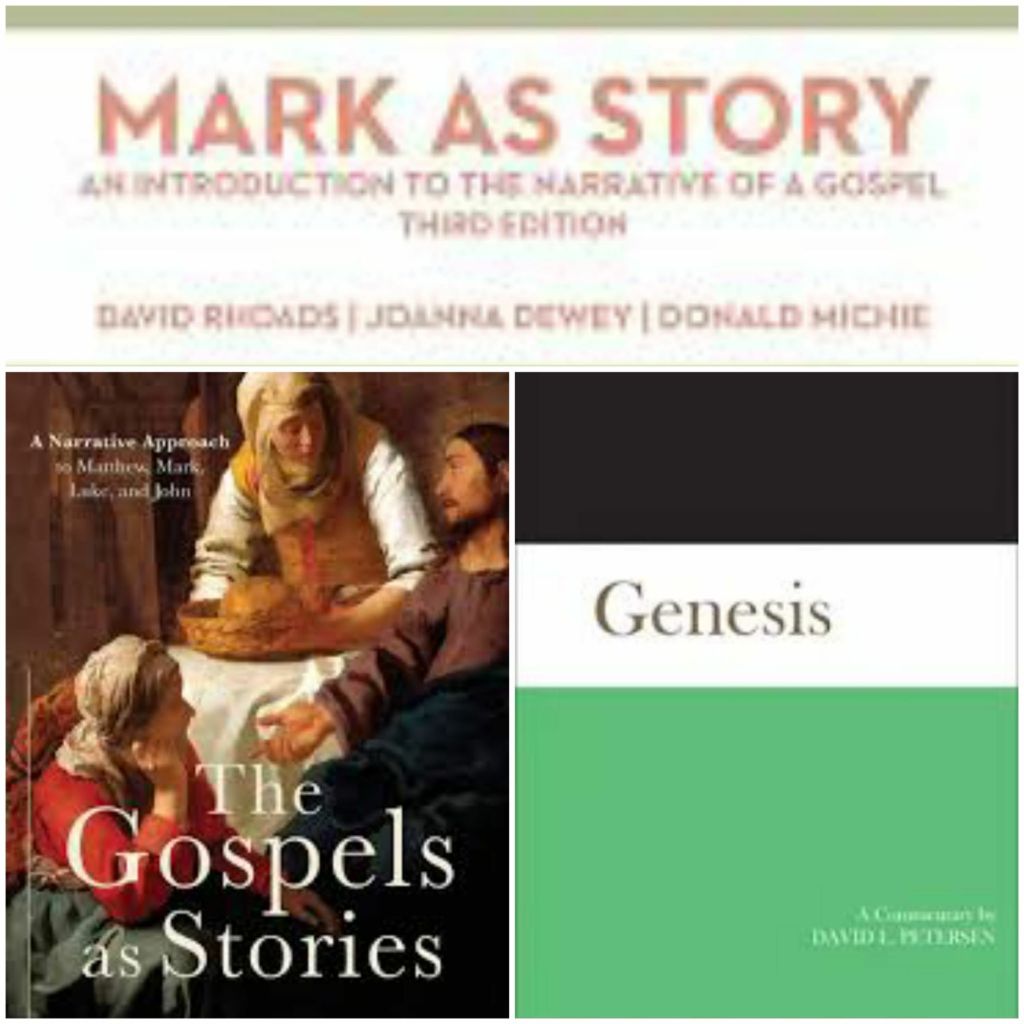
On the second front, I am diving into the Gospel according to Mark in 2026, along with continuing on with my foray into the Old Testament narratives. Here David Rhoads Mark As Story: An Introduction to the Narrative of a Gospel is helping to shape that connection, along with Jeannine K. Brown’s The Gospels as Stories: A Narrative Approach to Matthew, Mark, Luke and John and on the OT front, David L Petersons Genesis: A Commentary
The third componant (letter writing) might feel like an odd addition to this whole endeavor, but I’ll see if I can explain. As mentioned, a big part of what has shaped the waning months of this year has been the news of the merger with Netflix and Warner Brothers. Without getting lost in the weeds of why that matters to an entire Tradition of storytelling, one that is been a vital part of my own life ever since my first time gracing the screen as a young kid, suffice to say it has sparked discussion of things that I can preserve or, in to use what has been my word of the year, reclaim. In a world and in an age, looking ahead to my 50th year, where life seems more and more to be shaped by loss, are there things I can do to recenter myself on why such things mattered in the first place.
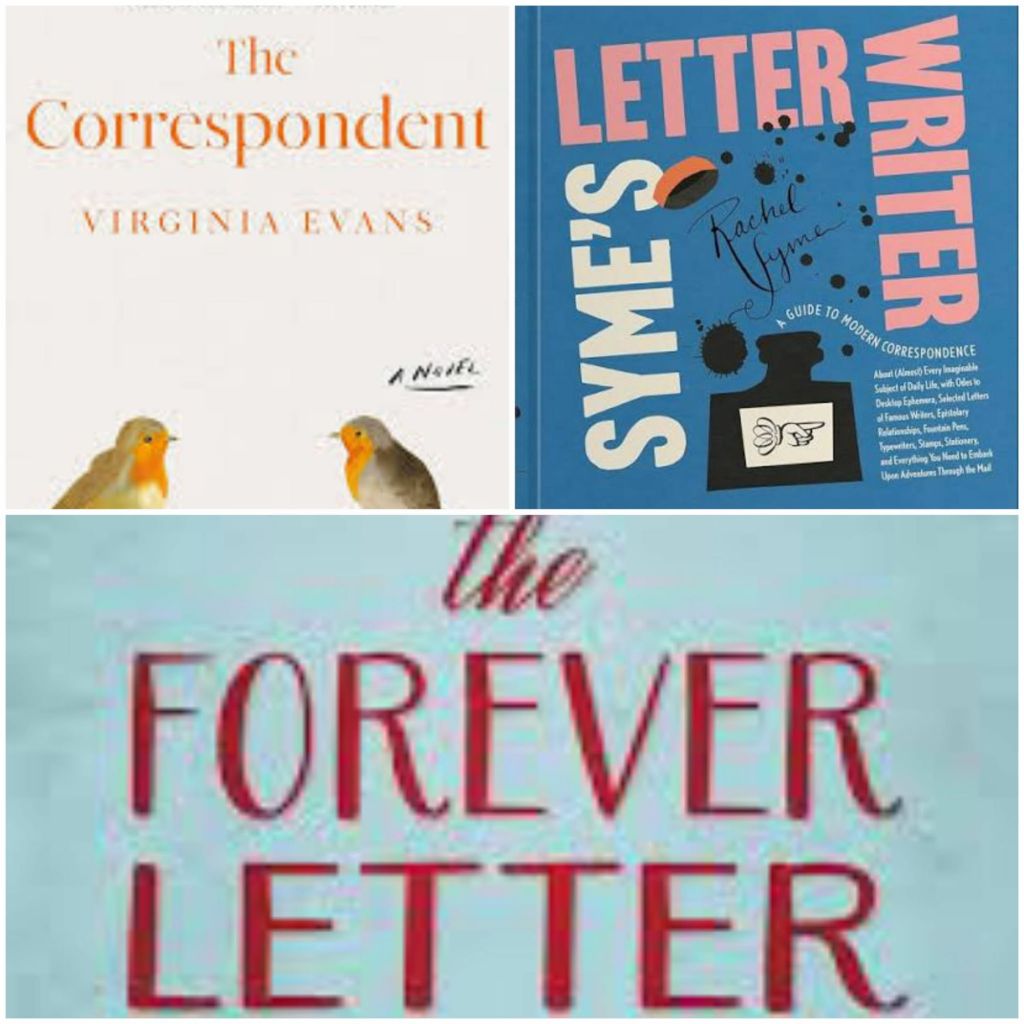
It was a recommendation to pair VirginiaEvans The Correspondent, a novel that celebrates letter writing, with Syme’s Letter Writer: A Guide to Modern Correspondence About (Almost) Every Imaginable Subject of Daily Life that got me thinking. Described as reclaiming the lost art of letter writing by way of a cultural history, it brings to light one simple example of putting pen to paper and resurrecting a long lost tradition, a practice that can translate to any area of life. If the world I find at 50 is seeming less and less familiar, perhaps there is a way to live adjecent to the way of the world around me.
In thinking about bringing these books into the fold as an interconnecting piece of that larger discussion regarding lives as story, I also came across a book by Elana Zaiman called The Forever Letter: Writing What We Believe For Those We Love. A book inspired by the Jewish Tradition of the ethical will. Given that much of 2025 was given to trying to “tell my story” in the form of a long standing project to put my story to page, a self reflective process that has found a good deal of progress since January. It felt like this could be a good thing to pair with that exercise.
As it is every year, this is a starting point. Soon I’ll be turning my attention to my annual new years resolution practice called Rosebud, and part of that exercise is building on the year that preceded it, noting the strengths and weaknesses and forming that into a sense of needed attention or focus. The most exciting part of that exercise is that it is simply a place to begin. Where things go from there remain a mystery, but as a number of authors and voices have reminded me in 2025, mystery is the necessary means to reminding ourselves that Truth exists and Truth can be known, a simple statement of faith that frees us to emody the present.


 The Stories of my Life