
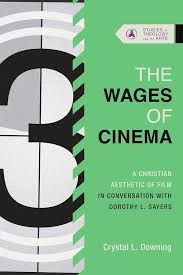
“Theater started with the sacred and eventually brought in the profane. Cinema started with the profane and brought in the sacred.” (The Wages of Cinema, Crystal Downing)
In the book Sacred and the Profane: The Nature of Religion, Mircea Eliade defines the nature of the sacred as “differentiation” and defines the profane as “homogeneity.” It is in these terms, according to Eliade, that the sacred sanctifies the profane.
Eliade also notes that the sacred itself isn’t held captive to such differentiation, rather its nature reflects the movement of the sacred into the world. A movement that begins with a cosmic Truth at its canter and which moves out through the stories that shape our world and the people and places that occupy them.
For Dorothy Sayers, the figure Downing is setting this book in conversation with, this is precisely how she imagines the creative act binding us to the Divine source that is God. Thus what we find in our differences is the active outflow of the sacred by way of our participation in this cosmic Truth. It is in and of itself a primary way of knowing. Which is why Downing also suggests that the question of how we create is more important than the question of what we are, as these things are intimately bound together
What I found interesting about pairing the ideas of these two authors is the way this observation of the parallel but opposite trajectories of theater and film is that this reflects a historical transition on the cultural front- from theater to film as the dominant cultural language. If this is the case, the question I’ve been pondering is, how does the profane, so defined as homogeneity, inform this transition? In what ways does it inform this historical shift in our creative language, and in what ways has the reclamation of the sacred sanctified the profane within this historical reality?
Questions I’m going to be sitting with as a finish Downing’s book.
 The Stories of my Life