Reading Journal 2024: Before Your Memory Fades Author: Toshikazu Kawaguchi
The third in Kawaguchi’s outstanding series, Before the Coffee Gets Cold, which transports us as readers to a different cafe with familiar and new faces but with the same opportunity to travel back in time. Rules for time travel stay the same, including the necessary cup of coffee that must be finished before it goes cold.
The structure and form of the book largely stays the same as well, perhaps to a fault. You can feel and hear the patterns and routine narratives seeping through at this point, which makes the ingenuity of the previous two books begin to feel slightly tired and predictable. It does find a way to write in some unexpected turns here and there, but the emotional gut punch of the other books gets somewhat muted. Definitely the weakest of the bunch thus far, especially where it wants to tie the series if stories together with a tidy, thematic bow.
Still though, undeniably worth the read. Even if its a bit tired and familiar, its still an affectionate and meaningful read, this time around dealing far more directly with death and grief.
In today’s interconnected world it’s never hard to find the present trends in christianity when it comes to the things scholarship, theologians, churches are interested in.
The book of Revelation is a current trend. The Beatitudes are another current trend, having a moment.
I’ve long been fascinated by the Beatitudes. There is good reason to see them as the Gospel writers’ reimagining of Sinai in light of Jesus. Jesus is born into a world where the elder sons are being hunted and killed. Jesus is depicted as coming out of Egypt, going through the waters (of baptism), into the wilderness, and eventually to the mountain to give the beatitudes (the Law).
What is unfortunate is that there exists tendencies to misunderstand what the Law is. Therefore, what Jesus is doing at this mountain (or technically the valley) gets equally misunderstood.
Beatitude literally means blessing. More than this though, it is describing the characteristics of the kingdom of God (and therefore belonging to or participating in the kingdom of God).
The Law is both the story of Gods liberating act (freeing from slavery) and the revelation of Gods true character/kingdom.
It represents a contrast between two realities.
When Jesus says in Matthew 5:17, “Do not think that I have come to abolish the Law or the Prophets; I have not come to abolish them but to fulfill them”, he is speaking of a trajectory, an aim, an expectation. He is not rewriting a set of rules, as is so often assumed. He is not establishing something new. He is not entering into our modern debates between faith and works.
He is, rather, establishing a new reality which hinges on the Law’s fulfillment. The thing the Law promised to bring about is now being fulfilled in Jesus.
In other words, Jesus is the fulfillment of the Law. Jesus is the new reality. The beatitudes tell us, then, the shape and character of this new reality as one framed by the hope the Law represented.
As Darrell Johnson says in his current sermon series on the Beatitudes (you can find this on his podcast), the Beatitudes don’t tell us who will inherit the kingdom of heaven, they tell us how the kingdom of heaven on earth shapes those who participate in it.
There is a debate that exists over the question of whether Matthew spiritualizes Lukes social Gospel (for example, rewriting blessed are the poor to read blessed are the poor in spirit), or whether Luke socializes Matthews spiritual concern.
This is just my take, but I think it is neither. Such a debate hinges on the assumption that the beatitudes are outlining virtues that will inherit (earn) salvation. At it’s most erroneous, such an assumption might suggest that poverty or sickness might be something God calls good or right, or something we should seek. As though it is saying, be like this and you will be saved. Which, not coincidently, is how people tend to perceive the Jewish Law- a set of rules or commands that one needs to follow perfectly to be saved (or the flipside, Jesus’ message that He embodies these rules perfectly in order to save us inspite of our imperfection)
I don’t think this is how ancient Jews thought about the Law. And I don’t think it’s how Jesus fulfilled the Law.
The beatitudes don’t exist to create division between the kind of people who will inherit the kingdom and the kind of people who won’t.
The beatitudes tell us what it looks like to participate in the kingdom of God as an expression of hope and hope fulfilled.
Blessed are. Meaning, when you participate in the kingdom of God, you are to experience the life that comes from this new reality in Jesus. And these experiences hinge on two commonalities which we find in both Matthew and Luke:
Our shared need for Jesus, which means an awareness of the contrasting realities and our need for transformation.
The shape of this transformation as one which then experiences a different reality in Jesus (the first section of the beatitudes) thus empowering us towards the second section of the beatitudes (living out of this reality).
There is a model for this. Framed against the phrase, “I have brought you out of Egypt” (the need for liberation and for the presence of God to dwell amongst them), we get the ten commandments which are famously summed up in its two definable sections as love of God, love of other. The same pattern, only now we find that which Sinai pointed to having arrived in our midst.
That which the scribes and pharisees’ anxiously mulled over and recontextualized in their day had come and done a new work.
The beatitudes, then, reflect a procolomation regarding what is true about the Law in Jesus.
And they reflect an invitation to be perfect (to place our hope in the fact that the Law has been fulfilled in Jesus, and to allow that to inform how we operate in the world) as the Father is perfect in Jesus.
In this we find Jesus declaring a new reality having broken in, transforming their expectations into what He calls the Gospel, the good news of this new reality now taking shape
“The word blessed, which is used in each of the beatitudes is a very special word. It is the Greek word makarios. Makarios is the word which specially describes the gods. In Christianity, there is a godlike joy.
Makarios describes that joy which has its secret within itself, that joy which is serene and untouchable, and self contained, that joy which is completely indpendent of all the chances and the changes of life. The English word happiness gives its own case away. It contains the root hap, which means chance. Human happiness is something which is dependent on the chances and changes of life something which life may give and which life may also destroy. The Christian blessedness is completely untouchable and unassailable. “No one,” said Jesus, “will take your joy from you.” (John 16:22) The beatitudes speak of that joy which seeks us through our pain, that joy which sorrow and loss and pain and grief are powerless to touch. That joy which shines through tears, and which nothing in life or death can take away.” – William Barclay (The Gospel of Matthew)
Sometimes I wonder if joy is more of an illusion than a reality. Something we manipulate into existence.
Of course, if this is true, and from a certain point of perspective we know this to be true based on how brain and body chemistry works, then it begs certain questions of joys trustworthiness. Is it simply a way of tricking us into avoiding reality? Is it reality on the simple basis that we experience it, therefore it is true? If it is manipulated into existence it becomes an emergent property, held captive to our ability to make it true.
Which of course is where the true issue lies. If joy is something we make true in our lives over and against the realities that such an action is responding to, are we then simply avoiding reality by anchoring ourselves to a lie, creating a different and new reality, or is it simply a fact of our material existence and a means of survival without actual meaning or concern for questions of reality.
As I have found over the years, there is plenty good, rational reasons to play the skeptic and the cynic. The more we are taught to see joy as a matter of potential, or even human potential, the more it is held captive to the illusion. If life is dependent on convincing ourselves of something that is not otherwise true, and if life is dependent on that convincing allowing us to feel in ways that blind us to the blatant truths about our reality, to pretend as though this existence has meaning beyond our circumstances, then we end up living an inevitable contradiction. The irony being that we then call this rational, or iniellectual. An academic exercise of romanticizing suffering, while masking it through appeals to material pleasures.
Which is one of the reasons the Beatitudes has always stood out for me as being so antithetical to the ways we think and feel about matters of joy, or in the case of the Beatitudes, “blessedness”. For Christians this is Torah. A restating of the Law spoken from the mountaintop in the light of Jesus as its fulfillment. Joy is not represented as something bound to circumstances, it functions as a truer reality, one that is revealed as we lay claim to joy which has the power to shape us and renew us as part of that greater reality. This changes the dynamic altogether.
Joy which seeks. Joy which speaks. Joy which shines.
A joy that must exist independent of us in order to be rationally and reasonably true, in order to lay appropriate claim to meaning, in order to have the power to reshape us according to a different reality regardless of our experiences or abilities.
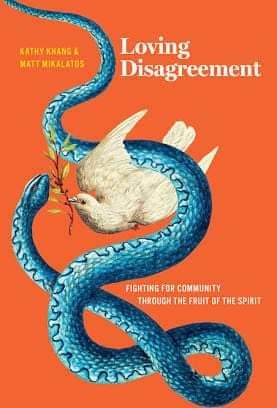
Reading Journal 2024: Loving Disagreement: Fighting For Community Through The Fruit of the Spirit. Authors: Kathy Khang and Matt Mikalatos
My awareness of this book and its authors came from being a subscriber to and active listener of The Faacinating Podcast, which both authors co-host with fellow pastor and author JR Foresteros. One of the reasons it came on my radar was because they mentioned the book during their end of the year top lists of favorite reads alongside On Repentance and Repair: Making Amends in an Unapologetic World, a book I also bought and am reading alongside this one.
They explain the genesis of this book in the first chapter, born from an idea to tackle the subject of disagreement using the diffeent perspectives of the two authors. The way the book is structured is, each writer takes an assigned chapter on one of the fruits of the spirit, writes a reflection in relationship to navigating disagreements through the lens of this particular fruit, and then end each chapter with some back and forth responses between the two of them regarding the initial thoughts. It’s intended not just to offer insight and ideas, but to actually put it into practice with the two writers speaking from their different places, opinions, and vantage points.
It’s an interesting approach, one that will bear more fruit (pun intended) if you find a connection with one of the two authors. If you don’t, there is a chance that the dialogue portions might become more of an observational exercise than an immersive one. Even if thats the case, the actual reflections are compelling enough to make this a worthwhile read. There are some insights that will remain with me, such as the portion that speaks to the history of the word blessed, the idea that joy cannot be bought, but it can be intentionally shared and multiplied, that peacemakers don’t dismantle conflict, they actively make a world where conflict exists a different and better one, more beholden to the world God desires and intended, that righteousness is not good works but rather completeness or wholeness, that patience is a willingness to wait in ways that contrast the things that oppose the fruits without a guarantee of outcome, that goodness is inherent and declared not earned, that faith is not belief but an active and trusted allegiance to Gods goodness (faithfulness), that faith is public not private, that gentleness is not passive but proactive in its empathy, and that love is a multifaceted concept.
Perhaps most important, the authors remind us with the chapter on self control that the fruit does not mean we get these right. In fact, the biblical witness is expressive in its qualitative picture that we get these things wrong, likely more often than not. The fruits also don’t function in isolation. To lack in one is to compromise them all. The good news of the Gospel is that these fruits are an embodiment of the nature and character (or name) of God. We find them in God even as we strive to embody them in our lives in ways that don’t always bear the fruit we want in our relarionship to God, one another, and the world. The fruits don’t function as a way of knowing ourselves (as in, this person is patient and this person is not), they function as a way of knowing God, and as we know God, we know the hope that God is love, that God is patient, and that God is above all faithful to His promise to make what is wrong in this world right. To pursue the fruits of the spirit is to find our hope in this.
Important words for me as this book crossed my path in the midst of some real and important interpersonal conflict. It’s a reminder that if I felt the fruits of the spirit weren’t being made evident in my life in the midst of disagreement, then I was also not bearing out the fruit I hoped for in my own life. Meaning, I had lost sight of God in the midst of it. One of the beautiful things about how the fruits work is that all it takes is putting one into practice for all the others to come into view. And with that a renewed knowledge of the fullness of God.
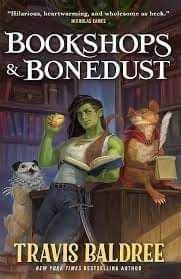
Legends and Lattes became the literary poster child for cozy fantasy through sheer word of mouth over a very short period of time. Tha author even touches on this fact in the authors note at the end of the book, speaking about the challenge of now writing to (or for, or against) expectations.
In truth, this is more of the same. If you liked or appreciated the first for what it was (cozy fantasy without a lot of substance), you’ll probably have a decent time with this follow up prequel. If you loved the first, I imagine you might find this a bit underwhelming. Part of that, I imagine, will be some slight inconsistencies in tone from the first half to the second.. I think some of that might come from the decision to pen a prequel this soon into the book’s world building. At best it compliments the first as a somewhat stand alone story. At worst it fails to prove why it needed to exist, as I’m not convinced it adds a ton to the characters and the story that we find in Legends and Lattes. If it existed in light of, say, 4 or 5 books and an built out world full of characters and stories, I imagine this would make more sense as a quaint addition.
it is not bad, and I definitely didn’t hate it. For me it just didn’t do enough to captivate my attention or even fully warrant an excape.. I left it feeling like I would have much preferred an actual sequel.
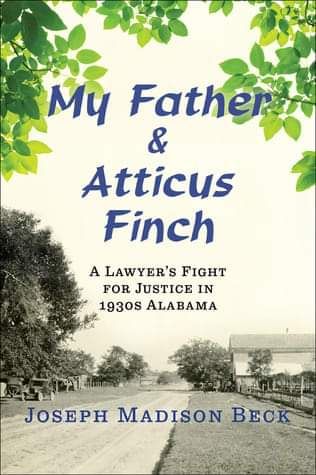
Reading Journal 2024: My Father and Atticus Finch: A Lawyer’s Fight For Justice In 1930’s Alabama Author: Joseph Madison Beck
While Harper Lee is on record saying that the story of To Kill a Mockingbird was not modeled after Joseph Becks trial case of a black man (Charles White), at least part of this research project, undertaken by Beck’s son, Joseph Beck, was driven by the curiosity to explore the possibility. Mostly though it’s the product of one man’s desire to learn the story of his father through parsing through the details of his most famous case.
The story is told from the voice of the son, bouncing back and forth between his observations as he uncovers bits and pieces through his research, and dramatized treatments of pivotal points in his father’s life as he prods and grows his way through the case. As such, we get a detailed picture of life in the south and the racism that held it in its grip, even as the seeds were being planted for potential change.
It’s an easy read. The end of the book offers some reflection on the parts of Beck’s case that parallel Lee’s novel, and the parts that deviate. As such, it leaves one always uncertain about which way this story is going to go, in line with the book or travelling it’s own course. This becomes part of the intrigue.
I picked it up at a local bookstore during my trip to the south, including to Monroeville. Looked like it might be a good snapshot of the history and the culture, being a real life version of the iconic Mockingbird. and it satisfied those hope’s.
Sometimes they arrive as a matter of intent. From a desire to seek something new, to take on new challenges, to grow.
Sometimes they take you by surprise. It forces itself on you, unwanted and unexpected.
Sometimes they express optimism and hope, sometimes they rob you of that optimism and hope
Its tough to know how to express this one in my life beyond the simple words, it’s not what I wanted, but it is where I find myself.
And with it comes so much loss.
A loss of identity. A loss of security and stability. A loss of a job that has afforded me healing and a rhythm of life over the past 11 years. A loss of faces, routines, sights, community that have been important facets of my life. Losses that are permanent. Losses that one has to deal with while carrying the mental, emotional, and physical weight of everything that brought you to this point.
It’s a reminder of the ways life can snap its fingers and threaten to erase all the things you place your hope in. The ways it threatens to shake up your sense of confidence in the things that matter, in the things that mean something. The way it can cloud the beauty and the joy.
It’s a reminder of the way the world works. The transient nature of these things we call jobs. The ugliness of power systems and conflict. The reality of how the natural world works behind the beauty, threatening to tell you that when you aren’t strong enough, you don’t survive.
And yet, as my last day reminded me of, it can also represent a microcosm of how beauty and hope do coexist within the ugliness.
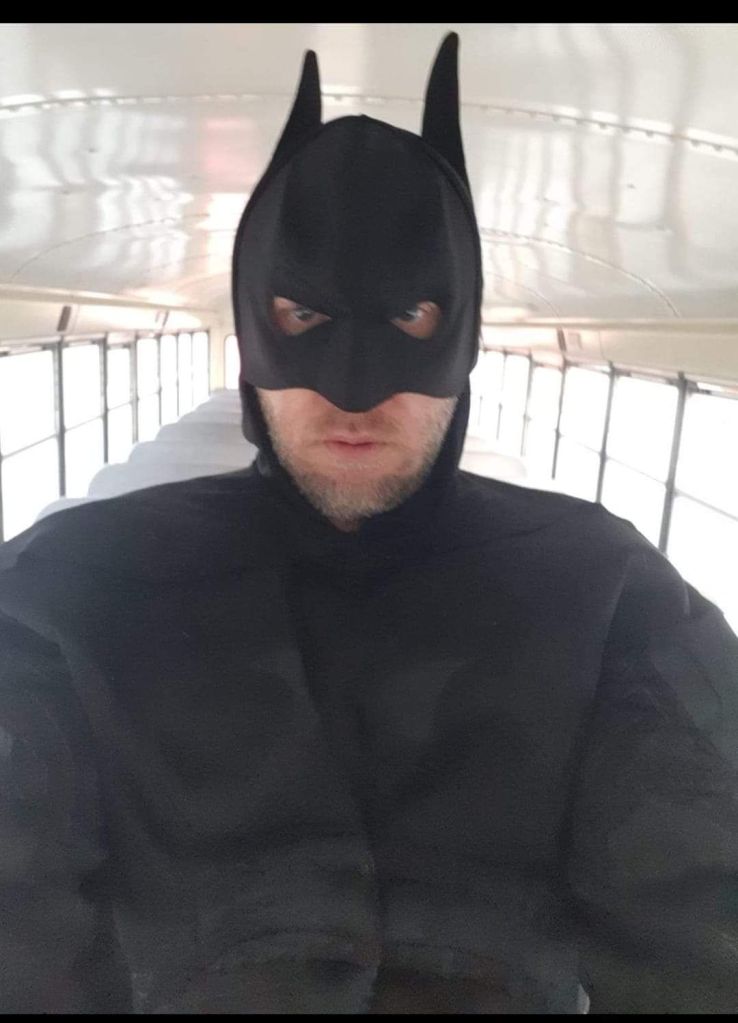
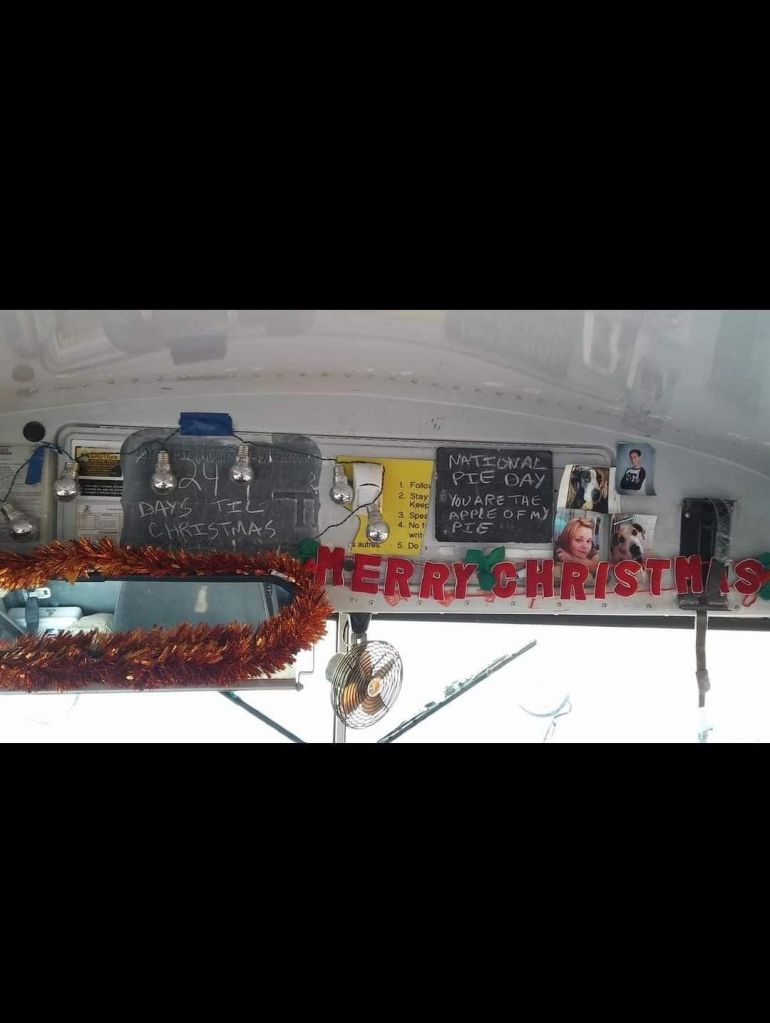
A school full of kids lining up outside to wave me off on my final run Kids I’ve journied with since they were young sharing their memories Kids using their gifts talents to create wonderful keepsakes Sharad tears. Shared laughter. Hugs. Promises. Prayers. Notes. Messages.
I don’t know how I manage this transition looking forward. I don’t know that this tension ever truly goes away.
But I do know that I have experienced both.
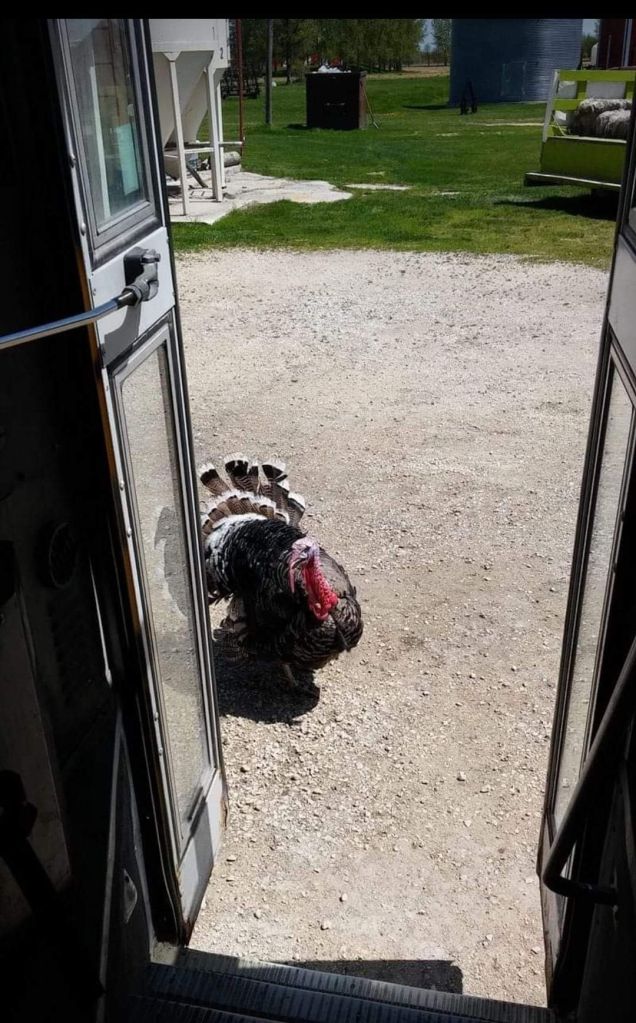
The pictures posted with this reflection bear witness to this.
And, where i can gain perspective, there is a sense that beauty and hope arrive in necessary response to the ugliness, affording us the ability to seize intent from the unwanted thing that was thrust upon us.
My devotional from Wright’s book On Earth As it Is in Heaven this morning felt timely. It is a book that journies through the liturgical seasons of the church using his larger body of work. It is a word for “Christmas”, that time that reflects the sense of newness we claim from living in the “time inbetween”. A time in which we declare the truth that Jesus has done something new, and that we are living in this newness- the kingdom of God has arrived and the forces of Sin and Death have been defeated. But we also see, as Wright calls it, the Powers of Sin and Death still at work in our lives and in this world. That is the tension we carry into this thing we call existence.
Speaking of new beginnings in light of the symbolism of Gods 7 days of creation, Wright says,
“The sabbath was the regular signpost pointing forward to Gods promised future, and Jesus was announcing that the future to which the signpost had been pointing had now arrived in the present…
Something new is happening; a new time has been launched; different things are now appropriate. Jesus has a sense of rhythm to his work, a short rhythm in which he will launch God’s kingdom, the Gods-in charge project, and complete it in the most shocking and dramatic symbolic act of all.”
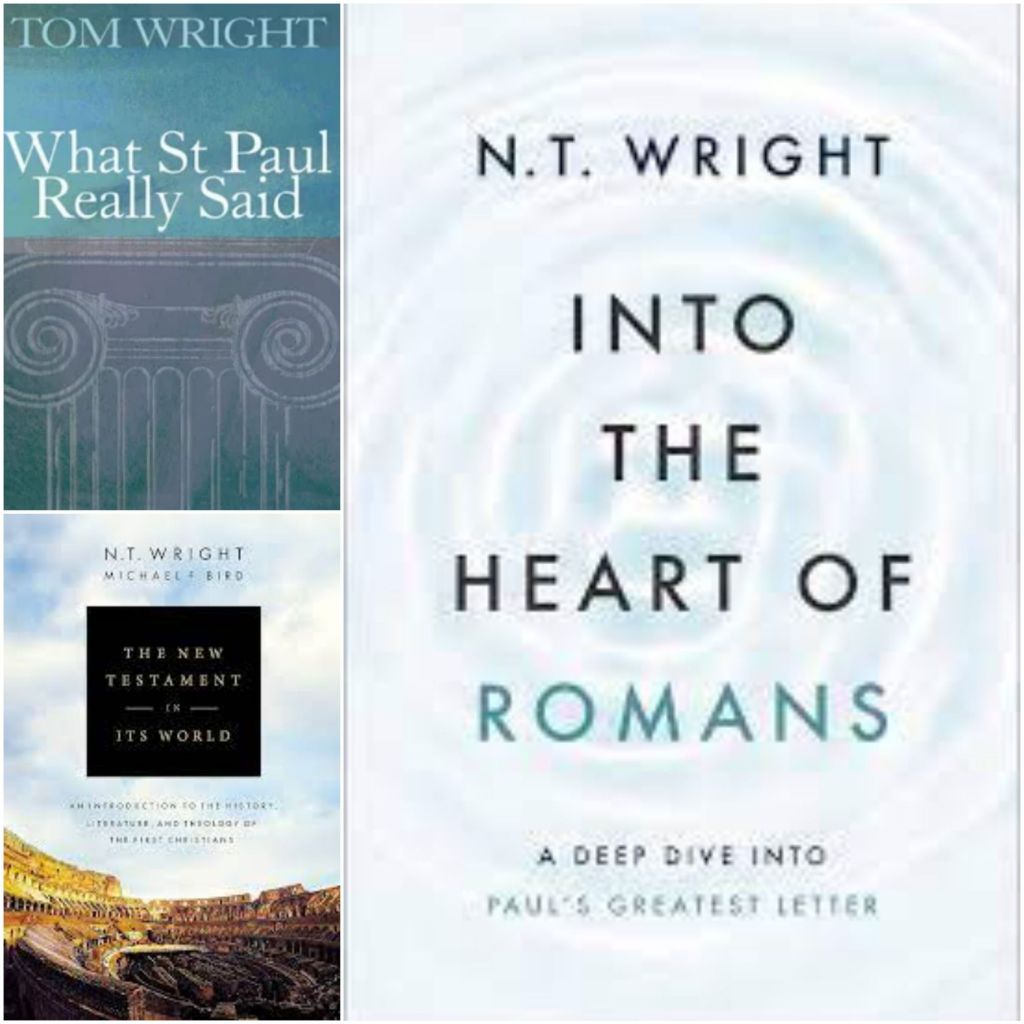
Fittingly, I started the year with Wright, reading through his earliest work (What Saint Paul Really Said) and ended with his most recent work (Into The Heart of Romans). Inbetween, I finally finished his magnum opus (The New Testament in its World).
All three of these books emphasize three crucial facets of Wright’s work- the presence of temple, outlining the Exodus and creation as themes that run through the whole of the NT, establishing the foundation of new creation and human vocation as the primary expression of these themes, and establishing the importance of the story of Israel when it comes to making sense of and telling the story of Jesus.
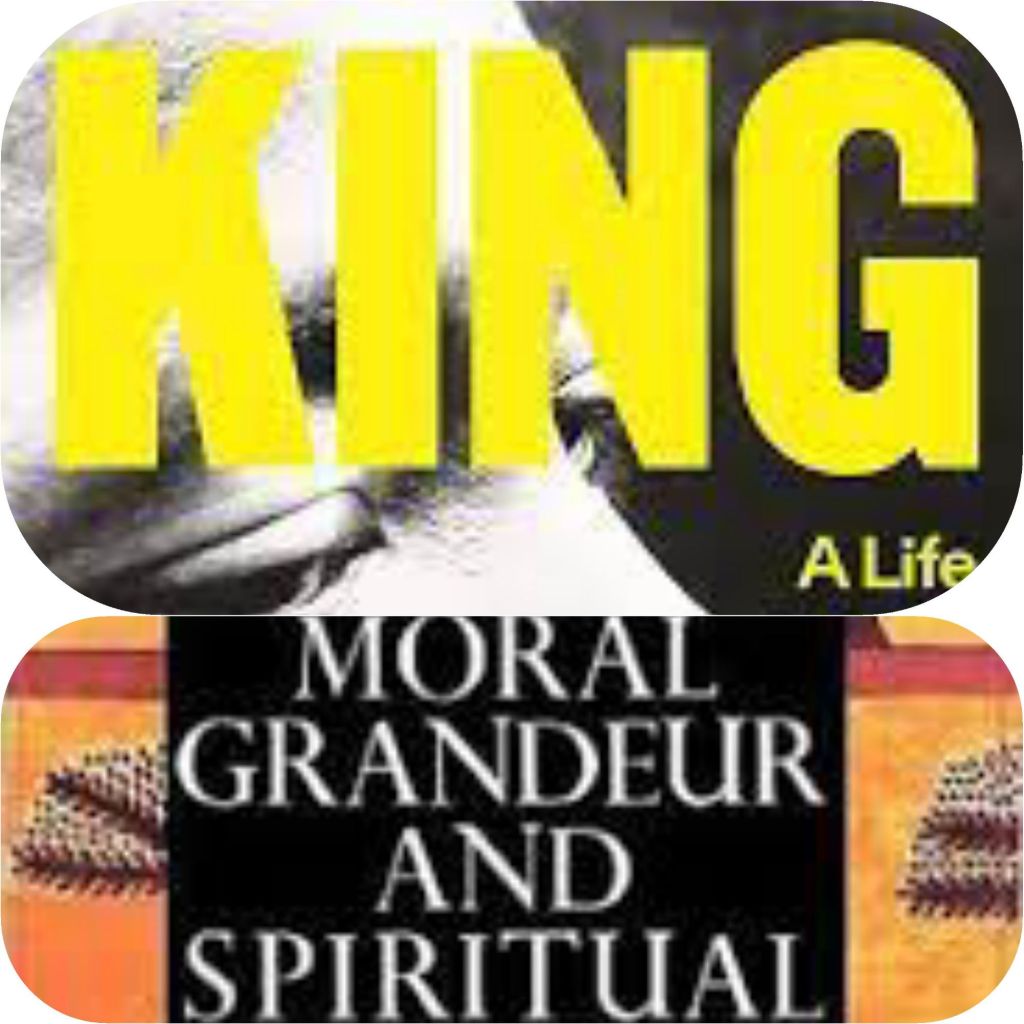
There is something of a parallel here to reading through King: A Life and Abraham Joshua Hesschel’s Moral Grandeur and Spiritual Audacity side by side, two books speaking to the same time and similar contexts while imagining the promise of liberation in the face of great oppression.
These were books I read as part of a pilgrimage down to the deep south, and if the story of creation and the story of the Exodus and the story of Jesus is going to make sense to me, it needs to make sense to these places and these experiences. If I am going to make sense of the story of creation, of the Exodus, of Jesus, then I must make sense of these places and these experiences.
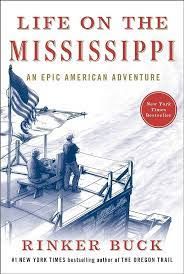
Speaking of travel, I have long been fascinated by the Mississippi, having travelled the river road myself, and Life on the Mississippi: An Epic American Adventure was a great entry into discussions about the river’s story and its history.
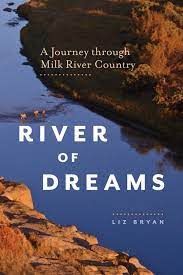
It’s a story about experiencing the river from the perspective of its heyday, but even more it’s a story about the socio-economic development that brings the river, and indeed the river as a symbol of America, to where it is now. From this end it invites philosophical, spiritual and moral reflection, connecting its sense of place to experience and travel to knowledge. Paired with this was River of Dreams: A Journey Through Milk River Country by Liz Bryan, a book that does a really great job of exploring the role of its river in the development of southern Alberta and Montana, shifting borders and all.
Later in the year I traveled the world through maps, the book The Map Tour: A History of Tourism Told Through Rare Maps taking me on a journey from the Grand Tour to Globalization, proving to be a fascinating way to consider the worlds development by way of travel.
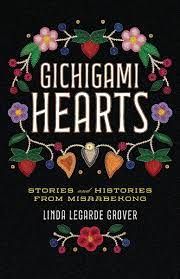
Seeing the way that the history of tourism connects to the construction of our global realities, much of this hinging on the direction in which tourism flows, was as fun as it was enlightening. In a more specific way, I picked up the book Gichigami Hearts: Stories and Histories From Misaabekong by Linda Grover on a trip to Michigan.
It tells the story of Duluth from the perspective of its people and their relationship to the land. Its part memoir, part lore, and a deeply personal ode to the place’s deep spiritual heritage.
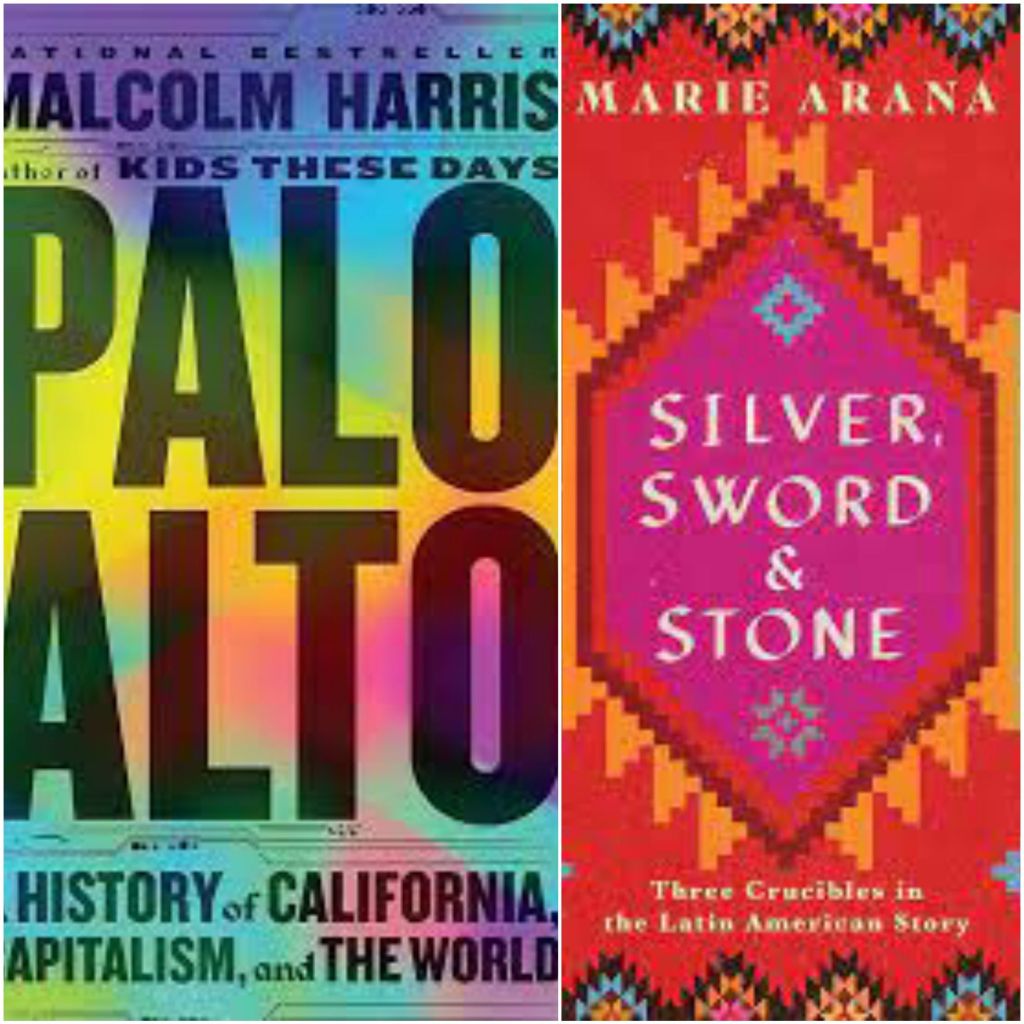
I could also throw Malcolm Harris’ Palo Alto: A History of California, Capitalism,and the World and Silver, Sword, and Stone: Three Crucibles in the Latin American Story into the mix as solid examples of using the specificity of a place, a reality, or an idea to trace a global history. Both were thought provoking, and, to differing degrees, entertaining reads.
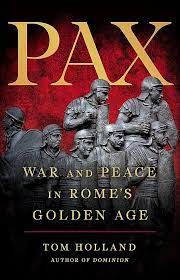
Or Tom Holland’s Pax: War and Peace in Rome’s Golden Age was a great book about how understanding Rome is crucial to understanding the modern West, especially as it relates to history.
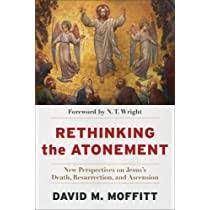
I also faced some big questions over the course of my reading in 2023:. David Moffitt’s Rethinking the Atonement: New Perspectives on Jesus’ Death, Resurrection and Ascension had me challenging certain conceptions about the person and work of Jesus by looking at what the language of sacrifice actually meant to the ancient peoples.
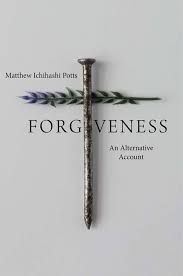
Forgiveness: An Alternative Account by Matthew Potts had me re-examining the nature of forgiveness and its relationship to God, justice, and salvation. A truly transformative read that I wish I could put into the hands of everyone.
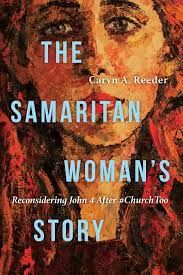
The Samaritan Woman’s Story: Reconsidering John 4 by Caryn Reeder had me exploring a familiar passage with fresh eyes, challenging the ways this passage has been read and used through the lens of certain conceptions of womanhood.
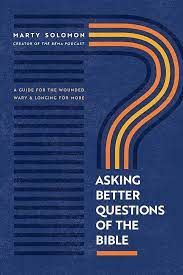
Marty Solomon had me asking better questions in Asking Better Questions of the Bible: A Guide For the Wounded, Wary, and LongingFor More while Flood and Fury: Old Testament Violence and the Shalom of God by Matthew Lynch had me looking more closely at our assumptions of violence in the Bible, and more specifically the whole of the Biblical narrative.
Dru Johnson had me reconsidering the definition of knowing from its biblical context, or from the context of the world behind the text in Biblical Knowing: A Scriptural Epistemology of Error.
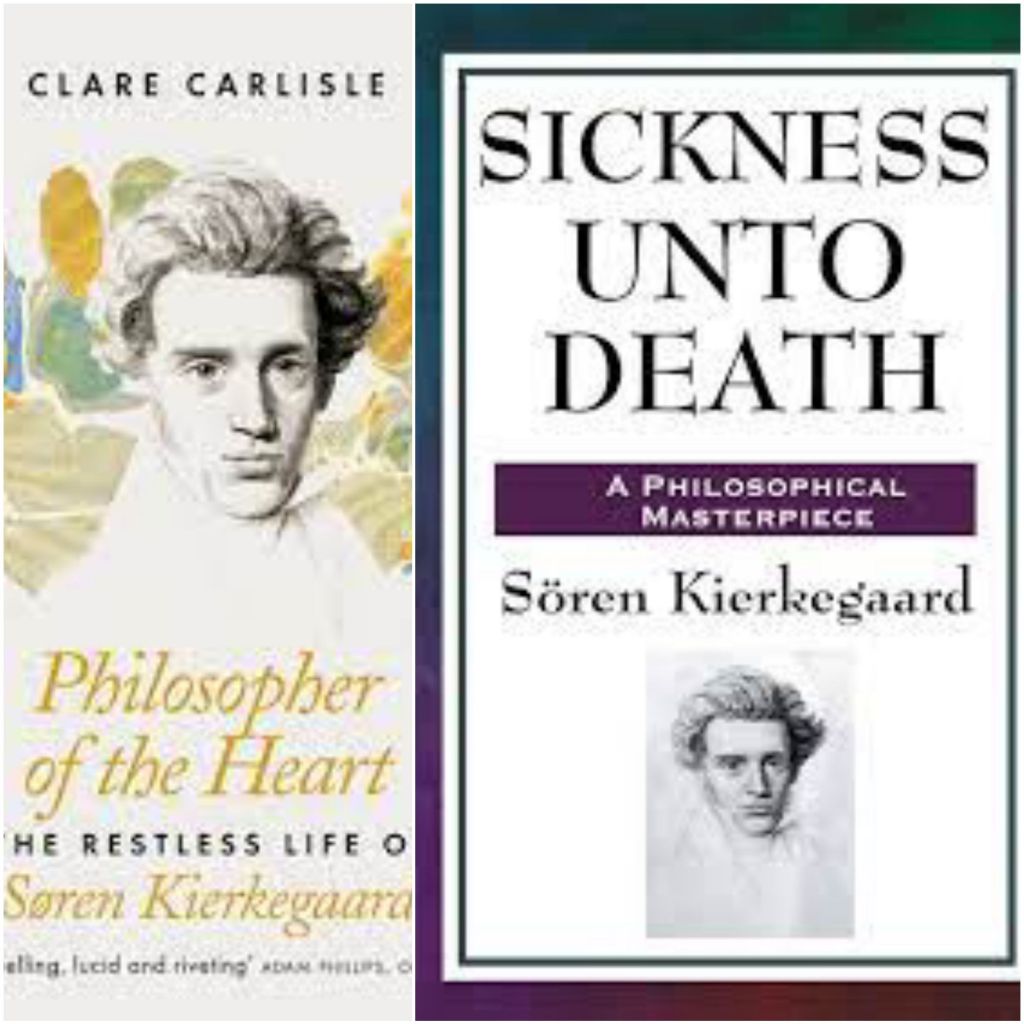
Maybe this is why I found myself, then, reading through the existentialists. Philosophy of the Heart: The Restless Life of Soren Kierkegaard/Sickness Unto Death (Clare Carlisle/Kierkegaard) being my favorites.
I loved how the story of the famed existentialist philosopher, along with his words, flesh out the some of the biggest challenges and struggles of existence, searching as it does for authenticity amidst the illusions. I could also throw Monothreeism: An Absurdly Arrogant Attempt To Answer All the Problems of the Last 2000 Years in One Night at a Pub by JD Lyonhart, a book that delves into the deeper philosophical problems relating to God and the world.
It is not a perfect book, and the further it goes along the more it gets bogged down in a potential need to posit answers, but it does a good job at boiling things down to a necessary foundation. The questions we ask are less rooted in answers as they are in establishing that foundational assumption (or assumptions) that functions as our starting point, and giving us a place to begin exploring from.
Perhaps on the more liberative side is my journey through the Gospel of John with Scott Mcknight’s commentary John: Responding to the Incomparable Story of Jesus, a book that really brings to life the grand vision of John’s Gospel as an appeal to belief in the hope of the person and work of Jesus.
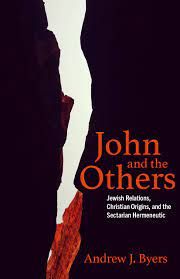
John and the Others: Jewish Relations, Christian Origins, and the Sectarian Hermeneutic by Andrew Byers functioned as a perfect tandem read, with Mcknights commentary on John, probing the ways in which the assumption of a fervent anti-Jewishness in the Gospel of John has led to modern studies and interpretations doing great harm, largely missing the boat in terms of what the biblical writer(s) wanted to say with the Gospel narrative.
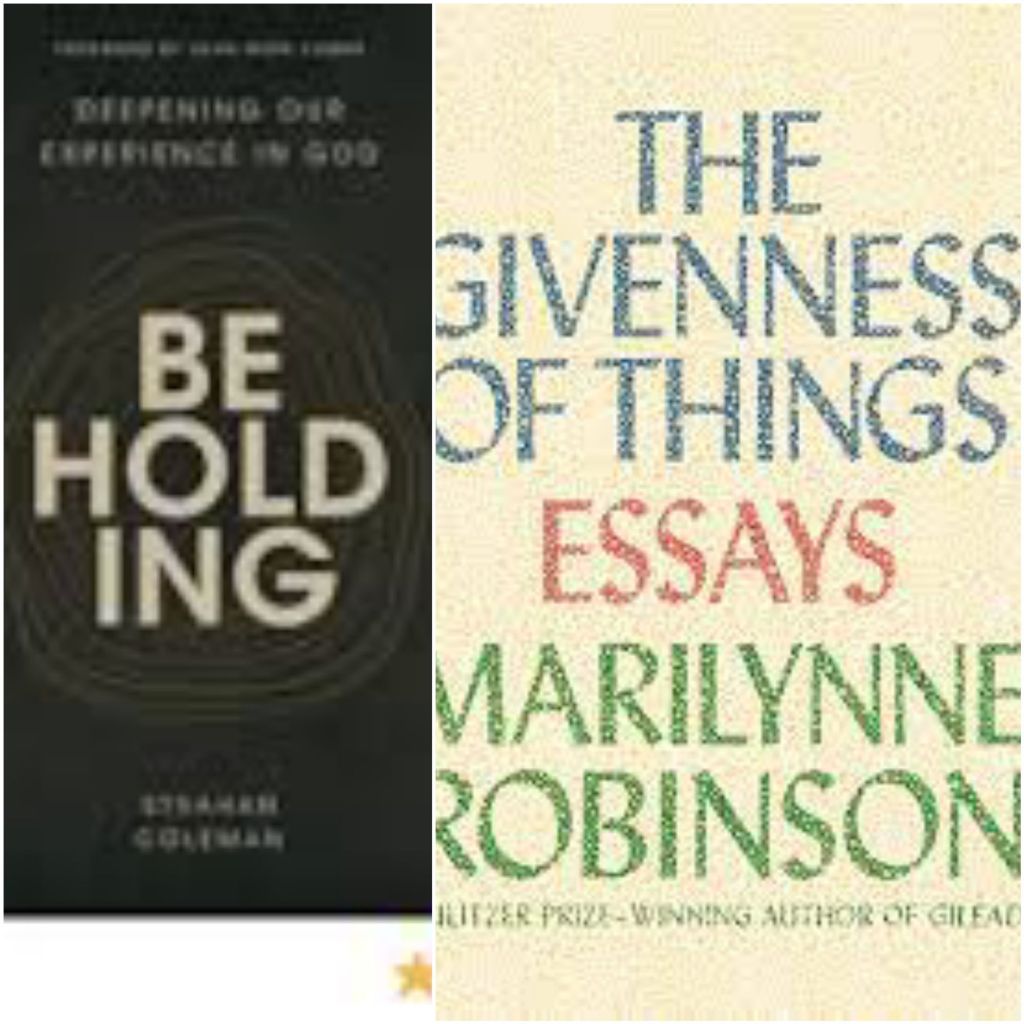
Beholding: Deepening Our Experience in God by Strahan Coleman and the Givenness of Things: Essays by Marilynne Robinson were both enriching experiences that challenged my conception of reality and re-imagined the relationship between academics/intellectualism and matters of the Spirit in compelling ways.
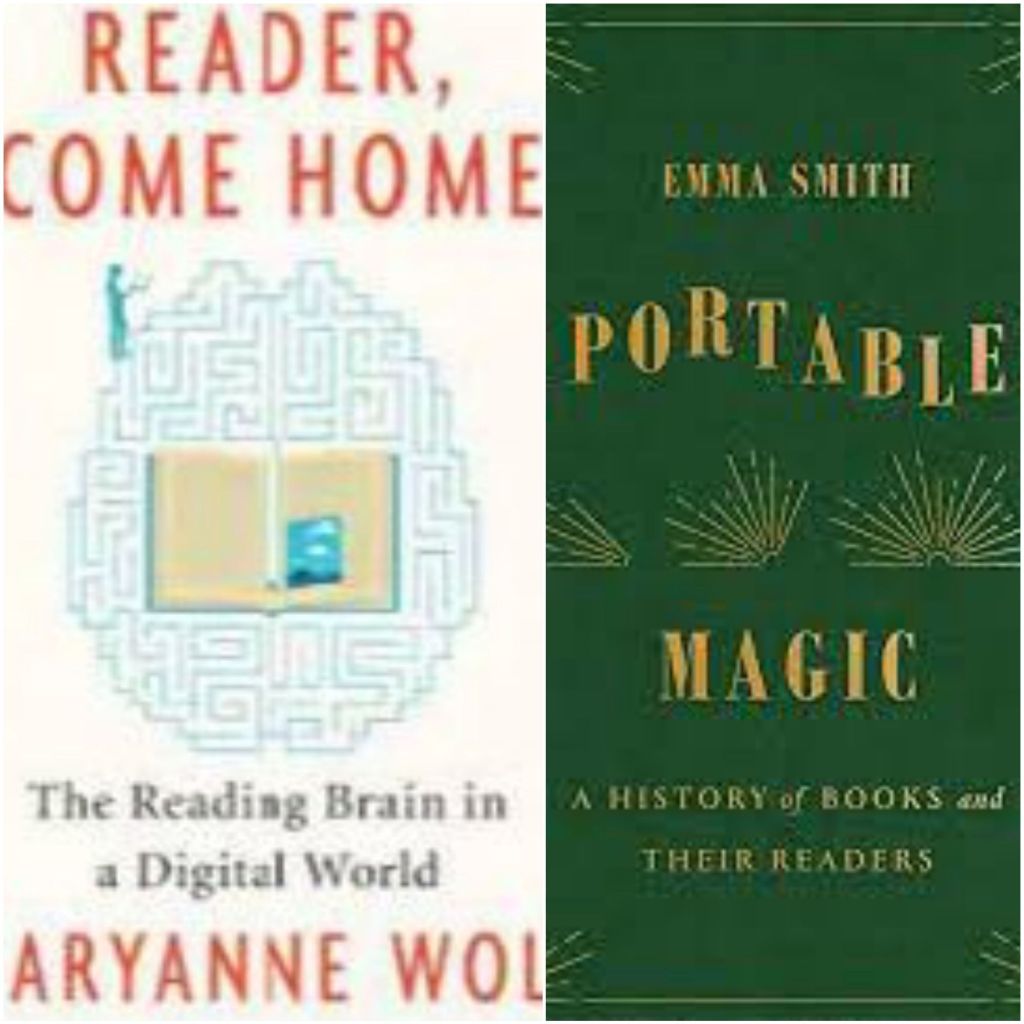
Reader Come Home: The Reading Brain in a Digital World by Maryanne Wolf, and Portable Magic: A History of Books and Their Readers both have their strengths and weaknesses as an overall project, but they are reads that still remain in my consciousness as a celebration of the power and meaning of books, and further a compelling conversation about the relevance of how we read and why.
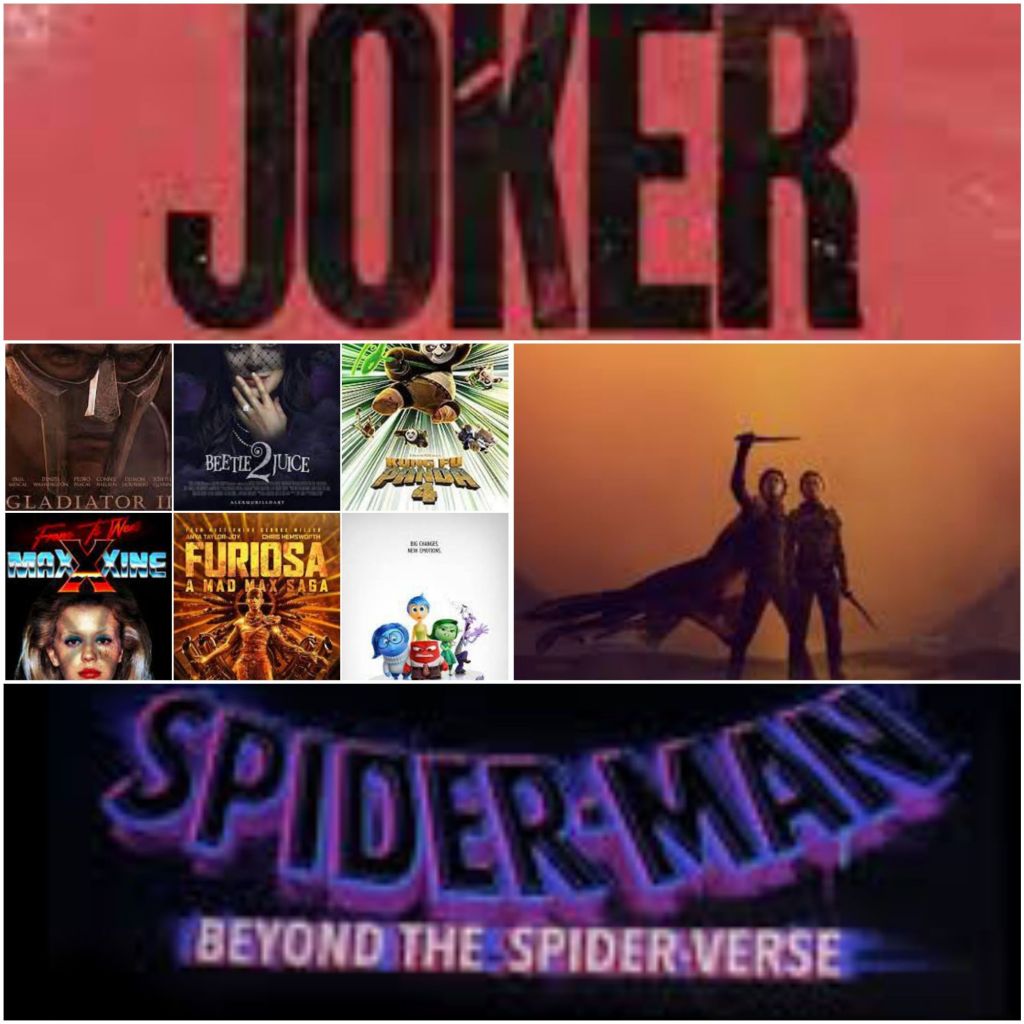
With 2023 having turned the calendar corner, its time to be looking ahead. Looking at the current slate of official film releases in 2024, which, if the last few years have been any measure should be taken more as a starting point than written in stone, the first thing that jumps out is the #2: Gladiator 2, Beetlejuice 2, Inside Out 2, Dune Part 2, Joker Folie a Deux. And if it doesn’t have #2 in its title, it bears the mark of a sequel- Kung Fu Panda 4, Spiderman: Beyond the Spider-verse, Maxxxine, Ghostbusters: Frozen Empire.
Now don’t get me wrong, Dune Part 2, after being bumped to its present spring release slot, is legitimately one of the biggest and most anticipated releases of the year, while Joker, Inside Out, Beetlejuice and Gladiator find their intrigue from being the vision of their original Directors and cast. Maxxine, Spiderverse and Kung Fu Panda are all part of a larger vision and are eagerly awaited conclusions to a beloved series. And who knows, given the genuine surprise of the recent Ghostbusters reboot, maybe the follow up can deliver.
Beyond the sequels, it is worth noting the visible absence of the usual big ticket items. Barely a hint of the usual Marvel titles, although I’d be lying if I didn’t say Madame Web looks interesting.
No Star Wars. No Avatars. 2024 is even lucky to have Dune 2 on its side after being pushed from its original 2023 spot, which will arguably be this years biggest money maker. Does this bode well for theaters? On one level, no. But if I could be optimistic, I might say that maybe the film industry could use this space to find a bit more balance. After all, I’m not sure relying on Barbenhiemer and Super Mario Bros to carry your year necessarily shouts healthy or sustainable. Behind the slate of sequels in 2024 are a collection of original titles that hopefully will have a chance to find success. Here are the ones I’m most looking forward to:
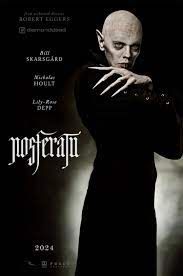
Nosferatu Yes, I know. Technically not an original, being a remake of the 1922 horror classic. However, in the hands of Rogert Eggers, its likely this will be the most original horror film we see all year. Can’t wait to see what he does with the gothic tale of love an vampires.
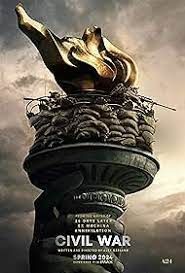
Civil War Speaking of famed Directors, new Alex Garland is always enough to make me sit up and take notice. This feels like part of A24’s push towards bringing in more populist material and big budget fare, and I’m torn on this idea to be sure. This film also feels oddly timed given the current state of American politics and the events happening in 2024. But I am, if nothing else, intrigued.
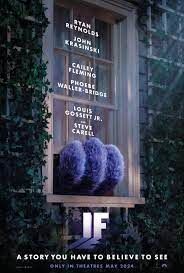
IF At first glance this feels like a forgettable kids film, even a bit of a bizarre one. But I have complete faith in Krasinksi, and the fact that this seems like a passion project for him, an intentional project fueled by his own experiences as a father, makes me feel like this is going to be an unexpected success.
Argylle They’ve been advertising this film like crazy, so that might be part of why this film feels already entrenched in my imagination. But the long, dry days of January/February at the box office do tend to unearth the odd gem here or there, and this looks to fit the bill. A fun action-comedy spy thriller with the right amount of cinematic appeal.
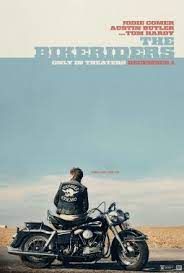
The Bike Riders Austin Butler and Jodie Comer lead the way in this holdover from 2023’s festival season. This story about a local bike gang turned nations gang won’t be getting a wide release until later this year, but it will come on the heels of good buzz and great reviews.
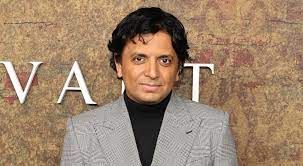
M Night’s Trap New M. Night. On my birthday. It is tentatively titled Trap. I have no idea what its about. But for me, M. Night always all but guarantees opening day.
LOTR: The War of the Rohirrim New Lord of the Rings, this time delving into animation. Its digging deep into the lore surrounding Helm’s Deep, and it promises to be epic. If this isn’t contending for awards come next season, I will be surprised.
Mother Mary We know very little about the next project from David Lowery aside from the film being set in Germany with a star studded cast (Hunter Schafer, Anne Hathaway, Michaela Coel). I have no idea if his decision to make Peter Pan and Wendy in 2023 will have dropped his name down in terms of the level of anticipation, but if it does that would be a shame. Because not only was Peter Pan and Wendy an excellent adaptation and a very good film, Lowery remains one of the best artistic minds of our present day.
Love Lies Bleeding It still boggles the mind that people still remain resistant to seeing Kristin Stewart as a legitimate actor and genuine talent. However, she keeps doing her thing, choosing interesting projects and delivering against expectations. Some days the masses will wake up and see the truth. For now, I’m just happy to see her doing her thing.
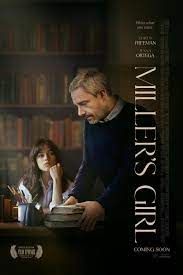
Miller’s Girl It’s a January release. It seems entertaining. It’s not breaking down any doors in terms of anticipation, but it seems like the perfect unassuming pick for the winter days.
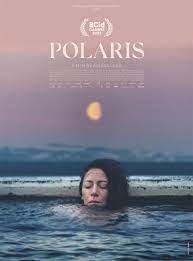
Polaris Joaquin Phoenix and Rooney Mara. Need I say more? Probably not.
We Live In Time Brooklyn is one of my all time favorite films, so I’m a big fan of John Crowley. The little we know about We Live In Time seems to have him firmly back in his wheelhouse, bringing in Florence Pugh and Andrew Garfield to, undoubtedly, weave a complex tale of love, identity and connection.
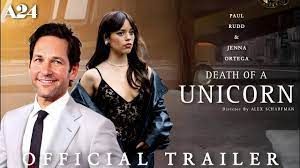
Death of a Unicorn Here is the synopsis- Father-Daughter duo, Riley and Elliot, hit a unicorn with their car and bring it to the wilderness retreat of a mega-wealthy pharmaceutical CEO.The Front Row.
Now tell me you’re not intrigued.
2023 Holdovers: Kore-eda Hirokazu’s Monster will be seeing its wide release in the first week of January, and I can’t wait. Few filmmakers can do and accomplish what he does. Zone of Interest won’t be far behind, representing one of the most talked about films in 2023. All of Us Strangers will also be getting a January release. So no shortage of top tier titles to explore.
I have fond memories growing up of being that kid in school who would typically end up having most of the box from those infamouse scholastic book fair orders being plopped straight on their desk. Some might have called it a problem. I called it my obsession. There was little I looked forward to more than unearthing unknown titles and being surprised by the latest slate of purchases. Sometimes they were classics of the time. Sometimes they were the latest titles to hit the shelves. To me they were all unfamiliar and new. And over the years many of them would go on to take up space as a permanent title on my shelves, representing my all time favorites.
For as much as life looks much different these days, living on the other side of 40, its surprising how much things do stay the same. These days its bookstores and online orders that remain my obsession. Just knowing that these books are there, making it possible for the right book to end up in my hands at the right time, brings me comfort and joy. These stories remain a mix of classics and recent releases, and for me represent a collection made out of recommendations, blind buys and known titles. All equally new to me.
Perusing my reading list in 2023, the ones that found the right place and right time this year, there were many misses, to be sure. But even if the hits aren’t as numerous, part of that process is finding and experiencing these new gems that can take a permanent spot on my shelf as the reads which have shaped and formed me over the years. It has been an exciting year to that end.
As is the case for me, rather than do a typical ranked list, I like to look at my reads in a more formative way, seeing how I can track some of the important moments and experiences, learnings and themes over the course of the year as I track through the different stories that stood out for me. These, then, are the books that stood out for me and the larger story that I see them occupying in my life:
My 2023 In Books: Fiction
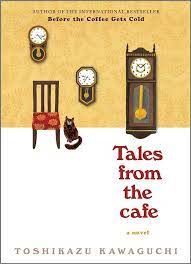
There seems to me to be a bit of an unintentional trend that has emerged over the last number of years- beginning the year with one of the entries in Toshikazu Kawaguchi’s Before the Coffee Gets Cold series. As I’m sitting here on January first looking at starting the next in the series, Before Your Memory Fades, I’m reflecting on how this time last year had me digging into Tales From the Café.
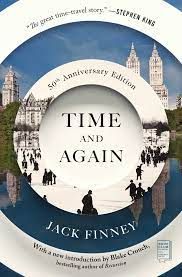
Time travel and coffee is of course a match made in heaven, and beginning the year here feels like it has a certain poetic resonance with where I ended the year with Jack Finney’s Time and Again, a book that marries time travel, New York, and Christmas.
Both books deal with our relationship to the past. Both are stories about our need to understand the past in order to make sense of the present, and in both cases, in their own way, it follows characters who cannot change the past, but merely face it. Observe it. Reconcile it to where they are in the present. Kawaguchi’s story is the simpler of the two, contained to the stories of these persons whom come to this café, each for their own reasons and with their own needs. Time and Again is more expansive, looking at larger historical and social realites. Both books though leave the reader with the most important question- how do you move forward from where you are given how you are formed by the past.
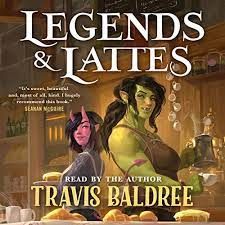
Another possible trend.: I’m sitting here on January 1st looking at the sequel to Travis Baldree’s satisfying and endearing fantasy book Legends an L:attes, a book I read in tandem with Tales From the Café.
Aside from the obvious shared interest in coffee, Legends and Lattes follows a character whom desires to start afresh, to break from the burdens and shackles of her past and forge a new identity based on the person she feels she has become and the person she wants to be. Here the question of how much of our identity is attached to the past, and what this means for who we desire to be and become, becomes a crucial part of the journey she goes on in finding a new town an opening up a new café. In many ways, not unlike the story in Tales From the Café, we are as much a product of the past as we are our present. And part of forging a path ahead means accepting and understanding the whole of our story.
Past and present come colliding together in the wonderful and endearing intergenerational story of The Door to Door Bookstore.
Here we follow the growing bond between a young girl and an elderly man in a quintessential English town. Two different perspectives, one full of optimism looking forward, one looking backwards burdened by cynicism. Both find connection and healing through the power of story.
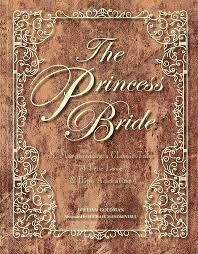
The power of story carries through another book I read this year, a classic that I was finally able to check off my list- William Goldman’s The Princess Bride, a pure delight that adds an entirely new dimension to the film.
Here this story, full of that old world charm filled with adventure, swords, love, dangers, and companions,, is bound to the idea of the simple “telling” of this story as a fairy tale, an idea that becomes a part of the book’s larger construct. The father recognizes what it is for a fairy tale to be able to capture the imagination, but the grown son recognzes what it is to see the story in the true light of reality, now trying to live in this world with two competing realities. Thus we get the story of his imagination merging with the questions and thoughts of his grown up mind, functioning as a conversation. It’s a memorable exercise that captures the spirit of storytelling as a powerful device.
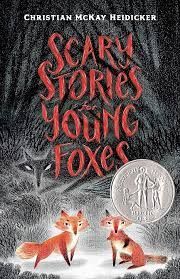
Another book that celebrates the power of story is Scary Stories For Young Foxes by Christian Heidicker, a sweet and emotionally affecting read that finds the storyteller as that frightening figure that threatens everything these young foxes know to be true about the world.
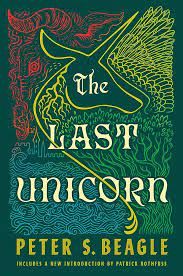
The journey, at once away and towards the storyteller, is an invitation to hear a greater story that is able to help these young foxes make sense of the dueling sides of the natural world that surrounds them. Dangers that threaten and lurk in the shadows on one hand, and the protective nature of their familial bonds on the other. Life on one hand, death and decay on the other. Love on one hand, hate on the other. As the book ultimately posits, breaking through these opposing forces is the invitation to simply live. A sentiment that feels pertinent in another classic I managed to check off the list, The Last Unicorn by Peter S. Beagle, a classic fantasy story fillled with wonderful creatures and big questions, but one that imagines hope emerging from the darkest places of this. Where transformation happens in the face of sadness and pain and fear.
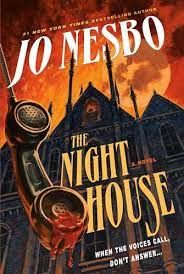
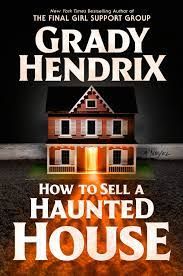
Over the course of October I read Jo Nesbo’s The Night House, a story that uses a house in some clever and interesting ways to explore the nature of our fears, while Grady Hendrix’s How To Sell a Haunted House uses it a means to confront the nature and process of grief. Both stories about how we contend with the nature of reality.
I finally finished Ransom Rigg’s series Miss Peregrine’s Peculiar Children series, The Desolations of Devil’s Acre being the last entry. And in a different way this book confronts a world that is not right, at a moment when the stakes are the highest. Its own answer to the question of the fears that face these children, fears that exist beyond the particularities of their own experiences, relating as they do to the state of the world at large, connects back to togetherness. Who they are together says something about who they are as individuals, and this is something that I think carries through How to Sell a Haunted House as well.
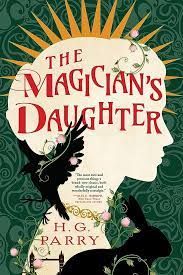
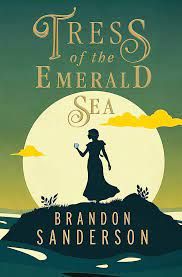
The Magicians Daughter by H.G. Parry, a book I paired with Brandon Sanderson’s Tress of The Emerald Sea for reasons relating to their shared premise (a young woman faced with a crisis and forced to go on a journey into unknown and dangerous territory with the crisis hanging in the balance).
Tress being a take on The Princess Bride, fittingly enough for my 2023 year, was good not great, but The Magicians Daughter ended up being one of my years top 2 most favorite reads, occupying a space on my shelf soon after I finished. It also represents a fitting bookend to the journey that I found over the course of 2023. It is an invitation to believe again that magic exists and that it has the power to transform the darkness of our world into light.
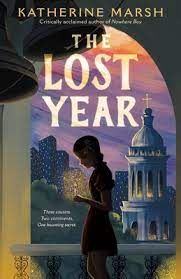
My number one favorite book of the year was The Lost Year by Katherine Marsh.
It’s a book that traverses the passage of time, connecting a young boy living in 2020 with the tragedy of Holodomor in the 1930’s. It is part mystery and part history, but ultimately it is a story of discovery, uncovering the mystery of that unknown history in a way that reshapes the young boy’s perspective not just of the world, but of his place in it. It’s a book about how we become captive to narratives, and how the narrative we bind ourselves to matters a lot to who we are and how we live in this world. It is a story about how we reconcile faith with the tragedy, and about the relationship between hope and cynicism, something that takes me back to The Door to Door salesman as well. There is a powerful thematic throughline that speaks not to just the stories we hear and the stories we hold to, but to how we tell our stories and how we tell the stories of others. Stories have power. We also have the power to shape these stories, be it our own or the stories of others. This is, as my journey in 2023 suggests, how we then learn to live in and exist in this world with hope, especially amidst the crisis.






















 The Stories of my Life