The Land, The Scattering, and the Genesis of God’s Love Demonstated in Love of Other

I thought this was kind of cool. Why I love the study of scripture. Three separate sources all connecting with a similar thread yesterday:

  1. Regent College Podcast Episode 209: Reading the Scriptures in Israel-Palestine Today – With Dr. Yohanna Katanacho
    This is an interview with Katanacho about his new book called “The Land of Christ: A Palestinian Cry”, detailing some of the questions that informed his journey growing up as a Palestinian Christian. In the back half of this interview he narrows in on some key questions regarding what “land” means in scripture something that took him back to a study of the Genesis scroll.

Here he helps make a connection between the first 12 chapters of Genesis as it brings to the surface key motifs regarding land and the peoples relationship to the land. He defines the central problem in Genesis in two words- curse and death, and the solution as blessing and seed, noting that the healing of the people sits in direct relationship to the healing of the land.

What I thought was really cool is how he narrows in on Genesis 5 and Genesis 10, two seemingly inconsequential passages that often get skipped over on the way to the real Divine-Human drama. He mentions 10:10 with its focus on land called Shinar (the land where the tower is built) and 10:25 with its focus on someone named Peleg (a name that means division) as key points which connect chapter 10 with the Tower of Babel story in chapter 11, and 10:18-19’s reference to the Canaanite clans “scattered” and stretching borderlands as connecting chapter 10 with chapter 9 and the division of Noah’s sons.

Now follow this thread- the story of Adam and Eve represents “land”, division (a divided “adam” which means humanity, a three fold division, and a movement away from the land into the wilderness. This is told on a cosmic scale. Cain and Abel, two names symbolic with the nations, become divided when it becomes brother versus brother, leading to a movement out of the land into the wilderness. The story of Noah brings the cosmic story together the story of the scattered nations. If we set this in the context of the story of Israel what we have is a portrait of Moses and the people at Sinai at the mountain (think the garden on the mountain with the waters flowing outwards to bring life to the world by way of the creative imaging and vocation of humanity made in the image of God, and the ark, a symbol of the garden on the mountain demonstrating the failure of this when humans neglect their vocation as image bearers and trade it for a lie), and eventually a picture of the exiled people once raised up to be established in relationship to the land (to create and to build in the life giving vision of God for the world) now scattered. If we connect this to the story of the Tower of Babel what we have is a picture of a people creating and building in the singular land (Shinar) in an effort to “make a name for themselves”, bringing us back to the story of the garden (land) and the inevitable end of such desires which is a divided and scattered people enslaved to both curse (of the land) and death. Thus retelling the same story.

Chapter 5 then becomes the connecting piece between Adam and Eve/Cain and Abel and the Abram story of chapter 12 that paints a picture of the answer to the problem. Chapter 5 is a veritable list of death, with the life framed not by birth but noted by “firstborns”. Note chapter 5:1 where it says God created a whole “hu-man” in God’s own image and 5:2 where it says Adam had a son ‘in his own likeness and own image”, a name which connotes a dual meaning of “placed” and “appointed”, which mirrors God’s action in the land of the garden. Interestingly the midrash also associates Seth with “Torah” as it can also embody the meaning of that word which is “instruction” for how to live in the land. This parallel is intentional in establishing the cycle of such filling of the land in a way that leads to death, and thus when we get to the story of Abram we find the promised healing come by way of this singular “adam” (human) in which both blessing and seed become the means for addressing the problem of curse and death.

  1. Bema Podcast Episode 280: The Road Back to Eden
    Host Brent Billings also spends this episode connecting the garden narrative with the Tower of Babel story. He notes two things evident in the misrash and the Traditional exegesis of the texts- The cherubim and flaming sword set to “guard the way to the tree of life” in Genesis 3:24 as being absent of the word “curse” and the story of The Tower of Babel being absent of the word curse. Using Traditional understandings he spends this episode wondering about this act of scattering as God’s intentional prevention of access to the tree of life because, as 3:22 says, humankind must not be allowed to eat from it “also” because then the can “eat and live forever”. As opposed to this being a curse he recognizes this as a means towards healing, as eating and living forever in a state of division which leads to death would leave the people enslaved to such cycles. Similarly the story of the scattered people in the Tower of Babel indicates the preservation of God in making a way for his people back to the land, only now the narrowed sense of land with borders regains its vision of a land without borders flourishing in relationship with the diversity of its peoples. In a rather wonderful reflection Billings then imagines the image bearing vocation necessitating this demand to be in relationship with those who are different than us, contrasting with Adams limited creative vision. Learning how to communicate across languages is our way of being brought together in a greater vision of the “land”, connecting us to the rivers of life flowing down from the mountain both in its source and in human vocation.
  2. Resurrecting Justice: Reading Romans for the Life of the World
    Here author Douglas Harink connects the story of Abraham to the cosmic vision of the land by connecting his story to the story of the Gentiles, where later in telling the story of Israel in relationship to Abraham in chapter 9 brings Genesis 1-12 into relationship with Sinai and exile, allowing these stories to then inform one another in relationship to both the faithfulness of God to the covenant promise regarding blessing and seed and human faithfulness to the vocation of image bearers. This becomes what Harink describes as a resurrection passage, connecting us back to the tree of life by way of the blessing and the seed.

Justice, Law, and the Counter-Cultural Nature of Jesus: Reading Romans

Speaking of the relationship of justice to the Christian story and Gospel, author Douglas Harink in his book Resurrecting Justice: Reading Romans for the Life of the World addresses the role of the Law in Paul’s mind. He writes,

“IN ALMOST EVERYONE’S MIND, justice and law, if not the same thing, are very closely related concepts. We expect law to define the meaning of justice across many spheres of society and aspects of public life.”

He goes on to address the Jewish notion of Law, which he suggests is a universal expression, over and against common perceptions born from the grace/faith versus works debate which continues to run rampant within Protestant/Reformed circles, binding the Gospel to misapplied legal language and metaphors:

“The identity of a people or nation and its members is constituted by a people’s law, if we take law not only in the narrower legal sense but also in the sense of the constitution, customs, and culture of a people—their collective “wisdom…

To think of living according to Torah as legalism is to miss the point. Torah for the premessianic Paul was the coherent bond holding all things together. Through Torah God created the world, and by it God governs the whole of the cosmos. We might paraphrase Colossians 1:17 with respect to Torah: “Torah is before all things; in Torah all things hold together.” God revealed this cosmic Torah to Moses and the Israelites at Mount Sinai as their concrete form of life: their founding history, traditions, polity and legal practices; their social, family, and sexual relationships; their worship, customs, habits, and practices of everyday life. In this comprehensive sense law was Judean reality, life, and culture. For a rabbi such as Paul, to be a Judean apart from Torah was inconceivable.”

The crucial point of Paul then comes down the apparent tension that exists between the Gospel arriving apart from the Law, again in an identity shaping sense (circumcision, sabbath) and the question that follows- what about the story of Israel then? A question that Paul shifts to ask rather the question behind the question: “what about Christ’s faithfulness in light of Israel’s unfaithfulness”:

“In Romans 3:9-19 Paul went on to invoke those very “words of God” (that is, the law) to silence the claim that the Judean people are better than the Gentile nations. The law itself speaks against the claim that the law produces justice; rather, it shows (as Paul reads it) that Judean society, like the Gentile nations, is “under Sin” (Rom 3:9)… Paul’s conclusion that justice comes apart from law is based on the fact that God’s justice was apocalypsed in the life, death, and resurrection of Jesus Messiah (Rom 1:16-17; 3:21-26; 5:12-20). If both divine and human justice are revealed and enacted in Messiah, then justice does not happen through law. Paul’s logic runs this way: because Jesus Messiah is God’s justice, the law is not.”

This is crucial for understanding how Paul distinguishes between Law (Torah, Circumcision) and Gospel (Christ):
“For Paul, law does not produce justice… the law is not working on the side of justice but on the side of Sin. Somehow law is co-opted by Sin into Sin’s sphere of sovereignty, and therefore also serves Death; law becomes “Law” as a power working against the good news. By stark contrast, the good news declares that the sovereign power of Grace (“under Grace,” thus uppercase G) delivers us from the sovereign grip of Law (“under Law” [Rom 6:14], thus L).”

In the marriage analogy Paul moves away from the anology of slavery and begins working towards the positve expression of justice formed by Christ. Here the Law is described as the husband and those under the Law the wife, evoking ancient household codes of the Roman world. Paul’s point is to point to the Laws inevitable end on both sides of the equation: death. Death releases the wife from being bound to the husband (and vice versa), or on the flipside breaking the covenant can only ultimatley lead to death unde the Law where reperation and repayment for sin is demanded. This is the cycles ultimate end because the Law can never be satisfied as justice. The form of the Law can only point out sin, and more sin, which is precisely why, with the Law funcitoning as a way of life for the Judeans of Christs day, the small letter laws had grown expansive in their addtions. That’s all it can do. Paul then says that justice can only be enacted through death- the death of Christ in faithfulness to the covenant, and the death of self which ultimatley frees us to be bound to a second spouse, that of Jesus’ shaped justice.

The important note here being that Jesus justice looks different, expresses itself different, makes different demands shaped as it by the cross.

“The good news (of the gospel) is that Judeans, Greeks, and Romans are all alike “put to death to the Law through the body of Messiah” in order that they might “belong to another, to him who was raised from the dead,” and thereby “bear fruit to God” (Rom 7:4). The Messiah’s own death under Law (both Judean and Roman law) put an end to Law’s sovereignty over life. A particular people’s law or culture or way of life is no longer the determining factor for the meaning of life and justice…

In the moment that law ceases to be the implicit and subliminal structure and form of a life well-lived (nomos) and instead becomes distilled into a commandment (entolē), in that moment desire is awakened and Law is experienced as a restraining limit. (But) Law in the “weak” sense is easily co-opted to destructive ends… In demanding our obedience and in exposing and judging transgressions and injustices, Law starts to look less like an implicit form of life and more like lording it over in the way that Sin and Death do. Far from tackling Sin in its fundamental character as a destructive power, Law becomes fixated on sins. It seeks to identify and classify sins, and curb and manage them with threats of punishment enforced by power, including in some cases the threat of death.”

This Law, Paul says, is strong in condemnation but weak in producing the good. This is what we find in Paul’s own testimony as a good Jewish man seaking justice for his people:

“Good intentions (zeal for God), a just end (the security of God’s people, the eradication of a real threat), and the legal means to achieve it, authorized by the leaders in Jerusalem: What could be wrong about that? Nothing! Nothing, except the truth about justice: God’s justice was in fact enacted when God raised up the dead body of the Crucified One by the powerful Holy Spirit. When Paul met the resurrected Jesus on the road to Damascus, all of his certainties about the justice of what he was doing were shattered: “I do not know what I do” (Rom 7:15). Suddenly justice looked fundamentally otherwise than his championing of Law. If Paul loved justice as “God’s law” had taught him to do (Rom 7:25), then he must now hate the justice he had wanted to do for the sake of that law, because it was revealed to be the very form of injustice. The good he intended ended up working evil through his own violent actions to exterminate the witnesses of justice, those who really were just because they were “in Messiah Jesus.”

A personal note here. I am still fleshing out what this means in my own relating to the world, especially in the aftermath of tragedies like the violent school shootings. I don’t have this all figured out, but where Romans challenges me is in understanding that Jesus’ formed justice necessarily pushes back against my own tendencies to desire justice in ways that I feel must be just. This is meant to unsettle me and to force me to think bigger than my weak minded forms can reach.

A Month of Pride: Wrestling With Scripture and the Christian Response to LBGTQ+

So this might be controversial to some, which will continue to surprise me (but not at the same time I guess). But I’ll say this anyways since it is a thought that has been on my mind.

It seems logical to expect that if a God who decides to incarnate Godself into a particular point in time in history, such a God would do so in a language and context foreign to that both past and present.

Thus to read scripture and to speak of the spirit is to engage in the necessary work of recontextualization. In this way the story of scripture is not simply a set of doctrinal statements to repeat and believe. It is an invitation to see God at work in the particular context and the particular language of the present. The past rests simply on this- that the same God who was faithful then continues to be faithful now. The future rests on this- the same God who is faithful now will be faithful in bringing the promise to its fulfillment. And what is the promise? New creaiton. Making what is wrong in this world right.

But here in lies the true power of recontextualization. We aren’t left in the present wondering about the failures of the past or the uncertainty of the future. If Jesus is incarnated into a single moment in history embodying the particularities of its language and its context this means that Jesus’ accomplishement on the cross and the resurrection continues to reincarnate into every aspect of history past, present, and future with the hope that we can participate in the new creation work even now. That means imaging Christ and living into our vocation as image bearers in the particularness of our present- recontextualization. This is in fact what we find in the story of Israel, a story that spans ever changing contexts, generations and questions. This is a story told from the perspective of the wilderness, the desert, exile, a present seemingly caught between creation and new creation, between the raising up to life at Sinai and the settling of the Land. This is the story of a God who is not bound by context but found within it.

What are the implications of this? It means we are freed to see in the present the oppressive systems and realities that need to be challenged and remade according to Christ. This includes the way women have been oppressed by patriarchal systems.This includes the way minorities have been oppressed by racial systems. And yes, this includes the way LBGTQ+ communities have been marginalized by Christian and secular rhetoric and dogma. What oppression is in the Judeo-Christian sense is the inability of the oppressed to locate God within their story and the failure of the liberated to attend to those who are not free to find God, and thus God’s image in them, in their present context. To hand women a text that conforms them to partrarchal norms is to hand them a story in which they have no way of seeing themselves as the image of God. We do the same thing when we hand such texts to LBGTQ+ communities and persons. We make a text about Sodom and Gommorah about their destruction as opposed to hearing the very real critique towards a community that failed to see the opppressed languishing outside of their gates.

Remember what Sin is in the biblical story. It is the exchanging of our true vocation as image bearers for a lie. This is not about gender and biology, it is about the connction between God’s good creation and our embodying this in faithfulness to our vocation to be image bearers of this goodness to the whole of creation. The sin is the failure to demonstrate this goodness to the oppressed places.

Month in Review: My Favorite Watches, Reads, Listens For May, 2022

Movies

The Innocents (Eskil Vogt, 2022)

This is the kind of film that lets the questions it raises linger. It’s a slow burn and it’s also a horror piece, but both of these aspects play a role in telling a deeply committed human drama about what it means to be a child in a world where being a child means also being misunderstood and not always seen. It is the strength of community that emerges within this group of children then, amidst their diversity, that might embody the films most profound revelation.

Top Gun: Maverick (Joseph Kosinski, 2022)

Pretty close to a perfect film, and the rare sequel that surpasses it’s predecessor. This is meant as a call back to the first film in terms of paying homage to old characters and mirroring the originals story beats (think The Force Awakens), but this film also finds ways to set itself apart. The character beats are given freshly imagined emotional stakes and the film’s third act functions as a bridge into fresh ideas. However you feel about films that cater to nostalgia in this way it has to be said Maverick functions as a veritable lesson in how to utilize it well.

Beyond the raised emotional stakes and heightened third act, the film is also an impressive structurally feat. It’s the full package when it comes to entertaining action sequences, timely humor, honest emotions, real and memorable characters, and genuine tension and stakes. And the payoff for a years long gap between the first and the second films is definite and visible and viceral. Being able to experience these sequences now on modern IMAX screens was a true rush. A good reminder of what film is all about.

Solaris (1972, Andrei Tarkovsky)/Ivan’s Childhood (1962, Andrei Tarkovsky)

Decided to fill in some blindspots with two films from one of cinemas all time greats. Solaris is a brilliantly and intricately crafted psychological science fiction that uses space, distance, and the subtle blurring of the lines between dream and reality to explore themes of regret, forgivness, fear, wonder, acceptance and resistance to change. Ivan’s Childhood is set in the familiar terrain of World War 2 with its deeply formed and powerful story about a young boy sent to work as a spy on the eastern front and the soldiers who befriend him. Equally brilliant but in a more grounded sense.

Nitram (Justin Kurzel, 2022)

A shocking and unsettling look into the nature of pyschological trauma with a poignant reflection on the way tragedy can impact our sense of a meaningful (or meaningless) existence, and how tragedy can lead to more tragedy. The relationships in the film, which revolve around a young man with cognivite disabilities, straddle this line between desired intimacy and intentional distancing, or attachment and detachment. It’s a delicate dance where things are capable of unfolding in any one direction at any given moment. And each possible outcome of this intimacy or this distance could find a comprehensible narrative arc.

This is the brilliance of this film, I think, is that it plays out a story based on true events with this level of nuance and concern for its subject without losing the narrative it desires to establish. This is a film that wants to say something about the irresponsible nature of current gun laws in Australia, showing how such laws not only lead to violence but can even foster a culture of violence. I knew nothing about the true life story here and so the ultimate end to me is not something I saw coming. But even if I had known, the invitation of the film to sit in that uncomfortable and unsettling space and to ask us to experience this as a story of persons, of a family first before getting to the news headlines is what makes this film so compelling.

Radio Days (Woody Allen, 1987)
Radio Days is steeped in nostalgia, and I really enjoyed how the seperate stories (following the same characters) intersect and connect using the narrative device of the radio. Each segment revolves around a particular program as it unpacks the different characters within this family, and so much of this is simply bursting with a love of a lost era.

Honorable Mentions:

There was a lot of great new stuff released in May that is worth mentioning. Such as the lovely hidden gem Marvelous and the Black Hole (Kate Tsang, 2022), a film that is as steeped in wonder as it is its quiet, coming of age human drama. Topside (Logan George and Celine Held, 2020), which finally saw wide release, is a formative indie that, while light on the budget remains deeply entrenched in the emotional context of this mother-daughter relationship trying to survive on the streets of New York City. Doctor Strange in the Multiverse of Madness (Sam Raimi, 2022) might not be the best MCU movie out there, but as someone I know put it, it most definitely is a very good Raimi film. His fingerprints are all over it and the film is absolutely worth experiencing in Imax. Speaking of horror, Faye (KD Amond, 2022) is a quiet sleeper that revels in its contained setting while Garlands new film Men (Alex Garland, 2022) is a veritable exercise in vision and creativity and aesthetic. Meanwhile, make sure not to skip out on Chip ‘n Dale: Rescue Rangers (Akiva Schaffer, 2022). It’s surprisingly and unexpectedly good. As is the Amazon film Emergency (Carey Williams, 2022), which reminded me of a lower scale and not quite as good Blindspotting with its invested themes and gradually building tension.

Books

When in Romans (Theological Explorations for the Church Catholic): An Invitation to Linger With the Gospel According To Paul by Beverly Gaventa

I’ve been doing a deep dive into the book of Romans and Gaventa’s accessible and wonderful exposition of specific themes in Romans was a wonderful way to grasp the big picture narrative. Romans is a letter that has long been misunderstood, and Gaventa’s treaties stands tall in a long list of commentaries and works that are helping to uncover the letters true nature.

Moses: A Human Life by Avivah Zornberg

I heard Zornberg interviewed last month and was inspired to pick up her books. I started with this one and it did not disappoint. She uses a mix of text and the lengthy tradition of existing Midrash to tell the story of a pivotal figure in Jewish history. Much of it is profound, and much of it is illuminating, helping to paint a picture of someone who was as complicated as he was patterned in the likeness of “righteous” figures in scripture.

Romans: A Theological and Pastoral Commentary by Michael Gorman

Gorman’s commentary is another work on Paul’s letter to the Romans worth mentioning. I am a big fan of Gorman who writes in the tradition of covenantal theology and transformation theology. He has such a way of articulating his thoughts in a cohesive and coherent fashion and brings his particular interest in transformation to bear on a notoriously difficult text. His wealth of knowledge on the history of translation problems and terms/definitions proved immensely helpful.

Moses’ Women by Shera Tuchman

Funny enough, I came across this book when I was reading Moses: A Life, because the person that had previously checked it out from the library left their receipt in it and this was one of a list of books with similar themes. And I’m so glad I was able to check it out because it is quite amazing. As opposed to Moses’ life this one narrows in on the women who form the foundation for his story. It helps us to see how they are intentionally integrated in the text in significant ways, functioning as the symbolic and spiritual forces that give rise to, direct and redeem Moses’ story. I’ll never read it the same way again.

The Black Phone Stories by Joe Hill

Bought this collection of short stories mostly to prepare for the film based on The Black Phone. There are some selections that are stronger than others, but overall I really liked the varied styles and tones and focuses represented in throughout.

Music

I had a lot of great music queued up this month, so I figured I would give a broad overview of a number of stand outs:
Elevator- The Words You Spoke Still Move Me (reminiscent of Haim with its mix of instrumentation vocal performance)
Arcade Fire-WE (Lengthy, introspective, and timely in its themes and emotional plea for lament, reflection, optimism and hope)
Anyway Gang- Still Anyways (Upbeat and infectious 4 chord rock)
Morgan Wade- Wilder Days (intimate lyrics, strong, rough around the edges vocal delivery, and smooth folk country stylings make this a great one to immerse in)
Woodlock- I Loved You Then (acoustic EP with a lyrical presence and layered melodies)
Florence and the Machine- Dance Fever (A brilliant follow up and a much welcome return to one of the great alt rock folk artists of our current day. The song writing is truly remarkable taking her familiar stylings and weaving it into something fresh and inventive)
Sarah and the Sundays- Coward/The Living End (Good roots rock with lots of rhythm and guitar leading the way)
Andrew Hyatt- Four Good Years (Catchy country tunes with solid down home compositions)
The Black Keys- Dropout Boogie (not their best effort but nonetheless a memorable one from a classic artist. This is one that I think will grow with time)
Group Project- Happily Catastrophic (toe tapping tunes with big, soaring melodies and plenty of good feelings to go around)
John Mark McMillan- Ordinary Love (the grungy worship artist always has something important to say, and typically does it with strong compositional form and unconventional approaches. This one is no different and feels particularly entrenched as a passion project)
Faouzia- Citizens (this artist used to be a student at my wife’s school before making it big. Here she returns with new material. It’s hard to top her previous stuff where every song seemed tailer made for greatest hits, but strong melodies remain, as do the big, memorable crescendo’s)
Jon Guerra- Keeper of Days (a new discovery for me, and I really enjoyed the spiritual focus, subtle vocals, and meditative quality)
Michael Franti and Spearhead- Follow your Heart (With songs like follow your heart and life is amazing, this fusion album is full of regge type jams and decent pop hooks)
Def Leppard- Diamond Star Halos (who knew they could come roaring back on the scene with something this good)

Podcasts/Other

Beyond the Big Screen Podcast, Episode 137- The True Virtue of Happiness

This interview with J. Budziszewski regarding his new book on happiness was refreshing in a market saturated by books on how to be happy. His honest take, especially where it intersects with religion and philosophy, encouraged me to pick up his book.

Biblical World Podcast, Episode 47- Egypt and the Bible Part 2, Mark Janzen and Chris Mckinny

I really enjoyed Part 1, and this deep dive into the archaeology surrounding Egypt by reputable scholars did not disappoint. Such fascinating insight into the ancient world, shedding light on what archaeology is and how it works.

The Sacred Podcast, Episode 120- Frank Cottrell- Boyce on wonder, forgiveness and the writers calling

Boyce is such a wonderful and gracious voice, and his call to wonder was exactly what I needed to hear in the moment when I listened to this episode from The Sacred.

History Unplugged Podcast, Episodes 653, 654- Western Religion of the 19th Century Competed with Darwin and Marx by Dabbling in Hinduism, Occultism, and War Isn’t the Natural State of Human Affairs: It Shouldn’t Happen and Most of the Time it Doesn’t

Two really compelling episodes presenting compelling theories about tough subjects within history. The firs examines religious history in light of important moments in social history, while the second episode takes a look at the philosophy of war, arguing that we tend to focus on war as a inevitable and dominating constant while glossing over the many times when war doesn’t happen.

The Bible For Normal People, Episode 211- Dale C. Allison, Approaching the Resurrection of Jesus as a Historian

An excellent deep dive into the historical claim of the resurrection from a brilliant scholar willing to hold questions on all sides as he works towards honest reflection of the data.

OnScript, Episode 222- African American Readings of Paul

Given my interest in Paul and Romans at the moment this one proved an excellent listen and a link to another great read on the subject.

Regent College Podcast, Episode 209- Reading the Scriptures in Israel-Palestine Today with Dr. Yohanna Katanacho

This one caught me by surprise. I had never heard of the author and the way he brings clarity the theme of Land and Identity relating to the story of Israel was really mind blowing for me.

The Land, The Blessing and the Seed: Reading Genesis and Romans Together

I thought this was kind of cool. Why I love the study of scripture. Three separate sources all connecting with a similar thread yesterday:

  1. Regent College Podcast Episode 209: Reading the Scriptures in Israel-Palestine Today – With Dr. Yohanna Katanacho

This is an interview with Katanacho about his new book called “The Land of Christ: A Palestinian Cry”, detailing some of the questions that informed his journey growing up as a Palestinian Christian. In the back half of this interview he narrows in on some key questions regarding what “land” means in scripture something that took him back to a study of the Genesis scroll.

Here he helps make a connection between the first 12 chapters of Genesis as it brings to the surface key motifs regarding land and the peoples relationship to the land. He defines the central problem in Genesis in two words- curse and death, and the solution as blessing and seed, noting that the healing of the people sits in direct relationship to the healing of the land.

What I thought was really cool is how he narrows in on Genesis 5 and Genesis 10, two seemingly inconsequential passages that often get skipped over on the way to the real Divine-Human drama. He mentions 10:10 with its focus on land called Shinar and 10:25 with its focus on someone named Peleg as key points which connect chapter 10 with the Tower of Babel story in chapter 11, and 10:18-19’s reference to the Canaanite clans “scattered” and stretching borderlands as connecting chapter 10 with chapter 9 and the division of Noah’s sons.

Now follow this thread- the story of Adam and Eve represents “land”, division (a divided “adam” which means humanity, a three fold division, and a movement away from the land into the wilderness. This is told on a cosmic scale. Cain and Abel, two names symbolic with the nations, become divided when it becomes brother versus brother, leading to a movement out of the land into the wilderness. The story of Noah brings the cosmic story together the story of the scattered nations. If we set this in the context of the story of Israel what we have is a portrait of Moses and the people at Sinai at the mountain (think the garden on the mountain with the waters flowing outwards to bring life to the world by way of the creative imaging and vocation of humanity made in the image of God, and the ark, a symbol of the garden on the mountain demonstrating the failure of this when humans neglect their vocation as image bearers and trade it for a lie), and eventually a picture of the exiled people once raised up to be established in relationship to the land (to create and to build in the life giving vision of God for the world) now scattered. If we connect this to the story of the Tower of Babel what we have is a picture of a people creating and building in the singular land (Shinar) in an effort to “make a name for themselves”, bringing us back to the story of the garden (land) and the inevitable end of such desires which is a divided and scattered people enslaved to both curse (of the land) and death. Thus retelling the same story.

Chapter 5 then becomes the connecting piece between Adam and Eve/Cain and Abel and the Abram story of chapter 12 that paints a picture of the answer to the problem. Chapter 5 is a veritable list of death, with the life framed not by birth but noted by “firstborns”. Note chapter 5:1 where it says God created a whole “hu-man” in God’s own image and 5:2 where it says Adam had a son ‘in his own likeness and own image”, a name which connotes a dual meaning of “placed” and “appointed”, which mirrors God’s action in the land of the garden. Interestingly the midrash also associates Seth with “Torah” as it can also embody the meaning of that word which is “instruction” for how to live in the land. This parallel is intentional in establishing the cycle of such filling of the land in a way that leads to death, and thus when we get to the story of Abram we find the promised healing come by way of this singular “adam” (human) in which both blessing and seed become the means for addressing the problem of curse and death.

  1. Bema Podcast Episode 280: The Road Back to Eden

Host Brent Billings also spends this episode connecting the garden narrative with the Tower of Babel story. He notes two things evident in the misrash and the Traditional exegesis of the texts- The cherubim and flaming sword set to “guard the way to the tree of life” in Genesis 3:24 as being absent of the word “curse” and the story of The Tower of Babel being absent of the word curse. Using Traditional understandings he spends this episode wondering about this act of scattering as God’s intentional prevention of access to the tree of life because, as 3:22 says, humankind must not be allowed to eat from it “also” because then the can “eat and live forever”. As opposed to this being a curse he recognizes this as a means towards healing, as eating and living forever in a state of division which leads to death would leave the people enslaved to such cycles. Similarly the story of the scattered people in the Tower of Babel indicates the preservation of God in making a way for his people back to the land, only now the narrowed sense of land with borders regains its vision of a land without borders flourishing in relationship with the diversity of its peoples. In a rather wonderful reflection Billings then imagines the image bearing vocation necessitating this demand to be in relationship with those who are different than us, contrasting with Adams limited creative vision. Learning how to communicate across languages is our way of being brought together in a greater vision of the “land”, connecting us to the rivers of life flowing down from the mountain both in its source and in human vocation.

  1. Resurrecting Justice: Reading Romans for the Life of the World

Here author Douglas Harink connects the story of Abraham to the cosmic vision of the land by connecting his story to the story of the Gentiles, where later in telling the story of Israel in relationship to Abraham in chapter 9 brings Genesis 1-12 into relationship with Sinai and exile, allowing these stories to then inform one another in relationship to both the faithfulness of God to the covenant promise regarding blessing and seed and human faithfulness to the vocation of image bearers. This becomes what Harink describes as a resurrection passage, connecting us back to the tree of life by way of the blessing and the seed.

Romans 9-11: Reclaiming the Story of Israel

“I don’t want you to be ignorant of this mystery, brothers, so that you may not be conceited: “Israel has experienced a hardening in part until the full number of the Gentiles has come in. And so all Israel will be saved, as it is written:
‘The deliverer will come from Zion; he wil turn godlessness away from Jacob. And this is my covenant with them when I away their sins.’

  • Romans 11:25-27

“For God has bound all men over to disobedience sothat he may have mercy on them all.”

  • Romans 11:32

One of the most common readings of this difficult passage that I encountered both growing up in the evangelical world and in my movement towards Reformed readings (which I’ve since moved away from) is to blanket this passage with the assumption that Paul is establishing the notion of a “spiritual” Israel over and against an “ethnic” (identity) or a “ritualistic (law) Israel. That is, Paul sees the true Israel as both Jew and Gentile and the “fullness” or “all” of this collective as the elect.

If you spend any time reading Reformed theology you will encounter a reading of the word “all” that can shift between its possible usages and interpretations, such as being rendered “all types” as opposed to all or the whole. You see this in readings of 1 Corinthians 15:22 and the statement “For as in Adam all die, so in Christ all will be made alive.” The “all” in Adam is taken to read universally while the “all” in Christ is taken to mean “all types” or the “sum” of the elect. It is similar for those in the evangeical world who read these verses in Romans to be speaking about “spiritual” Israel and apply the “all” to “all” who are obedient to the Gospel and confess Jesus as Lord. In both cases this flows from an understanding of Romans to be speaking about the salvation of the individual, or the process of salvation in the individual.

Now, if Romans is to be understood to be speaking to a majority Gentile community wrestling with and divided over how it is they make sense of Jewish people now returning to Rome following Rome’s previous purging of them from the city, how does this place these verses in terms of the audiences (or Pauls) question and concern? Scholar Beverly Gaventa argues that Paul’s larger argument of Chapter 9-11 should lead us directly back to Chapter 4 and his initial discussion about Abraham.

This actually used to be the minority and is now the majority view, but the majority of scholars now believe 9-11 to be the climatic moment in the narative that moves us along the journey from the specific context of these divided and largely gentile christian (using that word in a defining sense) communities to the cosmic view and back again to the specific context in chapter 12. And one important note here that comes from this majority view- Paul would not recognize Israel in the same way we would today, as a Country. Paul does not treat Israel “as an ethnic entity”, rather he “treats Israel in terms of the story of creation and redemption which flows from the story of Exodus into Exile and gets bound up in terms of covenent (promise). As Gaventa goes on to say, “coventional treatments of Romans 9-11 often overlook the fact that the primary question Paul raises (in his use of the interloceter, the imagined or fictional opponent) about Israel is a question about God.” Or in other words, the “faithfulness” of God to this covenantal promise. More directly in 9-11, the reigning question is, did God fail in this covenant promise when it comes to Israel. Why is this question raised? Because of what Paul says in Romans 4.

Taking from Gaventa, if Chapter 1 establishes that Jesus is “born from the line of David” (1:3) and that the Gospel is “for the Jew first (1:16), and Romans 2 then has effectively worked to “destabilze” categories of Jew and Gentile by saying there are gentiles who observe the law without having recieved it (in the circumcision/identity sense) and Jews who have the law (in an identity sense) while not observing it. In this sense, if circumcision can become uncircumcision (and vice versa) how then do we make sense of the covenant promise within the story of Israel? Here Gaventa reminds us that it is important to hear this as a gentile (Paul’s audience) but from the perspective of the interloceter probing Paul’s own Jewish “faithfulness”. His cosmic view of creation binds him to the “all” or whole of creation, but it does so with God’s faithfulness lingering in the shadows of his very Jewish concern for the story of Israel.

Which brings Gaventa to chapter 4 where she helps to show how it is that Paul brings in Abraham in a curious way, absent of the larger plot markers of Abrahams own Jewish roots. If you read Romans 4 what stands out is the way Paul writes Abraham in line with his gentile readers, bypassing the covenantal context all together. “There is a striking historical leap from the promise that Abraham trusted (acted in obedience or faithfulness) to the present time.”

Why does Gaventa believe this maters in a literary sense? Because of the ways Paul is striving to speak of what God has done in the cosmic sense rather than emphasizing Abrahams own character. She quotes Francis Wastson as suggesting that oddly enough “Abraham becomes a minor character in his own story.” The story of God’s faithfulness to God’s covenant promise to make right in the whole of creation what is wrong translates from Abraham to “all” of creation. And this leaves an important gap which 9-11 is now returning to witht the question, what do we do with the Jewish story? This is especialy pertinent given the division is likey between gentiles taking on the Jewish identity and those who are not. The question pushes even further in chapter 8 to wonder about that whole circumcision/uncircmsion thing Paul previously presented. “Does Israel have the power to remove itself from God’s love, and if so what does this say about God?” And remember, this is not speaking about a “spiritual” Israel but rather the story of Israel. This is so cruical.

Paul’s definitive answer comes in Romans 9:6 where he says “It is not as though God’s word had failed. For not all all who are descended from Israel are Israel.” Here it is important to recognize something most modern translations miss- a modifier. The modifier is not present in the original Greek text and thus must be added in order to dictate a direction. The modifer “is” (it is not) tends to be the place where readings move towards the idea of a “spiritual”Israel. In context thuogh it is better translated in terms of beiing “constituted”. As Gaventa articulates it, “(the comparitive coulld be) it is not the case that the elected representatives constitute the congress”, or to set it within Romans 9:6 “it is not the case that all those who are from Israel constitute Israel.” In other words, which Paul sees in his ensuing unfolding of the story of Israel, This is a story of God’s faithfulness, not Israel itself. Israel (not spiritual but identifiable Israel) “does not derive from itself”, it exists by nature of God’s faithfulness in the created world. As Paul repeatedly brings up the question “is Israel beyond rescue” in chapter 9 the concern of Paul’s story here is for the whole of creation and how the story of Israel (9-11) fits in with the story of the gentile division (linking Abraham with both).

Implications of this reading? First, this challenges how we move into Paul’s discussion of election. Individualistic readings of Romans that read it in terms of the process of salvation see in 9-11 God’s election of the individual using the idea of “spiritual” Israel to do away with all disinctives that seperate humanity in a societal sense. It universalizes Paul’s words and removes it from the story of Israel on the basis that “all have sinned”, making the Gospel all about individuals being saved (or elected) to live in glory with God. This misses two crucial parts of Paul’s story:

  1. The cosmic story in which we find the emergence of a third player, the Powers of Sin and Death, which is portrayed as an actual agency
  2. The story of Israel, which often gets absorbed into the assumed Law-Gospel debate making the “law” (salvation by works) bad and the gospel (salvation by faith alone) good. Spiritual Israel then leads to a long history of reading Israel”s story as one of poential superseccionaist claims that now gets freed by the grace of the Gospel. This makes little sense of the questions and concerns Paul is relating through his dealing with the story of Israel, and what hangs in the balance, something that tends to fall by the waysid when pushed and pulled into renderings of a “spiritual” Israel, is the question of what do we do with God’s faithfulness in light of the story of Israel, which carries force with the gentile audiences hearing the spirit, suffering, and new creation emphasis of chapter 8.

Second, when we hear Paul’s telling of the story of Israel in chapter 9 and following election should not be standing out as though our confidence in the faithfulness of God hinges on the elect of a “remnant” that God holds secure in their salvation over and against the rest. When you hear the story in view of the Old Testament narratives what becomes clear is how election means “election for” (the sake of the world) not “election to” (individual election). To hear the phrase “I (God) will have mercy on whom I have mercy, and I will have compasion on who I will have compassion” should set us straight into those familiar and sacred stories, where in the Old Testament context it is not speaking about the salvation of individuals but of a chosen representative raised up to serve the whole of this cosmic picture of creation. Paul is emphasizing the pattern of God; his freedom to have mercy on or to “chose” the lesser in an ancient point of perspective to be a chosen representative of God’s new creation vision. It is about God’s freedom to do so over and against social expectations. Written into this of coure is a story of the unfaithfulness of Israel. To say “Jacob I loved, but Esau, I hated”, that troublesome phrase for many, is not to hear this speaking about God hating individuals. Rather this phrase is pulled from an Old Testament story about nations in conflict (the nation born from Esau and the nation born of Jacob). Here is it important to be immersed in the larger narative of the Old Testament and the patterned history that it represents. In the story of Cain and Abel we have this similar establishing picture of a family divided. The warring nations in Israel is consistently depicted as brothers against brothers, which gets read into the pattern of God’s subverting the normal familial expectations regarding the first born. This plays into God consistently switching sides from the readers perspecive in order to to stay faithful to the promise, and always using the unexpected persons and places to pull somtheing new from the destruction. This is why the story of Israel cannot be subsumed into nationalistic interests. Even the point of the “hardening” of some follows a similar track. Here Paul establishes in line with the “gving over” to resistance that we see in the Exodus story, but this always functions in service to God’s faihful promise to make, as chapter 8 says, all things new, to bring about the new creation.

It must be said here too that readings that suggest the point of all this is to establish the right of God to choose some to slavation and others not (however they interpret the final judgement) and thus read 9-11 as the process of sanctification (the making of a righteous life) simply misses the story of the Gentiles, the story of Israel and the story of God that Paul is telling. It misses God’s justice bringing hope to these contexts.

And what about justice? When the “all” is interpreted as spiritual Israel and read through the lens of individual salvation, what you end up with is a story that massages out the particular contexts of these three stories. And when we lose that context God’s justice becomes less about speaking into these contexts and all about the punishment of death deserved (for all) and punishment asborbed (for the elect in the Reformed view or the repentent in the opposing view). Any potential justice must follow this judicial sense of the word and must be predicated on death as the ony truly deserving punishment. All roads in pursuit of God’s justice lead to death as their ultimate end.

This faces real problems when trying to attend for Paul’s view of the cosmic narrative, both in the redemption of the whole of creation and in the establishing of evil as an agency and the object of God’s wrath. This misses the ways God is subverting the forms of justice Paul notes in the world through using these representatives. Now, what I am not arguing for here is universal salvation (that’s another discussion). What I am argung for is placing justification and righteousness in the same camp as part of Paul’s grander vision of God’s being faithful to the covenant promise, which is fulfilled not in some future sanctfied existence but in the defeat of the Powers and the renewal of creation that has already begun. This is so crucial to the quesiton Paul is asking in Romans, which is what about God’s faithfulness. This is what we find in the story of Israel and it is what Paul is applying to the gentile story with concern over their division regarding the work of God playing out in their context as gentile believers. The assurance of salvation is this gospel story- the death and resurrection of Jesus which defeats the Powers of Sin and Death and ushers in the new reality. What follows then, which is evident in Paul’s continued emphasis on the call to obedience and allegiance within this new reality, is the question of which reality we are standing in, that which brings life or that which brings death. This is not a matter of “believing faith. This is a matter of participation based on the faithfulness of God. This then becomes a much diffrent question then “am I saved or not”. Rather its, how can I know God is making things right in the world? That’s the question Paul is asking in Romans, and this should frame our sense of justice accordngly as it moves us to then bear witness to the fact that God is in fact faithful to that promise even in our failures. This is the true force of God’s elective work.

Romans 15,16: God’s Wrath, God’s Kindness, and the Path From Sin To Justice

“May the God who gives endurance and encouragement give you a spirit of unity among yourselves as you follow Christ Jesus, so that with one heart and mouth you may glorify the God and Father of our Lord Jesus Christ.

Accept one another, then, just as Christ accepted you, in order to bring praise to God.”
– Romans 15:5-7

“I urge you, brothers, to watch out for those who cause divisions and put obstacles in your way that are contrary to the teaching you have learned… be wise about what is good, and innocent about what is evil.”
– Romans 16:17, 19

These verses, which bring Paul’s Gospel of God… regarding His Son (1:2) to a close intends to bring Paul’s leaders all the way back to where he begins in Chapter 2, where he writes “You, therefore, have no excuse, you who pass judgement on someone else, or at whatever poitn you judge the other, you are condemning yourself, because you who pass judgment do the same things.” (2:1)

Whos is the “you” Paul is adressing? Most scholars seem to agree on the letters timing- a period of time after Jews been purged from Rome when they are slowly beginning to return. It is likely Paul is speaking to churches made up of a majority Gentile audience, if not all, who are attempting to make sense of Jewish exiles coming into their Church.

And what is dividing them and causing them to pass judgement? Tim Gombis in his excellent work on the letter to the Romans outlines how the division sits between Gentiles who believed they needed to become Jewish in order to belong as a Christ follower (the ones Paul refers to as the weak) and those who believed the did not (which Paul calls the strong).The Weak/Strong label (Chapter 14) is not meant to evoke lesser and greater categories, but rather questions surrounding identity by way of the Law, which Paul uses in a threefold way- as a mark of identity, as an act of covenant formation (Torah) and as a fuction of fidelity or allegiance (obedience to). What lies behind this call to unity then is the exhortation to establish a Gospel for the world in line with the story of Israel through which Jesus arises. What’s important to recognize here is that Paul is not thinking in terms of a Law-Gospel or faith-works tension. This is one of the misunderstandings of the Jewish world to which Paul and Jesus belonged that arises when we read faith in terms of a “believing” faith rather than a “faithfuness” to, as well as when the terms justification is seperated from the term sanctification. The anxiety that we find in Paul’s audience and that Paul is addressing has everything to do with covenental faithfulness and identity, two things that carry both the saving (liberating) act and the call to faithfulness in tandem.

Leading up to Paul’s establishing of his main thesis (division which leads to judgment and how to heal such divisions within the Church) Paul takes a journey through the story of creation (1:18-23), outlining the problem (exchanging the glory of the immortal God, word that means both presence and image, for images made to look like mortal man and birds and animals and reptiles (1:23), a direct rendering of the Garden narrative applied to the story at Mount Sinai and the ensuing exile), defining the outcome of the problem (God gave them over to sinful desire, which he defines later as being in bondage to or in slavery to capital letter Sin, the agency Paul describes as The Powers of Sin and Death, given that the wages of sin is Death), and then defines precisely how and why it is a problem in an exhastive list of sins/Sins particular expression in a practical sense (1:29-32), all terms that set the stage for division and which it says “deserve death”.

A couple notes here relating to Romans and the idea of justice. 1:15 clearly establishes where God’s wrath is directed “revealed from heaven against all the godlessness and wickedness… “. As Paul continues to flesh this out in his letter he sees this as the embodiment of the agency that holds humanity in slavery. God’s wrath is not then directed at humanity, but rather at the Powers which inform the final note of Paul’s letter in 16:20, where he brings us back to the garden narrative by echoing the covenant promise to “crush Satan under your feet”. The answer to the problem of Division is the defeat of the Powers, the liberating act which makes known the true image of humanity and creation. The picture Paul is painting is of God giving those who paricipate in the rule of capital letter Sin over to the “desire” that informs such an exchange of their true image, thus “storing up wrath” against ourselves, the wrath God has directed at the Powers of Sin and Death.

The point of justification then is this story of Christus Victor, the story of liberation which is given to the whole of creation. This is crucial for moving into an understanding of judgement and salvation as establishing two realities, one that brings (and is) Life and one that is and brings Death, and thus moving us towards allegiance to one reality or the other. This is what glory means, is the presence of God among and with us. The image of God revealed. Its in this way that we can gain a fuller grasp on the “faith(fulness) of Christ to the covenenat promise, God’s true measure of justice. To “deserve” death in this sense is not to deserve it because we are guilty or because we are human- this is the view of the sort of judicial system The Powers of Sin and Death bind us to. It is simply the proclamation of Christs victory over Sin and Death. It is not a depraved human in view here but Sin/sin itself, and christ liberates by moving us into a different kind of justice. And this justice in Roman’s is meant to have the context of the audience, the division and the problem in view. it is communal and specific, and from there gets wrapped up into the cosmic story Paul is unfolding.

Keep in mind too, what is said to deserve death- division. Paul is going to do a lot of work to show how Torah can be used for death work (division) or life work (unity, peace, love), and in context this comes through using Torah to include or exclude others from the justifying work of Christ

Romans 13: Death, Taxes and Reclaiming Justice

Reading with much fear and trembling in Romans 13 this morning. If Romans is a highly contentous book in Christian theology, this chapter, or at least the first 7 verses, might reflect the height of this tension given how it has been used to justify nationalism, political and religious allegiances, violence, and, of course, appeals to forms of justice that continue to run rampant here in North America by way of the “bearing of the sword” as God’s “servant”, an “agent of wrath” (13:4).

And of course, while I would argue these verses are often used out of context, common readings within the evangelical world and Reformed communities don’t arise out of nowhere. There are very real outcomes to readings of Romans that see it as describing the process of individual election to salvation. One of those outcomes is employing Divine agency and God’s sovereignty as means of justifying God’s use of violent punishment as the “just” sentence of this evil world. For that reason these verses are seen as the divine proclamation that the key and sole duty of the government is to enact penal/judicial justice by way of the sword. This is what God has raised them up to do. Those who need to fear such a government are those who have done wrong (13:4). Here we see interpretations of righteousness and justification in Romans being employed in a moral sense rather than a “just” sense of the terms. To rebel against such judicial systems, they (interpreters) say, is tantamount to rebelling against God (13:2).

A couple thoughts here:
1. This is precisely why, as I’ve been arguing for in my time in Romans, such views of justice (penal, just punishment, necessary repayment for sin) can only ever result in death. The cycles of repayment that such views of justice uphold have only one, singular trajectory, and it is not restorative. It can’t be in common readings of justification and righteousnes in Romans as “moral” terms. Restorative work belongs in the split terminology of sanctification, the result of salvation through faith. Justification is the means by which payment is made for the elect and punishment meted out for the reprobate. Such a view not only aligns with the form of justice we see in Rome, perpetuating the cycle of sin by way of repayment.

2. What happens when we connect Romans 13:1-7 to Romans 12, where the final word is “overcome evil with good” lest we “be overcome with evil”. What happens when we employ the calls of love from Chapter 12 in terms such as hospitality, harmony, devotion, peace, humility, and the call to not take revenge. What happens if we apply the call of love in the second part of Romans 13 where it says “let no debt remain outstanding, except the continuing debt to love on another, for he who loves his fellowman has fufilled the law.” (13:8) How does this move us away from the moral conversation of good and bad works, or law versus Gospel, to a conversation about how love breaks the cycle of repayment by way of a different kind of justice.

3. What happens if we apply Paul’s use of terminology like justification/righteousness to a past/present/future use. Paul moves fluidly through these contexts and tenses not as a matter of assurance of future salvation, but as assurance in Christ’s faithfulness o the covenant promise. This means we can live in the new creation reality now by bearing witness to it. What does this mean for 13:1-7?

4. What if Romans 13:1-7 has been wrongly cited out of context? What happens when we read Romans backwards and find the context in a divided Gentile community needing to make sense of their place within Jewish identity? Here is something to consider. Some commentators have argued Romans 13:1-7 is speaking of the authorities as “Rome”, and suggest that it is so out place with Paul’s larger argument that it must have been a later insertion. But consider this argument from scholar Mark Nanos from his book The Mystery of Romans: The Jewish Context of Paul’s Letters. Rome is never cited in these passages. There is actually good evidence to see 13:1-7 as referring to the religious leaders in the Temple, who would have collected taxes from the gentiles as they worshipped with them. This fits with Paul’s larger concern for healing the rift between the Gentile churches regarding whether they need to become Jewish or not. It fits with Paul’s exhortation of Jewish identity in the grander picture of the witness going out into all the earth. It fits with his endorsement of the Jewish Law in relationship to wrath and Sin/sin. And keep in mind that individualistic readings of Roman’s have led to tendencies to see the Law as bad and the Gospel as good. This is not what Paul would have thought. In Roman’s 7 and 3 Paul is establishing what he sees as two different uses of Torah, one that brings death and one that brings life.

If we read it that way suddenly the verses carry a positive movement towards Paul’s larger argument of love and unity and peace. The biggest question in this view is the word “sword”. There is a technical argument there that shows how the sword is not primarily intended as a literal sword, nor likely a sword at all. It can be seen as God’s justice towards captal letter Sin, in which small letter sin attaches us to (storing up wrath). This is an admonition and a reclamation of Paul’s preceding argument then in 9-12 regarding Jews and Gentiles and justification. Just as they give taxes/revenue to respective entities (vs7) give to the authorities (religious leaders in the temple) for they are God’s servant.

Month in Review: Favorite Watches, Reads and Listens For April, 2022

Movies

You Won’t Be Alone (2022, Goran Stolveski)

“It’s a burning, breaking thing, this world. A biting, wretching thing.”

It’s only once the fullness of this story comes to fruition, conflicted as it is by the great tension of what it means to be human in largely uncaring and unconscious universe, that the horrific and the holy (to borrow a phrase from one of my favorite podcasts, the Fear of God) seem to finally come together in a way that gives rise to something rather profound, emotionally gripping, and quite beautiful behind the profane. Its a slow burn, and I’m not sure everyone will appreciate the meditative quality in the same way, especially in its more brutal moments. And yet for those willing to see the world from the perspective of these two outsiders I do think there is something powerful to experience here, something can teach us important truths about our world and our place in it.

Babette’s Feast (1987, Gabriel Axel)

A lovely, full bodied, good natured film about the war between flesh and spirit. It’s in a small Danish village where we meet our family, a Priest with two daughters growing up in the shadow of the Catholic-Protestant divide. These two daughters eventually catch the eye of two young men, and, following the death of the father, the arrival of Babette throws all of this set up into a bit of chaos and reflection, throwing something unexpected into the mix regarding how these two daughters make sense of the world and moral responsibility within it. 

What Babette’s arrival does is take these characters and formulate them into questions about how to be pious, especially in situations that present us with a moral dilemma. The two sisters are constantly torn between the call to be charitable towards Babette’s requests, revolving as they do around the pleasure of food and service, and the temptations of the flesh (agreeing, at her request, to take her on as their servant, for example). If they deny her request then they are denying someone the charity God wants them to give. If they don’t then they are the recipients of that which satisfies their sinful desires. It’s a fascinating, and often humorous debacle and conundrum to watch unfold.

The film ultimately pushes and pull us towards an optimistic and largely celebratory conclusion, but it’s the way it establishes the path to get there that feels so completely satisfying here.

Vitalina Varela (2019, Pedro Costa)

Captures the art of slow cinema in all its intricate, intimate and immersive potential. Set larrgley at night, much of this story is told from the shadowy corners of our main character’s ever wandering and ever shifting context.

She is an older woman who travels to and through Lisbon in search of her dead husband’s secrets. It’s never quite certain whether we are meant to see the world and information she is uncovering or if this stuff is uncovering more of her. These two things are likely very much connected.

History plays a role here, as does the image of the ghost. It’s actually this lingering sense of the past following her and haunting her even as she searches for it that moves us between the world she is seeing the ways the world is uncovering her. The film requries patience, although it’s not the kind of film that demands a huge amount of mental energy. It has a meditative quality, one that you can almost slip in and out of as it goes and still be immersed in its story and it’s journey. Wherever it is one comes back into this story however rewards with a series of beautifully crafted scenes, be it framed by a face or in a room. And each crafted scene has much to appreciate in terms of detail.

A special kind of film, to be sure, and one that demonstrates a real control over the craft.

Aprile (1998, Nanni Moretti)

Which is probably the point of this endearing, infectious, and ridiculously manic natured film. We are essentially seeing the Directors life, or a particular time in his life when he was subsumed by a film about Italian politics while also distracted by the birth of his son, through a fusion of eclectic moments (including a grand 50s era musical about an Italian chef) with him and with others. It’s tempting to call this whole thing a grand experiment, but it never actually feels that way. It feels weirdly natural and even comforting. Like a tall glass of whatever makes you happy at a time when things are complicated

It’s the freedom, or permission he gives us to let go and let loose that is this films primary gift, be it with things we can and cannot control, undesirable outcomes or personal failures. And dang if my own 44 (reference to the film) didnt need that knock upside the head.

Imitation of Life (1959, Douglas Sirk)/Stalker (1979, Andrei Tarkovsky)

Two classics, one a meditation on matters of race and the challenges of living in its period as a woman, the second a brilliantly crafted apocalyptic that is as aware of it humanity as it is its spirituality. Both equally about a journey in trying times.

Honorable Mentions: Two new releases are contending for my current favorites of 2022; After Yang (2022, Kogonada), a spiritually centered quiet sci fi that explores the particular (the question of what it means to be Asian) and the universal (what it means to be human). Equally concerned with matters of the spirit, along with history, is Robert Eggers meticulously crafted and researched period piece The Northman. It’s as brutal as it is compelling in the way it brings the ancient world to life both in detail and in perspective. It immerses us in a worldview that sees reality as more than simply the material world, and challenges our relationship to the unseen realities of our present day as well.

Books

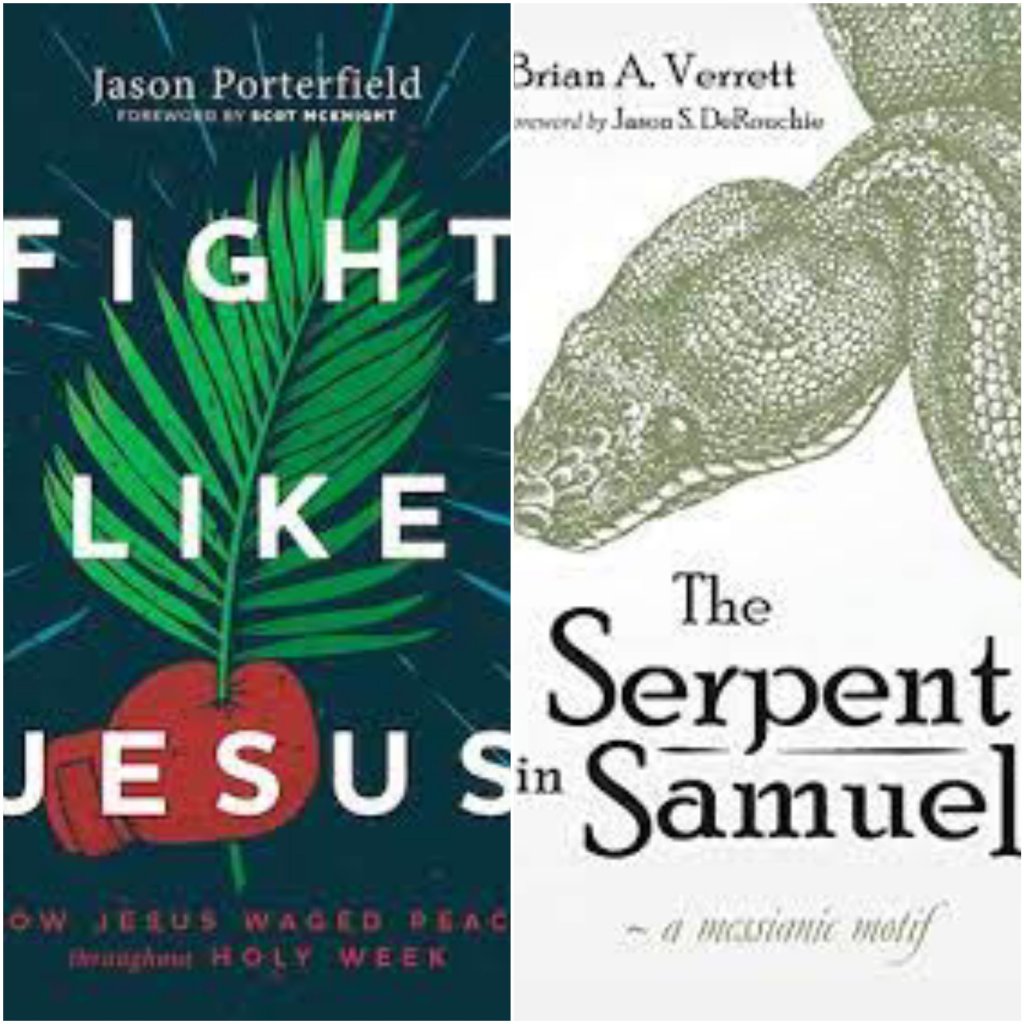
Fight Like Jesus: How Jesus Waged Peace Throughout Holy Week by Jason Porterfield

Even if you are someone adamently adverse to the notion of pacificism, keep on reading past the intro. Porterfield is making a case for non-violence, however he makes one of the strongest and most cohesive arguments I have yet encountered (as someone geared towards pacificsm olready). This book also transformed my understanding of Holyweek. It is an easy read, but it is also incredibly well researched and is full of data to reinforce his claims for non-violence as the Christlike way to peace.

The Captive Mind by Czeslaw Mitosz

A fascinating journey through the well worn soil of Eastern Europe beginning with world world 2 and leading to the fall of the Soviet Union. It’s about the place of the artist and the nature of creating art in a time and place deifned by totalitarianism. It offers some fascinating insight into tensions East and West, musings on creating art in a world where religion had lost it power (culturally, politically), and reflections on the sort of idealism that sees the role of the artist as creating meaning where the live regardless of circumstance. One gets the sense in reading this that you cannot idealize problems away, nor can you modernize problems away. Things aren’t so black and white, especially when seeing things in light of the East/West divide.

Wildwood (Wildwood Chronicles #1) by Colin Meloy

Penned by the voice behind the band The Decemberists, this is a debut novel delving into fantasy for children. It has a few rough patches in terms of the writing, but I really enjoyed the vision and the world building. The message is on point, to be sure, but its simplicity contrasts with the poential depth of the wider context of Wildwood.

We Don’t Know Ourselves: A Personal History of Modern Ireland by Fintan O’ Toole

I don’t agree with some of Toole’s conclusions (mainly his inability to see Ireland’s spiritual heritage and religious past in a more objective light), which filter in to the historical context as he goes. But the information he offers, particularly from an Irish perspective, along with his basic thesis- that Ireland became a place of intentional uknowing, caught between the preservation of its distinct identity and the push towards modernization- is an intriguing one. Lots to take away. and to consider.

Podcasts

Faith Improvised (Episodes 57-71: Romans)

I hate binging, but academic Tim Gombis’ recent deep dive into Romans proved not only timely for my own personal foray into the text, but formative. He engages the scholarship, offers new ideas based on his own work, and spends time unpacking the themes and the context.

Mere Fidelity (Episode 270, Abrahams Silence with Dr. J. Richard Middleton)

Mere Fidelity tends to pose topics and conversations that wade into potential debate. They aren’t debating here as much as probing some interesting theories around the famed story of Abraham’s potential sacrifice, not only in what it means but how it fits in the larger biblical narrative as an intentional literary movement desiring to say something about the relationship between God and humanity.

BEMA Podcast (Episode 276: John- Who is Your Father?)

I cite the BEMA podcast quite often, but every so often an episode truly deserves to be singled out. The way they exposit the text of the Gospel of John here and the insights they offer was profound. Took me straight to Church.

The Next Chapter (Episode 178: Kim Fu and A. Gregor Frankson)

Known monsters and Africanthology. Great stuff.

The Great Books (Episodes 226-228: C.S. Lewis; Episode 220: The Book of Common Prayer)

A great walk through of a selection of C.S. Lewis’ popular works along with a very interesting episode on the Book of Common Prayer.

On Script (Episode 217: Old Testament Theology, Isaiah’s Metaphors, and Canaanite Genocide)

Loved the notes on Isaiah presented here. Offers a way into the Old Testament narrative with some of its difficult ancient context and realities in view.

On Being with Krista Tipptett (Episode 907: Avivah Zornberg and Human Becoming Between Biblical Lines; Episode 905: Eugene Peterson and Answering God)

I have already picked up and finished Zornbergs Moses: A Human Life based on hearing her speak in this podcast. Can’t wait to dive in to her books on Genesis and Exodus. The way she blends the text with the midrash with a focus on what that text has to say about humanity, life, God, holiness, wisdom and knowledge, among other things is really amazing. Brings it to light and life in a way that feels faithful to the history and tradition and attentive to the lessons of recontextualization.

Music

Bad Suns- Apocalypse Whenever

Optimistic, uplifting, upbeat- perfect for the summer with its energetic form of pop.

Tenille Townes- Masquerades

A talented Canadian country artist, Townes is the kind of musician that can use genre conventions to her advantage. Masquerades is a bit darker than her previous efforts, but it has moments of optimism with great compositions that compliment the more introspective nature of the album. Definitley one of stronger country albums I’ve heard in a good while.

The Head and the Heart- Every Shade of Blue

The Head and the Hearts previous album was one that I could easily get lost in (and have gotten lost in) many times over. Soaring melodies with inspiring lyrics and lovely arrangements. This latest one feels, which fits with the albums lyrical approach, different and altogether new. It demands a bit more attention, which is not a bad thing, just a defining mark of the albums approach. It seems interested in reestablishing themselves, perhaps inspired by the pandemic, and reinventing. The melodies are still present but the arrangements are more densely layered and not as immediately accessible. For those willing to dig though this is definitely a gem.

Adam Again- Dig

A classic album that someone turned me on to again after years of neglecting it. There is a reason its considered one of their best. Gene’s lyrics along with the instrumentation and songwriting stand the test of time, proving genuinely timeless.

Cross Gray- In All That Concerns It

For something more specifically spiritually driven, this new EP (from 2021) by Christian artist Cross Gray is not only smartly done, its genuinely inspired, especially for those days in the valleys.

Coin- Uncanny Valley

Inventive and eclectic, this mix of styles and technologically driven musical approaches (perhaps qualifying as techno-pop is a creative effort worth checking out

Semler- Stages of a Breakdown

Semler has always been gifted at both showing vulnerability and composing compelling narratives that speak to his personal life in ways that transcend and translate. This album is no different, detailing a journey through a difficult time. It’s a great album with lots to ponder.

Revisiting Paul’s Letter to the Romans: My Journey With Justice Inside and Outside of the Church

I was recently asked why my focus on justice. What do I mean by this word or idea playing a pivotal role in my own journey, something I find myself coming back to at certain intersections of thought and belief (or perhaps hoped for transformation, to give that a more positive angle). One of the reasons I’ve been so intentionally focused on Romans is because I’ve been trying to articulate better, at the very least for myself, where my questions about justice stemmed from and how such questions played into my own formation both as a human and as a Christian. In truth, so much hinged on this question personally and communally, as this small word, and my growing convictions about what it means, has cost me genuine friendships, the freedom to occupy space in the Church, and even the freedom to occupy space in the world. It carries that much weight. What I beileve, or what I can believe about God, humanity and this world seems to hinge on it.

Some context: Once upon a time I decided to move from the evangelical context that had formed my upbrnging (a mix of pentecostal/alliance/non-denominaiton traditions) into being a card carrying member of the mass exodus into Reformed Theology/Practice. The reason for this initially stemmed, for me, from a desire to locate a more intellectually rigorous and bookish Christian faith. The Reformed community held a lot of appeal in thiis regard, being a people “of the book”, having a seemingly endless barage of writing on “the book”, and standing on a general commitment to articulating “right theology”. So I joined, I read (and read some more), and I became a walking, talking apologetic for the “true” Gospel. That this came at the exclusion of others was not immediately apparent to me beyond the ways the community, its writings, and its teachers set me in contest with nearly everything in the name of “protecting” the true Gospel from all the apparent heresies eroding the Church. This was played with an intellectual superiority that blended nicely with those Reformed tenants defining God’s elective purposes in terms that create necessary insiders and outsiders driven by God’s fever pitched intention to give salvation freely through a given faith in Christ rather than by works of the law. This is how my well fostered anxiety over assurance of my salvation; that being how I can I know I am saved from God’s wrath directed at me in my depravity, was allieviated.

But then it all hit a wall when I decided to ask a question from scripture. I put myelf in the shoes of Paul’s interloceter in Romans (an imagined opponent used to ask questions of Paul) and wondered “why does God blame us if we are unable to resist his will (Romans 9:19).” This question comes in response to Paul quoting from the scroll of Exodus saying “I will have mercy on whom I have mercy, and I will have compassion on whom I have compassion (Romans 9:14).” This of course, in common Reformed interpretations, is heard to speak to the act of divine election and predestination to either salvation or judgment for the sole purpose of declaring God’s glory. This of course informed the respoonse given to me, echoing the sentiments of the interloceter (What shall we say then? Is God unjust?”), Paul’s reponse (Not at all), and the accompanying charge (who are you, o (hu)man, to talk back to God).

In other words, sure, ask the question, but heed the “word” lest you get drawn into heresy.

So then I asked another question. What if I side with where Paul begins this whole debate in 9:3, to say “I wish that I myself were cursed and cut off from Christ for the sake of my brothers…” Or similarly with Moses when he says to God “But now, if you will only forgive their sin- but if not, blot me out of the book that you have written.” (Ex 32:32). In other words, if God chooses some to salvation and others to eternal judgment, and further if God chooses those to eternal judgment for the sake of the saved (so that they can be saved), where then does that leave me in light of my own faith, especially when i try to pair that with scripture that calls me to love without condition? The further response that I got was- this is why its all about God’s glory and our total depravity. God does what God does for no other reason than to glorify Himself, and we are all simply the means to that end. Worthless worms declared worthy on the basis of the imputation of Christ’s own righteousness, God’s glory manifested in human form.

Turns out that there is a fine line in Reformed Theology between the questioning and the heresy. It wasn’t long before I was being accused of Ephesians 5:10, being the one who sows division and throwing others into confusion regarding the plain and true Gospel and therefore counted among those who are judged to eternal damnation (a judgement that was made of me and at the same time not made, even to the point where I was called the literal Devil; all judgment is after all given to God alone for His good purposes. Its surpsing though how these judgments were, in my experience, used to make very clear distinctions about who or what is in and who or what is out. If its not about assurance of my salvation then it turns out such judgments and views of justice are left to be quite troublesome ideologies). Even then I still believed in God, and if God did exist then I still felt compelled to begin where Paul and Moses begin. And yet I was haunted by the question of how, if my life was more destructive than good, as others were saying at the time, I can truly justify (using the Reformed sense of the word) my existence?

Fast forward and this view of justice, or perhaps the inability to freely question it more so, has led me away from the church and the faith. And yet here I found myself faced with a conundrum. What I found in a world where God did not exist was something slightly different and yet frighteningly similar. Where God does not exist moral systems must be created in its (or His or Her) absence. And in truth, these moral systems tended to be built using the same kind of problematic terms of justice to create insiders and outsiders. Only instead of proclaiming total depravity it proclaimed a version of the sin-necessary punishment paradigm that upheld an evolutionary narrative of the righteous and unrighteous (again, using Reformed defintions of these terms). Salvation was the survival and “progress” (morally and technically) of the human race, and no matter how “good” these sytems were proclaimed to be dig a little and you uncover the same basic message- if you are not beneficial to the end game then you need to be cast out. It is, after all, the name of the game. At least in Christianity my depravity and ultimate worthlessness appeared to serve God’s glory, although I’m not sure that was entirely comforting. And this was my experience living in a world where God did not exist. Justice was measured using the same judicial terms (just like Reformed theology) where due punishment is somehow seen as satisfying a wrong doing in our efforts to create a world that we see as good. Only it does so purely in what Reformed theology would call a “works” based moral system (ironically so).

The problem is this way of thinking translates into all facets of life determining who is in and who is out in social and moral terms. And this is a problem because the judicial system is not a moral one. All kinds of problematic things happen though when we translate that into actual systems of morality, or actual moral concern. When I challenged friends (questioned) within this worldview about how we square this with our elemental nature (as in, how can you hold me responsible if nature defines my sense of the will and determines my actions) I faced the same response that I got from the Reformed community, only without the aid of Paul’s beginning sentiment to fall back on. To challenge judgments of others was tantamount to binding myself to the devil, and that made me an unjust person in the eyes of the world. And what was more ineresting at the time was that the most rational positions I could find in a world where God did not exist led me to believe that if I cause more destruction than good in the endgame of humanities survival, then it was not only better off that I ceased to exist, it was better off that I never existed at all. Any argumements that attempted to appeal to something otherwise were bringing in irrational claims that operated contrary to the nature that we can observe in non-human and human activity. They appealed to illusions as a means of meaning-making within this construct of justice that strips us of meaning if we don’t belong or measure up (and even the best meaning-making exercises reveal this to be true when set to the fire of our questions; meaning making in the world depends and operates on insiders and outsiders whether we see it or not; we are good based on there being someone worse than us that we can hold up as the measure of our assurance). Even more so, something my firends refused to admit, such means of circumventing this basic reality more often than not appealed to religious terms and ideas in order to create this meaning. Thus my conundrum was, I could not beieve in God because of this justice question, and this is where justice in the world leads me. Thus my only conclusion was that, rationally speaking, it was best if I did not exist.

Fast foward again: I have found my way back into faith based on this same question of jusice. I’ll leave this to another post, but let me simply say here that it was in engaging the ways in which Christ challenges our notions and definitions of justice that allowed me to really see how Christ challenges our assumptions about how justice must work. One of the things that had bothered me about Reformed Theology is that I always assumed, becuase I was always taught, that its view of God’s justice was what set it apart from the world. And yet by definition it looked no different. Thus I could read scripture on those terms and simply be inserting God where otherwise it would be nature and come away with the same story. Only now God is implicated by the questions that arise from this view of justice, which is why I walked away from faith (and subsequently the world). What I encountered in coming back to faith was a definition of justice that was able to speak something different into the mix. To challenge the narrative in the church and in the world with a better one. Which is what I’m reengaging with my current journey through Romans. What if we have read Romans foward with the wrong narrative in mind? What if by reading it backwards the central concern for collapsing these insider/outsider boundaries that we have reinstated based on defintions of moral “righteousness” can come to light? What if we rush to hear the words of 9:14 (I will have mercy on who I will have mercy) in light of God’s judgment of the outsiders rather than as the call of the faithful to heed God’s desire for all? What if we fail to hear the stories of Jacob and Esau/Sarai and Hagar mentioned in Romans 9 in light of God’s challenging of exclusive claims to to salvation at the exclusion of others based on God’s circumventing such human appeals to justice in those very stories? What if the whole point of chapter 9 is wrapped up in the phrase “all the earth” (9:17) not as an appeal to God’s divine plan of election to salvation but election for the salvation of the world by way of a different definition of justice?

What if our tendency to spiritualize, individualize, and internalize all of these terms in Romans as all of the Reformed writings I read did has missed the narrative Paul is writing in his Gospel as a movement from the community to the cosmic to the renewed cosmos/community in the here and now, with an emphasis on what it means to live as an individual within this new reality as a collective people. What if that is the concern for the divided community Paul is speaking to, not of a ‘believing faith” concerned with knowledge of the facts about the true gospel, but a way of obedient faith to the way of Christ in a world operating according to a particular view of justice? What if our efforts to see in Romans a seperation of justification and sanctification as two different activities and notions based on the gift of a believing faith and moral righteousness has caused us to miss how Paul sees the faithfulness of Christ to the covenant promise as the measure of the way. What if this is the same faithfulness that we are called to follow in based on justification and righteousness as terms belonging to covenant renewal (vocation and imaging terms) in the here and now? I know learning to see this changed my own perspective of God, humanity and this world. I know this commitment to a different kind of justice still deems me a heretic in the church and outside of it, but I also know where appeals to this other form of justice that we find in and outside of the church leaves me. However I grow in my understanding of justice from here I know what my experience was in those terms.

I needed a better narrative. I thank God every day that I was given one, even as I know God is constantly reshaping that within me at the same time. At least thats my prayer.