Looking Ahead: My Most Anticipated Films of 2022

It’s the first Friday of the new year which means the first official releases of 2021, beginning with the female led action film from Simon Kingerg, The 355 out today.

As the pandemic goes so does the constantly evoloving slate of movie releases. Production delays, films getting bumped from their release schedule as theatre attendence continues to inspire more questions and concerns, the constant push and pull of streaming and experimental/unpredictable release patterns that continue to make personal investment a frustrating game of cat and mouse. As it was last year and the year before, attempting to weigh in on potential releases remains a roll of the die.

That said, at least a portion of 2021 saw a glutten- argubly too much if you ask me, which I say as someone who frequented the theater sometimes up to 3 times a week and still couldn’t keep up- of releases as studios started to pile their titles in on top of one of another after theaters re-opened. I have been basking in the glory of it all to say the least, as I don’t anticipate this lasting. Things will slow down, and the systems probematic addiction to box office numbers continues to turn every headline into a controversy and a matter of concern. The disruption of the pandemic which arguably perpetuated and fast tracked a problem that already existed continues to have a grip on the industry and the uncertain economics of theater and streaming continues to occupy the minds of studios, creatives, theaters and services. How they figure this mess out is a story yet to be told, with the only real certainty being that things will look different moving forward and, for the time being, will remain inconsistent.

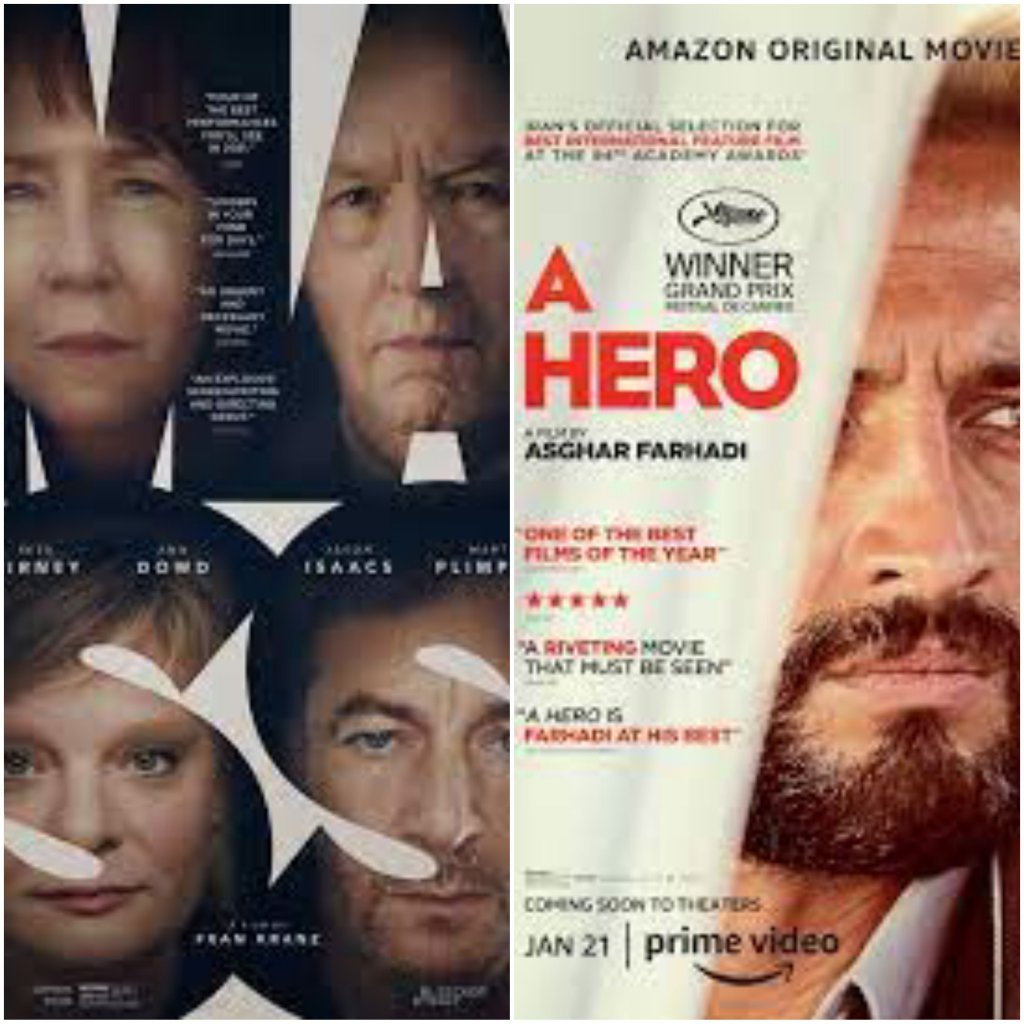
As it stands though there remains much to anticipate and to wonder about in the coming year, beginning of course with the usual onslaught of entries into the superhero genre, including new D.C. entries with Batman, Flash and Aquaman 2, the second entry in the Spiderverse, and of course a return to Wakanda, Waititi’s return to the world of Thor, and a delving into the multiverse with Doctor Strange. Along with the quintessential holdovers from 2021 awaiting wide release- Drive My Car, Benediction, Cyrano, Flee, Worst Person in the World, A Hero, and Belle– Here are some of the titles that I am most excited about:

1. Peter Pan & Wendy (David Lowry)

I consider Lowry to be one of the best Directors working today, and given my affection for his adaptation of Pete’s Dragon his return to the realm of cherished childrens stories has me very excited. Sure, this story has been done many times before, not least of which was the recent Wendy by Benh Zeitlin (Beasts of the Southern Wild), one of my favorite films of that year. That doesn’t bother me. With someone like Lowry re-imagining this classic for our modern day this has all of the potential to formulate into a bonafide modern classic.

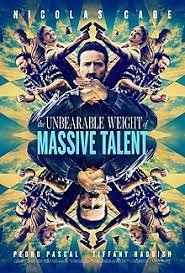
2. The Unbearable Weight of Massive Talent (Tom Gormcan)

In case you missed it this is where Nicholas Cage plays Nicholas Cage. Yep, you heard that right. If that isn’t enough to blow ones mind the fact that this appears to be telling the story of Cage attempting to live up to his own legendary status makes this the film I always knew I needed but never knew how to express. No need for words because we now have the film. Give it to me now.

3. Showing Up (Kelly Reichardt)

From the mind who brought us the brilliantly subversive and challenging indie First Cow comes a story about the relationship between art, articstic creation, and life. The synopsis contains shadows of The Truth, the captivating and intellecually centered drama by master Hirokazu Kore-eda, and given Reichardts eye for detail and penchant for context I find myself hopeful for a similarly thought provoking exercise.

4. Lightyear (Angus MacLane)

In my review for Toy Story 4 I referred to it as the ending to the story I never knew I needed but in some ways always knew I wanted. I unabashedly have noted it as my favorite of the series and I loved how it took some of the lingering questions of Toy Story 3 and formulated it into such a grand vision of hope and resloution. Early shots of this film appear not only to anchor it in a stunning sense of realism, but Lightyears backstory appears to be represented as a genuine character study. Given the humanity on display in Toy Story 4 this is a film that I remain as curious about as I am excited for.

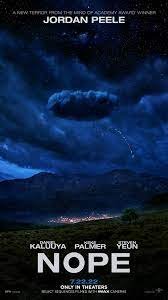
5. Nope (Jordan Peele)

I’m actually not quite as high on Get Out as some others, but Peele’s Us is a film that continues to grow and evolve in my imagination the more I see it and ponder it. So much so that I consider it one of the greatest horror films ever made. Very little is known about Nope but Peele’s name and his track record for fusing horor with hard hitting social commentary has this one high up on my most anticipated list

6. The Killers of the Flowers Moon (Martin Scorsese)

I was public enough with my less than favorable response to Scorsese’s The Irishman, a film that I felt gave in to the trappings of the bloated budget and its unnecessary run time, both of which I felt betrayed real problems in the editing department. I felt like Scorsese put himself in to the story to a degree that made it feel self absorbed. The film represents a misstep in what has otherwise been a stellar career for someone who is undeniably one of the all time greats. What is curious to me about this next venture, which releases exclusively to Apple TV+, is not just the fact that once again we might not get to experience one of the true cinematic artists honing his craft for the big screen (I’m hoping Apple takes a more open approach than Netflix), but that once again the story surrounding this one is his stubborn allegiance to a bloated budget, something that feels all the more aware when you consider how sparse the source material is. I’ll be honest, I’m actually not the biggest fan of the source material either. It is a compelling and important story but told with too narrowed a focus. However, in Scorsese I continue to trust, and I imagine that his approach to this story is going to see him digging in deep and breaking open the historical context. If he can manage that and perhaps contain some of that budget by investing it in the practical set piece, this could formulate into a true historical epic.
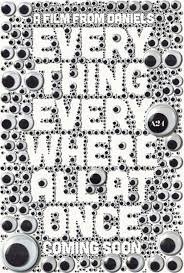
7. Everything Everywhere All at Once (Daniel Scheinert, Daniel Kwan)

Sure, 2022 has Doctor Strange breaking open the multiverse for the MCU, but not to be undersold is this slightly less visible sci-fi hopeful about an aging Chinese immigrant who gets swept up into the infinite possibilities of the multiverse as she finds herself trying to save the world. Starring Michelle Yeoh this one definitely has my interest.

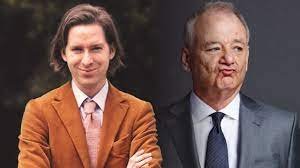
8. Asteroid City (Wes Anderson)

When we throw Ari Aster and Olivia Wilde in the mix it would seem all of the big name directors are in the game in 2022. The story behind the latest film by Wes Anderson is both that it represents the second of three films in three years and that this film was made and finished before the release of the French Dispatch, one of my favorites from 2021. It also reflects another opportunity to see him in theaters before he heads to Netflix in 2023. I know I will be there ready to celebrate his unique narrative style and soaking in his sharp eye for finding wonder in the quirky and unusual spaces of this world.

9.Strange World (Don Hall, Qui Nguyen)

With the release of Raya and the Last Dragon and Encanto this past year Disney is proving that their original fare can still shine well beyond the Pixar label. The premise, which includes an adventure into uncharted territory, a family of explorers, and fantastical creatures, feels like it has all the makings of a success story. This is a strange new world I’m excited to visit.

10. Fantastic Beasts: The Secrets of Dumbledore (David Yates)

Sure, I could have easily thrown Jurassic World: Dominion into the mix here. Call it a cautionary move given how much I enjoyed Fallen Kingdom and how much it got slammed. Even Trevorrows return after getting pulled from the series remains a question mark as his turn with The Book of Henry, another film I loved that got desperately slammed, seems to have this next in the series set up to succumb to some already well entrenched cynicism. To avoid all of that I figured I would give some love to an equally maligned franchise. I continue to quietly embrace the Fantastic Beasts series even as I remain shocked we are getting more. They’ve weathered the storm of naysayers, and for my money the previous entry, even with some serious issues on the editing front, represented some of the most exciting visuals and some of the most intriguing filmmaking of that year. I’m hopeful, even with all of the hoopla surrounding Depp, that this will return to the magic of the first while retaining the expansive visual flourish of the second.

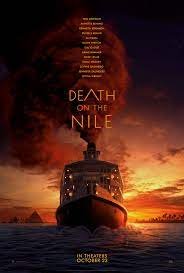
Honorable Mention: Death on the Nile (Kenneth Branagh)

Throw this with Avatar 2 and Top Gun: Maverick into the “I’ll believe it when I see it released” pile. With Branagh’s lovely love letter to Ireland placing high on my list in 2021 and with his ability to turn Murder on the Orient Express into such a lovely, atmospheric mystery, this return to the mystery genre with its rich cast and contained setting has remained eagerly anticipated. The one saving grace of such a long delay is that it has resisted getting sold off to streaming. This is a film I desperately need (okay, maybe want is the better word) on the big screen.

2021 Retrospective: Favorite Non-Fiction Reads

For those interested I walked through my most important reads in 2021 in this space over the last 10 days. They included the following:

10. The Nolan Variations: The Movies, Mysteries, and Marvels of Christopher Nolan by Tom Shone

9. Think Again: The Power of Knowing What You Don’t Know by Adam Grant

8. The Free World: Art and Thought in the Cold Warby Louis Menand

7. In Pursuit of Disobedient Women: A Memoir of Love, Rebellion, and Family Far Away by Dionne Searcey

6. Dominion: How the Chrsitian Revolution Remade the World by Tom Holland

5. 21 Lessons For The 21st Century by Yuval Noah Harari

4. The Mysteries of Cinema: Movies and Imagination by Peter Conrad

3. Work: A Deep History From the Stone Age to the Age of Robots by James Suzman

2. Irrationality: A History of the Dark Side of Reason by Justin E.H. Smith

1. History and Eschatology: Jesus and the Promise of Natural Theology by N.T. Wright

Having put together that list i also felt compelled to make a ditinction between my most important reads and my favorite reads. There would certainly be overlap, but I figured I would give some space to some additional picks with an emphasis on my “favorite” non-fiction reads in 2021.

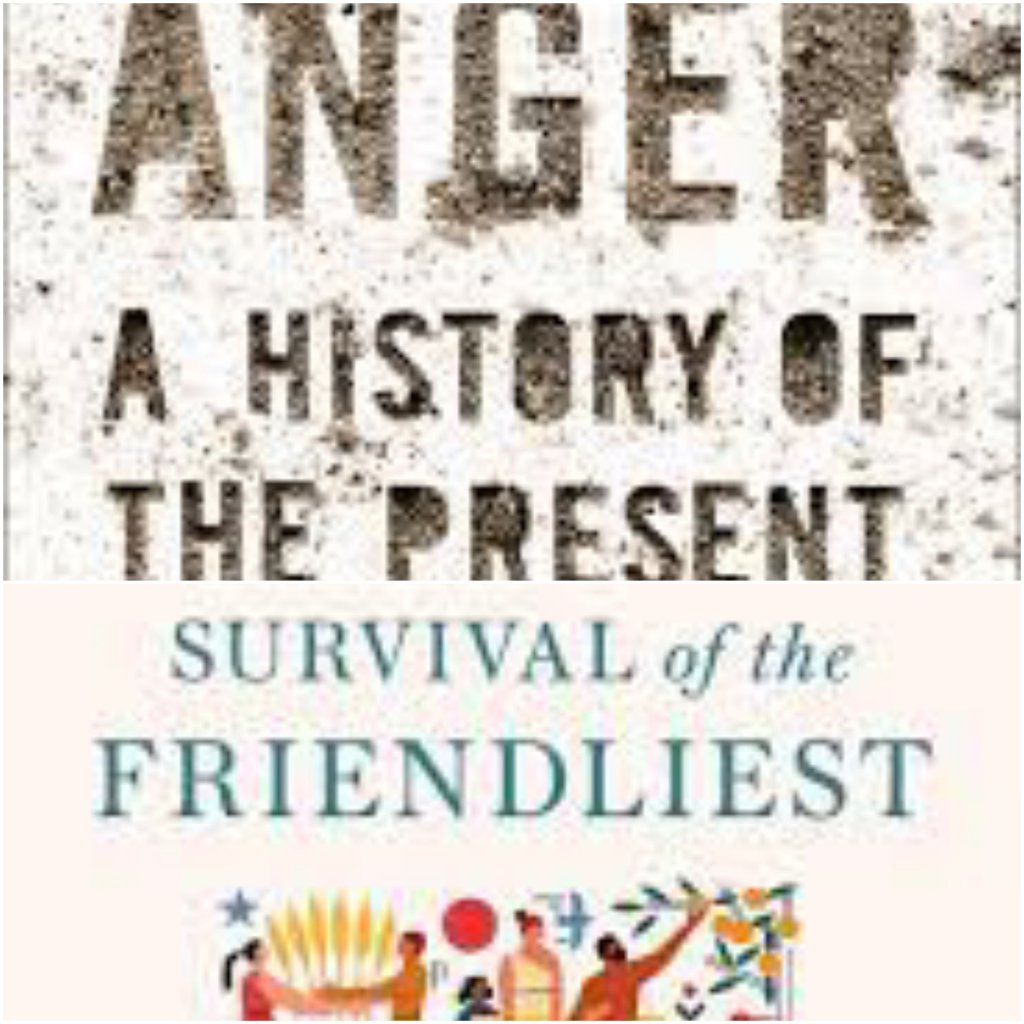
My year started with Age of Anger: A History of the Present by Pankaj Mishra which was quickly followed by Survival of the Friendliest: Understanding Our Origins and Rediscovering Our Common Humanity by Brian Hare and Vanessa Woods. Mishras’ hard hitting critique of modernism and its promise to lead us to a kind of liberating global identity underscores the sort of societal and political forms that have led to a new kind of anger, one as rooted in the past as it is expressive of the present. Which is what makes Hare and Wood’s book such an interesting complimentary read. If, as they suggest, it is our penchant for “friendliness” that explains the sudden explosion of humanity, cast as it is, ironically, against the subsequent and necessary extinction of other human-like species, then friendliness has a really difficult time attending for attempts to mine from modernism a greater ethic of a largely undefined definition of love in a global age. This reflects the authors own difficulty in reading the data that we have into a better (read sanitized) narrative of where they believe we should be heading according to the evolutionary story. For as good as the book is, its appeal against the primary problem of dehumanization, and as Misha suggest the necessary creation of binaries and polarties as necessary for progress, and progress is itself the measure of the good, then we are stuck unabe to attend for the correlation of natural and cultural evolution at the same time. As these books underscore, these are hardly seperable when attending towards a sensible reading of history leading us towards a bit of a conundrum. Where that conundrum leads us is a different question, but acknowledging this problem is the first step in reconciling anger and friendliness as mutual parts of the same story.

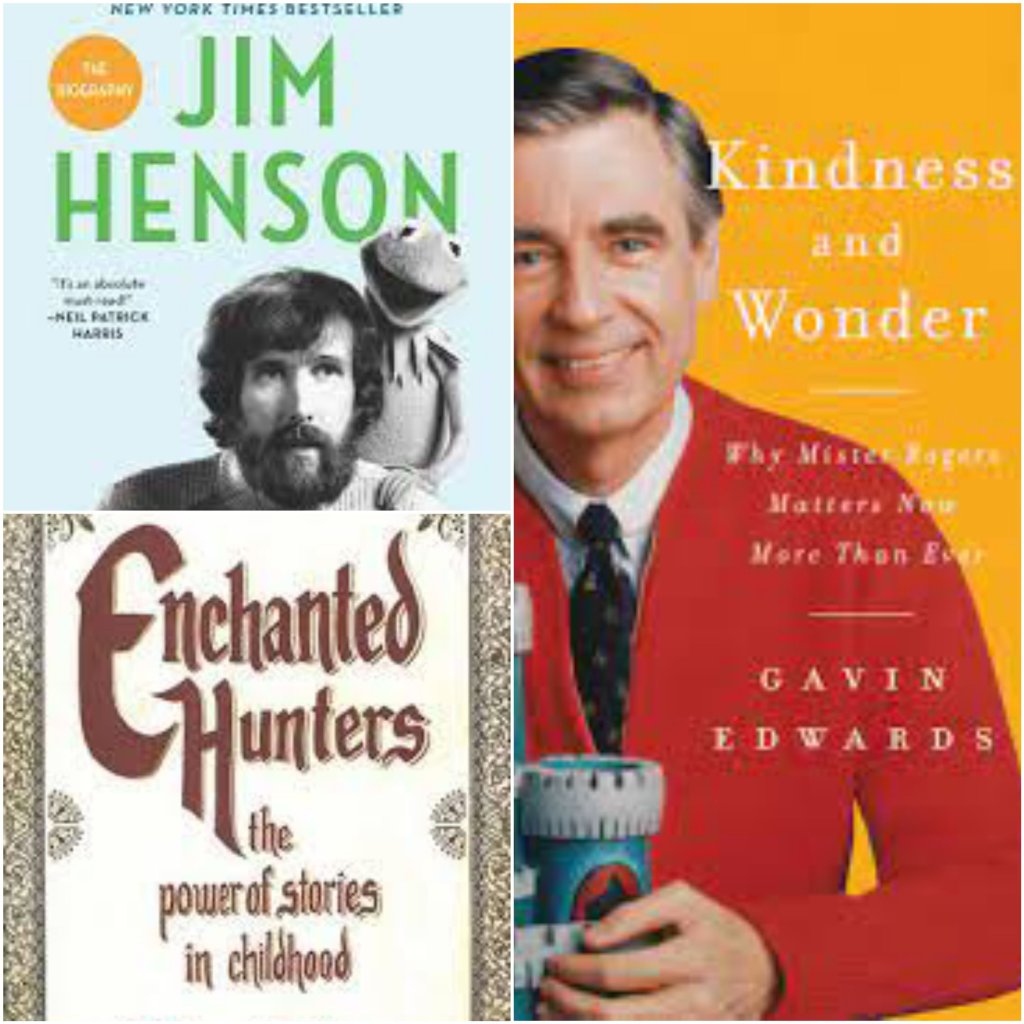
I read some outstanding memoirs, biographies and autobiographies in 2021, and two that stand out is Jim Henson; The Biography by Brian Jay Jones and the lovely Kindness and Wonder: Why Mister Rogers Matters Now More Than Ever by Gavin Edwards, two films that dig deep into personas who occupied this untenable space between childhood wonder and the potential cynicism of their adult experiences, leading to two of the most affectionate and compelling stortytellers and voices of recent history. Along these same lines, its also worth mentioning Enchanted Hunters:The Power of Stories in Childhood by Maria Tatar, which presents the fascinating thesis that storytelling finds its truest exprsession at this intersection between child and adult perspectives, something made most readily visible in the stories that adutls and children read together, and likewise the stories that we read as children and revisit as adults. Something emerges from this intersection that can teach us about precisely how it is that we are shaped and formed by stories and the power of the imagination.

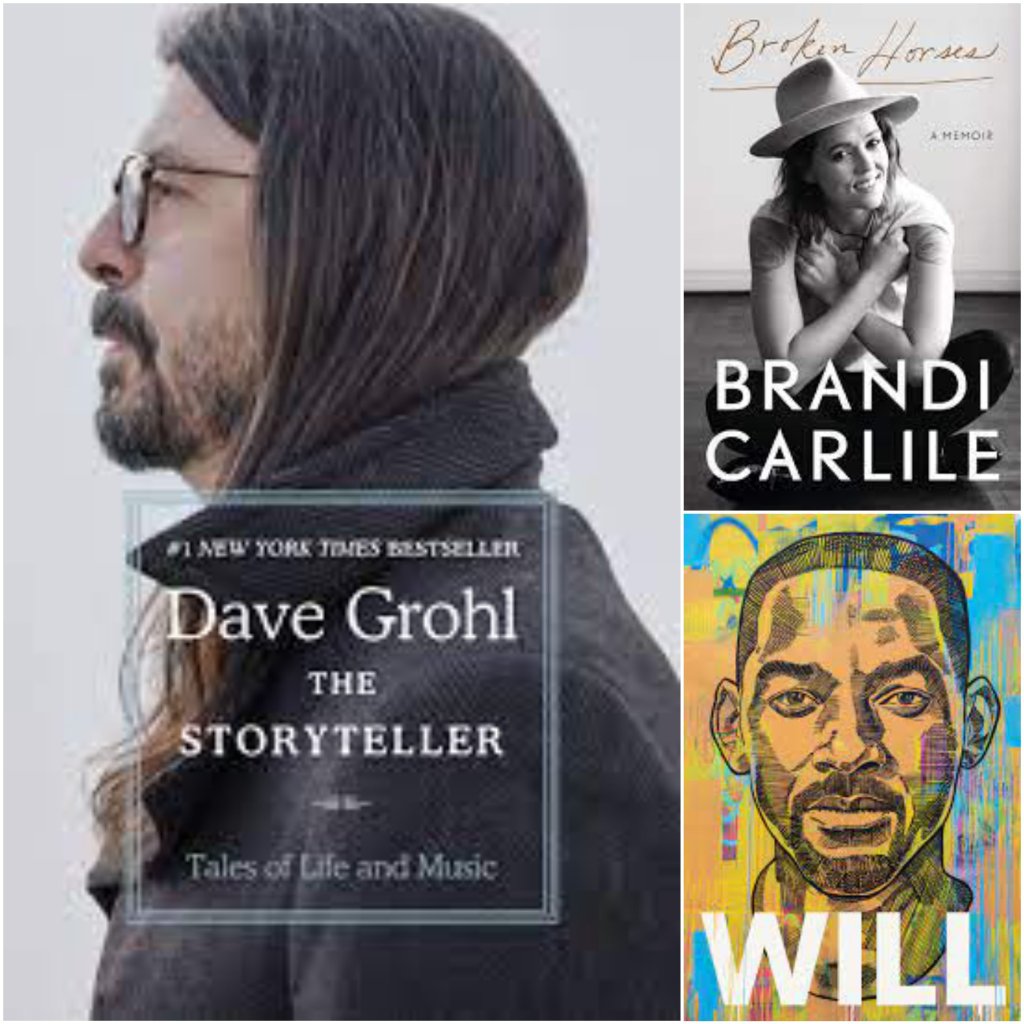
Other autobiographies/memoirs that I thought were really entertaining were The Storyteller: Tales of Life and Music by Dave Grohl, Broken Horses: A Memoir by Brandi Carlile, and Will by Will Smith. All three are deeply spitual works in their own unique way, telling of how it is that art intersects with matters of faith and the spirit. Grohl’s descriptive of the auditorium as his cathedral and music as his worship, Carliles deeply compelling testimony and witness of reconciling God from within the LBGTQ+ community, and Smiths own reconciling of a life of success with a life of spiritual formation certainly kept me engaged and invested.

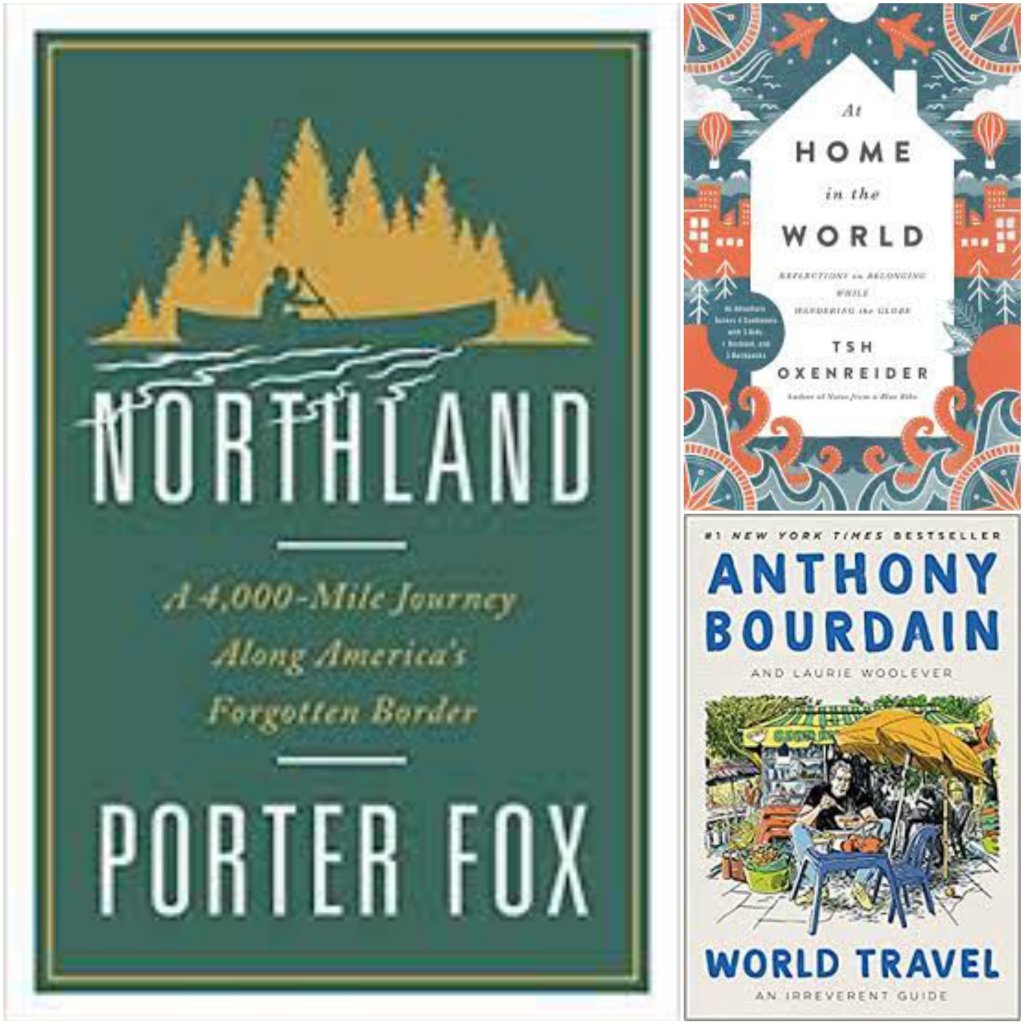
Given how opportunity for travel has been disrupted by the pandemic, travelling the world through books has been something of a necessary tonic for the weary. Northland: A 4,000 Mile Journey Along Americas Forgotten Border by Porter Fox was a fun romp through one of the worlds longest borders. Given how it navigates both Canada and U.S., which as a Canadian left me a bit wanting in terms of how much time it spends necessarily north of the often undefined border while giving very little attention to the Canadian side of the story, the history itself becomes especially robust when it uncovers the mutuality of this space. In a different way At Home in the World: Reflections on Belonging While Wandering the Globe by Tsh Oxenreide follows the personal story of Oxnreide as she finds heailng for her own struggle with mental illness in broadening her sense of the world. I know not everyone was a fan of how she keep this journey internalized desiring less of her story and more of the stories that surround her, but for what the book desired to be it resonated with some of my own struggles longings. Perehaps traversing this line between self and other was captured more astutely in World Travel by Anthony Bourdain, a book that recognizes how food shapes our travels, our togetherness and our exploration. That this becomes a stepping stone into his ownlife as a chef is part fo the books power.

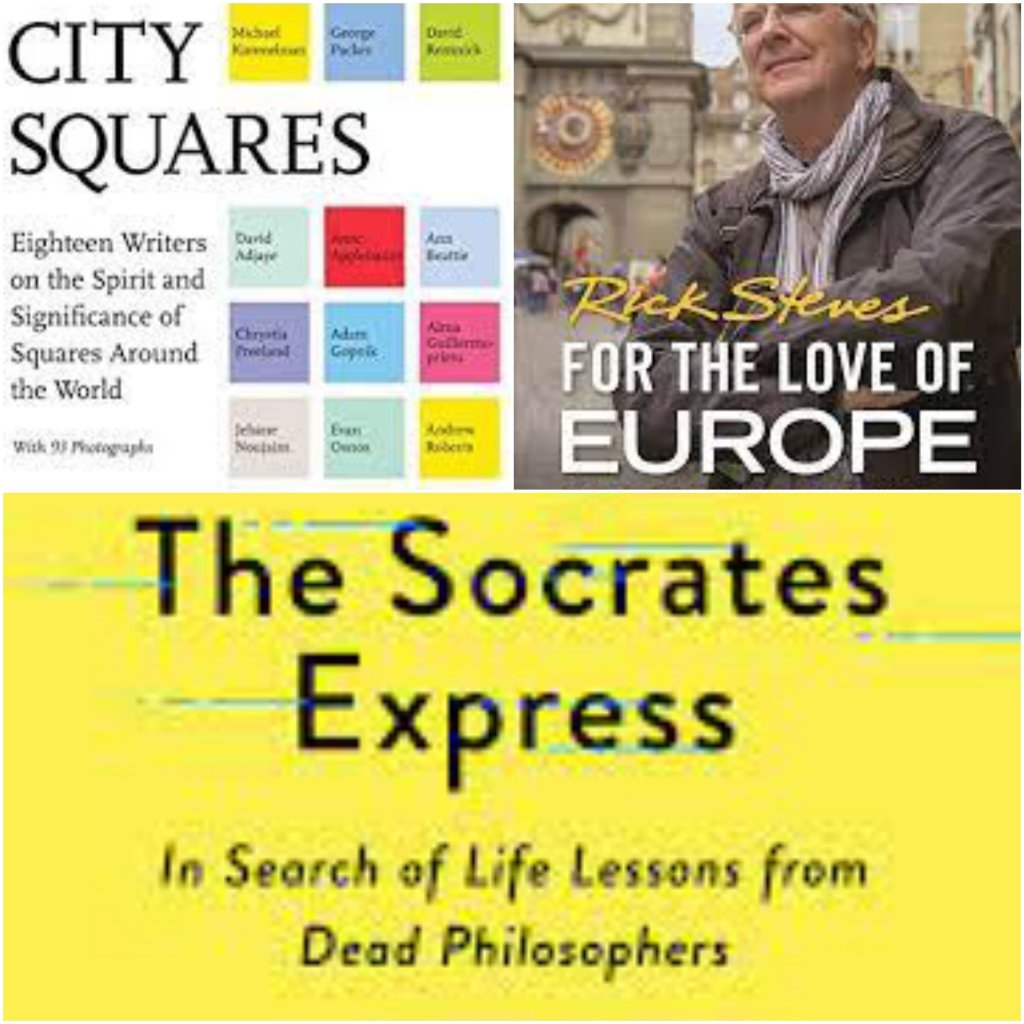
For the pure thrill of exporation, City Squares: Eighteen Writers on the Spirit and Significance of Squares around the World and For the Love of Europe: Musings on 45 Years of Travel by Rick Steves were two excellent reads for growing my cultural awareness and experiencing the world in a practical and enlivened sense through the experiences of the stories. On a more unique train of thought, The Socrates Express: In Search of Life Lessons From Dead Philosophers by Eric Weiner is both a fascinating romp through the places and spaces that make up this world through the development of philosophy. It provides a great summary of the history of philosophy by loacating it in its time and place.

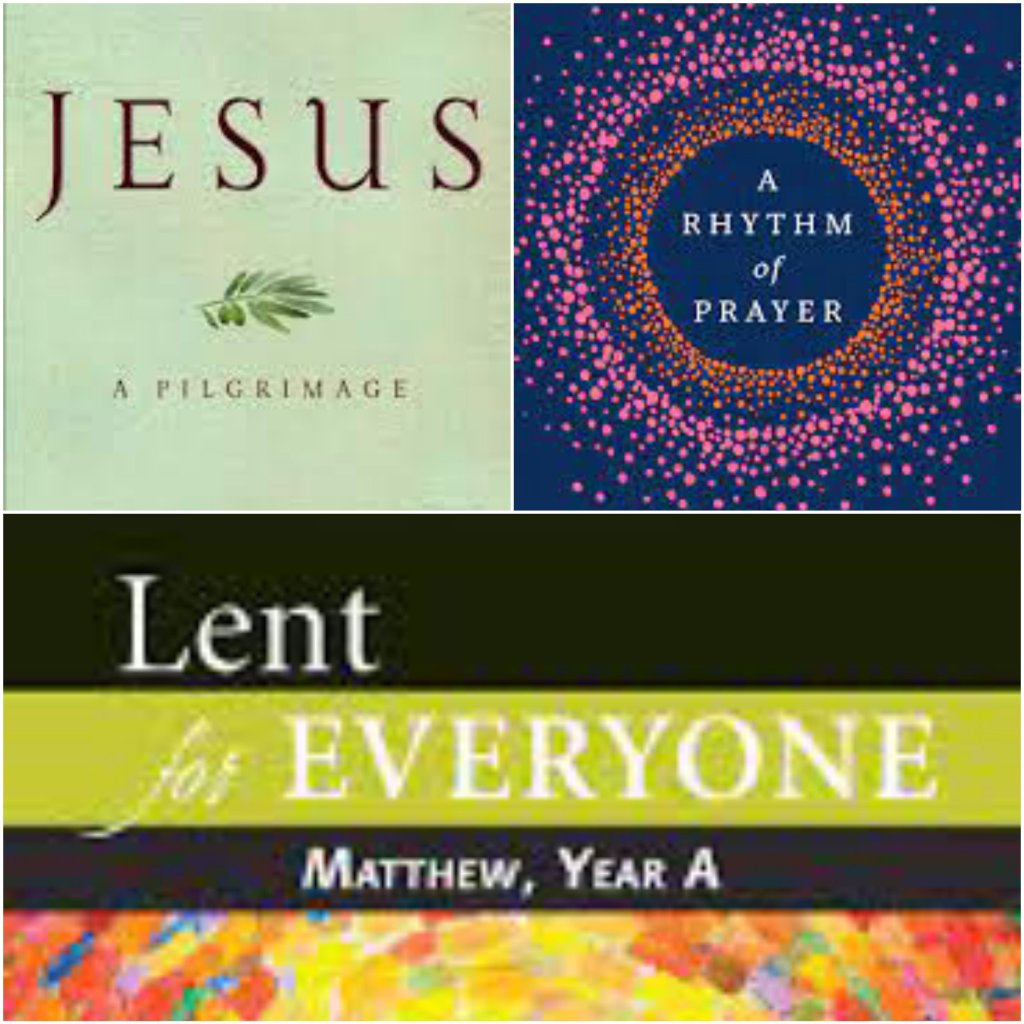
I can also speak of the spiritual journey. Jesus: A Pilgrimage by James Martin was an amazing pick for the Lenten period as it follows the story of Jesus through the footsteps of his life and ministry with a unique eye given to the land, the history and the culture as it would have been and as we experience it today. A Rhythm of Prayer: A Collection of Meditations for Renewal by Sarah Bessey and Lent For Everyone by N.T. Wright were both devotions that helped shape my journey through similar periods with intention.

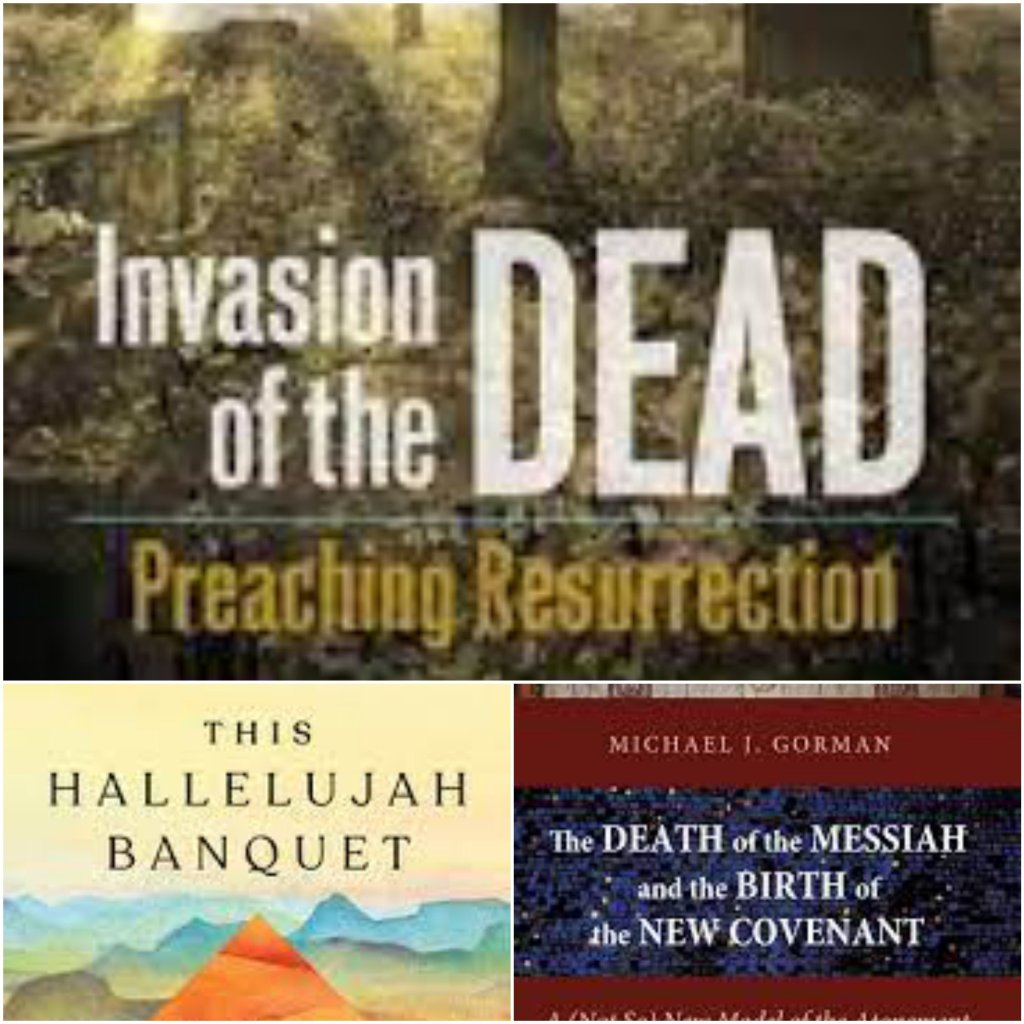
Also shaping that spiritual journey on a larger level was Invasion of the Dead: Preaching Resurrection by Brian K. Blount, a book that presents a revelatory look at how it is we see understand death and life fom a more ancient vantage point, seeing in the Gospel certain assumptions about what it means to be truly alive and dead. In a similarly perspective shaping way This Hallelujah Banquet: How the End of What We Were Reveals Who We Can Be by Eugene Peterson, based on a series of sermons he gave early in his pastoring days and formulated by his life long interest in the subject of Revelation, really helped me to see both this present reality and our future hope in a fresh way. Same with the invigorating The Death of the Messiah and the Birth of the New Covenant: A (Not So) New Model of the Atonement by Mchael J. Gorman, which does the same with the subject of Christs death and resurrection by forming it against covenant theology.

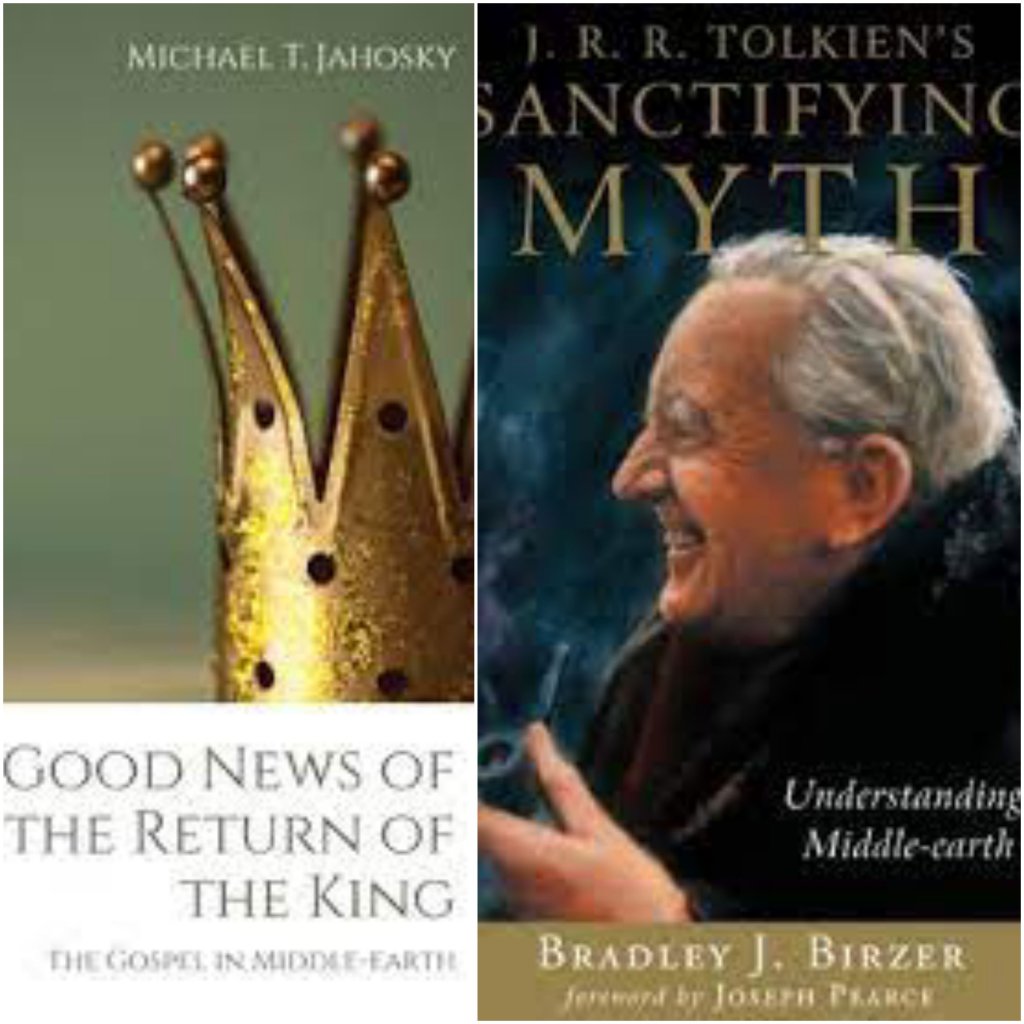
On a slightly shared by different spiritually concerned front, The Good News of the Return of the King; The Gospel in Middle Earth by Michael T. Jahosky and J.R.R. Tolkiens The Sanctifying Myth: Understanding Middle Earth by Bradley J. Birzer are two reads that tapped into a curious cultural phenomenon, which is the tendency for society to demonize Lewis while wholly embracing LOTR even though they wrote from similar points of perspective and shaped their stories from a shared worldview. Both books help to underscore how to read LOTR and Tolkien at large appropriately rather than recontextualizing the story out of its contextualized intention. Bringing to light the idea of the true myth that makes sense of all the worlds story was deeply ingrained in Tolkien and his passionate desire for these stories.

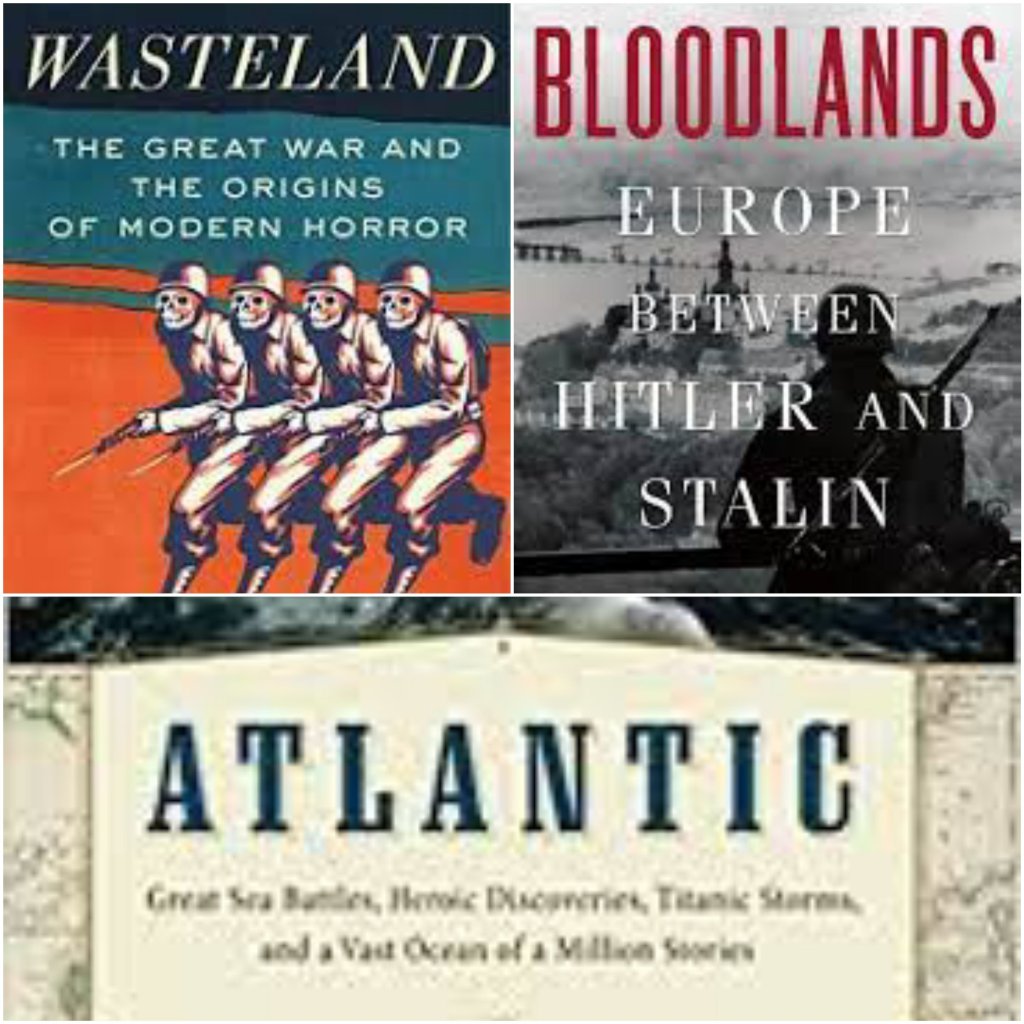
When it came to history I was especially captivated by Wasteland: The Great War and the Origins of Modern Horror by W.Scott Poole, which is a must read for any fans of horror. It helps to underscore how it is our modern landscape remains deeply formed by the Great War and how horror continues to operate as a universal language that attempts to make sense of this shaping through its questions, fears and hopes. It is quite brilliant as it calls out our dangerous neglect of this historical event through consecutive generations, as is Bloodlands: Europe Between Hitler and Stalin by Timothy Snyder, a book that dares to call out the ways we have narrowed the defining event of the second world war to a very small point of what is in fact a much larger and more encompassing history. Of special interest to me was how this played into the history of the middle lands, the blood lands, of Ukraine. It makes sense of how they find themselves where they are today and helps to reshape our undersanding of the second world war as a gradual and unfolding movement between powers east and west. Speaking of East and West, I love the ocean. If I could live anywhere it would be not in the mountains but on the waterfront. Something about the wide open space and its sense of comfort and danger draws me in. Atlantic: Great Sea Battles, Heroic Discoveries, Titanic Storms and A Vast Ocean of a Million Stories by Simon Winchester is a book that tells the captivating story of the Atlantic Ocean from its creation to its imagined future with an eye turned towards its symbolic positioning between east and west as it functions as the point of barrier and connction for humanities westward movement. I found it thrilling if a little long.

Equally interested in the complexities of a historical event was the ridiculously entertaining The Last Duel: A True Story of Crime, Scandal, and Trial by Combat in Medieval France by Eric Jager, a book that helps us to embrace the nuances of a significant historical event we likely hadn’t heard of (the last duel of this kind used to determine justice) while also pulling from this an interest in our own context when it comes to the ongoing challenge women face in being heard. In an equally fascinating look at the nuances of histor, This is the Voice by John Colapinto takes a look at the broader history of humanities development by suggesting that the reason we exploded on the scene the way we did is because of our unique ability to connect sound to the nuances of tonal and physical expression. There are plenty of theories out there, many contained in similarly minded books as a propos “narrative” This one I found really captivating, especially where the author presents the data but also leaves room for mystery. That’s rare in books like these.

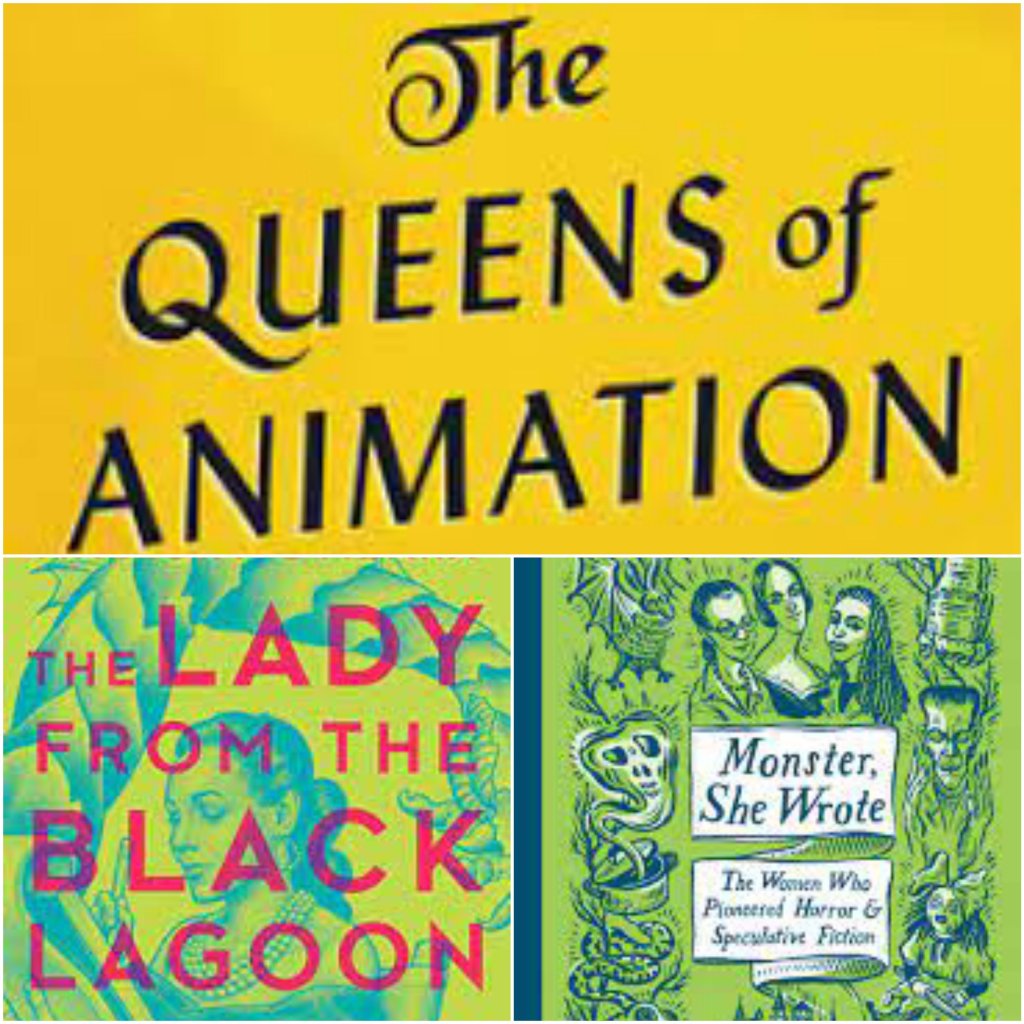
The Queens of Animation: The Untold Story of the Women Who Transfmed the World of Disney and Made Cinematic History by Nathalia Holt, The Lady From the Black Lagoon: Hollywood Monsters and the Lost Legacy of Milicent Patrick by Mallory O’Meara, and The Monster She Wrote: The Women Who Pionered Horror and Speculative Fiction by Lisa Kroger are a wonderful mix of history, biography, cultural interest (in horror and animation) and social concern.

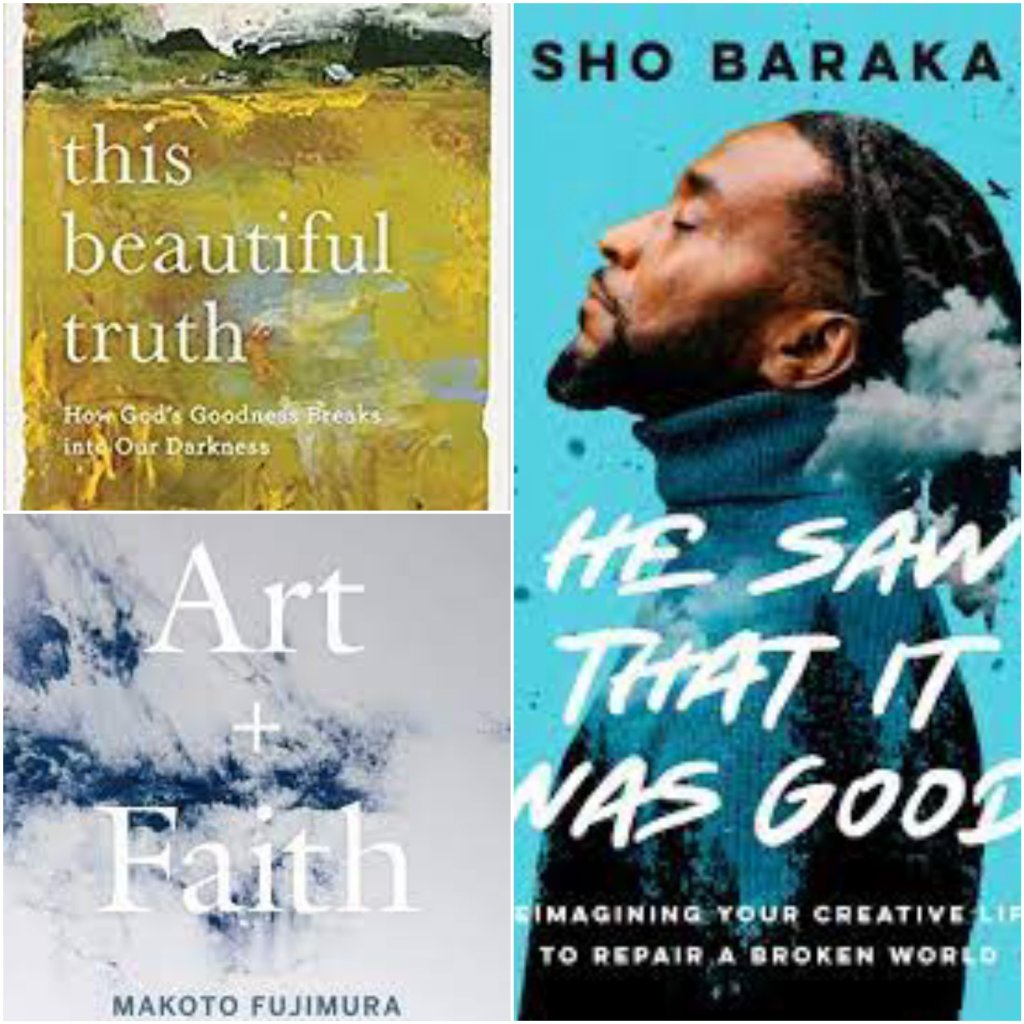
Lastly, three books inspired me towards goodness and hope like few others this year- This Beautiful Truth: How God’s Goodness Breaks Into Our Darkness by Sarah Clarkson, He Saw That It Was Good: How Your Creative Life Can Change a Broken World by Sho Baraka and Art and Faith: A Theology of Making by Makoto Fujimura. The first is a challenging call to think differently about the darkness by allowing goodess to inform it and allowing the illumination to call us into a more fully formed picture of this world as one where beauty can be declared as truth. The second locates the same sentiment within the call to partipcate in the creative process of bringing this beauty to light and life. Taking an even deeper dive into this same process of being and creatiing as witness to the beauty the third book breaks open precisely how it is that our creativity captures the power of the creative act in a world where both beauty and the darkness coexit.

2021 Retrospective: Favorite Fiction Reads

The Princess and the Goblin by George Macdonald

A lovely and simple old world fantasy that remains influential for the ways it helped establish a genre and set the stage for others to shape its landscape. It’s about characters and the paths they travel as lives intersect, offering characters who exist beyond caricatures of good and evil while existing within a world where good and evil is nevertheless a reality.

The Giver by Lois Lowry

A classic that explores the nature of identity and how it is that choices shape us, how memory shapes these choices into a narrative, and how these narratives fit in a world where choice is an illusion. It’s a deftly written critique of modernism that is steeped in spiritual concern while also reflecting a beautiful portrait of childlike quesitons meeting adult cynicism and being called back into the wonder of mystery.

The Hidden Palace by Helene Wecker

The first book explored the nature of individual human will in relationship to the creator, bringing togteher a mix of real world setting and grand mythology to ask big questions about what it is to exist in this world. This book takes the somewhat rushed conclusion of the first that in my opinion failed to capatilize on the books really strong premise and intriguing questions and catapults us straight back into the world that informed these main characters, adding some cast members, locating the story well within points of actual history and mythology as it expands such questions of the relationship between human and the divine into how this then works within the messiness of this earthly reality. It’s the stronger of the two books using its magical realism to challenge and broaden our view of reality and digging deeper into some of the allegorical subtext such as the immigration theme along with exploring the nature of the human will in relationship to the creator which is its source.

The Orchard by David Hopen

That a big part of this films story is shaped by a philosophy class at a religious school is certainly part of what made this book so cumpulsively readable to me. It’s one of the few this year that I legitimtaely could not put down. As it follows this Jewish girl from a humble, conservative family as they move to an upper class liberal Jewish community and school the book begins to unpack the kind of questions that might emerge from such a culture clash. This is simply the stepping off point for the books deep dive into the sorts of religious and philosophical challenges that inform our lives at these sorts of intersectinos between faith and doubt, demonstrating the idea of God as a persistant and intruding force that pushes back on our materialist nature. Faith and doubt are upheld as necessary parts of the process, allowing this book to really challenge our assumptions of what is true, what it means to exist, and what it means to live in relationship to an oter.

The Invisible Life of Addie LaRue by V.E. Schwab

Does a life still have meaning if it is forgotten? This existential concern informs this narrative which sees its central character spanning the normal constricting boundaries of space and time in search of an answer. This question has been asked many times over in numerous likeminded stories of course, but the premise does contain an edge of uniqueness as it weighs the balance of our finiteness with the notion of immortality. Full points to the book for restisting oft temptations to sentimentalize the struggle by romanticizing death and the idea of our finiteness in less than honest ways- this idea that we will be forgotten poses real challenges to how we see and experience life. It takes the struggle seriously while never deviating into easy answers, instead carrying the tension forward into an exploration of its possibiilties, consistently trying to point us outwards beyond ourselves in order to offer us greater perspective on those deepest struggles and unquenched longings.

Flora and Ulysses by Kate DiCamillo

I fell in love with this book the minute I picked it up with its deeply formed philsophical and spiritual interest wrapped up in a childrens story about recovering wonder and mystery in our lives. That this comes through the relationship between a girl and a super hero squirrel makes it that much more profound.

The Winter People by Jennifer McMahon

McMahon shows a real handle on the horror genre, employing a deliberate pacing and a compelling backstory to draw out the growing terror of the mystery. There is a necessary moral and emotional core that is waiting to be teased out as well, and McMahon uses the final third of the book to bring this to surface. It’s a bit expositional at this point, but it fits with the developed characters in a way that makes their collective experiences and their journies extremely worthwhile.

The Never Ending Story by Michael Ende

The film was an important one from my childhood. I never knew it was based on a book until recently, and so I was super excited to check this one out. I was blown away by how much more the source material breaks open this world and the ideas contained with it that we find in the film. The film is still perfect in its own way in my opinion, but the experience of reading the book takes the questions and wraps them up in a journey worthy of an epic, delving deep into the darkness in order to recover the light and accentuating this sense of childhood wonder set alonsgsde our adult cynicism.

Faye, Faraway by Helen Fisher

It is a bit heavy on the exposition but what I love about the story, and what made it a book I had a hard time putting down, was its sense of heart, its sense of adventure, and the way the author uses these two things to bring us in on a story that is as embedded in the real world struggle and experience of its characters as it is in the creative and poetic interest of the working metaphor about the intersection of spiritual revelation. Even if it stumbles a bit getting there, the way the author structures the story and brings the different threads together was quite brilliant and exciting. I probably could have guessed some of the twists if I had thought about it hard enough, but I was too busy enjoying the ride to really care to think about it. So it actually caught me by surprise. This is a book that if you go in cold you will likely get the most from it, because its a bit unconventional, even if it is in a slightly conventional way. Its the unconventional parts that play the biggest role in the books success. Simply go in expecting a bit of magic and wonder, some real struggle and doubt, some family dynamics, a tightly focused personal story, and a working mystery that will take you as a reader on an unexpected journey into the souls longing to be made whole.

When You Reach Me by Rebecca Stead

Took me back to being tweleve and absorbing books like The Westing Game, an apt comparison. Its a quick and breezy, hard to put down read with memorable characters that more than make up for any possible over wrought elements some might find in the films theoretically rich premise. Its a story you are simply meant to go with and let take you into its relatable and grounded yet imaginative world. And if you do find yourself quibbling with the theoretical elements (in a “its trying to be too smart for its own good” kind of way… similar I suppose to the way people quibble with Christopher Nolan films), be assured that the book is self aware enough to write that conflict straight into the story. Checked off a number of boxes for me when it comes to personal loves.

Born To Battle by D.A. Stewart

This was recommended to me by someone who knew I loved Stephen Lawhead (my favorite author), and I was privileged enough for the author to have caught wind of this and send me an advanced copy to review. As a fan of Lawhead I loved it. It tells the story of Saint Illtyd, the 6th century abbot teacher from the Wales village Llanilltud Fawr. Author D.A. Stewart leads us into his story by way of famed historian Gildas, who pens, recounts and then retells Illtyd’s story to us in the form of the pages of this book. As it is with Celtic history, the world Illtyd inhabits is vast, full of unrest and filled with stories of warrior peoples, tales and adventures. This is one story that stands important in history for founding one of the ealiest centres for learning, and as Stewart underscores in his wonderfully researrched take on the legend, this notion of school and learning plays a vital role in his own journey. Gildas actually emerges from this place of learning.

One of the things I noted early on this book is how author D.A. Stewart makes the choice to take what is a broad story and narrow the focus to the intimacy of Illtyd’s personal journey. This is unusual in this field and genre, as typically these stories have a sprawling presence that intersects with the activity of all the people groups that intersect with these particular stories in different ways. Stewart writes a story that is linear, concise, simple and fluid, making this small in scope by very easy to read. The stuff that surrounds Illtyd’s story stays generally out of sight and on the periphery’s, realities that are alluded to but which don’t clutter the story. I imagine the mileage will vary on this approach. I would say it bears out much reward in the first half, and it’s when we start into the final third that the lack of scope threatens to hold this back, if only slightly. If you are someone craving the big battles, the massive stakes, and building depictions of a world far removed and yet rich in intrigue, you might find this element of the book frustrating. For myself it was actually the element of the story I appreciated the most. I’ve read enough books in this genre to know that the world building often takes center stage. Stewart’s take represents a fresh approach with its emphasis on character and their spiritual and deeply human journey and it resonated for me personally.

Beautiful Joes Paradise by Marshall Saunders

What a pleasant surprise to hear that a childhood favorite has a beloved sequel. I reread Beautiful Joe, which reminded me of why that book was so forming for me growing up. This book uses the character of Joe to imagine the creatures of this world as part of the life that is bing restored, using Joe as our guide through the new creation world and the new cast of characters as a way of commenting on the ongoing battle between the cruelties of nature and the redmptive possibilities of a true nature emerging through the use of what is a Christian imagination (to borrow from Lewis). A wonderful treat and a real blessing

My Most Important Reads of 2021: #1- History and Eschatology: Jesus and the Promise of Natural Theology by N.T. Wright

My Most Important Reads of 2021:

#1- History and Eschatology: Jesus and the Promise of Natural Theology by N.T. Wright

It’s no secret that Wright has been a formative voice in my life. This is one of a handful of new books released in the last year or two, a few of which could be included in this list (I haven’t finished the dense and richly rewarding new entry in his grand trilogy, The New Testament in its World, but his new commentary on Galatians, along with its mix of academic and pastoral concern, functions as a wonderful summary of some of his big ideas). It is based on his collection of Gifford Lectures which are available via podcast and at its heart is an appeal to Christians to reclaim the long neglected role of history within the larger field of theological study and scholarship. Not unlike common resistance to philosophy, this resistance to history, or the proper discipline of good history, has led to problematic theology and dangerous cultural expression, and reclaiming history as a discipline that functions in relationship to theology can help us gain a clearer sense of this trajectory.

Of particular concern is the recovering of the promise of “natural theology”. If history is predicated on understanding how it is that God dwells within the created order, and the ensuing struggles that come with this, a neglect of natural theology, which comes in our resistance to history, forces us to then relegate God as an entity that exists somewhere “out there”, a thread of history that binds concerns for locating Jesus within history itself. What natural theology does is it allows us to reframe our questions in the way of the historical text so as to allow it to challenge our present assumptions in a more properly re-contextualized sense, awakening us to this idea of the marriage of heaven and earth in a historical and eschatological sense, and likewise to the goodness of the created order and the call to participate within it.

I do imagine that skeptics of Wright’s ability to operate as both a historian and a theologian effectively, which ironically frames pushback on either side of the divide between religious and non-religious, might leave some resistant to Wrights conclusions (which includes the initial frame of thought that would become his book Broken Signposts, the idea that intuition locates things like love, beauty and goodness in this world while also intuitively recognizing that these things are not quite as they should be in their fullness… the question then being how does an eschatological hope shape this reality in a particular way). That is unfortunately part of the fallout of a world raised to see these disciplines as incompatible. Wright does retain a certain skepticism towards particular claims of modernity as the answer to the historical witness, and to be fair he does retain a bit of an old fashioned appeal. That is part of what endears me to his work to be honest. But I think he fairly articulates and demonstrates with intellectual vigor how modernity demonstrates itself as the cyclical process of history, claiming nothing new nor revolutionary in terms of its central questions and certainly it’s navigating of religious identity and truths. He astutely reflects on a time in history that has been uniquely shaped by and which continues to exist in the shadow of the Holocaust; a piece of history which also perhaps stands in danger of being forgotten by consecutive generations. In many ways this has become the newest measure of moral concern; as long as we aren’t “that” then we are on the “right side of history”, a phrase he deftly takes to task and deconstructs). This is of course where history becomes vital and necessary, especially when it comes to locating Jesus within this history.

To be clear, this book is not an apologetic. It is an academic treaties that wrestles with natural theology as necessary for understanding and expressing Christian beliefs about this world. It just might be my new favorite book by him towards this end, and for me I found it illuminating, entertaining and inspiring.

My Most Important Reads of 2021: #2, Irrationality: A History of the Dark side of Reason by Justice E. H. Smith

My Most Important Reads of 2021:

#2- Irrationality: A History of the Dark Side of Reason by Justin E. H. Smith

Without a doubt the book I have recommended and cited the most in 2021. The brilliance of its central thesis is the way it operates as a foundation through which to engage all else in this complicated world. With a demonstrable understanding of history and an ongoing engagement with philosophy Smith suggests that one of the grand failures of the age of reason is its hard headed resistance to irrationality. By ignoring the fact that we all rely on irrational premises in order to reason well we actually end up becoming more irrational in our thinking and our actions. Not to mention inevitably divided and resistant to reason. This simple truth underlays our biggest problems, our biggest disputes, our adherence to binaries and polarities, and our ignorance.

I might be overplaying just how accessible this book is in my enthusiastic endorsement of it. I suppose that happens when a book you love happened to be transformative. You want to get it’s ideas into the hands of others regardless of how well it sells. Its not the easiest read and it does demand your attention, but for me it remains profoundly simple in its application. We need not fear irrationality. It is part of how we make sense of and find meaning in this world. Irrational beliefs don’t make us less reasoned people. That is the lie of the enlightenment project. It in fact helps make us more reasoned people togther. To ignore this is to play into the destructiveness of our appeals to reason that we find leaving it’s mark throughout modern history, where reason becomes associated with power, status and exclusivity, hallmarks of the kind of subtle and deceptive anti- intellectualism that has gradually creeped its way into modern secular society, and by nature of its assimilation and association, religious society.
There is another word that aptly sums this up- humility. A lost virtue in what might be the least reasoned society in all of history. As a sidenote, just look at the recent release of Don’t Look Up for a perfect example of this cultural force in play. A film that encourages the dark side of reason by empowering us with a sense that we are the only ones in the room who know the truth and everyone else is the ignorant fool. It’s no surprise that, in the American landscape anyways, you will find Trumpists and Leftists equally claiming the other is the butt of this films satire and that they are the ones with exclusive access to the truth. That’s precisely how the dark side of reason works, leaving us as divided and immune to rationalism as ever.
My Top 10 Most Important Reads in 2021: #3 Work: A Deep History, from the Stone Age to the Age of Robots by James Suzman

My Top 10 Most Important Reads in 2021:

#3- Work: A Deep History, from the Stone Age to the Age of Robots by James Suzman

If you’ve ever wondered about how it is that our society with its 5 day work week and economic/social expectations came to be this is a wonderful book that tracks the history from the Stone age to an educated guess on an imagined future. History gives context and the context raises questions you might have and never ever realized you had.

More than this though this book hit on some interesting philopshical concerns when it comes to seeing this history as a bit of a complicated beast. For me it actually completely reoriented my sense of how and why we work and what work means. One point of perspective that I found especially interesting was Suzmans interest in the discovery of fire as the key transitional point in moving from a view of abundance to the dominant view of scarcity, transforming our relationship to work in ways that life, in its largest sense, had never known before. Whereas our relationship to work before this was determined by an equation of energy taken and energy given, the discovery of fire was the first time life outsourced that energy to something external to itself. This was of course a precursor to the industrial and technological revolutions where out sourcing our spent energy to something external to oursleves has become a mark of humanity’s progress. How we parse through this complicated reality is part of what this book sets out to do.

These historical and evolutionary/adaptive truths are intricately tied then to how we understand the development of human societies with our relationship to work remaining a key part of this equation. This means that understanding what work is and why we work is crucial to our understanding of larger systemic and social realities. This book offers a way into those conversations from a unique angle. For me it also turned me inwards forcing me to ask hard questions of myself as well, especially when it comes to how I operate, even if subconsciously, according to a rule of scarcity rather than abundance, and also in terms of how difficult it actually is to reform ones relationship to work in a society where a particular view of work is so integrated and bound to life itself. Living differently and making changes comes with all sorts of challenges and risks and obstacles.

In any case, this has probably been my 2nd most cited book of 2021 and I’ve found myself talking about its ideas quite a bit, which makes it an easy pick for this slot.

My Top Most Important Reads of 2021: #4 The Mysteries of Cinema: Movies and Imagination by Peter Conrad

My Top Most Important Reads of 2021:

#4 The Mysteries of Cinema: Movies and Imagination by Peter Conrad

Similar to Dave Grohl in his new autobiography (highly recommended as well), where he describes his music as worship, playing shows as his spiritual experience, and the auditoriums as his cathedrals, I often cite the theater as my Church, the space where I am invited to think about and experience the transcendent and the place where I find community. Anyone who knows me knows that this is why I speak as a broken record when it comes to discussion of film and the importance of theater. In many ways theater has gone the way of so many things these days, including popular iterations of church, being more about modern conveniences, big lights, performance based experiences that cater to entertainment rather than forming an expectation of transformation. That isn’t an argument for anything, rather it’s an expression of my own experience. It’s no wonder that many people don’t think it’s important or necessary any more and have detached the experience of film from that sense of place and togetherness, instead appealing to personal preference.
When I speak about the subject what is behind that for me is a deeply felt sense of loss in my own life, even though theaters at this point still remain open. It’s a process of thinking about my own formative experiences growing up and heading out the large, grand palaces that demanded that upward, transcendent gaze simply by being present. It’s a process of trying to reconcile that with the present day and contending with things that feel like they challenge something I consider to be sacred and communal. Similar to my church going experience i suppose, where I left the big church and pursued a more liturgically based practice connected to that sense of history and tangible, physical space, I continually long to locate that in my movie watching practice.

Which is partly what I so appreciate about this book. It tells the story of cinema from the perspective of its religious type experience, using the template and story of religion to help illuminate what this means and why this is in a historical sense. It sees film as primarily an exercise of the imagination that helps to invoke in us a sense of wonder and awareness for truth and life with an eye towards its transformative potential. It sees in film things like the potential for worship, for community, for the sacred experience, appling this in a broader sense beyond just the religious but using religious language in the same way the tradition of cinema always has. It’s a powerful and informing book, and also an immersive one in how it opens the reader up to a greater love for the artform.

My Top Most Important Reads in 2021: #521 Lessons for The 21st Century by Yuval Noah Harari

My Top Most Important Reads in 2021:

#5- 21 Lessons for The 21st Century by Yuval Noah Harari

“In a world deluged by irrelevant information, clarity is power.”

This statement which opens Harari’s third book in what is a trilogy exploring the past (Sapiens), future (Homos Deus) and now the present of humanity, captures the spirit in which he writes. Harari is clear that he believes time is ticking on humanities ability to control the narrative, and spends much time articulating how narrative is key for how we do history rightly or wrongly, because whether we recognize it or not we all have a narrative we hold to and which we assume and project into our understanding of truths relating to historicity. From narrative comes clarity and potential.

His essential argument in this final book focused on the present state of the human species revolves around the cautionary and prophetic message that In the near future, if not already, humanities power to dictate the direction of this narrative, especially when it comes to ethics, may or likely will be given over to the very power of the technology and systems we have created. When system is married to technology the narrative of our evolutionary story changes exponentially, giving the technology an agency unparalleled in human history. The irony of this being that it is because we see this technology as a symbol of humanities inherent exceptionalism that we remain largely unaware of the right questions to ask. In short, for the first time in history technology has far outpaced our ability to formulate these advances and changes in a way that that aids human activity. Instead human activity consistently caters to technological changes.

At one point the author points out that we’ve spent the whole of human history sitting around debating about life’s meaning, and we no longer have that luxury. We need to get past these arguments and get on with what really matters- regaining control of the world.

Why this is one of the most important books of 2021 for me is not so much because I agree with his conclusions; truth be told I depart with him on that front, it’s because I think the data and thoughts contained in this trilogy, and which this book effectively demonstrates, presents the most compelling argument for where we are and how we got here and what we must do in response that I have found to date. There’s no question that Harari has strong feelings about religion, and when he gets caught up in these biases the book and his arguments are at their weakest and least compelling. But the information that surrounds this I think makes a really strong case for the truth of reality as we know it and what these current realities are. For me his exposition uncovers the most logical way to live with these challenges with of course a strong eye on the future. I am convinced that if I didn’t hold to faith Harari’s assessment of reality remains most likely to be true. As a person of faith his assessment of reality also explains, at least in part, why it is that I believe in God.

I think one interesting thing about Harari is that what he has to say directly challenges so much about the ways in which non-religious thought often makes certain assumptions about reality that don’t reflect the way it actually is. I see this happen all the time in conversation. His deconstruction of free will, his assessment of nationalism, his appeal to materialism, his acknowledgement of narratives as illusions, his interpretation of our relationship to technology, these are all things that smart minds might acknowledge but rarely allow to actually inform the truth precisely because of where it seems to lead. This is where he challenges this tendency by exposing logical inconsistencies. The way he exposes the degree to which much of the laws of nature bleed through so many of the areas we generally apply freely to morals and ethics, and the acceptance that this is okay and even necessary when taken in the bigger picture, contradicts many of the most popular assessments of reality on the surface. It is the way that he makes a case for these things that makes it so compelling, even if it leaves us uncomfortable. And if you are a person of faith, so much of this intersects with the the stuff of life that religion tends to inform and reform, thus reading this can help clarify some of the uncomfortable realities about life and humanity that cause many of us to question and desire to confront and address.