I recently finished the book The Medieval Mind of C.S. Lewis: How Great Books Shaped a Great Mind by Jason M. Baxter. Highly recommended. It’s a rich and compelling exploration into the writers that shaped Lewis’ own journey and thought practices. It is in fact these voices that provide a window into what plagued his own sense of restlessness with the world, both as a once staunch athesit and a christian convert.
It is often assumed that we can jump to spirituality apart from religion or without it. Or we think that spirituality is the foundation of all religion. One of the compelling ideas that I took away from this book is the authors conviction that what we find in the medieval mind of C.S. Lewis is this deeply felt conviction that it is in fact religion that is the necessary foundation for a true spirituality.
And for Lewis, he found this shared conviction in the medieval minds that shaped the space he occupied standing on the precipice of these shifting tides between the old world and the new. Lewis was a product of modernity, a world in which he felt he never belonged. This is where he finds an awakening of the imagination in the works of those looking backwards to the world modernity had forgotten and left behind in the shadow of its failed promises. This framed and formed his relationship to the Inklings, anchored as it was in the chorus of voices preserving the act of mythmaking and mythtelling in the face of an entirprise that threatened to redefine such essential human practices as allegiance to stories that “are not true.”
There is a curious sense then, at least for me, in which modernity of course never did truly buy into its own positivist premise. Spirituality just kept breaking back in and imposing itself on to the sometimes unarticulated but often expresssed disatisfaction with the world modernity was creating.
One question this book begs is, but what about religion? What is spirituality apart from its formative myths? What is it that makes religion the demon and gives spirituality its accepted preservation in the age of modernism?
There could be many ways to answer this. Some practical. Some theoretical. Some philsophical. What this book underscores is that religion and myth-telling are one in the same thing. The problem then is not religion, but the demonization of myth-telling. Reclaiming myth-telling means both challenging modern definitions and challenging conceptions that any truly exist apart from a formative myth. We are all in this sense religious creature and religious beings, although not in the way modern apologetics often likes to state it. It is simply meant to say that no spirituality, or a perceived lack of such, exists apart from a necessary myth. Myth is simply the narrative that governs how we interpret the world. It makes it coherent and gives it defintion. It names the Truth that our intperpretations are responding to.
Earlier this year I read the book The Last Romantic: C.S. Lewis, English Literature, and Modern Theology by Jeffrey W Barbeau. Equally recommended, and it covers much the same topic by narrowing in on how Lewis was shaped by the Romanticists based on his same disatisfaction with the modern world. Here he locates an undeniable witness to a shared disatisfaction, with this historical movement and interest functioning in direct response to a world that needed to be reenchanted by recognizing our need for myth-telling. It is only here that we can distinguish between the competing narratives of our world.
So why is religion necessary to this conversation? Perhaps it is because modernity is left needing to attend for spirituality but without a way to catgetorize it or make sense of it. Perhaps because modernity cannot function apart from this essential part of what it is to be human. To be human is to be a religious creature. Perhaps it is a simple acknowledgement that attempts to reposition ourselves in a world defined by the absence of myth has actually made the world incoherent.
It is true that even for views that reject spirituality, they are still operating from a religious foundation. It does however carry a unique relevance for those who acknowledge the presence of spirituality in our world.
However we come into that conversation, this simple idea that religion always precedes spirituality has been forcing me to reconsider how it is I find my own resistance to religious structures. It is easy to misplace such resistance as a targetting of systems and organization and institutions. After all, when we find ourselves wrestling with certain realities and pushing back on things that leave us unsettled or reactive and responsive against, we need somewhere or something to function as our scapegoat. And if we accept that spirituality appears unavoidable on a cultural and social level, this affords us the appearance of a spirituality that is able to break the chains we are trying to dismantle all its own. What the historical vantage point of this book challenges is the idea that spirituality can ever logically stand on its own own. If we have recovered or rediscovered or discovered spirituality, it means we are operating from a religious foundation. This is a good and necessary thing, perhaps at odds with a world which has spent so much of its energy dismantling both our institututions and our belief in them, but nevertheless coherent when seen in the light of a studied historical reality.
Which is to say, if the end for Lewis was a liberated spirituality, that liberation needed to be able to both name the narrative/myth it embraces and the one it is challenging. It needs to be able to afford us a narrative lens through which to reason from if it wants to be able to critique a lens it sees as a distortion of the truth. This is not a bad thing. We’ve been taught to fear the notion of conviction, but convictions, or true beliefs, are necessary to living in this world in a way that is truthful. For Lewis this meant coming to terms with the fact that he felt isolated and alone in his disilusionment with modernity, and equally at home in encountering the voices bringing some of the necessary parts of that medieval mind back into the conversation. In a similar way, I find books like this allowing me to feel a little less alone in the world I occupy. I have long resonated with the concerns and intrests of The Inklings, and this book helps capture why that is the case.
In my half point reflection back at the beginning of July, I noted the overall lack of releases in 2025, along with these films reflecting a slate of good to very good but not great releases with there being very little in the way of real standouts.
Following up on the first front, at the end of the summer I did a comparison between this year and last, showing a considerable drop off in the numbers. On the latter front, i would say that narrative has been holding strong, with a plethora of think pieces and analysts and critics noting similar thoughts.
We are however now in the thick of September, which is otherwise known as festival season. This is where those anticipated fall releases, typically made up of Oscar hopefuls, get their premiers and start to get seen. This offers us filmgoers a chance to shift our attention towards some anticipation
It’s also worth noting that there is some optimism on the box office front, albeit with certain qualifiers: the box office is up nearly 20 percent from where we were coming out of the pandemic. I’m not sure everyone is over the moon about the top performers, which include Disney’s Lilo and Stitch, A Minecraft Movie, Jurassic World: Rebirth, and the live action How To Train Your Dragon (while there’s nothing wrong with the others and they certainly have a place in the filmgoing ethos, this is the one four star entry for me), but there is another good news story to add to the mix that helps to buffer the never ending headlines about the struggling superhero genre. That’s the fact that WB has presently broken a record for the number of films that opened at number one. One of the reasons this should be seen as a good news story is not just because its bringing bodies and money to the theaters, but because it has done so while fostering diversity. They’ve demonstrated they can do it with a small film like Weapons, franchise films like Final Destination and The Conjuring, and are even taking risks with films like Mickey 17.
So where’s festival season at? Much of the buzz heading into the year was around the question of Netflix’s obvious move to go for broke on the Oscar front, aquiring a number of big time Directors and auteurs. Kathryn Bigelow’s newest A House of Dynamite. Guillermo del Toro’s Frankenstein. Noah Baumbach’s Jay Kelly. Of the three, only Bigelow’s film has really been offering much in terms of potential, and even then has been premiering to tempered reaction, indicating its not likely to have much of a presence come awards season.
Outside of Netflix, three big hitters are aiming to shake up the conversation: Paul Thomas Anderson’s much anticipated One Battle After Another, which has been trending better than expected on the eve of its wide release, and Sentimental Value, the newest film by Joachim Trier and the follow up to the successful and popular Worst Person in the World. And lastly Chloe Zhao’s adaptation of Hamnet, the one standout darling from this years festival circuit.
Zhao is one of my all time favorite directors, and having recently finished the book it has definitely given me something to look forward to along with a new PTA. I would have thrown A Big Bold Beautiful Journey into the mix, given the pedigree of Kogonada, but while its still very good, it fell short of the massive expectations thrust on it by Columbus and After Yang (no doubt a film worthy of a whole discussion in its own right, as there is a ton there to reflect upon). There is also a ton of buzz surrounding Springstein: Deliver Me From Nowhere, along with Timothee Chalamet in Marty Supreme, the sure to be crowdpleaser from “The Rock,” The Smashing Machine. Jennifer Lawrence in the intriguing Die, My Love. New Richard Linklater (Nouvelle Vague), and a new one from the underseen Director of Little Woods called Hedda. And of course Bugonia.
And then of course there is that looming awareness of the next Avatar film, which say what you will is a cultural force (and also a franchise I unapologetically enjoy and love), along with part two of Wicked (Wicked For Good), two films sure to dominate discussions in the next couple months.
Which is to say, maybe too much is made of a “good to very good but not great” year. After all, there’s nothing inherently wrong with very good films, and in some ways this leaves room for more diverse reactions and reasoning as to what is resonating with different people and why. There is a handful of films that I’m eager to revisit as well, including Kogonada’s A Big Bold Beautiful Journey. I can see that one growing on a rewatch.The Legend of Ochi, which is probably the film I’ve been thinking about the most
There was a little bit of a shakeup from where my top 20 films were sitting at the halfway point. The films that got knocked out of my top 20:
Mission Impossible: Final Reckoning
The Order
Inside
Grand Theft Auto
The final MI film is a tough one, as there is no question it represents the biggest film of the year in terms of pure spectacle and accomplishment. I think that’s a case of feeling like it doesn’t need the attention that other films could desperately use. The Order, a solid, well crafted Canadian procedural, Inside, a small, provocative prison drama, and the inventive and suprisintly emotional Grand Theft Auto, would all fall into that category. Those are the ones I’m sad to see bumped out.
The films they were traded for:
Ari Aster’s Eddington at #12, which is without a doubt his most accessible film to date, and also his most ambitious in terms of theme and ideas. The only other film challenging it on those levels would be Zach Kregger’s Weapons, his follow up to Barbarian. Eddington manages to be a film that is as intriguing in its sructural presence as it is in what it wants to do and say with that structure. Its set in the pandemic, but its reaching far more broadly in order to say something about the greater issues running underneath society dysfunction. Its set in America, but it never stays trapped there, providing a fascinating grounds for discussion.
Spike Lee’s Highest to Lowest at #18, a fresh adaptation of a timeless novel and a true cinematic masterpiece (High and Low). It’s not as good as that aformentioned masterpiece, but the book is ready made for different interpretations on its central moral crisis, offering a template on which to explore moral complexity, issues of class, allegiances. A true “what if” scenario that lends Spike’s rendition a real legitimacy all its own. What I particularly loved about it was its religious symbolism, an intentional choice that affords the imagery in the film substantive layers. It’s exploring particular questions, but its also exploring big questions at the same time.
Vulcanizadora, Joel Potryska’s debut film, also tackles a moral crisis, and just might be the most intense single concept film I’ve seen in years. Where it goes is truly shocking. It’s the sort of film that doesn’t really settle until after its done and has time to fully sink in. Then the pieces start to come together in a very real way. I have this one at #19
The addition in the highest spot goes to the only superhero film in my top 20, The Fantastic Four: First Steps at #9. Mabye its the suprise of just how good and truly authentic the film is. I had no idea what to expect, but it managed to stake its claim on my emotions and my mind with its affecting blend of nostalgia and forward thinking commentary. What’s most impressive is that it never allows itself to get too big for its ideas, managing to keep the experience simple but profound. It’s about family, but its also about community, exploring how both of these things function within a given society. It’s also about motherhood, and about sacrifice, and about how these things can operate as symbols for greater truths that inform our existence as a shared humanity. If that sounds like a lot for a superhero film, it is. But it never feels like a lot, and that is to the great strength and credit of the film.
That means my top 8 remain the same:
The Ballad of Wallis Island
Sinners
28 Years Later
The Legend of Ochi
Black Bag
F1
The Penguin Lessons
Materialists
If I had to wager what I could see moving and shifting with some rewatches, I still feel unsttled by Sinners and Black Bag. I’m banking on them being in a decent spot, but I feel like both films were clouded by being experiences given to the moment. Especially with how much I keep thinking about The Legend of Ochi. F1 I feel like I have a pretty good grasp on. I know what kind of film it is, why I resonated with it and why its ranking that hi. The Penguin Lessons is one i feel similarly about. Materialists is the one that I could also see threatening to jump up a bit when I see it again. Its a film I found myself wrestling with, and that is a pretty good indication that there is more to mine.
And The Ballad of Wallis Island? There’s no need for me to question that one. When you know you know, and that’s a film that very quickly captured my senses right out of the gate. If it holds on and goes on to define my year, I couldn’t ask for a more positive vision.
I recently came across a recommendation for a new 2025 book by author Kate Riley called Ruth. It was advertised as a book for the curious and persistant seeker, following a “fictitious” religious commune/communty that has obvious and direct allusions to the Hutterites.
I’ll be honest, after going out and purchasing it and now having finished it, I find myself conflicted. I can sense, and even see in part, notes of brilliance behind the page. And yet, the further I got into the book, the more distance I was experiencing when it came to grasping that brilliance. Even further, I felt like the story had lost me despite my best efforts to stay centered in it, and no amount of retreading and re-reading pages and even chapters seemed to help in relocating me within what this book was trying to do.
However, the book did leave me thinking and wrestling. In particular, I loved the way the author uses the basic premise of this fictionalized Hutterite community, which we navigate from the point of view of a young woman named Rtuth, to flesh out certain nuances regarding the human experience, especially where it relates to our beliefs. Where the book feels like it is operating as a critique in one moment, it deftly “critiques the critique” with the same brush using certain questions or observations or plotting to try and upend and overturn our expectations for dogmatism on either side. For example, as it explores the restrictive social dynamics of this community, the challenge of an ideological vision for a community where no one lacks is juxtaposed against this idea of an enforced impoverished state. Or the idea that this is built on a partioning out of needs and wants, an act that often blurs where and how and why such lines get drawn. The same “want” can be seen to restrict ones sense of self while similtaneously being correct in the potential destruction it can bring about in the life of a community, family or individual. Or the same “need” can be seen to give itself to the illusions of wanted desire, leading one to question where certain restricitons are actually leading to forms of oppression and harm.
These sorts of nuances play through the intracicies of Ruth’s own delicate dance between the safety of the community and the constant allure of the world that lies beyond it. In a very real sense this is a book about seeking truth, and the more Ruth seeks the more complex and shadowed things become. It is one thing to note sexual desire, for example, it is another to attend for the ways such desires can enslave. In this, the world might offer us the allure of desire and discovery but it cannot attend for the destruction. It can only contain such realities within the reductionism of our constrcuted ideas of a liberated self. Which of course is never a truly liberated self. We are all slaves in the end.
The book also uses this same approach to explore the nature of belief in God. After all, when God is rooted in the bigger questions regarding the nature of reality and the foundations of our beliefs and convictions, the temptation is to reduce that to the sorts of practicalities of rules and regulations that are easier to control, which of course are part of any given society, Hutterite or secular. And as is common, where we find rules we want to break them and escape them. Thus seeking the world often means seeking a world without God precisely because we believe this promises true liberation from the shackles of religious oppression. As is often the position of the common secular humanist/atheist, in a world ruled by a particular conception of law and order, religion achieves such control of society by attaching the ideas of reward and punishment as negatives that belong to this agent called God. And yet in Ruths story, we find in the world that surrounds this community the same shackles and the same questions and the same control built on systems of reward/punishment. Thus this forms the essential struggle of the faith journey, forcing us to see beyond the trappings of moralism to find what actually grounds such constructs in something true. This constant push and pull between feeling God’s absence and God’s presence, between the practicalities of acceptment and judgment, of the allusive natures of Love and what we might call evils, of encountering our doubts and our convictions, is the thing that finds us always sitting in this pervasive tension regardless of where we find ourselves on this journey.
This is as far as I got with this story, and most of this I gleaned from the book’s first half. There is a transition that takes place around the halfway point in the story that progresses the plot, and it was here that I found myself trying to keep up, trying to figure out where to place and fit those above observations. And to be clear, there’s a good chance that the issue here was me. I’m okay with that being the case, and I would actually love to get someone elses thoughts regarding their navigation of the story. Maybe it will help clarify and bring some of that struggle into fresh light. As it is, I appreciated it more than I was able to truly experience it fully, even while I found its themes resonating nonetheless.
What was helpful for me however was finding some illumination on similar ideas in another book I’m presently reading. This was another recommendation, having come across an interview with the author that sold me on her voice and vew of the world. It’s a book called Confessions of an Amateur Saint: The Christian Leader’s Journey from Self-Sufficiency to Reliance on God written by Mandy Smith. To offer a very concise summary, its a book about how it is that Smith occupies space in Christian community while holding the sorts of tensions described in Ruth above. Part of what emerges from her own observations and experiences to this end is firstly, the simple concession that these tensions follow us regardless of where we find ourselves, and second that experiencing and carrying these tensions does not and should not disqualify us from occupying the spaces that we do. This is true even though the common perception is that it does and it should, a perception that is not discriminative to secular or religious grounds. It is not contradictory or hypocritical to exist within a community that abides by certain rules that we might or might not make sense of or disagree with or embrace on any given day with differing degress of nuance. In fact, this is precisely what it looks like to partcipate at all.
Here there are three insights Smith offers that I found especially resonant.
First, she invites us to root ourselves not in our own imagination but in God’s imagination. This distinctive becomes more than semantics, as it shifts our point of view towards an embrace of both a necessary foundation and its proper and fallible and always incomplete contextualization in our lives, societies and communities. There is something liberating about Ruth’s journey towards seeing the tension as much bigger than illusions of her individuality, and for Smith this becomes an important part of how it is we exist in the world, and how it is she exists in the Christian world.
Second, seek the grace to find a new river. There is context for this insight in Smith’s own journey that the book makes available, but to explain why it resonated with me leads me to my own love of rivers, oceans, seas and lakes. It is here in this essential image that we find the tension of existence embodied and symbolized. Chaos battling against beauty. Expanse battling against barriers. Life against Death. There is a reason why humans have long found a potent and transcendent imagination captured and held sacred in this space, in this image. For her, she uses this to imagine the necessary act of always seeking within the tension, and we should not be resistant to the notion that this requires binaries, even as participation works to flesh out what this means beyond (or within) these binaries. In a certain kind of irony, it is the existence of these certain binaries that seem evident in the foundation of the cosmos that liberates us to deconstruct the boundaries in the emergent properites that we find within.
Lastly, she invites us to test God’s resources. If this world is one in which we find God, if this world is one in which God exists, this world is then defined as a resource. The question is, a resource to what end. Further, to what degree of responsibility does this resource obligate us towards. If we are to move outside of ourselves we thus find ourselves moving towards something other. And our beliefs and convictions are simply acts of similtaneously naming this other while locating our acts of participation as the necessary means of knowing this other. In a world that is defined as one in which God exists, such a world is the resource of God, and thus to participate in this Reality is to know God.
There is a definite practicality to the way Smith unpacks these big ideas. It just struck me as profound in the moment, and perhaps it was reading Ruth that effectively helped prime these observations to take on an even greater weight. That’s the power of story after all.
One of the impulses of all art is to give a name to the cosmos we see despite all the chaos (A Light So Lovely: The Spiritual Legacy of Madeleine L’Engle, Sarah Arthur)
I came across a descriptive the other day of what it looks like to navigate the 40’s (not the decade, but the age), This individual suggested that one of the most bizarre tendencies of this stated “phase” of life is the way the years start to officially blend together. Ultimately marked by the inevitable feeling that one is officially creeping past that point of no return, where there are, taking in the average lifespan, less potential years ahead than years left behind.
Thus one of the continued and persistent mantras of our engagement with the 40’s becomes simply this- I don’t know where I am precisely (it could be 43, or it might be 48), I just know that I’m not yet 50.
And oh how we cling to that mantra as though our life depends on it.
And lest someone think I’m being overly dire or negative, perusing the comments in response to this individual revealed a kind of irreverent sense of humorous affinity to this basic observation. In a “it’s funny because it’s true” kind of way. Which of course most of life seems to be.
10 years ago I started this blog as a place to flesh out my anxiety over approaching 40. I have vivid memories still of my struggle over this milestone. It was bad. If I could categorize it in this way; it felt like I was entering into unfamliar territory. In other words, it felt like I was utterly and completely lost and that the whole world was caving in on me all at once. I did not know what it looked like or felt llike to actually occupy that inevitable transition into a decade which would gradually bring me in to the second half of life. Now being in my 49th year, it’s a different kind of struggle. My feet are firmly planted in the soil of the second half of life. For the first time in my life I found myself sitting down at the bank and renewing our mortgage with an end in sight. I’ve made a job transition that, save for unforeseen cirucmstances or things going badly, qualifies as my path to retirement. Likely the last true transition I will face of its kind.
Turning 50, in definition, is not so much treading through unfamiliar soil as it is reinforcing the gradual march through the all too familiar terrain of the past 50 years with an emphasize on bookmarking. I am here. There is no going back. There is no holding on.
Seems timely and fitting then that this past year has been reinforcing the investment I’ve been making in my 40’s towards working through my life story. Trying to capture a sense of its narrative. Figuring out where all those memories have brought me. Where they have left me.
Where all the stories of my life, to borrow from the name I gave this blogspace, which I have long insisted point to the stories that have inspired and formed me through either art or encounters, come together with some sense of coherency.
These thoughts have been on my mind this month as I have been struggling to bear the weight of these latest certain transitions. They’ve been perculating this morning as I started a new book navigating the spiritual legacy of Madelein L’Engle called A Light So Lovely. A pivotal part of the stories of my own life given the way she inspired the wonder of my childhood imagination all those years ago. In the opening pages it becomes clear that this is not so much an attempt to lobby an outside perspective of who this person was, but rather to mine the memories for a sense of what framed her own sense of inspiration.
Which of course brings one to her art. And not just her art, but her convictions regarding the power of art to make sense of this world we all occupy together. I love how the above quote puts it: naming the cosmos despite the chaos. That resonates with one of the growing convictions that has gradually settled for me over this past decade, which is simply this- if we cannot name Death as that which opposes Life, we cannot name Life.
This growing conviction is compelled by my obvservation and experience of this world, and I have become more and more convinced that this basic truth is found in all places in all times in all the worlds stories, to borrow a phrasing from perhaps the most vocal adherent of this basic idea, J.R.R. Tolkien. There is a reason why the Lord of the Rings remains one of the most universasl and timeless and iconic stories ever written. It names Death, and thus frees us and liberates us to name Life, even if we don’t recognize it.
There is another truism that goes along with this: as I have become more and more vocal about this basic conviction, it has arguably led to some of the greatest resistance and pushback that I have ever faced in my 49 years of living. Something about naming Death as being antithetical to Life raises the defences. Which I find fascinating, as all indications seem to be that such a truism is intutiive to any act of living. So why do we fight against it? Why do we insist on romanticizing Death? Even spiritualizing it? Why do we insist on normalizing cycles of decay even as we spend our lives fighting its symptoms (sickness, suffering, opppression, violence, disorder)?
Perhaps, as L’Engle suggests, it’s because the chaos is what we know. Thus to name Death in opposition is to somehow take Life down with it. Perhaps it is because naming Death forces us to have to reconcile some sense of placing responsiblity for the “state” of things somehwere, and that makes us uncomfortable. Far better to ignore the problem of evil than have to attend for it on logical grounds.
Whatever it is, for me, I have settled in to this space where, despite the many questions that remain, I know this one thing to be true: if I cannot name Death in opposition to Life, I cannot name Life. And if I cannot name Life, I cannot name the symptoms of Death, be it suffering, oppression, violence decay, disorder. Without this basic truism the cosmos, for me, ceases to make logical sense.
In assessing L’Engle’s own spiritual legacy, author Sarah Arthur notes some of the inspirations that guided her own ability to occupy space between the chaos and the cosmos. One such note expresses an innate desire to “dig where it disturbs you, and see what God is doing.” After all, if we believe God is at work in all places, this should be our expectation regardless of our doubts and struggles.
And one of the most important tools we have available in doing this digging- we need someone “who can take our idols and smash them.” And what are idols but that which names this cosmos according to the lie that Death weaves. Idolatry is one of the biggest themes we find in the scriptures, and one of the most striking things about this image is precisely the way that idols image something that stands contrary to the Truth. In this way Death is not reducible to the modern conception of non-existance. Death in the ancient sense is an agency. A kind of Reality that stands in oppostion to the reality of God. It embodies disorder. It is the grounds of all suffering and oppression. It enslaves by binding us to a narrative that turns the chaos into a means of making ourselves into gods.
Only, when this happens we lose sight of our true image. Our true name. And as L’Engle’s own convictions led her to conclude, if your name isn’t known then it is a very lonely feeling (A Wind in the Door). Indeed, it becomes a very lonely world.
This sits at the heart of the spiritual quest, awakening us to the Truth that we have indeed been named according to Life, not Death. Naming is how we are known and seen in the world, not only by people but by the God who knows us. To be able to name Life is to be able to name God. And indeed, to name God is to find Life itself naming our own story as participants in the cosmos.
As I begin the slow march towards no longer being able to say “not yet 50,” I find comfort in this simple truth. I can name the cosmos despite all the chaos. And somewhere in that mix lies my own story acting in its own way in opposition to the chaos. Rather than my 40’s being the beginning of the end of a life lived in the necessary shadows of Death, it is a chance to make sense of why the cosmos awakens me to a different kind of Reality. To why that inherent need to name the cosmos sets our narratives in oppostion to the chaos. And in this, find my narrative in that mix.
There seems to be a common theme emerging for me this summer through conversations with people and with the things I am reading. Certainly some of it connects to the present state of politcs between Canada and America. The concerted movement to “reinvest” in Canada feels reminiscent of the Covid years where the shutdown was initially demonstrated as a bit of a strange novelty and perhaps even emraced with a tint of romance and aspiration (which is, of course, not noted at the expense of the real world tragedy of the virus). The present political landscape is drawing out different forms of social pressures and demands based on particular concerns and targeted responses. Part of the result, which is fascinating to parse through, has been a noted reclamation of the flag which, as one article I read put it, had been seen to be coopted during the pandemic by a certain faction of the political right. For some, which is a demonstrable statistic given the real world impact this response has had on both sides of the border, this present political state has been a wake up call and an attempt to recover that notoriously difficult question of what it means to be a Canadian.
Part of this discussion has of course spilled out into the question of people’s travels as well. The “buy Canadian” movement has trnaslated to an intentional commitment to avoid travel to the U.S.. This has inadvertently led to an increased sense of publicizing people’s travels to places not the U.S., be it in Canada or otherwise.
That’s where the book by Benjamin Valentin titled Touched By This Place: Theology, Community, and the Power of Place comes into the picture for me. It caps off a rich summer of reading filled with books wrestling with our relationship to home, be it Patti Henry’s The Story She Left Behind, a book that explores this mysterious connection between our main character’s life in America and an unknown history contained along England’s rural landscape. Or David Sodergren’s Summer of Monsters and Mary Lawson’s Crow Lake, two stories about struggling persona’s trying to reconcile the present state of their lives with the history that made them, both finding it rooted in their connection to the places they called home growing up. The Homemade God by Rachel Joyce, a book about the ways the interconnected characters of this estranged family have been shaped by the space that holds their histories (and their history) in its memory. Best of All Worlds by Kenneth Oppel, set in a dystopian future where the space is familiar but the place is not.
Destiny’s Past about an unknown connection to a place yet unknown that inspires a young woman to go on a journey to find herself across time. George Macdonalds Phantastes, about a felt home one knows but cannot see and seeks to find. Mark Allington’s Boogie Up the River about a journey to seek the meaning of the space (the Thames River) that has informed his life. Similar to Farley Mowat’s The Boat Who Wouldn’t Float and his journey up the coast of Newfoundland. Or Jerome K’s classic Three Men in a Boat, following their own journey up the Thames.
Or perhaps the non-fiction, be it The Golden Road, a book about a place (India) that transformed the world. Come Forth, a book about the power of a place to transform a life (Lazarus’ tomb). Ben Judah’s This is Europe, exploring how people are shaped by their sense of place. The First Ghosts, exploring the phenomena of spirits from an objective point of view in relationship to the places that appear to give these encounteres definition.
At one point Valentin cites Edward Said in his own attempts to explore this concept of place.
Is the beginning of a given work its real beginning, or is there some other secret point that more authentically starts the work off? (Edward Said)
This citation is meant to capture how who and what we are, and in this case what we do and create, is anchored to the spaces that shape us. He goes on to tie this to T.S. Elliot’s Little Gidding.
We shall not cease from exploration, and the end of all our exploring will be to arrive where we started and know the place for the first time.
This then becomes a window into how it is we discover this place. To know a place truly is to know the ways it has shaped us. Thus we cannot know either apart from this necessary relationship. We need the journey of exploration that life represents to truly know both.
I’ve been thinking about this idea a lot over this past week. For me this isn’t so much about the question of what is Canada, although this is part of who I am. It’s about the question of where the different facets of who I am come from.
For example, I was having a conversation with a relative the other day who was commenting on the public onslaught of people on vacation and declaring their vacation plans and obsessing over travel. As someone who, to quote “has never been anywhere” beyond the two places they call home- where they presently live and where they grew up, they called the need to travel an “addiction,” and suggested that they “have no need or desire to go anywhere.” After all, when they can walk out of their front door and be at the riverfront, and when they can walk out of their cabin door and be at the lakefront, what’s the point of doing the same thing somewhere else.
This got me thinking about our different upbringings. They grew up in a place where people did not go anywhere (the GTA). In fact, my whole family except for us (my immediate family) did. I was born in Winnipeg. If the thought of travelling more than 3 hours was foreign to my Toronto kinfolk, in Winnipeg it was nothing to pick up and make a quick weekend out of a trip to Minneapolis 6 and a half hours away. This was commonplace when the next nearest Canadian center of significance was 14 hours away (sorry Regina). It’s just what we did. To be formed by Winnipeg was to be a traveller, even when it came to annual trips to the GTA over summer or Christmas growing up.
This relative moved to Winnipeg later in life, but retained the formation of his own sense of place back home. Which gives me a decent case study into how it is that we are products of where we are. As Valentin puts it, we are shaped by the places we inhabit through their “multidimensionality.” Places are nade up of both “physical realities and drenched in cultural meaning.” (p107) Thus, “Places gather human and non-human materialities….( becoming) potent epistemic catalysts (and) influencing all our ways of knowing.” (p108) Or epistemic agency of place, as it is described later.
Even further, he notes that the places in which we dwell and through which we move contribute something to the knowledge and truth claims we make. Knowledge doesn’t just emerge from the mind or “biological brain.” Knowledge is never just information. Knowledge is “in the world” as an act of contextualization, anazlyzed through the different facets of reality, be it historical, sociological, cultural and material.
Places are embedded in memory and as a practice of memory. Meaning, to return to a place is to be reminded both of what it is and therefore who we are in relationship to it. It is to know it as truth.
And this doesn’t just connect to where we live. It connects to places we visit, places we occupy for brief moments. Our memories are attached to the whole collection of spaces/places that make up the scope of our lives.
To drive by our first home is to occupy that space where my wife and I navigated the early years of our marriage. There I can see the intersection of so many different aspects of our lives, be it our decision to move into a cheap north end home while everyone else we knew was navigating to the more upper class neighborhoods East of the river. I can see the two dogs and lifelong companions that rescued us during some rough moments. I can see the busy nature of our lives in this time, fleshing out the shapes of our careers amidst working 6 different jobs between the two of us. I can see establishing routines, first “do it yourself” renos. I can picture the connections between the different faces and places in our lives and those commutes. I can imagine the decisions and choices, the trips, the smells of our routine meals.
Or there is the routine trips across the border to Grand Forks or Fargo, or weekends in Minneapolis, all places that hold our memories in their grip. To return to these places is to have those parts of ourselves come alive through those parts of that place that formed us, that awaken that sense of familiarity. Same with New York City, which became a significant part of our marriage story over the years.
There are also the endless places that we likely will never return to. Certain neighborhood spots that are no longer there. Faded memories of downtown Winnipeg from the eighties where we would head for everything from shopping to movies to restaurants. Spots that hold the memories of life shaping encounters and the formation of big, life altering ideas.
And of course the countless roads we have travelled to unfamiliar places in that effort to keep the push and pull of routine and investment in check by shaking up our senses, if for a moment.
A final short story to this end. In his younger years our son Sash hated travelling. He resisted it with a fervent passion. Having been adopted from Ukraine at 12 years old, the only world he knew before coming to Canada with us was the orphanage, And so we made a concerted effort to try and fill his years here with the sort of memory shaping endeavors that had been important to us, or at least to me, growing up, building into our routines a willingness to pick up and explore at a moments notice.
For the longest time we assumed this had been a complete failure, because from our point of view none of it had worked. Every memory seemed to be met with a miserable reaction. To be fair, part of that was keeping ourselves in check, as perhaps moving from one country to another was more than enough to occupy his sense of self in that moment in time.
And then he suprised us. Having been at his job for long enouigh to have a decent amount of vacation time, he had decided to book some time off. He is now almost 24. Out of nowhere he decided he was going to plan a trip to Banff. For him, he wanted to return to a place that was in his memory. A last minute sidetrip we had attached to a roadtrip to Edmonton and Calgary years back. For him this space reflected something signficant for him in terms of his story. And so he went. And he loved the experience of returning to a place he had been before. Like the T.S. Eliott quote above, discovering what that was all about by coming full ciricle.
Which is to say, whether we recognize it or not, we are touched by the places that inform our lives. The joy of living is the exploration of what these places are, as that’s where we find ourselves. And not only find ourelves, but find ourselves in connection to the world.
I was listening to an episode of the podcast It Means What it Means, titled “Scripting the Son with Kyle Hughes,” episode 86. Here Hughes discusses what is called “prosopological exegesis,” which reflects an interpretive approach which seeks to bring together appropriate criticisms and the role of Tradition. Put simply, “prosopon” means faces or persons, and exegesis means “interpretation of a text.” Thus it is a method that emphasises the persons evident within a text as the means to accessing what that text is saying. By persons this means taking all of the intersecting voices together when making sense of any given passage. This includes the audience, the compositers, the references to characters contained within, the writers, preexisting traditions that the compositers are working with, ect..
This might sound intuitive, but its often far less intuitive than we might think, largely due to the ways we bring in different competing allegiances and motivations to our readings of the scriptures. If this approach, which its worth mentioning is the subject of Hughe’s new book Scripting the Son: Scriptural Exegesis and the Making of Early Christology, can be summed up in one phrase, it could be “employing a necessary humility.” And it is this humility, Hughes argues, that we find in the practice of early interpretation, both within the Jewish framework that precedes Jesus (and that allows us to locate and make sense of Jesus) and in the early Church that follows Jesus.
It’s an observation that undestands and recognizes that what we find in the NT’s use of the OT is in fact a holistic and consistent practice that emerges from the OT itself (a recent episode of the Onscript podcast also delves into this with an interview with Gary Schittjer regarding how to study the Bible’s use of the Bible (the author of How to Sudy the Bible’s use of the Bible: Seven Hermeneutical Choices for the Old and New Testaments).
What brought this observation to light even further for me this morning was digging into a commentary on the book of Numbers by Peter Altmann and Caio Peres. Here Altmann and Peres argue in the opening pages that Numbers, more accurately or naturally translated from the Hebrews as “In the Desert,” is a vital portion of the OT narrative precisely because of the ways in which it parallels and connects the journey’s of distinct generations. On a macro level, we can connect the story of Israel “in the desert” on their way to the Promised Land with the story of the Church “in the desert” on its way to the fullness of time, or the new creation reality.
A journey that reflects our occupying that inbetween space.
And yet, this doesn’t mean being stagnant or stuck. The authors note how Numbers reflects a people who are on the move both geographically and spiritually. They are invested in this space and they see it as integral to the larger narrative of expectation. The fact that it depicts this as a “transition between generations” is what it makes it particularly powerful. Much in the same way that reading Deuteronomy from the perspective of a people in exile (understanding Deuteronomy as a temple text) looking back on a generation standing on one side of the Jordan reflecting on the previous generation that had come to the other side of the Jordan. Three generation in conversation, all bound by the same narrative.
Here Altmann and Peres note, “Because God’s people are always in the process of being formed afresh, Numbers contains many texts that update commands given by God in the previous biblical textst.” This might sound like heresy to some. but that would be unforunate. As the authors suggest, “(this) sets a model of how to interpret, adapt and apply God’s word to a braoder variety of communities throughout time and variable geographies.”
Sounds a lot like prosopological exegesis.
Hughes said something too that has really been sticking with me. He takes some misapplications of the word “fulfillment” to task, cautioning against writing a narrative that sees a beginning and an end. The minute we write the story as one in which they went through the desert so that we don’t, we’ve lost that central componant that binds one generation to another- the invitation to enter into and participate in the patterns of history. Part of the pattern, as the commentary on Numbers points out, is this constant act of centralization leading to decentralization. This is why we see embedded even in the liteary patterns of Leviticus, a literary design within the encampments that signifies this portrait of this ever expanding and distributing nature of the priesthood. Always reaching outwards with the tabernacle/temple (the presence of God) at its center.
And yet, as Numbers also expressly outlines, this patterned history is one in which we find both Life and Death at play. Thus what accompanies this distribution is a needed transformation. The continued act of recentralization if you will. This is what the promise hinges on. This transformation is found in the expectation of the fullness of time, not as an end but as a new beginning. it is one thing for transformation to occur from Death to Life, it is another for this transformation to continue and persist in a reality where Death has been defeated. Both of these things are held together within the narrative. This is where the generations intersect.
I’ve been pondering, or perhaps praying over what this means for my own desert space. The commentary offers a helpful inroad to this end. Noting the confusing and often frustrating lack of a clear beginning and end in Numbers, they suggest that often readers are “less clear on how to read it because we do not know what to expect.” They go on to suggest thinking about Numbers as one might a “human life.” We build the narrative of our lives by “omitting many parts.” Arguably we need to do this in order for our lives to make coherent sense. A book like Numbers however disorients us precisely because it tries to life to the cover of that narrative up momentarily in order to explore some of the less than linear parts. It’s a reminder that life is less orderly, less structured, less coherent in the space we occupy in the moment. And yet that’s precisely where things are moving and being shaped and being transformed. This is the shape of our experience. Yes, there is need for that narrative appraoch. This is just as important for our understanding of a life. For our understanding of the Christian story. And yet sometimes that need can get in the way of the living. It can lead to us stopping moving. To a failure to participate. To take off the narrative cover means encountering something that feels chaotic and incoherent and confusing and hard, perhaps even to the point of feeling like perhaps we had the wrong narrative. Maybe God isn’t in this.
That is however, to borrow from a formative voice in my life, Micheal Gorman, why participation matters. This is why participation matters to the narrative. We can describe the narrative of our lives in certain terms. Without that participation, which describes faith in the truer sense of the word as “lived conviction,” we can never truly know that narrative. This is the necessary act of trust that the promise requires. This is the invitation placed before the generations of Israel. It is the invatiion placed before the life of the priesthood that makes up the Church. This is where we find the pattern. In the faces and persons occupying our lives.
These questions reflect the shared response to my choice of destinations over the last three summers. While each destination has its own unique reasons and context concerning why I travelled to these particular places, each invokes that same seemingly essential degree of collective puzzlement. They don’t exactly scream tourist destination.
Each shares another characteristic in common- my decision to visit all three are connected to an item that is on my list (my bucket list if you will, although I prefer the phrase “life list”).
But that’s probably just doubling down on the puzzlement and restating the same question- why are they on my list to begin with?
While the relevant place for me right now is Sault Ste Marie, having just returned less than a week ago from a visit, let me start with a previous destination in order to dive deeper into that why question:
Birmingham, Alabama
Two summers ago I found myself hitting the road for my first solo road trip to Birmingham, Alabama. Now, to be clear Birmingham was not on my list. The mid-sized southern American city is iconic of course for both its bright culture and dark past, but for me the only real awareness I had of the place was in rhetoric or footnotes to conversations about larger topics. It’s never described as a destination for the restless wanderer or the interested tourist.
In this case, part of the why is incidental and practical- what put it on my radar, aside from being a budget friendly option to spend those short summer months on (I’m on the school system, so those months are a sort of routine rite of passage between seasons for me), was the simple fact that I was in the middle of reading the newly released King biography. Thus, I suddenly had a reason to put it on my radar, and decided that traversing this space in tandem with the words on the page was a compelling option. It didn’t hurt that the destination put me in relative proximity to a place that had been high on my list for a while- Charelston, South Carolina. So with Birmingham as my central hub, I set off on an adventure which could more accurately have cited Charleston as my main point of interest. That likely would have led to less puzzlement.
Ironcially, it turned out that my least favorite place to visit on that trip was Charleston. I loved Birmingham. I even ended up loving another place that was neither on my list or on my radar- Savannah, Georgia, which I traded some of my time in Charleston for.
Duluth, Minnesota
A second example: Last summer my already low budget was especially affected by a job change which had sliced my income in half. Why Duluth? Again, bring in the budget friendly destination. Nice and close to my hometown of Winnipeg. To be clear though, Duluth was simply a central hub that allowed me to check off another item on my life list: the Apostle Islands. Admittedly the islands were far down that list, but nevertheless they were on it. And the time seemed ripe to finally take the plunge given my limited resources.
Turns out the islands were fine, but what I really loved was the chance to dig underneath the surface of Duluth. In this case, I had been there enough for the layout and the streets to feel familiar, but I gained a different kind of delight and joy from that trip- crossing that line between being a tourist to being a visitor. It’s kind of magical you move from familiar to routine. That’s when the nuances and the hidden spaces and captured moments are able to emerge with a new kind of veracity and power. The space feels, in part, yours. The chance to just settle in and experience the mix of culture, waterfront and trails and lifestyle from a completely different vantage point blends with mornings sunrise walks at the downtown waterfront, coffee with the now known baristas at Dulth Coffee Company, repeat visits to try different things local institutions like The Duluth Grill and At Sara’s Table, weekend trips up the North Shore, hikes through the popular parks., evening movies, and plays. The kind of stuff you often miss when being a tourist.
Three Essential Observations About Travel
These two examples underscore for me three essential observations about travel:
Often times its the unexpected places and moments, not the antcipated and planned ones, that prove to be the most cherished.
Any place can be a destination for the curious, and curiousity, or investing in that curiousity, is what makes any destination a worthwhile one.
Taking the opportunity to invest opens up more oppporunity, such as a trip to check off the Apostle Islands leading to a chance to dive deep into the life and culture of Duluth, which then lead to a further opportunity to check off the lower mississippi GRR, which takes you to the headwaters. I had even forgotten that this was on my list, a holdover from a trip up the GRR from Minneapolis to Memphis, leaving the final part of the upper portion (Memphis to New Orleans) and the the lower portion (Minneapolis to the headwaters) on my TBT (to be travelled) list.
Which brings me to this summer: why Sault Ste Marie? A barely 90,000 large (or small) populated northern Ontario city seemingly in the middle of nowhere. A place boasting a reputation as a drug-hub given its proximity to the American border and its isolation from any significant center.
Sault Ste Marie
Let me backtrack for a bit. It starts with the once lofty asperations of maybe, just maybe, finally getting to England this summer. A destination residing at the top of my list that seems to forever come and go as a failed endeavor with each passing year. With my expceptionally depleted budget this was going to take some creativity, but it seems like its always my starting point any time I’m approaching the years travel plans. This is a story for another time, but a near comical mix of conflicts and failed and upended plans left us heading into summer with nothing on our plate and a very limited list of potentials, compounded by the fact that this year I don’t have the luxury of August with the demands of my new position as Transit Manager for my school (August is typically the one and only haven for anything remotely nearing budget friendly options in the summer, relatively speaking, with prices droppping the closer one gets to September).
So I find myself moving from the top of my list (England) down to the bottom. That’s where I noticed a tiny, seemingly insignificant mention of the Agawa Canyon Tour Train I had jotted down years ago.
Why is this train on my list? Someone suggested that the simple fact I’m using train and vacation in the same sentence means I’m old. And I mean, that’s never been more true than turning 49 this past week (which is a digression needing its own space to flesh out as well). But there is another reason why its there: its association with the infamous “Group of Seven.”
If America had its decisive break from Europe through its now infamous stated rebellion, it could be argued that Canada gained its true distinctivness through the emergence of the Group of Seven, who’s paintings come to light between 1920 and 1933 and go on to shape the fabric of Canadian culture at large. Their unique blend of emphasis on a mix of urban, landscape, and person, all brought together against the backdrop of this rugged wilderness of the northern locale, becomes a way of speaking to that necessary fusion of populution density and the sheer vastness of the country’s geographical space. The Agawa Canyon Train traverses the original inspiration and repeated pathways that helped foster the unique vision of these artists, accented by a local museum and artists center designed to continue their influence by connecting this history to the ever emerging voices of fresh generations.
Which is to say, tor a “middle of nowhere” part of Canada, this small city packs a significant punch in terms of cultural relevance. And in true self-depreciating fashion, which I am more and more convinced is found in all places big or small, may be a punch it delivers without the knowledge of some of its local residents, a note I make given some of my interactions during my stay. As one person put it, the goal of education in Sault Ste Marie is to enable people to leave. I’ll come back to that sentiment later, as there is many ways in which this misses the mark, but as a born and raised resident of Winnipeg, Manitoba, I know this kind of self depreciating attitude well. You don’t earn a spot on the Simpsons and the moniker “I was born here, what’s your excuse,” without it being in the air. For the record, I am invested in and love my hometown.
Back to the Soo: what is true of the Agawa Railroad and the Canada Seven could be equally applied to its other most recognizable attraction- the Soo Locks.
What I learned about the Locks:
These locks represent the last and final piece of the puzzle that connects Lake Superior to the other Great Lakes, and thus the ocean.
The locks are so important to the now developed economy of both the U.S. and Canada, that any intentional targeting which leaves them unusable for even a matter of months would cripple the country (hence the persisting lore of secret underground bunkers).
While it costs upwards of hundreds of thousands of dollars to use the Panama locks/canal (beginning with a whopping $800 for vessels under 50 feet), using the Soo locks is free.
Funny enough, the significance of the locks plays directly into that reflection on self depreciating attitudes about a place. Here we have, nearly in the center of these two Countries, a fact that is symbollically recognized by the international bridge and the twin cities occupying both sides of the border (Soo Michigan and Soo Ontario), a transit coridor that functions as a waterway to somewhere else. What I discovered through conversations and podcasts and online discourse (some of the ways I like to immerse myself in a place), is that part of the identity crisis of the Soo connects to the question of why the city is not in fact bigger than it is. Given the beauty of its backyard, given its economic importance (including the massive Agawa steel plant), why did it not grow into a major city center? Part of the answer, at least in appearance, is the fact that its not bolstered by large access to self sustaining farm land. And perhaps its northern winters, but as a Winnipeger I find such critiques difficult to take seriously- winters are something we embrace. I don’t know. It likely just boils down to the ebb and flow of history. Sort of like why Winnipeg stole the once ambitions dreams of becoming Manitobas capital and largest center from Selkirk. What I can say is, its place and position as one of three most populated centers along the North Shore of the Great Lakes Region should not be measured by its relative population. It should be measured by its character and function. And, something else I’ve become more and more convinced of over the years, the best way to get ato know the character of a place is not through the dissenters, but through those who are passionately invested in the place itself. That’s what I wanted to seek out from this place I had driven through and by many times without really stopping to wonder and notice and experience.
So, how would I describe Sault Ste. Marie? First off, it’s defined by a very concentrated mix of the city’s connected hub trails, its wilderness backdrop, and its waterfront canal.
The popular moniker here is that everything is a 15 minute commute. What I discovered is that this is almost and nearly literaly true. This concentration is also defined by an interconnecteness between these three things. Hobbies, recreation and past times are spent in the citiy’s backyard, while all trails lead back to the waterfront and its canal where, when not meeting up at a select Tim Hortons, one finds the local hang out spots (Station Mall retaining a visible presence).
Full disclosure: I’m the kind of traveler that is always looking for that marriage of culture and landscape, as that’s what I think truly defines a sense of place. I admit, on the surface and at first glance the Soo appears shockingly, and even strikingly devoid of that cultural imprint. Save for the small Coles in the city’s lone mall (Station Mall), and an even smaller used booked store tucked away inside an antique shop (The Skeleton Key, which I recommend), the city has no bookstores, a lone and somewhat antiquated cineplex that plays the few current blockbusters of interest, and doesn’t have a single coffeeshop (once you set aside Tim Hortons and the much bandied about Starbucks in the local Pino’s grocer).
Shocking for a city which is, at to least to one degree, built around the identity of Canada’s most famous artists.
As I dug underneath the surface however, I found a real and authentic Soo identity waiting to be uncovered. Perhaps less conditioned for tourists like me, and much more the holistic product of those who have made this slice of Canadiana their home, the center piece of course being the Algoma Arts Museum.
And what I discovered is that what makes this artistic interest so unique to this area is the way it frames the Soo identity around the visual senses. Here faces and landscape blend together. Further yet, to understand the Soo is to understand that which surrounds it. You can’t get to the Soo apart from going through the Algoma region, and certainly not apart from the rich indigenous culture and heritage that gives it its historic foundations (known as the Bawating to the Anishinaabe, and marked by the emergence of the Metis communtiy that would help shape this area around a distinct French influence).
Equally significant is the areas Italian influences and migration, representing the city’s true era as a boomtown in the 1940’s and 50’s, giving the city its post war identity. What’s shocking is how these roots have managed to remain, representing a quarter of the city’s 90,000 and giving it one of its most exciting characteristics- the ongoing pizza wars (I recommend Fratelli’s). In fact, this microcosm of Italian presence offers a good way into another distinct element that you’ll find in Sault St Marie, the common practice of self sustained food sourcing on a micro level (fueled by goats milk and cheese and maple syrup from the nearby St Joseph’s island). You’ll find many places get their food directly from their own backyard gardens
Feeding Your Soul Cafe, a wonderful gem of a spot on the northwestern side of that 15 minute commute, is a great example of this. You walk straight through these quintessential gardens that lead you straight to its localy inspired cousine waiting inside. Including a whole host of gluten free options for those who are celiac like me. And sure, while the city lacks a coffee shop, part of the culture of the Soo is lingering instead in these local institutions, in true Italian fashion. This is not a hurry up and go culture, which is refreshing since you will find that culture coming starkly into view the minute you hit Sudbury and begin that journey to southeastern Ontario. And bonus: the coffee comes straight from St. Josephs island, another local instituion that has made its home in this unsuspecting corner of our country. You can take the short but worth it trip to visit the roastery buried deep in the islands own remote forests,
The bottom line: a true Soo experience, at least of a leisurely day off, is a morning hike to the top of the Robertson Cliffs
Or biking the Hiawatha/Voyageur trails
Followed by breakfast at the famed Breakfast Pig, an afternoon grocery shopping at Pino’s or hanging at Tim Hortons (or perhaps trade any of those for hanging out and dialoging with the locals at the aformentioned Feed Your Soul which closes at three, and then taking one of the paths to the St. Mary’s River to occupy an evening with sunsets and pizza (I would recommend the road through Bellevue Park).
Other recommends: Cafe 4 Good (love their integrated approach to helping underserved portions of the poputlation), Ernies Cafe for a retro vibe, And O Cafe (paired with the Soo Market on Saturdays, since its right around the corner, is perfect).
This identity becomes even more clarified once I started to gain a sense of the stated rivalries between the isolated northern locales that bookend this stretch of the Canadian landscape, the (slightly) more populous center of Thunder Bay on the northern end, and the stronger economic engine of Sudbury, the city built on a rock, on the southern end. Here the descriptions of the banter get fun, all sides slinging zingers at each other with a sense of glee indicative of a place needing a solid past time to fill those conversations at Tim Hortons. If Sudbury has the money and the innovation in the techs/medical care department, a product of its direct connection to the GTA, the Soo has affordability, a down to earth presence, the locks, and isn’t built on a rock. Interpretation: the Soo isn’t one dimensional
Yes, Sudbury has a coffee shop, but the Soo don’t actually care.
And let’s not get into the sports rivalry.
If you’re getting the sense that Thunder Bay tends to be the odd one out, it’s sort of true. That feud is more ammicable, given that the two cities are more interconnected in terms of shared and deeply embedded economic interests (they all know that despite the ongoing competition, what’s good for one is good for both), although Thunder Bay’s noted and elevated isolation is certainly a point any Soo apparently loves to make. That relationship tends to be ingrained more in history than the present, with the Soo and Sudbury rivalry being less dependent and enjoying the benefits of those centralized differences as adversaries.
Nevertheless, its all very much involved in helping to locate these distinct communities in their particular space and time. One of the strengths of the Soo, something that contrasts with the singular presence of Sudbury as a more defined economic engine, is its freedom and ability to reinvent itself. Here perceptions and articles documenting the recent history of rapid decline, relative of course to its small population, are met by articles of optimistic growth. Headlines in 2022 outline a unique city initiative that uses the city’s size as a strength by implementing green hydrogen infrastructure. The Algoma Steel industry is in the middle of a revolutionary overhaul towards the same ends, An emphasis on reducing car dependency through a visible active transportation hub. Making space for temporary residents.
While a 2023 report by a real estate company made headlines for advertising Soo residents as some of the least happy people in Canada (which kind of goes against its slogan of the friendliest city in the Algoma region), numerous studies over the years have indicated that it is one of the best places to start an independent business. I found this tidbit of information interesting, because part of my own experience visiting the city is that the visible lack of culture actually disguises the authentic experience of discovering unique shops littered throughout different sections of the city. Meaning, it hasn’t sprawled. In fact, I don’t know that it could really sprawl. Which leads to reinvention of existing neighborhoods and the preservation of its roots. While certainly a section like Queen’s Street is especially unique, or the recently developed Machine District,
the sense that I got from the Soo is that it’s all seen as one big neighborhood with the canal as its shared backyard. As mentioned earlier, all roads lead to the St. Mary’s River. In fact, at one point as I was driving around and exploring, I found myself in an obviously low income area noted by its housing units. What stood out to me about this area was how it seemed that the way of life for this neighborhood was connected directly to the city’s biggest park, a central facet of the hub trail which circles the city as a functional perimeter for active transit. Coming from Winnipeg where our neighborhoods are defined by their historic divides dictated by the railroad and marked by sprawl, this to me stood out as a significant feature of the landscape- these public spaces are trutly shared by everyone regardless of class.
While I was travelling to the Soo, I was reading a book by one of the areas most celebrated authors- Mary Lawson.
The book is called Crow Lake. It was the top recommendation for anyone looking to pair a literary voice with their exploration of the area. Lawson’s locations and people are technically fictional, but the story itself captures so much of what I’ve been talking about above. It’s about a family growing up in a place like the Soo, a humble, sparsely populated northern Ontario community. While the story is shaped by a certain tragedy that sits at the heart of its slow meandering plot, framed by the narration of the older sister in a family of four siblings, there is another theme or thread that sits in the background before ultimately becoming the central point of the journey and the questions the journey wants to evoke. As the initial chapters establish, this revolves around a great grandmother whom the siblings only know vicariously. The great grandmother symbolizes this tension that exists between those who stay and those who don’t. Between the need to preserve the integrity of this space by becoming part of its ethos and the need to escape it for the sake of opportunity, all shaped by the sort of judgment that social hierarchies can create. For the great grandmother this is about prioritizing education in an effort to escape the lower rungs. One of the morals or lessons that the book ultimately leaves us with then is the power of perception to this end. In a world where education is made out to be a singular conception and where progress and growth is made out to be a singular measure, perhaps there are different ways for one to be “educated,” different ways for one to be experienced and to grow, to have true character.
Which is to say, there are good reasons to immerse oneself in ones space. And there are many ways in which a space gives back. This is why, as it is for anyone who invests in the art of living, faces and places are one in the same. Perhaps this is one of the great gifts of the Soo’s deep connections with its indigenous roots, something that hasn’t been covered over by a certain kind of progress in this area.
Which brings me back to that Train. I ultimately decided to pass on the train, despite it occupying space on my list for so long. After reading a bunch of reviews, I came to the conclusion that it might be better to shift my focus. It’s a pricey endeavor, and the train is iconic enough for people to shape their entire vacations around, which might be why some of the reaction exists. But the sentiment seemed to read loud and clear- great idea, poor execution. That and the long train ride with stories of poorly maintained and gross bathrooms awaiting at the remote canyon not accessible by cars weirded me out. My phobia of public washrooms kicked in and made the final decision. As a number of the voices stated, they believed you can get a similar taste for the place without the train.
Thus I made a shift. I traded the train for a day in nearby Manitou Island. Which of course deserves its own story as an integral piece of that Soo identity. The island I can happily recommend as one of canada’s best kept secrets, a sentiment a recent article I came across expressed.
I’m grateful for all the faces and places I found and met immersed in this destination I chose to tour. Why Sault St. Marie? I came for the Art, I stayed for the context. Next time I anticipate crossing that line from tourist to visitor.
And make sure to enjoy the journey. The north shore is amazing
I was listening to the latest sermon from Bridgetown Church on my morning walk, titled Genesis: Cain and Abel. They have been going step by step, or more accurately section by section, through the Genesis text emphasising the narrative that it is both establishing and evoking. In this particular section the teacher/preacher tasked with bringing this to life narrows in on the importance of the geneaolgy. Bypassing this means missing the story.
The insights he brings regarding the nature of the geneaology (or geneaologies) here is not new, especially for anyone familiar with the work of the Bible Project (Tim Mackie attends this church), but there was a particular insight that stood out for me. He notes the way the narrative is established against two broad reaching, parallel geneaologies- that of the serpents seed and that of the woman’s seed. Much more can be said about how this frames the overaching story the scriptures are looking to tell, but for the purpose of this sermon he narrows in on the connection between Cain and Lamech as a literary device establishing the line of the serpent within the larger narrative.
Many will be familiar with the line from Genesis 4 which depicts sin as crouching at Cain’s “door.”. Much more than metaphor, this phrasing is taken seriously in depicting Cain’s active transformation into an image of the serpent. “It will have you,” God says, if you image the serpent rather than me. Not inconsequentially, Cain is also established as the father of the nations as he builds the cities that define them. This sets the stage for the conflict that will confront the formation of Israel as one set apart among the nations in order to image Yahweh to the world.
And don’t let that pass by unnoticed- the nations are associated with the seed of the Serpent. Important to the story- Egypt, Pharoah, Babylon, Rome, Ceasar, all associated with the seed of the serpent.
The Bible Project does a good job of unpacking the narrative hperlinks between God’s creation of Adam and Eve, Eve’s creation of Cain, and Cain’s creation of the city, all of which use the same word with contrasting emphasis between “I have made” and “God has made.” We are already meant to be immersed in this necessary tension between these parallel lines that are unfolding. In fact, the stark contrast is found at the end of chapter 4 where, instead of the phrase “I have made” in relationship to Cain, we get the phrase “God has granted me” in relatinship to Seth. Here Seth (rendered “appointed one”) is established as the answer to Chapter 4’s poignant commentary on the state of things in which the serpents seed is filling the earth with perpetual vengance.
And here is what I thought was truly interesting. Leading up to Seth is this lineage that connects Cain to Lamech, bookmarked by these two phrasings- “anyone who kills Cain will suffer vengeance seven times over,” (4:15) and Lamech’s reiteration and recasting of this phrase, “If Cain is avenged seven times, then Lamech seventy-seven times.”
Common readings have a tendency of racing past these phrasings with the assumption that this is about God enacting vengeance on those who kill Cain or Lamech. This misplaces the phrasing. First, the narrative is emphasizing the two seeds that we have in view from Chapter 3. One is going to be crushed, the other is going to liberate. Second, the contrast that we find in Chapter 4 is between Cain and Seth.
The teacher/preacher at Bridgetown notes the unfortunate translation of punishment in vs 13 as perhaps fueling certain approaches to this text, a word that should be translated as “visiting.” Or in this case, “the visiting of Sin’s curse through the subsequent encounters with its vengeance. The same curse of the land that we find in Chapter 3 now being applied to Cain. In 4:14 it actively defines this as seperation from God under this cursed land (or occupying this cursed reality). The vengeance in mind here is not God’s doing, rather it is giving us a portrait of how Sin is fruitful (the picture of the seed). Vengeance breeds more venganeace. That’s the only way it can seek justice in a world where the presence of God is absent.
The mark God applies to Cain “so that no one who found him would kill him” (vs 15) is in fact tied to God’s redemptive work in stopping this cycle. We find this in Seth. More importantly, we find this in the portrait of Cain’s giving birth to the nations, out of which God is going to preserve a people in line with the woman’s seed by coming to dwell in the temple (a micorcosm of Eden).
This is in contrast to Cain’s seed, which we find culminating in this passage about Lamech. Thus it is not about greater punishment being enacted on Lamech by God. That makes no sense of the literary flow. In fact, the number 7, applied as it is to Cain, would represent a mark of completion, fulfillment, or wholeness. Meaning, what this should be awakening readers to is God’s promise to crush the head of the serpent in Chapter 3. It should awaken not to perpetual punishment, but to the promise to do something about the problem. The problem here is not Cain, or people, it is a creation under the curse of the serpent. The same serpent that is defined according to this statment in 4:23 where, instead of Cain being targeted it is Cain’s seed, a fact that hands us these competing realities- in a world bearing the fruit of the serpents seed and where the head is not crushed what we get is endless cycles of vengeance that fill the earth with something other than God’s glory (presence). In order for God’s presence to fill the earth, it must be made new, meaning, it must be liberated from the serpent itself. That’s the problem.
Thus God gives a child. A child that, in the broader scope of this narrative, is appointed to bear the weight of this cycle of vengeance but mark it by bringing about this image of the 7 days (the bringing about of the new creation by curshing the serpents head). This is precisely what we find in Jesus who contrasts the image of Ceasar by ushering in the Kingdom of God through His resurrection.
The Bridgetown teacher/preacher notes Jesus’ evoking of this phrase that ties Cain and Lamech together, only reframing it as “forgiveness.” How many times should I forgive? Jesus speaks to Lamech’s concern. Why? Because this is the reality, the world, that we know. It is only in Jesus that we can know the true Sabbath. It is only through the mark that we can reframe the world as it is (seventy times seven, a number that is never complete) within the proper narrative of God’s restorative work (the same 7 day creation imagery that marks the temple inaugeration).
There’s one last important contrast to note here. At the end of chapter 4 we get this phrase- “at that time people began to call on the name of the Lord.” This is in response to the birth of Seth. Fast foward through the geneaologies of the next two chapters, and in chapter 6 we get this phrase bringing us into the story of Noah- “The Lord saw how great the wickedness of the human race had become on the earth, and that every inclination of the thoughts of the human heart was only evil all the time.” Readers here are meant to carry the story of Adam and Even/Cain and Abel forward into the story of Noah. Noah’s story mirrors these narratives with an intentional literary design, Where the serpent is at Cains door, here we get the story of the “sons of god” coming down and seeding the women. Noah is ultimatley cast as an Adam figure, with his sons estbalishing this equal picture of two lines that lead to the formation of the nations and ultimately the formation of Israel. We have intentional interplay woven all the way through, including hyperlinked terms that tie Noah’s drunkenness to the eating of the fruit of the garden and the fruit. Which is to say- the same story but told from a different vantage point.
But that phrase, at that time, is meant to catch us with a particular kind of hopeful echo and refrain. At that time frames the hopeful expectation that will follow a story defined by the reality of Lamech. If the fulfilllment is not yet seen, the work of God, or the faithfulness of God can be found in His specific responsiveness, always pointing us not just an ambigious or distant entity unanmed and undefined, but one who is named, who is encountered, who is found in his persistant movement from heaven to earth. One who can be known and who has not abandoned creation to the curse of Sin and Death. One who’s revelatory nature is made fully known in Jesus whom bears the weight of Sin and Death itself. Not some punishment meted out by God, but a stated and responsive act which stops the cycle of Sins continued visiting in its tracks. Announcing a different way, a different kind of Kingdom based on a different kind of needed justice. A justice bent on forgivness, a forgiveness which reclaims and restores by replacing vengeance (the presence of the serpent and its seed) with Love (the presence of God).
“When someone dies or disappears, we can tell stories about only what might have been the case or what might have happened next. And perhaps it is simply a question of control, but it is easier to imagine the very worst than to allow a space in which several things might be true at once.” (The Homemade God, Rachel Joyce)
Joyce’s recently released novel follows a disjointed and entirely dysfunctional family (aren’t we all) on a journey to deal with the sudden passing of their father. At the heart of this story lies two great mysteries- what happened to their father’s allusive and non-existent final painting, a project that was intended to define his legacy, and who is this much younger woman he recently married. As this cast of siblings comes together, these two essential mysteries begin to pull at the fabric of their collective and seperate pasts in the way the loss of a parental figure often does. As the story progresses, it becomes more and more clear that the grater mystery is in fact not this enigmatic figure that was their father, but whether they themselves can be reconciled both to him and one another against the push and pull of their individual stories.
It’s a book that is largely about the shifting nature of our perspectives, especially where these differing vantage points are brought into conversation. Who their father was to each of them matters to who he was as a singular entity to the whole. In many ways these are competing stories, competing stories that, as the above quote suggests, wrestle with how it is we imagine our perspective within the framework of past hopes and regrets. Is my perspective true? In one sense yes. This is the story we bring to the table, a fact that demonstrates the simple observation that all of us then are beholden in some way, shape or form to the perception and memory of others. This is something we cannot ultimatley control. It does however underscore the immense responsibility we hold in having the power to define and shape the story of others.
Here in lies an important facet of the novel, contained within the above quote. It is always easier to imagine the worst, especially where relationships are stained, estranged or distanced. This is precisely where imagination becomes our most powerful tool. Not because we are imagining something that isn’t true, but because our imaginations open us up to greater possibilities, challenging the limiting nature of our individual perspectives. It hands us an ultimate and necessary irony- we shape who others are, but it is the collective that shapes how we are able to see who others are. In the language of Joyce’s novel, this same notion applies to the creative or participatory acts we put out into the world as expressions of our selves and our limiting perspectives.
As I’ve been thinking about this idea over the last couple of days, I’ve actually found myself thinking more about the people in my life who are alive rather than the ones who are no longer around. I mean yes, in many ways this process is shaped by those legacies that get left behind. Legacies that are less defined by what we accomplish and more by the simple fact of our existence. But the only way to have a legacy is for that thing to exist in relationship to the world in the first place. In many ways this feels like a freeing thought. A liberating thought. I am free to embrace this experience in the moment for what it is while also knowing that this story is not bound to the moment. To feel bound, or to bind something to a given moment is where we are failing to engage that imagination.
The power of this thought, for me, is that this applies not to how I shape my life necessarily, but to the responsibility I have for shaping the stories of others. To learn to live this way is to learn how to see beyond myself, and to see beyond myself is to be free to see myself as a necessary part of this collective picture. This doesn’t dilute and devalue how it is we live in the experience of a given moment, as though what we do doesn’t matter or have an impact. It actually liberates those moments to be wrestled with and therofore eventually transformed. It makes space for several things to be true at once. Which of course flows from that necessary foundation- that which we can say is inherently true about this reality that we all share.
This probably needs its own seperate thread, but I can’t help but think about the ways I find this best expressed in the Judeo-Christian narrative. The idea of the homemade god is always seen and understood to be an image, a shadow, a representation. Where this is defined as worship of something inherently false (idolatry), leads to stories that are bound to a given moment. In the biblical narrative this is the language of exile- the dysfunctional and estranged family. Where this is defined as worship of something inherently true, this leads to stories that are liberated by the language of fulfillment. This is the language of new creation. The language of Jesus. It is this christological lens that allows the writers to re-imagine the story of exile-new creation in the sense of several things being true at once. In the language of Paul, evoking the already-not yet nature of telling our stories in the light of the risen Christ.
Now, this is where my imagination not only participates in the stories of those still here and shapes the stories of those who have passed, but entrusts these stories to the reality of the resurrection. The ultimate vantage point.
I was listening to an interview with author and scholar Donna Freitas this morning, where she was speaking about her upbringing and her faith journey. Having grown up Catholic, and having long since found herself wrestling with the tensions present between between the problems she could percieve and experience within the institutional church and the intuitions and longings that seemed to poke and prod at that inner desire to seek and find soemthing true, she eventually found herself falling headfirst into the field of philosophy and religion. Somewhat with that familiar story of contrasting figures in her father and her mother in tow. This is what continues to shape her journey both as a woman and as a seeker.
At one point she said something that caught me in an unexpected way. She described how one of the things that feels like it define her relationship to faith is that she seems to find these glimpses of God through the experiences of other people rather than her own. If she has never had that prototypical direct encounter that makes God so real for the mystics and the many, she consistently finds a connection to the transcendent through exploring the stories and lives and actions of others that have. Here she refuses to allow her own skepticism to invalidate the witness of the diverse world that surrounds her.
There’s a subsequent part to this as well that struck me. If one of the ways these mystics and many commune with God is through the practice of prayer, she describes the freedom that came from recognizing that its possible that her writing could be considered an act of praying. These two things really resonated with me and my own journey. While I can point to different experiences in my life as being a particular harbinger of my own wrestling with faith in God, one of the constants that contintues to sustain me is that so many of my life’s most important moments have come from those whom have that apparent gift of direct communion with the Divine. So much so that their own witness tendsd to become my own.
It’s also not suprising to think back on my life and the figures and encounters that I find contained within and note that these same ones who seem to have that privileged connection and gifting are also often dedicated prayers as well. This might be why part of my wrestling has seen this persistant fascination with prayer. A subject I seem to keep coming back to over the years in different seasons and different moments. Partly because I feel like I suck at prayer. Partly because those who are gifted at it occupy such a powerful place in my life, even ast times directly on my behalf.
I’ve long had this intuition that perhaps I have misplaced my understanding of what prayer is. Perhaps the particular gifting that I so cherish in the lives of others isn’t prayer, but a particular characteristic that I lack which opens them up to and sustains their belief. Perhaps what I have long felt terrible at is not prayer, but that particular characteristic that fills in the gaps of that thing I lack and struggle with. More importantly, if this is true, perhaps there is room to say I can pray. In fact, maybe I do pray in ways I don’t realize. And further, maybe my own particular characterstic reflects an equal strength that somehow fills gaps in others. If so, there is motivation to recognize what that is on both fronts, in what I lack and in what I have.
A difficult thought indeed. But when she described her prayer life as the act of writing, something she suggests “is speaking to something or someone,” a light bulb went on in my mind. That’s exactly what my intuition keeps telling me, even as I constantly dismiss it and distrust it. I’m not a writer like her, but this space is an example of a similar act of praying. Perhaps more readily is my love of reading, something she also describes as being fundamental to her own life and wrestling. To read is, for me, to be engaged in an act of prayer. To wrestle with big ideas and big thoughts is an act of prayer. To travel, even to the smallest of places (which seems to be norm for me these days) is an act of prayer. It is in these actions, these spaces, that I would say my spirit is most awaken to that necessary conversation that awakens me to God’s reality.
Which is where it hits me- all of these spaces, these actions, are finding God through the experiences of others. Through things external to my own self and in ways that fill in the gaps that my own character lacks. This is, in fact, seemingly also part of my own strength and gifting as well.
It’s kind of funny actually, because this intuition meets the rational part of my brain that says, but prayer is found in things like quiet and detaching and nature and contemptlation and meditation. I’ve long since read and encountered persistant critique of occupying our minds with other voices. But I know, for me those things do the opposite. I feel furthest from God in nature where the only thing I have is myself and the suppposed awarness of the Divine its supposed to evoke. I feel disconnected in the quiet and the contemplation where I have no access to the thoughts of others. Where do I come most alive? Through encountering the thoughts and experiences of others in books and ideas and encounters, and bringing that into conversation whereever it is I find myself.
Yes, I know this makes me the awkward one at parties. It is typically seconds before I’ve forced any and all conversations underneath the surface. I don’t do well with superficialities and practicalities, largely because if we aren’t discussing why it matters then, for me, it doesn’t matter. And part of what makes this particular characterstic what it is, for me, is that I do not fear the questions. I do not fear the wrestling. Those things actually enliven my faith. I do not fear, as Freitas describes the common burden of the existentialist (she’s a fellow lover of Kierkegaard) being one who is able to stare into the abyss and keep on living.
I’ve also lived long enough to know that somehow this quirk has, in different moments with different people, filled in the gaps that those others lack. My whole self resists such acknowledgments, but that witness exists and persists nonetheless in the notes and memories packed away in totes and those deep recesses of my brain. I know that there exists those whom do fear staring into the abyss, or whom find themselves in a space where they feel it but can’t articulate it, and for whom faith itself hangs in that incoherent and precarious balance. I know that in some cases what I am good at meets those gaps. Perhaps strength is as much recognizing what I lack as it is what I have. And sometimes, or maybe often is the case, the same people with whom I find my persistant existential crisis meaning something important, my connection to their own strenghts equally feeds my own soul.


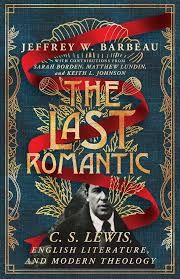


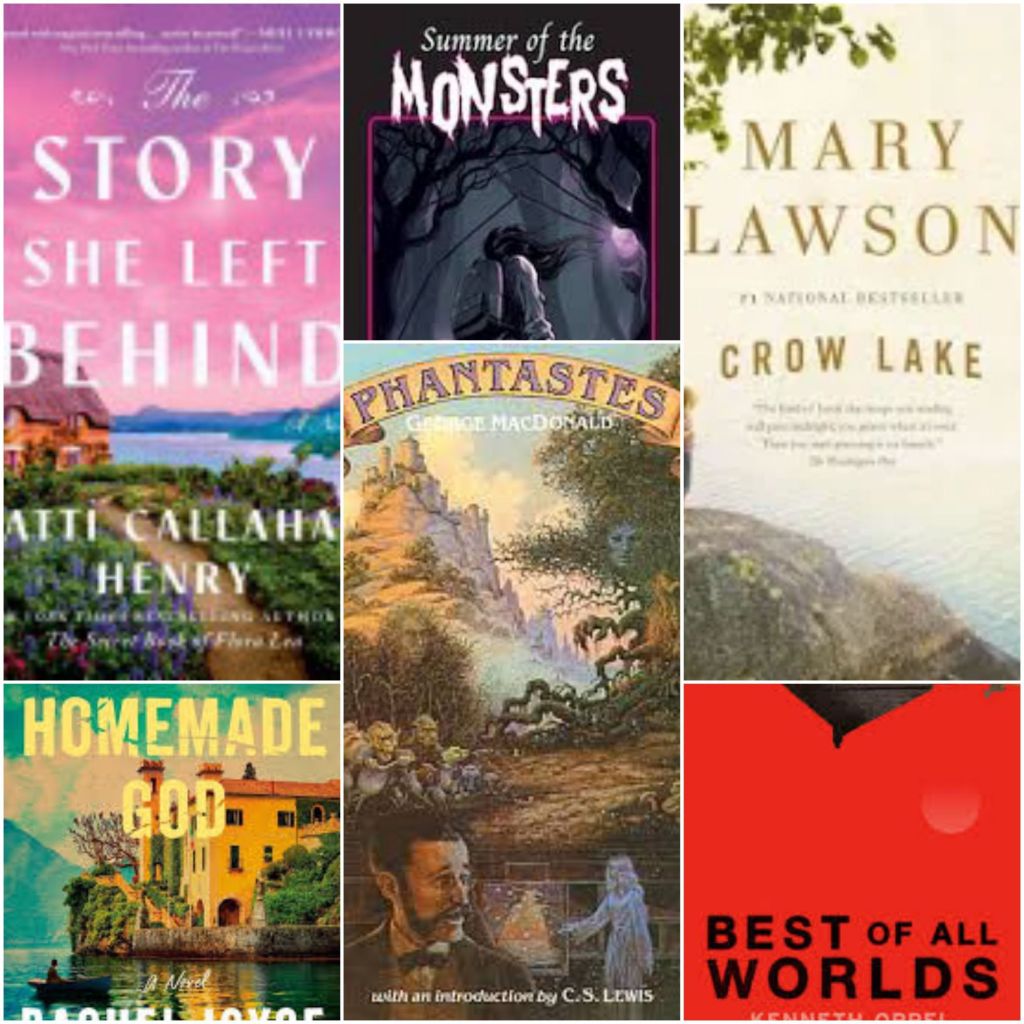

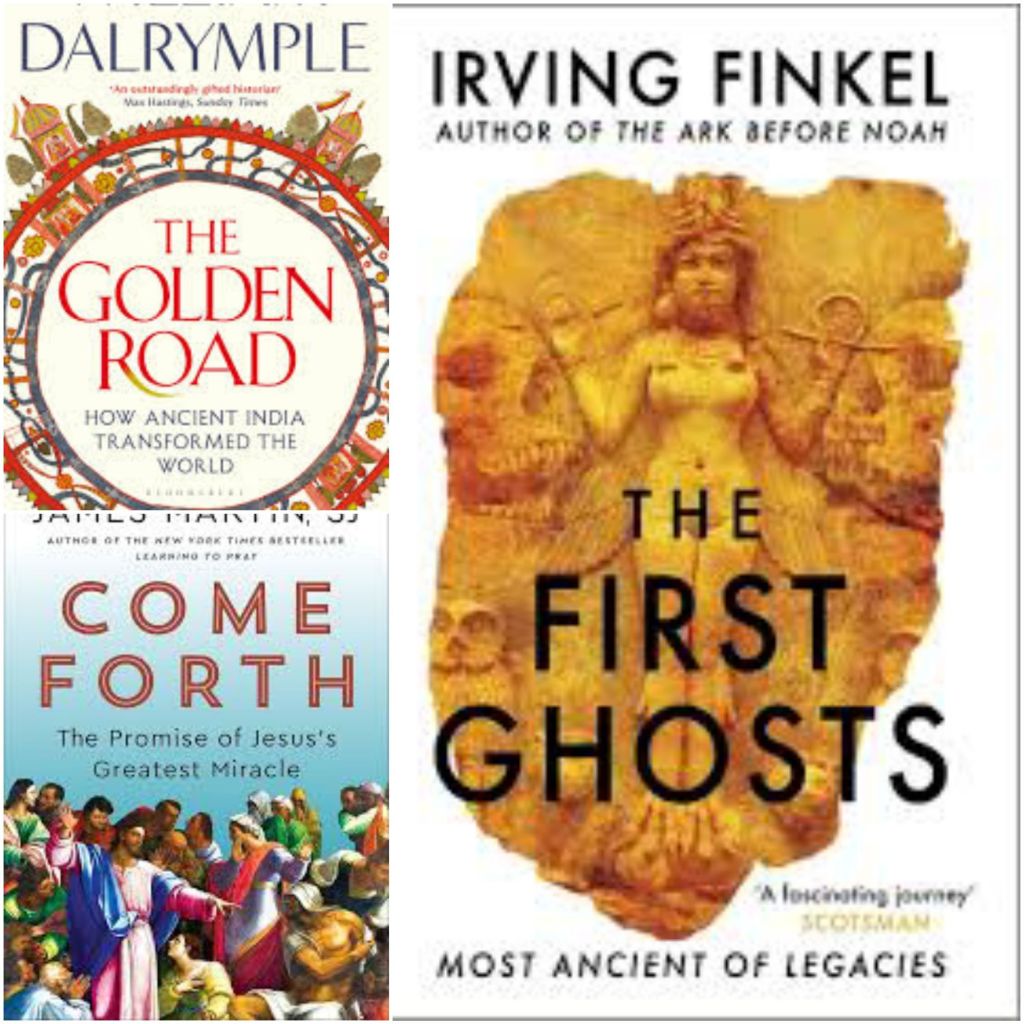
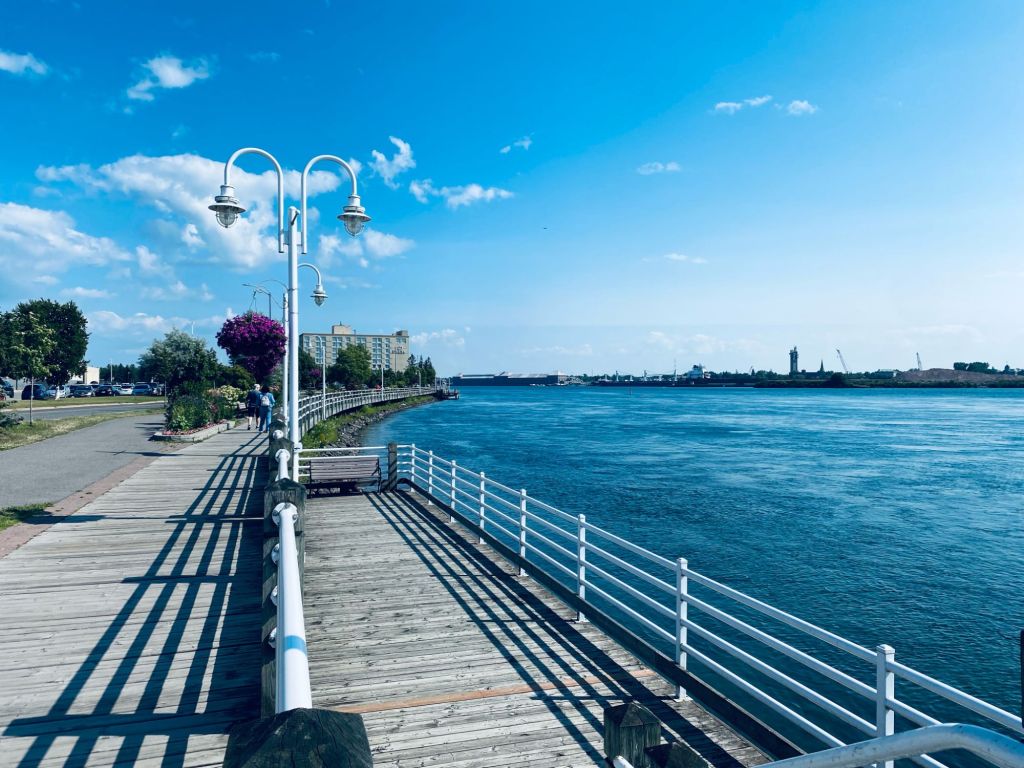
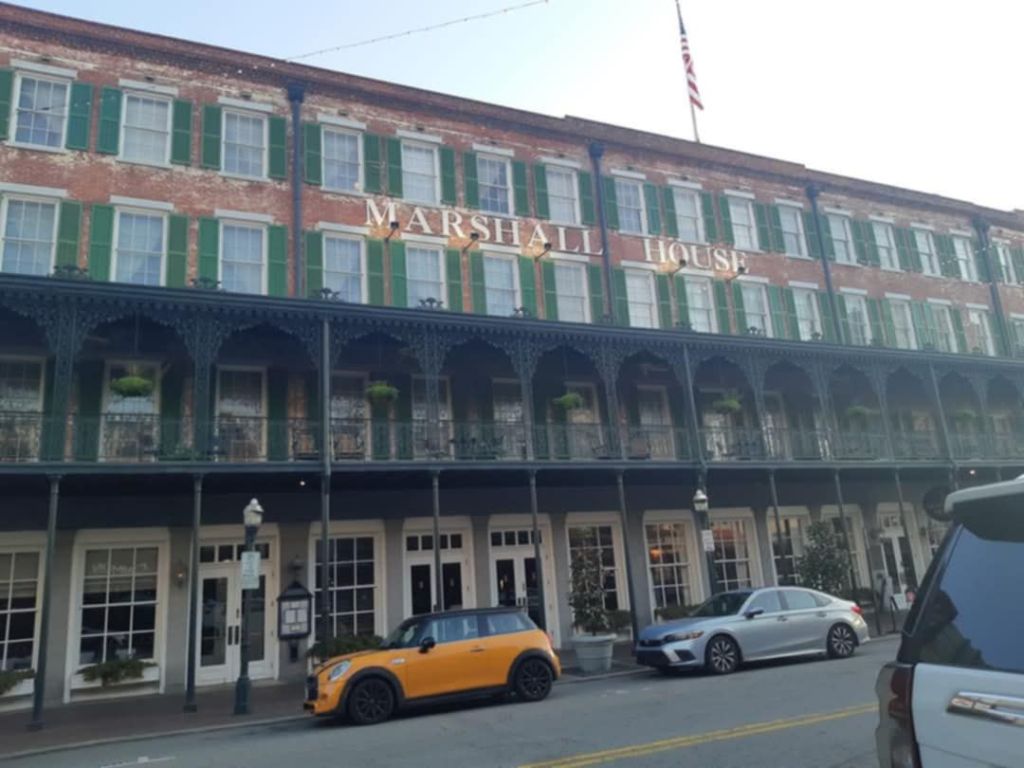
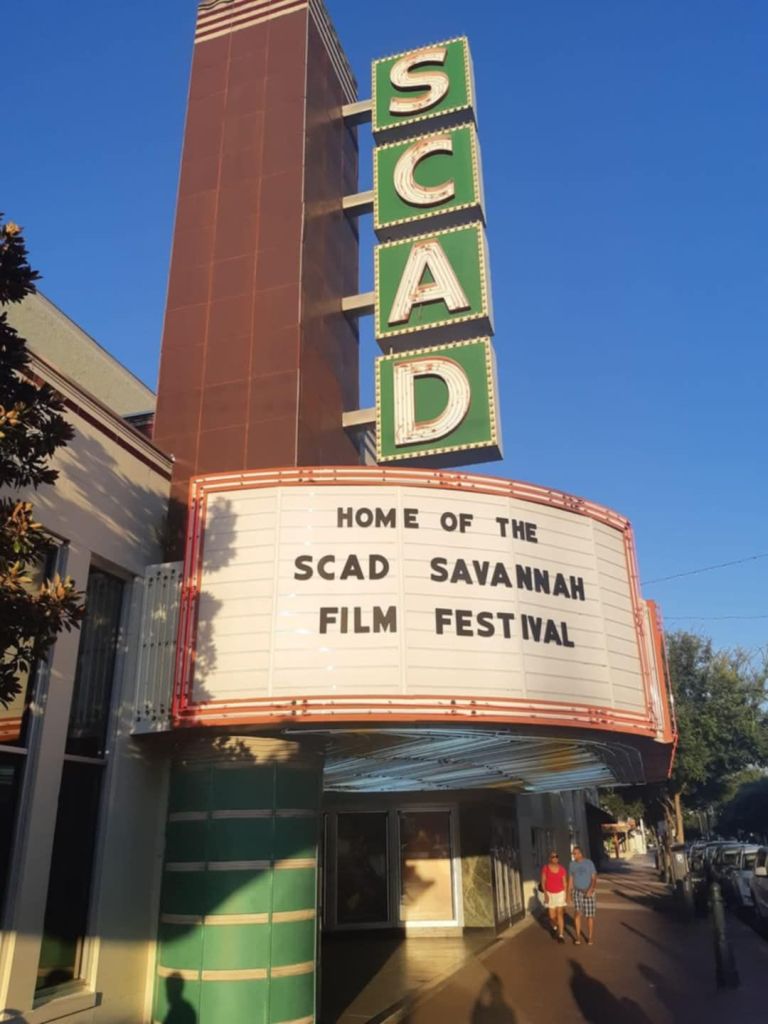
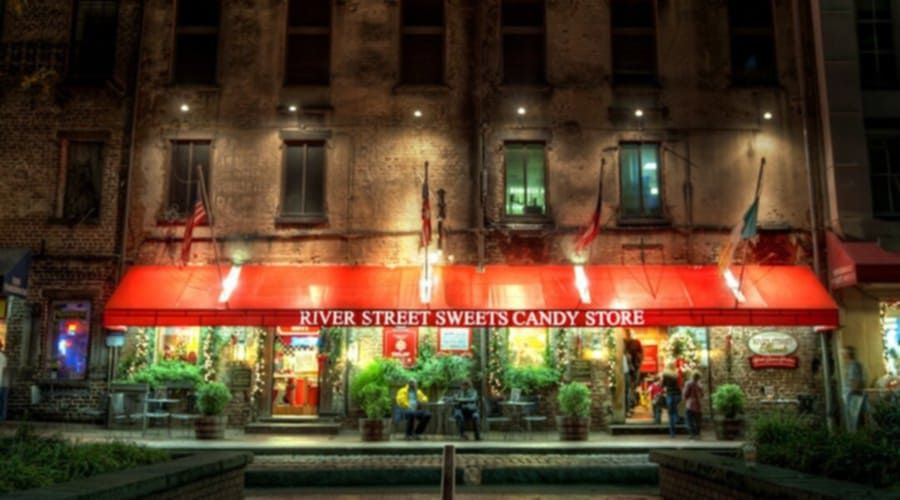
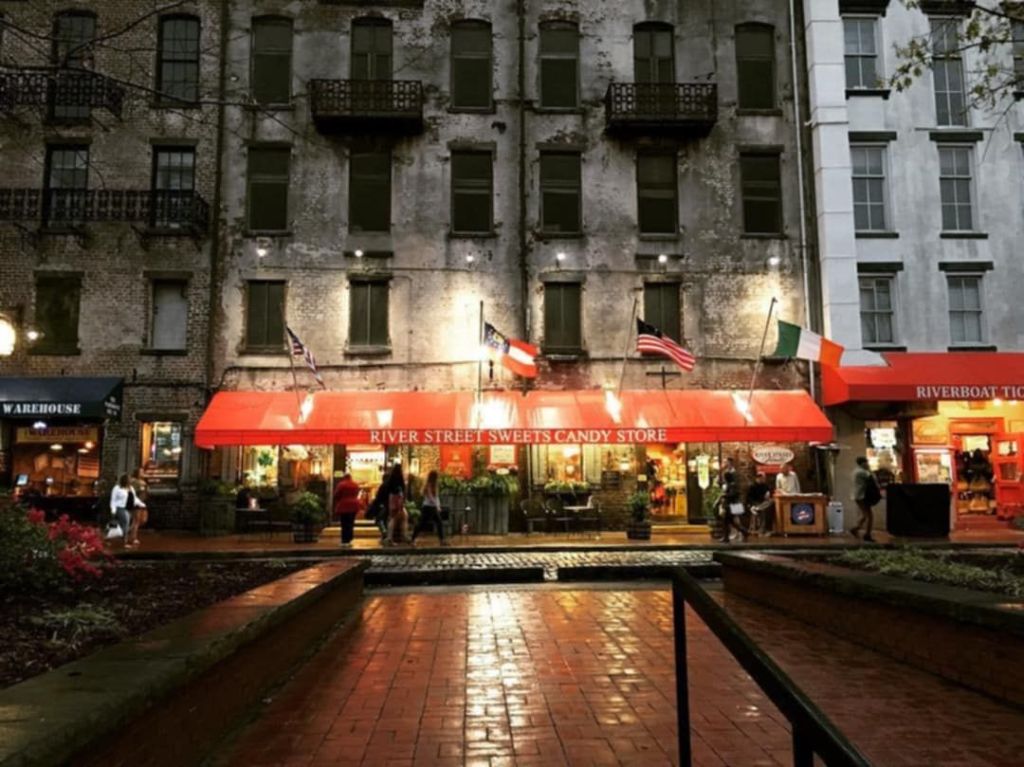
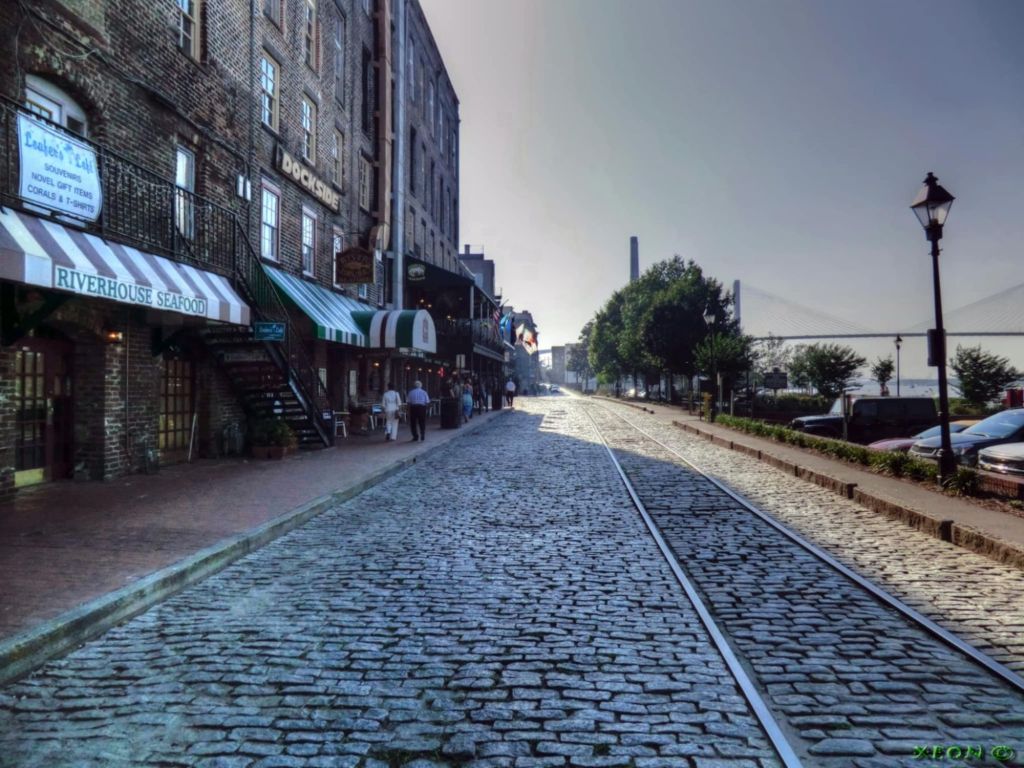

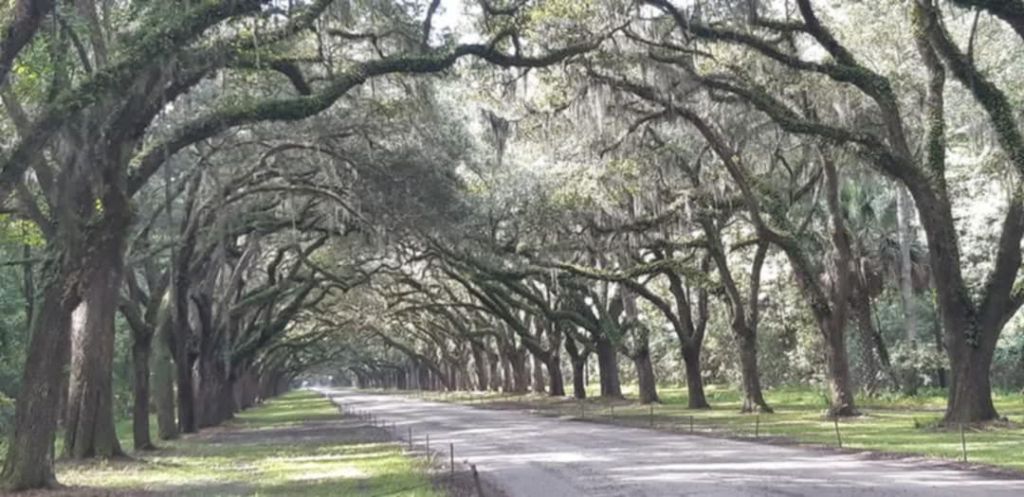
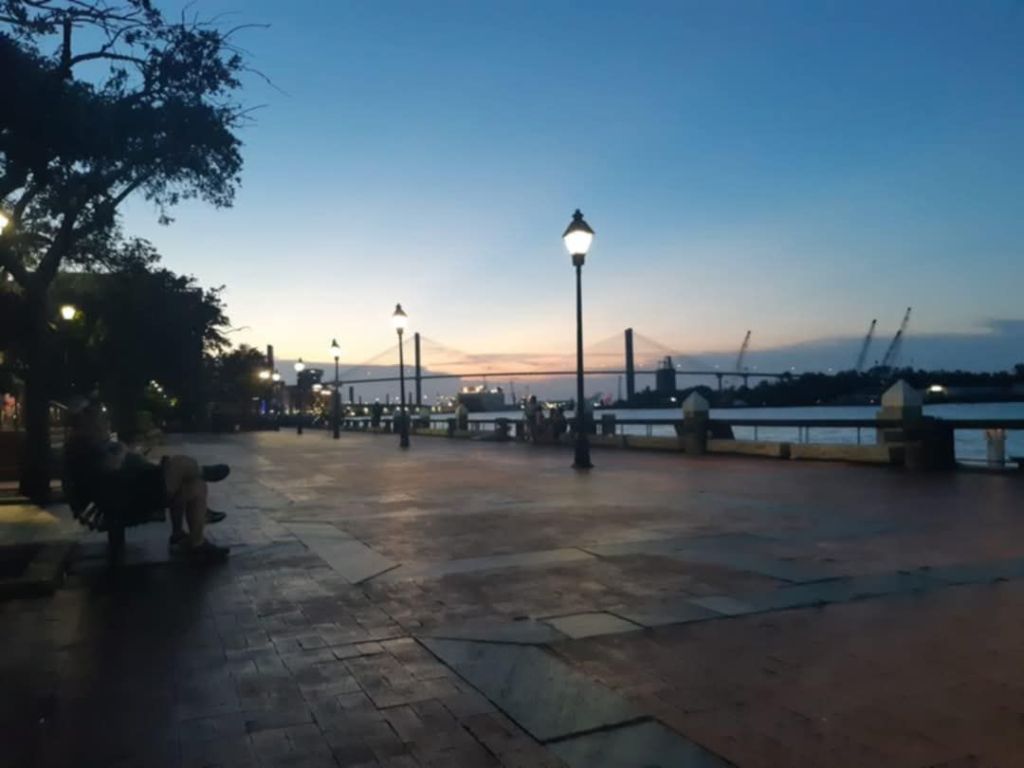
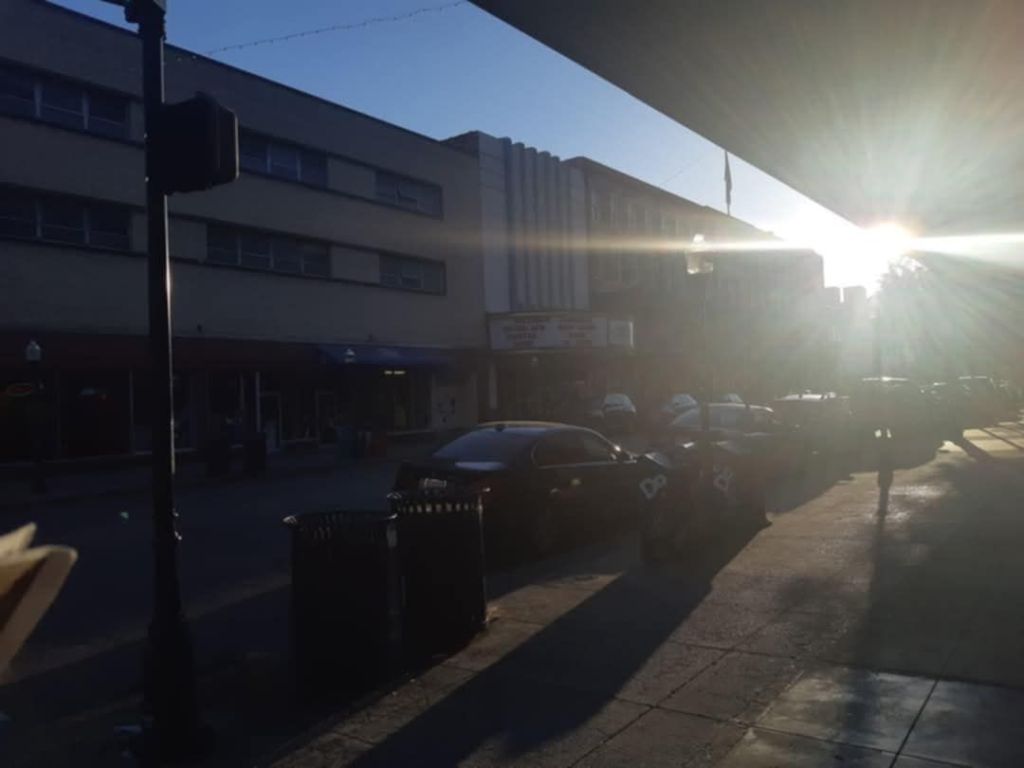
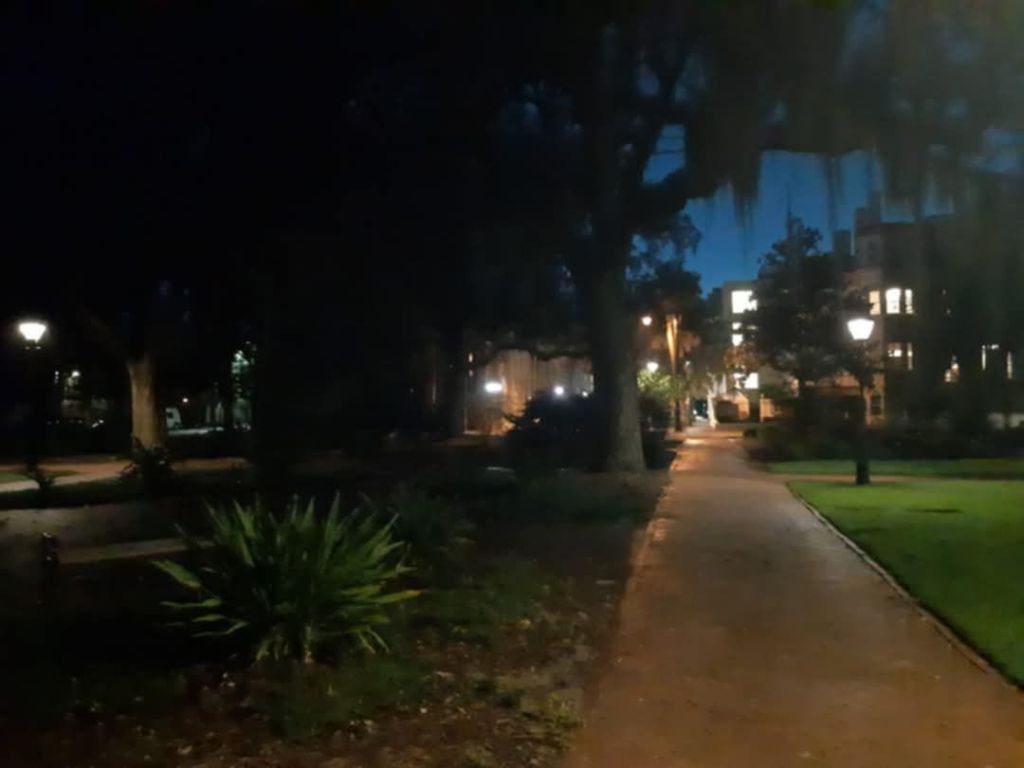
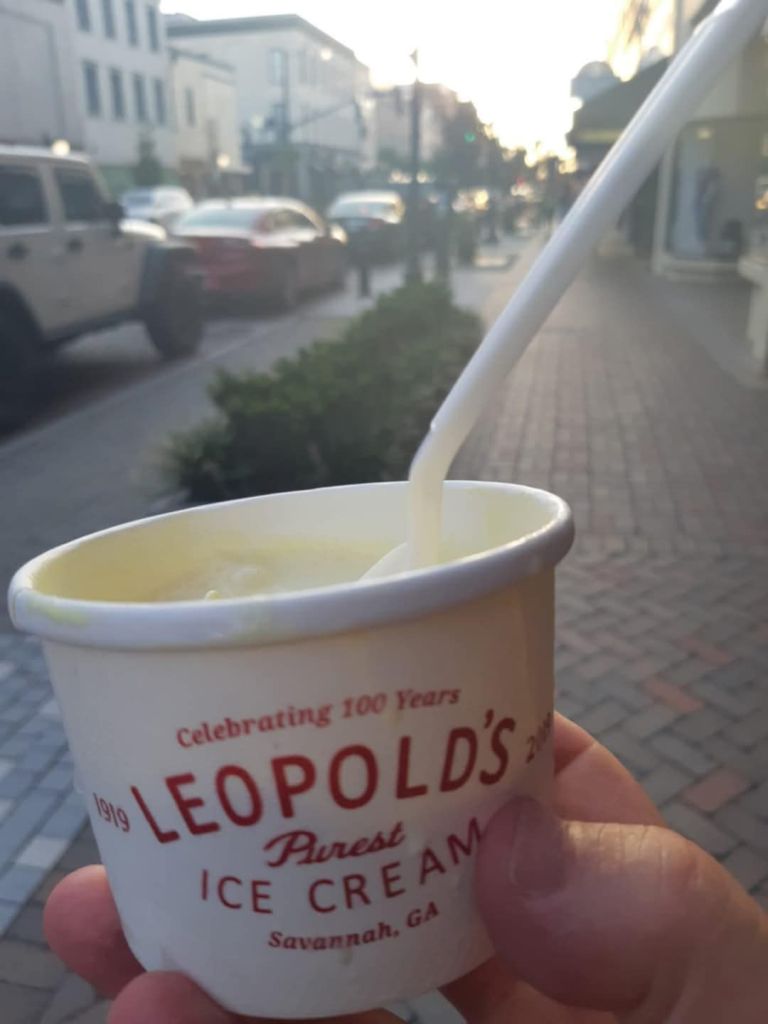
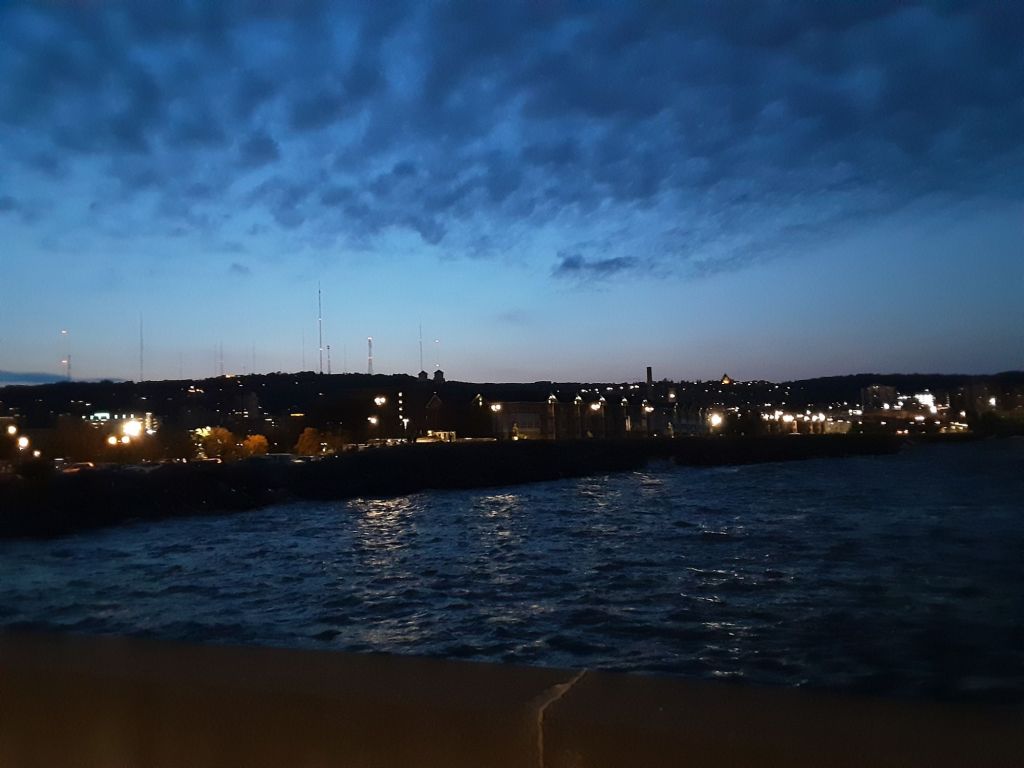
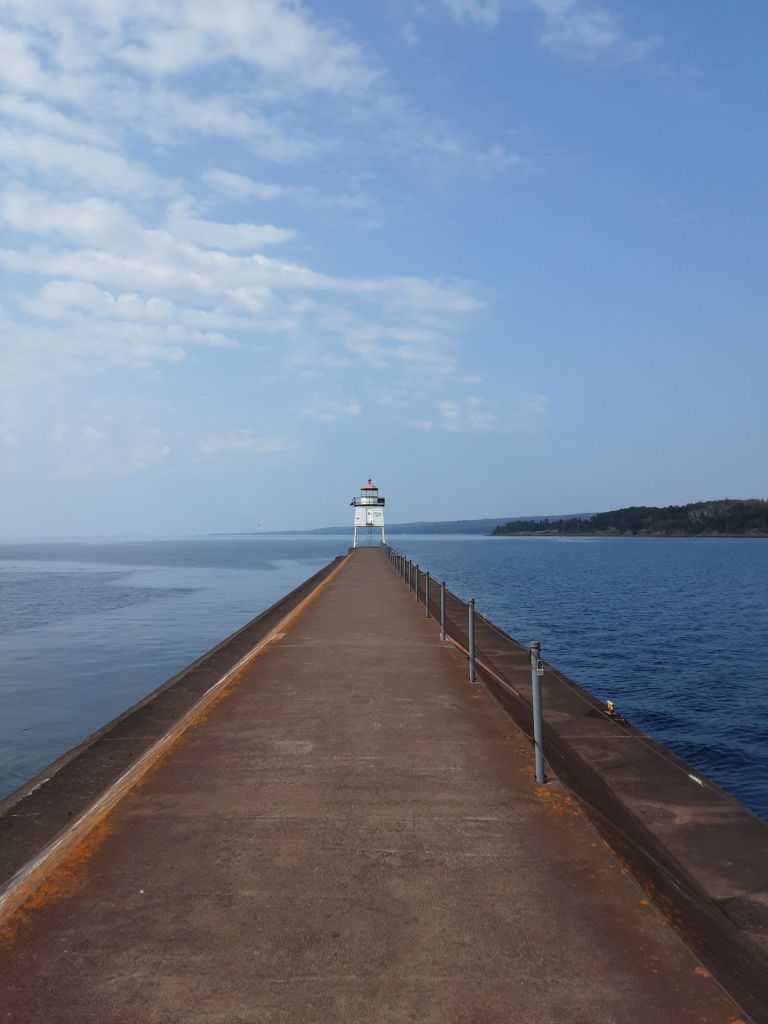
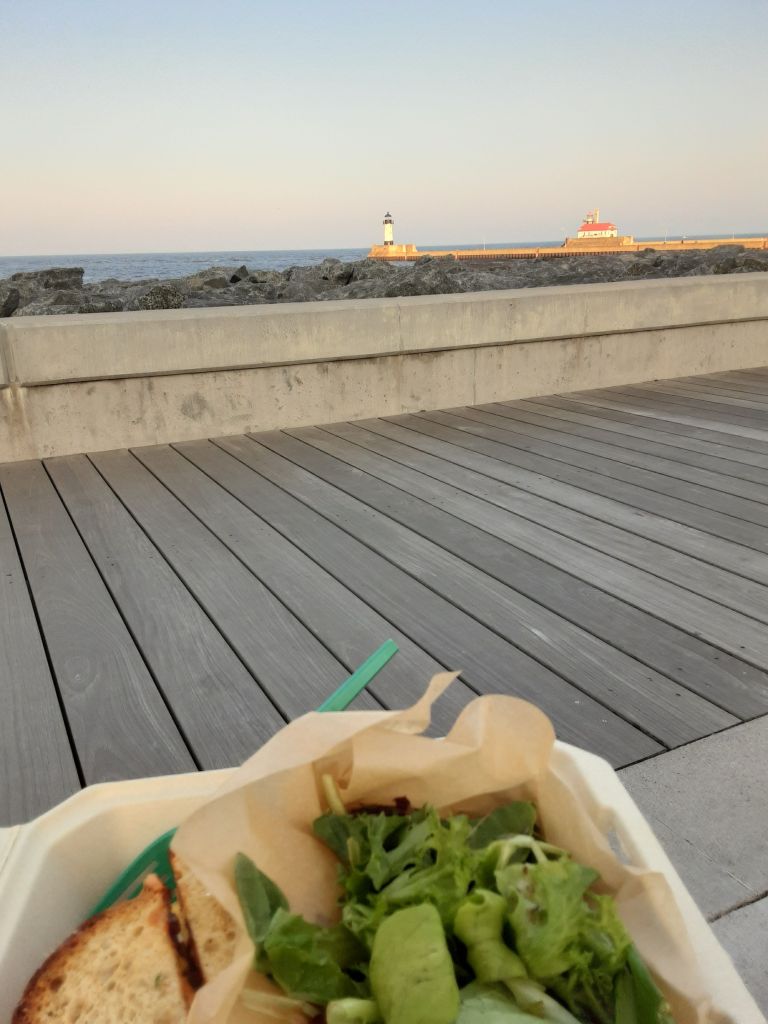
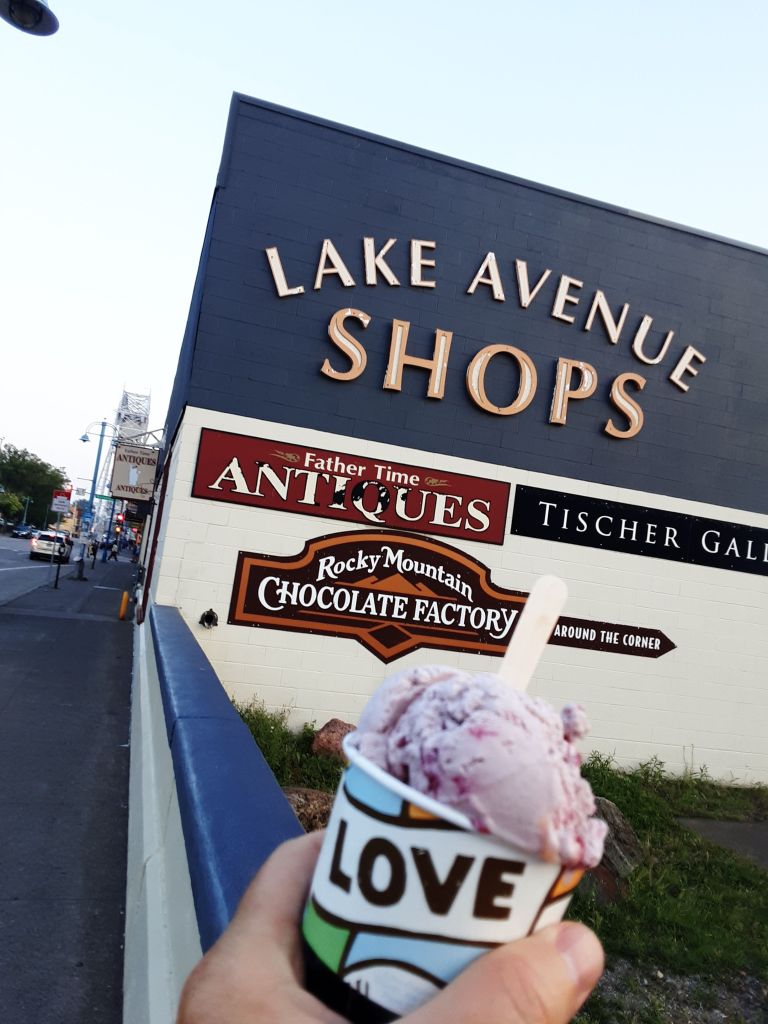
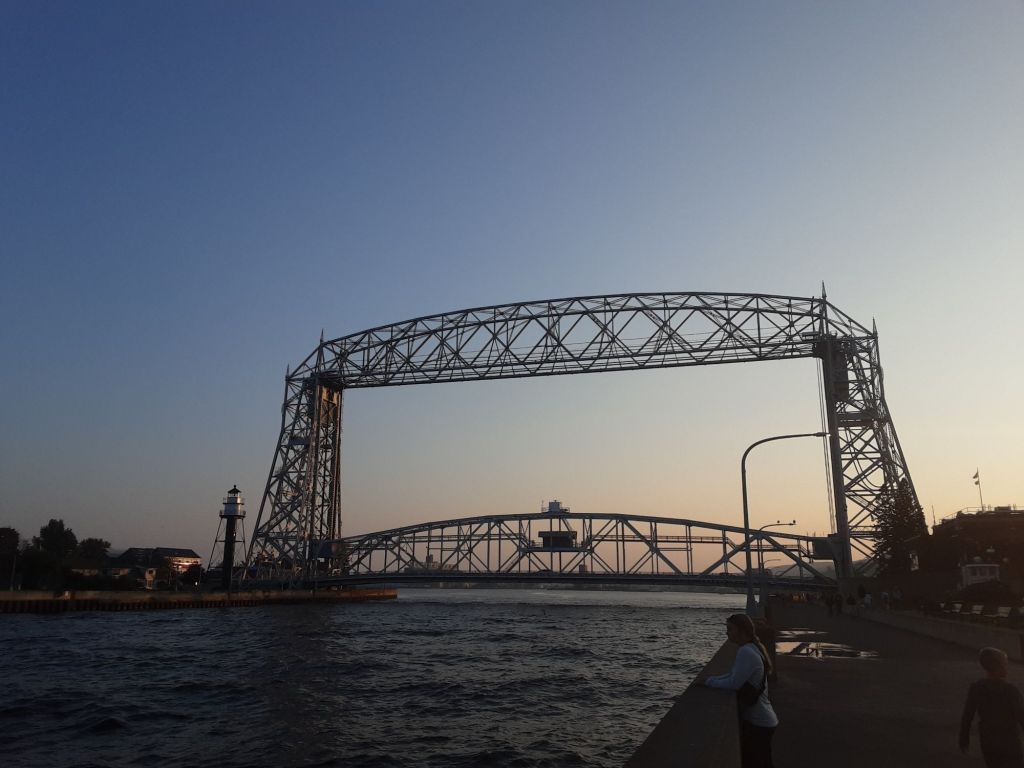

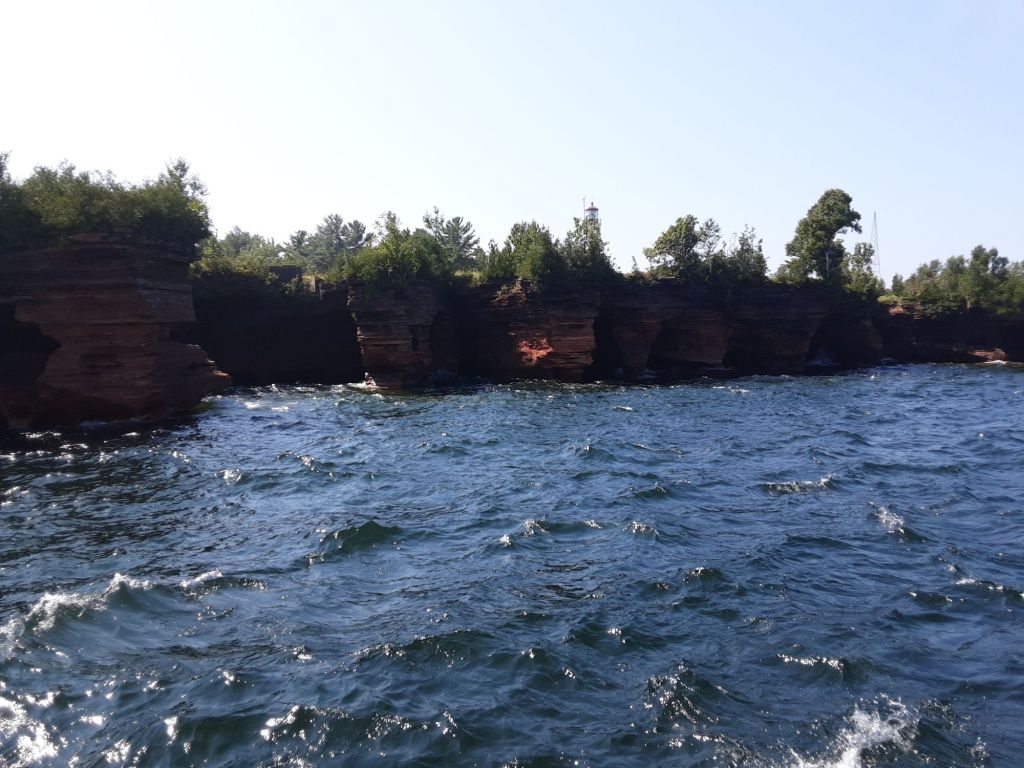
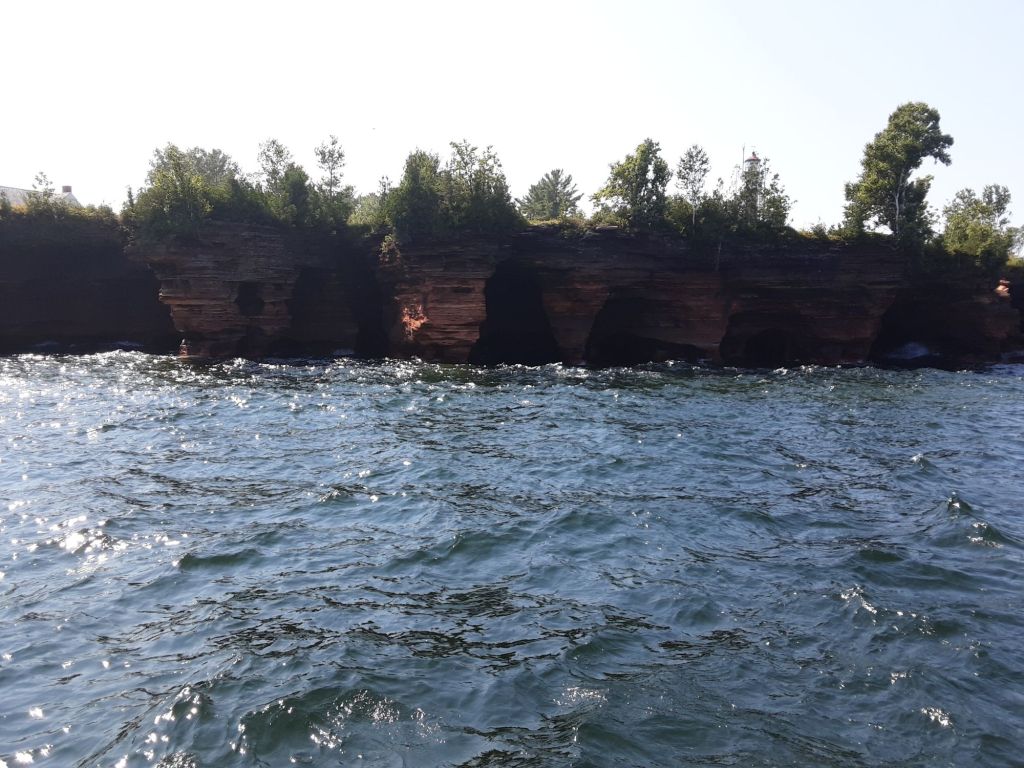

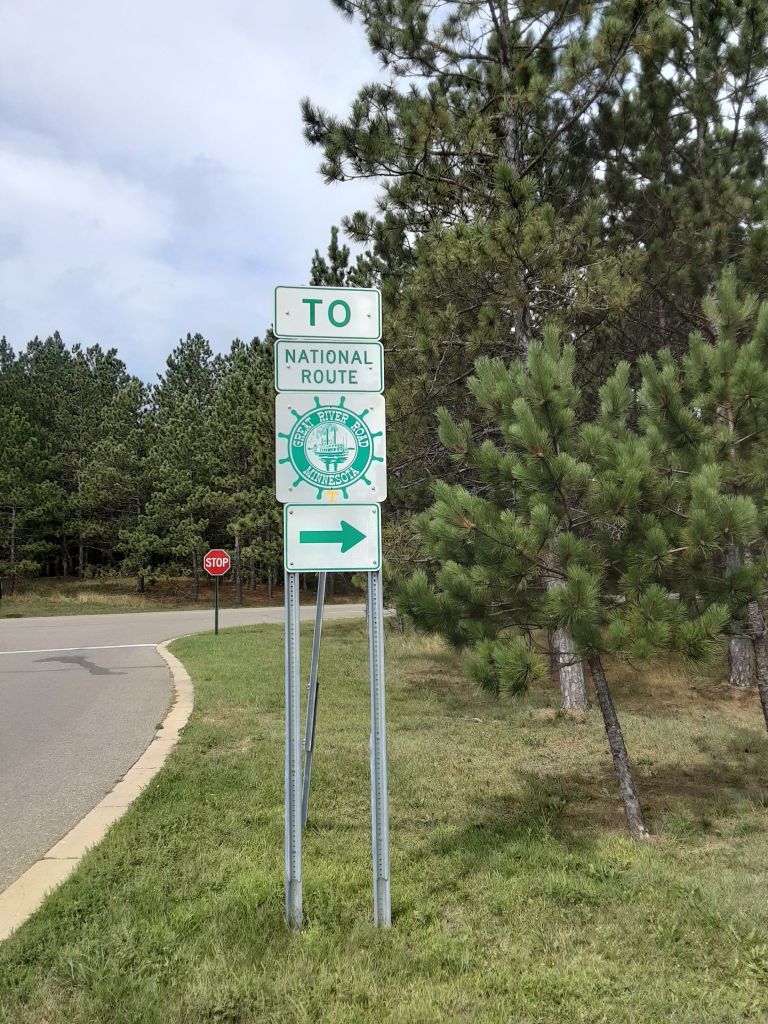

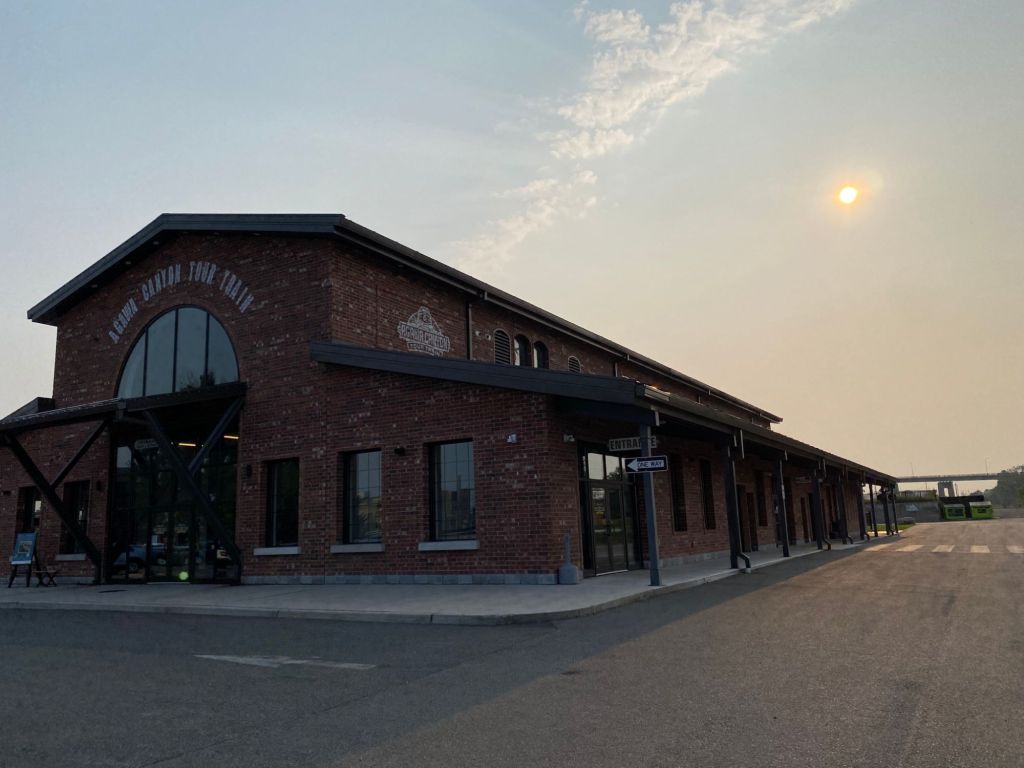
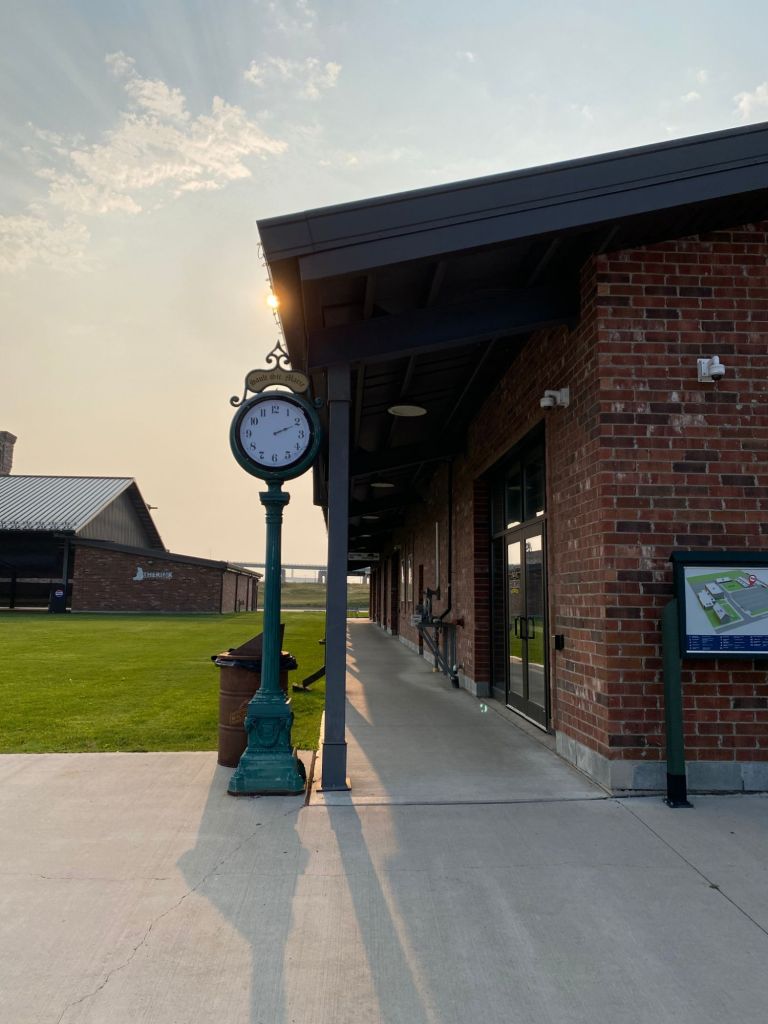

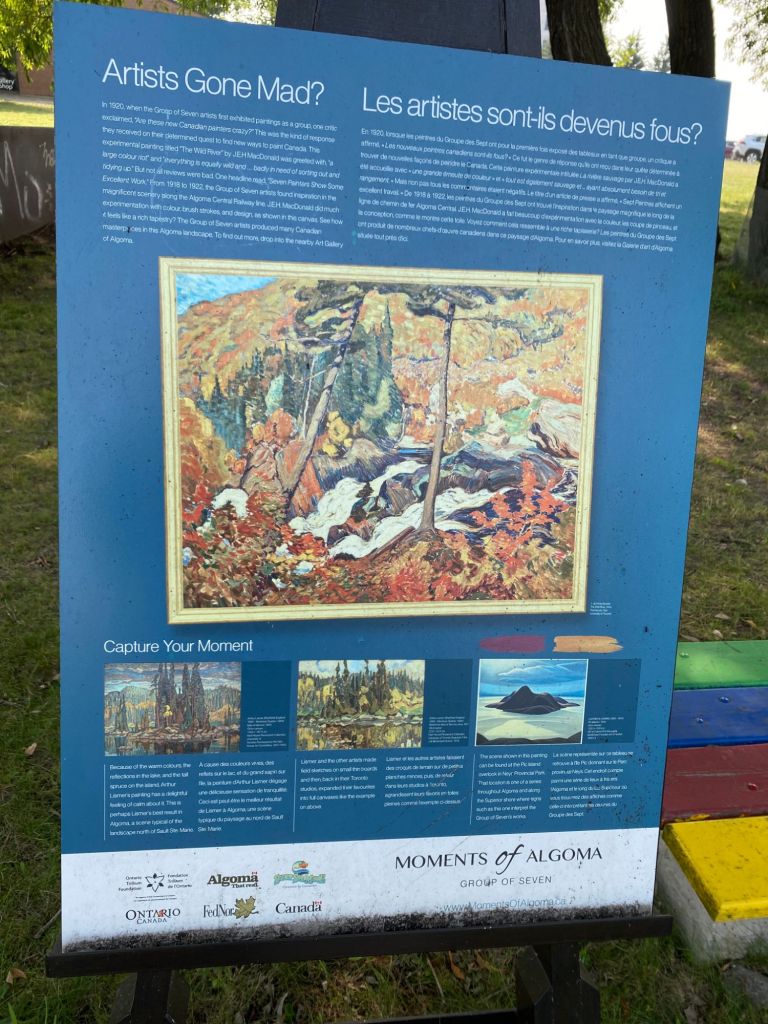

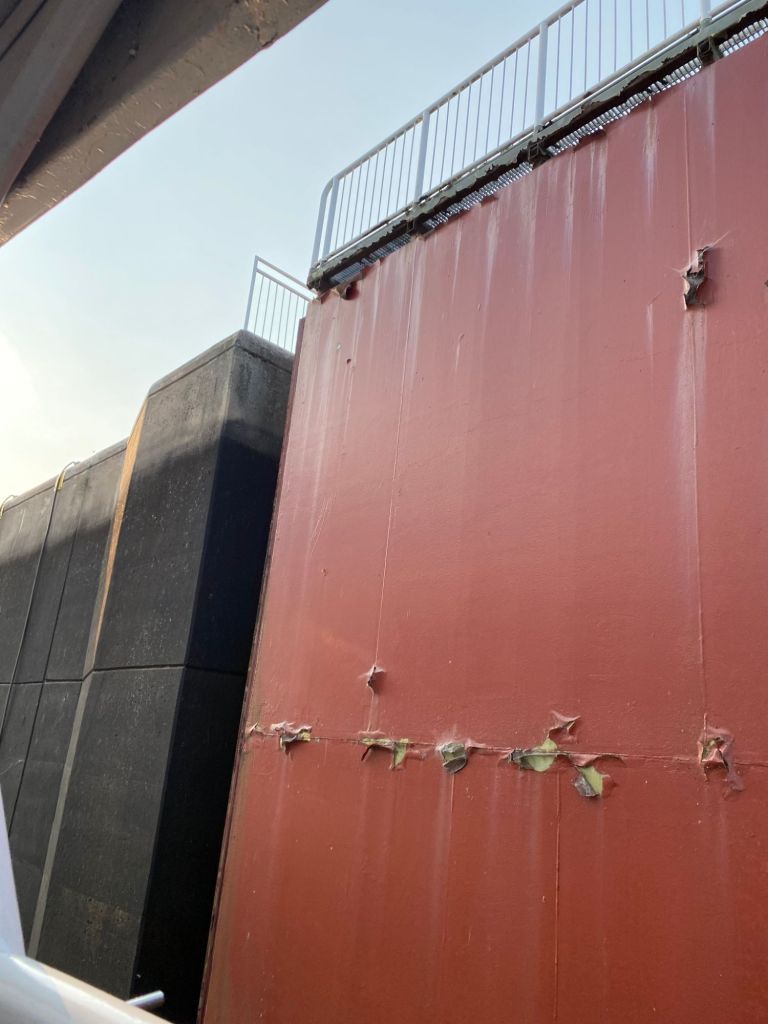
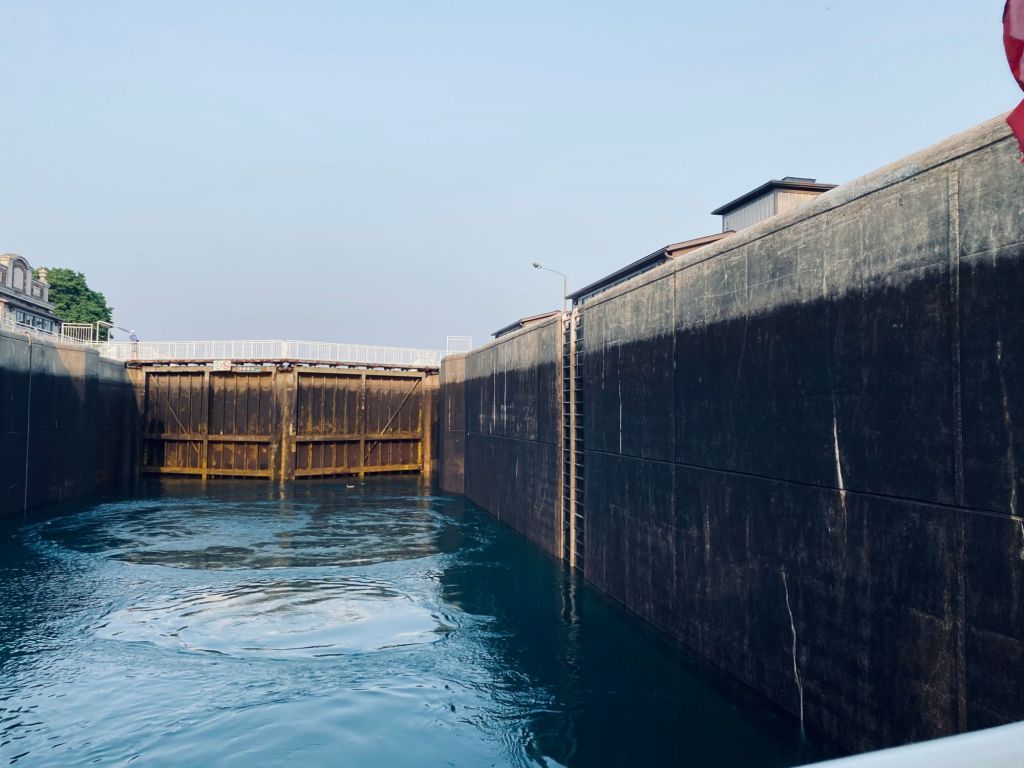
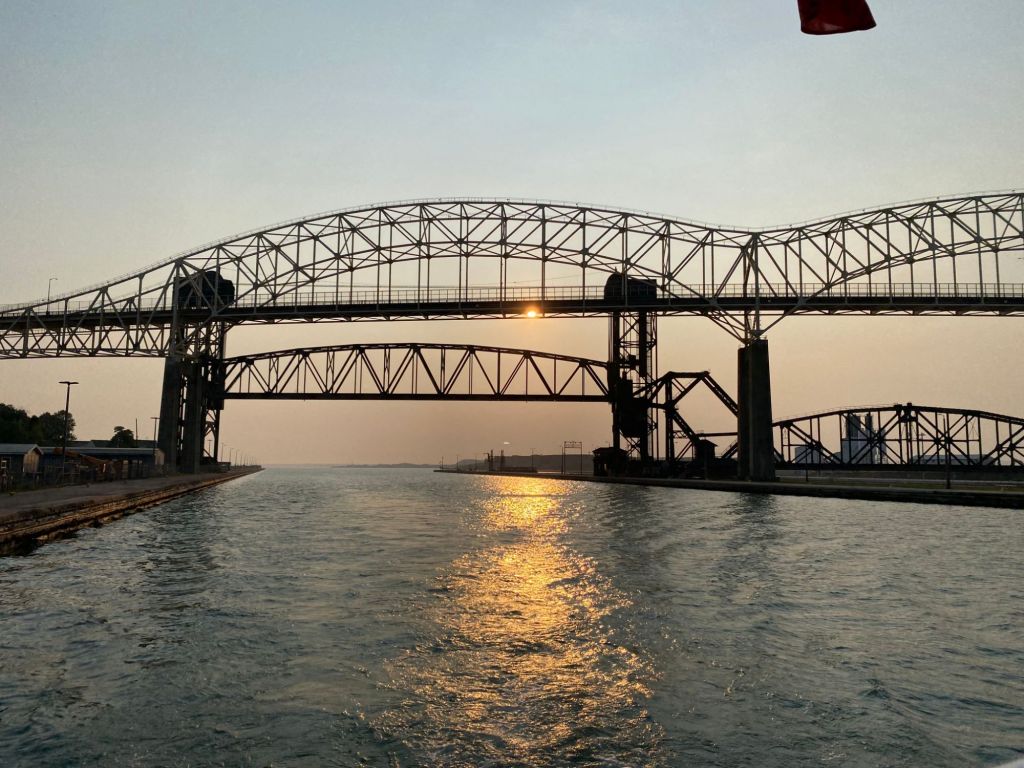

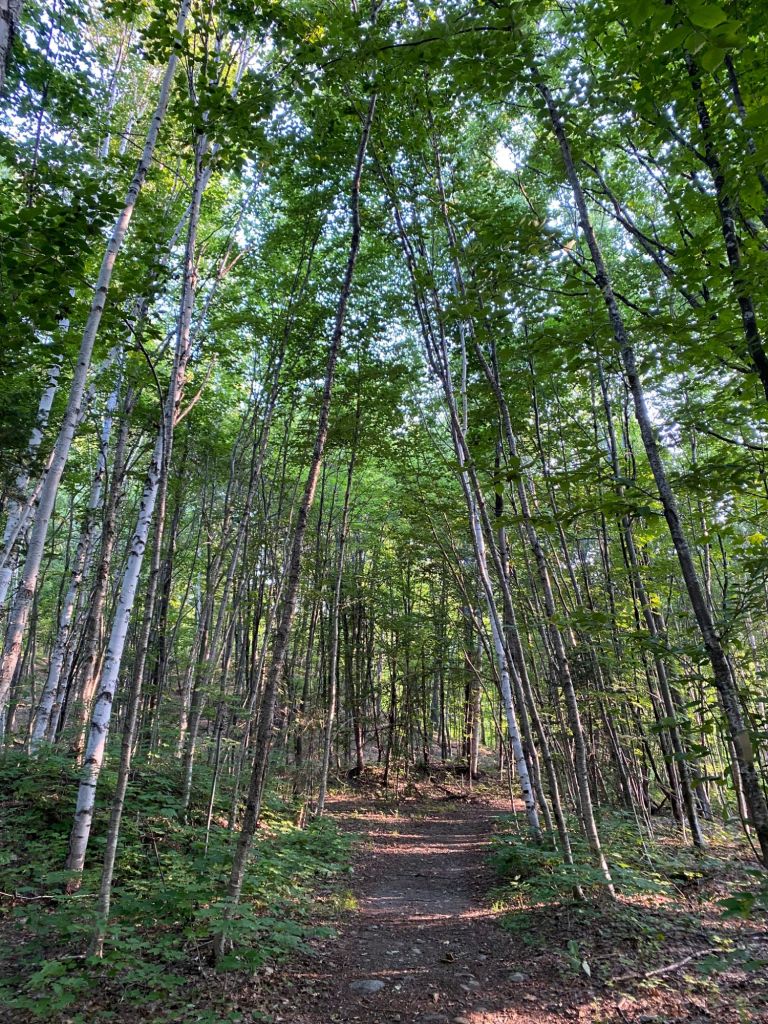
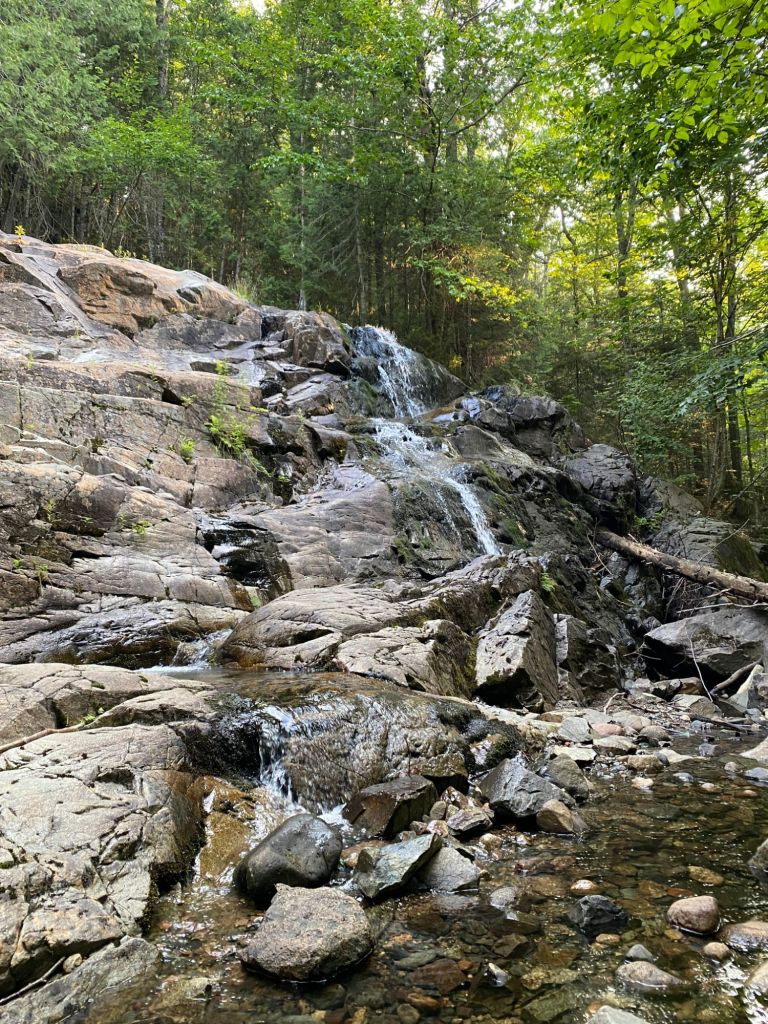
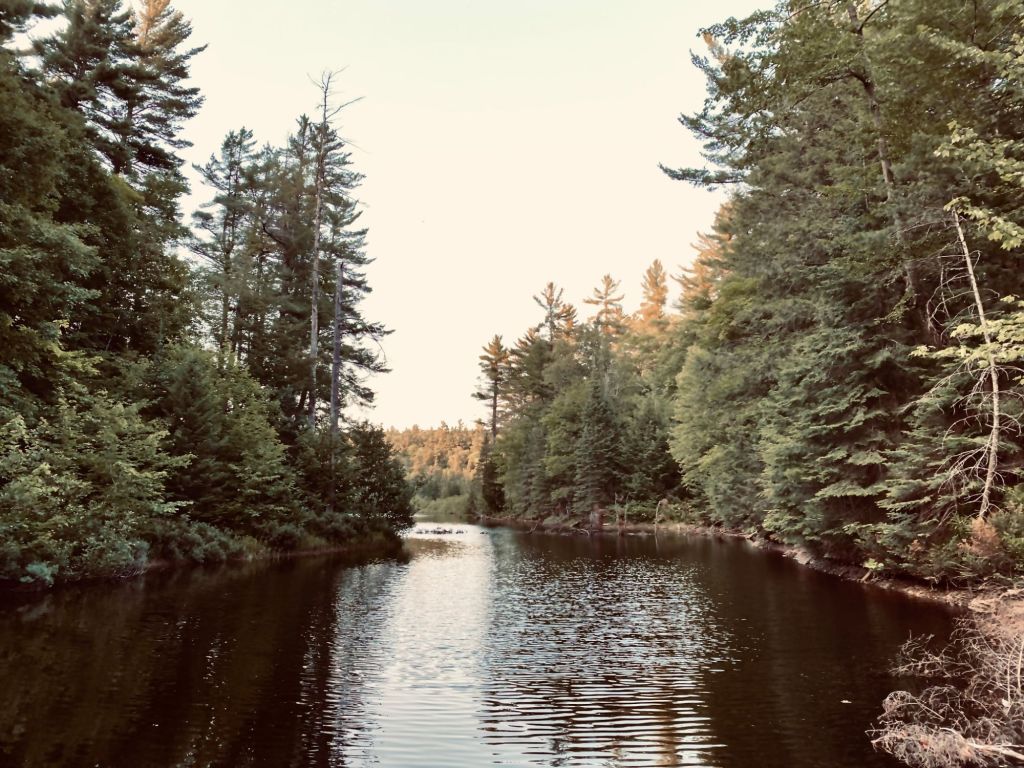
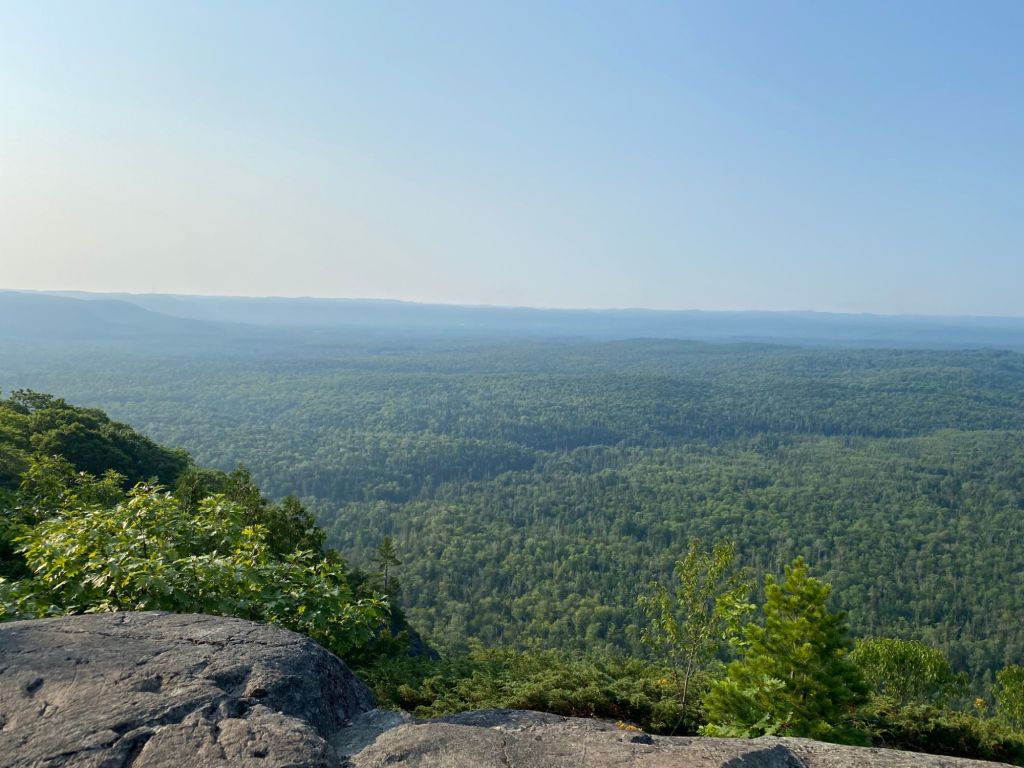
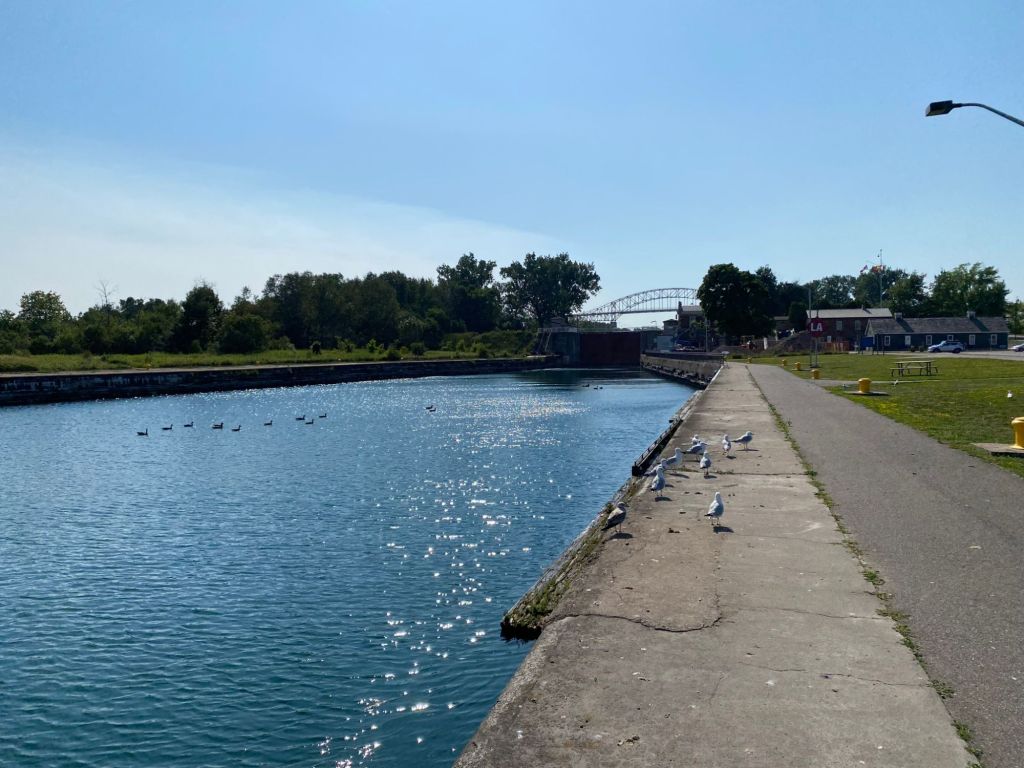
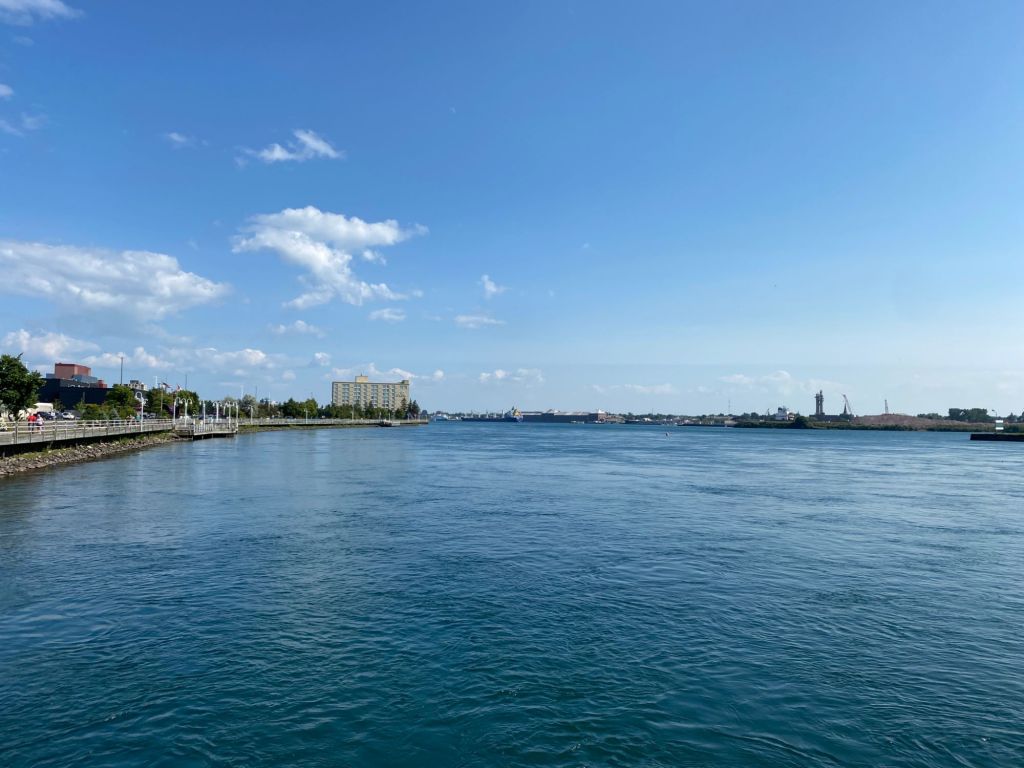
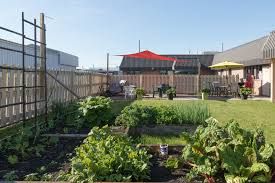

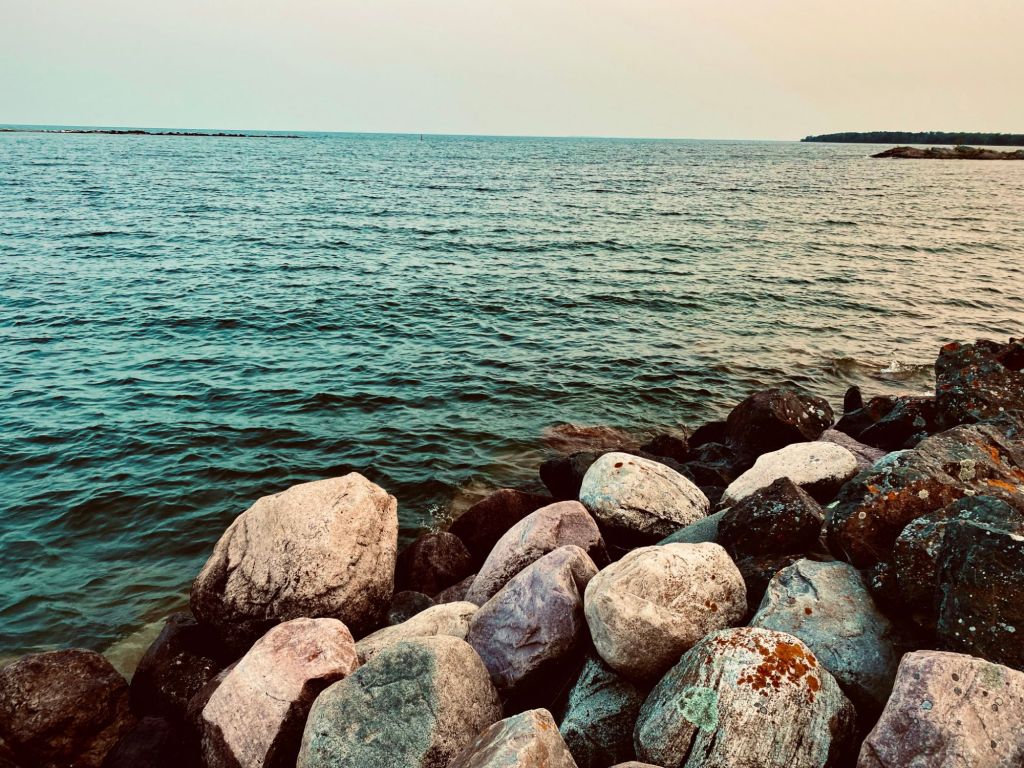
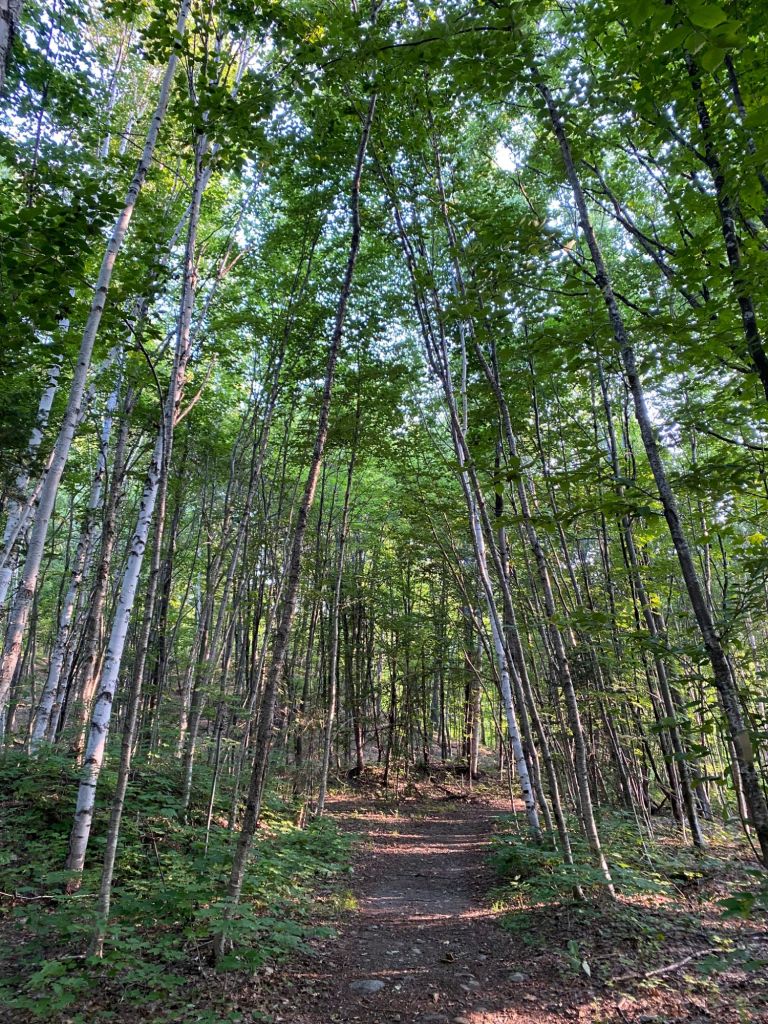
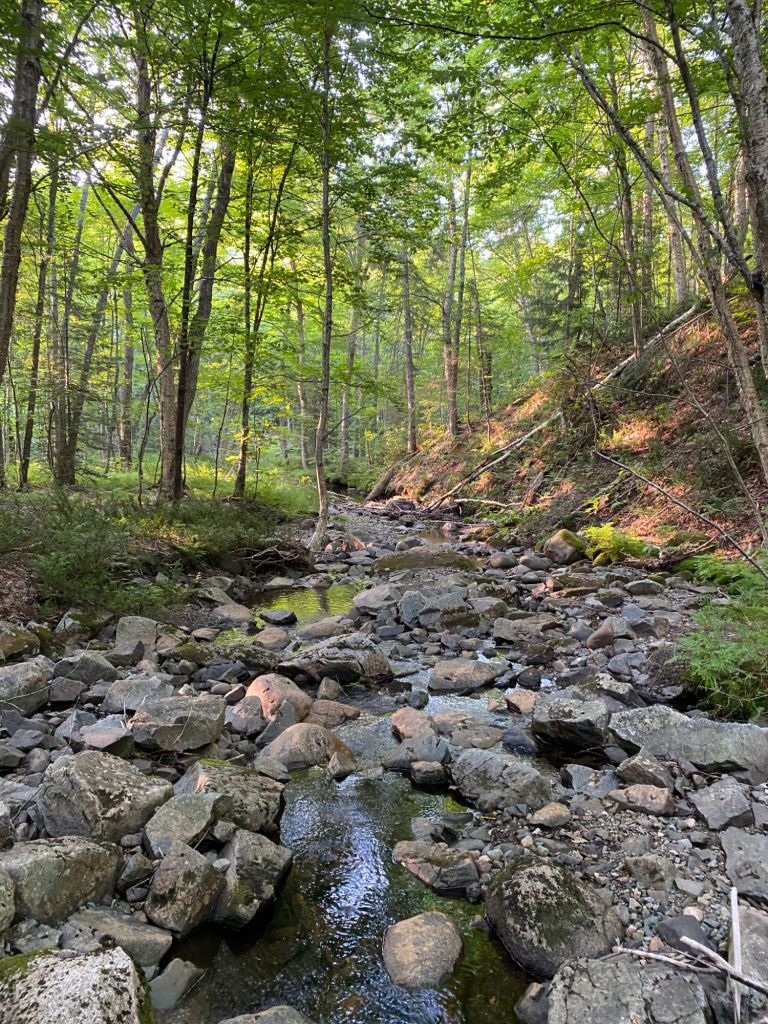
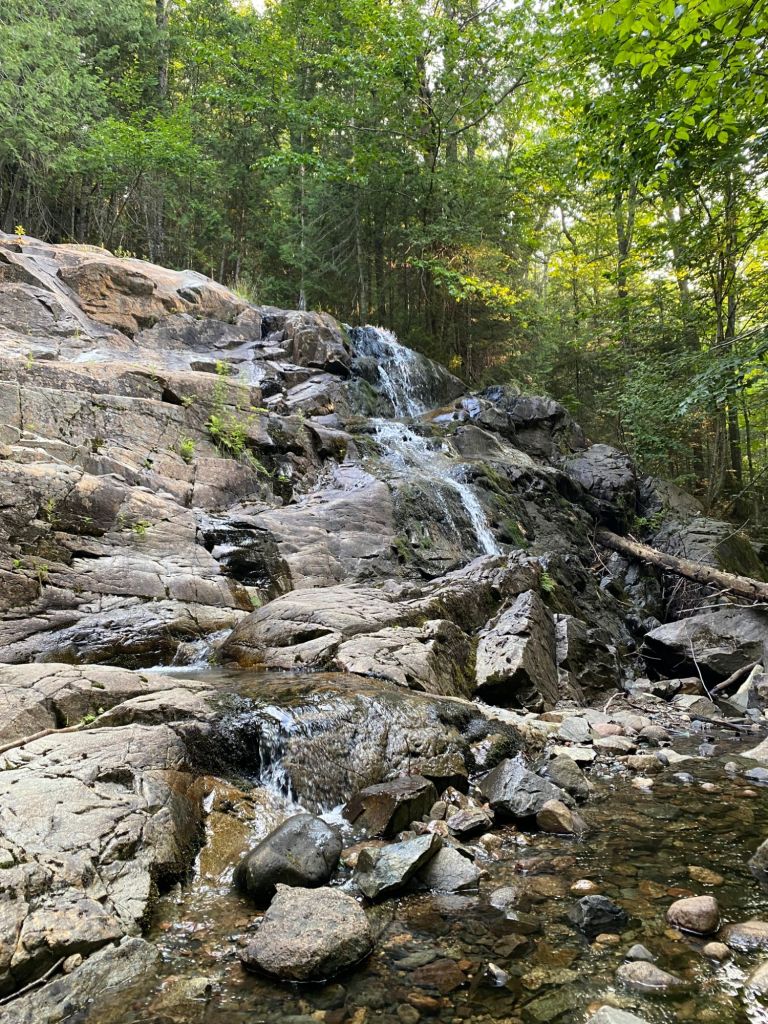
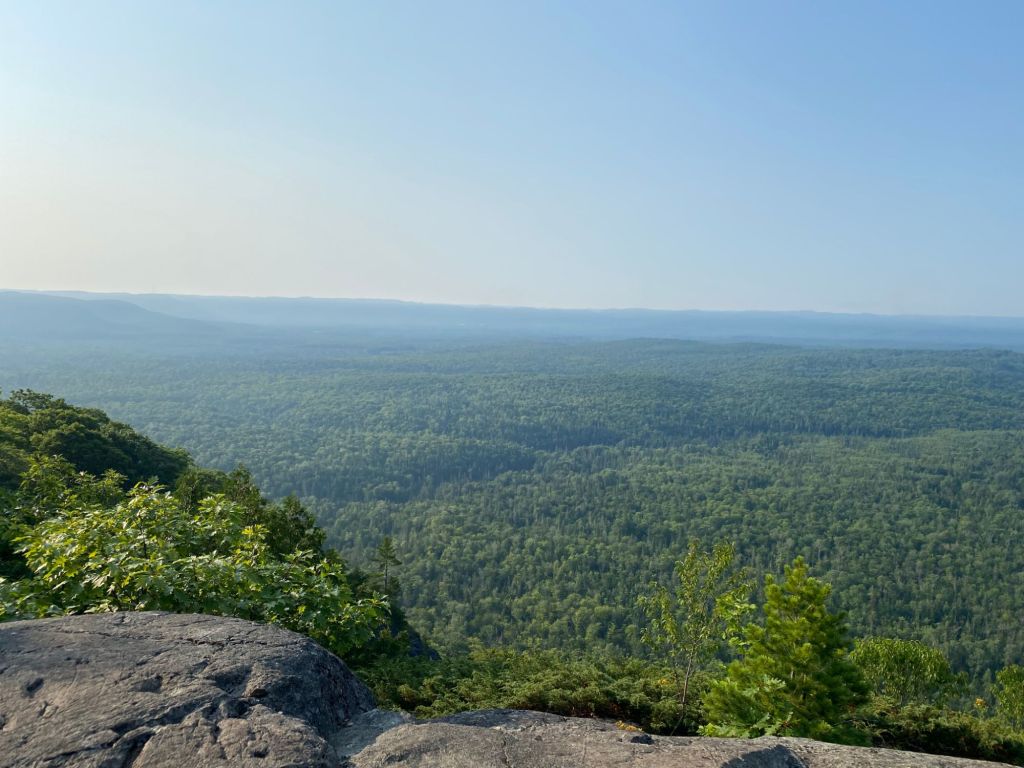
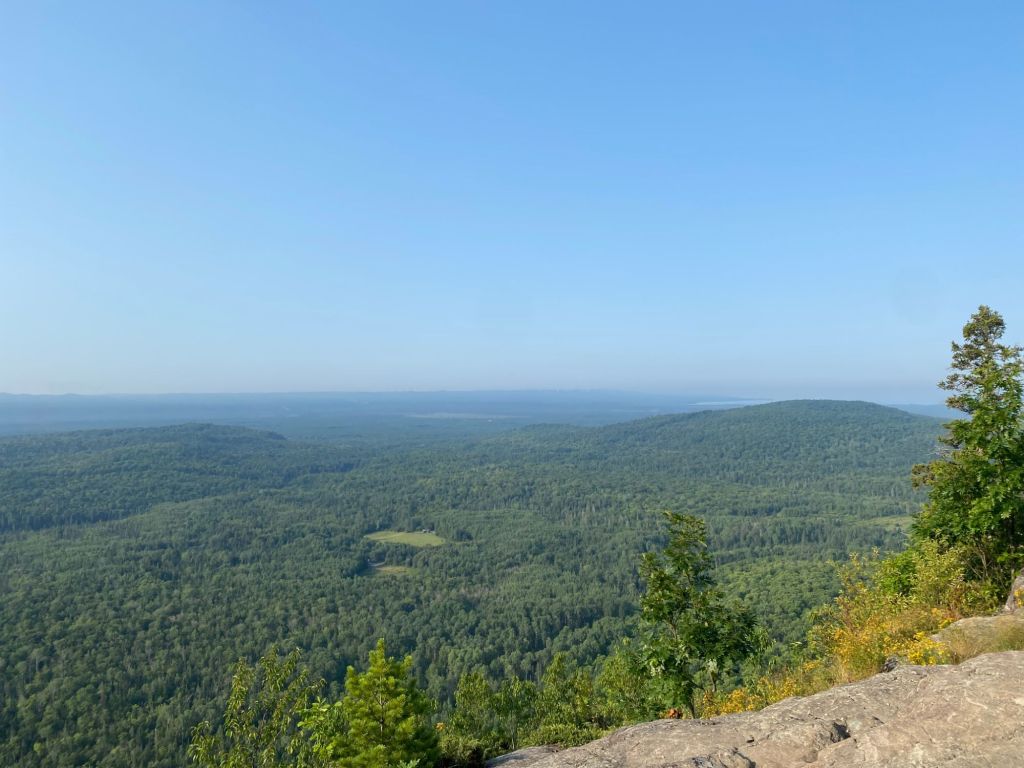
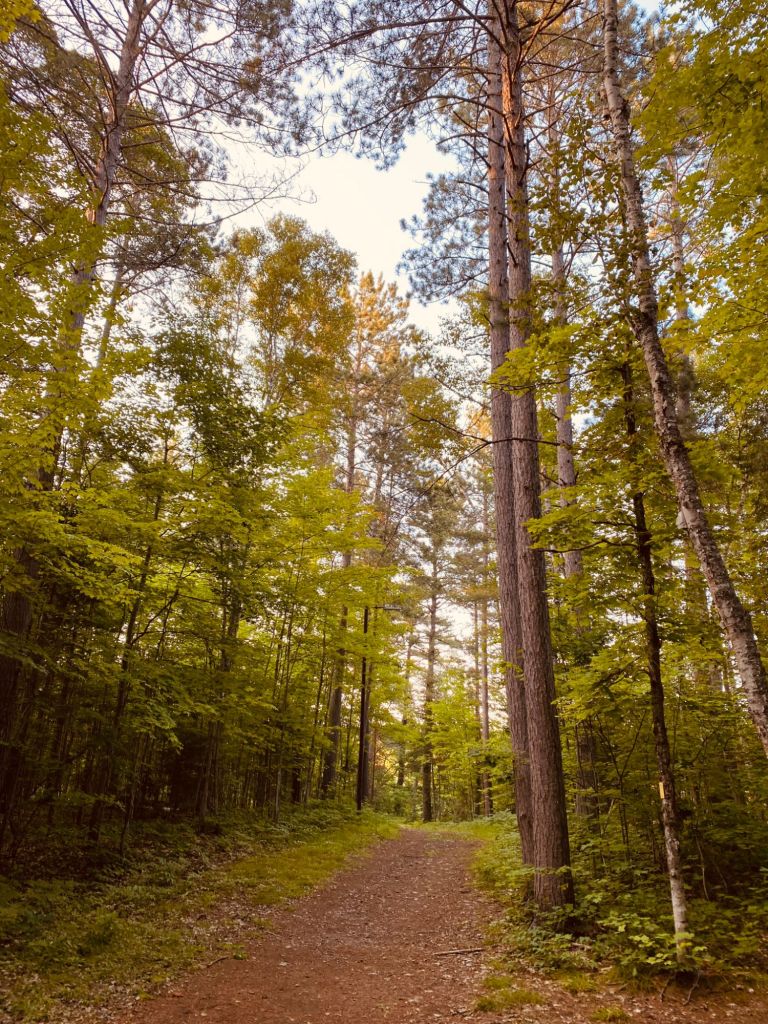
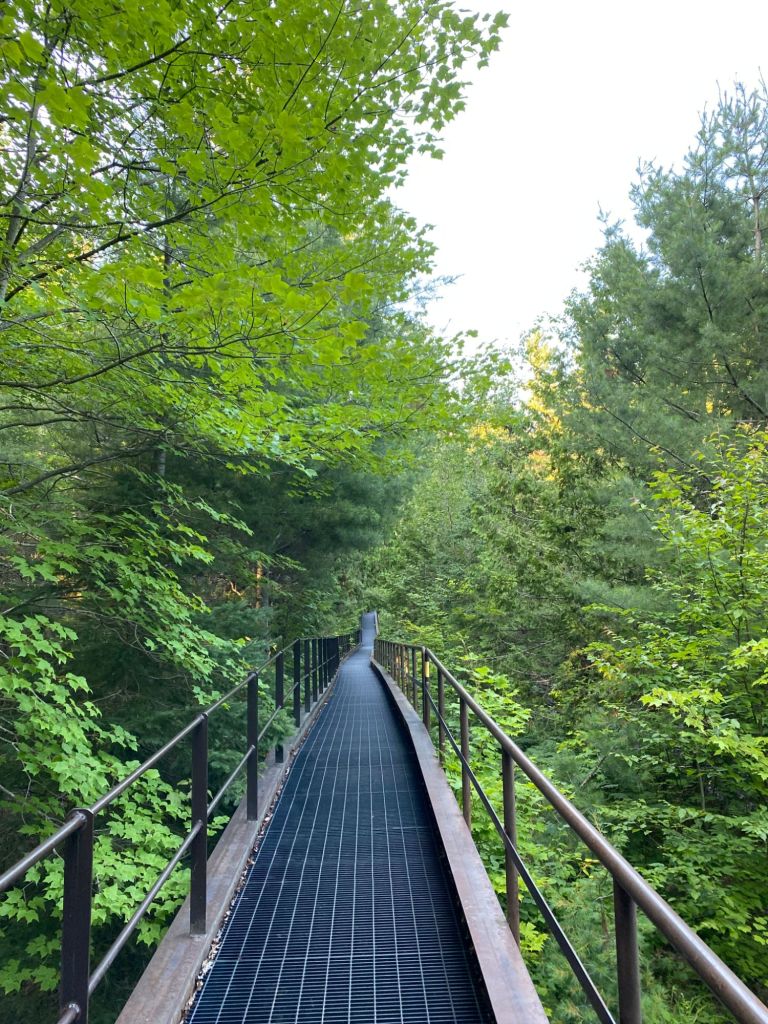
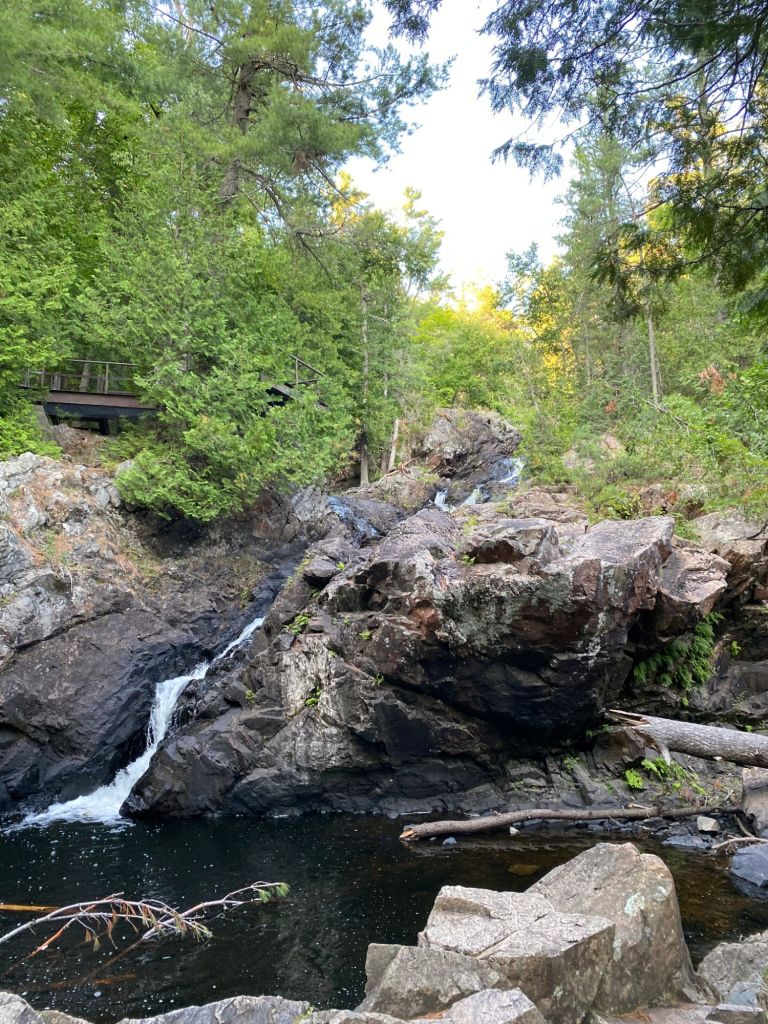
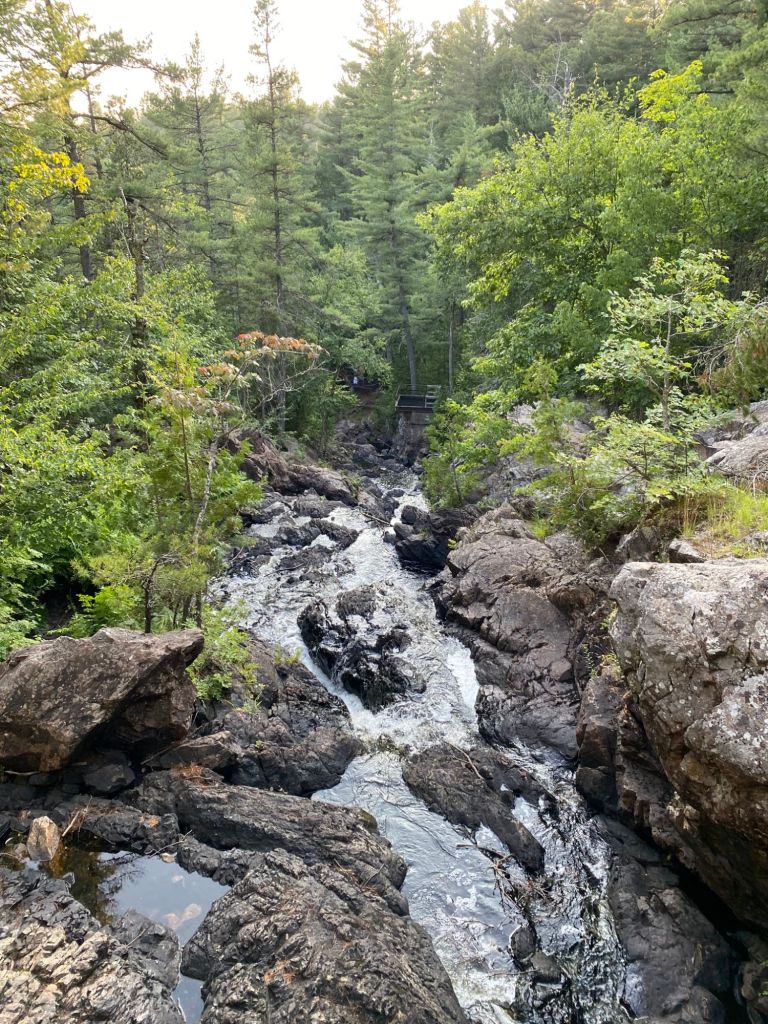
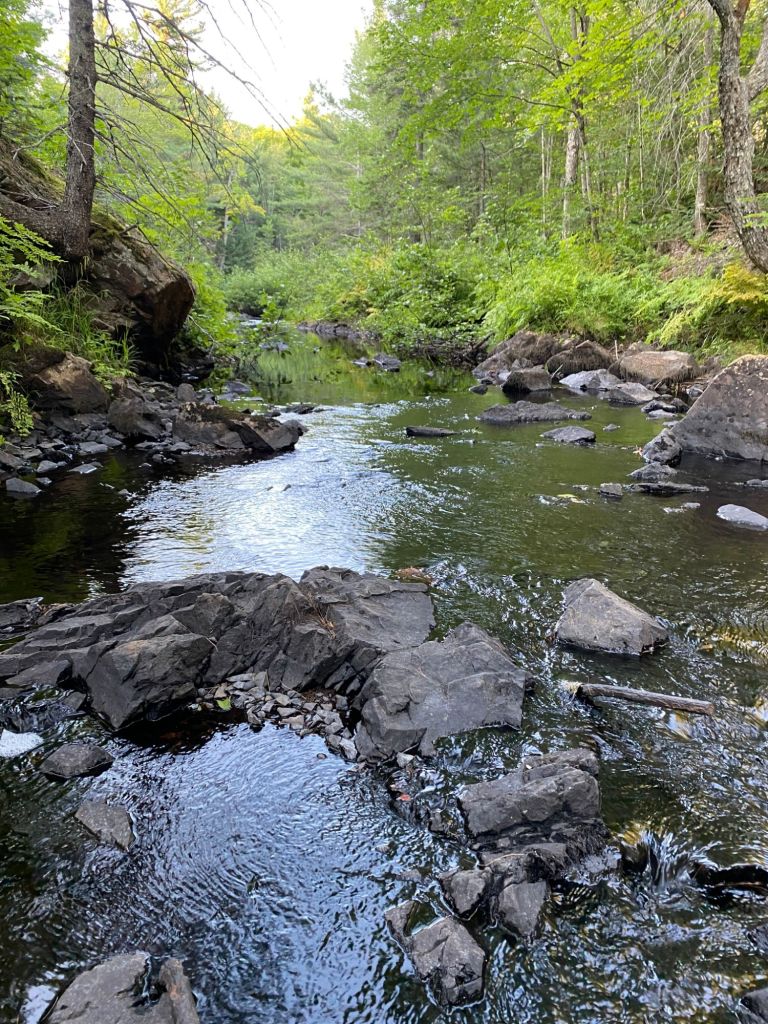
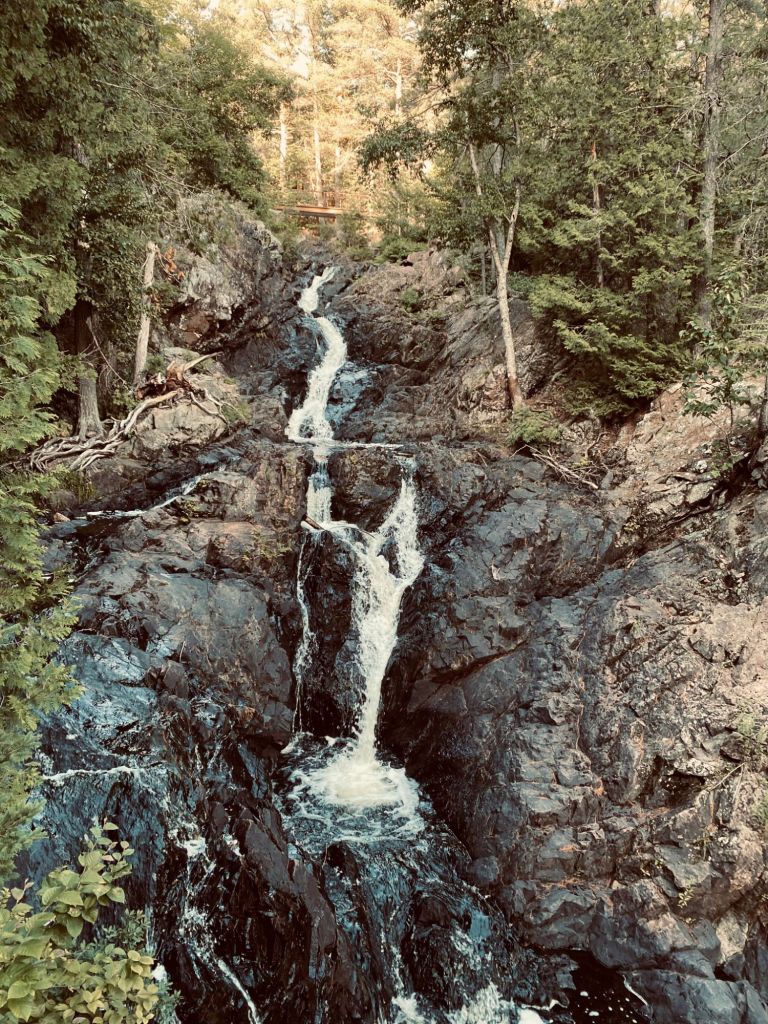

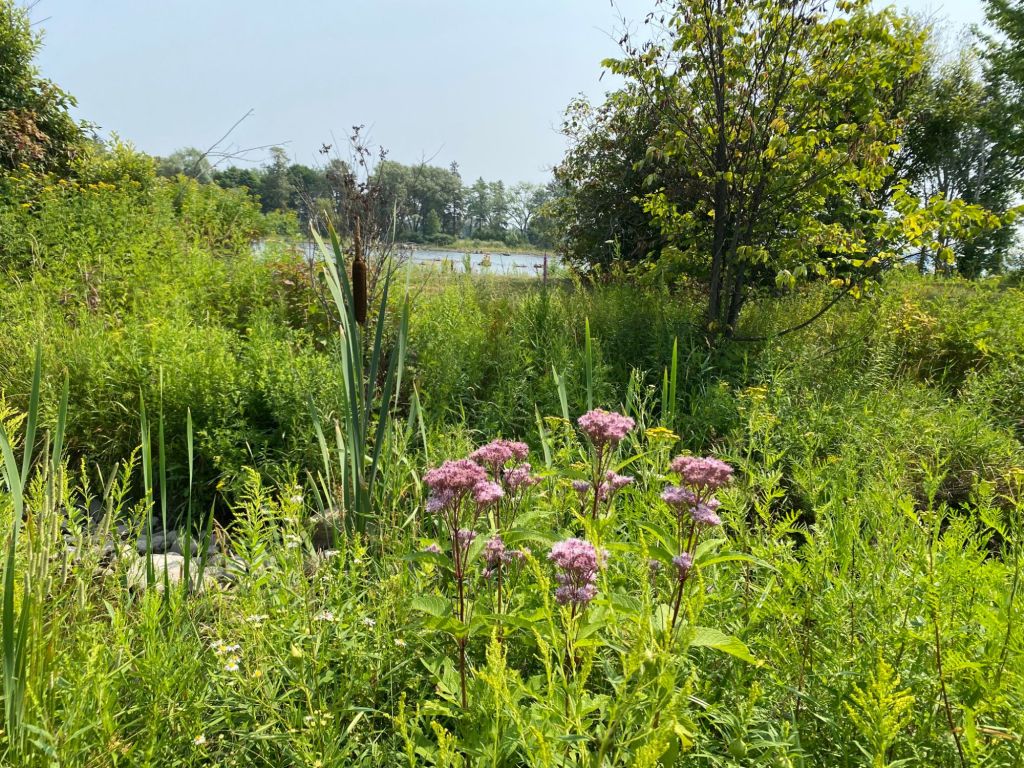

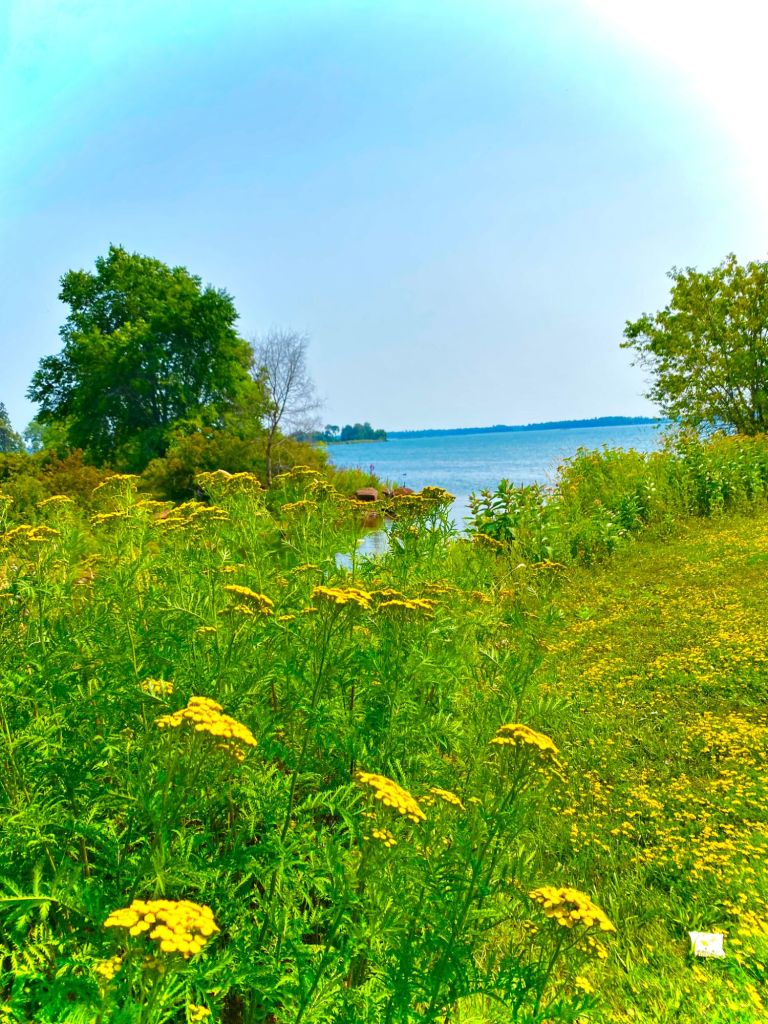
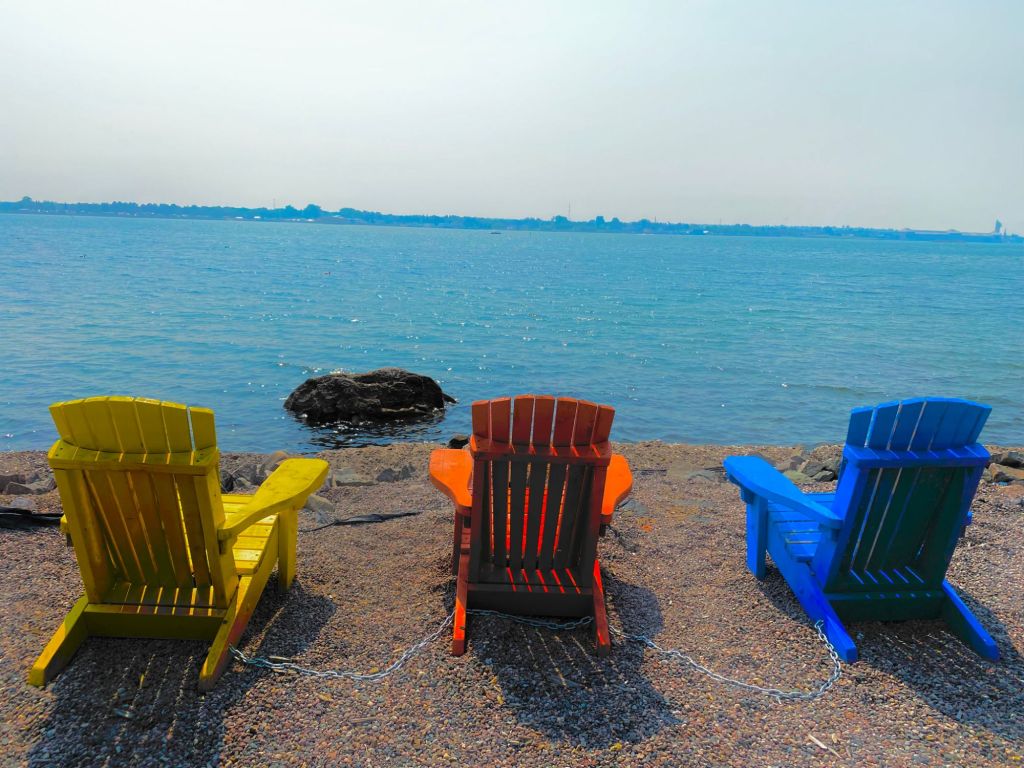

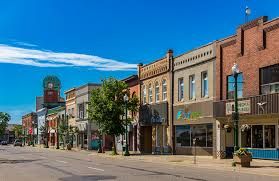
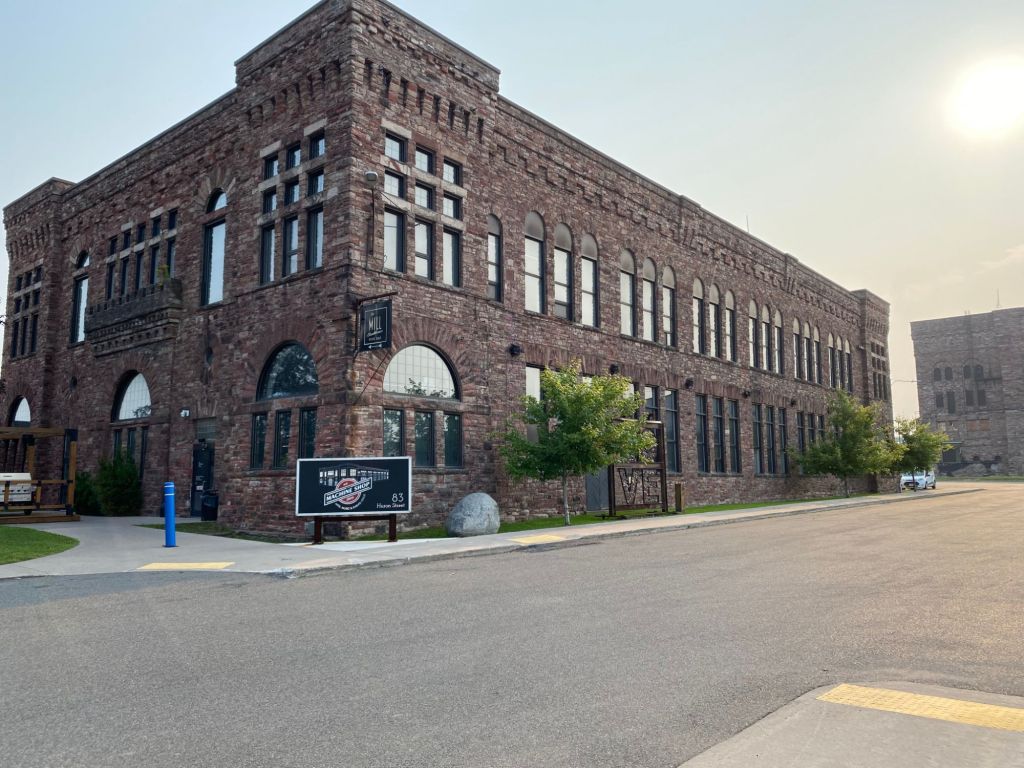
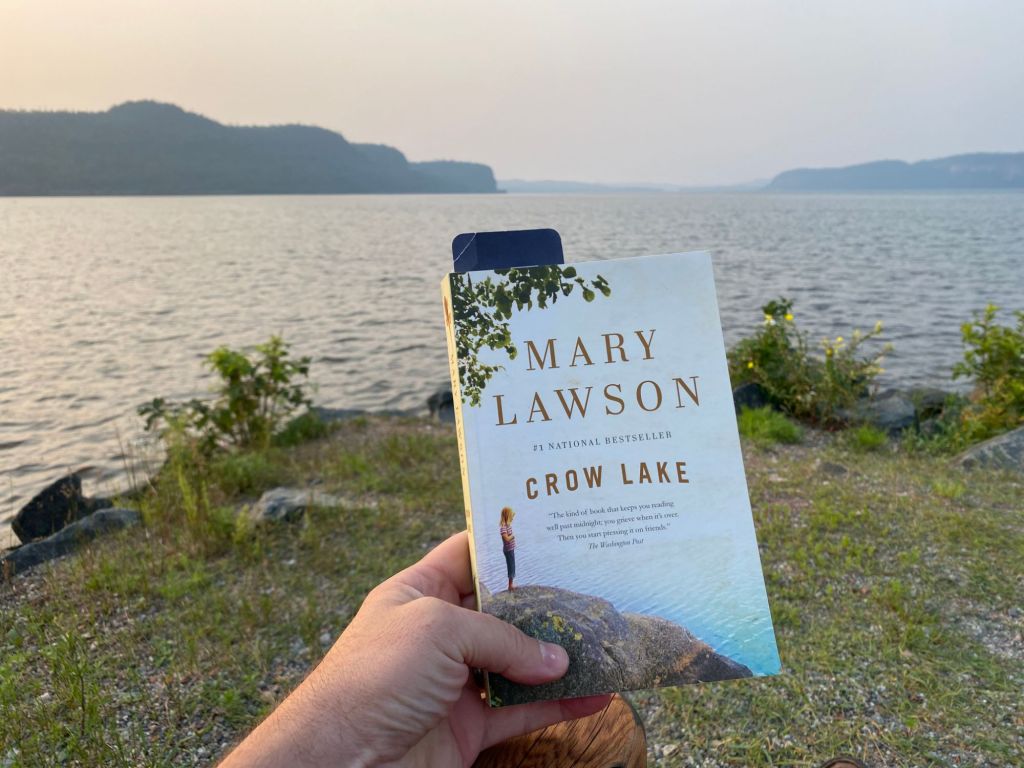
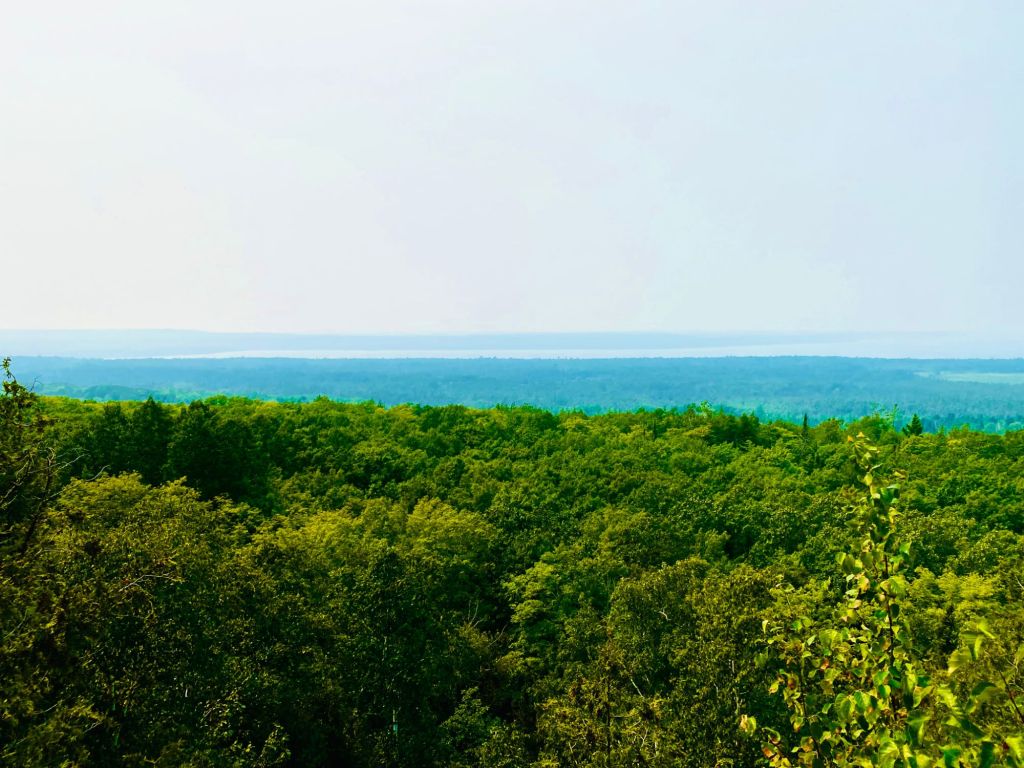
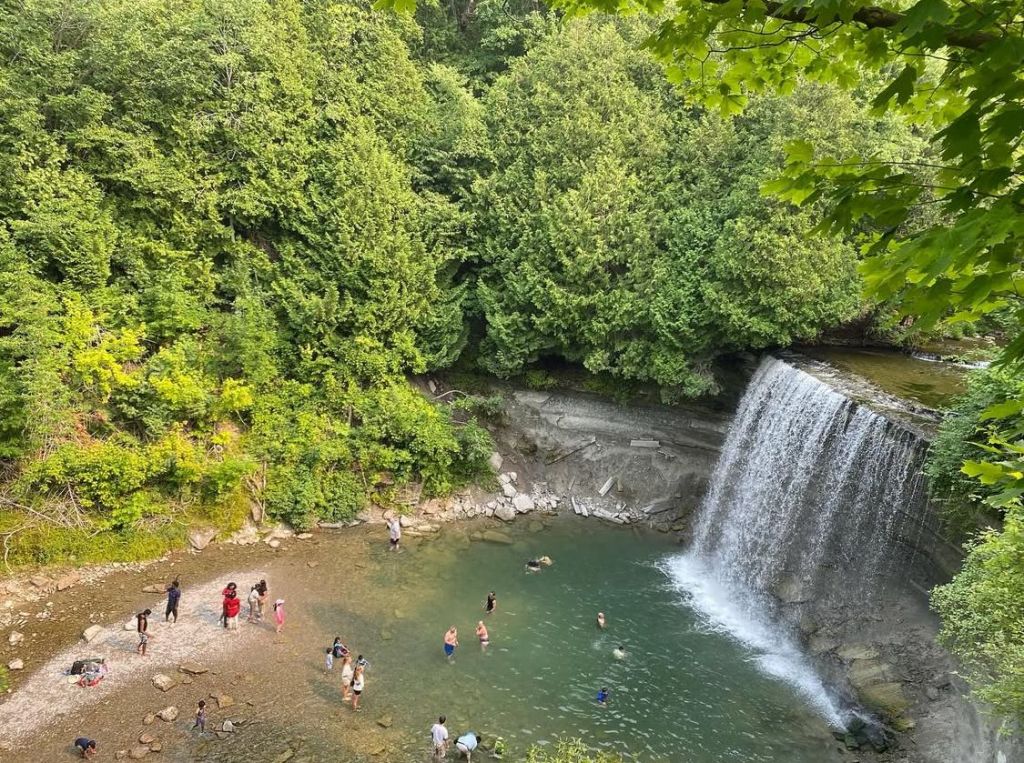
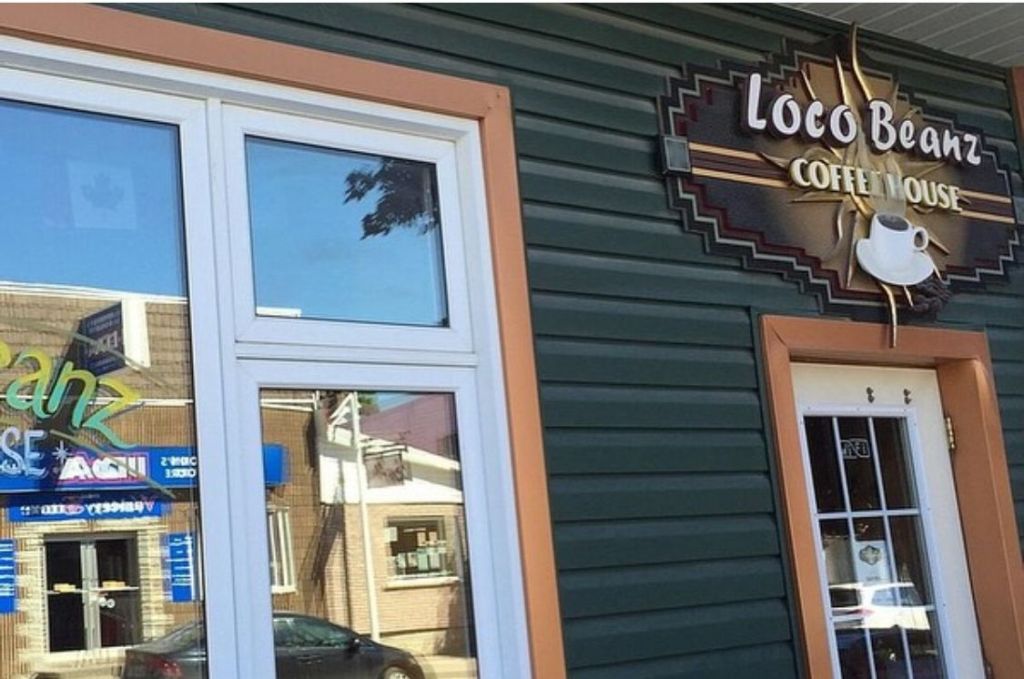
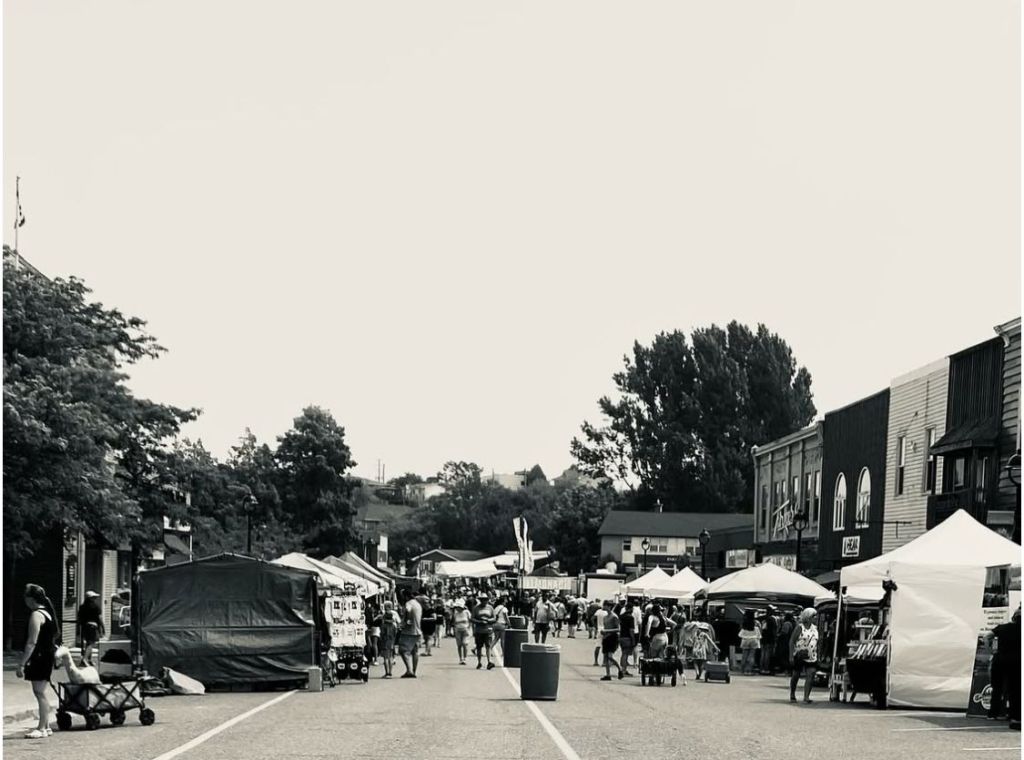
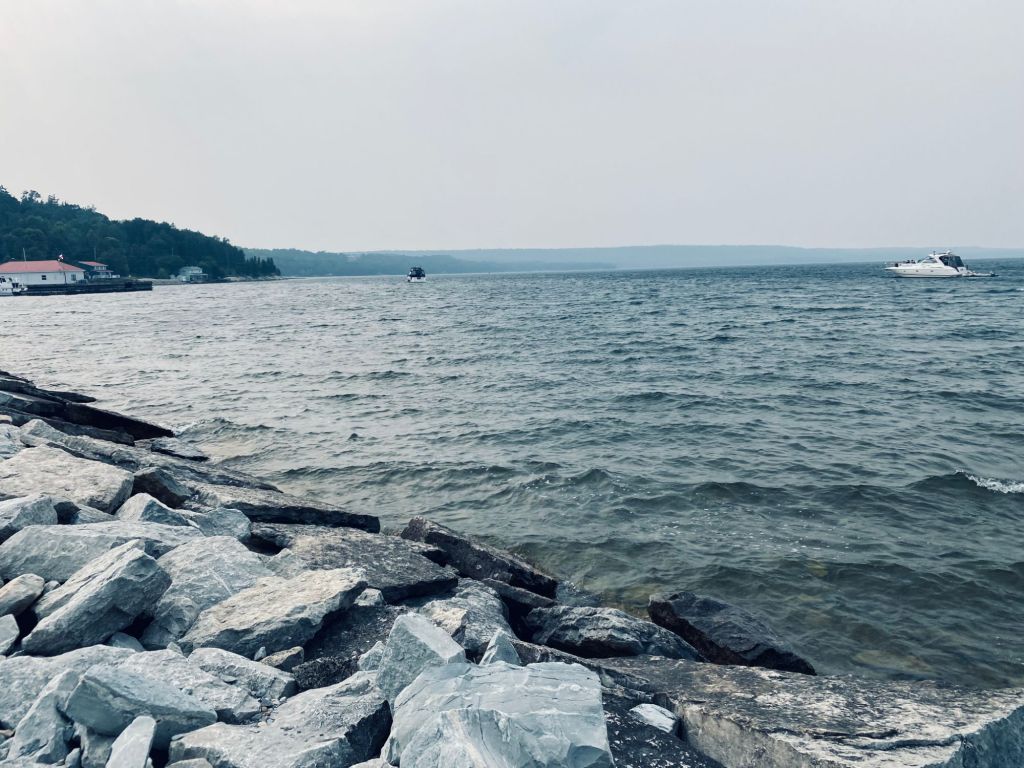
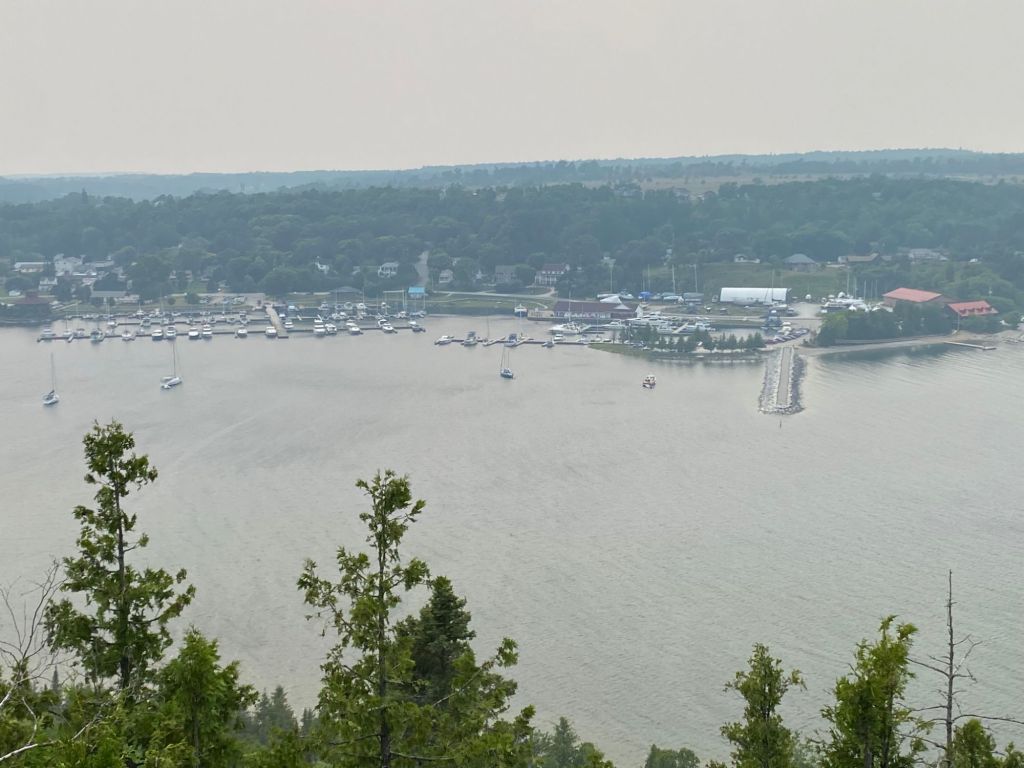
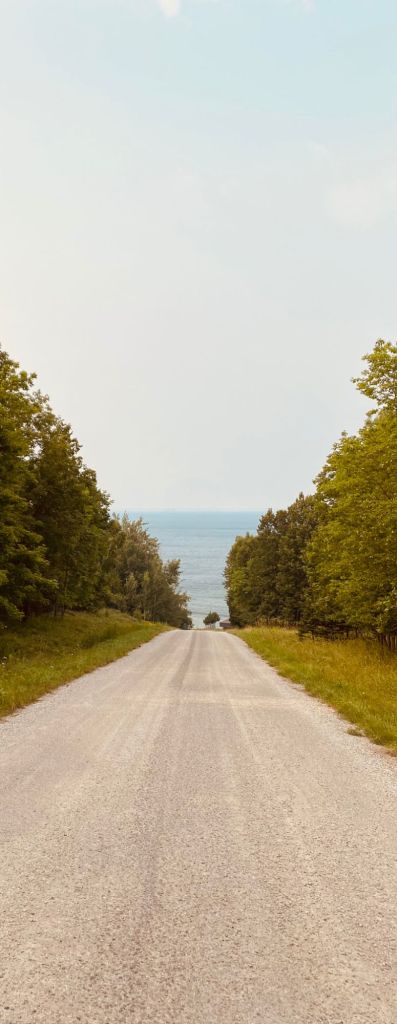
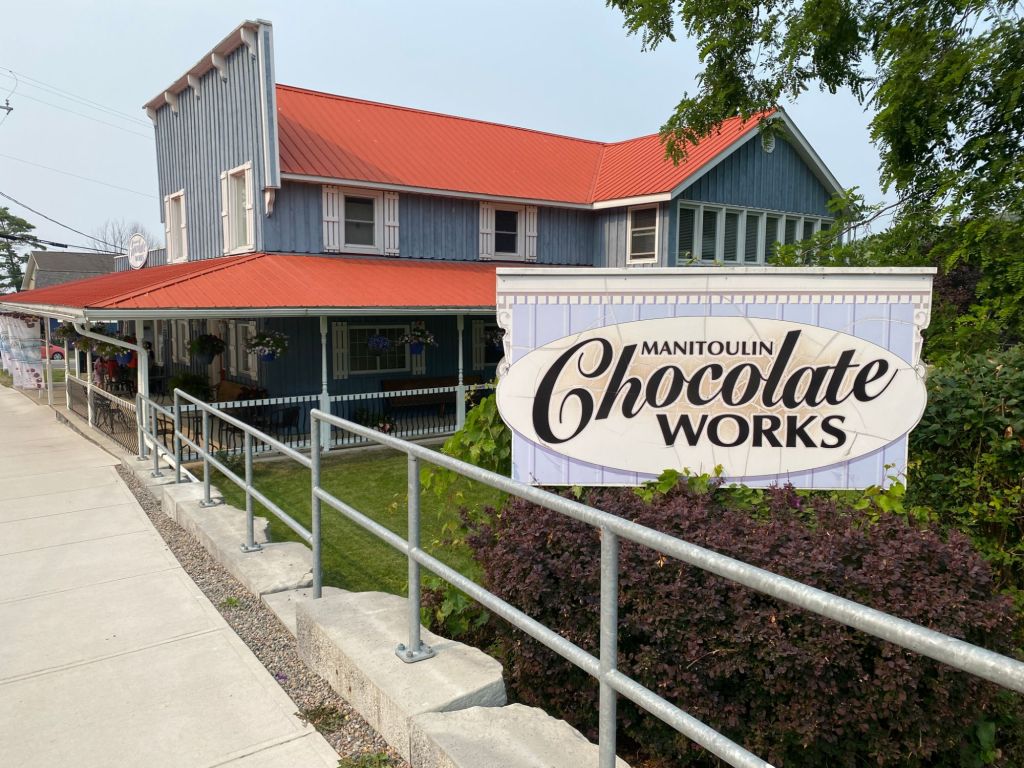
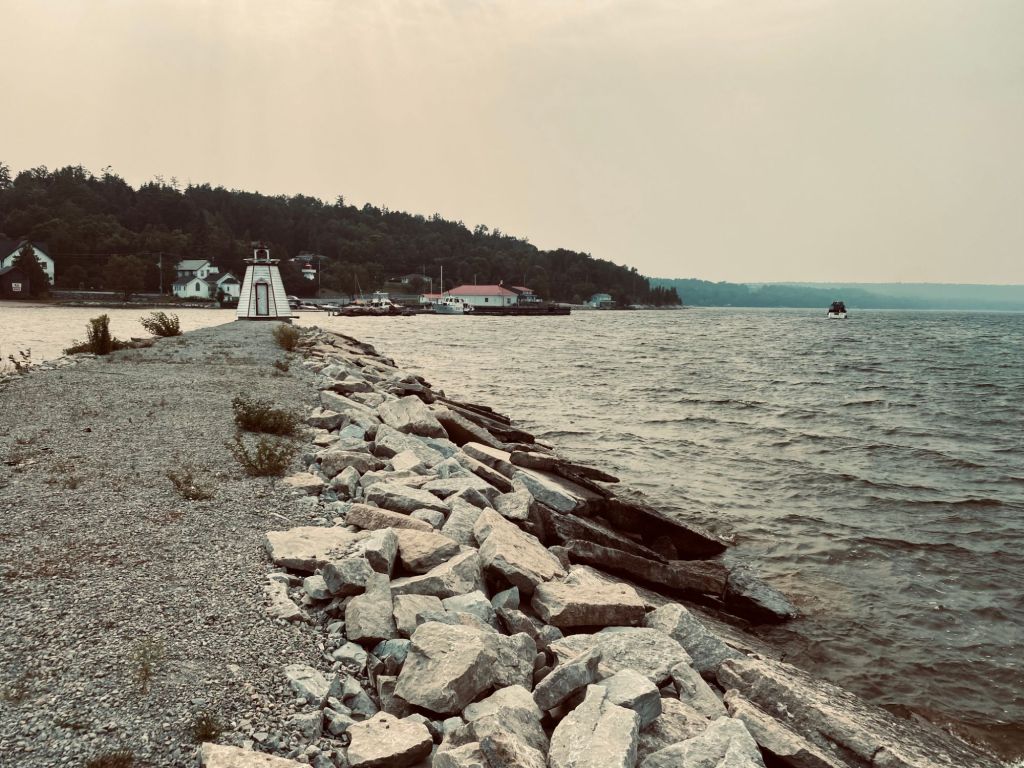
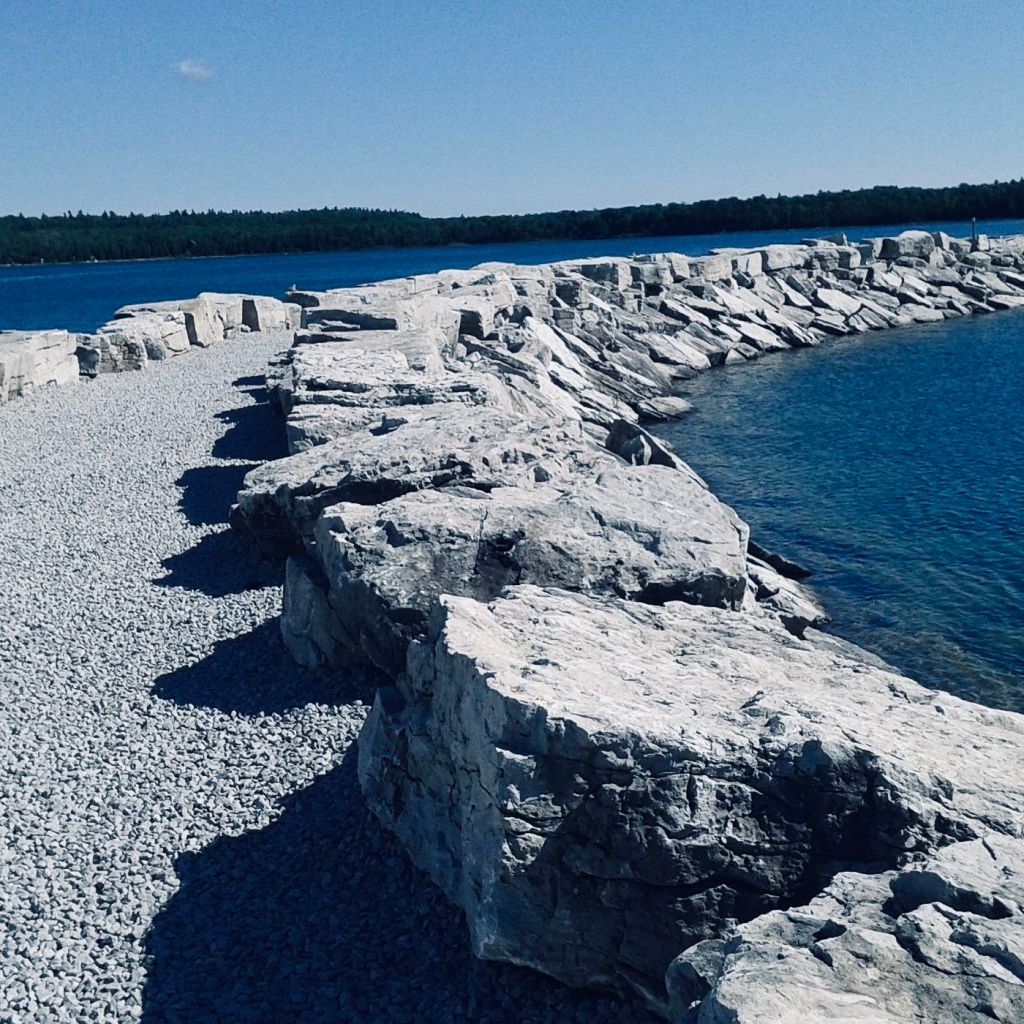

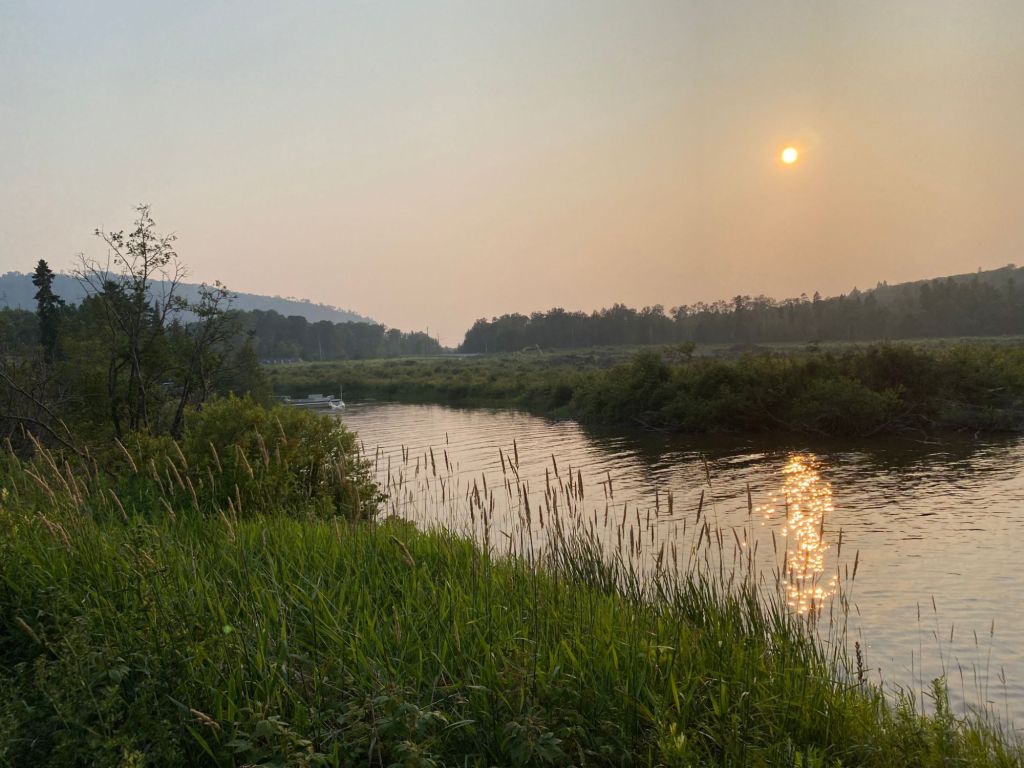
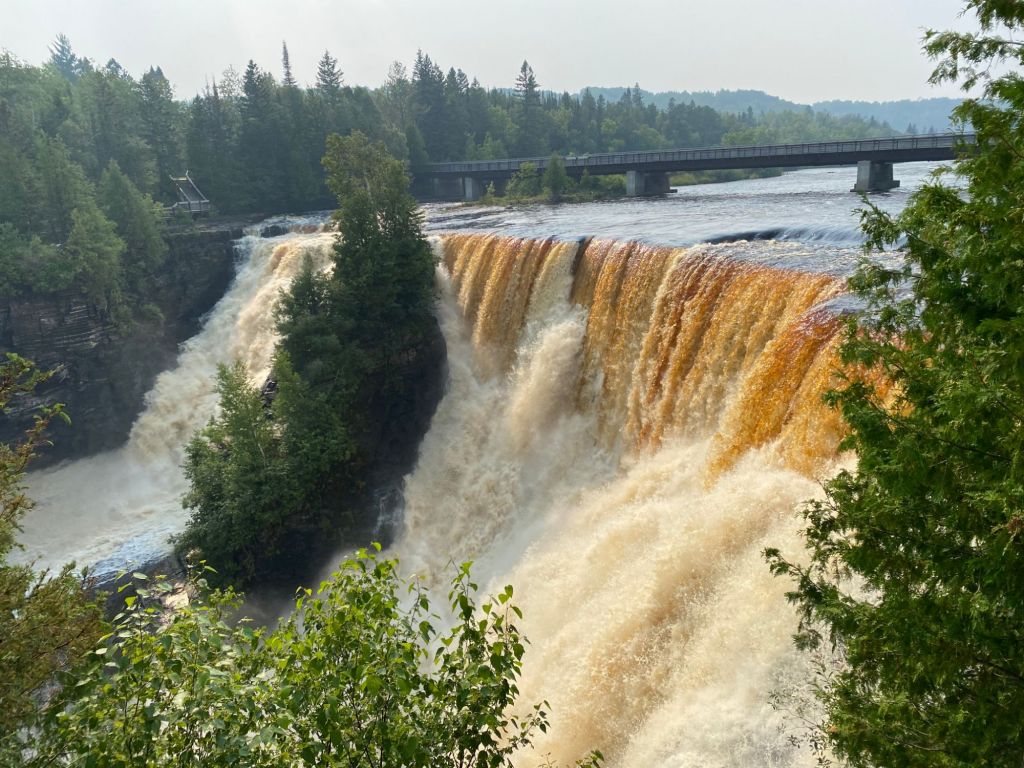
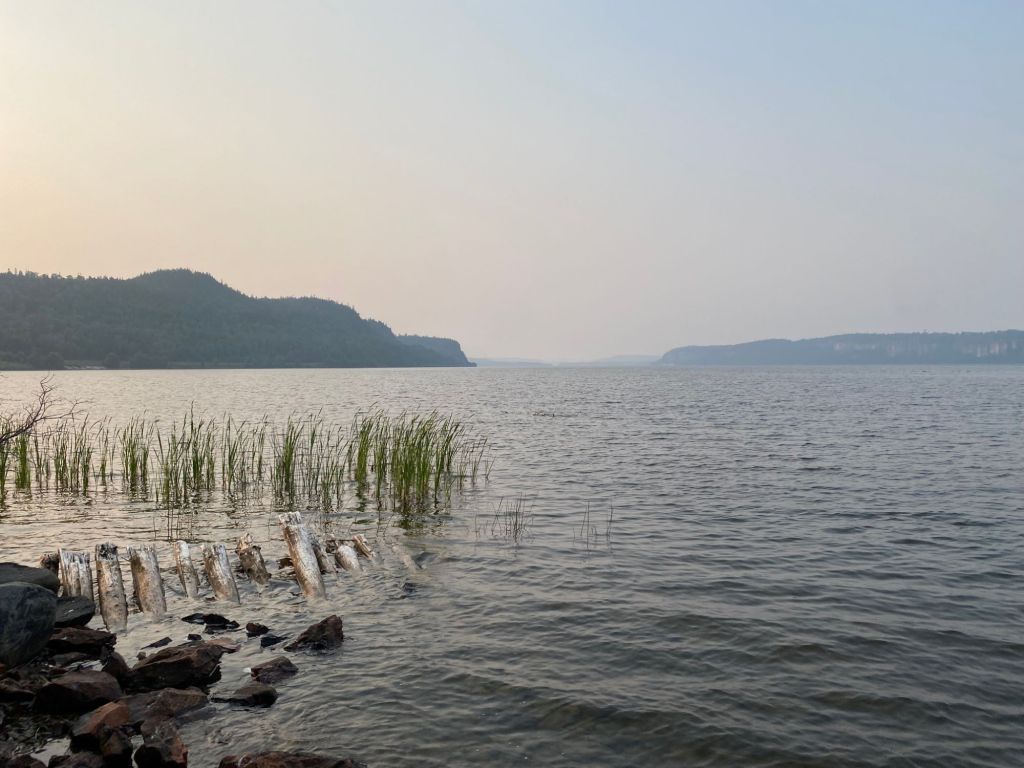
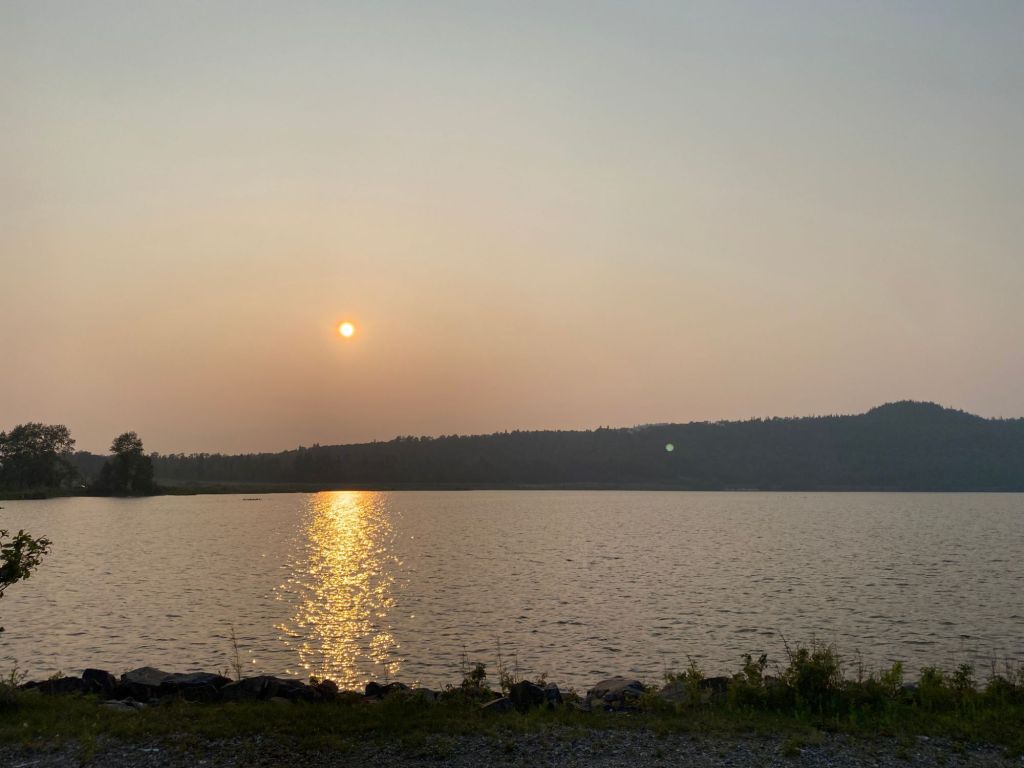
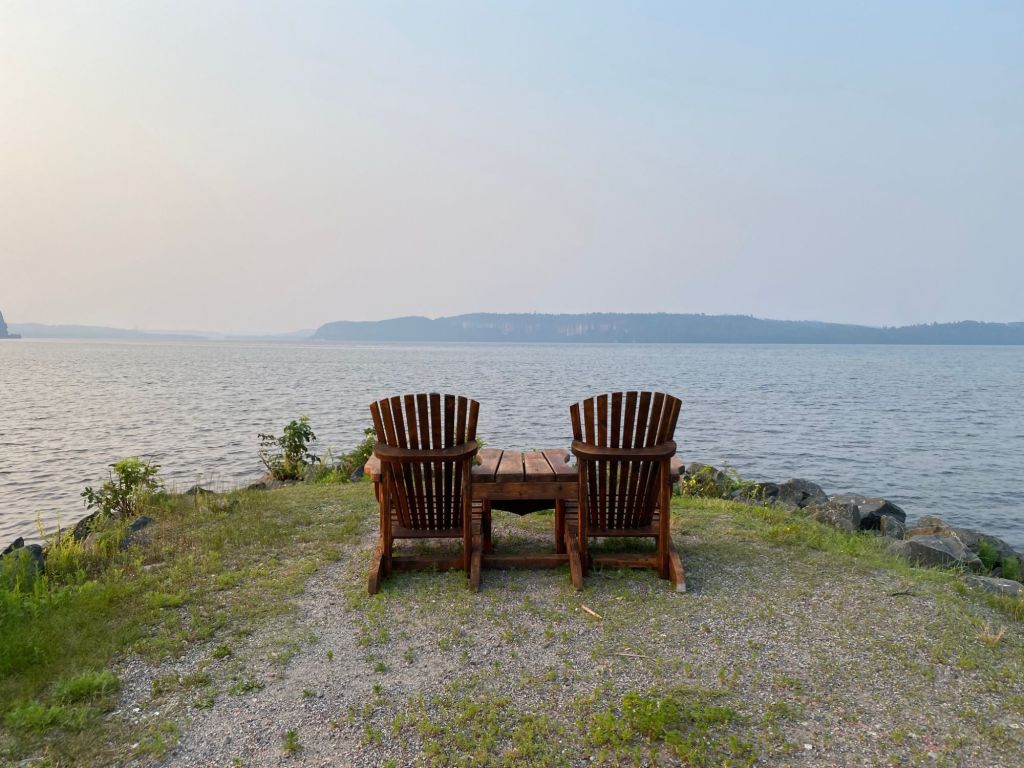
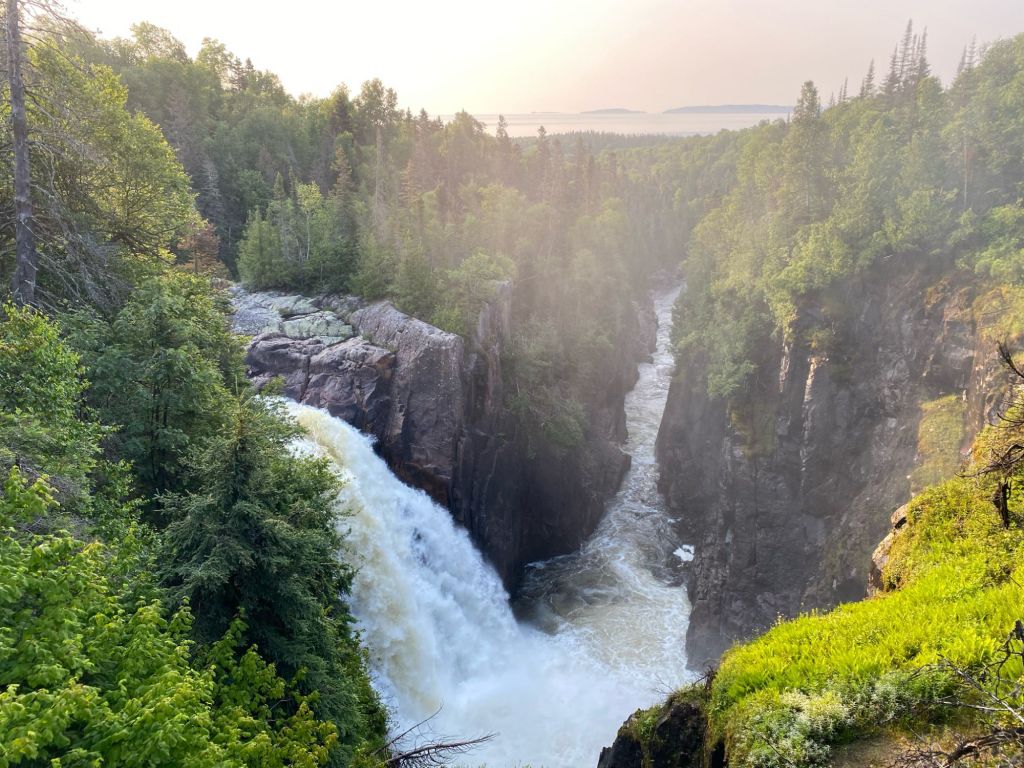
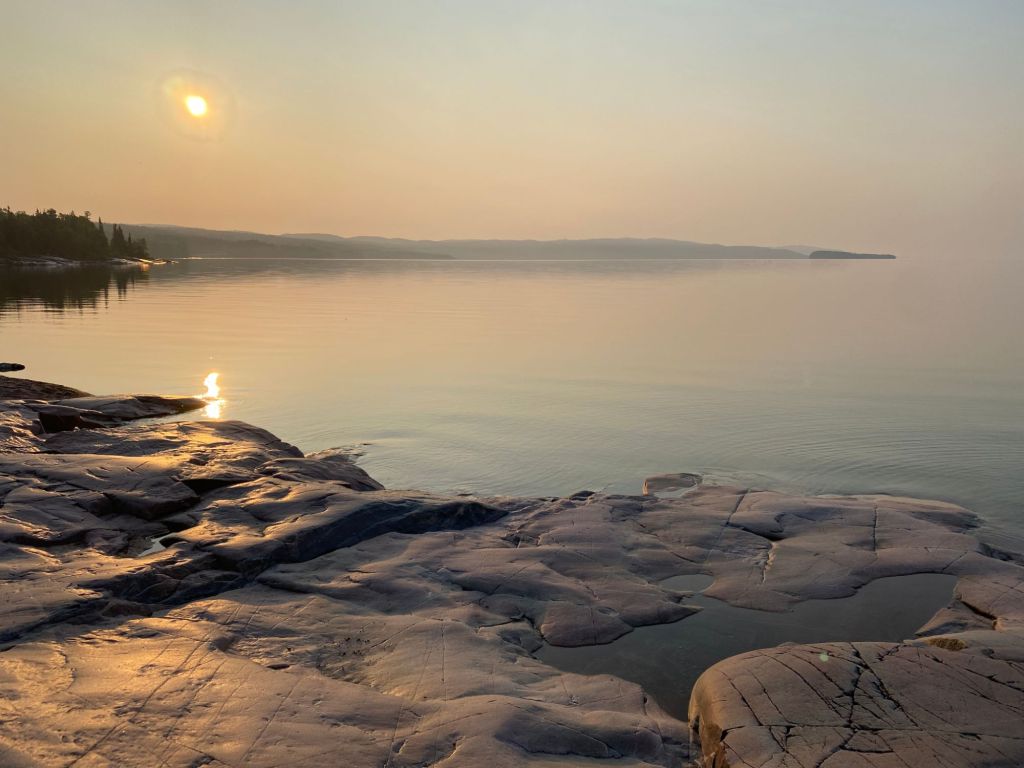
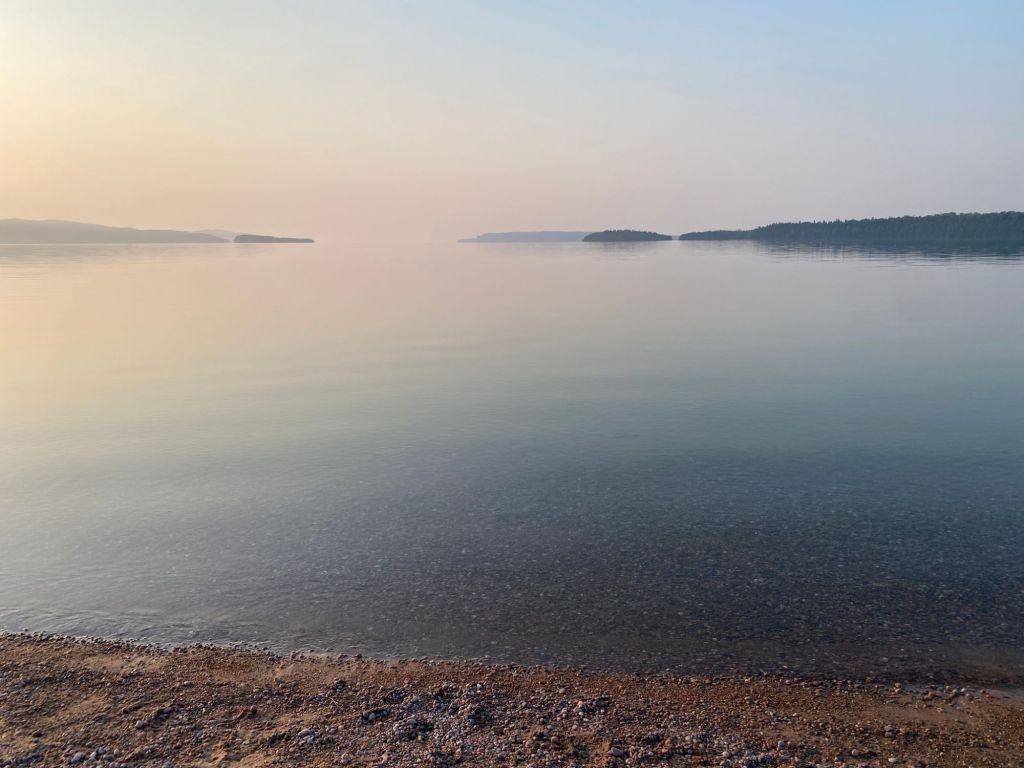
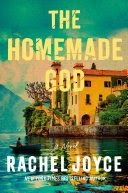
 The Stories of my Life