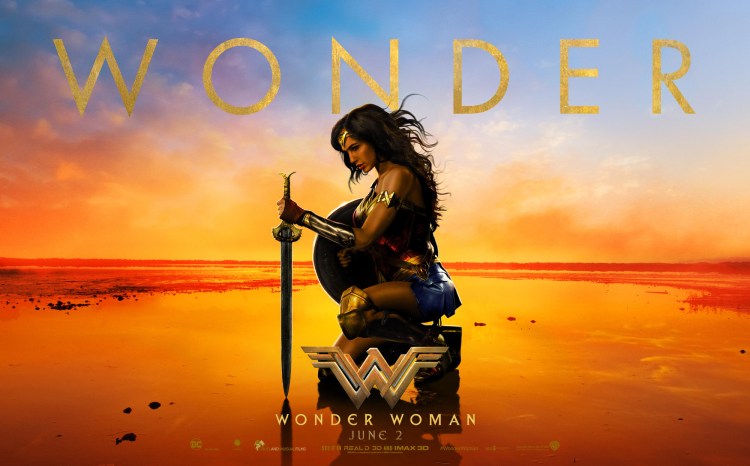
 The buzz surrounding the success of the Wonder Woman at the box office this past weekend does not seem like it will be fading out anytime soon. And I think this is a very good thing. The actual numbers are relatively modest (or should I say, a more average size) when compared to other films in the Marvel/D.C. universe (in the D.C.U alone, Man of Steel earned 116 M, Suicide Squad earned 133 M, and Batman V Superman earned 166 M), but, as many have rightly pointed out, it is what Wonder Woman is doing for women in film (and in the world at large) that has sparked so much great and welcome conversation over the last few weeks.
So why is Wonder Woman’s success so important? Perhaps the biggest news surrounding its release is the film set a record for the highest-grossing opening weekend for a female director in Hollywood’s History. Given Hollywood’s very recognizable and publicized “old boys club” lack of demure, this record is far more monumental than it might first appear. It was as recent as 2015 that the EEOC filed a lawsuit against the movie industry (at large) for discriminating against females in the industry when it comes to wages and, more importantly, opportunity. But the truth is, Hollywood’s lack of female representation has not gotten much better since then. The rate of female involvement in areas of film, other than makeup and costume, appears to be trending downwards, and concerns over the disparity in wages continue to make headlines. What’s more, in data released last year it appeared there were actually fewer women working in Hollywood in 2016 than there were in 1998.
You can read a more recent update on the lawsuit here: http://deadline.com/2017/02/hollywood-studios-female-directors-eeoc-investigation-1201912590/
So why is this? According to the following study, one possible answer to this question is actually rather simple:
http://annenberg.usc.edu/pages/~/media/MDSCI/MDSC%20LUNAFEST%20Report%2010515.ashx
A Cyclical Problem
This study points out that the disparity in Hollywood is a cyclical problem. In short, old habits that refuse to die the hard way tend to give way to more of the same over longer periods of time. And the sad truth is the film industry is far too competitive to see any sort of wholesale change in the near future.
“There are unique pressures on the hiring structure of a film production. It’s a freelance industry, done on a project by project basis, unmonitored by any sort of HR policy. For an industry one thinks of as progressive and forward looking, it’s surprisingly risk averse. The hiring pattern tends to be one of hiring people like the ones who have gone before and those people are overwhelmingly men.”
Thus, the lack of women in the industry leads to even less demand and less opportunity and less female representation, and so the cycle continues to perpetuate itself in a downward spiral. And the more prominent a title or franchise or film is, the worse it seems to get for women in Hollywood:
“For males opportunities grow, while for females, they vanish. And it gets progressively steeper as they transition from short films to features and from lower to higher budgets.”
Perhaps one of the great tragedies of this reality- and there are many, is that more and more woman in Hollywood find themselves being forced to find work elsewhere, which usually leads them to the foreign markets. What is clear is that these markets end up the better for it, demonstrating strength in their diversity, while the North American film industry ends up bearing the burden of their absence. And given just how visible Hollywood is in the world at large, this is something that desperately needs to change.
Moving Towards a Solution
So what is the solution? According to the article, the solution is also rather simple- getting more women into the director’s chair means more opportunity for women in other positions. But even simple can be easier said than done, which leads me back to the significance of Wonder Woman’s success at the box office this past week.
Yes, the early months of 2017 saw the release of some more modest female directed films, including the critically acclaimed and emotionally charged A United Kingdom, and the underrated The Zoo Keepers Wife (which it so happens boasts a female director with a female lead in a story that is based on a book written by a woman and from a woman’s perspective). But most betting (or hopeful) hands have had their sights set on Wonder Woman for some time now. In what has become one of the more lucrative and dependable genres outside of the full-length animated feature, Patty Jenkins was handed an opportunity to truly change the game in an area that is typically dominated by supersized versions of masculinity (both on screen and behind the scenes). What made this order even taller was the divisive nature of the more recent D.C. films. Despite solid numbers, the D.C.U. has found itself in something of a slump (at least on the big screen), and WB has been intently looking at ways to right the ship both behind the scenes and on the frontlines. All this to say that Patty Jenkins had an incredible uphill battle to climb in many respects, perhaps even at one time appearing to have more to lose than she had to gain.
Harnessing The Power of Film
If you are someone who thinks that all of this sounds a bit melodramatic- it is only Hollywood after all- consider this. There is very little, at least on the cultural front, that can claim the kind of reach that a Hollywood film can garner. And whether we recognize it or not, movies, as one of the few cultural touchstones that can still pull us together around a shared experience, do play a significant role in shaping how we converse about different socio-political and religious issues. Film, as all good art should and does, is intended to mirror our world back to ourselves and then say something about it. And so when a film like Wonder Woman ends up defying expectations, this causes the world to sit up and take notice. It also encourages others to become willing participants in the conversation as well.
Further to this point, the fact that Wonder Woman has garnered both critical praises (it is currently sitting at an even critic/fan split of 93% on RT for goodness sakes, which I believe is the highest rating for any superhero film to date) and some record breaking numbers should indicate that many people, myself included, seem to be in agreement about the things this film is encouraging us to talk about. And I would think that gives us good reason to celebrate. Not only that, but Patty Jenkins, by nature of her name being attached to this film, has breathed new life into not just a franchise, but also the studio’s faith in this franchise. It should come as no surprise that conversation is already reported to be happening between Jenkins and the studio over a possible sequel, a studio which dragged their feet in getting a deal done pre-release. This now puts Jenkins in an even better position, as she seems to have gained all the leverage. There are very few circumstances that one could imagine in which Jenkins is not back in the director’s chair for the sequel, which means not only can she negotiate for a fair wage, but she can also ask for an even greater creative license and a list of demands. In short, she has garnered the power to begin to reshape WB’s most-watched and most important franchise, and this fact should not be understated.
A New Kind of Hero For the Rest of Us
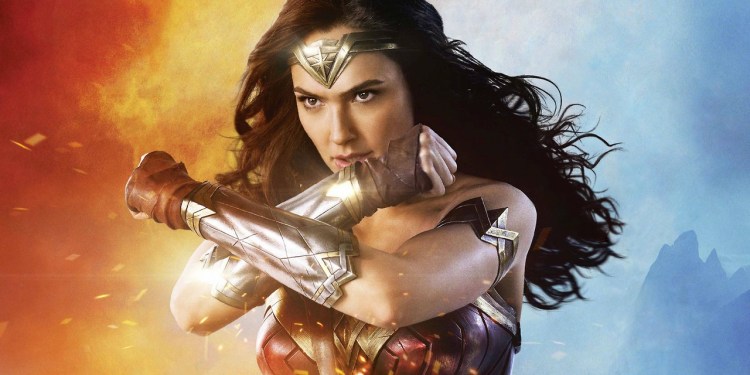
But here is what is so great about all this. Wonder Woman’s strong and recognizable presence on the big screen means girls (and grown women of course) now have someone to look up to, someone who looks and feels the same as them who can mirror their world’s back to them in a meaningful way. This is why we are seeing so many stories of critics and fans being moved to tears in the early screenings. Stories of little girls having a chance to experience the thrill of seeing their hero brought to life on screen. Stories of Mothers and Fathers being humbled by the ways in which a simple film was able to empower their child in ways they did not expect it could.
And the reach of this film doesn’t stop with the DCU. Kathryn Bigalow, a fellow female director who shook things up in her own right with the award winning Hurt Locker and the recently nominated Zero Dark Thirty, will also reap the reward of a more generous light being afforded to women in Hollywood over the next couple months. Her newest project, Detroit, is set to release later this summer, and it should further prove that, as an intelligent, proven and confident female entity in Hollywood, voices like hers deserve equal chance to be heard.
Nothing speaks louder in Hollywood these days than money, and if the solution is to get more women into the director’s chair, I think Jenkins has proved to Hollywood that women can indeed be bankable. People want to see women led and women directed films.
Making Sense of My Complicated Relationship With Feminism
“I embrace the label of bad feminist because I am human. I am messy.”
-Roxane Gay
At this point, I would think it should be clear that Wonder Woman is a film with certain feminist aspirations. To which I would say this. I am someone who has a complicated relationship with feminism. I see it as important, but I also struggle with some portions of feminist thought. I find that it can sometimes get lost in its own ideology. That and, if I am being fully honest, my own experience with feminism has not always been entirely positive.
For me, I am more comfortable with the term “egalitarian”, which is the principle that all people are equal and deserve equal rights and opportunities.
But, while Wonder Woman is definitely interested in exploring some strong feminist undertones (as it should be), it does so with a degree of grace not normally found in a Hollywood film. And I think Patty Jenkins has helped me to make some sense of why I have a complicated relationship with feminism as a movement.
Similar to the way Roxane Gay puts it in her book Bad Feminist, Wonder Women recognizes that good feminism is not about forming a single, right ideology at the expense of all others. Rather, it is about uniting us, regardless of gender, around a common story, one in which all of us are created equal, one in which we all bring our own messiness into the picture as a means of co-existing together on equal ground. And it is when I can begin to accept my own mess, my own flaws, my own limitations as something beautiful, that I can begin to embrace what it means to lift up others up in the midst of their own beautiful mess. Messiness breeds diversity, and, as we find in the lesson of Hollywood, diversity breeds strength, not weakness. It pushes us away from the need for power and for dominance, and towards the art of hearing and seeing each other as we are and for who we are.
Popular theologian Leslie Newbagen describes it this way:
“I think we have to dig beneath the slogans and the mantras, and talk about human reality on the ground. And so, for an example, we shouldn’t be talking ideologically (whether it be women’s rights, slavery, etc.), what we should be talking about is what would it be like to walk in another’s shoes. That is, we have to bring the discussion down to the level of human pain, human suffering and human reality, because what we are dealing with are real people and not slogans. It is an imagination of empathy… I think it is imagination that imagines from me out to the other. That is, that I ought to start with my pain and my fear and my worry, and say who else might have some of those fears and pains and worries, and what kind of resources might I have, and what does the Gospel ask of me.”
– Leslie Newbagen
“I ought to start with my pain and my fear and my worry, and say who else might have some of those fears and pains and worries…” I think this gets at the root of my struggle with feminism. To me, each of us is called to respond to the stories of the oppressed, and feminism has done much to free women of the kind of oppression we get glimpses of in Wonder Womane. But, far too often I find that feminist literature doesn’t push quite far enough when it comes to the discussion of what it means to truly be free. For many authors and activists that I have encountered, it is the “right” to be free, the “right” to choose, the “right” to do and be what I want- the values of individualism, which is worth pointing out are foundational to Greek philosophy, that represent the highest virtue. And this individualism has led some forms of feminism (not all) to discriminate rather than include, to be more single-minded than diverse.
But, for as important as these rights are, a true freedom I think is found in something even greater- in living the sacrificial life. True freedom is not found not in my right to be and do what I want, but rather in the opportunity we are given to submit our rights for the sake of the oppressed. This, I believe, is an even higher virtue.
Redeeming Submission For the Sake of the Oppressed
To me, it is this idea of submission that needs to be reclaimed and redeemed, not in the sense of submission to oppression, but the submission of my rights for the sake of another, for the sake “of” the oppressed. And it is this form of submission, the kind that pushes us towards sacrificial living, that Jenkins has written into the story of Wonder Woman.
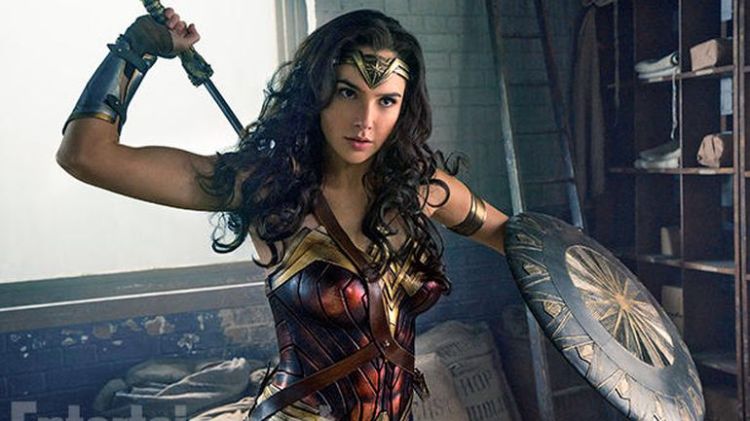
Wonder Woman is both unapologetically feminine and undeniably strong. But as she grows up she begins to learn that power and dominance do not equal strength or true feminity. As a reviewer from the reelworldtheology website points out, we see this demonstrated in the film through the image of the sword. In mythology, as it was throughout the ancient world, the sword is a definite masculine symbol. It kills and dominates by penetration. It demonstrates one’s power over another. It is built on violence. And there is intention and significance given to the choice to show Wonder Woman in a position of “protecting and defending” through her shield and her rope. These are feminine symbols in the ancient world. And this symbol becomes vital to the revelation that the weapon intended to fight evil was never the sword, but Wonder Woman herself. And so, as she moves from the world of the gods into the early century of our human existence (the story takes place during World War 1), she begins to embrace what it means to exchange her (god-given) power for a greater virtue, not by the sword, but by compassion and service .
Encountering this world dominated by men also forces Wonder Woman to make sense of the world’s diversity, to begin to consider her feminity against the symbols of masculine force. And this begins to reshape her understanding of good and evil. What is perhaps most interesting about Wonder Woman is the way Jenkins manages to deal with this whole “god among men” narrative.
Jenkins tells a story of an all-female world of good “gods” who have been charged with defending the good in their world against the possibility of evil, which is personified in a fallen god intent on showing the gods the evils of humanity. Diana enters into a world dominated by this evil in order to conquer, once and for all, the devil that holds it hostage. But in the midst of a world dominated by power hungry men, her faith in humanities goodness begins to be challenged.
Jenkins could have used the social contrast of this era to emphasize Diana’s mission to “fix” the evils of man through a demonstration of her goodness and power as a woman. Instead, though, she chooses to turn this commentary inward on itself. As Diana enters into this world full of evil, she offers us a picture of a powerful god who becomes broken over the state of our earthly condition. Man, after all, is capable of committing acts of great evil. And this causes her to confront the idea that the devil she faces is not a fallen God, but the failure of mankind.
As the film goes on, two things happen. By entering into the story of mankind, she is able to see not only the mess but the potential for beauty. At the same time, the term “man” becomes increasingly fluid and ambiguous the deeper into their story she gets, leading us towards a final act that opens the term up to embrace the goodness of all hu”man” kind. In the world that she comes to discover, all of us are equal in the eyes of the gods, all of us in need of the same grace and mercy. The idea of her sacrificing her rights as a god for the sake of the goodness of the human race is then mirrored in Steve’s own act of sacrifice, leading us to an emotional picture of a love that is able to “conquer all”.
A Wonder Woman For a New Age
I am not the film’s core audience, and this might actually be what I appreciate the most about Wonder Woman. I can remember rather vividly the thrill of seeing Spiderman on the big screen, of seeing my own world mirrored back to me in a way that made sense, of being empowered to embrace a more nuanced sense of my masculinity that made sense to me. Walking out of the theater I remember feeling like I had the power to swing from the buildings and fly through the sky. That Wonder Woman could possibly offer this same experience to a world of younger girls makes me emotional. As this film’s core audience, Patty Jenkins and Gal Gadot have given them a hero who is able to mirror their own world back to them in a way that makes sense.
To return to Roxane Gay, she says it this way:
“I learned a long time ago that life introduces young people to situations they are in no way prepared for, even good girls, lucky girls who want for nothing. Sometimes, when you least expect it, you become the girl in the woods. You lose your name because another one is forced on you. You think you are alone until you find books about girls like you. Salvation is certainly among the reasons I read. Reading and writing have always pulled me out of the darkest experiences in my life. Stories have given me a place in which to lose myself. They have allowed me to remember. They have allowed me to forget. They have allowed me to imagine different endings and better possible worlds.”
Wonder Woman has allowed a once neglected segment of our world to imagine their different endings, to imagine better possible worlds. And she does so by embodying the virtues of compassion, grace, and sacrifice. She does so by modeling what it looks like to give up her rights for the sake of another. That is where she gains her strength, her power, and that is where millions of women, young and old, can gain their power as well.
Now, if you haven’t had a chance to see Wonder Woman, go and see it. It is a film that recaptures some of the joy and wonder of the comic book movie. It takes a grand mythology and weaves it into an intimate and accessible narrative, and gives a platform to Gal Gadot to do something rather exceptional with the character. But, most importantly, the film deserves our attention. Jenkins deserves our support as she looks to give more opportunity to women directors, something that I believe, makes all of us stronger and better people.
A Few Other Films To Note
And while you are at it, here is a quick list of some other female directed films that you support as well (just for reference, there are 66 films slated for release in 2017 that were directed by women):
A United Kingdom
Their Finest
The Zoo Keepers Wife
Unforgettable
The Beguiled
Before I Fall
Pitch Perfect 3
Snatched
Megan Leavey
Detriot
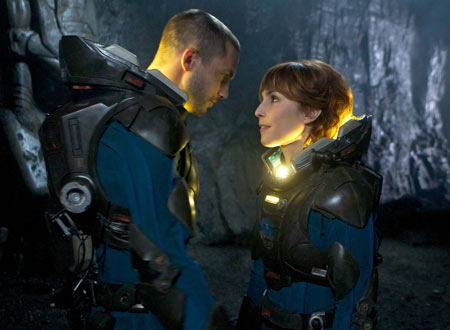
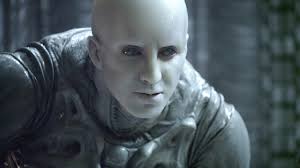


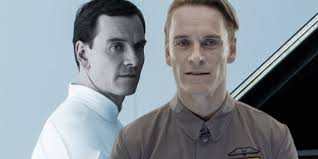 It becomes clear early on that David will manage to survive this film. But it is the way that Scott explores the emotional journey that brings him there that makes it worthwhile, particularly in the scenes between David and Walter which manage to be the best parts of the film. This is where the opening scene recalls his growing concern for the relationship between creator and creation. In a striking contrast to Shaw, who looked to demonstrate the worth of servitude and faith, David finds his value and worth in his ability to create and to dominate. This is what allows him to stand above the others, and to reach for god-like perfection.


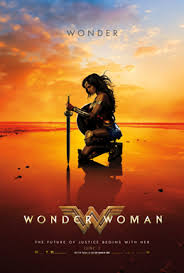 There definitely seems to be a lot riding on this film- the hopeful success of a female driven superhero film, salvaging D.C.’s reputation (although I have been a fan of most of their films), and living up to plenty of months of built in anticipation. But, in my opinion, Wonder Woman is still the best part of Batman V Superman, and there is no reason to believe that it won’t deliver on the promise of it’s impressive trailers. The sheer scale of this film, considering it really is the first true on-screen adaptation of her origins story, bumps it above Spiderman: Homecoming on my list, which, if you know anything about my obsession with our friendly neighborhood web slinger, is no small feat.
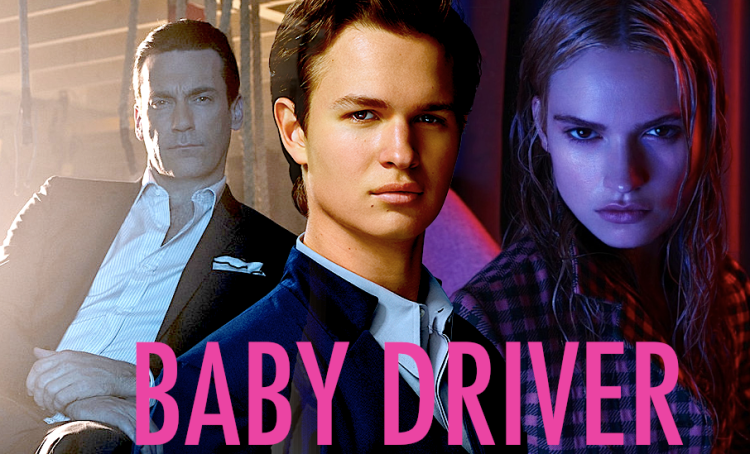 Tons of buzz, an incredible cast and a stellar trailer combine to put this one near the top of my list. I am neither here nor there on director Edgar Wright (some of his films I really love, others I can leave), but from everything I have read, Baby Driver brings together all of his best attributes. And as a wholly original summer blockbuster, I think it will be a welcome addition to the summer, 2017 film season, and not to mention the stellar soundtrack it brings in tow (don’t look now Guardians).
 Being unfamiliar with the source material (it is based on a comic book series), my early thoughts on this film wager a guess that it will end up being something of a mix of Lucy’s sci-fi renderings and the more kid friendly Arthur and the Invisibles, both previous projects of director Luc Besson. In any case, the film certainly looks visually enchanting.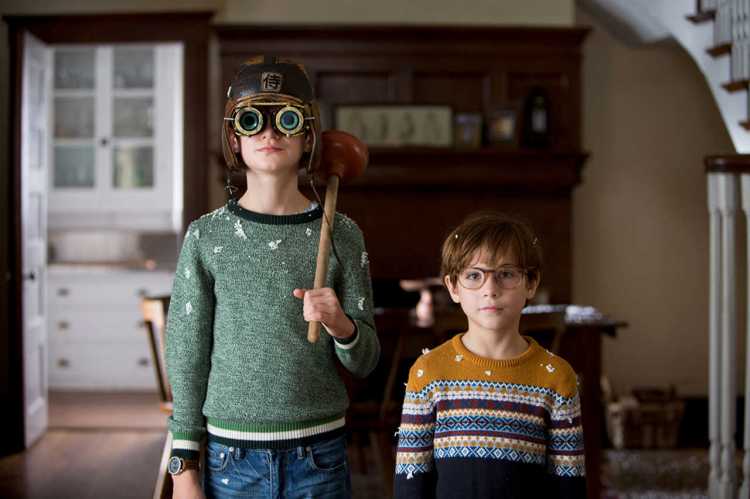
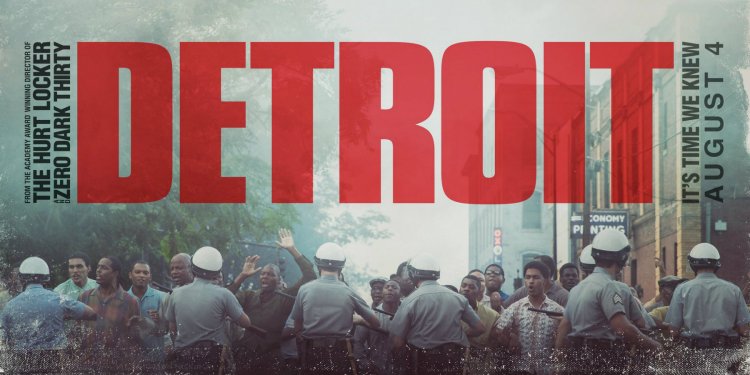 In the midst of some much anticipated on-screen summer fun comes a compelling, true-life drama film that promises us a chance to also engage in some important conversation. Telling the story of Detroit in the summer of ’67, this dramatization of the civil unrest that shook this infamous city (and more importantly, the city-zens) has been receiving a ton of positive buzz. As a fan of Detroit and a purveyor of its history, this is one film that I hope will find an audience in the heated months of the summer of 2017. And given that it comes from the academy award winning director of The Hurt Locker and the gritty Zero Dark Thirty (Kathryn Bigelow), there is no reason to believe that it won’t.
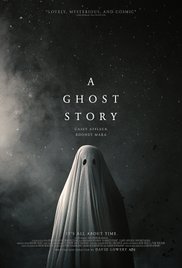 Not much to say about this one, except that it just might represent one of the strangest and most artsy trailers of the 2017 summer movie list. It’s hard to know exactly what this small, low budget project is about, but two things have me intrigued-
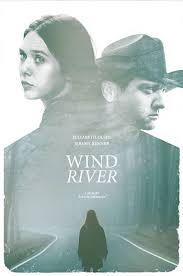 Early reviews suggest this will be yet another successful project from this up and coming director (also of Sons of Anarchy fame), who seems to be cementing his place among the best of a new crew of younger-generation filmmakers.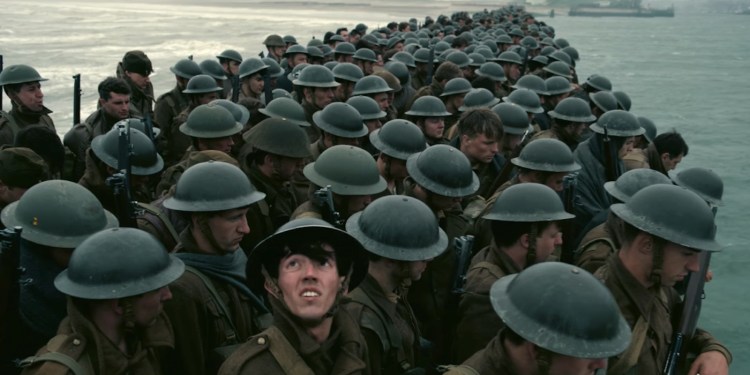
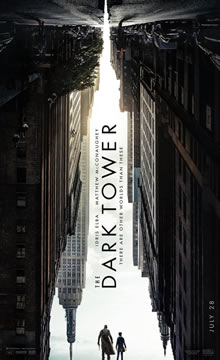 The Dark Tower
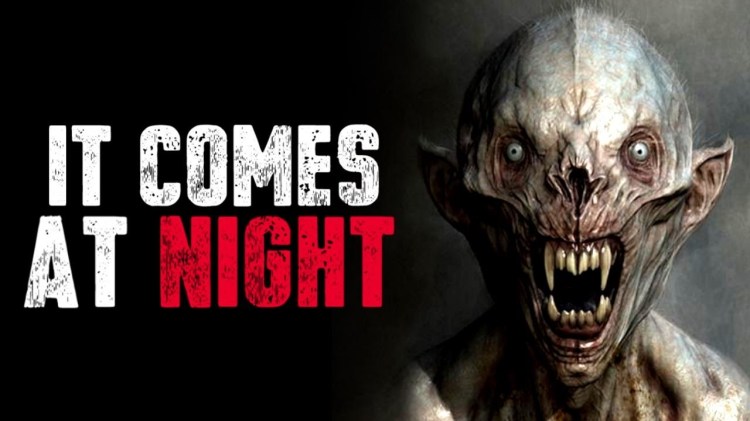 Summer doesn’t normally see much in the way of the horror film, but this year there seems to be quite an onslaught of intriguing instalments (including Annabelle, Amityville, and Wish Upon). It is, however, the upcoming release of It Comes At Night that has me most intrigued. I think this film could help cement the idea that horror can indeed thrive in the middle of the summer blockbuster season. It arrives with tons of promise and plenty of early buzz, and from what I can see is set up well to follow on the heels of the incredible success of “Get Out”.
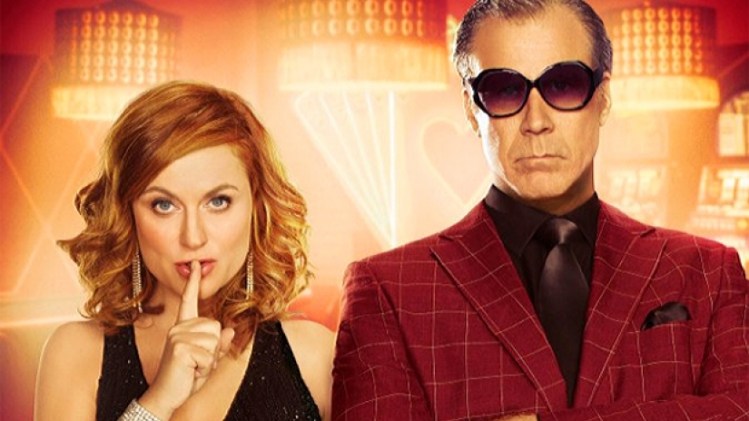 The House
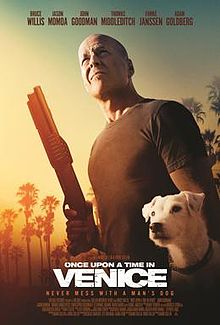 A ridiculous premise that I still feel compelled to watch. One reason for this could be the presence of John Goodman, but I do have to balance this with Bruce Willis, who has apparently given himself over to a perpetual state of self-parody at this point in his career. Although if the upcoming Unbreakable sequel can help prove anything, in the right movie even Bruce Willis can be compelling.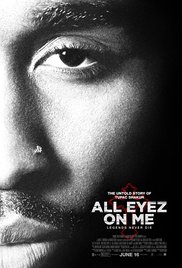
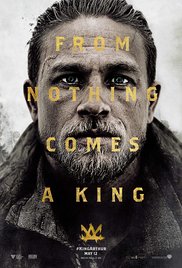 Most people I know have already written this one off. I am not sure why. Maybe because it feels easy to lump it in the company of past failures (anybody remember The Huntsman?). But it does have Guy Ritchie and Charlie Hunnam involved, which is more than enough to have me intrigued.
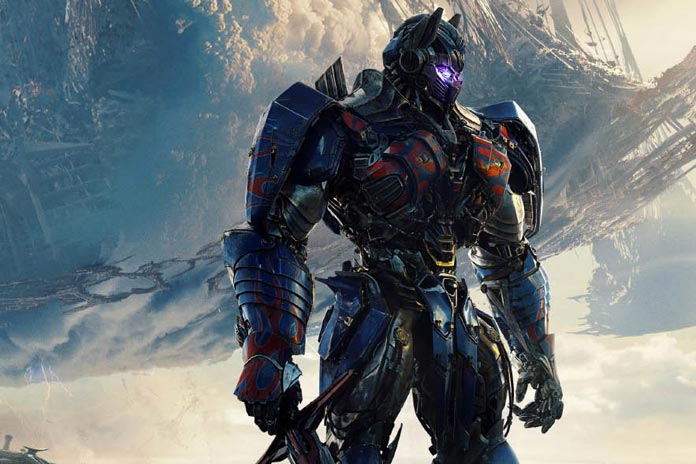
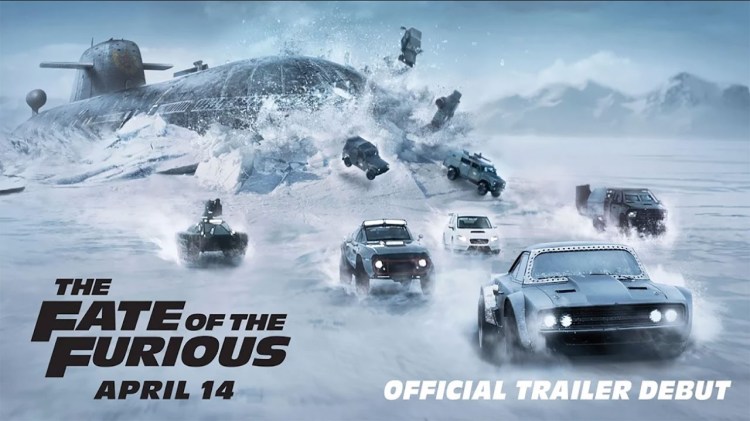 A relative latecomer to the whole fast and the furious franchise- I saw the first one and abandoned it after the third- some early aversion, or at least apathy towards these adrenaline-fueled on-screen adventures, had convinced me that these films were far more mindless than fun.
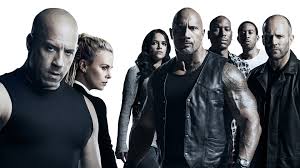 Which leads me to the question- as the latest installment in the long-running series, does Furious 8 have any gas left in the tank as it forges forward in the absence of Paul Walker? The answer to this question is a definitive “yes”, at least on the level of pure spectactle. It manages to find a way to kick this franchise up another notch, which is no small feat given that it has already sent cars parachuting off cliffs and jumping through buildings. As one critic suggested, if Fast 8 is anything, it is absolutely bonkers.
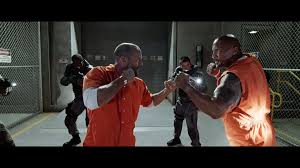 These are two guys that really understand which movie they are in.
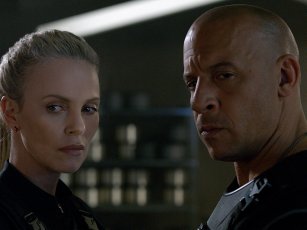 Dominac is, after all, still driving the heart of the story. This time it revolves around the question of whether Dom has turned bad or not. And as we begin to discover the answers to this question, it becomes increasingly difficult not to wonder whether Diesel will (or should) end up riding off into the sunset at some point in the near future. We get this sense already in some of the later films in the franchise, but here it seems like the horizon is that much closer. Even the title hints at some sense of finality, and Dom’s character would be the most likely choice to bring to a close.