This is a piece I wrote on The French Dispatch in convsersation with the book and the online movement Accidentally Wes Anderson. It is posted on the Fear of God Website here:
https://www.thefearofgodpodcast.com/blog/holdingcourtthefrenchdispatch

Discovering myself through the stories of others: a conversation about the people, places, memories, passions and art that make me who I am
This is a piece I wrote on The French Dispatch in convsersation with the book and the online movement Accidentally Wes Anderson. It is posted on the Fear of God Website here:
https://www.thefearofgodpodcast.com/blog/holdingcourtthefrenchdispatch

If you’ve ever wondered about how it is that our society with its 5 day work week and economic/social expectations came to be this is a wonderful book that tracks the history from the Stone age to an educated guess on an imagined future. History gives context and the context raises questions you might have and never ever realized you had.
More than this though this book hit on some interesting philopshical concerns when it comes to seeing this history as a bit of a complicated beast. For me it actually completely reoriented my sense of how and why we work and what work means. One point of perspective that I found especially interesting was Suzmans interest in the discovery of fire as the key transitional point in moving from a view of abundance to the dominant view of scarcity, transforming our relationship to work in ways that life, in its largest sense, had never known before. Whereas our relationship to work before this was determined by an equation of energy taken and energy given, the discovery of fire was the first time life outsourced that energy to something external to itself. This was of course a precursor to the industrial and technological revolutions where out sourcing our spent energy to something external to oursleves has become a mark of humanity’s progress. How we parse through this complicated reality is part of what this book sets out to do.
These historical and evolutionary/adaptive truths are intricately tied then to how we understand the development of human societies with our relationship to work remaining a key part of this equation. This means that understanding what work is and why we work is crucial to our understanding of larger systemic and social realities. This book offers a way into those conversations from a unique angle. For me it also turned me inwards forcing me to ask hard questions of myself as well, especially when it comes to how I operate, even if subconsciously, according to a rule of scarcity rather than abundance, and also in terms of how difficult it actually is to reform ones relationship to work in a society where a particular view of work is so integrated and bound to life itself. Living differently and making changes comes with all sorts of challenges and risks and obstacles.
In any case, this has probably been my 2nd most cited book of 2021 and I’ve found myself talking about its ideas quite a bit, which makes it an easy pick for this slot.
My Top Most Important Reads of 2021:
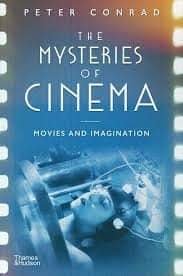
#4 The Mysteries of Cinema: Movies and Imagination by Peter Conrad
Similar to Dave Grohl in his new autobiography (highly recommended as well), where he describes his music as worship, playing shows as his spiritual experience, and the auditoriums as his cathedrals, I often cite the theater as my Church, the space where I am invited to think about and experience the transcendent and the place where I find community. Anyone who knows me knows that this is why I speak as a broken record when it comes to discussion of film and the importance of theater. In many ways theater has gone the way of so many things these days, including popular iterations of church, being more about modern conveniences, big lights, performance based experiences that cater to entertainment rather than forming an expectation of transformation. That isn’t an argument for anything, rather it’s an expression of my own experience. It’s no wonder that many people don’t think it’s important or necessary any more and have detached the experience of film from that sense of place and togetherness, instead appealing to personal preference.
When I speak about the subject what is behind that for me is a deeply felt sense of loss in my own life, even though theaters at this point still remain open. It’s a process of thinking about my own formative experiences growing up and heading out the large, grand palaces that demanded that upward, transcendent gaze simply by being present. It’s a process of trying to reconcile that with the present day and contending with things that feel like they challenge something I consider to be sacred and communal. Similar to my church going experience i suppose, where I left the big church and pursued a more liturgically based practice connected to that sense of history and tangible, physical space, I continually long to locate that in my movie watching practice.
Which is partly what I so appreciate about this book. It tells the story of cinema from the perspective of its religious type experience, using the template and story of religion to help illuminate what this means and why this is in a historical sense. It sees film as primarily an exercise of the imagination that helps to invoke in us a sense of wonder and awareness for truth and life with an eye towards its transformative potential. It sees in film things like the potential for worship, for community, for the sacred experience, appling this in a broader sense beyond just the religious but using religious language in the same way the tradition of cinema always has. It’s a powerful and informing book, and also an immersive one in how it opens the reader up to a greater love for the artform.
My Top Most Important Reads in 2021:
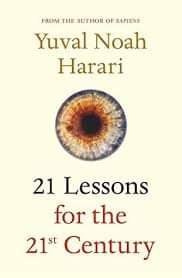
#5- 21 Lessons for The 21st Century by Yuval Noah Harari
“In a world deluged by irrelevant information, clarity is power.”
This statement which opens Harari’s third book in what is a trilogy exploring the past (Sapiens), future (Homos Deus) and now the present of humanity, captures the spirit in which he writes. Harari is clear that he believes time is ticking on humanities ability to control the narrative, and spends much time articulating how narrative is key for how we do history rightly or wrongly, because whether we recognize it or not we all have a narrative we hold to and which we assume and project into our understanding of truths relating to historicity. From narrative comes clarity and potential.
His essential argument in this final book focused on the present state of the human species revolves around the cautionary and prophetic message that In the near future, if not already, humanities power to dictate the direction of this narrative, especially when it comes to ethics, may or likely will be given over to the very power of the technology and systems we have created. When system is married to technology the narrative of our evolutionary story changes exponentially, giving the technology an agency unparalleled in human history. The irony of this being that it is because we see this technology as a symbol of humanities inherent exceptionalism that we remain largely unaware of the right questions to ask. In short, for the first time in history technology has far outpaced our ability to formulate these advances and changes in a way that that aids human activity. Instead human activity consistently caters to technological changes.
At one point the author points out that we’ve spent the whole of human history sitting around debating about life’s meaning, and we no longer have that luxury. We need to get past these arguments and get on with what really matters- regaining control of the world.
Why this is one of the most important books of 2021 for me is not so much because I agree with his conclusions; truth be told I depart with him on that front, it’s because I think the data and thoughts contained in this trilogy, and which this book effectively demonstrates, presents the most compelling argument for where we are and how we got here and what we must do in response that I have found to date. There’s no question that Harari has strong feelings about religion, and when he gets caught up in these biases the book and his arguments are at their weakest and least compelling. But the information that surrounds this I think makes a really strong case for the truth of reality as we know it and what these current realities are. For me his exposition uncovers the most logical way to live with these challenges with of course a strong eye on the future. I am convinced that if I didn’t hold to faith Harari’s assessment of reality remains most likely to be true. As a person of faith his assessment of reality also explains, at least in part, why it is that I believe in God.
I think one interesting thing about Harari is that what he has to say directly challenges so much about the ways in which non-religious thought often makes certain assumptions about reality that don’t reflect the way it actually is. I see this happen all the time in conversation. His deconstruction of free will, his assessment of nationalism, his appeal to materialism, his acknowledgement of narratives as illusions, his interpretation of our relationship to technology, these are all things that smart minds might acknowledge but rarely allow to actually inform the truth precisely because of where it seems to lead. This is where he challenges this tendency by exposing logical inconsistencies. The way he exposes the degree to which much of the laws of nature bleed through so many of the areas we generally apply freely to morals and ethics, and the acceptance that this is okay and even necessary when taken in the bigger picture, contradicts many of the most popular assessments of reality on the surface. It is the way that he makes a case for these things that makes it so compelling, even if it leaves us uncomfortable. And if you are a person of faith, so much of this intersects with the the stuff of life that religion tends to inform and reform, thus reading this can help clarify some of the uncomfortable realities about life and humanity that cause many of us to question and desire to confront and address.
A few years ago I began a New Years Resolution Plan called Rosebud. I heard about it on one of the travel podcasts that I follow. The process essentially looks like this:
Step 1: List Three Roses-
This is the stuff that I would consider the greatest strengths, successes or accomplishments of the past year, the stuff that has managed to blossom into a Rose.
Step 2: List One Thorn
This would reflect my greatest personal struggle of the past year.
Step 3: List Three Buds
Based on my “thorn”, this is a list of what I would like to “bud” into potential Roses in the coming year.
Step 4: Come up with a word for the year
This should be a single word that can help reflect the direction I want to head in the coming year, a single word that can give my year a theme or a recognizable focus and narrative.
So, why Rosebud?
I have been asked in the past, why three Roses but only one Thorn? Most of us don’t realize it, but it is often much more diffciult to come up with roses than it is thorns. Also difficult is learning how to speak about thorns in a way that imagines forward movement, seeing it in light of one’s potential for growth. It’s kind of like that old piece of advice that says when you are in an interview for a new job and they ask you about your weaknesses, always give a weakness that you can do something about.
The great part of the Rosebud system is that it allows one to document their struggles and their growth year by year as a kind of working and interactive diary. You can build on the previous year and form an ongoing narrative out of the successes, struggles and hopes. This is not about resolutions persay, at least not in the traditional sense, it is about making space for introspection and observation and forming that into perspective and potential. And it allows one to not just make goals, but to examine what those goals are actual about, the why of our goals.
With that in mind…
Heading into 2021 I had noted that my one thorn was this constant feeling of being defeated. There were multiple reasons for why I felt this way, and my three buds, my three hopeful observations, seems to have been interested and in redirecting and redefining my focus. At the time I had rebranded my website to intentionally move from a narrowed space (wrestling with turning 40 by looking at the story of my ilfe) and move into a more positivist focus to reflecting on the stories within my life, be it experiences, books, film, encounters, memories ect. This rebranding came with an upgrade to this site that allowed me to get rid of the ads and utilize my own domain.
I do think this rebranded focus has brought positive change, including more writing and more interaction with others through that writing. One change in 2021 that I think came from this rebranded focus was an invitation to join the team at one of my favorite podcasts, The Fear of God. I was asked to come on and contribute, along with being the odd podcast guest, biweekly articles that reflect on what I’ve been reading, watching and listening to. it has been an opportunity to sharpen some of my writing and my attention. It has stolen some time from this space of course, but i think that has proved a worthwhile exchange.
As part of my buds for 2021 i wanted to take better control of my presence on social media, as it was occupying much of my time and not resulting in much that was positive. I attempted to scale back on my reactionary participation, focus more on groups that I found fruitful and edifying, and stay consistent in my own feed. I wasn’t interested in unplugging entirely, but i was interested in utilizing it differently. This is na area I saw progress in, particularly in the early going, and yet i also have a long ways to go.
I had noted leading in to my 2021 Roses, Thorn and Buds the record breaking year I had in 2020 for film and books. That was part of my 2020 hopefuls so it was by design, but with this refocusing and redirecting anticipated dialing that back. This proved to be an epic fail. I broke my 2020 record for both film and books, and by a consideral amount. The strange thing being that i did so without really monitoring it or paying attention to it until December. My free time and space was intended to be spent on giving time to a personal research project on the subject of memory. i made some headway, but that is something i would really like to get back on track with in 2022.
My presonal word for 2021 was “story”, which was meant to capture my rebranded blog focus, my research project, and those attempts to redirect and refocus on something intentional.
Three Roses:
1. Research Project/Book
I Started my research project/book but fell off the wagon with it so to speak. Still, noting the progress that I did manage to achieve feels as good a place to start with identifying a rose fom 2021.
2. The Fear of God
Although this speaks mostly to the privilege of being asked and being givent the opportunity, coming on staff for The Fear of God was a highlight of 2021 and something I consider a rose if simply for represnting a commitment to staying on task and sharpening my writing process.
3. Buddy
As 2021 would have it we stumbled, through the apparent determination of my wife, on a new pup named Buddy (appopriately for our favorite film Elf). I see this as a rose more for what it imposes on my life, which is the opportunity to give myself to one who needs care, compassion and love as part of our found family. I see those as positive additions to the mix in 2021.
One Thorn:
Avoidance. This feels perhaps ambiguous, and it kind of is in my own head. But it also feels right on a number of levels. There are a number of areas, however undefined, that feel like if they are to bud they first need to be acknowledged. Setting out to figure out precisely what that is and means is a place to begin, but that means acknowledging the thorn.
Three Buds
1. Reinvest in relationships at home
I suppose this goes hand in hand with our welcome addition of Buddy, but it feels like things at home, which I think we would all agree if we are being honest, have been caught up in a diffcult space as of late. A little bit of apathy, depression, aimlesslessness, wrestling with addictions, being caught up in less than helpful routines. Getting out of the slump likely begins with doing it together, which means beginning with each other.
2. Take my record breaking year in film and books and funnel that time into greater investments
What do I mean by investments? Perhaps more intentionality, although I haven’t quite whittled that down yet. Certainly more opporunity for phyisical relationship. More honed reflection. I imagine this will need some dicipline and a paring back of the numbers, which would be totally fine. I think using my love of film to expand my horizons and get a little more creative, less adhered to content and more focused on the substance, will be something I can work through this year.
3. Make progress on my book
Given that I fell off the wagon this feels as necessary as anything. Definitely something I can get back on track.
My Word For the Year: Process
A word on lists before I get to my top films of 2021. First, as is often the case wrestling these films down into a list was difficult. There is an argument to made that “lists” aren’t the best way to represent a year as these numbered spots are fluid and hardly static when set into conversation.
And yet it would be difficult to find a different system to effectively help shed light on these films. Numbers seem to catch our attention, and based on a long process of reflecting and engaging the titles that stood out for me for any number of reasons in 2021, it is at least fair to say that the titles represented on my list are ones I hope to draw attention to in this present space and time. Also, my personal paramaters, which does not include non-narrative (documentaries.. see part 1 for those) films, consider any film that got a wide release in 2021 as eligible for conversation with the exception of those represented at the Oscars. So Nomadland, Judas and the Back Messiah, among a few others, although getting wide release in 2021 are not represetned. At the same time a number of notable 2021 releases that have made numerous top of lists are not included simpy on the basis that I haven’t bene able to see them. Those include Drive My Car, Red Rocket, Flee, Mass, and the Tragedy of Macbeth.
One last word as well. I wrote earlier about certain themes that emerged from this years slate of films for me personally. A big part of this year has been the reopening of theaters. Little more has tapped into the joy of cinema for me than this. It helped revive a challenging first quarter and reignite why film matters and why its such an important voice in my life. Most of my picks represented tap into that cinematic expression, representing both the narrative and form, and truth be told I’ve been soaking in a ridiculously packed theater slate due to carry overs fromt the pandemic that is bound to disipate. So I’m enjoying it while it lasts.
With that in mind, here is my top 20 list for 2021, which is out of 254 2021 releases viewed:
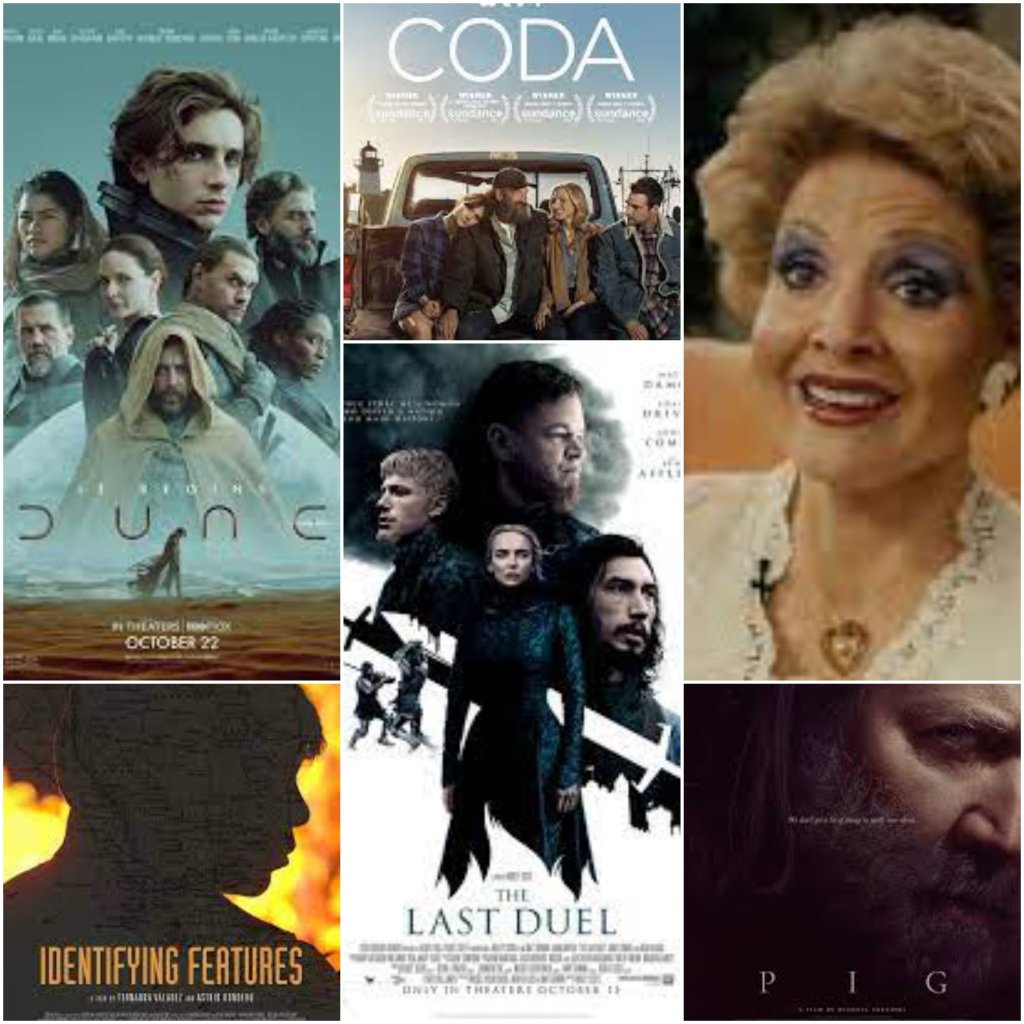
Honorable Mention: The Klling of Two Lovers
20. Dune
19. Coda
18. The Eyes of Tammy Faye
17. Identifying Features
16. Pig
15. The Last Duel
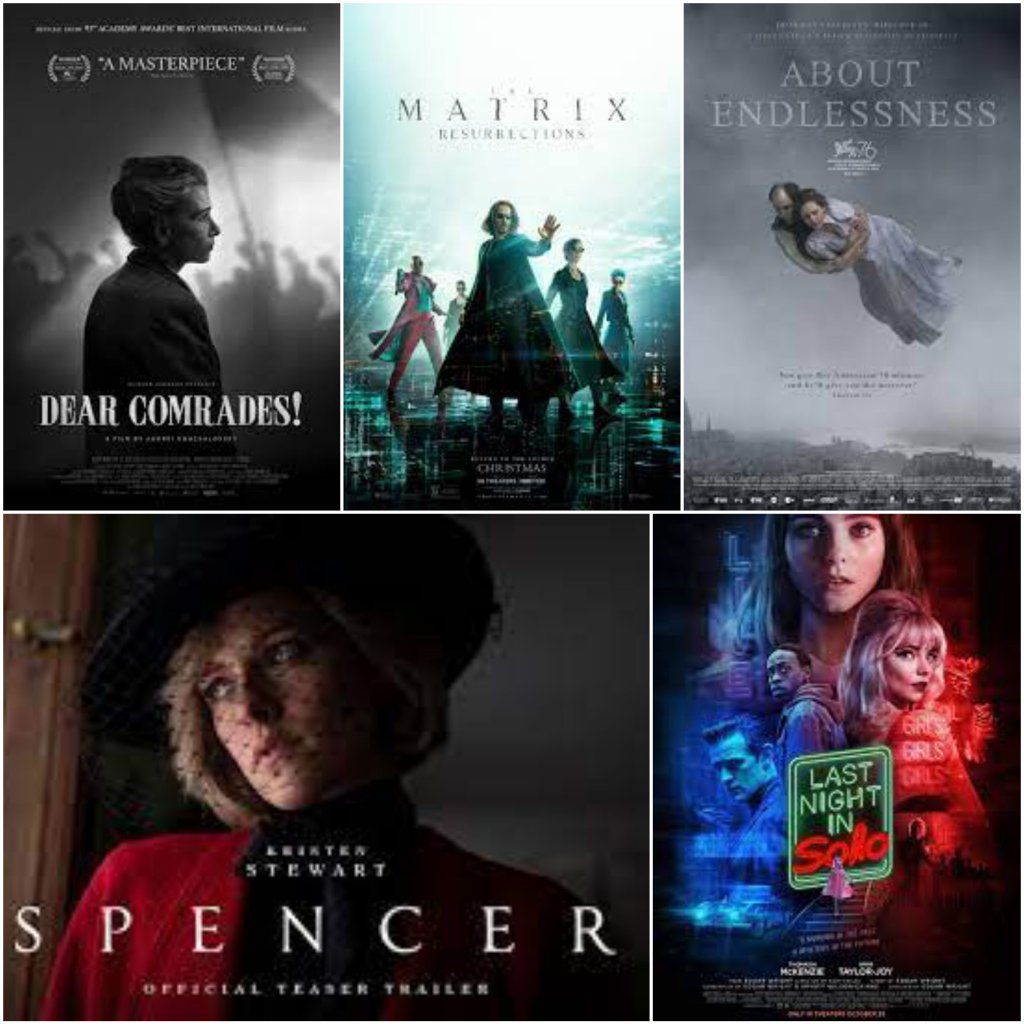
14. Dear Comrades
13. The Matrix: Resurrections
12. About Endlessness
11. Spencer

10. Last Night in Soho
Edgar Wright’s much anticipated horror film Last Night in Soho is a true celebration of style, substance and form. Brimming with character, it bleeds a welcome sense of nostalgia, moving us through the streets of Soho like a place caught in time and with important and necessary stories to tell. The film features complimentary performances by the eclectic and seasoned actresses Thomasin McKenzie and Anya Taylor-Joy, and explorse important themes when it comes to how it is that we wrestle with nostalgia and the past, especially when it comes to locating the struggles women face in the here to live as liberated persons
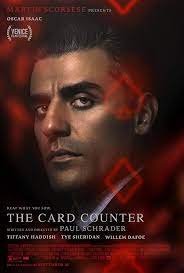
9. The Card Counter
Sitting in the movie theater in the empty space that precedes the closing credits of First Reform and hearing someone say, “What the “f” was that” is still one of my favorite movie going experiences. Not because I felt smug in my appreciation of what I would call high art, or transcendental cinema, but rather over the fact that a film that that could elict such a strong reaction. First Reformed is, admittedly, a tough watch. It is also proof of the ways in which film can challenge us to think and see outside of the box.
The good news is, for those who might be leary of Schrader’s particular style and voice is that The Card Counter is a considerately more accessible film. At least part of the reason for this is the difference between Oscar Isaac’s grounded ex-con persona and Hawke’s evocative an highly pastoral take on existential angst. Even before we get to the beautifully shot but unsettled ending of First Reformed Hawke’s enigmatic peformance is clouded in mistique and strangeness, whereas in the Card Counter we get a shell that is fairly easy to understand and grasp before Schrader breaks it, digs underneath, and attempts to piece it back together. There are so many aspects of this film that deserve ones attention, structurally, thematically, visually, audibly. The way Schrader draws this out as a litany (or liturgy) of scenes, all of which feel slightly disparate but which also experience this inevitable pull towards something shared, even if that something feels slightly out of reach for most of this film. We get these notes, these moments where a tidbit of information or a small reveal breaks through as a kind of revelatory process, forming the narrative out of what are largely conversational bits between these characters.
Forgiveness comes into play here, with the question of the difference between forgiveness of one’s self and recieving forgiveness from another becoming an important part of the films larger exploration of guilt and innocence. It is posited that we do not speak of good and bad apples, rather it is a question of whether the barrel itself is bad. This notion of childlike innocence is referenced a few times during the film, most directly twice, and in both of those cases alluding to the freedom to love and to be loved. Where this ebbs and flows between the neglect of childlike tendencies (as in we must learn to be more mature), and childlike aspirations (as in, we must learn to cater to those childish aspects if we are to mature) is a feature of this film that excited me quite a bit. I loved how it uses this to play into the larger theme of forgiveness and love, and also how it plays into this tension of that tipping point. Much of the richness of the story plays from this, including the film’s startling and iconic final scene, a scene that reaches for something truly transcendent amidst the very real questions it holds in play.

8. Riders of Justice
Daring twists and turns and misdirections that lead you through a gammot of emotions. Sharp left turns into timely humor give way to philosohpical and existential wonderings before steering us straight into the fire of its thriller based action. That it’s such a deeply felt character drama with a truly excellent ensemble piece is due to the compassionate and excellently crafted direction and a knock out role for Mads. Can’t sing high enough praise for this one. All the feels.
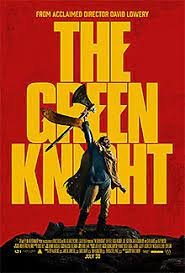
7. The Green Knight
A uniqe take on an old Aurthurian poem by a master filmmaker, with the interpretive take asking big and bold questions about what it means to be a man, shaped as this question is by the grand mix of myth and history with its images of heros and legends, even going so far as to wonder, if I may borrow from a favorite critic Josh Larson, whether this is a question we should still be asking at all. The film also explores the relationship between myth and history, using the religious parallel to dig deep into an exposition of where precisely our humanity intersects. A powerful film that I imagine will only grow in my imagination with time.
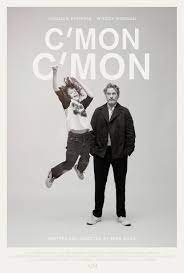
6. C’mon C’mon
Few films have resonated with me in 2021 in the way this one did, evoking as it does an exploration of perspective, moving between that of a child and its adult protagonist in a one two punch of the best performances of the year. The motif if the still image paired with the preserving of memory and the forming of meaningful narrative plays large here, and the relationship dynamic, built as it is on found family, reaches beyond the typical parent-child relationship in order to challenge our vision of precisely where the lines between family and friedshipmeet across these generational lines. A genuine celebration of life and wonder found in the midst of real struggle and pain.

5. The French Dispatch
I truly believe this is one of Anderson’s best works, and yet it’s hard to measure this against his previous efforts because it also feels very different, at least experientially. The emotional breadth of his style and design is more clearly on display elsewhere, which I think might make some of his other films more immediately accessible given the degree to which The French Dispatch requires you to give yourself over to the experience itself. But its also true to say that emotional breadth has never been given a more intricately crafted and expertly built frame to exist within, which is truly this films crowning jewel as it navigates the binaries of our existence using working motifs of light and dark, good and evil, isolation and relationship, art and viewer, life and death. From this is locates startling and striking images that then motivate us towards images of the good, the community, the light, the life and the celebration of art.
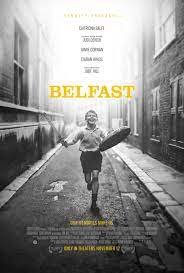
4. Belfast
This crowd.pleasing, one of a kind family drama is one of the Directors best works, taking a heartfelt and compassionate approach to a deeply personal subject- family and home, and more specifically that of Ireland and its people.
The film features some exquisite framing that works with the constantly shifting camera work. There are times where it feels we are watching an elaborately screened stage production, complete with entrances and exits and choreographed to precision. There are other times where it immerses us in a dramatic sequence, with the artists imagination drawing us in through the creativity of the visusla. Still other shots settle on a specific scene, or it employs a static positioning, gradually revealing the details in the periphery that lie just outside our line of sight. Taken all together it’s a marvelous tapestry that functions as a perfect marriage with the films astute use of pacing and editing. It might be first and foremost a love letter to Ireland, but in offering us such stark and deliberate images of two sides divided it is able to center us on these brief glimpses of a more universal story of struggle and hope, reminding us of what is most important in living together.
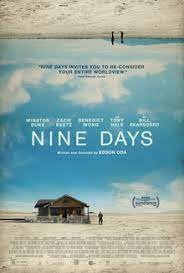
3. Nine Days
This is a high concept film filled with existential concerns for life and its marriage to suffering. Following a lone arbitor who has the lengthy task of interviewing souls for the potential occupying of a vacant life on earth, a process that takes nine days to conclude, the film digs deep into that central tension- is the chance at living truly worth the potentoal suffering, and what do we do with life when it appears that the bad far outweighs the good. In the scope of the film, memory becomes crucial to gaining a helpful point of perspective pointing us to evidence of a central human longing that is embedded within our spirits, something we can’t always understand but something that continually has the power to point beyond us and our present experiences, beyond oursleves to a transcendent Truth, a grander narrative that enfolds this existence. A Truth that doesn’t deny or ignore the tension of existing in the struggle but which looks to speak to it in ways that can inform and contextualize, in ways that feel intuitively aware of what is not right and what we hope will be made right. That our ability to lay claim to beauty is not contingent on the trajectory of our indivdiual lives or the success of a small portion of humanity is, for me, a liberating thought waiting to break into and shed light on this films concluding image, wich is the most memorabe image of 2021 for me personally.
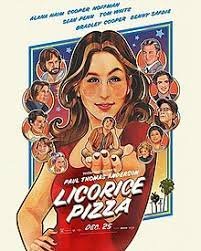
2. Licorice Pizza
As PTA is bound to, he manages again to take the unsettled space of these complicated character dynamics and turn into something completely captivating. It always seems so odd to me that his films can seem so simple and yet they are most decidedly not. In this case he revisits the unconventional love story setting them in an era (the gloriously reconstructed 1970s Hollywood backdrop) that he is clearly quite familiar with and thinks fondly of, and uses it to pull out subtle commentaries about race and gender relations and the tension that exists between nostalgia and reality. As he navigates this he gently pulls from this the true and pure innocence of the story using the oviously uncomfortable nature of the age gap between this 15 year old boy and a 25 year old woman. The 15 year old boy who acts like he is 25 and the 25 year old woman who struggles with the weight of maturity and its expectation of a life meet in this back and forth push and pull between the two, with these cyclical sequences subtly presenting us with a gradually emerging character and thematic arc. That this age difference disappears into the carefree nature of this relationship and its undeniable innocence once again tumbles us straight back into that existing tension between nostalgia and reality, this time with fresh perspective and a fresh lust for life and love in its purest and untainted form.

1. The Humans
The film belongs with the likes of The Big Kahuna or The Sunset Limited. It’s based on a play and the single location shoot revolves around a script that delves into matters of existential concern spanning life, family, relationship, circumstance, religion, forgivness, restitution, and hidden secrets coming to the surface. The film is beautifully shot, and the script exceptionally written, and the performances perfectly capture the full breadth of these themes as they struggle through this self contained holiday gathering. Viewer beware, this lays all the messiness of family gatherings to bare and thus should come with a serious trigger warning.
What the film does with these family dynamics is where the sharpness of its vision gets fully articulated. It encases it as a gradually emerging nightmare, with the momentary feelings of necessary escape being bound to the kind of expectaitons such gatherings entail. The problem is the more we coexist within this space the more the unspoken tensions, stifled as we try to keep them, bubble up to the surface, leaving these family gatherings as an inevitable process of laying the dirty laundry on the table. In some ways this is the necessary therapeutic process, the thing that enables us to return to this space again and again despite its potential for dysfunction and horror. For it to remain stifled is to have nowhere to go but into our isolation. And yet the irony of this, something this film captures in its essence, is that this cast of familial relations are perhaps never more aware of this feeling of isolation than when they get together. This, it seems, is the conundrum of this necessary coexistence.
The definite horror notes then breathe through the narrative with an inspired sense of awareness of this dillema, using it as a way to visually represent the common experience. And yet, what undercuts this are silent moments of beauty and assurance, this unspoken word that seems to leave us with the conviction that despite its dysfunction family, that connection and togetherness, is necessary.
A word on lists before I get to my top films of 2021. First, as is often the case wrestling these films down into a list was difficult. There is an argument to made that “lists” aren’t the best way to represent a year as these numbered spots are fluid and hardly static when set into conversation.
And yet it would be difficult to find a different system to effectively help shed light on these films. Numbers seem to catch our attention, and based on a long process of reflecting and engaging the titles that stood out for me for any number of reasons in 2021, it is at least fair to say that the titles represented on my list are ones I hope to draw attention to in this present space and time. Also, my personal paramaters consider any film that got a wide release in 2021 as eligible for conversation with the exception of those represented at the Oscars. So Nomadland, Judas and the Back Messiah, among a few others, although getting wide release in 2021 are not represetned. At the same time a number of notable 2021 releases that have made numerous top of lists are not included simpy on the basis that I haven’t bene able to see them. Those include Drive My Car, Red Rocket, Flee, Mass, and the Tragedy of Macbeth.
One last word as well. I wrote earlier about certain themes that emerged from this years slate of films for me personally. A big part of this year has been the reopening of theaters. Little more has tapped into the joy of cinema for me than this. It helped revive a challenging first quarter and reignite why film matters and why its such an important voice in my life. Most of my picks represented tap into that cinematic expression, representing both the narrative and form, and truth be told I’ve been soaking in a ridiculously packed theater slate due to carry overs fromt the pandemic that is bound to disipate. So I’m enjoying it while it lasts.
With that in mind, I’ll start with some of my outliers. Consider this a casual jaunt through the hallways of my year in film on the way as i made my way to my top of the year list. A couple notable films that I really wished could have made my list- House of Gucci, Swan Song, My Salinger Year, Joji, The Electrical Life of Louis Wain, No Sudden Move, Sweet Thing, and Say Your Prayers.
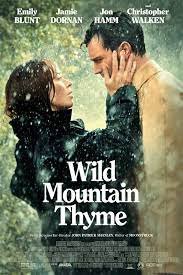
Wild Mountain Thyme
Speaking of outliers I know I am one when it comes to my love for this film. But if you are looking for a sentimental but also meaningful romantic comedy with a poetic edge and Irish flair, this hit the sweet spot for me.
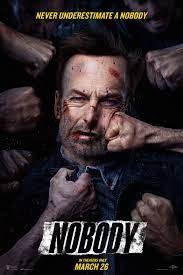
Nobody
Worth noting because it was filmed in Winnipeg, its ridiculously entertaining, and it has some nice, resonant themes as well. Definitely worthchecking out.
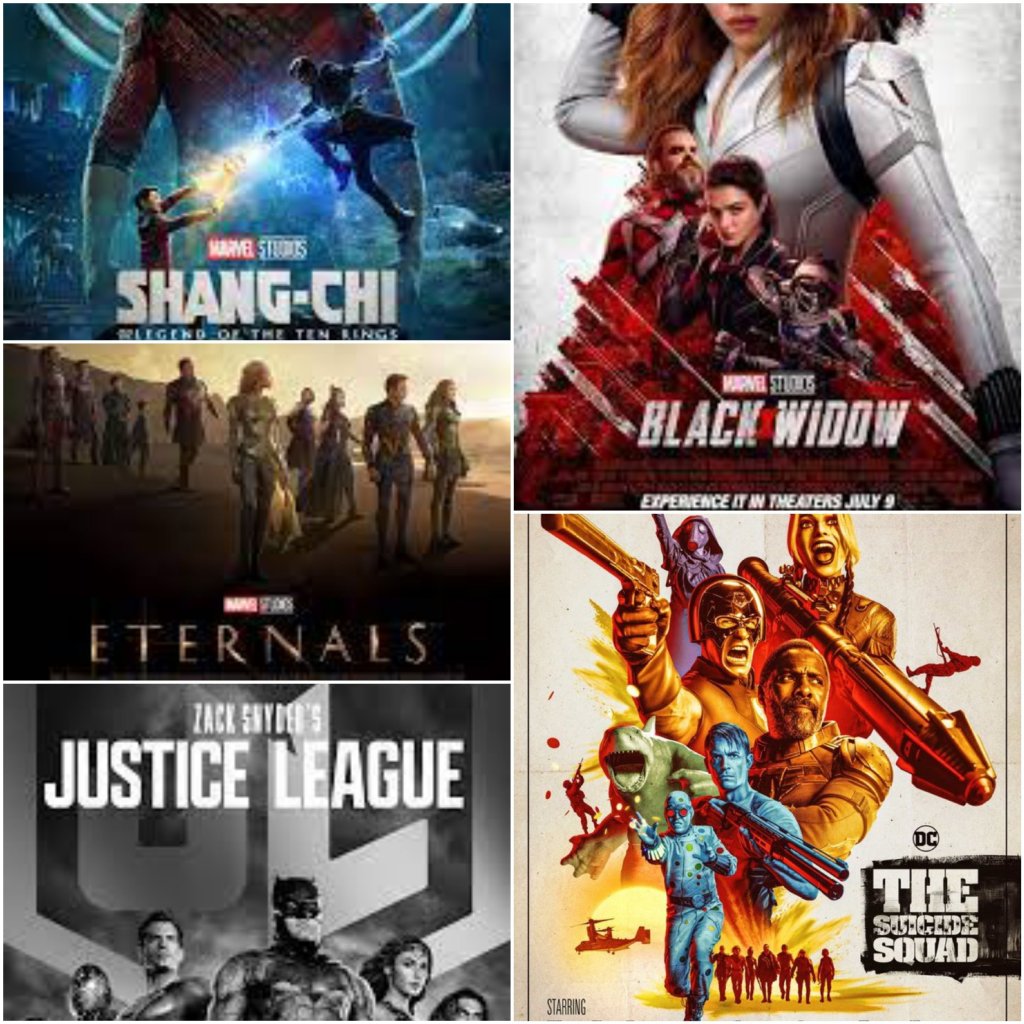
Shang Chi/Black Widow/Spiderman: No Way Home/Eternals/Zack Snyders Justice League//Suicide Squad
I’ve included these together simply to point out that not a single Mravel or D.C. film made my list this year, and that is not a statement on their strength. I loved all of these films equally for different reasons, be it the grand mythology and epic story of Zack Snyders Justice League, Eternals taking a similarly big and epic story and whittling it down to an intimate characterstudy, the way Spiderman, my favorite MCU character, managed to take his present space in the MCU and use that to create such a meaningful stand alone and introspective story, the sheer visual spectacle of Shang Chi as a cultural narrative, the absolute blast that was this years The Suicice Squad which for me redeemed what I didn’t like about the first, or the stength of story and character represented in Black Widow. In any other year any of thess could have cracked my list, and for me I remain as excited for and invested in their future as ever before.
Never Gonna Snow Again
Defies categories, takes some big risks, and the reward is a character drama revolving around a Ukranian immigrant that cuts through the visual flourishes resulting in something emotional and affecting.
I’m your Man
A gem of a film that fits that necessary high minded indie spot. Its a familiar premise with its examination of our relationship to the future, in this case exploring the quesiton of what it means to be human through the reltaionship between a woman and a clone built to meet her needs in a arner. But it tells is to in a fresh way.

Joji
Flag DayThis film started at the top of my list and just barely ended up getting sequeezed out. I haven’t seen The Tragedy of Macbeth yet (doesn’t release unitll mid January on Apple Tv+, so this remains the best Shakespeare adaptation of the year. I absolultely loved the tone and the creative ay it translates that into a modern context. Rich in themes of forgivness and restitution and pictures of justice, and reflects a deeply personal and family centered story as well.

Ghostbusters: After Life
This one wasn’t going to make my top list, but as a film this did evreything I could ask for in representing the franchise and establishing a fresh new story moving foward. Its suprisingly emotional, resfreshingly simple, and a whole lot of fun.
No Sudden Move
I still maintian having seen this early in the year and having had time to sit with it that this is Soderberghs best work to date. It fits right in his wheelhouse with its noirish, gangster type thriller vibe and structurally speaking its quite a marvel. Even thinking of it now brings up a slight pang knowing that its not on my top list
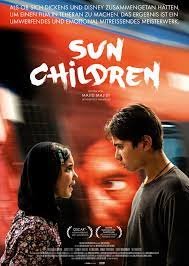
Sun Children
A richly textured and deeply moving story baout a 12 year old and his friends that mixes in a treasure hunt and some adventure.
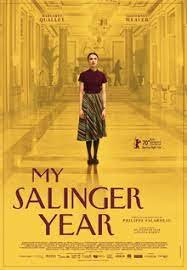
My Salinger Year
A definte personal favorite that checks so many of my boxes. It inspired me to pick up the book which only underscored how much I love this film. The literary dynamic had me giddy and the performances are really great as well. Thematically it managed to hit on ideas that intertwine the literary theme with the story of our lives, which is an idea that alway resonates with ona big level.
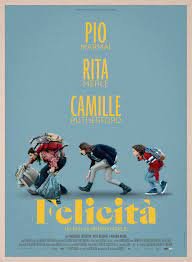
Felicita
A laugh out loud blast with a real emotional punch. if you have the chance (currently available on Prime), this one is absoltuely worth the investment. Even better if you go in blind so as to get the most out of the uncoventional premise.
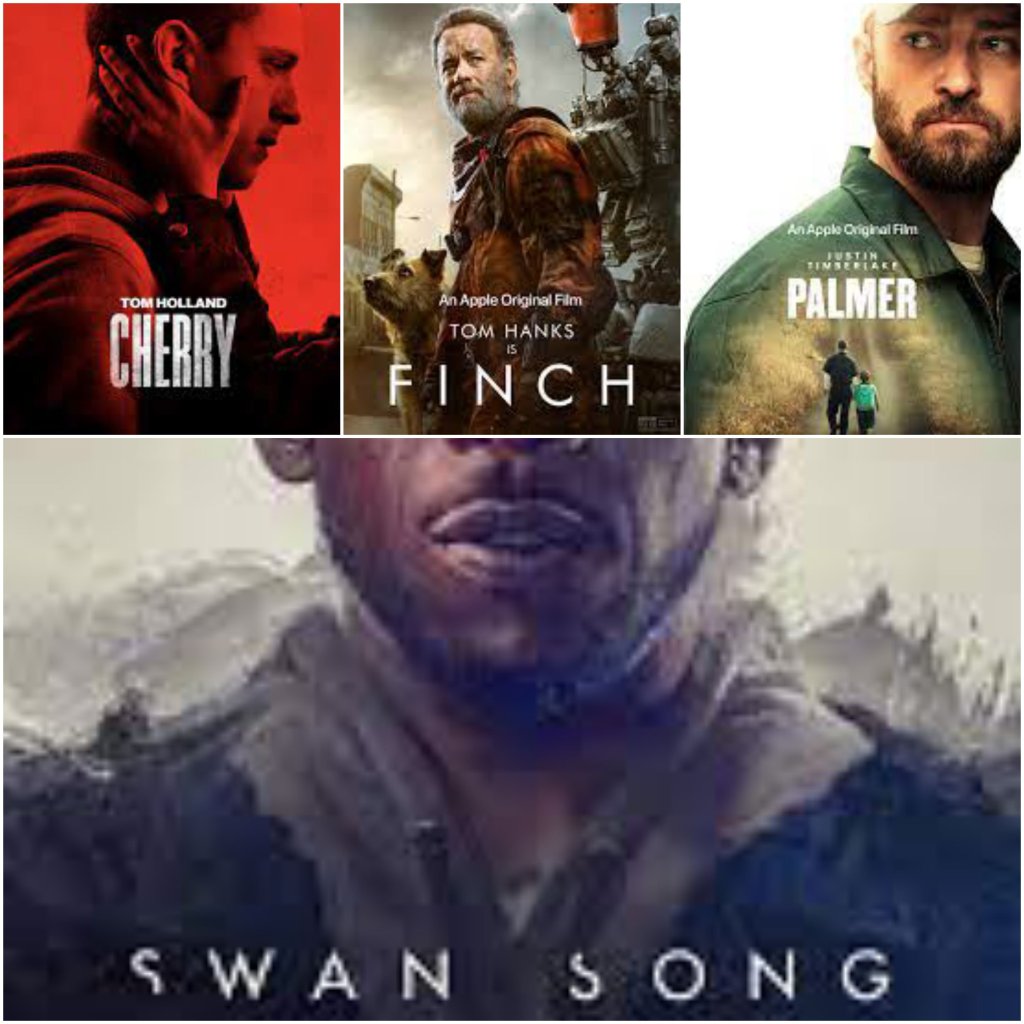
Cherry/Swan Song/Finch/Palmer
Wanted to highlight these four films because all four are on Apple TV+ and all four are intriguing projects in their own way. Tom Holland is riveting in Cherry, a film directed by the Russo Brothers and carrying their penchant for marrying big vision with a clarity for story. i found it emotional and thriling. Swan Song is the latest of the four and represents a quiet sci fi story with big questions on its mind and a stellar performance by Ali at its core. Finch is an equally introspective apocaltypic drama that features the always reliable Tom Hanks and Palmer a suprisingly effective human drama with a nice turn by Justin Timberlake.

Ghost Tropic
A reflective and meditative exercise that follows an aging woman on a literal and allegorical journey. Its got a lot on its mind about our sense o personhood and our place in this world, and its given a really simple story to express it.
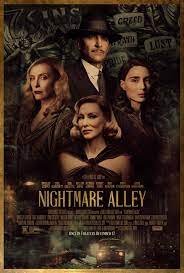
Nightmare Alley
The more I ruminate on this film the more I like it. Of course he is my favorite Director so its difficult for him to miss with me. I watched it not too long after I saw The Power of the Dog and I found Nightmare Alley to speak to my negative experience with that film given some overlapping themes regarding the cycles of human depravity. This underscores some of the reasons why he is my favorite Director, and while I wrote more about my thoughts in my favorite horror post in this space, which you cansee there if you want, I found this to be more immediately accessible than Shape of Water which translated to a positive and meaningful experience in the moment, but I’m still parsing through the intracicies of the film itself. Which is largely why it didn’t crack my top of the year list.
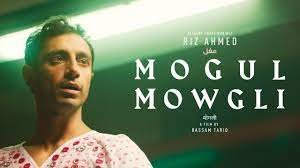
Mogul Mowgli
Not as strong as Sound of Metal, but Riz Ahmeds embodied performance still stands just as tall as the young British rapper strugglingtofind his way. Definitely a must see film from the 2021 slate.
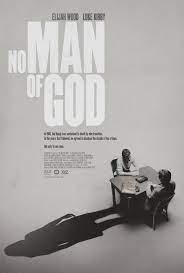
No Man of God
A compelling psychological examination told from the perspective of the one man tasked with getting into the mind of Ted Bundy, part of a government sanctioned endeavor to learn what is behind the criminal action. Features a powerful performance by Elijah Wood and a strong emotional punch.
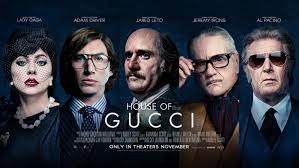
House of Gucci
The biggest reason this didn’t crack my list is that I felt it needed a rewatch before I could settle on it. Without a doubt the performances are strong, as the are in Being the Ricardos, another film that left me in a similar space. I felt like the film would have benefited from some changes in the script to tell this story more succinctlly from her perspective. The decision to tell a broader story left it slightly inconsistent in focus and motivation. Still though, its a film worth seeing and demonstrates much that works really well.

The Electrical Life of Louis Wain
Without a doubt this one of the most meaningful and moving theater going experiences in 2021. A messy and somewhat scatterbrained script adds to its charm as it works its way through such realites as death, loss and struggle with a keen eye towards life, beauty, joy and mystery. Visually stunning, richly imagined and wonderfully performed.
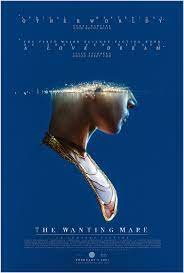
The Wanting Mare
An awe inspiring visual feat made with a miniminal budget by a promising indie Director that is all about the power of memor to hold us in dark times.
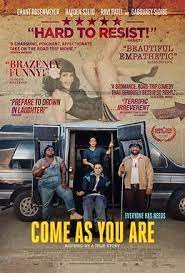
Come As You Are
Sex comedies aren’t normally my thing, but this one is smart in the waythat 40 Year Old Virgin was smart, only with a much more grounded story anchored in the realism of its premise.
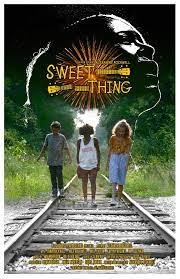
Sweet Thing
Young, wild, and nearly free, this is a children’s story that stretches such categorical restraints to say something about what true freedom actually is. We are bound to circumstances and shaped by others, and all moves to resist or break free from these things inevitably sets us in greater relationship to them. These things form is, shape us, and reveal our need to share these spaces with one another.
Profoundly beautiful and at times sad, the glorious black and white transports us into this childlike grandeur encouraging us to experience the world and all of its complex emotions anew.
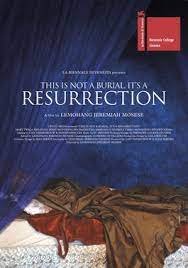
This is Not a Burial, Its a Resurrection
A film that explores the nature of progress and the devastating affects it can have on segments of society largely forgotten and sacrificed in its wake. Death and graves linger in the shadows of this films desperate portrait of an aging woman determined to being new life to her community in the face of suffering, danger and tragedy. This woman’s witness is powerful, and her journey says something about the nature of faith and how we hope.
The score is haunting, lending this a horror type vybe. The notes of horror only unveil however what is a deeply emotional, culturally formed heartfelt drama. There is as much beauty and joy here as there is tragedy, and it comes largely through the songs. The voices of the people and the resonant harmonies provide a contrast to the score, pulling beauty from the ashes as they say.
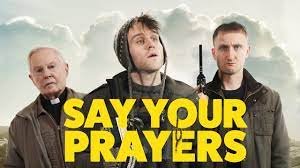
Say Your Prayers
This one scrapped and fought a good deal for a spot on my list and only recently got bumped off by some last minute additions. However, its worth pointing out just how strongly I resonated with this one when I first saw it. The true brilliance of this film is how it plays with preconceived perceptions regarding the never ending and ongoing debate in the West between modernism and science and religion. This becomes a template through which the film is able to dig underneath the wars and expose it for what it really is- doctrinal posiitioning that knows no boundaries and that bleeds out from either side of the figurative coin, be it the religious or the non-religious. Within this we also find intelligent discussion about why it is faith matters when it comes to wrestling through questions of morality, the nature of conviction, and discussions about the relationship between certainty and doubt.
As I continue to give last minute considerations to my end of the year top lists in film I always enjoy giving special attention to some underserved genres. This is specifically true when it comes to documentaries as I tend to devote my top films of the year to narrative films. Thus this is an opportunity to shed some light on films that are really worth seeing that might not otherwise get mentioned. The same goes for animated and horror films. While these have the potential to break my final choices for top films of the year, seeing as they do belong in the narrative categories, they also tend to get overshadowed by nature of the genres. Thus I like to give them their own due as well..
So, as a precurser to my best of the year picks here are my 10 favorite documentaries, animated films and horror films of the year respectively:
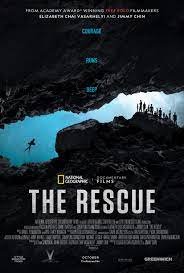
Honorable Mention: The Rescue
Bringing up the bottom rung of my top 10 this year is a pick that ironically might be making the strongest push at the 2022 Oscars. It’s positioning at number 10 is not a statement about its quality; this is a well made film that likely represents one of the true crowd pleasers of 2021. It’s simply made, sufficiently told, entertaining and checks all of the boxes for an inspiring and emotional real world drama emerging from tragedy. Its definitely worth checking out (currently available on Disney+) even if it doesn’t reach deeper than its larger than life story.
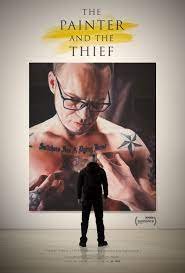
10. Painter and the Thief
This technically released in 2020, but it didn’t find wide release until 2021. Thus this captivating and intimately captured portrait of a man caught in a moment between the mistakes of the past and the redemptive possibilities of the present makes my list for its powerful ability to break through the concerns for justice and to ask better questions, both of the criminal and of onesself. The film does admittedly feel inentionally structured, ironically making this ripe for a narrative adaptation, which is actually being made. But it is this construction, as it trades the victims question of why did you do this for the simple and basic question “can I paint you”, putting victim and perpetrator across from one another in the most vulnerable of positions that leads to the most poignant, revelatory, and unexpected moment that drives this film forward, using the painting, the art, as a way to interpret deeper questions and observations about the self and the other.

9. Val
If someone had suggested a Doc would one day be made about Val Kilmer’s life I would likely have raised a couple eyebrows. And in fact I did when I heard about this release. He’s not the name I would have picked out of the hat to grace the screen with his story.
And yet here I am, completely immersed in his raw, vulnerable, quirky, and sometimes off the wall persona. I had no idea who Val really was off the screen, which is ironically a subtext and theme embedded into the doc itself. How is it that we navigate a dual existence, especially as one now with his identity stolen, forced to look backwards at a career that now defines him moving forward. I now feel better for knowing him through this film.
Credit him with documenting so many memories throughout his life, as they make the perfect complimentary narrative to this largely self reflective and very spiritual exercise. And for all its quirkiness, don’t be surprised at all if you find yourself shedding a year or two.
Couldn’t help while watching this but feel this is more than entertainment. It’s a gift, an invitation into a life and a struggling but hope filled soul that we shouldn’t take for granted. It’s a reminder that these are real people, real stories making the art that becomes and remains such important parts of our own stories and lives.

8. Bloody Nose, Empty Pockets
Another hold over from 2020 that didn’t see wide release unil 2021, but it is well worth your time as it blurs the lines of the traditional documentary by estbalishing certain bits of scripted drama. The way the scripted drama are submitted to the real world setting, forcing it to adapt and respond in real time, is fascinating to watch unfold as it explores a real world cheers like setting. It is intersted in locating this particular space as a place where everyone knows your name, and the longer we sit with these people in this space the more of their stories we get know, filling in the gaps with their circumstance, their fears, their stuggles and their dreams.
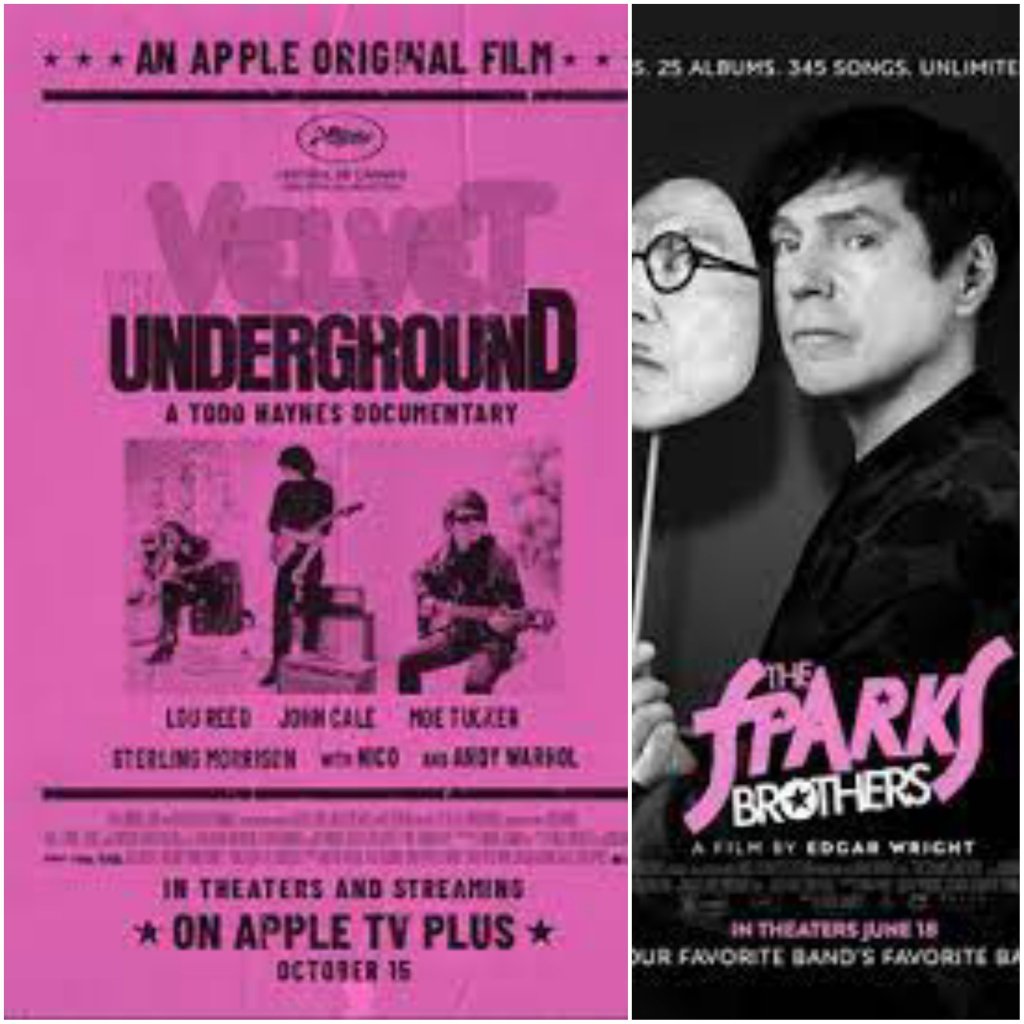
7. Velvet Underground/The Sparks Brothers
Ironically, of these two films documenting the story of a band who’s story has not previously been told in this fashion, its the one about the band I had never really heard of (The Sparks Brothers) that is my favorite, at least when it comes to the story. Both films bear their own unique style, with Wright’s flashy, upbeat approach working to capture the Sparks Brothers eccenitricty and external tesimonies and Todd Haynes utilizing something more avant-garde to tell the story of Velvet Undergrounds foray through the music scene of their time, telling the story from the perspective of the band itself. The Sparks Brothers has way of assuming that it is introducing you to a band you might not have heard of, narrowing in specifically on their music and their story, while The Velvet Underground takes a broad angle look by locating the band within a larger scene and era. Both are exceptiona docs from very good filmmakers that are worth seeking out (both on Appletv+)
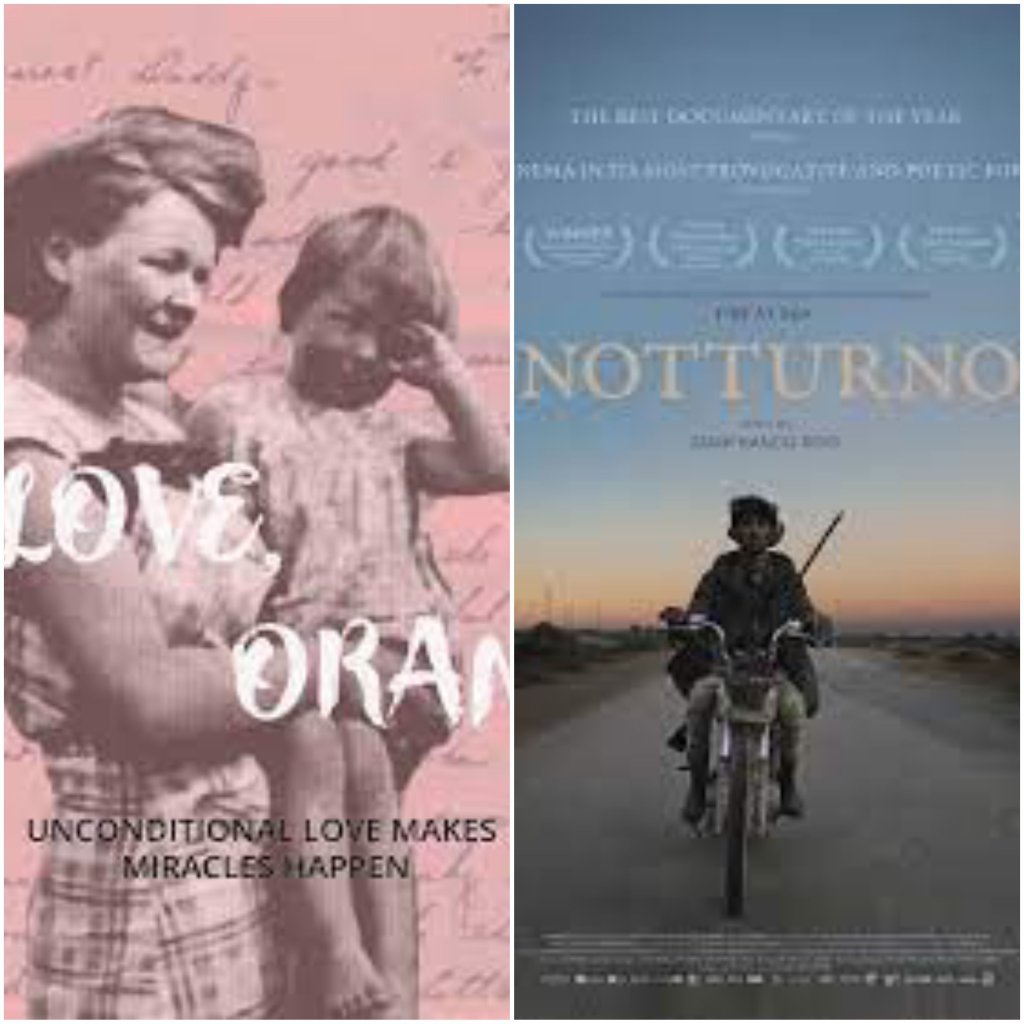
6. Love, Oran/Notturno
A made at home Canadian documentary that takes place in Alberta as it follows a family digging through these relics of their past and gaining insight on their connective story in the process. The hidden secrets that emerge from these relics, hidden letters that they find in a family home, allow them to recontextualize their story in a fresh light using history and legacy. Meaningful and quite powerful. I caught up with this one on Hoopla.
If the question in Love, Oran is what if a portrait could erase the barriers of a family history, the question in Notturno is what if a camera could erase the boders holding a long history of conflict in its imaginary grasp. This is a fascinating question as it follows these relationships. A broader view of family and roots than Love, Oran, but nevertheless interted in something similar.

5. The Truffle Hunters
I still have never had truffles, and this film features a lot of truffles, but I was really here for the quirky, snarky old Italian men and their dogs hunting for truffles. The film uses this to bring some introspection to their inner lives, focusing on themes like class systems, life and death, It’s also worh mentioning the scenes where we get to watch an Italian man eat truffles with Italian music as his soundtrack, and likewise we get to watch a go-pro strapped to a dog hunting for said truffles. Definite scenes of the year for me.

4. Pink: All I know So Far/What Drives Us
I honestly would have never expected a documentary on Pink to be this high up on my list, but here we are. It made me a fan, or a bigger one than I was, and I found the spiritual journey of walking with Pink through life on tour to be hugely inspiring and uplifting in so many ways. What Drives Us is a different story. My wife is a massive fan of the Foo and of Dave Ghrol and thus we both anticipated enoying this one together. What i didn’t anticipate was such a raw and introspective reflection on life as a musician taking me back to my on music days and touring ambitions. This one struck a personal chord and is filled with a passion for music and a passion for life. It underscores why a Foo concert is like being taken to Church in true Gospel laden style. In this case the Gospel is the power of music to transform and to shape us in important ways as better people.
3. Woodlands Dark and Days Bewitched: A History of Folk Horror
One of those rare docs that makes education a highly entertaining process. The film utilizes a highly stylized approach that allows it to utiilze the full length of its run time (be aware this is a long one) in order to build on its subject matter and dig deep into the exploration of folk horror. A must watch for serious fans of horror.
2. Don’t Go Tellin Your Momma
A deep dive into the Black experience that is equal parts poetry, compelling documentary and visual interpretation. From what I understood this is based on a short, which only leaves me wanting to get my hands on the source material. As a feature length version this caaptures a sense of time and space and our essential humanity like few other films that I’ve seen this year.
1. Summer of Soul
This was an easy pic for my #1 spot as it exemplifies a true one of a kind experience. That this festival that it brings to light in all of its glory was swept away into the dusty and forgotten corners of history by the much more visible Woodstock, which took place at the same time down the oad from its Brooklyn locale, is astonishing in and of itself. It frames this celebraiton of music, soul and Black culture against the tragedy of this simpe fact. Which is what makes this footage so necessary , so thrilling, and so important. That the film is also uncovering the true power of this festivals social and cultural and neighborhood presence at the same time underscores its power and relevance. Currently available on Disney+.
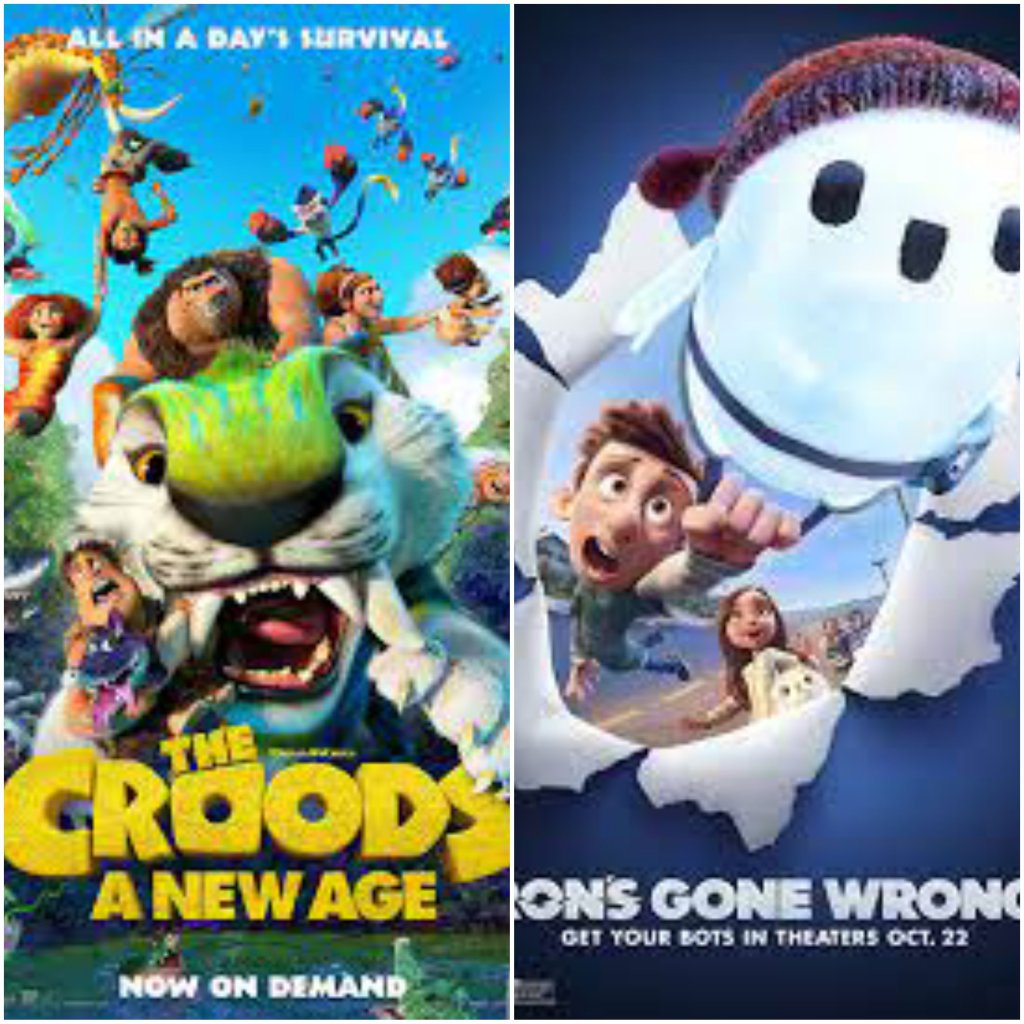
10. and 9. The Croods: A New Age/Ron Gone Wrong
Two similar films bringing up the back end of my top 10. I am a considerate fan of The Croods, and I woulld make the case that this sequel is even stronger and more aware than the first when it comes to its sophisticated take on the human species and our developement of societies. On the other hand Ron Gone Wrong might not be quite as strong, but with its themes on the relationship between advancement/technology and the social realities of human connection it not only connects with the Croods but also takes its emphasis on history and applies it as one of the more important messages in 2021.
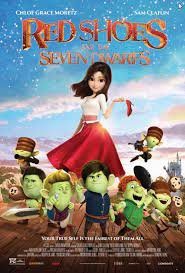
8. Red Shoes and the Seven Dwarfs
This came as a complete surprise to me. Springing for that dollar rental from Amazon on a small, unknown animated property uncovers a unique take on the Snow White story that digs deep into its mythos whole giving it some fresh, modern nuances. This is definitely not the traditional Disney story, taking that motif and turning it on its head in some interesting ways.
The low budget certainly does reveal itself at points, and the modern music is a bit misplaced, but it more than makes up for that in inventiveness through a sweet story that challenges modern conventions regarding appearances and image and identity.
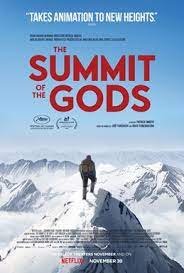
7. Summit of the Gods
Visually rich, narratively compelling, and anchored in its real world context, this is an exceptionally constructed animated film that manages to reach those figurative heights even as it climbs that literal summi in search of the truth.
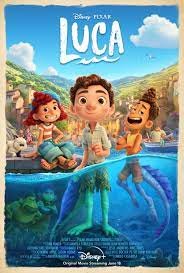
6. Luca
Deceptively and even refreshingly simple when it comes to Pixar, Luca offers an extremely lovely, charming and accessible narrative that is as steeped in its exploration of identity and community as it is in its vibrant Italian culture. As someone who loves everything and anything Italian I really fell for this film big time.

5. CryptoZoo
As a story about what it means to live together and the social and ecological concerns thta flow from this, this inventive and creative mindbender is an adult animation that locates its richness in the genres freedom to visually stretch the boundaries of reality. Much of this is about two worlds colliding, and as it does it reveals important truths about what it means to be human in our diversity and our complexit.. A challenging watch but a compelling one.

4. Encanto
I have already spent plenty of space here and elsewhere talking about my love of this story, but its presence as a “Christmas story”, its Colombian culture, and its complex themes and images remain some of the most compelling of 2021. Its getting misrepresented a bit I think in popular dsicsussion in ways that tend to miss the full weight of its narratve, both cuturally and thematically, but I definitely think it is one of the stronger Disney films to release in a while and I can only see it growing in my appreciation for it over time.
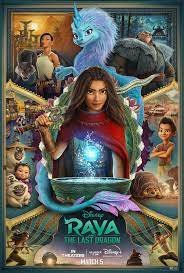
3. Raya and the Last Dragon
Coming out early in the year and leading a crop of decent entries for Pixar and Disney, Raya deserves not to be neglected to the shadows. This is the kind of storytelling that I desperately miss and that we need more of, which makes it ironic that I think some dismissed this as formulaic. Not only did I find the story exciting on a visual and dramatic level, I think it taps into some of those old fashioned narrative tendencies that are often reserved for epics, something this film aspires towards. Full points for representing one of the first new original films from Disney in a good while.

2. The Legend of Hei
A Chinese 2D animated film that’s big on scale and intimate in focus. There is so much to praise about this film’s ability to take a simple style and meld it with so much carefully crafted detail. This is as rich in its cultural representation as it is in the telling of its story, which, although arguably feeling somewhat familiar and by the numbers in certain points (the emphasis on the relationship between human and nature and the role of the spirit in uniting and healing this rift is common in Eastern narratives), reaches some real emotional depth. And it is as much the vision it represents as it is the chracters and relationships that invigorate this with meaning and purpose.
The film can be seen as a tale of two halves, with the inimacy of the first half giving way to the action set pieces of the second half. This blending of styles and focus might not work for everyone, but I found it to be a great way of building the momentum and fleshing out the stakes. It had me hooked the whole through, from the first glimpse we get of that wonderful cat, to the inhabited bodies and ensuing conflicts of the humans/goblins/spirits. One of the wonderful things about the film is that it is not interested in creating good versus bad but rather reaches for complexity and nuance in terms of the moral and ethical quesitons it wants to explore.

1. The Bones
The Wolf House is a legitimate classic, even given its relatively short existence (having releasdd last year). A work of true genius and an all time animated great. The visual creation paired with the immersive social and cultural commentary are intrinsic to its design, drawing me in with little knowledge of the allegorical context. The opportunity to dig further into its messaging was part of the experience.
This follow up short is no different. The commentary on Chilean history and the dictatorship drifts along underneath the capitvating notion of a young girl using literal death (bones of the past) to create life. It’s a bizarre concept to be sure, but it never obscure. In fact, by the time it’s over it feels earily comforting.
A definite must watch.

Honorable Mention: Vicious Fun
What would happen if you got drunk and accidentally stumbled into a secret support group for serial killers (come on now, therapy doesn’t discriminate). I never knew I needed the answer to this question until I encountered this film. Lets just say this gives new meaning to getting in touch with your inner self.
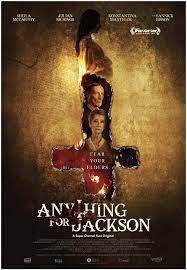
10. Anything for Jackson
After it’s well constructed opening sequence that uses an innocent backdrop to throw us straight into the deep end using some excellent set design and camera work (evoking atmosphere, mystery, space and minimalism to achieve this), the film wastes no time in answering it’s most essential questions- who are these people and why are they doing what they are doing.
This happens so succinctly and efficiently in fact that it left me wondering where this film goes from here. It does face some challenges in that it both doesn’t take its sensational premise too seriously but it also takes the characters extremely seriously. This plays out in terms of the basic construct of the plot, which plays things intentionally over the top, and the unexpected character beats and moments of honest introspection that give this film a genuine sense of heart. It’s too the Directors credit that the script its allowed to mine the premise for these moments and raise things to the surface in terms of motivation, struggles, backstories and nuance. There is real concern on display here amidst the glorified evil and some legitimately disturbing images and scenes (anything featuring an unborn baby tends to get automatic points for frights).
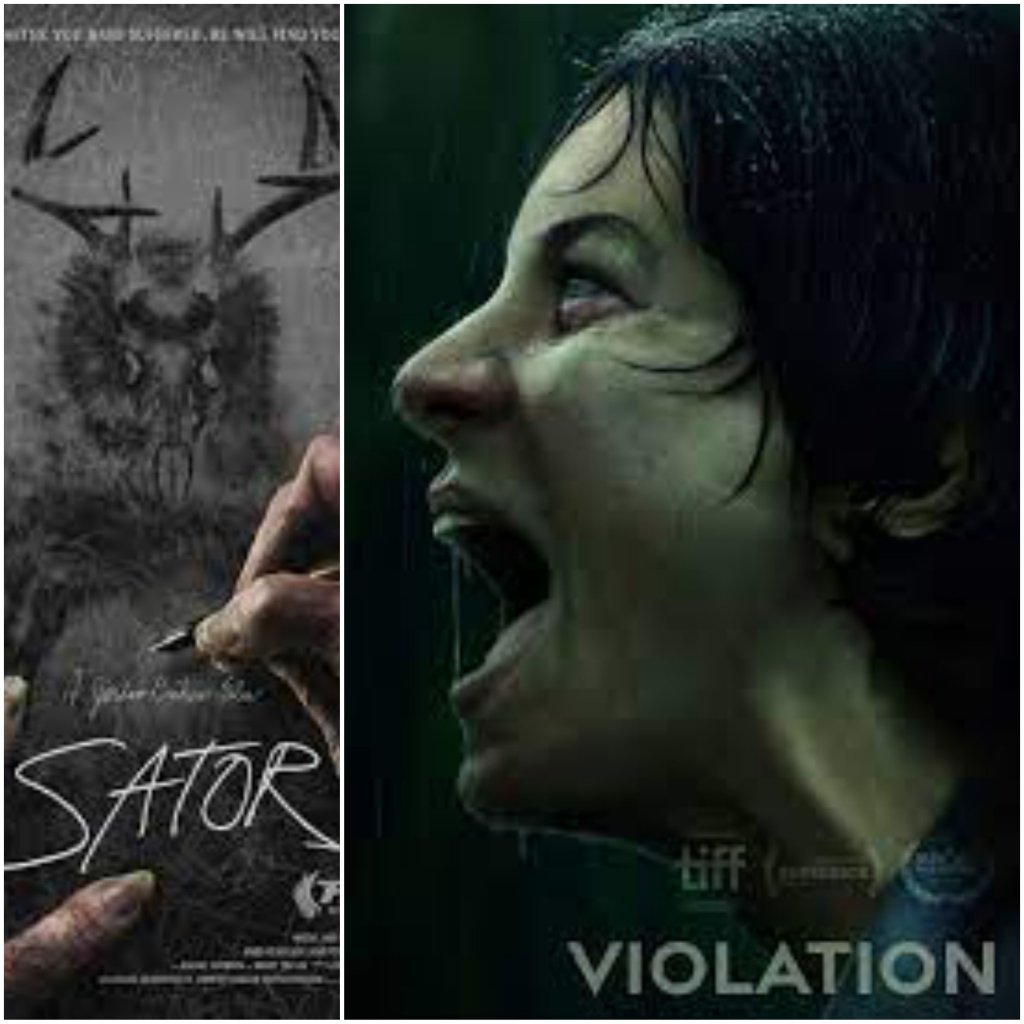
9. Sator/Violation
An excellent horror piece to add to the 2021 slate, and something of an unexpected find.
A tie in this spot for two challenging and uncoventional horror films that use a highly visual approach as an interpretive exercise. They both have much to say about the internal process in different ways, and they lean into the tones and atmosphere in order to tell its story.
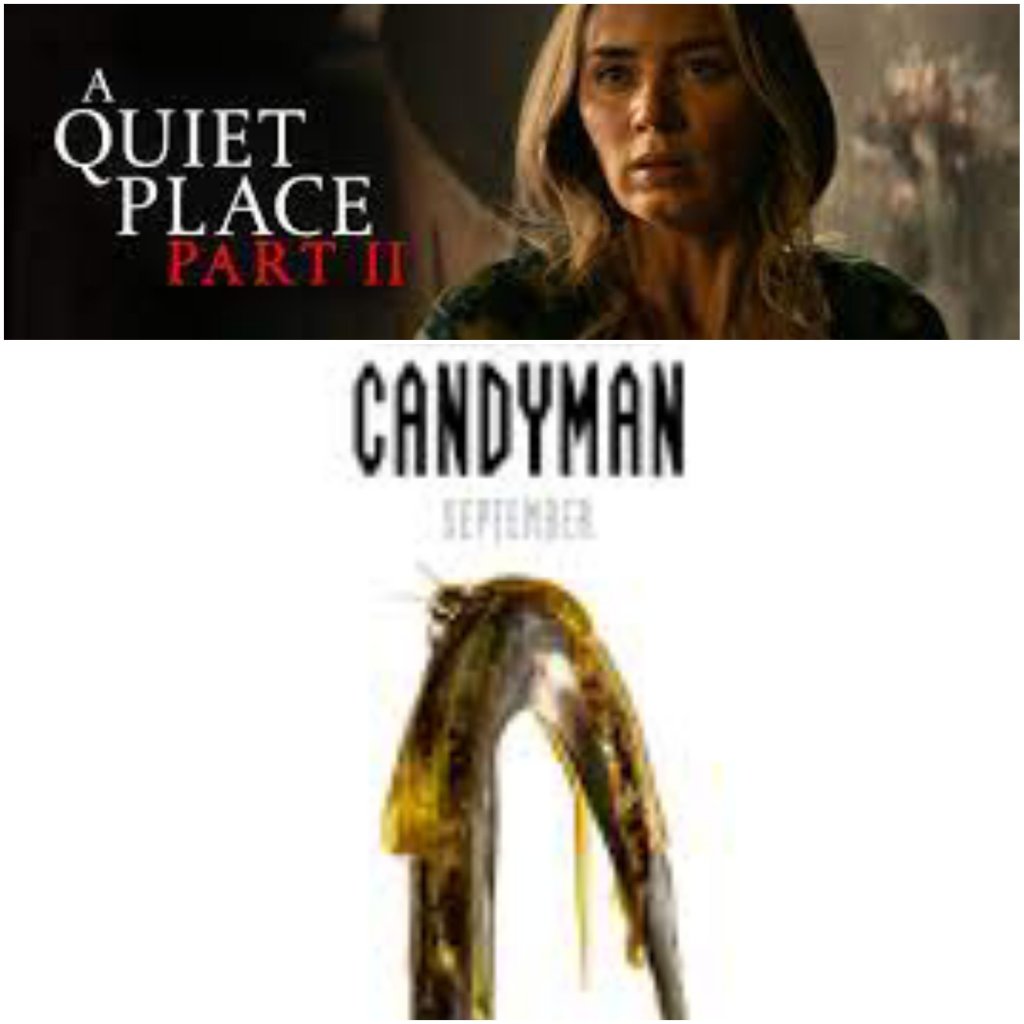
8. The Quiet Place 2/Candyman
Two of the more popular titles to release this year tied in this spot as well, with the Quiet Place 2 demonstrating how to make a sequel to a stand alone cult success, especially given the films specific play on silence as a motif. This film leans into the larger mythology, asking questions about whats going on out there as opposed to the more contained focus of the first. It really worked for me. Candyman proves a great example of how you tackle a film from the past that was so anchored in its itme and place as a commentary. Using the same story to speak to modern questions makes this one of the smarter horror films of the year. Definitely enjoyed both new entries.
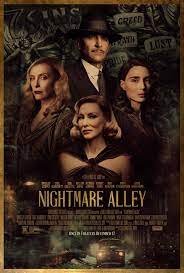
7. Nightmare Alley
The more I ruminate on this the more I like it. Of course he is my favorite Director so its difficult for him to miss with me. I watched it not too long after I saw The Power of the Dog and I found Nightmare Alley to speak to my negative experience with that film:
“Given the shared focus on our depravity and the inevitable cycles that hold us enslaved to potentials for both self destruction and liberation, Nightmare Alley succeeds where I felt The Power of the Dog desperately fails. The key difference I think is in the storytelling and the strength of the script. Depravity is always a curious theme to explore as there is always a danger of allowing nihilism to creep in to the mix The lingering phrase in this film, rich as it is with the full weight of the story’s examination of sin, forgivness and redemption, themes that emerge with stark resonance in the early going, echo with the sentiment of its felt and deeply human struggle. The words “I was born for this” cut through the noise of the inner turmoil with a special irony, disprupting our sense of how this story must go and how it must end. “Must” being a word that evokes that inherent need for the depravity to attach itself equally to the forming nature of transcendent Truth, something Del Toro is very good at capturing the rich world that Del Toro creates here for his characters to exist within rises to the surface and informs our perception of how it is that such depravity exists. And more importantly forms a longing to know how it is that something more hopeful might exist within the same fabric of this existence.
As my favorite Director Nightmare Alley proves to be more accessible and straight forward than Shape of Water, a film that needs room to grow in order to be fully appreciated (or rejected). For me personally this translated into a different kind of experience. Whereas the Shape of Water immediately resonated because of its complexity, this film left me feeling like it has a lot of room to grow in its simplicity. It’s one I anticipate revisiting, as the story structure takes a slow burn approach, using the quiet nature of its first half to set the stage for the dynamism of its second half and the thrill of its finish.”

6. Malignant
Makes my list mostly for the shared experience of that crazy twist. This is what makes horror so dependable when it comes to the theatrical experience and respresnts one of the more memorabe theater going experiences of the year. The film is more than just the twist though, and really reflects some tightly woven storytelling, some wonderful visual trics, and some great practical effects.
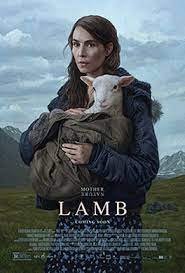
5. Lamb
I’m not sure exactly how I would categorize this film. It’s not really horror, but at the same time it kind of us. It’s a suspenseful drama, but its also a straight ahead moral tale. And then its scenario sets this into a category all its own. I think the best word for it is parable, and as a parable I really enjoyed it quite a lot. It’s the kind of film that has real staying power.
Thematically is where the film finds its anchor though, using an absurdist premise to ask some honest to goodness questions about what our relationship to the natural world is, particularly the sentient life we humans share it with. We also get an examination of “human” nature within this larger conversation, wondering about what it is that sets us apart as moral creatures, if anything. There is an action taken in the first half that forms a big part of the film’s tension. This action blurs the line between our humanity and the pure drive of nature to protect, survive and thrive in a familial and tribal sense. The film returns to this in its final act, using it to then hold the parable together as a cohesive narrative. As I suggested earlier, what we get here are types rather than character. This is actually what makes the film’s first half initially somewh evasive in precisely what it is going for. We are simply throw into a circumstance and situation without explanation, and we follow as things that feel less than normal unfold as normal, leading the film to then use this premise as an opportunity to ask questions and provide a lesson for us as viewers to then think on and ponder. And the more i ponder them, the more the point of the parable seems to awaken with fresh application.

4. Dark Encounter
A genuine sci-fi drama in the way of the older classics and Spielberg fame. Loved the look, the pacing, the suspense, the special effects. Its got all the right dynamics for the final half hour to pack a real emotional punch as it brings the subtext together with the building sense of mystery and dread.
Seek this one out. It’s playing on Prime and it’s absolutely worth your time.
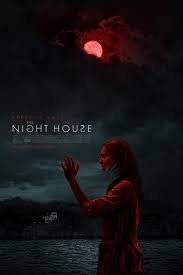
3. The Night House
This is a challenging watch. Much of that comes down to the Director’s intention in attempting to leave its working parts slightly ambiguous so as to allow for different viewers to locate a story that fits their own experience. Its also an immensely rewarding experience for being to take the experience of the individual and set it within the film’s lingering presence as a bigger picture. This is where it truly comes alive. This is where the Director’s ambitions are able to take root, formulating the story I needed to hear while awakening me to the realization that this sits in conversation with multiple other stories that this film both is and can be telling at the same time. There are numerous scenes that play with perspective in some neat and highly technical ways, especially where it fits with this underlying theme of the mirror image or reversal that distorts matters of identity and truth. The ways the film achieves its scares is very effective, and comes as the result of well thought out and deeply creative sequencing and camera placement as opposed to any glossed over effects. Portions of this reflects natural filmmaking at its finest. And shout out to Rebecca Hall who does some nice work carrying this film. Definitley one of the strontest horrot films of the year.

2. Light From Light
An unconventional ghost story that works as a powerful, honest and simple exploration of spiritual longing in the face of loss and doubt. It’s quiet and very gradual in its pacing, but in a way that lets it really get inside you and do it’s work. There are no easy or concrete answers, simply the uncertain but hope filled journey of these wanting souls. There is the mother, who finds herself unexpectedly thrust into a position of wondering whether she has a spiritual gift and connection. There is her son who is on his own journey of coming of age and trying to make sense of life. And there is the middle aged man still working through the loss of his wife and wondering whether she is still with him.
As their lives connect the ghosts in this film become as metaphorical as they are literal, with the exploration of his wife’s spirit leading to powerful reflections on the hidden and painful parts of their past and present. And it’s done with such careful and astute observation of their emotional concern. Truly beautiful.

1. Last Night in Soho
Edgar Wright’s much anticipated horror film Last Night in Soho is a true celebration of style, substance and form. Brimming with character, it bleeds a welcome sense of nostalgia, moving us through the streets of Soho like a place caught in time and with stories to tell.
The film features complimentary performances by the eclectic and seasoned actresses Thomasin McKenzie and Anya Taylor-Joy. I especially love McKenzie, who is noted for her stately, and often muted performances. She pushes some of those boundaries here playing the confident young outsider with a special gift that allows her to see her dead mother’s spirit. When she decides to move to London to pursue a career in fashion design, this gift manifests itself in some unexpected ways.
If you have seen the trailer, you know that the film transports us back in time to a glamorized age of smoky rooms, good music and flashing lights. This movement between times mirrors the connection between the two main characters, which is where we get the mystery element of the story. Wright does a great job of tying this in thematically to the journey of McKenzie’s character. This is where her dream of her present and future collides headlong with the past in some neat ways. The past gets its own supporting character in a way, and this then functions as one of the films driving relationship.
There are some really nice horror bests too, including a couple very effective jump scares. It’s more experiential horror than terror, and Wright gives the film space it needs to really build up to where it goes, eventually the horror to seep its way into the fabric of the films design, almost unexpectedly.
I always enjoy using this time of year to look back on the year that was and take stock of where I’ve developed and grown. I love locating a narative within that in order to help formulate it into a story I can live occupy and live in to as I look towards the new year. This includes looking through what I have been reading, listening, and watching in 2021.
I’ve already been using this space to examine my top 10 most important reads of the year, which you can search here if you are interested. What I’ve been looking at the last few days is my year in film, taking stock of which stories stood out for me and how they fit together. Along with the return to theaters the emotional process that refelcts, and acheiving a record in terms of stats (I logged more than 1270 first time watches with over 250 of those being 2021 releases), I noted a real difference between the uniform nature of my top picks in 2020, which nearly all fit within a similar theme of childhood innocence lost set against the recovering of that childhood innocence in the face of our adult cynicism, and the sheer diversity of the titles contending for my favorites of 2021. This has been one of the hardest years to whittle down that I can remember in a good while. For the most part my picks tend darker, more introspective, and are largely interested in uncovering the internal process as opposed to evoking imediate wonder for the larger story that we are a part of. In truth, taken as a collective these films admit that the larger story feels a bit cloudy at the moment.
These stories have tended to veer more intimate and smaller in scale, raising more questions about the present than runimating in the possibilities of the future. The occupying of this present space, perhaps as a kind of acceptance of where we are today as opposed to the hopeful positioning and optimism that the turn of the calender year seemed to reflect closing out 2020, seems to represent the exhuastion of it all that I hear many lamenting. I can’t help but think about how fiting the most recent Netflix release Don’t Look Up actually is given how it has sparked such vigorous division between an already divided left and right, convincing the masses regardless of affiliation that they are the smartest person in the room while everyone else are the ignorant fools and the cause of all the problems. The phrase “don’t look up” has quickly become ammunition for Trumpists and Leftists alike. Its no wonder its one of my least favorite films of the year. The laborious and dire depiction of toxic masculinity and cycical depavity in the Power of the Dog is close behind in one of my least favorite viewing experiences of the year.
That’s not to say that the films that have been informing my own experience in 2021 have been hopeless and dire. It’s simply that they see the present state of the journey in process and with a more narrowed perspective that the desperate grasping for hope that was 2020. I think about the complicated persona of Diana captured in the creative and imaginative exercise of Spencer, a film that dares to wonder about who this person was and how she might have processed the weight of her own struggles over the course of what was an important 3 days in her history. Here we get a picture of someone both burdened and driven to respond to lifes expectations of who we must be and what life must be like in order to be seen as worthwhile. Similarly the portrait we get in Cmon Cmon of a storied and isolated persona who finds his perspective on life challenged by an unexpected relationship with a child emboldens us to see the world as bigger than our limited point of view and as something that is in process, beckoning us to learn in real time often in the midst of less than ideal circumstances. The French Dispatch faces the present binaries of this world; life and death, dark and light, good and evil, and dares to imagine community as the healing force that emerges from their inevitable collision. Films like Notturno, Identifying Features, and About Endlessness narrow in on the points of our journey that feel impossible and embrace the sorts of questions that emerge from this uncertainty, pushing us forward down a path with limited view of whats ahead. In a different sense, films like The Card Counter, Cage’s surprising turn in Pig, Riders of Justice, and the single setting of The Humans narrow in even further on the emotional journey each narrative imaginines as they move towards wrestling with failures, sin, personal restitution, redemption and forgiveness as necessary for making sense of the larger story of this world and the spaces we occupy in it.
At the same time we got films that looked towards those larger and forming narratives, be it the metaphorical and allegorical interest of the Green Knight, steeped as it is in the old Aurthurian legends, the deeply felt cultural and socio-political commentary of Raya and the Last Dragon and Encanto, stories of real hope in the midst of the collective struggle using traditional narratives to point us towards larger spiritual truths and a broadened view of humanity as “family”, This is similar as well to the way Spiderman: No Way Home tackles the question of how it is we live with the seeming irreconcilable dichotomies that define our lives and this world. Knowing what it means to be both Spiderman and Peter, or to be both hopeful and despairing at the same time is, the movie insists, part of the process of learning to live in the world we occupy in the present. Marvels Eternals asks the same question on a bigger scale, looking to locate an orgins story to help make sense of the moral tension of Thanos’ snap, examining the uncertainty of living in a post snap world. We also got the simple and hope filled stories of Licorice Pizza, Belfast and Coda, each of which offer real stories of hope from slightly different vantage points, be it the internal process of Locorice Pizza, the social and societal reality of Coda, or the collective experience of Belfast. Even the latest installment of Matrix: Resurrections seemed to reach for the hope filled possibilities that our questions might reveal, daring to ask about the nature of living in a post resurrection reality. If Neo as “The One” was supposed to bring liberty and make what is wrong in this world right, why are things still wrong? Does this mean that the resurrection failed to deliver what it promised, that Neo’s death is now more real than the promise of new life? Working through this question becomes a measure for how it is that we locate hope in the present, especially where we feel caught in the despairing cycles.
All of this has led me towards one, singular phrase- the reminder that we are “in process”. In process feels less hopeful a sentiment than the forced proclamation of a new year that was the end of 2020. It also feels more intentional and opportunistic, as though to say, if this is still our reality, and if things have even in fact appeared to have gotten worse and more divided, the simple statement that we are in process forms an invitation to step into that story and participate in it precisely where we find ourselves in this present moment. Calling us to trust in the promise that healing will come and that a new world will arise out of the rubble. What is interesting about looking back at last years reflection in this space from my personal resolutions challenge called Rosebud, is that the word I chose to inform the year was “story”. This word was birthed by my 3 “buds”, those three things that I hoped to form into roses. In some ways the story of this year has felt illusive, if not problematic and anti-climatic. In other ways perhaps learning what it means to find ourselves within the pages of that story, in those forming sentences that seem to promise a turn of the page and the forming of an ufolding plot, is a way to invite the unexpected rather than demanding the conclusion. Rather than assuming as many of us did that the end of 2020 reflected the necessary climax of a tumultuous year, perhaps this year can rest in the plot twist, the intracacies of those smaller scripted moments that make a story exciting and worthwhile.
Previous Entries:
#10: The Nolan Variations: The Movies, Mysteries, and Marvels of Christopher Nolan by Tom Shore
#9: Think Again; The Power of Knowing What You Don’t Know by Adam Grant
#8: The Free World: Art and Thought in the Cold War by Louis Menand
#7 In Pursuit of Disobedient Women: A Memoir of Love, Rebellion, and Family Far Away by Dionne Searcey

There is a fair criticism that coud be made about Holland’s recent work on historical relevance of the Christian revolution that it spreads itself too thin in terms of being able to adequately represent all the scholarship availale. There simply isn’t space to give it due diligence given how much space he wants to cover without the page count running far too wide for it to reach popular appeal. This is relegated to the bibliography, which in itself is worth the price. However, this does not, or should not in my opinion, detract from the main thesis Holland is trying to establish, which is visibe and undeniable impact of the Christian revolution on human history in social, evolutionary, and societal expressions.
It’s worth noting that Holland writes as an agnostic and a historian not a Christian nor a theologian. This work is the culmination of a process of thought that has been occupying him for some time, and claims about God’s existence aside, he recognized that once he set some of his personal biases aside something happened with the evidence that he could not shake or simply ignore. This humbled his position as a historian and compelled him to dig further in order to test if this perception and account of history had any substance and truth. This book is his basic argument that it does and I think he makes an extremely compelling case.
So why is this important? For me this is important on two levels. i would not want to coopt this to fuel some kind of Christian apologetic. That would do this scholarly work a disservice. I do think his demonstrating humility in the seeking out of of knowledge and truth is an extremely worthwhile trait that scholarship can learn from. I also think this helps to dispel certain hard and fast assumptions about religon in general, which if we could employ in our online and verbal discussions could go a long ways in turning them towards more helpful and fruitful engagement.
 The Stories of my Life