
The last time I was on a plane was 12 years ago. It was the summer of 2014, and we were on our way (from Winnipeg) to Kyiv, embarking on the next phase of our adoption journey
12 years doesn’t feel like a long time in one respect, but planning my recent trip to England made me feel like I’ve just time travelled to an entirely different era. While I pale in comparison to many, once upon a time I would have seen myself as a fairly seasoned traveler. Planning yearly, if not twice yearly trips had conditioned me to the different tricks and money saving methods that made it possible as a genuine budget traveller. It’s not that the years since our trip to Ukraine have been absent of travel, rather a change of life and routine had left it streamlined and fairly contained to simple trips within Canada and over the border. Certainly I felt things shifting over those years still, where small things that once made sense no longer did, but planning a bigger trip like this felt like I was being thrust headfirst into a wholly unfamiliar world, where I no longer knew the rules of the game, and where the more I tried to make sense of things the more lost I started to feel. Given that the biggest changes felt to be the tangible absence of personal contacts in a system now fully immersed in the impersonalized nature of data and tech based tools, these sorts of walls between what used to be a more hands on and grassroots process ensured that it remained very difficult to to find help in navigating this process, let alone to find ways to budget well.
Perhaps a bit of poetic overlay there with the fact that this was commenorating the official road to 50. Everything seems to be a reminder that I am at the age where the world increasinbly seems to leave you behind, where so much of yourself becomes obsolete.
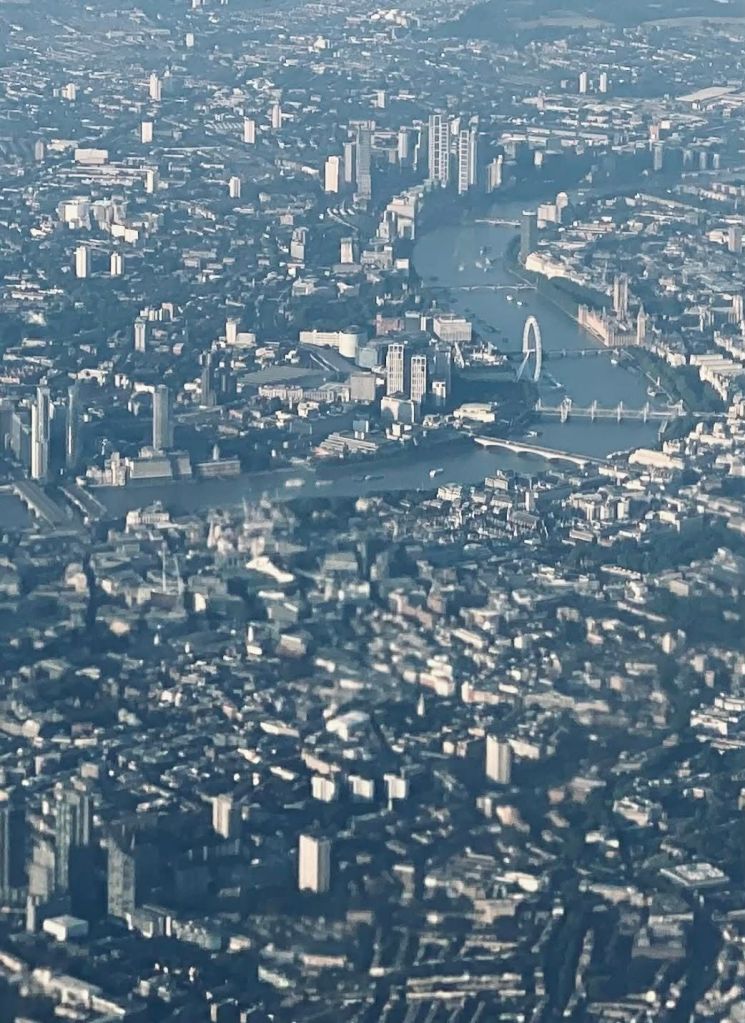
More poetry given I am travelling to a place with more layers of history to be accessed in mere days than I could possibly encounter in multiple years of exploring my own backyard (which I love, it’s a different kind of history).
I found myself thinking back on this process as I stepped off the plane and into the maze that is Heathrow. The shock of being very much out of practice with this whole jetsetting thing. If you’ve never been, whatever image you have in your head about the sheer size of this airport, trust that there is no way to overestimate the reality of how big it actually is. In a kind of quintessential British fashion, my first real shock about occupying a world not my own would be immediately throwing things into chaos by walking on the right side of those long corridors rather than the left. Only to be met by a never ending barrage of “sorrys.” The second would come from my first experience of that singular phrase which is now permanently burned into my brain: mind the gap.
At some point I find myself boarding the train, jet lag and luggage in tow, officially emerging from the mostly windowless miles of artificial light into the light of day as the train hits the now open track.
Hey, they told me it rains a lot over here, so things are already looking up.
Here I move through a long series of industrial neighborhoods, making my way to Paddington Station, holding my piece of paper in front of me as I count down the different stops, afraid of losing my sense of orientation. So much of this particular stretch of trainline hides your surroundings from your view, but I will say, it’s makes the entrance into Paddington that much grander.
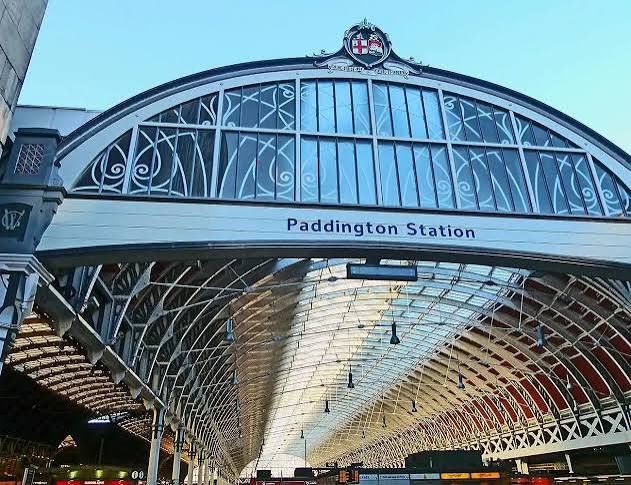
And yes, the rumours are true. The much loved bear becomes your vital travel companion at this stage in the game, with his own fish out of water experience modeling what it is to emerge from that train into a befuddled mix of daze and wonderment.
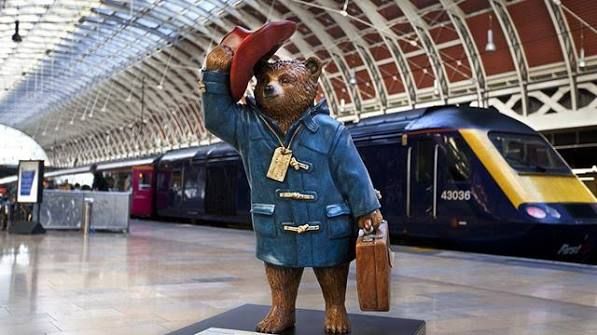

Bumping into the throng of bodies all making their way to different platforms (and seemingly making you feel as though you are the only one who has no idea where they are going or what they are doing) as your mind is running a mile of minute. Your eyes glimpse what will become the first of many paddington statues, which somehow helps calm your nerves just a little. You pass by what will also become the first of many encounters with Costa Coffee and the local Sainsbury’s grocer.
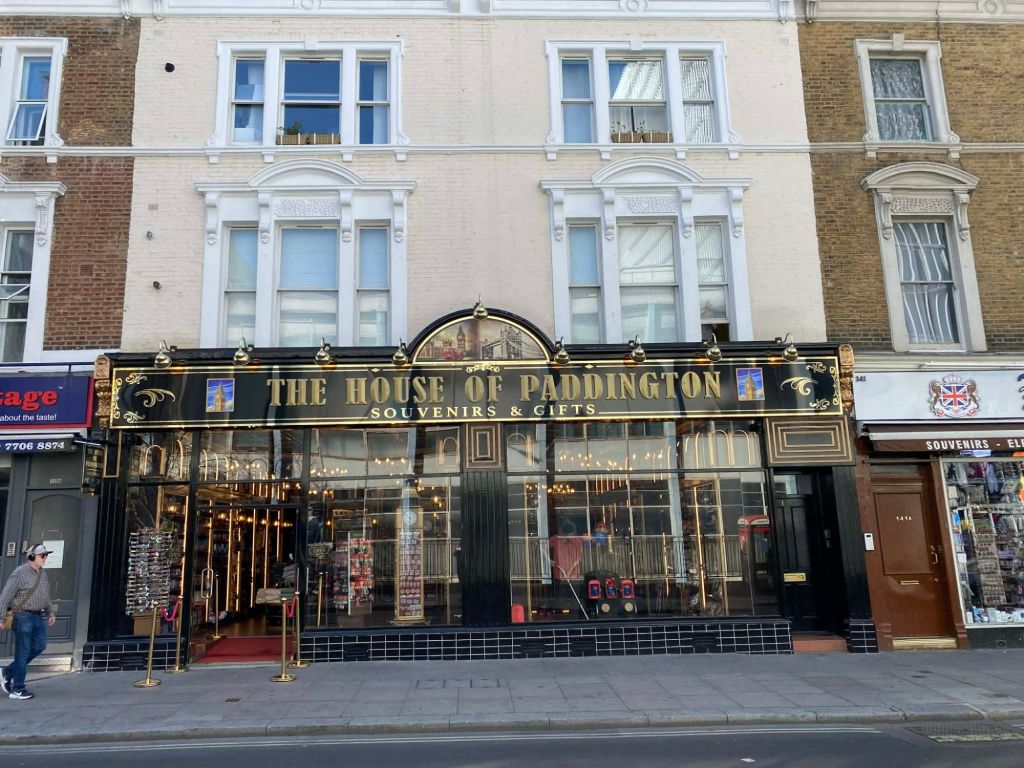
And finally I have exited the station, stepping into the larger than life square where I am greeted by the sights and sounds of what could be any major city. The steady movement of bodies down the sidewalks, the familiar sounds of crawling traffic and honking horns. There are small signs that distinguish it. A red double decker bus passes by as I am fumbling for my next piece of paper, in desperate need of a map. Buildings that, although occupied by modern businesses, feel like they were built in the 1600’s. Over to my left I see the large Paddington store engulfing everything else in it’s block, to my right signs for the Little Venice canal.
Orientation at this point begins with one simple task: make my way to where I will be storing my luggage for the day, a task which immerses me in a fact of London that will plague me for the remainder of my day: there are no street signs, only signs (if one is lucky) printed on the sides of buildings at major intersections. Miss those (and some of them are conveneiently obscured or entirely absent) and you’ll be walking blocks trying to figure out where exactly you are. Which is to say, a luggage storage station that was supposed to be a 5 minute walk away turned out to be three wrong turns distanced from where I eventually found myself 15 minutes later. But eventually I made it. 3 pounds and a luggage tag now meant I was free to start my wandering.
When it comes to travel my mantra is simple. I am always looking for the trifecta of coffee, the waterside (rivers, lakes, oceans), and the bookstore/movie theater. Whatever else I build around those three things (which of course will include food and ice cream) is my window into a given place, and typically my favorite mode of experiencing these things is through the simple joy of walking. In the planning stages of this trip I had come to terms with the fact that some of the familiar big hitters, beginning with the Tower of London and Buckingham Palace, would need to be skipped in order to accomadate my priorities. Here my agenda was, once again, seeking out the stories of my childhood by way of England’s rich literary heritage. And what better introduction to London than Charles Dickens.
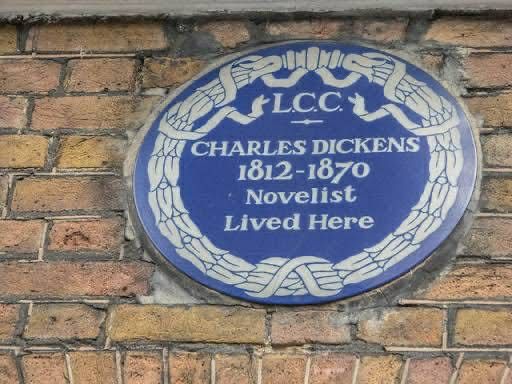

Search online and you’ll find a plethora of organized paid and self guided tours of Dickens’ London, available through a single google search. Most of these are the same, some branch out into a few off the beaten path surprises, all share this essential caveat in common: experiencing Dickens’ London requires employing your imagination. Beginning with his living quarters from 1850 to 1860 at Tavistock Square (which is no longer standing, instead featuring buildings that are part of a larger medical district), and stretching all the way to his frequenting of the still functioning Covent Gardens and his fascination with St. Paul’s Cathedral (famously called the writers church). These are all sites that once reflected, as Alastair Schanche notes in a 2026 article for London X London, a time of population boom, industrial development, “foggy skies and cramped slums,” and, my favorite line, a distinct “mix of misery and excitment.”
Befitting my own aims, Dicken’s once said,
If I could not walk far and fast, I think I should just explode and perish.”
Thus, walking in his footsteps, while channeling the spirit of a man who was particularly fond of the late evening and night hours, becomes an exercise in imagining the Victorian era of his time lying underneath the now revamped neighborhoods, and often in plain site amidst the rows of still standing townhouses and old pubs/restaurants.
His museum, a small, intimate, and revealing look into the author’s life, is the cornerstone of all of the walking tours of course, built as it was in the house that served as a location for the earliest years of his writing career (The Pickwick Papers, Nicholas Nickelby, and Oliver Twist). Before getting there however, my own trek would take a detour around to 221B Baker street, which was of course made famous by Sir Arthur Conan Doyle in his now infamous creation of the renown detective, Sherlock Holmes (and funnily enough, is not an actual address, floating inchorently between two disconnected house numbers).
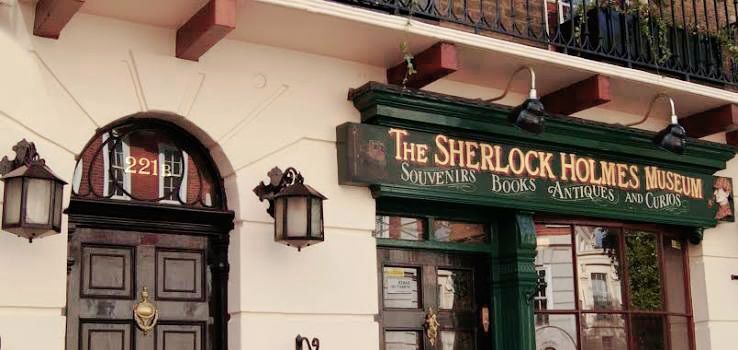
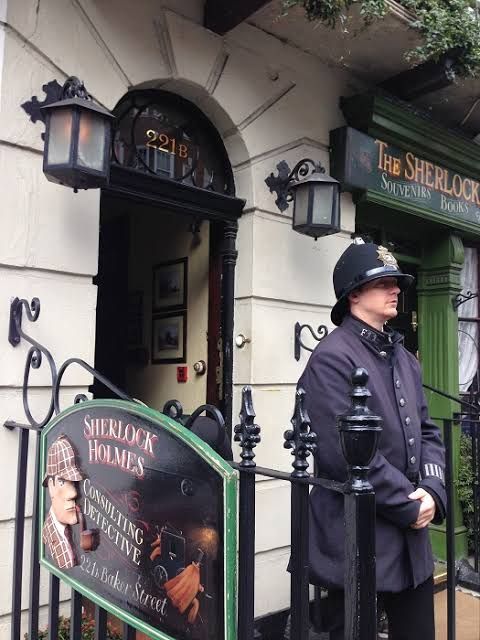
Here stands the preserved victorian era setting that brings the world of Holmes and Watson alive (for true enthusiasts there is also plenty of self guided walking tours available, but a little ways away on Northumberland Street is the Sherlock Holme’s Pub, which features a recreation of his living quarters).
I arrived in the early morning hours coming off a long haul flight, so before stopping at the museum I headed to the highly recommended Bill’s Baker Street Restaurant (one of a number of locations), where I indulged in my first full English breakfast (fyi, the rumours are true. For the celiacs of the world, London, and England for that matter, treats you like royalty. If you find a menus worth of options in one place, you are guaranteed to find another one the next building over. Same for vegeterian/vegan options).
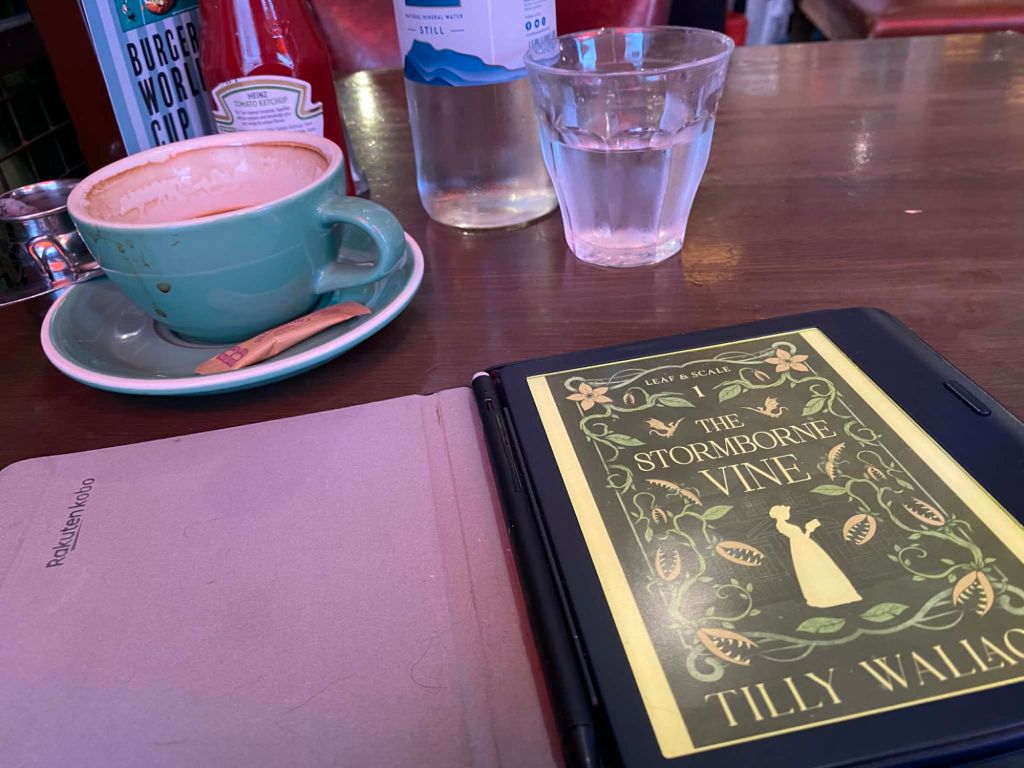
When in London.
I loved the Sherlock Holmes Musuem. I loved it even more on a full stomach. Maybe a bit less in the heat wave (it persisted through the entirety of my travels, including these early moments of exploring mult-floor victorian era rooms without air conditioning). Similar to Dickens, apparently he never used to wear that iconic hat (in Dickens’ case he hated the hat), and so much of what has come to popularize his presence for us today are later additions (such as the phrase “elementary, my dear Watson.”) Perhaps what I found most fun was seeing the relationship between Doyle and the authors that shared his city with him (from Sayers to Wilde). Everyone was invested. And hey, I would think most of us can understand why.
My self guided “walking tour” now took the long way around back to the Charles Dickens Museum. My next stop would be the Marleybone location of Daunt Books, with it’s infamous “travel section” located in a gorgeous interior lined by shelves and a large, stained glass window.
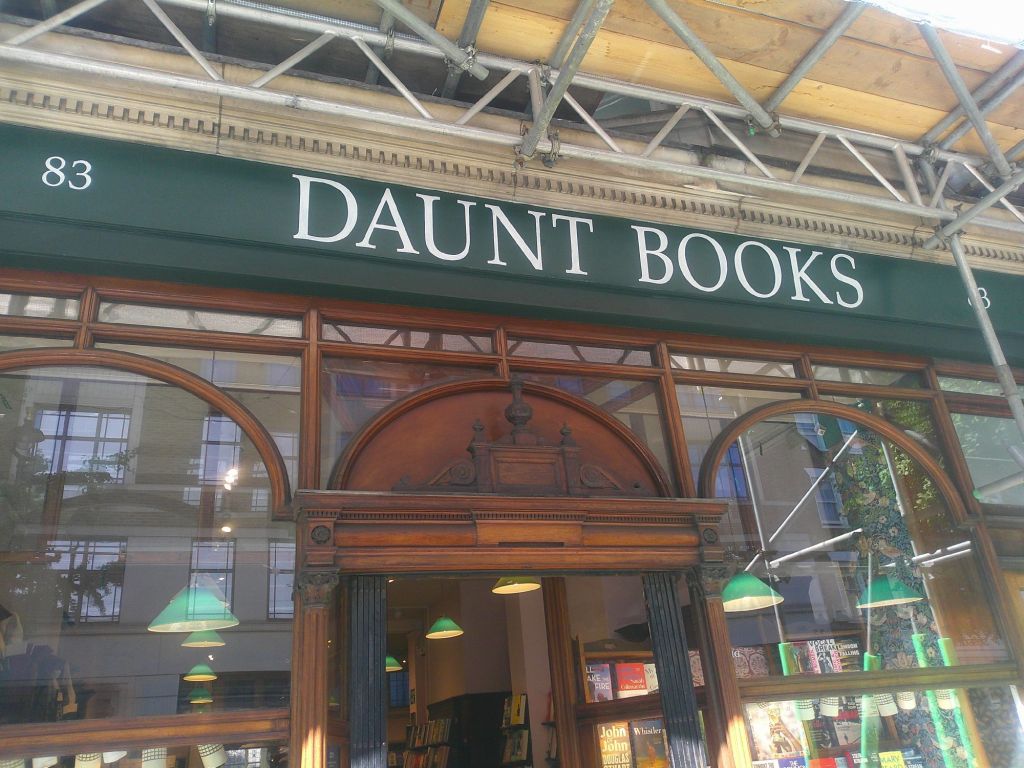
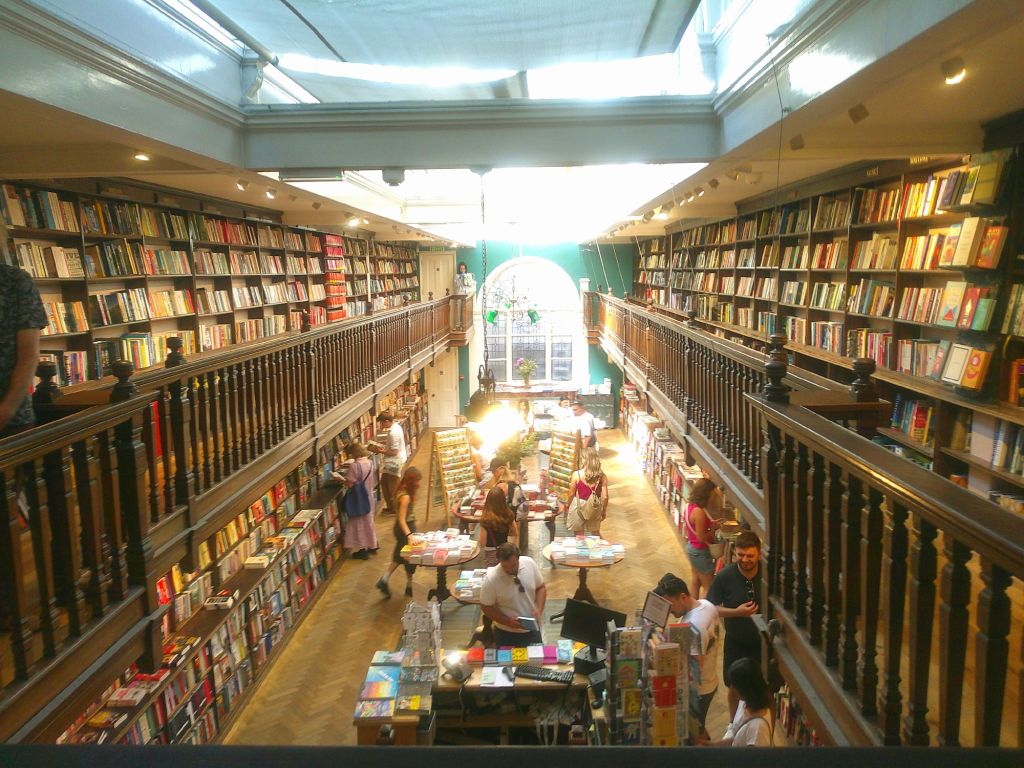

This would be the first of a handful of London’s literary institutions that I will visit, and without a doubt was probably my favorite. It’s not massive by any means, but it’s the sort of place that nevertheless invites you to get lost in it’s many intentionally placed corners.
Mental note: I’ve got one bag, and I have to lug it around England. Make good, rational decisions. Or don’t and thank yourself later.
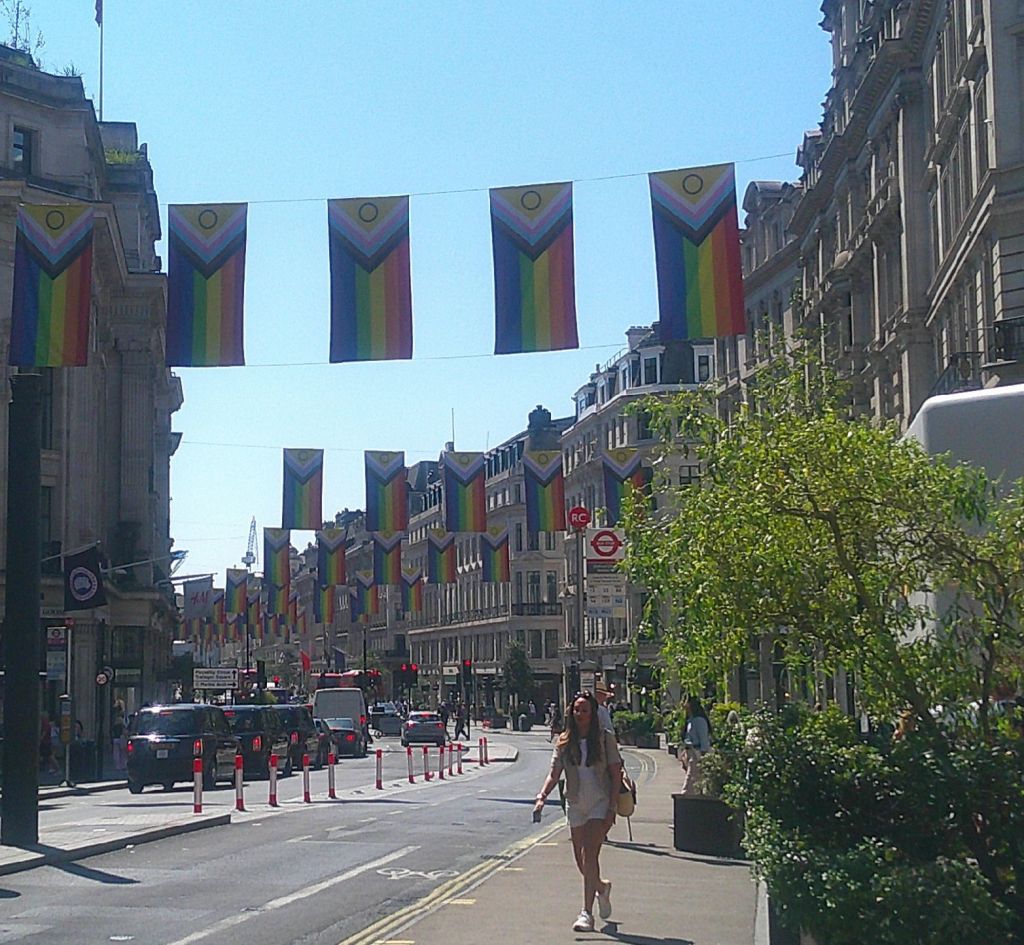
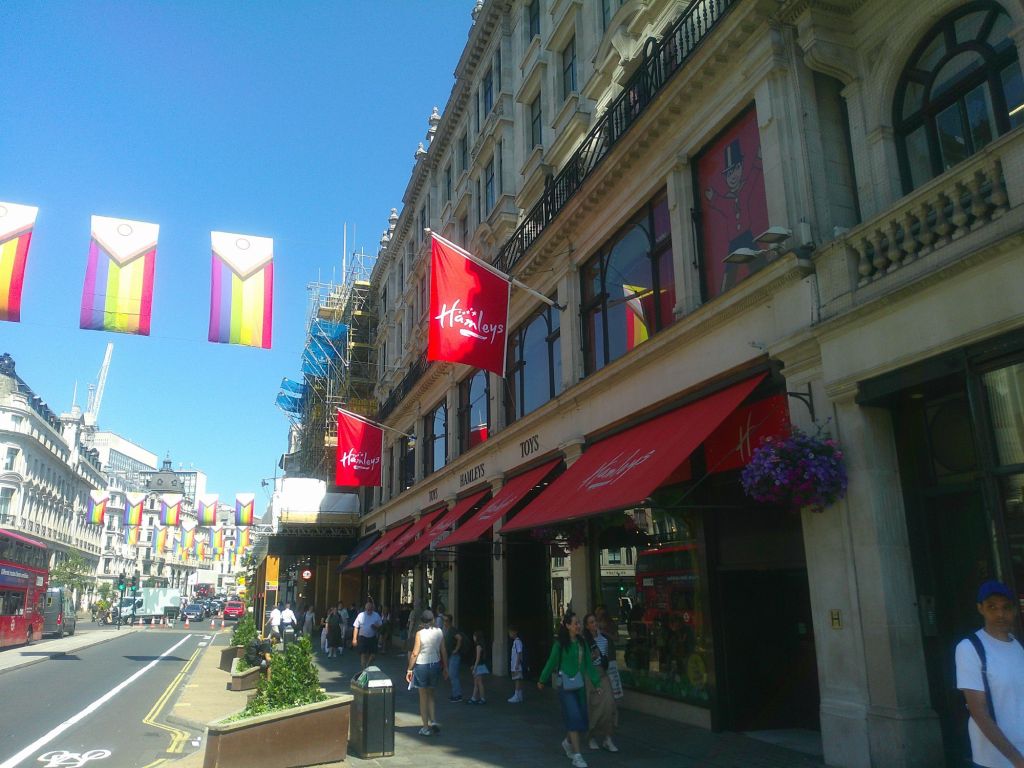
From Daunt Books, I made my way up Regent Street, a long, winding street taking you past the massive Waterstones Bookstore (think an oversized version of Chapters or Barnes and Noble), Hamley’s Toy Store, and London’s Oxford and Piccadilly Circus’ (grand intersections in the vein of Times Square).
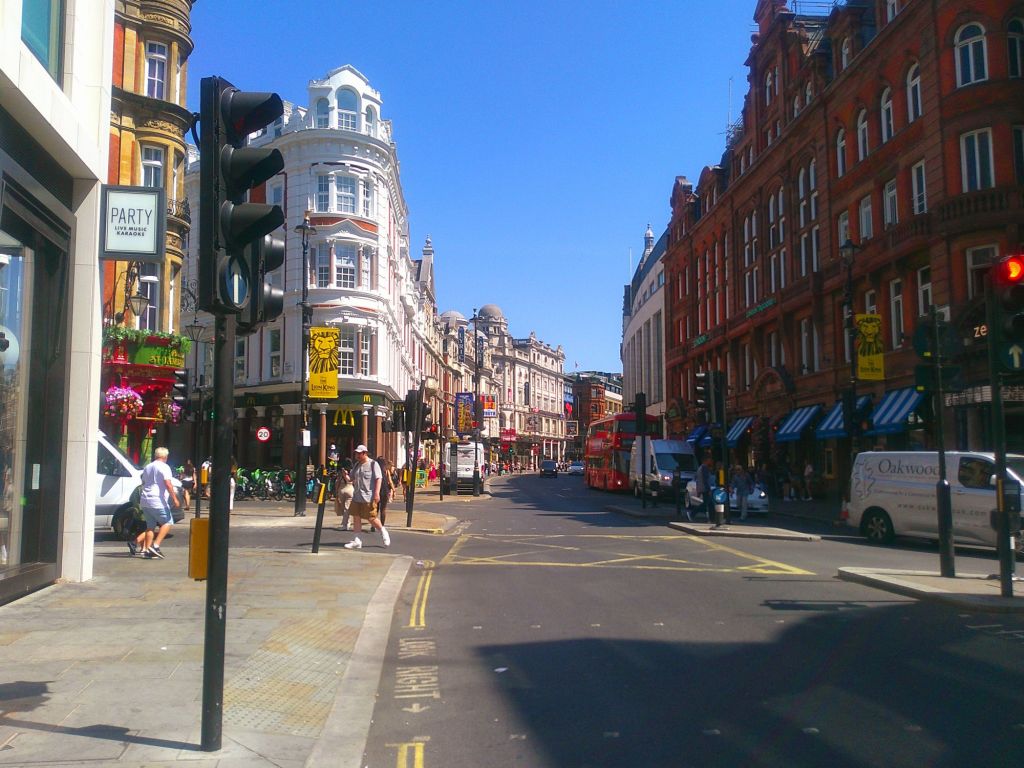
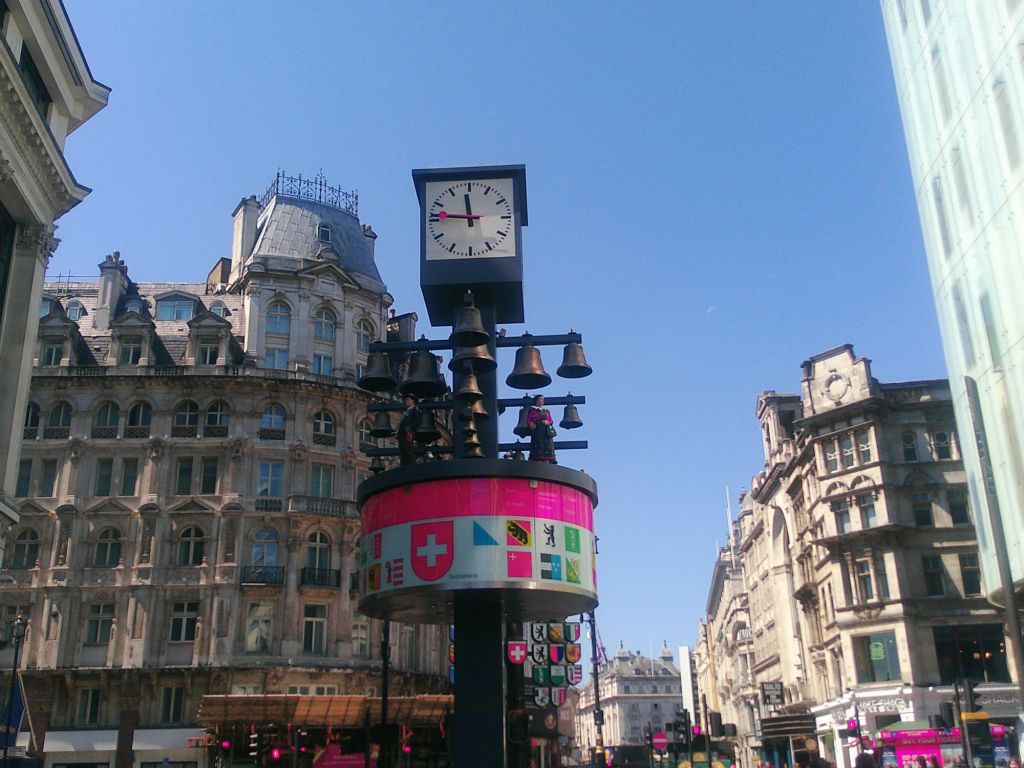
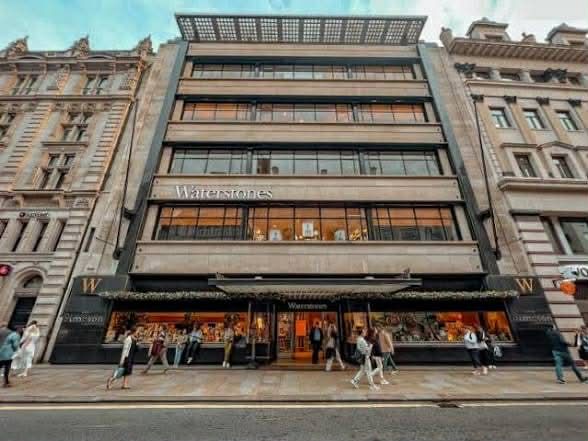
Here if you veer left up Coventry Street you end up in Leicester Square (or it’s a very short walk across St. James Park and you are at the Mall, the grid like area containing Big Ben, Buckingham Palace and Westminster Abbey, an area I was saving for the next day). At Leicester, a quaint, picturesque square, you are now connected to Charing Cross (fun fact: this road gets its name from the little known Eleanor, a past Queen who’s immortalization involved the longest cermonial walk in history, ultimately ending up here where you will find the last in a number of crosses that still dot the routes (see the wonderful book, Eleanor: A 200 Mile Walk in Search of England’s Lost Queen by Alice Loxton).
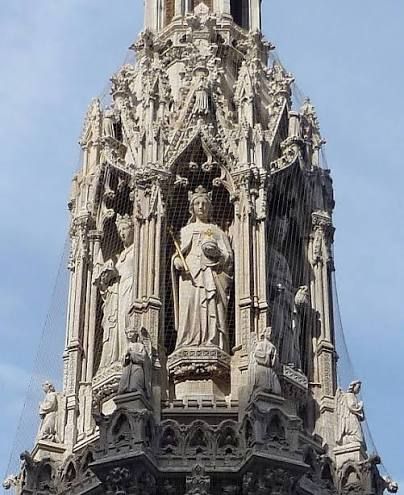
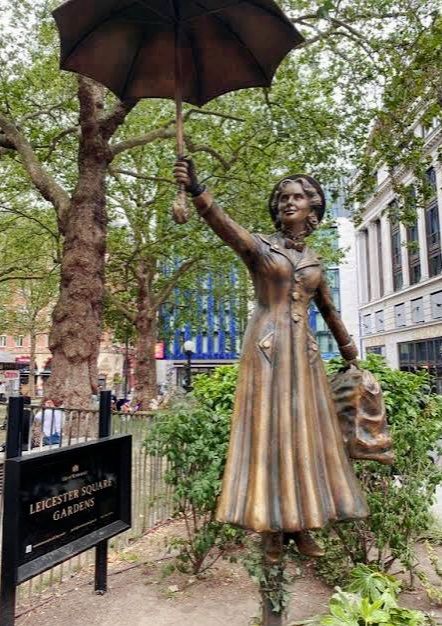
I’m breaking in here to say, at his point in my pilgrimage I suddenly realize I forgot to take my portable charger out of my luggage when I stored it. Whatever ambitions I had of keeping my phone in my pocket were now fully going to be realized, as those power bars were running dangerously low in the dead of this heat. I am genuinely at the mercy of my walking maps now.
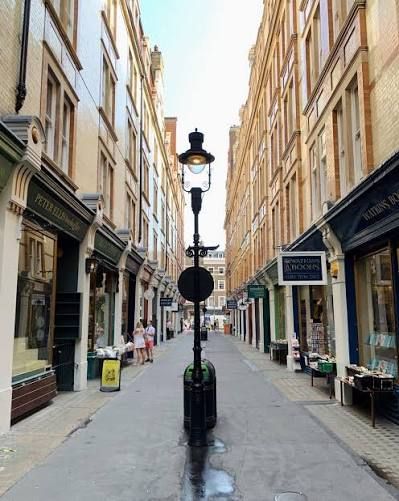
On the other side of Leicester Square is a single section of street that reaches straight across to St. Martin’s Lane (London’s theater district) called Cecil Court. Welcome to London’s “bookstore street.” And chocolate. But more imporantly, more books, and more books, and more books. In this case, old, rare books. Imagining trying to preserve these titles through a trip and another flight home, I again called on my rational senses. to pervail.
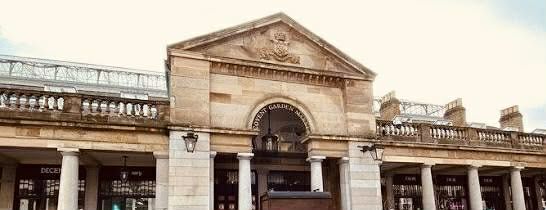
If that’s not enough to capture my attention, a short walk up St. Martins has you at Covent Gardens. Fun fact: Covent Gardens is the oldest residential square in London. When you walk through this area, imagine it at the moment of it’s transition from the old city to the modern city we know today, transforming over the 1600’s through the gradual reimagining of a city reaching beyond it’s old city walls. Here Covent Gardens, one of it’s most recognizable market squares, transitions from a once kitchen garden for Westminster monks into a meeting place and trading center bustling with crowds.
What I wanted to note here for the purposes of my interests is that this area became one of Dickens’ old haunts, which stretches from these very markets, past the Old Curiousity Shop (which of course informed an entire book), and up Fleet Street to Ye Old Cheshire Cheese Shop and Blackfriars.
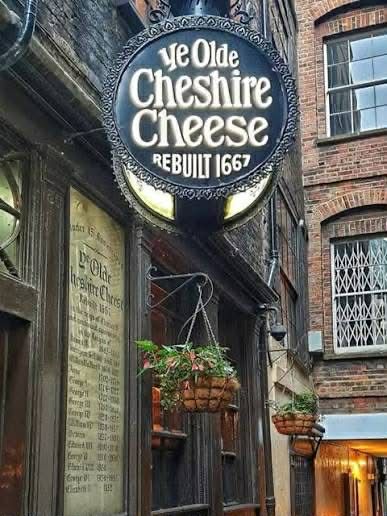
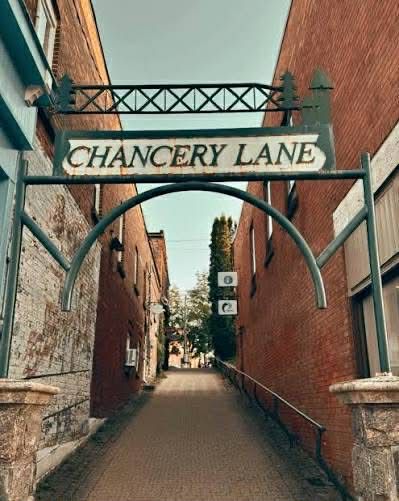
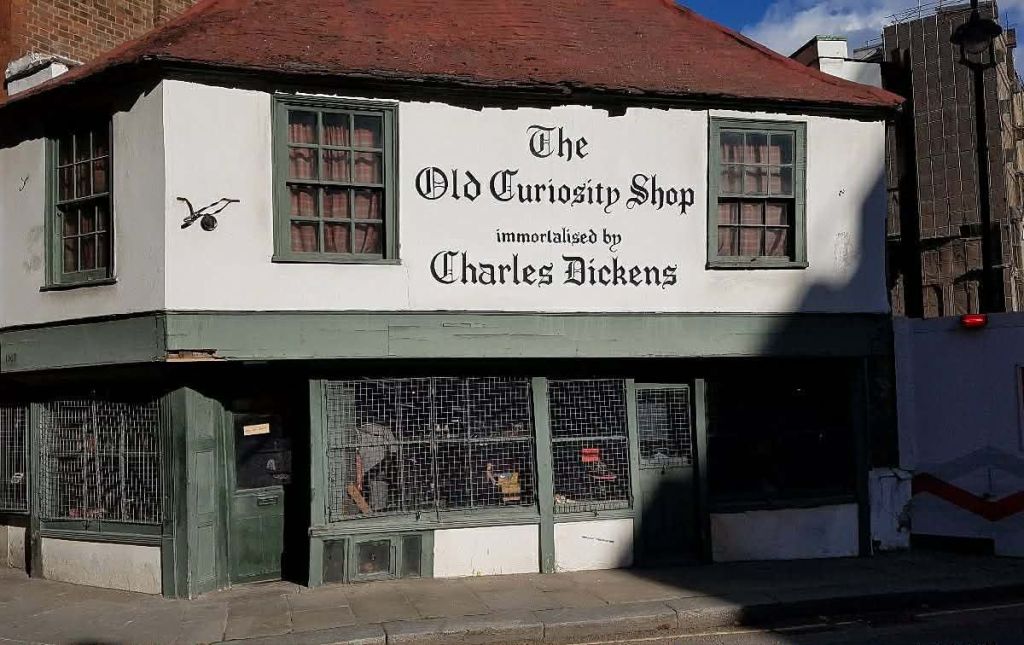
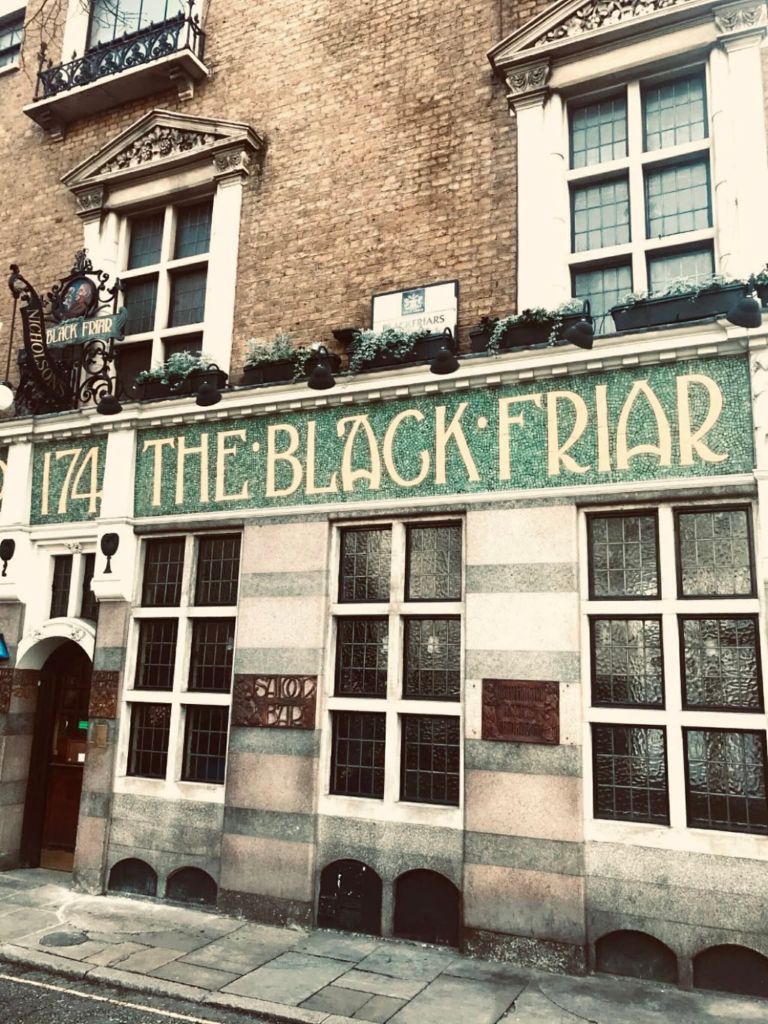
Given the still preserved old city landscape of this area, this is where your imagination is free to come most fully alive. I wonder at the London of his own percieved fascination, the river lying on one side, the industrialized epicenter on the other. It’s one thing to take in the sites and the smells, it’s another to imagine these streets in a time when poverty and upper class systems existed side by side on the edge of the whole modernist vision striving to come to fruition, in an age where lanterns pierced through the common rolling fog and diseases ran rampant.
Heading north again, I had scheduled afternoon tea with The Mad Hatters Tea Party at Sandersons hotel. If you remember, my phone was now essentially dead. My first instance of my printed walking maps failing me. All thanks to a confusing discrepency between New Oxford street and Oxford Street. I will admit, at this point, given a day on foot in the heat, that feeling of being lost definitely starts to carry a bit of extra weight. Thankfully though, after putting a series of puzzle pieces together, I finally got my orientation through what has now grown into a series of rather large high rises.
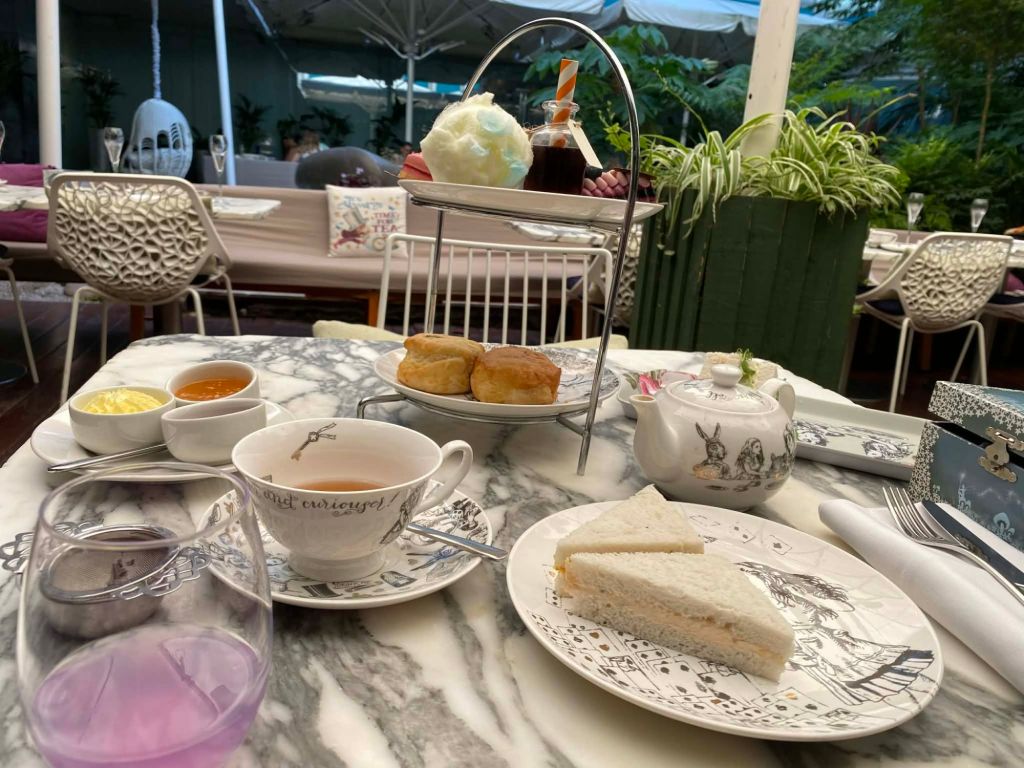
What greets you upon arrival is the fountain laden sitting area designed to transport you into another world. Keeping with my literary theme, a voice that I would be crossing paths with later on in my trip when I got to Oxford (Lewis Carroll), this was a nice touch, and certainly a welcome reprieve. Whether or not I would do it again, it’s a quintessential tradition made of tea, scones, sandwiches and desserts that is guaranteed to be more than even the most ambition patron can tackle.
After doing my best to make a dent, I payed my bill and continued on my way, beginning at the British Museum and Russell Square just down the road, and movimg into the gradually quieting streets with low lying buildings and old, victorian architecture that eventually brings me to The Charles Dicken’s Museum. I was one of a handful of people there, making my way through the multi-floor house which includes a wonderful exhibit on the “women who made Charles Dickens.” In a very real way these are the personas that continue his story following his death, and the museum does an excellent job of letting you feel the flow of that narrative from start to finish. I think what most spoke to me here, aside from getting to see his writing process layed out in such a visual fashion (the meticulous efforts he gave to the old world craft was truly inspiring), was imagining a young, uncertain voice finding his way and the legacy that emerges from that. For me, Dickens was always a writer who helped to connect, for my young mind, disparate worlds together, be it the rich legacy of storytelling that somehow pushed its into my own modern setting with it’s particular set of universal concerns and questions in tow, or the life of this figure whom seemed to hold such an enduring and eternal fascination with a world filled with tension, both wonder and suffering. Or even being one of the earliest voices to collapse these arbitrary lines between modern genres, especially when it came to normalizing what was a very real penchant for horror.
I will cite one of my biggest regrets here. Dickens’ grave is located in the famous Poets Corner in Westmintster Abbey, something you can only see with an official ticket. This is where a number of the great literary voices of London and England’s history are buried. Circumstances did not allow me to get there, which was part of my plans. I did however still get plenty of pictures of the Abbey itself from the outside, and I stood peering through the open doors with a picture of Poets Corner in hand.
I walked out of this museum feeling like I was beginning to see the relationship between story, storyellers and story-hearers in a new light. The power that this can have. The way it brings complicated creatures, author and reader alike, into these spaces that can take on a life of their own. I remember reading how Dickens never saw his life as having the impact that it did on both people and culture. He wanted and expected a quiet burial, and got the opposite (an honored one). It just reminds me of how connected our lives are to the world, and the worlds, that we occupy, and how deeply embedded story is to the ways we see and live and understand this world. To stand where such important aspects of my own life took shape and came to fruition was humbling.
Much here to accompany me on the next part of my pilgrimage, which was to see John Wesley’s gravesite, chapel, and museum. Here though my story takes a turn. Remember that dead phone? Well my walking map once again has led me down a dead end, this time due to a single street name that ultimately shifts to a number. What is a single direction is actually a bunch of sharp turns down different blocks following this numbered route. The issue was, my directions stop at “go straight at (insert street name).
Did I mention it was dang hot out? I stoppped at a cornerstore to grab some water. Here was the first time I opened up my wallet to actually use a small amount of cash I got from the currency exchange center before I left. I hand it to the guy behind the counter. He hands it back telling me he can’t take it. I look at him puzzled. “Euros” he says. I can’t take Euros. I need Pounds.
Turns out when I asked the teller for money, at which point I specifically stated I was going to LONDON (for whatever that’s worth), I inadvertently asked for Euros without thinking. We both had a good laugh, and then both of us blamed Brexit. Nothing like getting into a healthy discussion on politics in a foreign Country with someone you’ve just met.
T
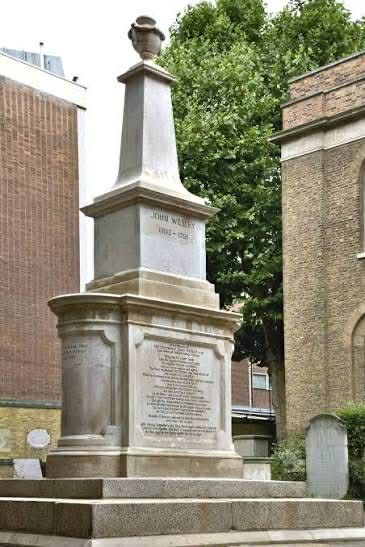
I came back to this friendly corner store worker after finding myself coming to that dead end. He pulled out his phone and helped direct me where I needed to go. Unfortunately I would have to settle for the statue and glimpses inside Wesley’s Chapel. I would however continue to bring the importance of this space alive through my reading of two books, the first being Perfect Love: Recovering Entire Sanctification by Kevin Wawtson, a robust history of Methodism and it’s central theological commitment, the second is Love Divine: A Wesleyan Systematic Theology by Thomas McCall. Here my interest in Wesley connects back to my family heritage. Somewhere along these lines, moving from here through England and into Ireland, are the roots of my dad’s side, with my family found in a legacy of itenerant preachers travelling with Wesley, and Methodism’s eventual seeding of the Pentecostalism that I was born and raised within from both sides of my family. This stuff I knew loomed much bigger than my individual life, but what I so appreciated about being here was simply being able to imagine the ways in which our roots, and even further the different ways we respond to those roots, and even at times challenge these traditions, can help us make sense of why we have the questions that we do. Where certain awarenesses and concerns and values emerge from. While I am not Methodist, I can see that theology of sanctification built into my lineage in a rich way. The ways I was forced to grapple with these theological realities comes from this long history. For me I find that endlessly fascinating. In some sense, I am here because they were once there. in this space, on these grounds building, unbenknownst to them, the foundation for my own inherited life and journey of theological inquiry.
From here I begin the journey back to Paddington Station. The path takes me up to the Coal Drop Yards, the old market grounds where you will find the Word on the Water Bookstore, a bookstore on a boat. This boat sits on the Regent Canal, a towpath (the common name for walking paths all over the UK) that runs from Victoria Park all the way to Little Venice, which is situated right behind Paddington Station. In-between is the Camden Market or Camden Locks, which seperates the river at this junction point, climbing up to the level of the market and then carrying on around the northern end of Regent Park.
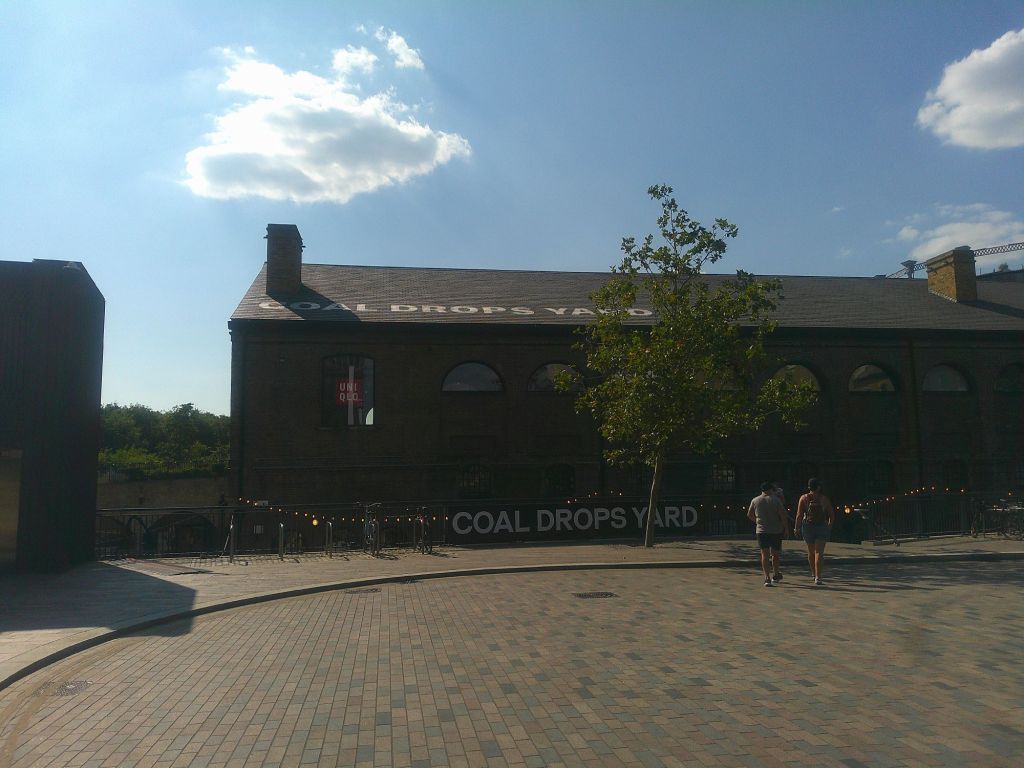
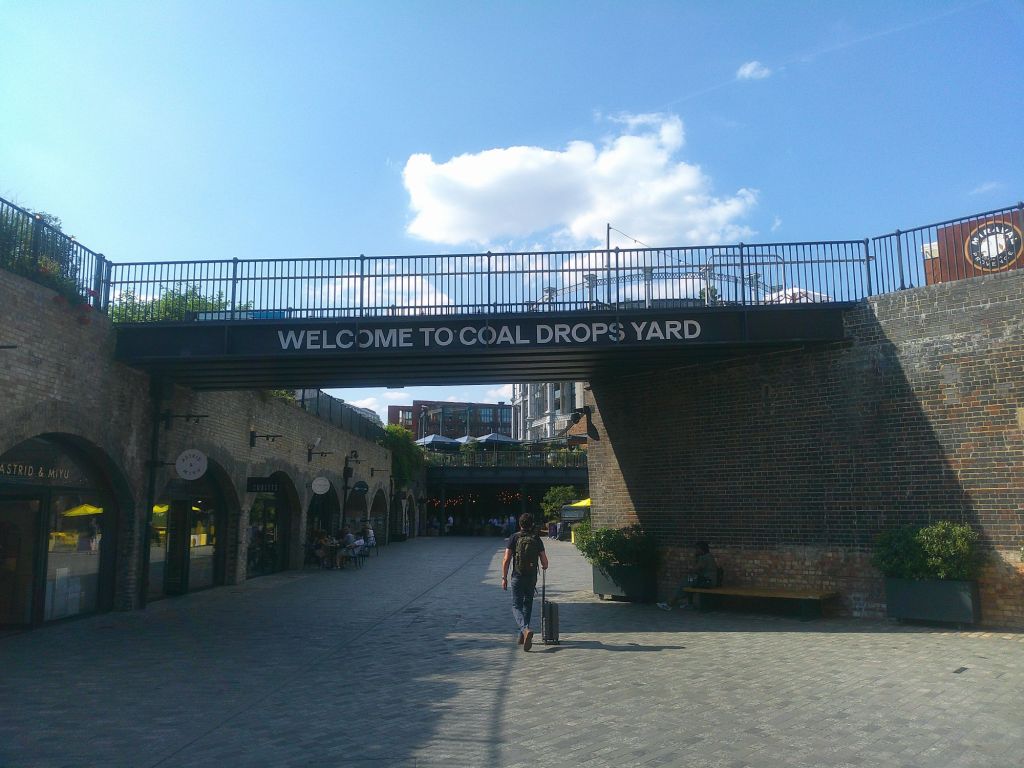
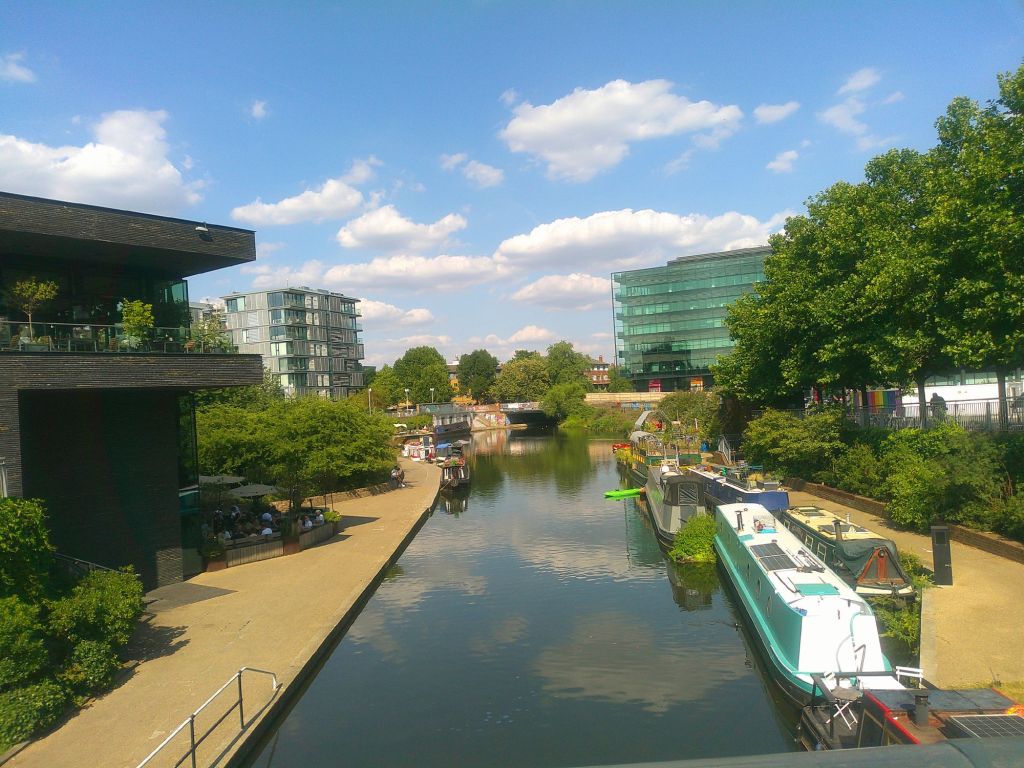
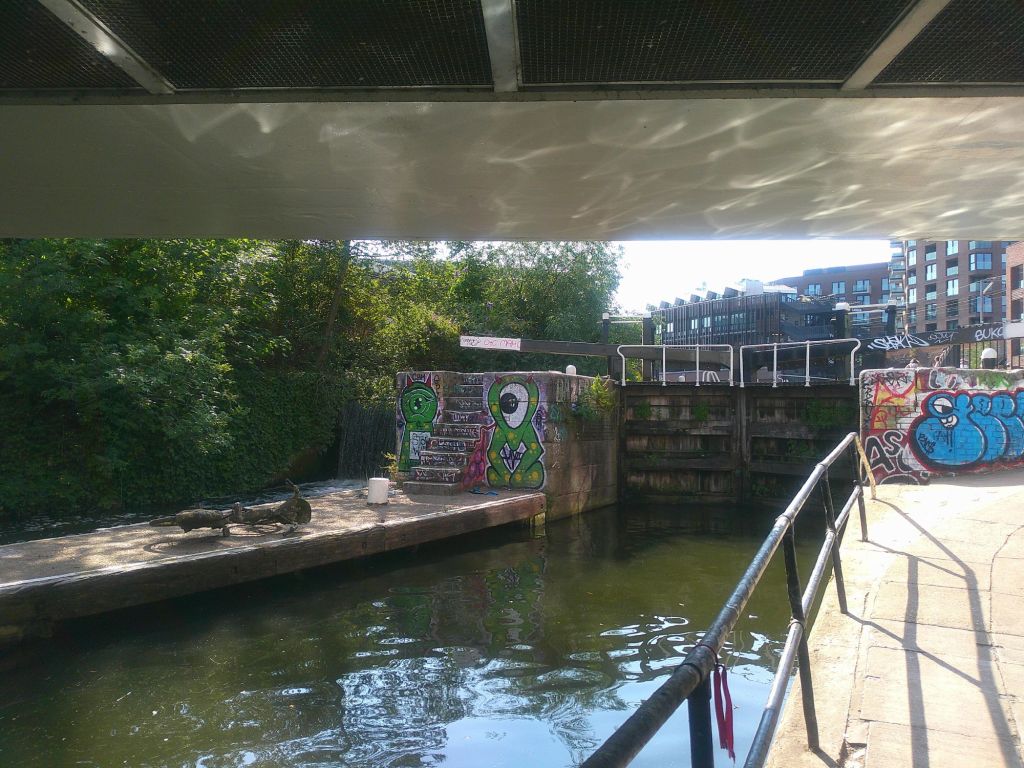
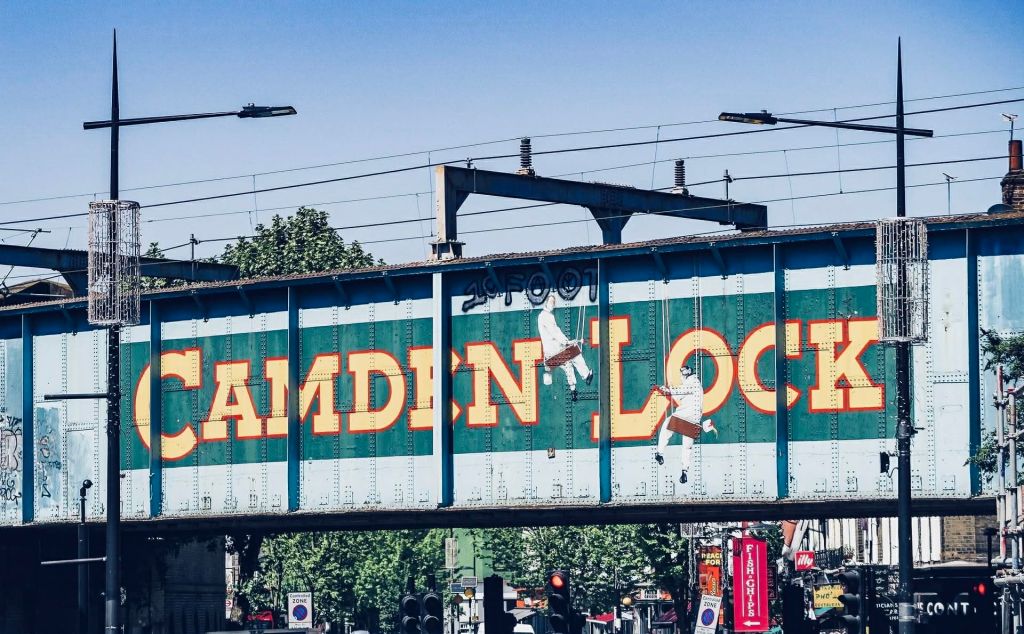
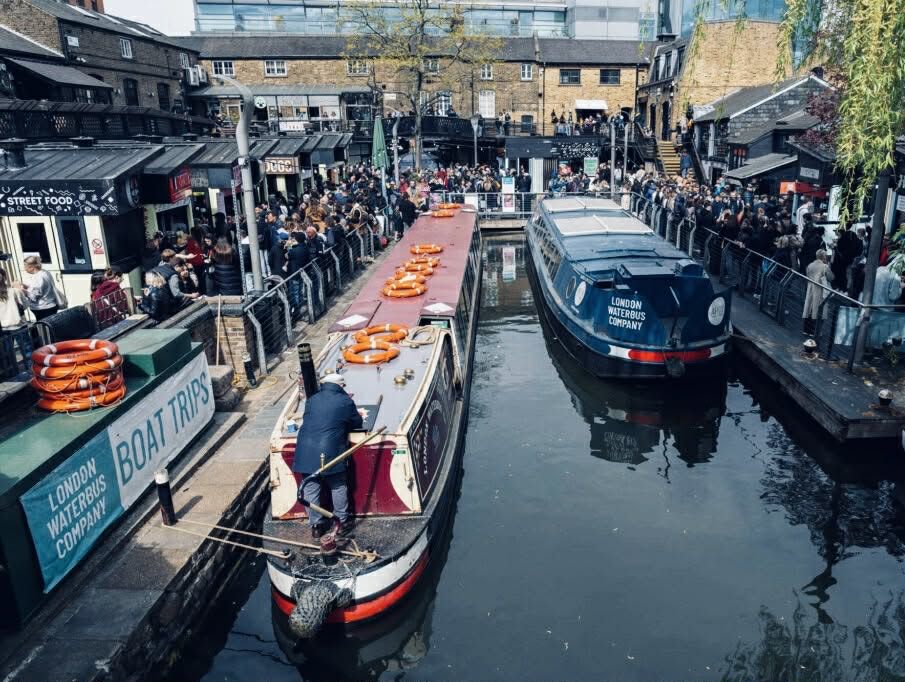
My intention was to walk the whole towpath, but my body met its limit. I ended up stepping off of it at the midpoint of Regents park and decided to take a Black Cab (just to say that I did) back to pick up my luggage.
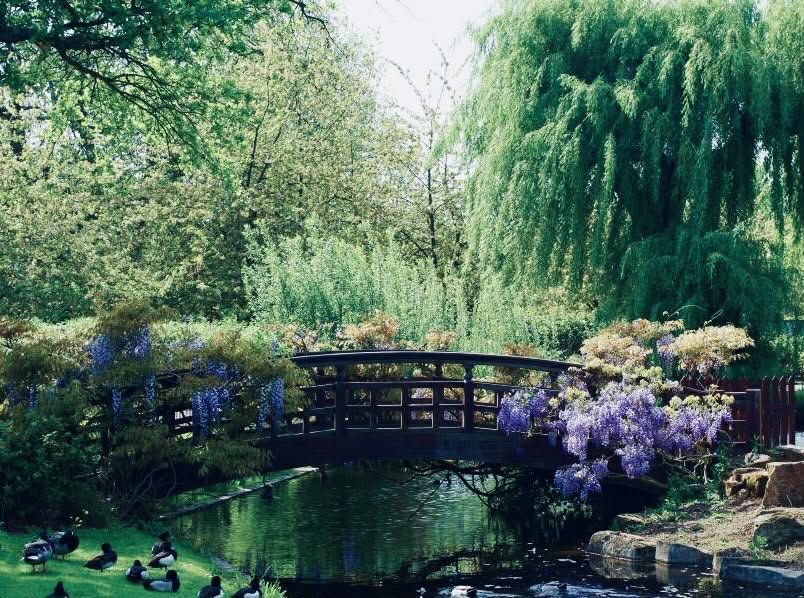
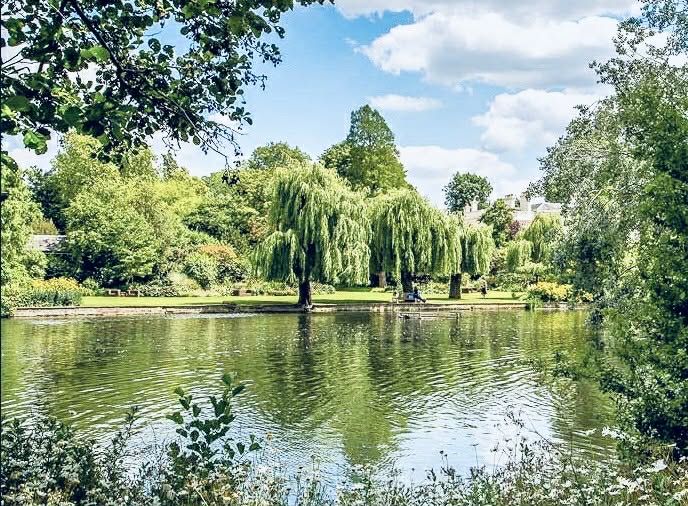
From here I found my way to my hotel for the evening, just at the far edge of Kensington Gardens, very close to the Palace grounds and the Peter Pan statue. A small room with a nice bathroom and, yep, you guessed it, no air conditioning. My feet were killing me, but it was so hot in my room that I actually decided to head back out. Notting Hill was just a few blocks away as well, so I grabbed an ice cream and tried to bide my time for some of the cooler night air to settle in.
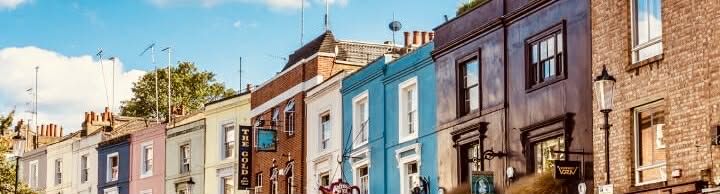
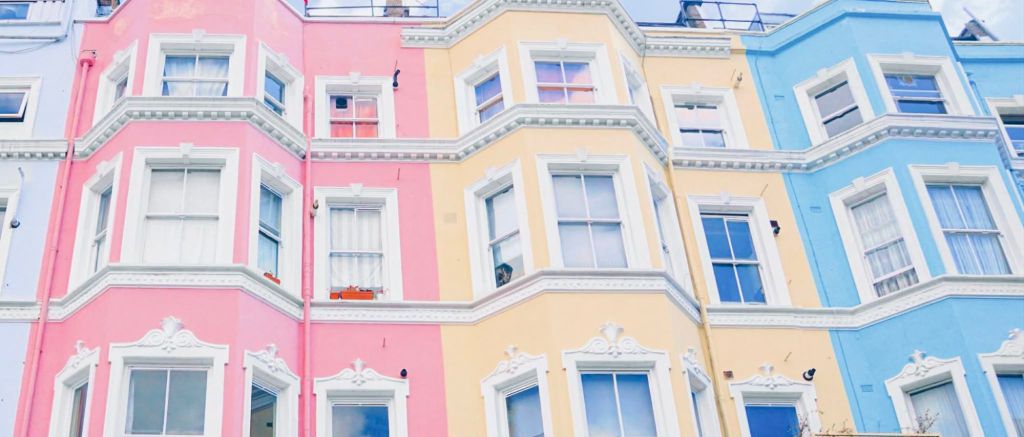
In these quiet moments, with the long days holding the light well into the late hours, I spent time thinking about what I most admired about this unfamiliar place. It had been merely a day, and yet it felt like I was a long ways from where I started when I first arrived at the platforms of Paddington. The authors I read cited the true power of this city not in it’s big attractions, but in the hidden spaces. I recalled learning from a local that “hidden gardens,” closely related with Secret Gardens, capture this sense of a city built through layers and layers of storied history. A garden is another word for yard, and what makes London so unique is all these yards, some big, some small, that were once walled off or hidden from view get unearthed and become part of the modern landscape. They become spaces to seek out, to find and discover through alleyways and lanes and seemingly random corners. As I heard one person put it, “the secret garden is a hidden, magical sort of place that is disconnected from the rest of the gardens… not tied to a specific time or place.” Here they are referencing the story, but it applies to the ways London becomes a space built to contain this kind of magic. The same idea spills over into hidden courtyards, and squares. This is where I found places like Belgrave Mews, or Spital Yard, Goodwins Court, Grotto Passage, or Pickering Place (London’s smallest square). When you add in the fact that at any turn you might be passing by one of the city’s oldest pubs, the old haunts and childhood homes of endless figureheads and writers and inventers, and what marks this city is a city of endless discovery and exploration. Learning the language of the city becomes your most important skill, laden as it is with symbols and story.
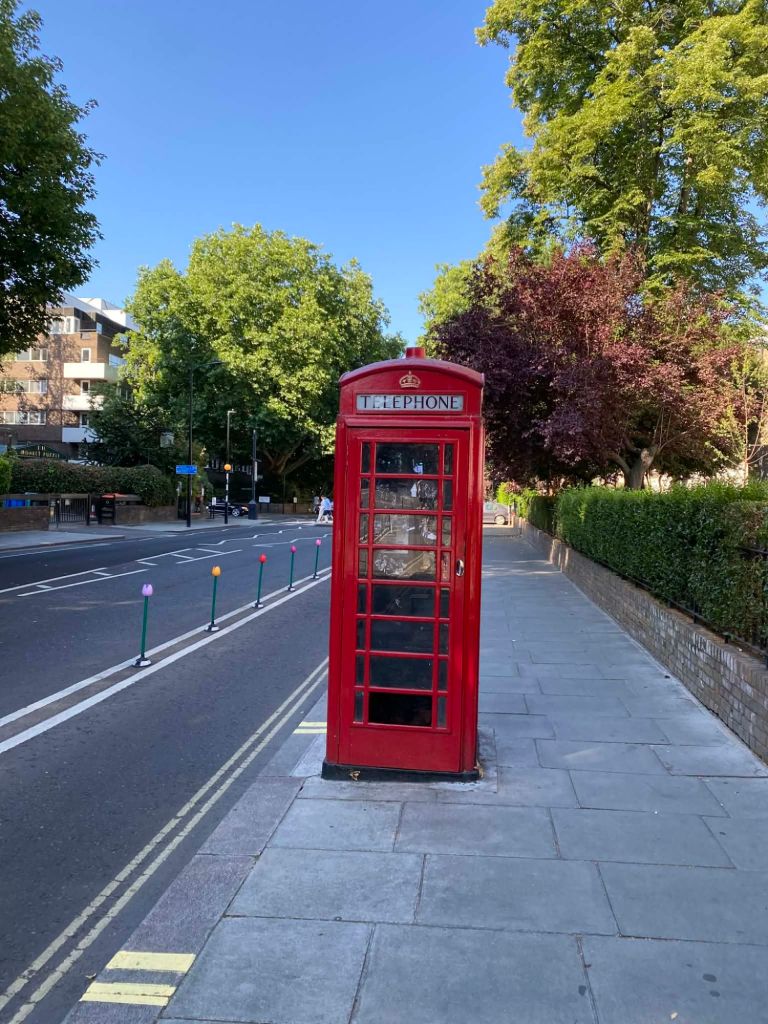
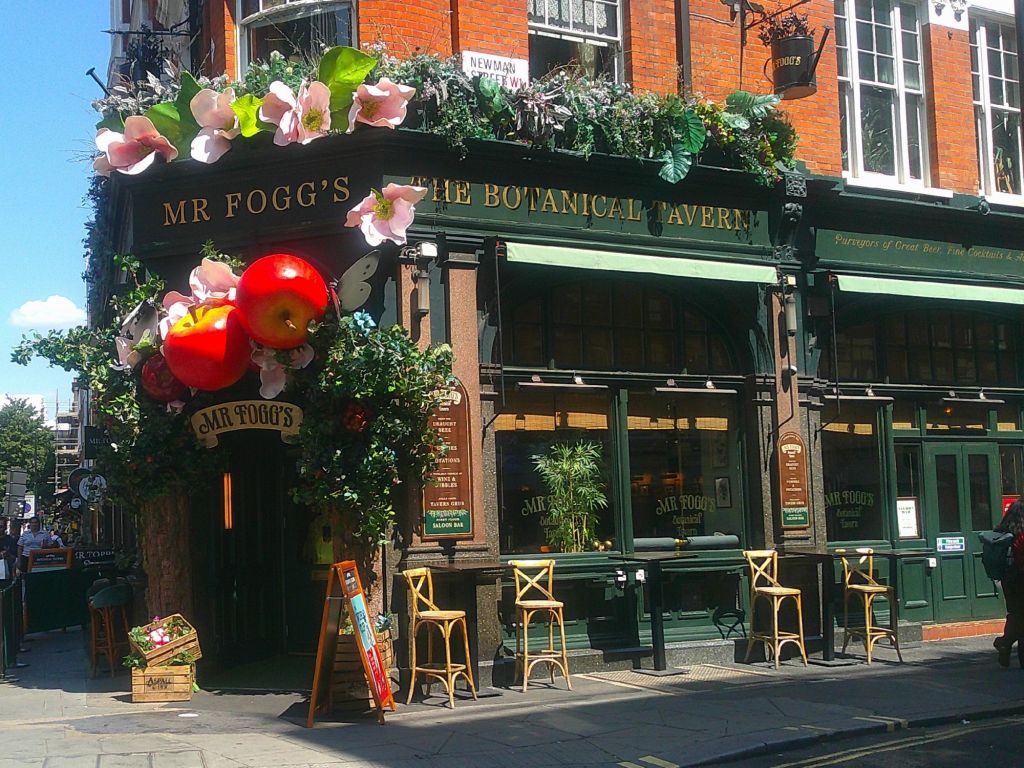
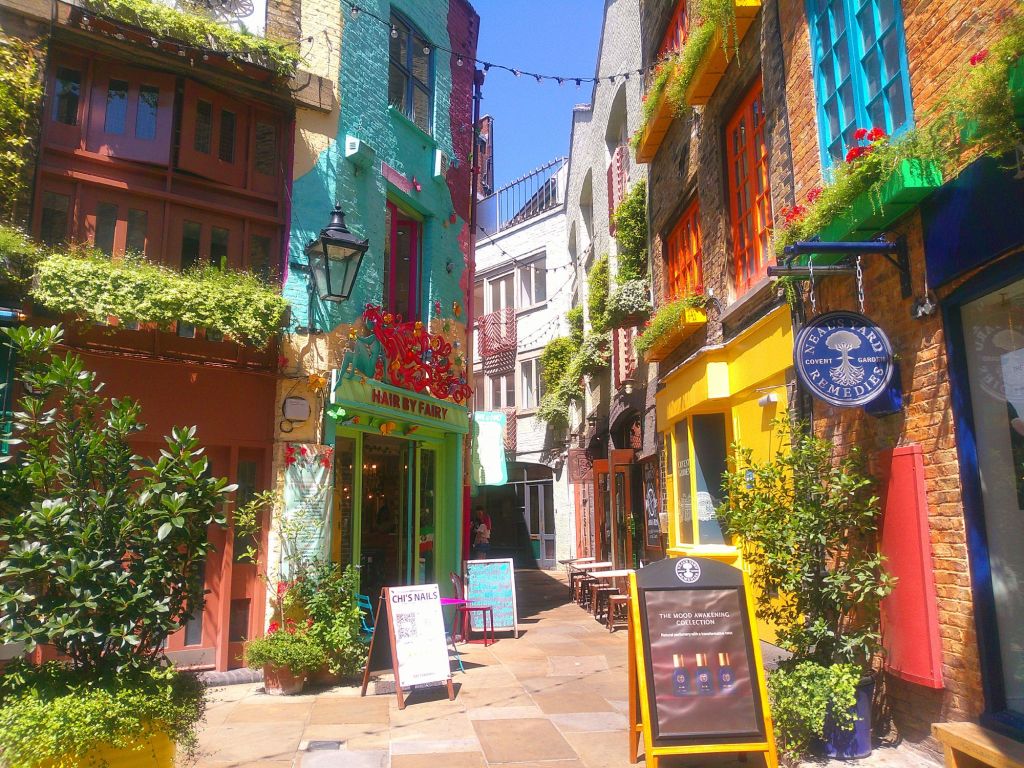
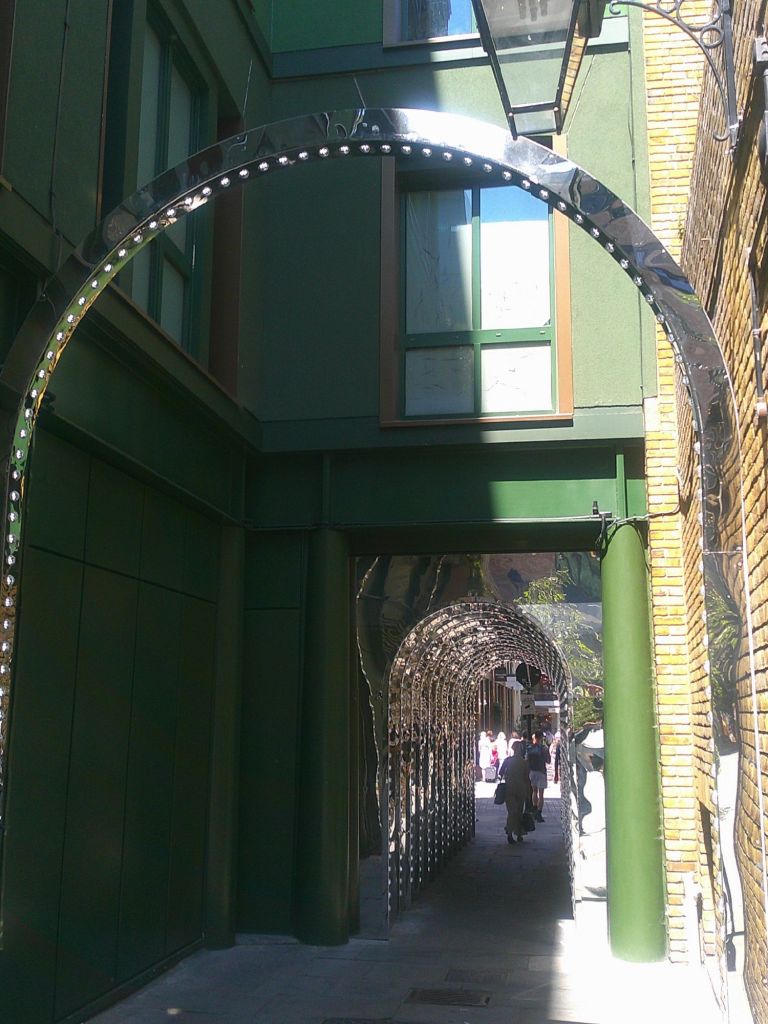
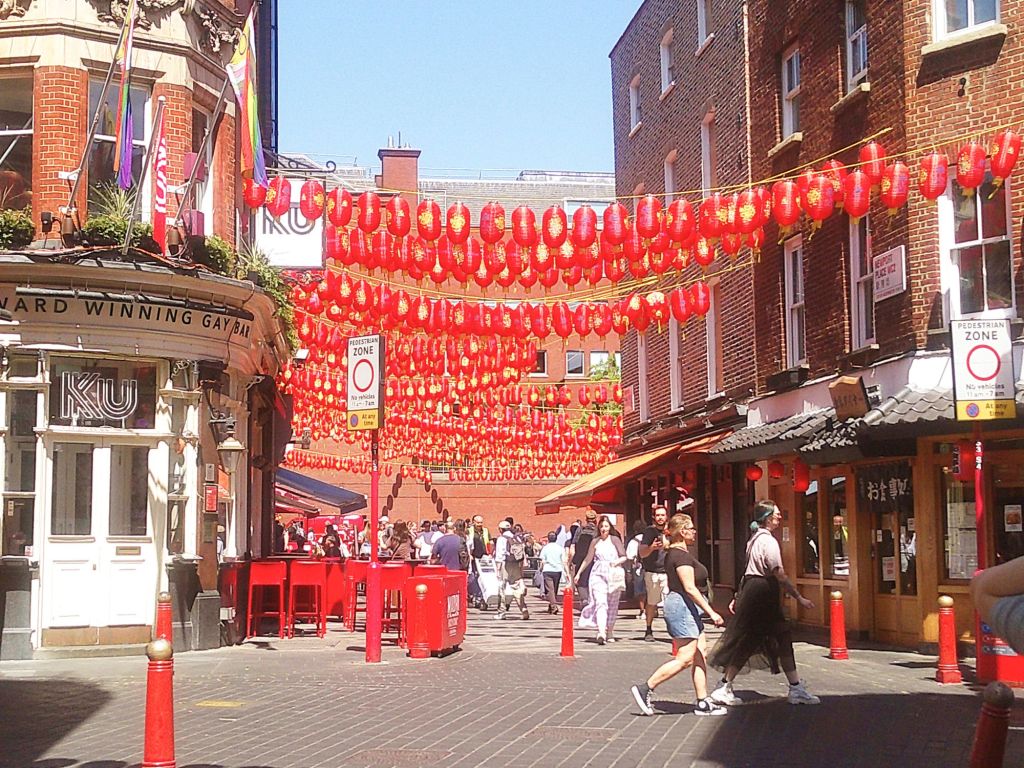
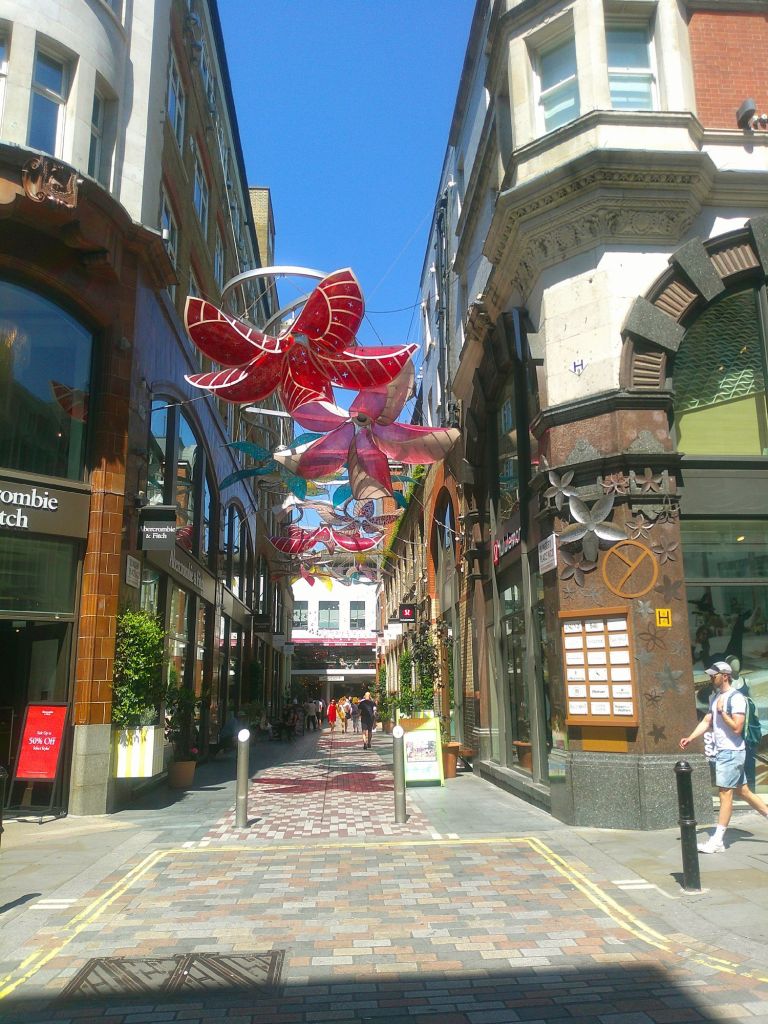
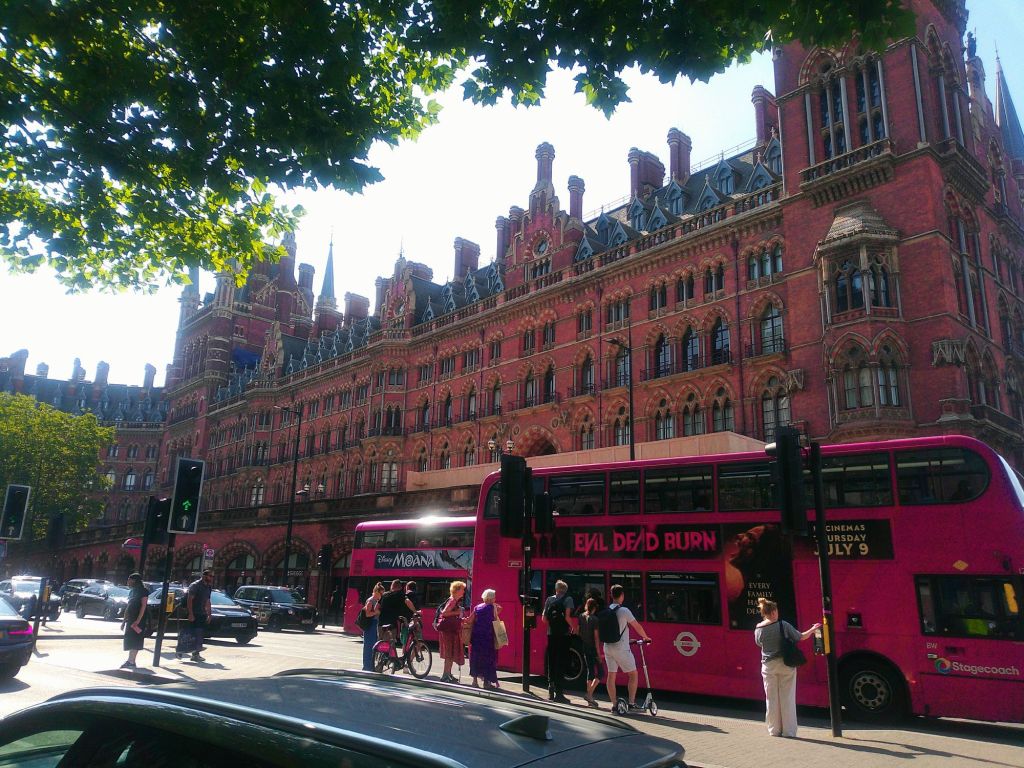
Welcome to London. Pleased to make your make your aquaintance.
Someone asked me later on during my journey as I ventured deeper into England, what I thought of London. My one response: London is a lot. I am still figuring out what that means, but it’s not a bad thing.
What I do know is that in some spiritual sense a piece of me belongs here, although I am only just learning to what end. I might live worlds apart, but in many ways this sort of journey is about uncovering the ways in which we are all connected.

