
Sitting adjacent to The Salisbury plains is an area known as the Cotswolds, a word that combines the phrase sheep pen (cot) with hills (wold), reaching back to the Roman introduction of the Cotswold Lion (sheep) into these still rolling hills.
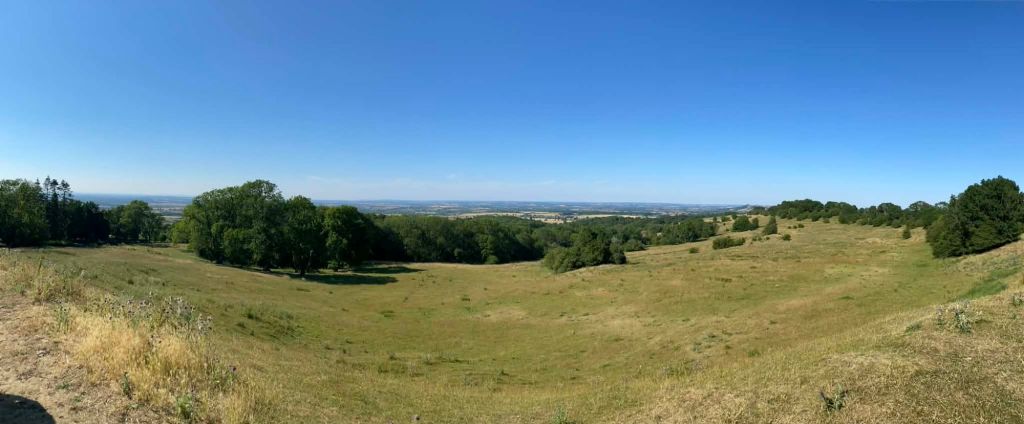
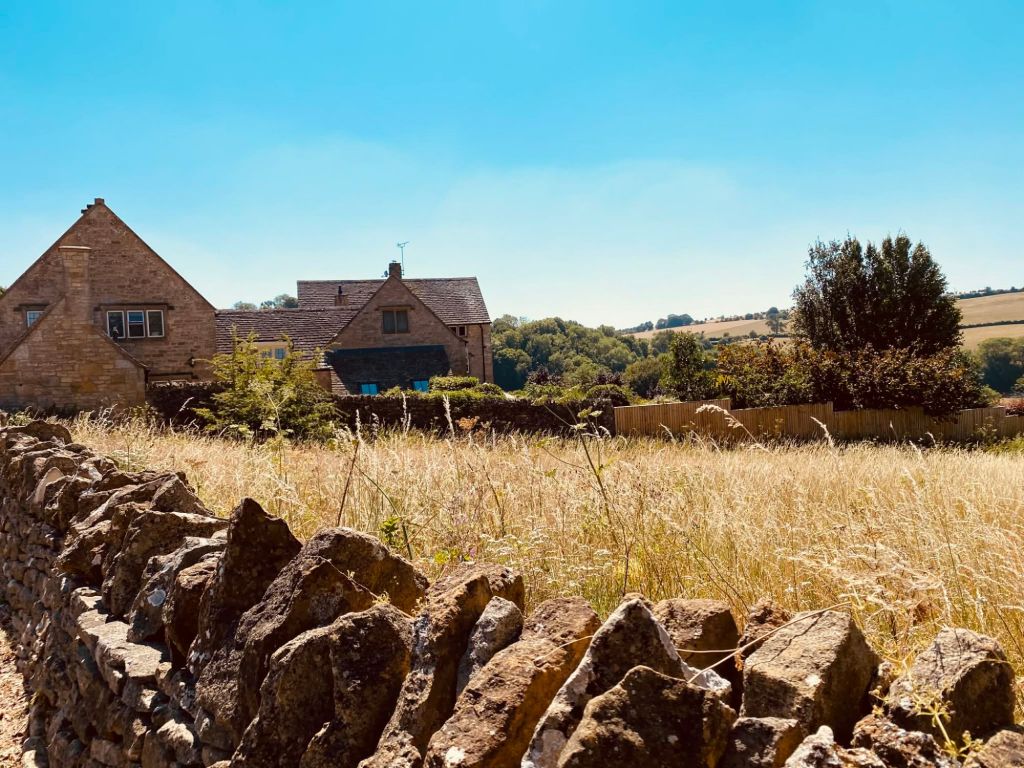
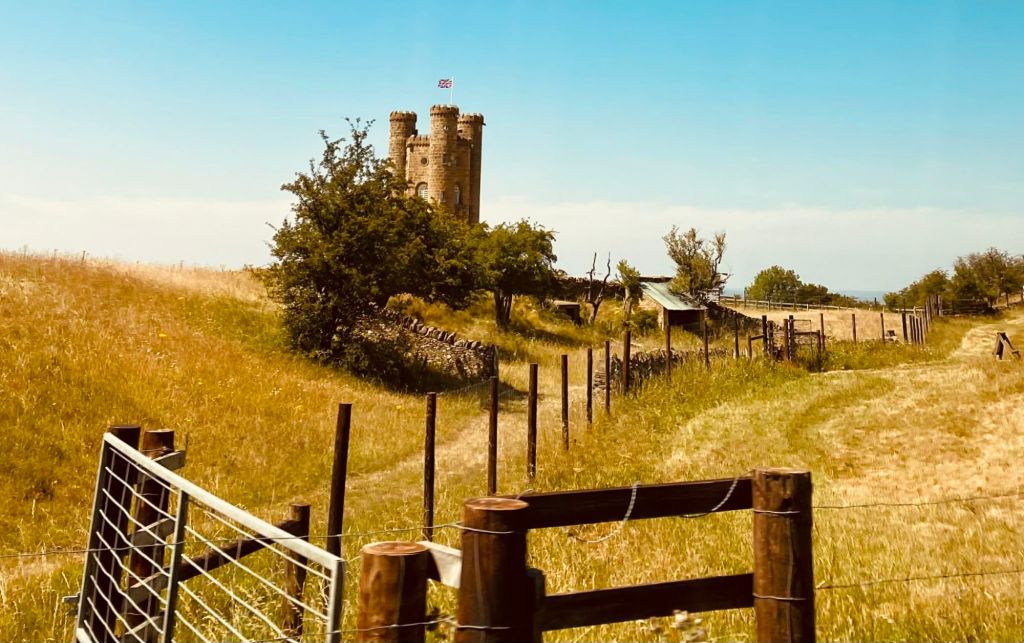
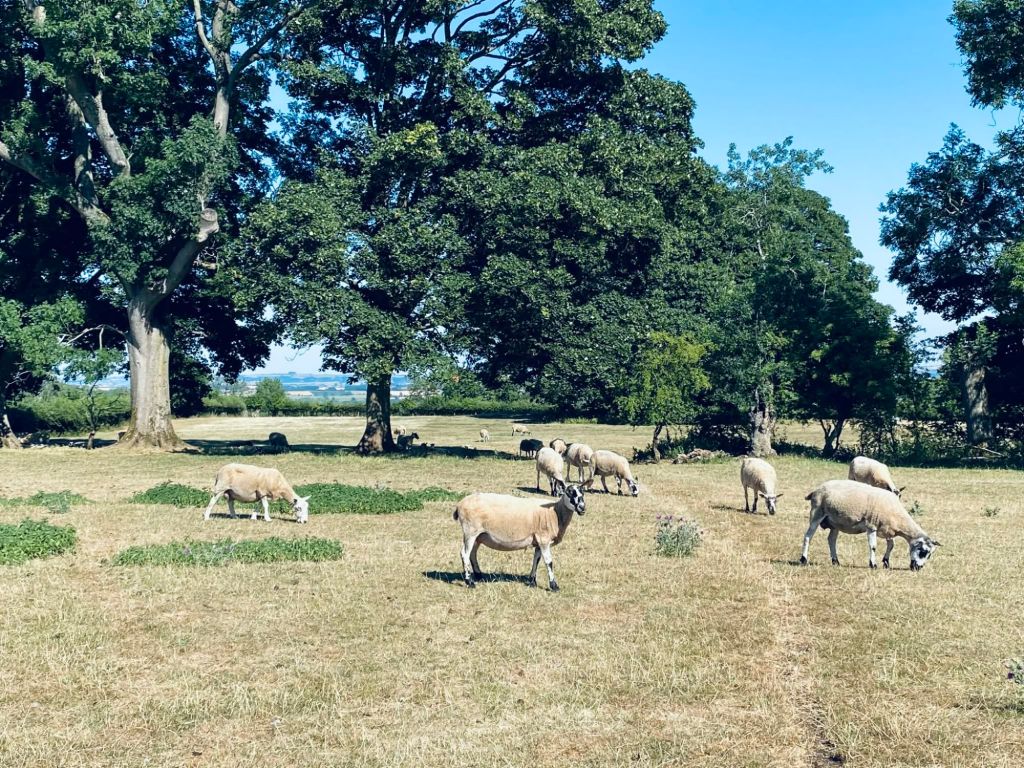
Here is a world preserved in time, having escaped the sweep of the industrial revolution that turned it’s eyes instead towards the most illustrious coal mining industry further East.
Today it has morphed into a veritable tourist industry, where robust laws continue to ensure that the wealthy (outside of long term residents, the only ones who could actually afford properities in this area today) must adhere to strict rules regarding what they are allowed to build/rebuild/renovate/destroy.
These are fairytale villages, which is the draw for many looking to escape into this other-world, easy to romanticize as a quintessential image of the English countryside, representing a different age disconnected from the trappings of the modern world. And walking the streets of these different villages, it’s easy to fall under it’s spell, with it’s unique golden coloured stone drawing in vibrant glows and casting out unaided reflections amongst the old world architecture, moving here and there as it does with the ever sloping and rising streets. Some day, perhaps I will be able to do the 164 km path called the Cotswold Way, beginning at Chipping Camden, which is the easiest way to really immerse ones self in the interconnected villages that make up this once ancient seabed.
Perhaps a lesser known fact about the Cotswolds is it’s position as an inbetween place, consistently finding itself positioned between two warring sides. One might be surprised by how such an innocent setting could contain the bloody history that it does, and yet sitting between the Welsh lands to the West and the Essex to the East, bordering the Druids to the South on the Salisbury plains and the intruding northern tribes to the North, and most notably being the site of the civil war of the 1600’s.
It’s actually the civil war that becomes most significant to beginning my journey through this area, arriving in the town of Stratford Upon Avon, made notable as the birthplace of William Shakespeare.
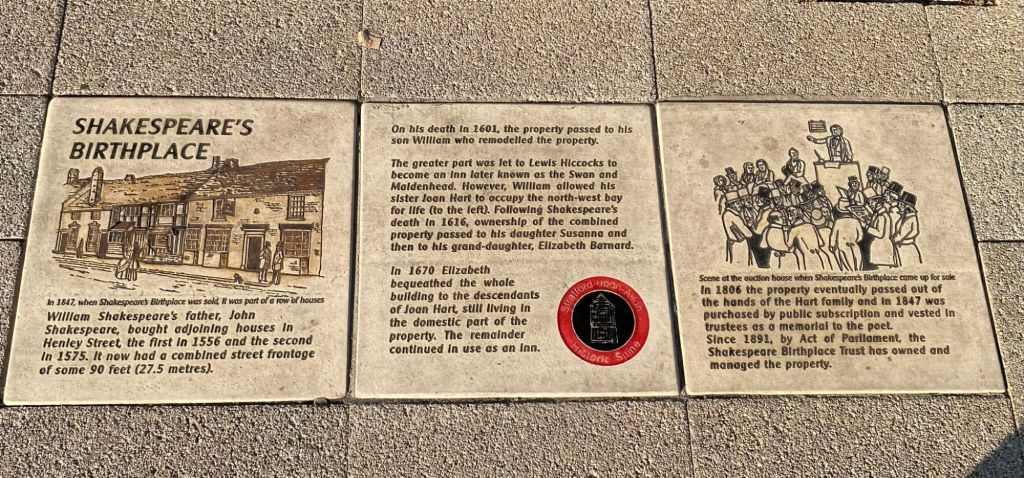
If you are like me, Shakespeare represents something of a complicated relationship. A standard text in school, notoriously difficult to grasp, and yet the neverending onslaught of adaptations, stage, screen, and literary, are littered throughout my childhood.
Knowing little about the individual but knowing much about these stories became my window into exploring why he matters, not just to the story of this space, but to my literary pilgrimage. One curious source that accompanied me on this front is called Shakespeare and the Resistance by Clare Asquith. One of the fascinating things that comes from taking a fresh look at common histories is the ways in which perceptions and misconceptions are able to be overturned, which is precisely what Asquith’s well researched treatment of two of Shakespeares famous poems does (Venus and Adonis and The Rape of Lucrece, published a year apart in the aging and dying years of the Elizabethan era, often sold as Medieval Englands true golden years).
What this window first reveals, which a growing body of research seems to be supporting, is that these golden years overshadow the real political turmoil now buried underneath. This matters to our understanding of England’s history. More so, it matters to our understanding of Shakespeare’s writings, and indeed the person behind the writings. As Asquith writes,
“In shakespeare we discover a man deeply engaged in the struggle to bring true tolerance and humanity to England.”
As she goes on to note, it would be “the change in tone in Shakespeare near the end of his life” which becomes our jumping off point for seeing his body of work through a different set of eyes. This change in tone, while long embedded in different theoretical musings, does reflect a change in demeanor, but what gets missed through handed down histories of the Tudor age is that this change reflects “that of a revolutionary, looking over a failed attemp at resistance towards the Tudor Monarchy.” Just to underscore how deeply this narrative of the Tudors, and subsequently it’s literary figurehead (Shakespeare), has formed the public consciosness of an entire era, Asquith writes about the present state of scholarship, saying:
“Now crumbling, this myth has for centuries formed the foundation stone of an England which dated the birth of its empire and the establishment of its national church back to the days of the Tudors, and adopted Shakespeare as its national figurehead.”
Here, on the cusp of the most bloodied years of England’s illustrious history, two civil wars which would result in the death of nearly 4.5 percent of the population of the British Isles (although more in number, World War 1 sits at 2 percent), sits a now romanticized era of advertised prosperity giving the eventual rebuilding of the British landscape it’s guiding myth, and it is the stories of Shakespeare, purged of it’s political edges, which get reconstituted as its central text.
It’s absolutely worth reading through Asquith’s carefully argued premise, but for the sake of a gross summarization: to truly understand the texts of Shakespeare, one needs to understand how such works operate in times/places of political control. Where texts must be careful in adhering to a given narrative, handed down by the powers, but where writers use the guise of these surface narratives to lobby hidden agendas and critiques of that power in their metaphors and symbols and language. This becomes a way of subverting the powers, precisely because readers of the time pick up on these working metaphors and symbols even where the establishment remains willfully ignorant.
This, Asquith argues, is what gives the change in tone in Shakespeare’s later writings it’s revelatory nature. This reveals the voice of an artist, who spent his life championing a resistance of the Empire and who is now looking upon the failed end result of his efforts: a looming civil war. Here hopeful optimism shifts into a feeling of despair, bringing all manners of existential questions with it regarding the point of it all on the cusp of a life now exiting the stage.
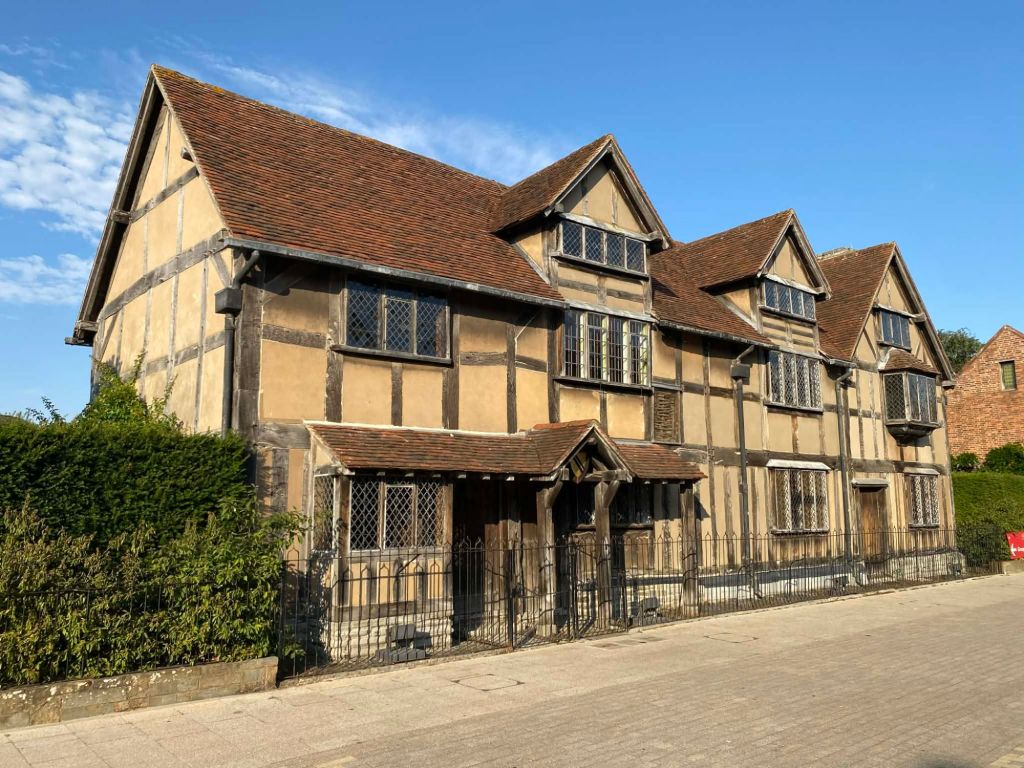
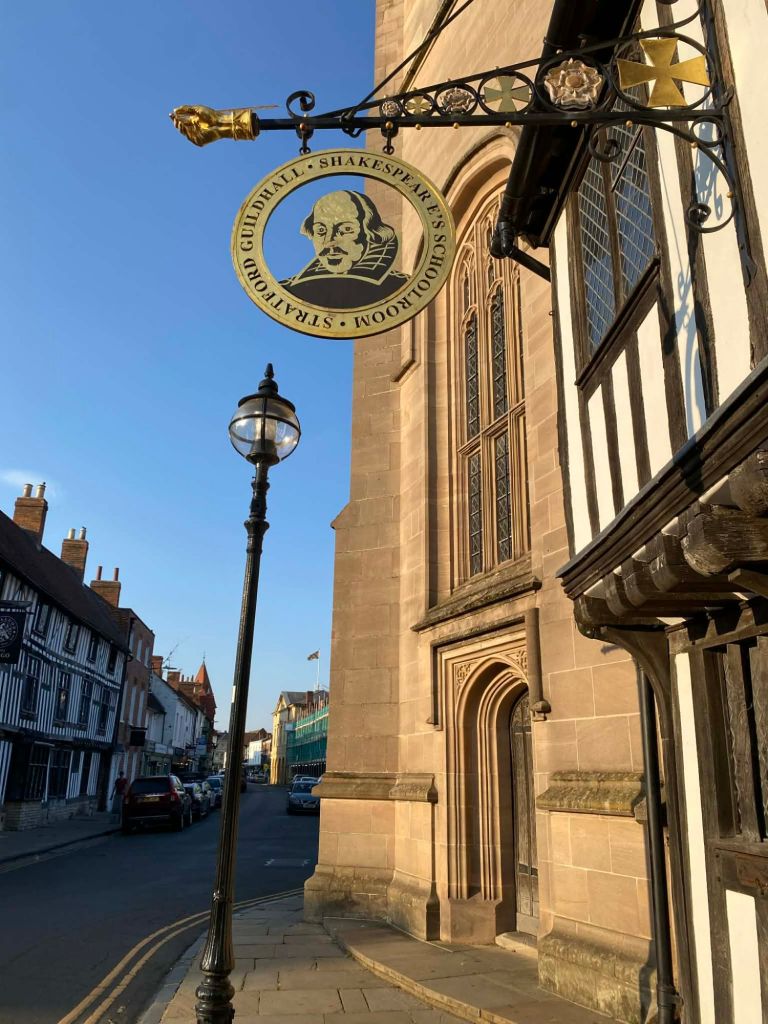
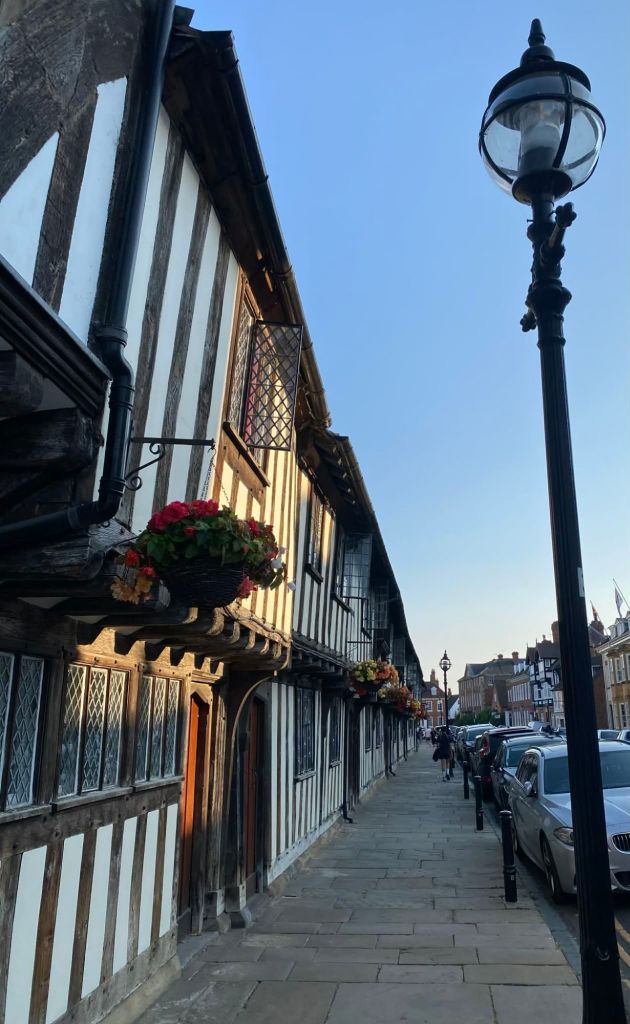
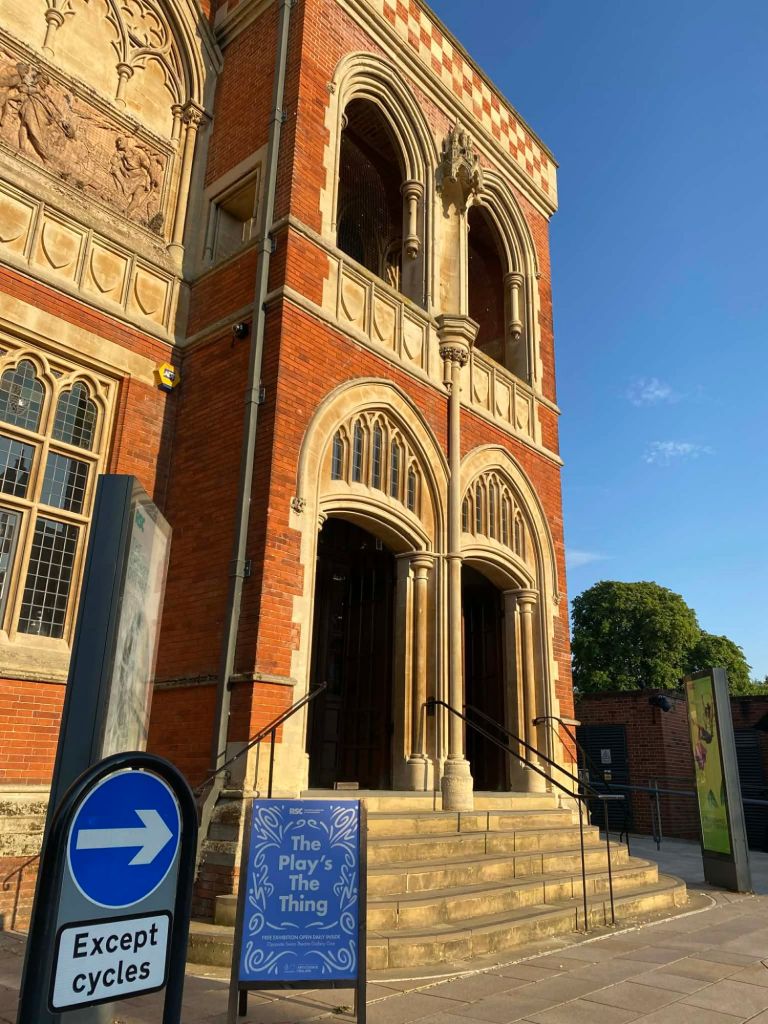
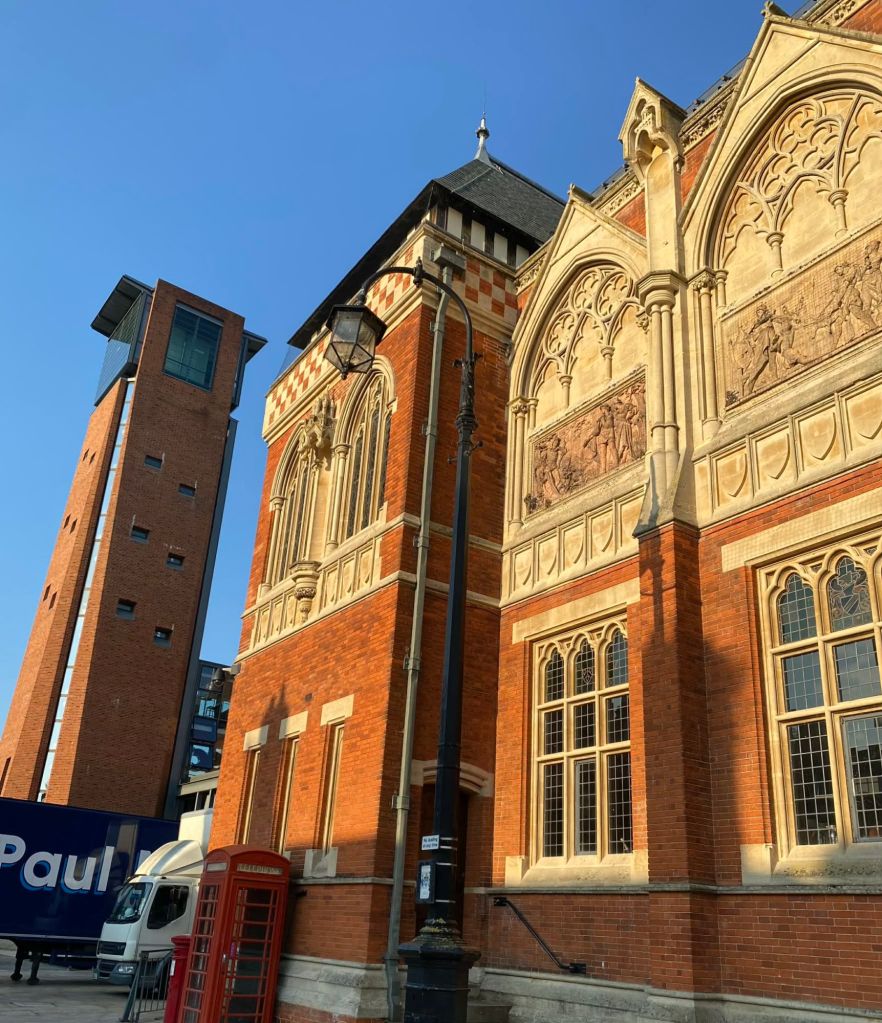
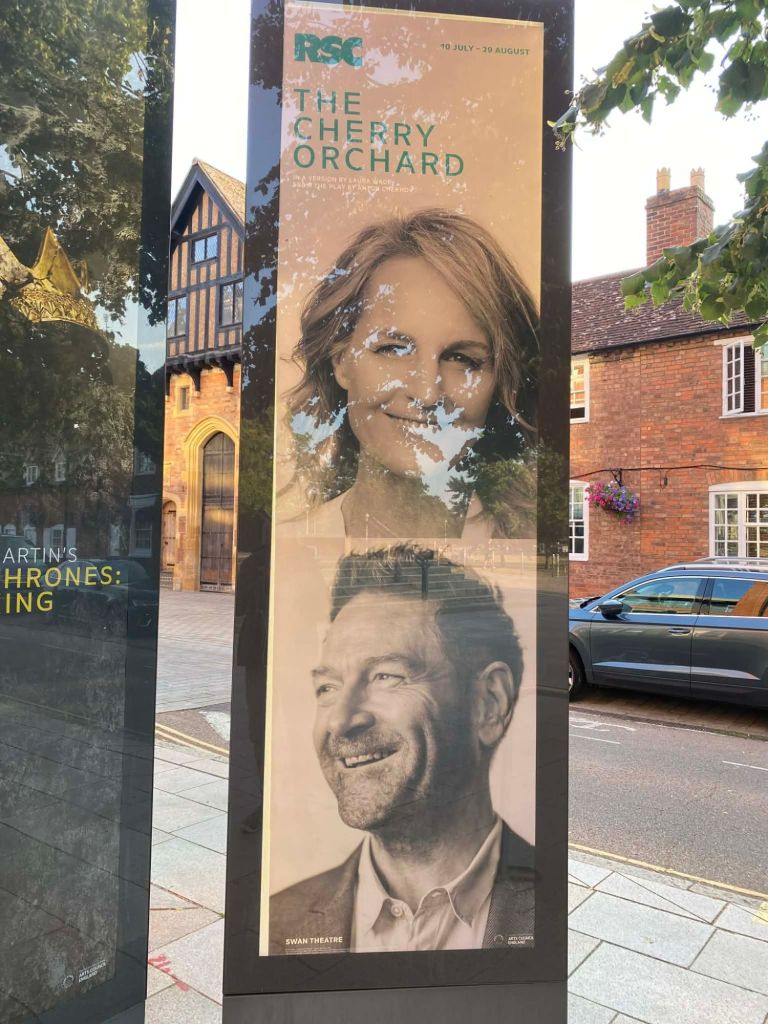
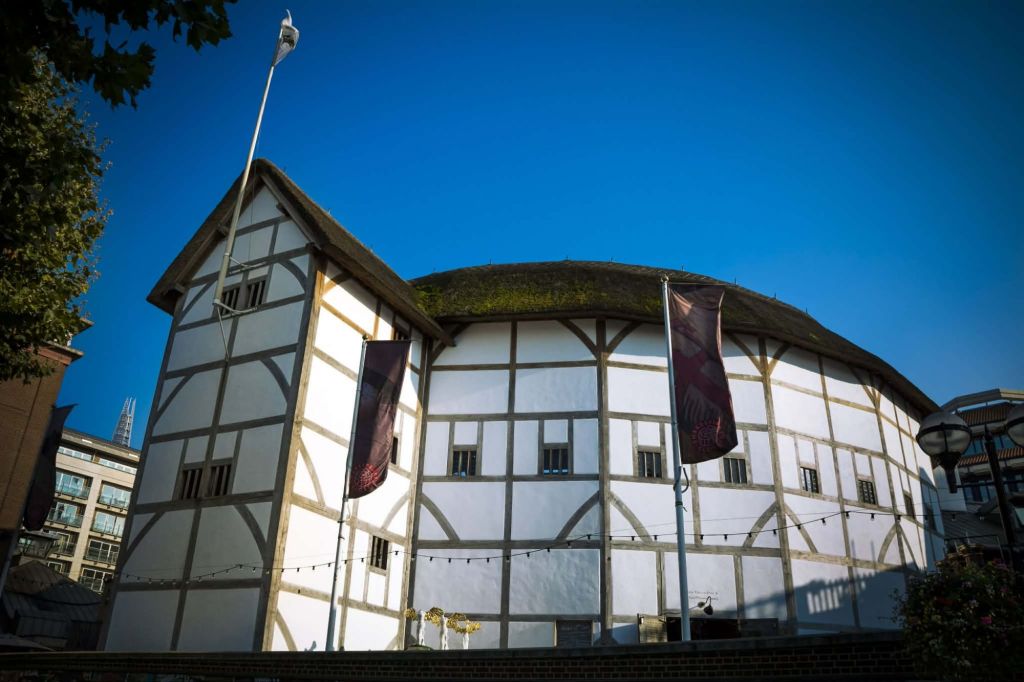
A much different portrait than the Tudor age we’ve been handed over the years. But this is what makes a pilgrimage like this worthwhile. Standing in front of Shakespeeare’s house, walking the streets of his inspiration, gazing over the percieved tensions now apparent in the legacy of the Royal Shakespeare Theater, which was showing the play The Cherry Orchard, starring Helen Hunt and Kenneth Braughn, this very night (perhaps one of my great regrets choosing not to try for last minute tickets to the sold out show, but the price tag was looming large). A legacy that reaches to London and it’s famous Globe, a reconstruction of the very playhouse which once sat on the banks of the River Thames as a grand statement of the Eliabehan era, housing Shakespeares plays.
This inspired me to think back on my own life, given that this pilgrimage marks my official road to 50. What does my life reveal on the surface? And what would my story reveal in light of such revisionist history? This is a question I ask, not because my life resembles anything like Shakespeare’s legacy (about the furthest from it), but because there’s something here that I think applies in important ways to any given life. The tension of existing in a world where we are woven into its constructs, a product of its dominant narratives, often in ways we don’t give much consideration, and yet also being marked by these points of resistance and diversion. We find this in the process of growing up, in the ways our young selves try to wrestle some semblance of our own story out of the expectations of a home, some sense of that sought after independance the differentiates us from our parents and our siblings amidst a shared upbringing. We find this in the ways this percieved independence then faces it’s own challenges of the institutions and expectations which we find in the world on the other side of this transition, on the other side of our “leaving the paramaters of this shared upbringing” seeking the allure of something we can call our own.
I do wonder if sometimes (or often times) I fall into the trap of thinking this act of resistance is, in and of itself, the viritue. Standing here wondering about this storied life, existing now, as it does, a ghost of a never ending reconstruction of the buried past, I consider the ways in which I can begin to see past this mantra I’ve been handed, which says life is just the continued process of opposing the past and replacing it with whatever comes next, and I imagine what it might look like to think more deeply about what a storied life actually means as an actual act of formation rather than simply an othering of the things we feel we must oppose. The ways in which my life, as all lives do, demonstrate this same push and pull that marks Shakespeare’s works, attempting to speak between these larger forces of hope and despair, even as it works to carve out a story in the middle, allowing us to become coherent participants in the plot.
A reality in which things like legacy lay far outside of our control, even as we find ways to believe that our choices, our actions, matter to something bigger than ourselves. A reality where all of our small acts of resistance walk this tightly strung line between forming community and subsequently driving wedges between it.
And then simitaneously asking, for all the ways we are lured in by these acts of resistance, the much more difficult question becomes, what is it that I embrace. This can come in the form of questions such as, what is it that I believe. Or the more probing question, what does my life, a life that is and will be ultimately be controlled by the interpretation of others, reveal about what I believe.
William Shakespeare can’t stand where I am standing now and look back over the long history of interpretaiton that ultimately persists beyond his control. His life, in many ways, is just as much the voice of the Tudors as it is now becoming an act of resistance. Both of these things are true about his legacy. And what hits me, somewhat hard, about recognizing this in this moment, is that in my own 50 years of living this is also true for me.
As something of a cynic I have long wrestled with this tension. As a young child, for whatever reason now lost to the passage of time, I became resltess with this notion of seeking a kind of integrity between my life and what I actually believe to be true about this world. By this I don’t merely mean the old adage of walking the talk, or ideas about ones life matching ones words. That to me is a dangerous moralism. What made me restless ran deeper than this. Something akin to Shakespeare’s adage, “We know what we are, but not what we may be.” It was more about seeing my life in light of a much bigger Truth that exists beyond me, and this insatiable desire and need to know what that Truth is. We know where we are, but not what it might be, that might be another way of rephrasing that.
What kept me awake at night, reading books like Charlotte’s Web and Watershipdown into the late, dark hours, was this unsettled feeling of a lived life that anchors itself in truths that might ultimately prove to be little more than illusions. And I don’t mean simply in the religious sense, but in all of the ways we build our lives on given convictions which drive our choices, which justify the shaping our our lives in our hearts and minds,. and upon which we find meaning and hope. As Shakespeare once said, “This above all: to thine own self be true, and it must follow, as the night the day, thou canst not then be false to any man.” The issue here is, to be true to thine own self requires alligning ones self with what is true about this world. That’s the restlessness.
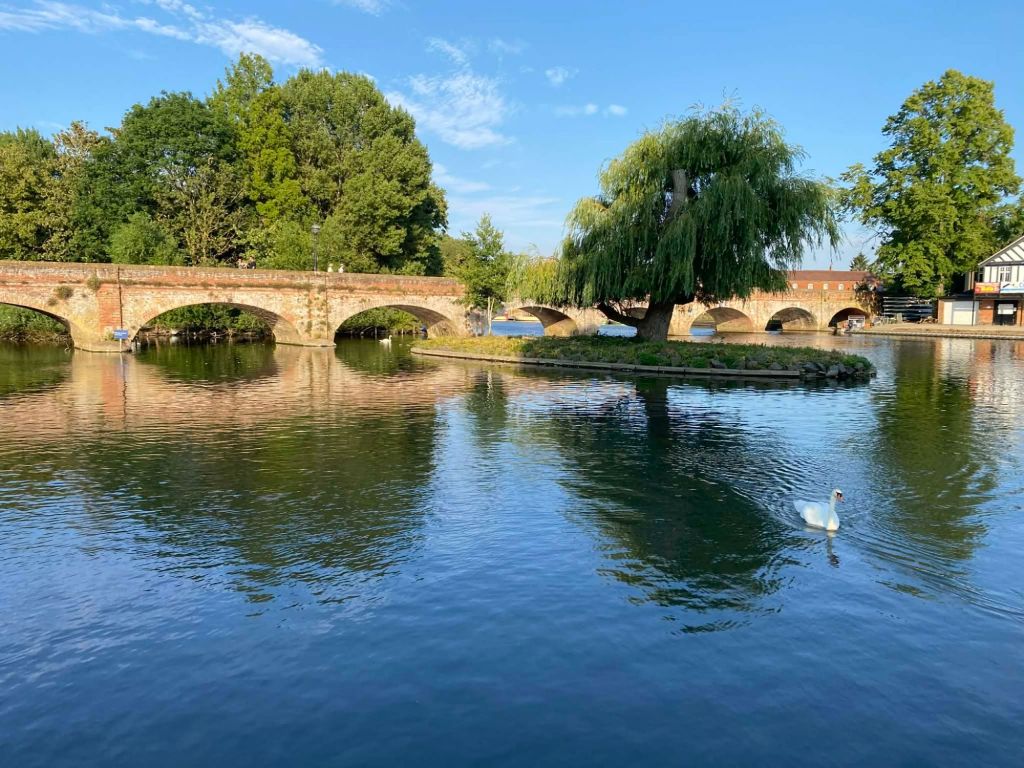
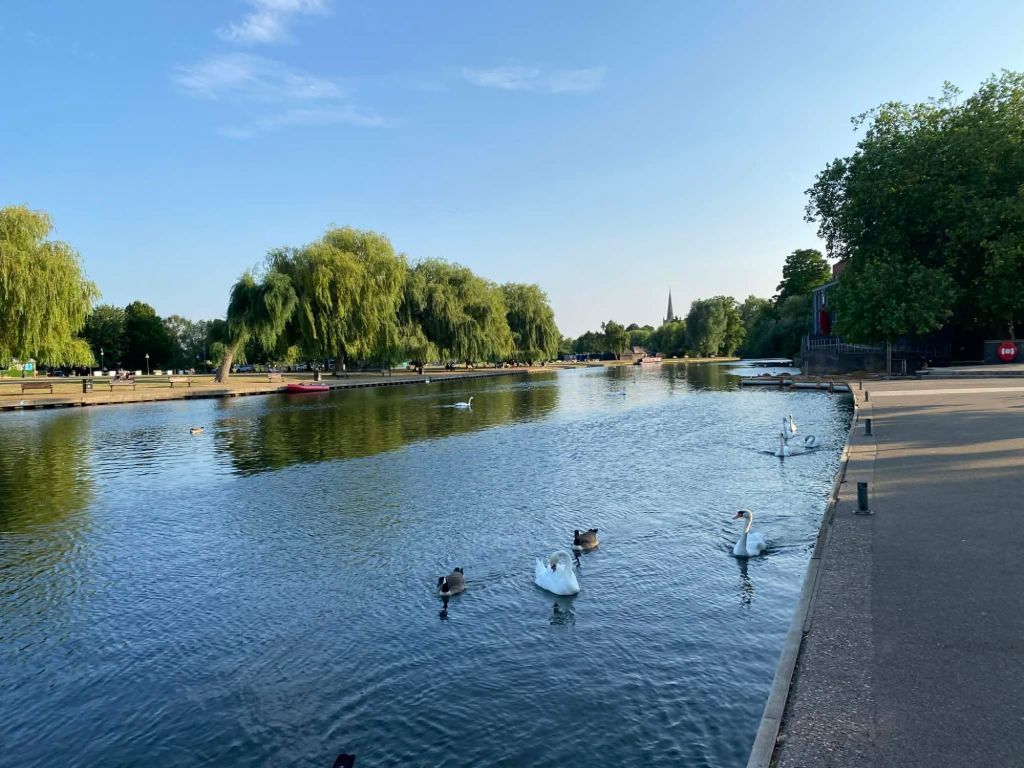
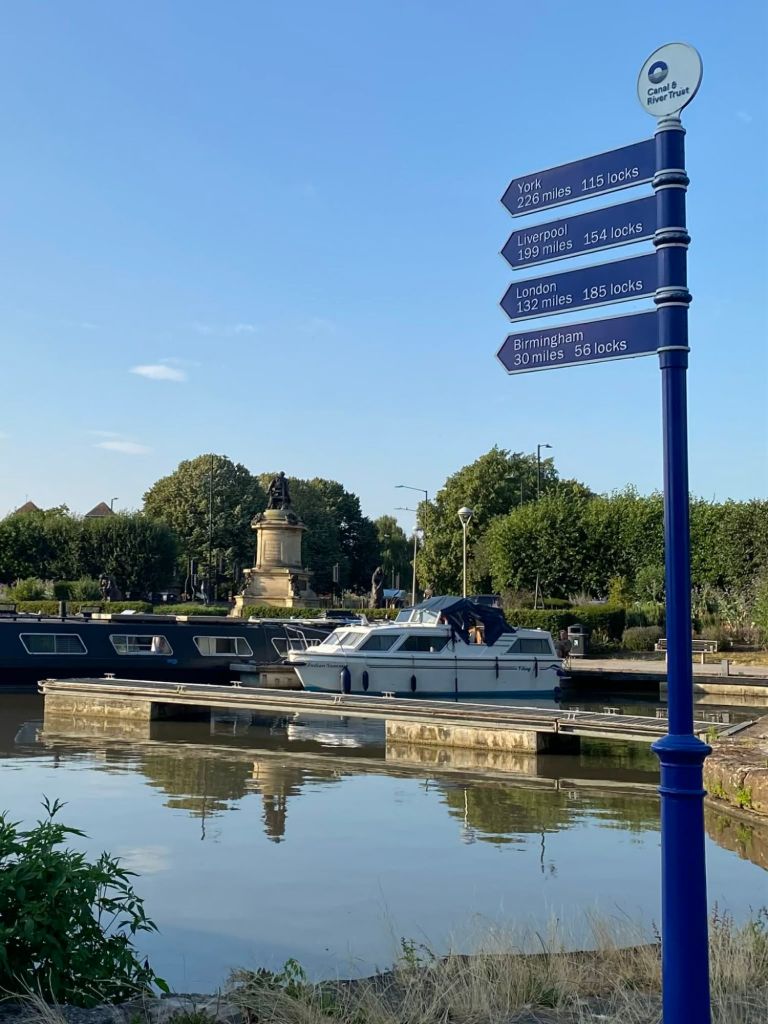
Hard questions for an adult mind, let alone for my 7 year old self. Those who know me understand that I am never far from my next existential crisis. In this moment however, as I continue my walk along the River Avon, the medieval town ebbing and flowing with the different curves and turns of the winding pathway, I was seeking a conversation between my adult and child self. A way of perhaps probing the nature of this restlessness at its core.
This will come with my ensuing tour of the larger Cotswolds area. There awaits the inspiration of its rich literary heritage, this area inspiring the likes of T.S. Eliot, Tolkien, Beatrix Potter, J.M. Barrie (this is where he wrote Peter Pan), Arthur Conan Doyle, H.G. Wells, A.A. Milne, Lewis Carroll. Each wrestling with these bigger questions in their own way. But in this moment, what Shakespeare is calling me to embrace is this simple recognition: I can be an interpreter of my own life. I can be part of this conversation in the here and now. I don’t need to stay on the surface, I can do the necesary digging. I can learn how to allow the tensions to hand me a life which will likely tell mutliple stories all at once, the same life that, as all lives do, can also be told from multiple perspectives when seen from the numerous eyes looking in from the outside. Each with their own wanted and vested interests in the ways our lives intersect. To be reminded that those perspectives are also beholden to the same process as I am now engaging for my own story, and that I am likewise engaged in telling the stories of others in the same fashion.
Including the ways in which I am interpreting the story of Shakespeare in the here and now. To echo his famous words, “All the world’s a stage, and all the men and women merely players; They have their exits and their entrances, and one man in his time plays many parts.” And yes, “Lord, what fools these mortals be.”
And maybe, just maybe, we can allow ourselves to concede that Truth has a power all its own. That learning to trust this basic credal confession is the point, something that stands above my life regardless of how much access I have in this present moment to any complete knowledge of it. That learning to trust this confession is perhaps the greatest form of knowledge I can obtain.
What drove Shakespeare was not a rejection of a world bigger than his story, but a deep conviction that it existed. That the simple statement, there is Truth about this world to be obtained in all the ways in which it lays hidden, could motivate him towards challenging the marriage of Empire and Church that brought such bloodshed to his slice of existence. For him, “Hell is empty and all the devils are here,” rings true. And yet his own existential wrestlings utlimately rest on his most famous of sayings, “To be, or not to be, that is the (ultimate) question.” From this flows the ensuing hopeful expression, however much it gets mired by the qeustions of his waning years, “There are more things in Heaven and Earth (insert our names here) than are dreamt of in your philosophy.” With this reminder, I continue to step into the unknown of my own aged years.


One thought on “Shakespeare, Resistance, and Interpreting the Great Play of Life: A Pilgrimage Into a Storied Literary Place”