
Only fitting that a train (among other) disruptions would go on to define the final part of my pilgrimage. It begins with my shuttle from Stonehenge back to Salisbury Station, where I would complete the final leg of my journey over to Oxford, being an hour late. This required changing my train ticket to a later time, at which point I accidentally clicked on the right day, just on the wrong week, inadvertently booking my train for precisely a week later than the time I needed to leave, and which also then charged me for the price of a new ticket when it wasn’t supposed to.
Which led to me making the wrong decision to speak to the station agent about the mistake rather than trying to go through the third party app (Trainline). Turns out when the train station adjusts a ticket purchased through a third party app, it becomes impossible to correct the mistake or get a refund, with both parties punting the responsiblity back to the other in an effort to absolve themselves of any responsibility or decision.
Should have just rented that car.
Which meant I payed three times over for the same ticket. On top of this, the train also ended up being disrupted.
In all of that, being rerouted provided me with a fresh dilemma. The town of Woking had been on my list, being the hometown of H.G. Wells. As things go, other things took priority and it gradually ended up being taken out of the potential plans. Being re-routed, I now had an opportunity to do a short layover in Woking before continuing on to Oxford. I took the opportunity, partly because I was already missing my window of opportunity to arrive in Oxford before the college grounds closed their doors, and because my father in law was a big fan of H.G. Wells. I figured I could document the place and find him a souvenir. I couldn’t find a souvenir, but I did document the place, seeing his home, the bridge, the location of the martian landing (Horsell Common), the martian tripod sculpture in Crown Square, the memorial statues, the murals (all marked by the heritage trail). I added that to my list of blue plaques from London (including a 5,000 square foot townhouse at Regent Park where he died, which I found out was listed 5 years ago for 13.95 million pounds).
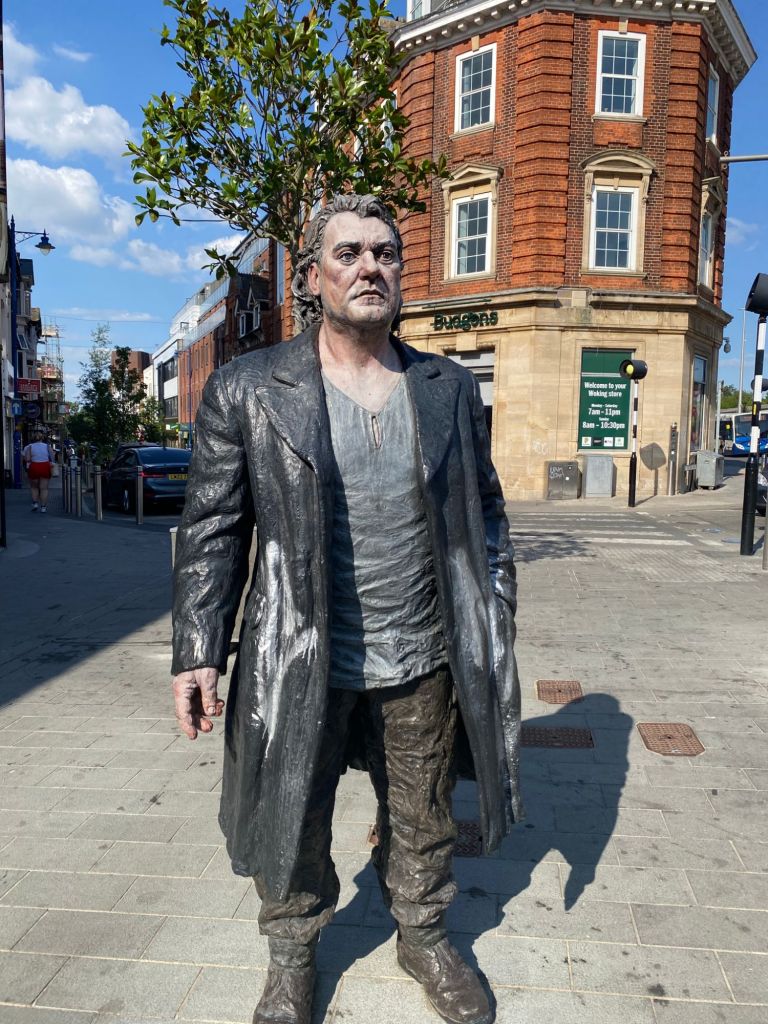

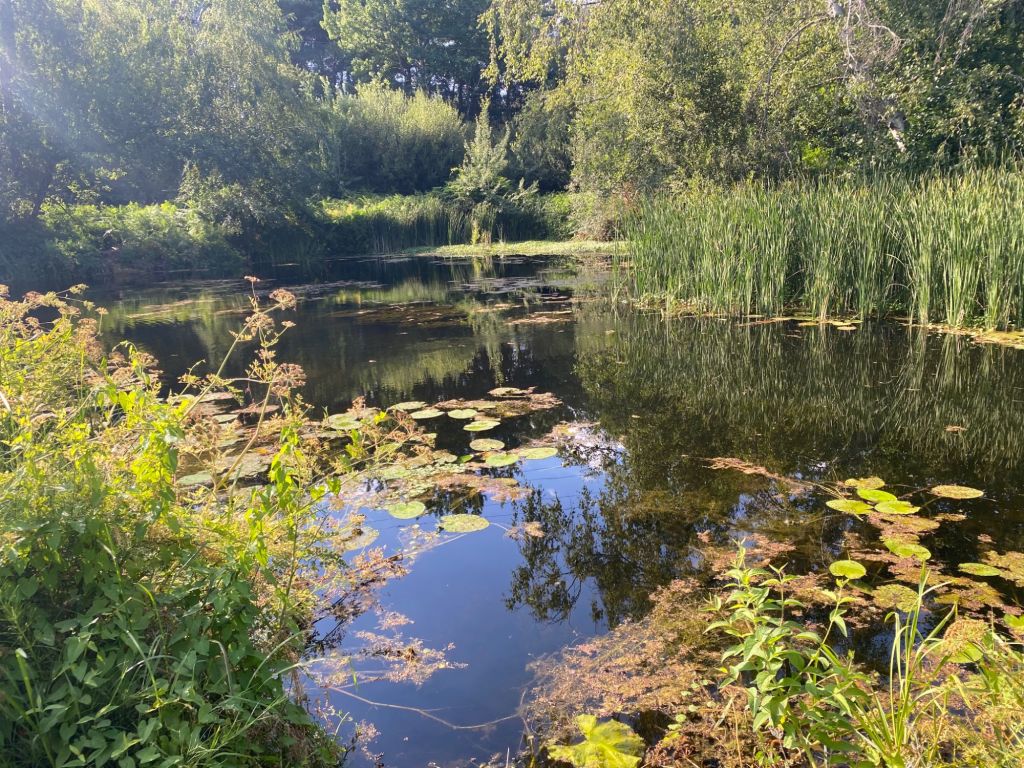
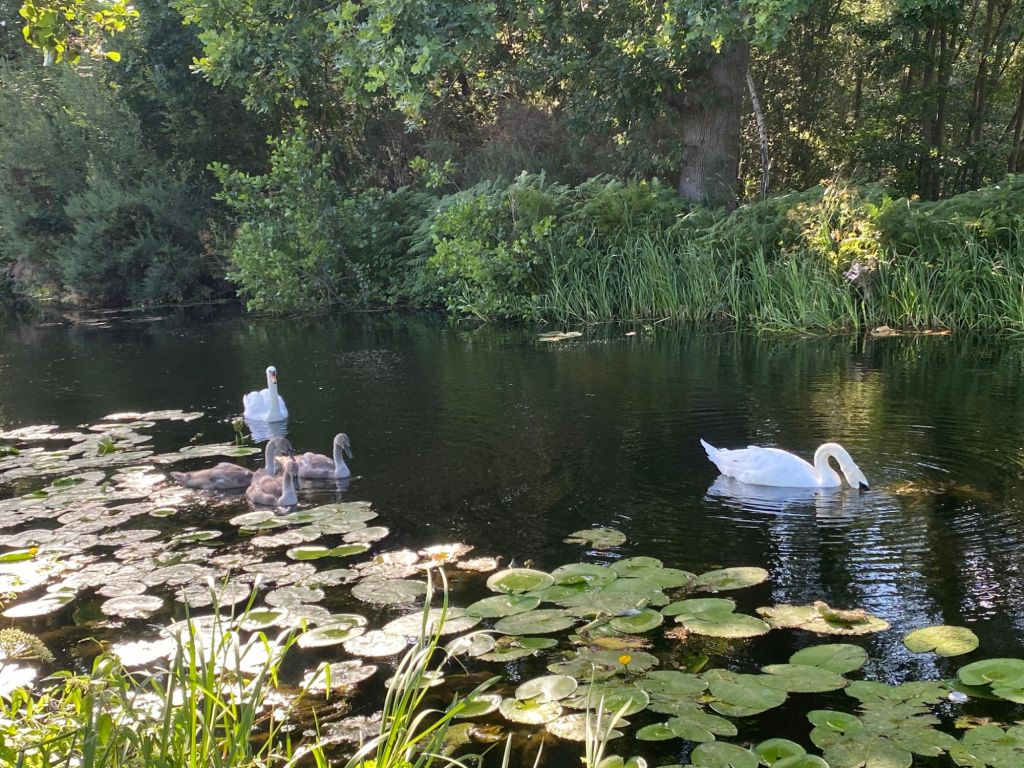
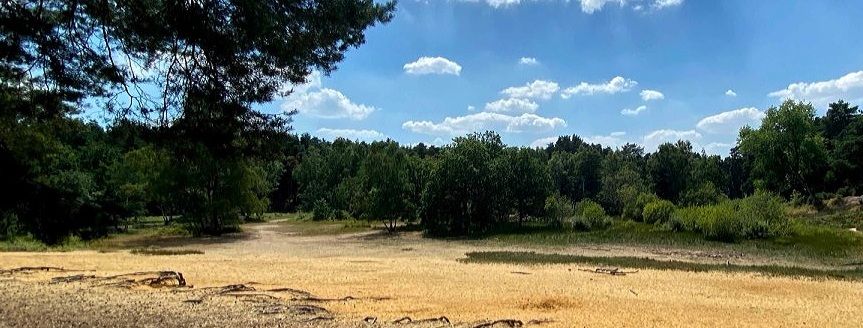



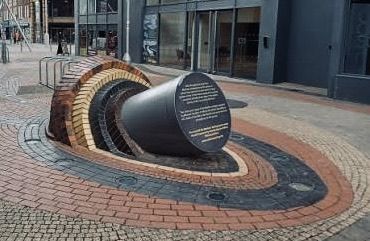
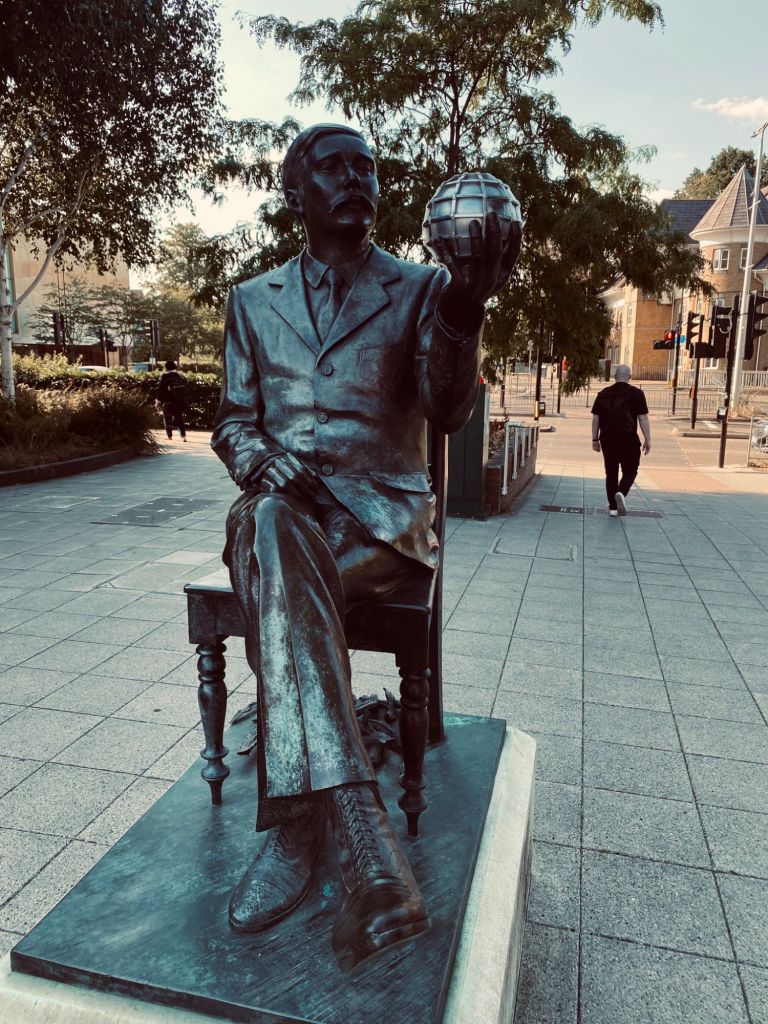
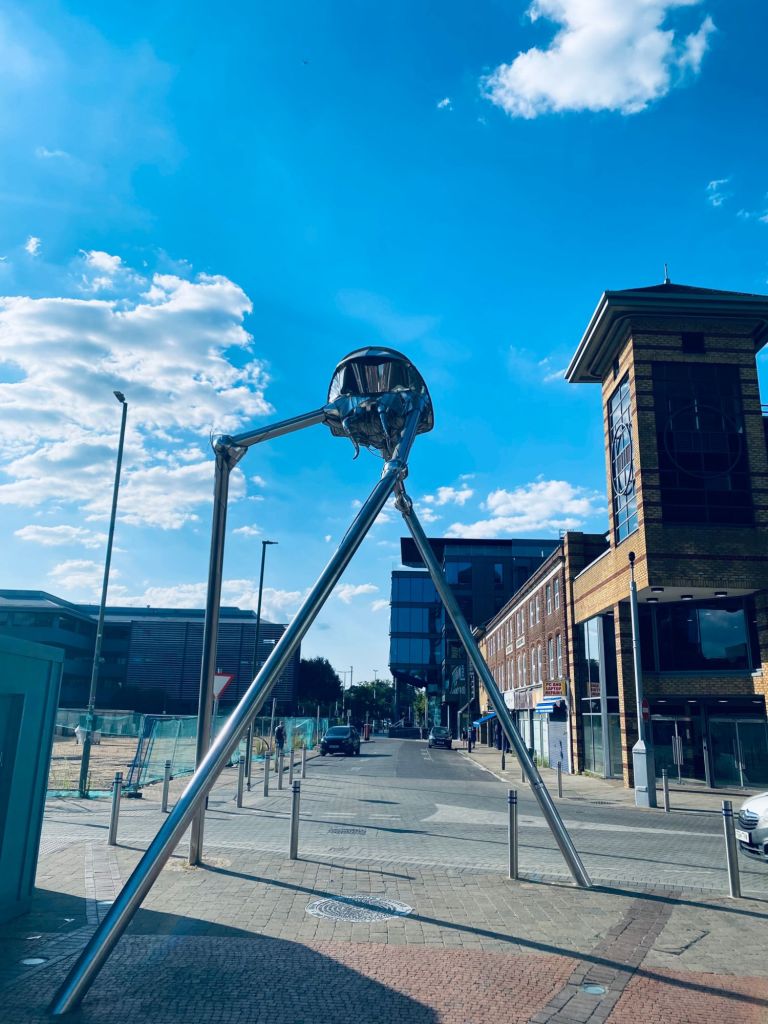

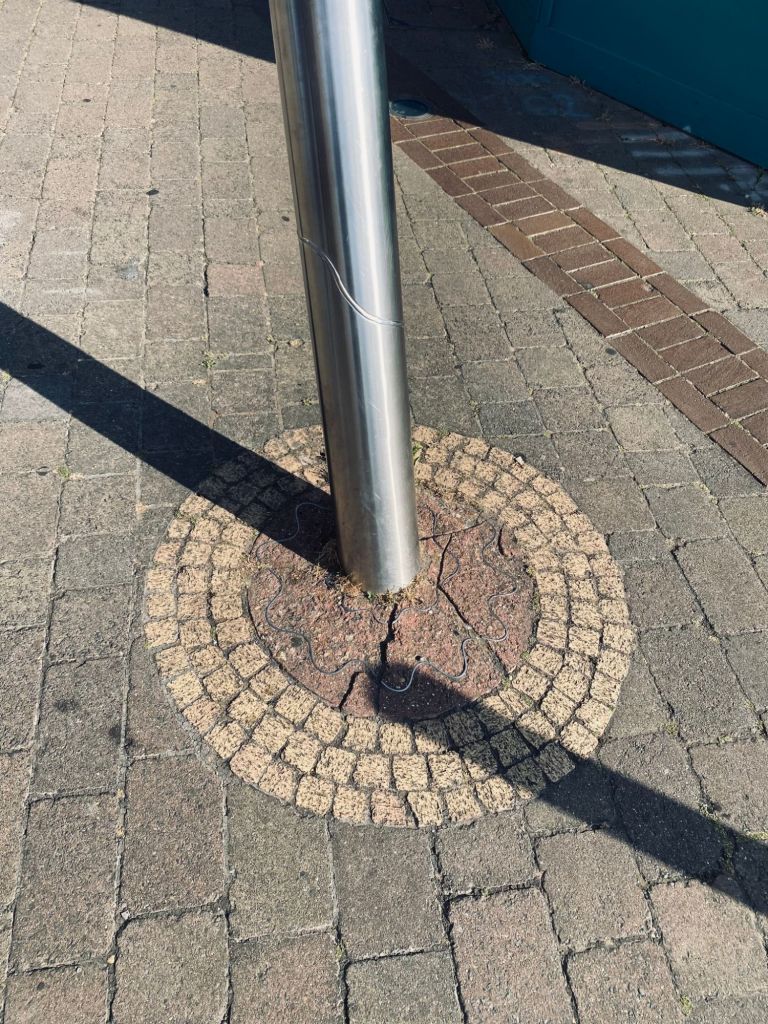
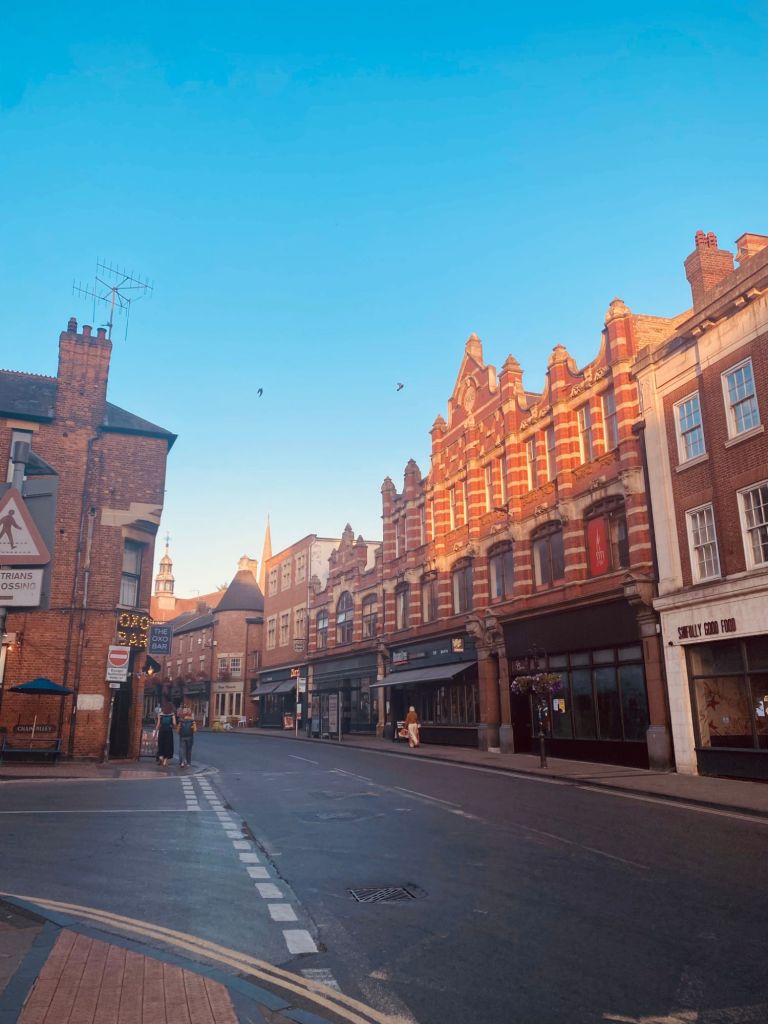

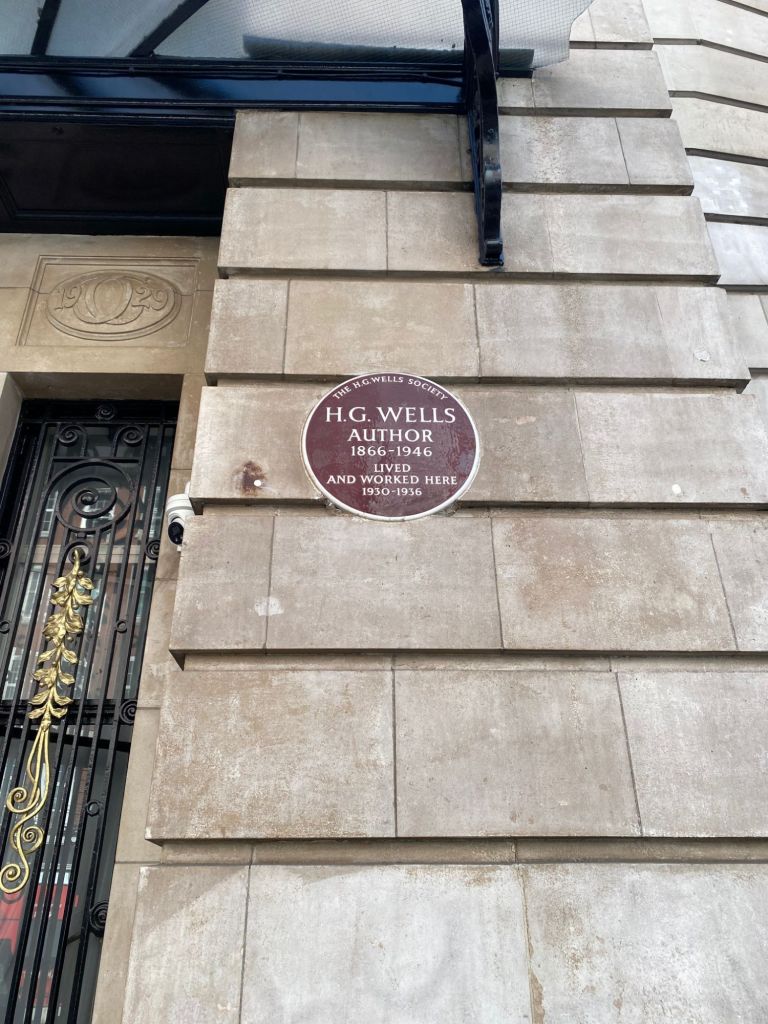

While I didn’t have an accompanying book to fill in his story, Wells’ name popped up so often in association with the others I was visiting that it seemed fitting to be able to work him in to the picture. In either case, given everything that happened just to finally get on that train, I was relieved to be on route and ultimately heading to my primary destination: Oxford.
Grieving the loss of that opportunity to fully experience the college grounds of Tolkien, Carroll and Lewis, I set out to make the most of my experience. In what I felt was a stroke of genius at the time, I was able to book a ticket for a 1:00 am train, which would then take me to Reading where I could transfer to a bus heading to Heathrow for what was an early morning flight. This both extended my stay in Oxford, while also putting me in transport for a fair portion of the night (as opposed to wandering the streets). There I could relax and have a place to store my luggage (which was now missing a whole wheel).
A stroke of genuis until the bus ended up being cancelled. But I digress.
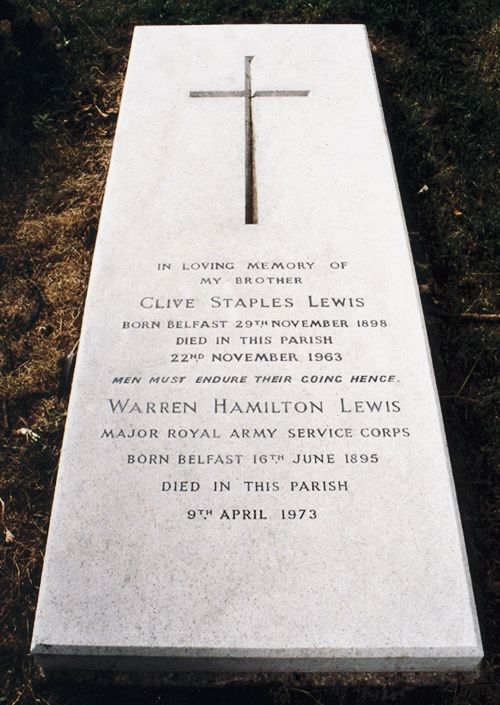

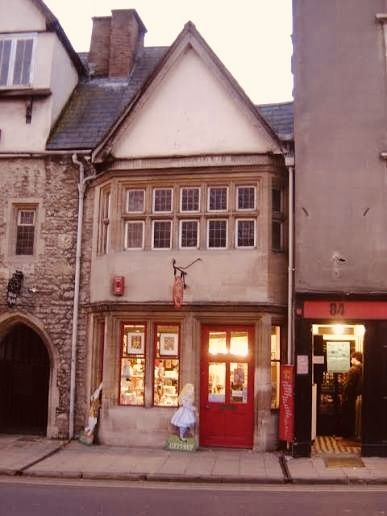
My time in Oxford would be framed by two graves (Tolkien on the front end, Lewis on the back end, being located at opposite ends up the city), with a visit to St. Mary’s Passage to see the famous Narnia door anchoring the middle of what was a tour around the outskirts of Magdalen College, the (under construction) Eagle and Child, getting to stand at the foot of Christ Church where Lewis Carroll (Charles Dodgson) lived and worked (and the Meadows that were his inspiration), Alice’s Shop (the 15th century grocery store that the real life inspiration for Alice frequented), getting to stand at the doors of the Church of St. Mary’s where Lewis preached the sermon The Weight of Glory, and taking a cab ride out to the gravesite of Lewis and the Kilns/nature reserve (where Lewis wrote his books).
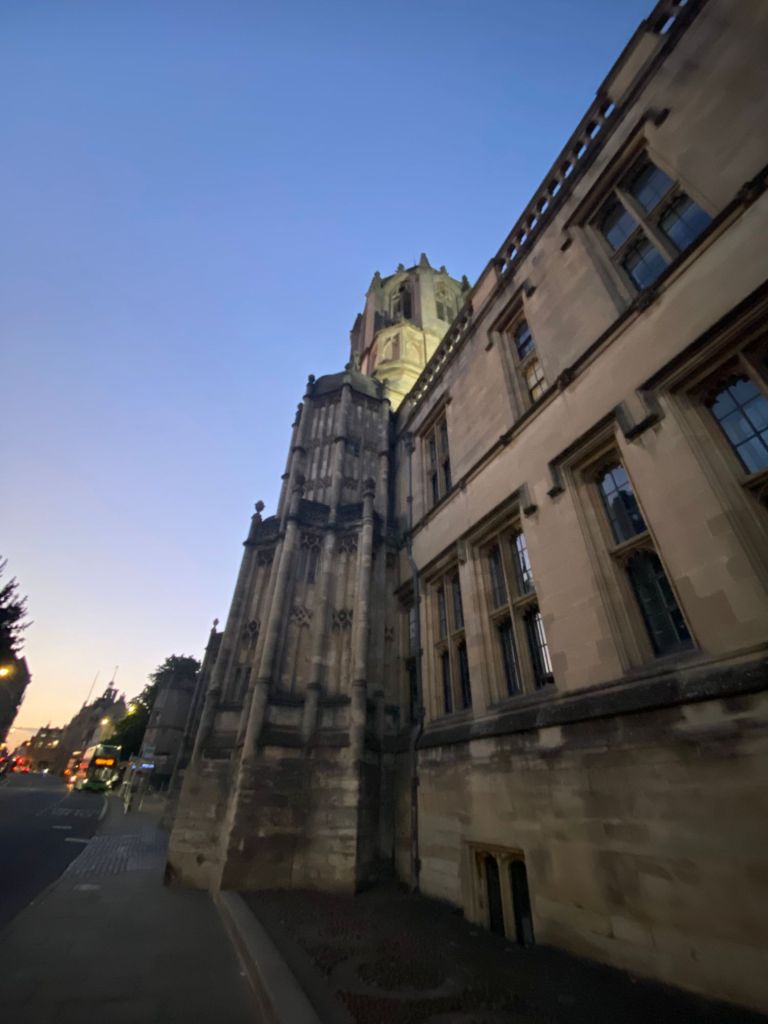

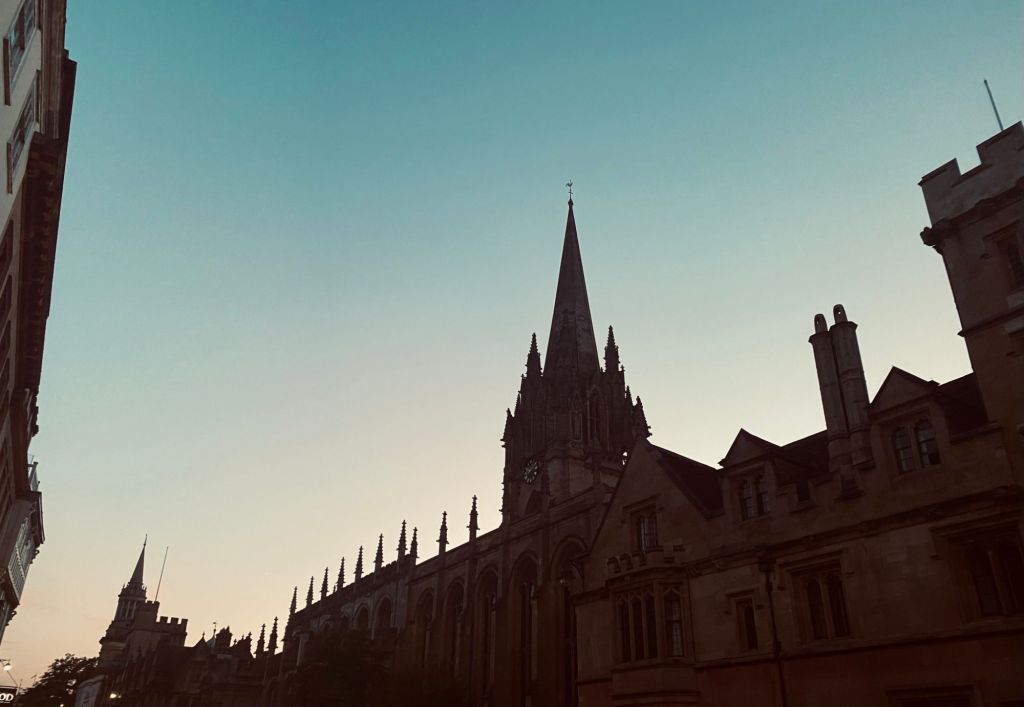
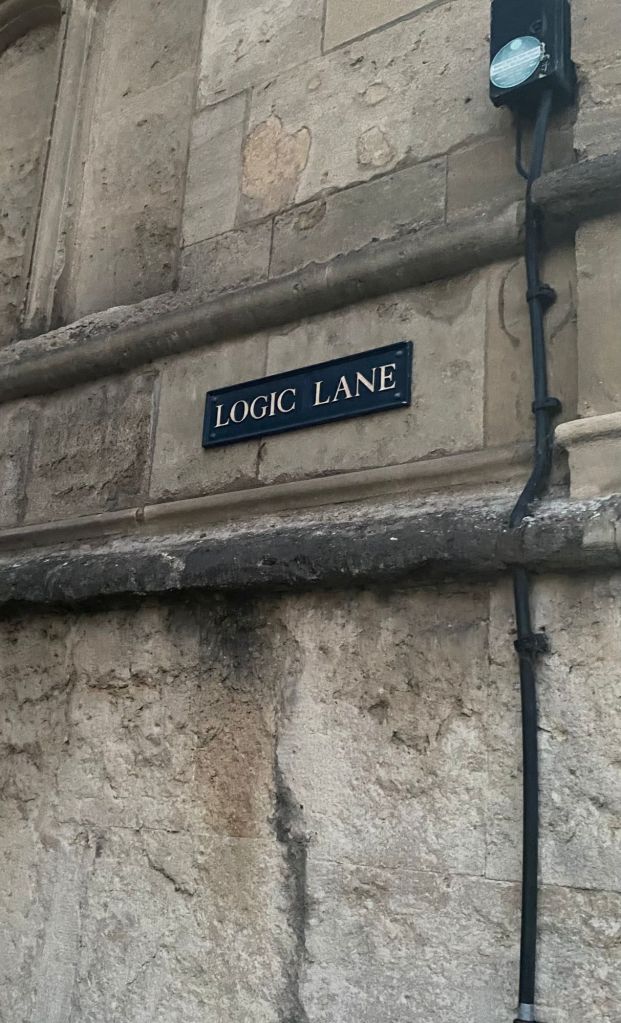
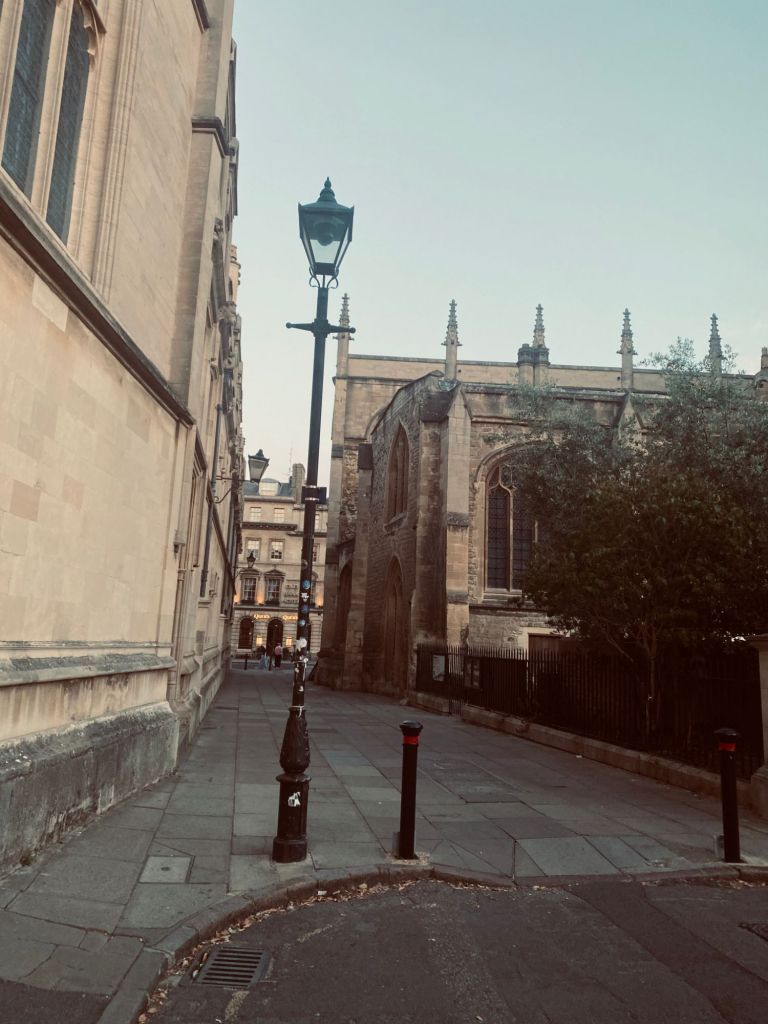
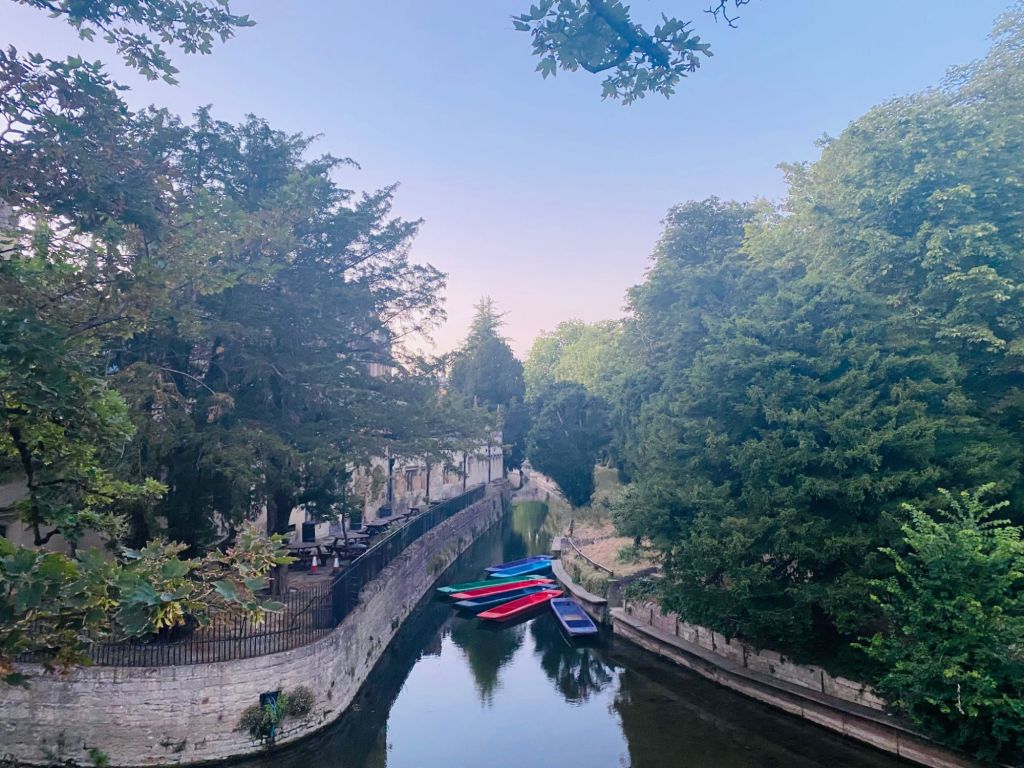

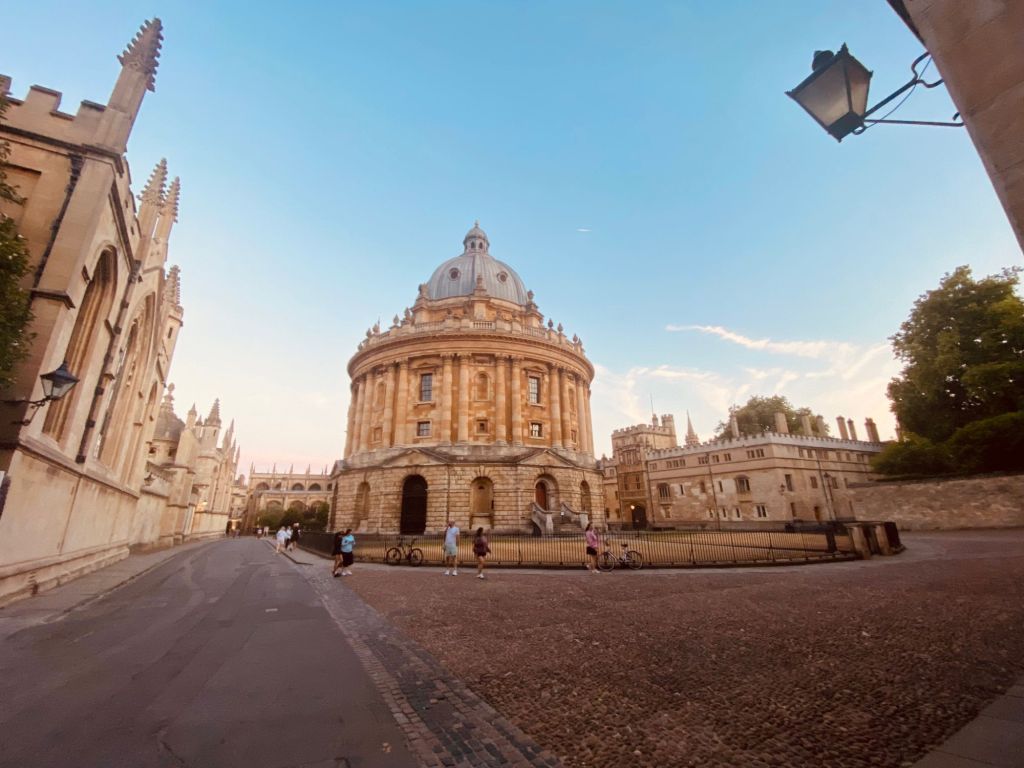

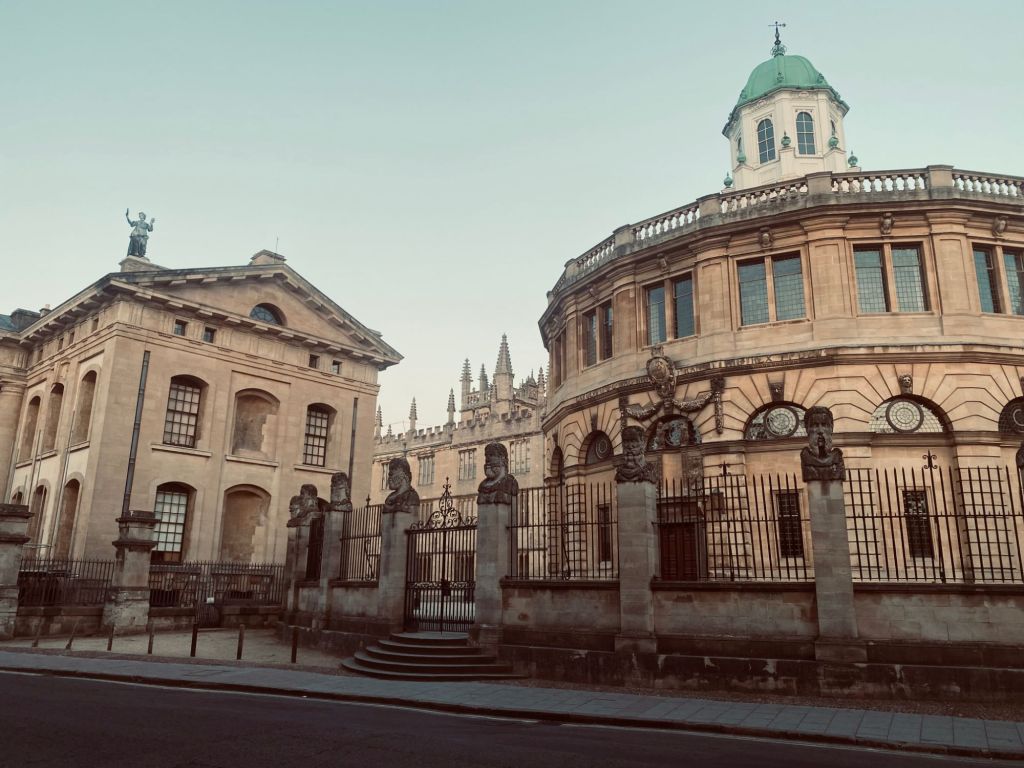
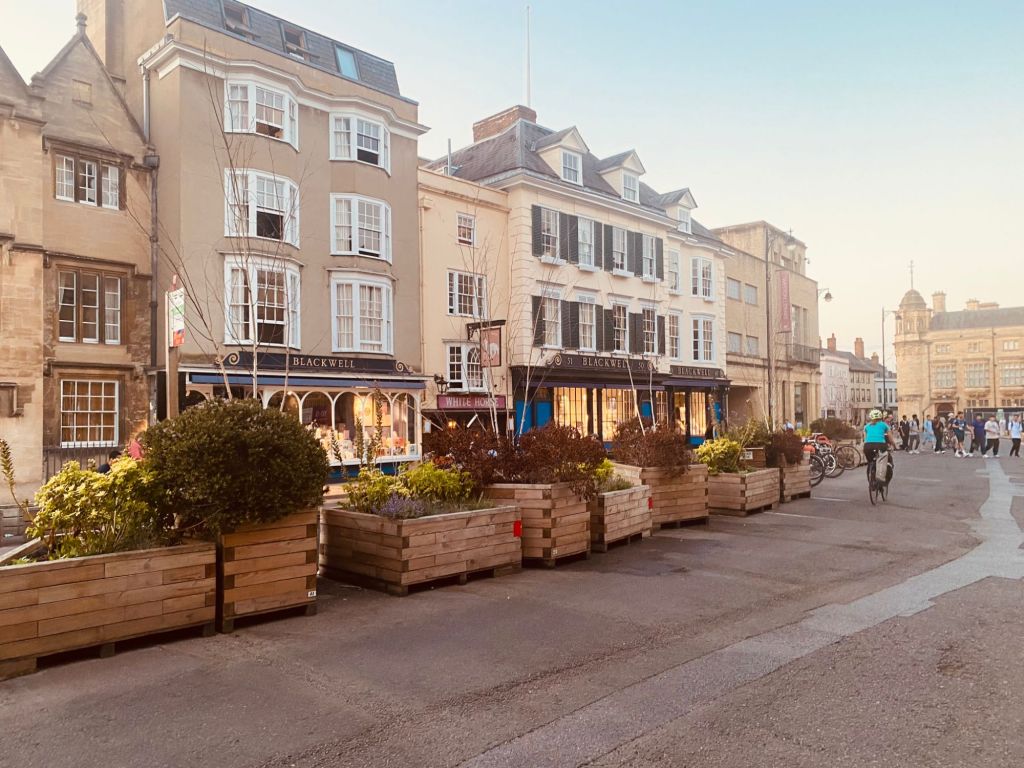

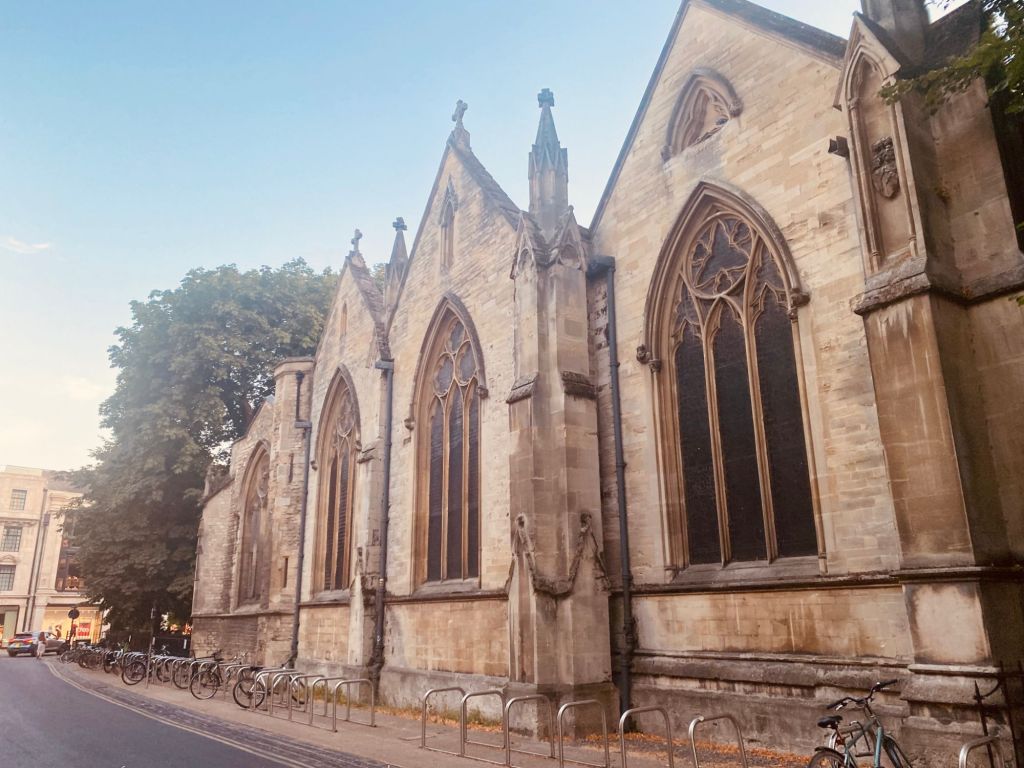


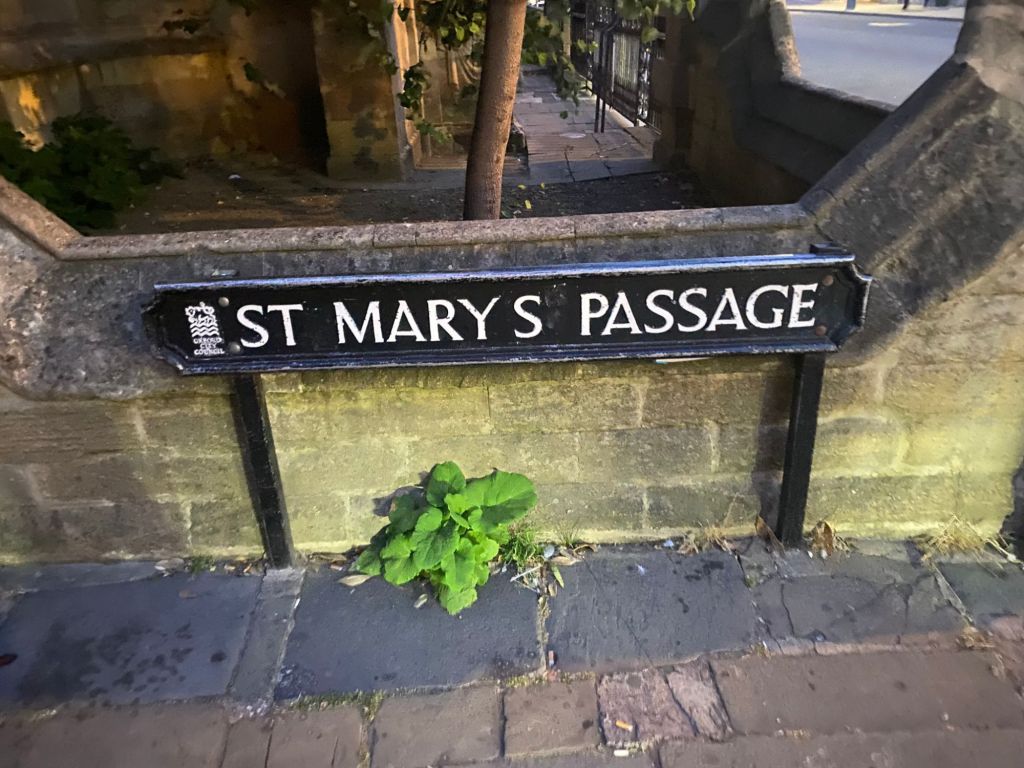


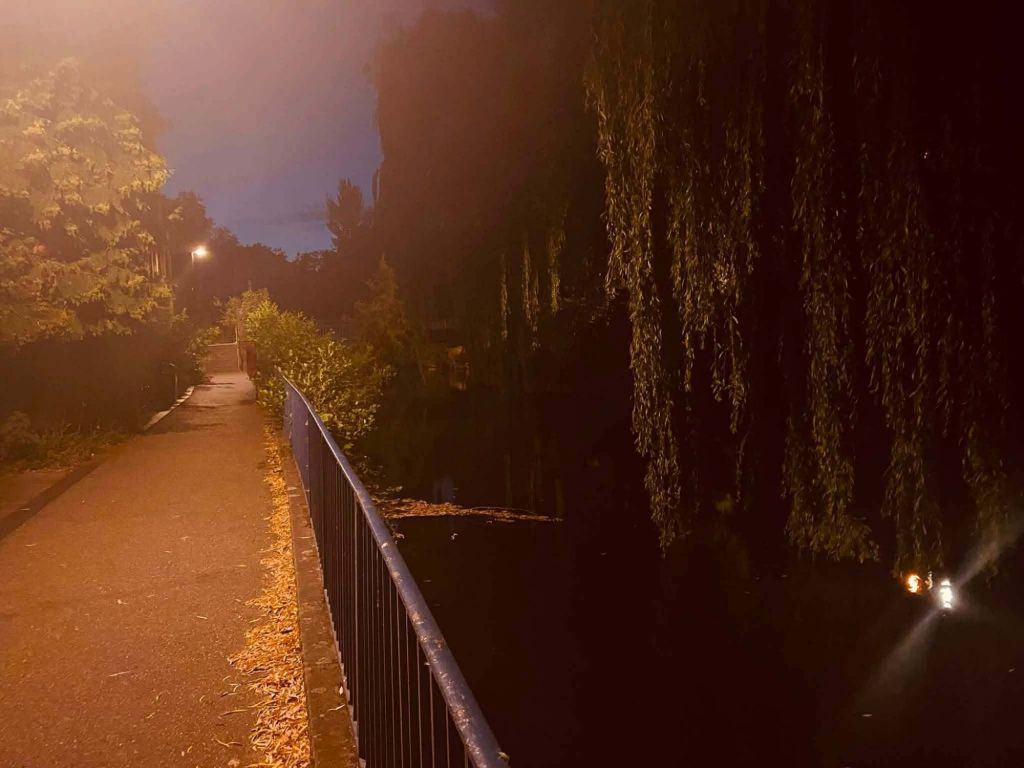
In all of that, perhaps the most profound moment for me was simply sitting on a bench along the river, close by St. Mary’s Passage, with N.T. Wright’s newest, God’s Homecoming, in hand. A formative voice in my life, and a resident of Oxford, I was able to imagine being surrounded by all those who walked these same streets: Tolkien, Lewis, Carroll, Susan Cooper, and the still living author Stephen Lawhead, with Wright’s reminder of this relationship between the spaces we call home in this world and the great promise of God’s coming to dwell amongst it, reminding me of how all these stories speak to the hope of transformation. All of this converging on these very grounds. Here is where my childhood stories truly come alive, dancing as they are in my imagination under the now moonlit skies, all being brought in line with an important turn in my own theological understanding all these years later.
Having come all this way, I am able to look back on this pilgrimage and consider it through the lens of that cosmic story, the same one that informed each of these voices now standing in front of me. The Story that carries us all, making sense of the very human joys and struggles all our stories represent. I have noted this along the way, but it feels to me to be a profound thought to consider, each of these voices reflect a part of a much larger conversation, one that flows directly from their communion with one another and which points to the world they both experienced and observed right in front of them. One of the reasons the Inklings themselves remain so present in my own imagination is because here, at this very point in history, I also find the buried remnants of my own past. A past when I once understood and knew what this sort of communion was, and occupied a world in which it was still possible. Here, in the lives of these literary voices, is this rare moment where divergent voices converge in this singular space working to preserve the lost art of discourse and debate. Friendships that see in their differences a window into the most important questions that all our lives are asking through our acts of living. A people for whom every conversation is, by its nature, of utmost importance. Where every discussion, big or small, is seen as a life and death matter. Discouirse that shared equal space with the simple joys of laughter and celebration which informed their life together around the table at the same time.
As Michael D.C Drout suggests in his masterful book The Tower and the Ruin: J.R.R Tolkiens Creation, in taking stock of the textual and literary criticism of Tolkien’s body of work and creations, it simply does not do to reduce it to just another entry into what were the common genre writings of his time. This does not have the power to explain why these stories mattered, and indeed continue to matter. Applying this to the whole of this community of writers shaping the character of England at this time, these stories do indeed represent a particular resonant force in history that seems unique and rare, and to dig into Tolkien’s world brings us into a more rational conversation about why this is. This moment in time represents a convergence of disparate feelings in what were the shifting tides of history on a meta level. This is why these stories continue to speak today, because they bring an important conversation about this intersection of worldviews to the forefront. The present shape of our own political realities, finding their own sorts of shifting tides in a more micro fashion, belongs to the larger narrative that this collection of literary voices both capture and preserve. It is their critique of modernism that becomes the necessary tool for understanding how we arrive where we are today. It was their ability to take the stories of the old world and carve out a conversation with the new that gives us the lens through which to see the revelance of appealing to and reclaiming the notion of it all belonging to a larger Story.
And I have become convinced at this point in my pilgrimage that one of the key factors that enabled this unique moment to emerge was the communion that these literary voices shared with one another. In our now global world, we simply do not find this at work today. The communion that inspired them to find their inspiration in one another’s creative work, as though the creative act itself needed this ongoing collaborative process, is a lost art, given now to a more superficial prioritizing of ideological divides. The richness of the symbols that ring out over these ancient grounds, indeed representing a lost language, contrasts heavily with the tendency today to write modern morality tales, bent as they are towards our obsession with utilitarian definitions, symbols and metaphors left swimming around without an actual anchor. Narratives that no longer seek revelation or the uncovering of mystery, but rather the continued deconstruction of these things in favour of a world built on facts and propositions. Where the need for our stories to wrestle with and acknolwedge the weight of our existential questions through story has come to be seen as inferior academics, traded for a tendency, in its endless ebb and flow, for grabbing on to older patterns of deifying a natural world that has similtaneously been reduced to our arguments for a robust physicalism and material reality, both in and outside of our modern religious systems. An act that sits uncomfortably alongside an equal commitment to its reigning humanist assumptions. This has become the shared language of our day, only, as Mircea Eliade once so brilliantly put it in the book The Sacred and the Profane, such language has little explanatory power when it comes to making sense of actual human experience and observance of the world.
Of course there are great stories still being told, great storytellers still telling them. What I think this pilgrimage is opening up for me though is that we’ve lost the ability to articulate why these stories have the power that they do. Not unlike my own act of growing up out of the juvenile nature of my childhood self, the world now sees itself as having grown up out of its old world superstitions.
Thus, to recover my childhood stories, to encounter them in their world, becomes an act, for me, of learning what it means to grow into my childhood, not to stand above it. Here this process reaches into the most fundamental of all my questions: why do we tell stories in the first place. What draws us to its apparent power. What allows this to endure.
And even more important, what world do these stories reveal and how do we inhabit such a world.
My generation, existing as we did in a world both before and after the internet became a thing, is often described as being the last of the living voices whom know what it is to exist in both worlds. We are in fact prone to thinking in terms of this liminal space (there are genuine studies demonstrating this), holding both worlds together even when we don’t realize it. One of the great vantage points this provides is seeing the ways in which the myth of progress, the central and guiding narrative of the new world, works to reshape the world. This hands us a certain conundrum. We are tasked with adopting the ways of the new world while knowing what has been lost in the erasure of the old. We can see firsthand the ways in which we are shaped by the world we’ve been handed, and we can also see how this foreward movement works, built on a constant demand to reject the past and valourize an unnamed future, which as I said in my previous reflections actively works to judge and erase the relevance of our present.
To have the world after the internet bury the old world in its wake is to feel the myth of progress actively working to throw the very value of these things into question. The only value that remains is the constant rejection of our past.
This basic awareness is, in its own way, a kind of fervent, perpetual existential crisis, and whether we feel it or pay attention to it or ignore it, its there. For those of us who watched the world change right in front of us in real time, it’s imbedded in the way we participate in the new world. No single generation since has experienced the same kind of transition. Even the present dialogue around AI must reach back to that old world in order to make sense of its inherent crisis and wanted anxieties.
Sitting on that bench, thinking about these figures that played such a formative part in my own childhood, I realized that the basic shape of this unique generational vantage point mirrors the shape of this literary community, having one foot in the old world of a now dying Empire, and one foot in the new world of a rising one. One foot in a world on either side of a world shaping war. One could argue, no generation since has that same vantage point. This is what makes it unique.
In many ways then, this journey into my childhood stories was about recovering a lost language. Or perhaps it was about learning how to speak all over again. Voices which once taught me how to read the world, how to ask my questions, are the very ones my adult self would grow to rebel against. Here the new world taught me that the true point was learning how to grow up out of those childhood stories, that life is defined by our constant and necessary rejection of the past, and that our greatest tool to this end was science, and the only true explanatory narrative the myth of progress.
I recognized something here in my journaling. I knew what it was to be taught by the world to be angry at my upbringing, to be mad at the ways it indoctrinated me into its old ways of thinking, to blame religion for all of the worlds shortcomings. I knew this well. I also knew the ways in which a whole generation, not content to toss away those old stories (or unable to do so), came to be defined by a wanted acceptance of this anger, trading the old critiques of these shifting worldviews for a targeted embrace. Where everything becomes metaphor, and subsequent questions about and any challenging of what these metaphors are in fact rooted in becomes taboo and intollerant.
What I recognized was, both of these ways of approaching the world had left me feeling equally unable to speak for a long, long time. The outright confusion of being taught to be angry about such indoctrination on one hand, but having no recourse for expressing what it was to feel lied to by the other side as well. Try to speak and it becomes an exercise of being saddled in with one side or the other as part of this same inevitable game of modern apologetics.
Maybe the worst part of this is feeling like, for so long I’ve carried this sense that not only is there no recourse, there’s not even the shared language needed to communicate these feelings, for explaining what this space that I am occupying actually is. Which is perhaps why, encountering a shared language in these litearary voices feels so incredibly liberating. To enter into a space that seems like it would feel equally out of place in the world I described above is something I have so desperately been craving. Here I am allowed to speak. I am allowed to leave my anger behind. I am in the company of others whom understand, and whom intimately communicated these feelings through their writings. They believed that story finds its power precisely in the way it reveals a world that is both beyond us and right in front of us. They shared the restlessness of my childhood questions, and saw it not as something I needed to grow out of, but as something I needed to learn how to embrace and to know more intimately. That such an exercise is not anti-intellectual or a less than academic exercise, but rather the most rational venture we can embark on.
Here, in the safety of this place, I am free to pursue a full knowledge of this world as it is. I am free to embark on the quest that was set out before me all those years before: that invitation to remember.
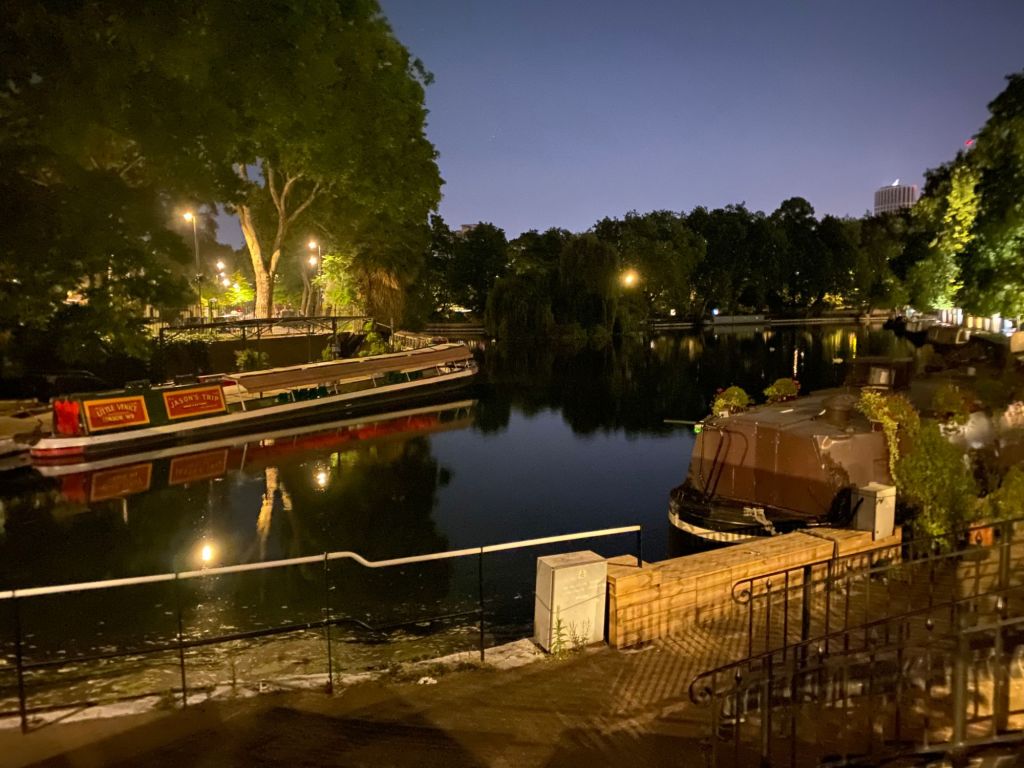
“We shall not cease from exploration. And the end of all our exploring will be to arrive where we started and know the place for the first time.” (T.S. Eliot)
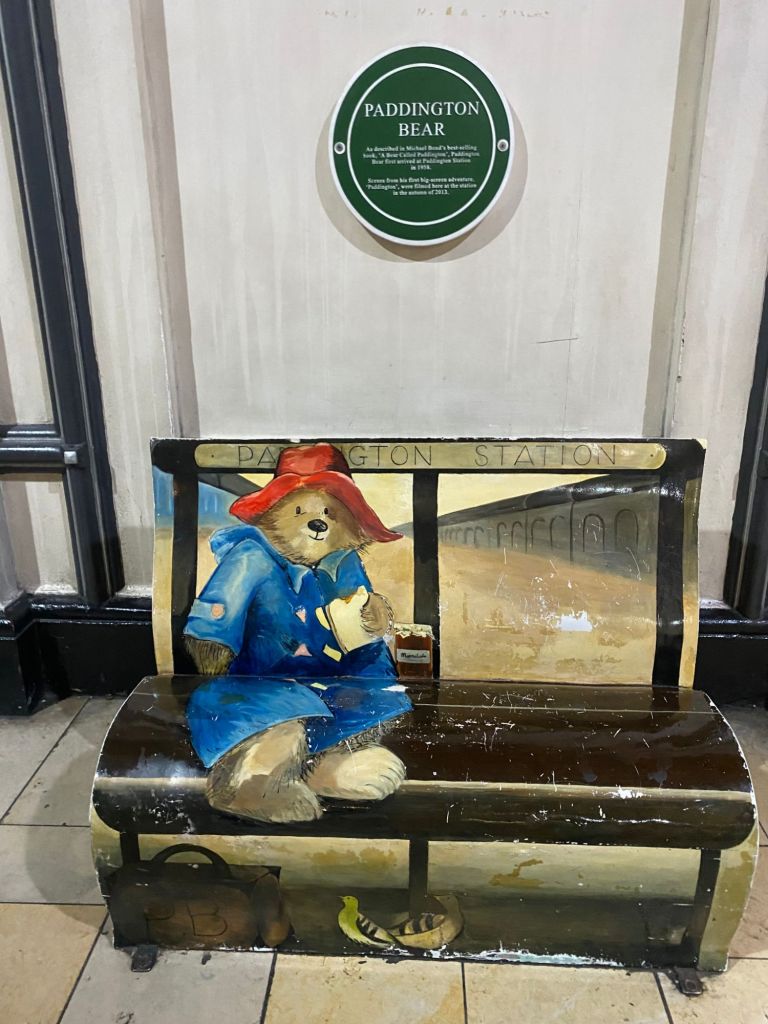
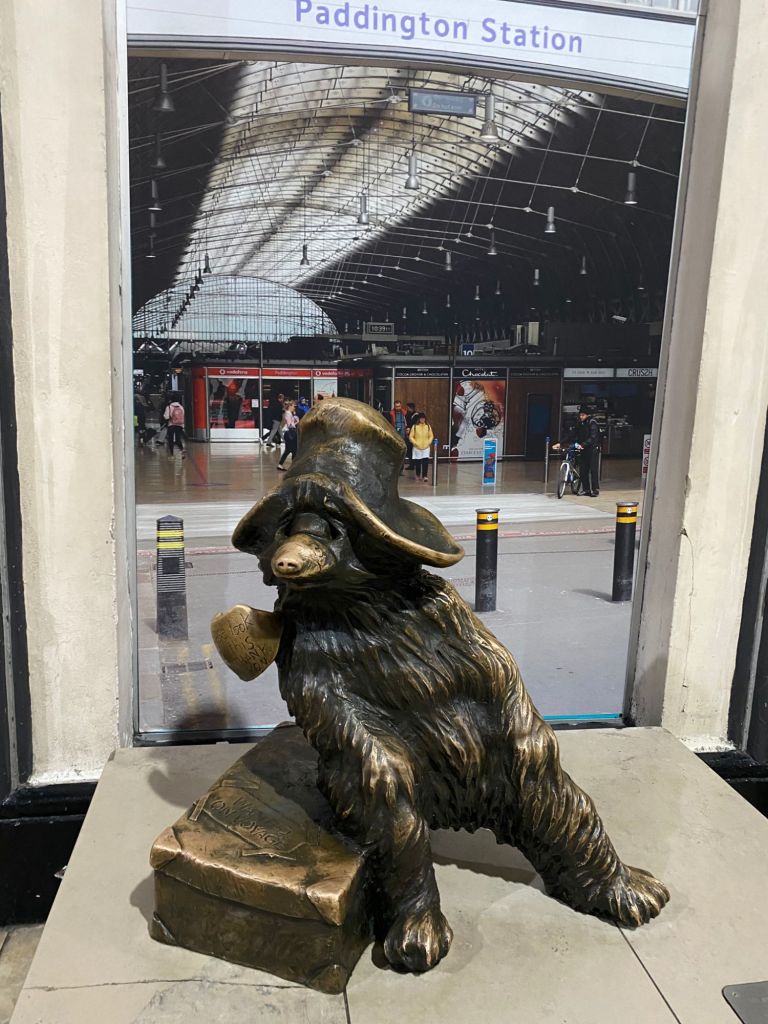
With my bus being cancelled, I utltimately found myself being rerouted straight to Paddington Station, where I now find myself waiting for the first early morning express train to Heathrow. Indeed, arriving back where I started. It’s a neat experience, getting to watch this space go through what, for it, is a routine process of this transition between the final train of the night and its first morning departure. The quiet, gentle and methodical nature by which the noise begins to disipate, the lights, however briefly, get turned off, and the cleaners move about doing their thing. And then the slow, gradual process by which the lights come back on and the first travellers start to arrive, indicating the beginnning of another day. A dance that happens with the distant clues of those first glimmers of the morning sun sneaking their way in, letting us know that this brief moment of reprieve is readying for a new day. A cycle that I know will be repeated when that sun goes down, and yet here I get to witness it for this one, single, unique moment.
The simplye rhythms of a life, the life of this space, particpating as on ongoing act of creation. A space that is now far more familiar than the one I first encounterd upon my arrival.
Soon I will be stepping on that train and eventually boarding my plane to return home. Where those similar rhythms are waiting to be re-established in my own city, my own home, my own place of work. And yet I return to these spaces a different person. I return with this pilgrimage, this quest, now a permanent part of me, shaping the memory of who I was against the revelations this act of exploration sought to bring about. This is not progress, but transformation. An act of becoming. And what I am bringing with me into these familiar rhythms is a deep rooted sense that this act of becoming is in fact an act of growing into my childhood, not against it. This has always been the case.
Perhaps it is the case that I have never in fact felt closer to who I actually am than when I was that young kid encountering these stories for the first time. Aware of all the complicated feelings and emotions, carrying the raw struggles of simply learning what it means to exist in this world, and trying to figure out what this world is. And yet, the wonder of my adult self is that it gets to grow in its knowledge of what this is. That is the thing, I think, these authors understood, in an age where we didn’t draw the same lines between childrens stories and adult ones. These were stories that transcended such distinctions. Stories that we are meant to reencounter at every turn of our lives, asking the same questions simply from a different vantage point. That is how and why they endure.

