David Suchet, whom helped bring Agatha Christie’s iconic detective, Hercule Poirot, to life on the small screen from 1989 to 2013, wrote a recently released book called Travels With Agatha Christie, in which he, along with his wife Sheila, retrace the steps of her early promotional tour for the British Empire Exhibition of 1924 (which became known as the Empire Mission Tour). As Suchet suggests, “Agatha used her own life in her novels, and it leaps off the page,” and this particular moment in Agatha’s life becomes a window into the world she once occupied and a way into understanding some of the key events shaping her life within that world at the time.
All along the way, with his own journey finding the same world a century later, Suchet provides a contrast between these two vantage points, both as a means of bringing a full bodied view of Christie to the surface with all of it’s wanted complexities, but also as a grander witness to the ways in which story endures and is perserved through the passage of time.
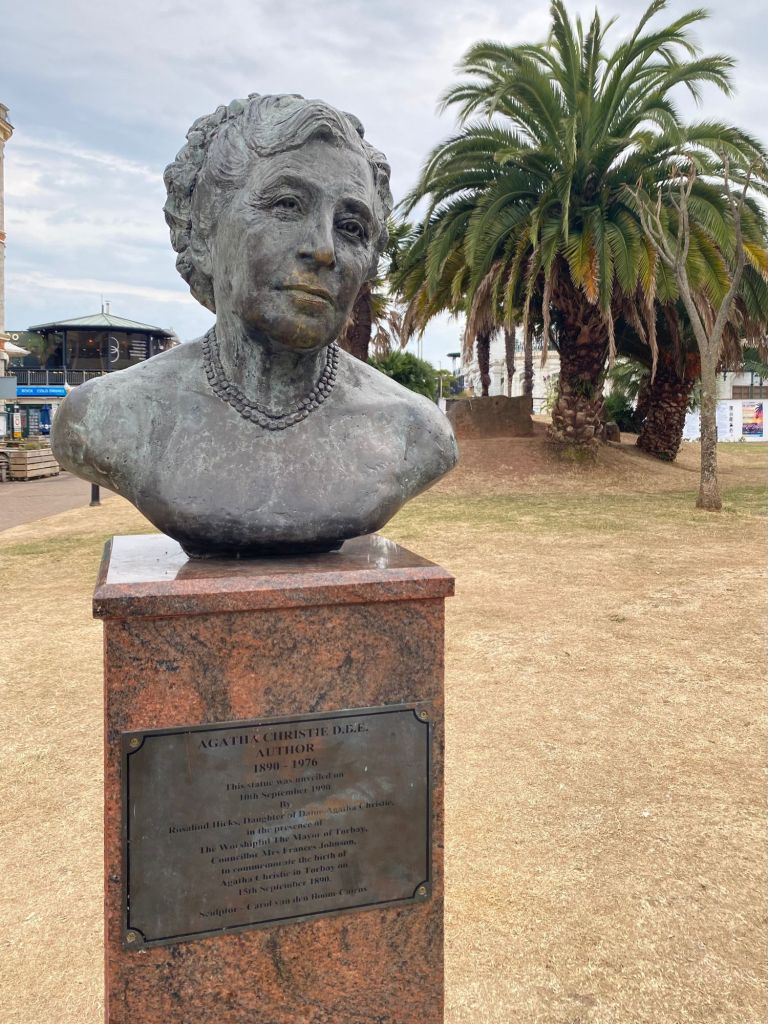
For perspective, “By the time Agatha was on this expedition, the British Empire covered around 35.5 million square Kilometers across the world, roughly a quarter of the earth’s total land area.” This was “just following the First World War,” Agatha being 31, married, and the mother of two,” having just published her second book (The Secret Adversary).
What’s at once admirable and revealing about Suchet’s approach here is, he never uses the contrast of these “worlds apart” perspectives, this visible gap that exists between the world he is now encountering through hearing the stories of those whom “the Empire had tried to exclude” and the world Chrstie would have known back in 1922, to diminish the validity of her story. Rather, he uses it to capture a more nuanced conversation about the ways in which we discover the important figures of our childhood and our culture.
By getting to know Christie, and indeed Christie’s text, “in her world,” we can begin to appreciate who she was and why she told these stories. It becomes a unique point of analysis to locate her stories in the midst of a modern world now beginning to be thrown into question in the aftermath of the war. War permeates so much of Christie’s stories. As she is embarking on this Empire Mission Tour, signs are all around her depicting an already crumbling Empire. One of the more fascinating aspects of her life and her stories is that this is the reality in which her notoriety really begins to take off all around the world (as Suchet says, her books are second in sales only to the Bible). In many ways, her stories stand in the gap between the shifting tides of two world Empires, Britain on one side, America on the other, bearing witness to a global literary legacy that retains its roots in England defined through a sort of prophettic restlessnes with modernism itself. In a very personal way, this disilluisonment with the world emerges in her later stories as well, following a devastating affair and divorce, the thing that sparks what then becomes an enduring love for train travel (deciding to head out on the Orient Express, a life long dream, in order to seek a fresh start of outside of the public eye)
Agatha is defined as a woman with a hidden exuberance and quirky personality, passionate and pious, someone whom carved a deep love for the sea, for travel for the natural world, and for people. Who’s personal story quietly transformed the world of her encounters as a strong, independent woman and spirit, translating her own feminist concerns into a simple act of doing and being who she is in the face of so much uncertainty (read up on her surfing exploits, you won’t regret it). In his most apt descriptive, Suchet describes her as being “very sensitive to the world,” translating that to her deep felt need for drawing out real and honest characters through her stories.
“One must do things by oneself sometimes. Either I cling to everything that’s safe and that I know, or else I develop more initiative, do things on my own.” (Agatha Christie)
I talked about some of the ways my choice to switch from the car to the train ultimately ended up sacrificing and/or throwing into chaos certain parts of my trip in my previous blog in this space. One of the very real things I gained, an experience I wouldn’t otherwise have had, was the chance to enter into Christie’s story via the mode of transport she most loved. The simple joy of travelling this particular route along the coast up to Torquay, her place of birth and her continued home, is magical. A ride in which every turn brings a different seaside village or ocean vantage point into view.
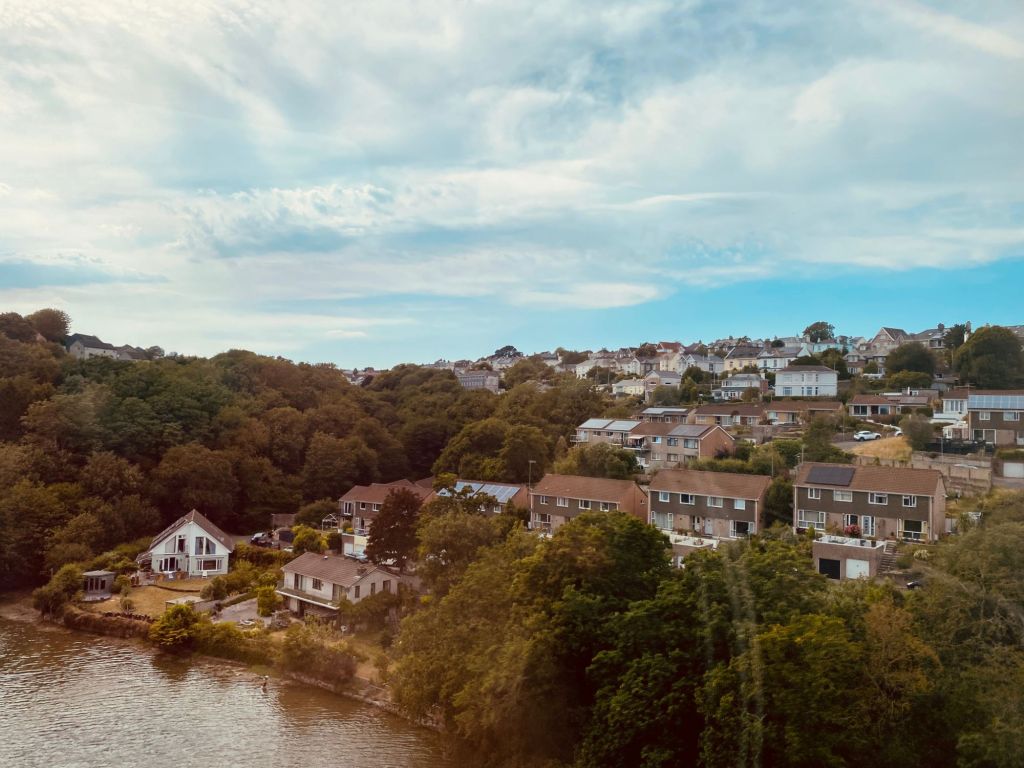
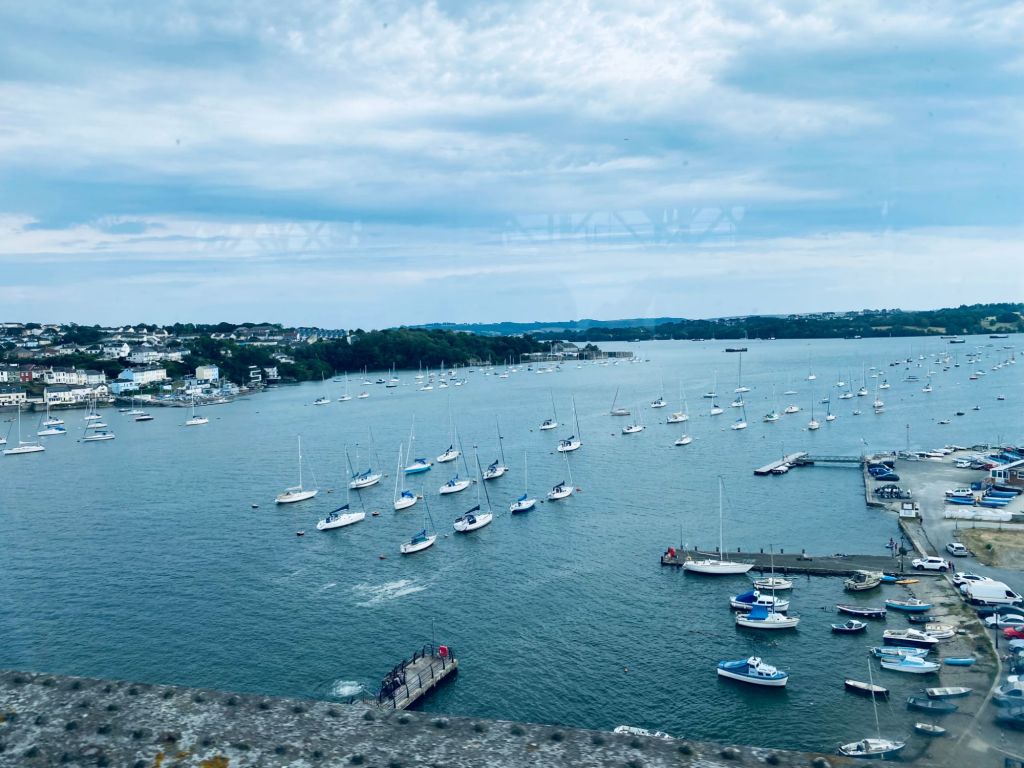
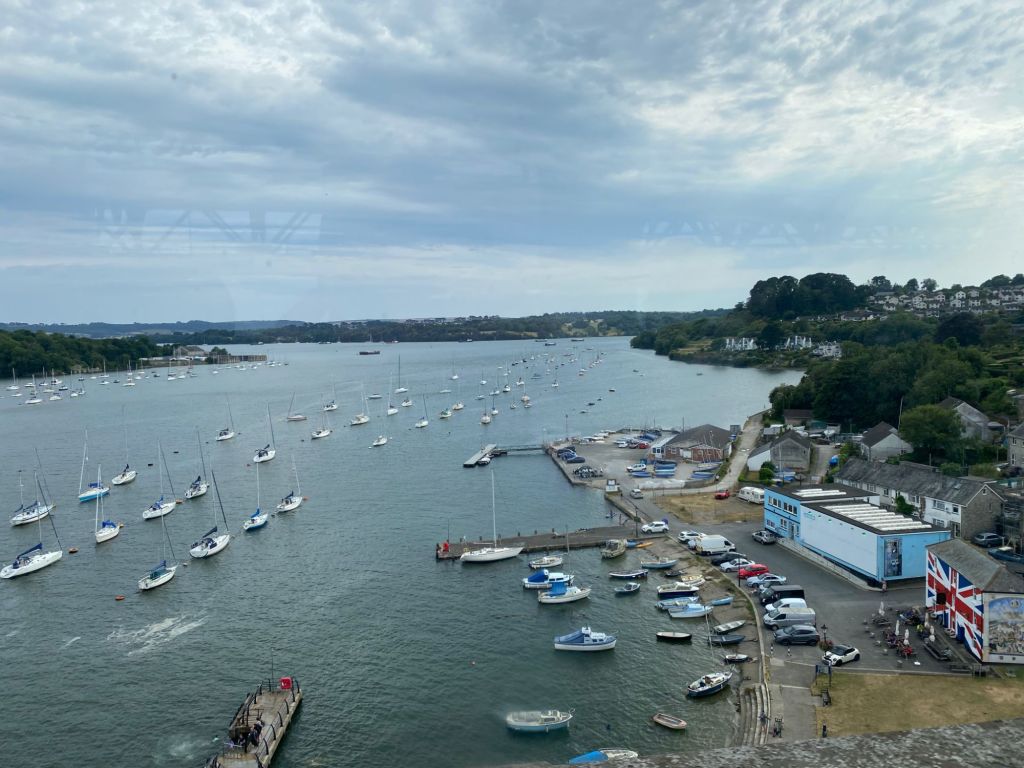
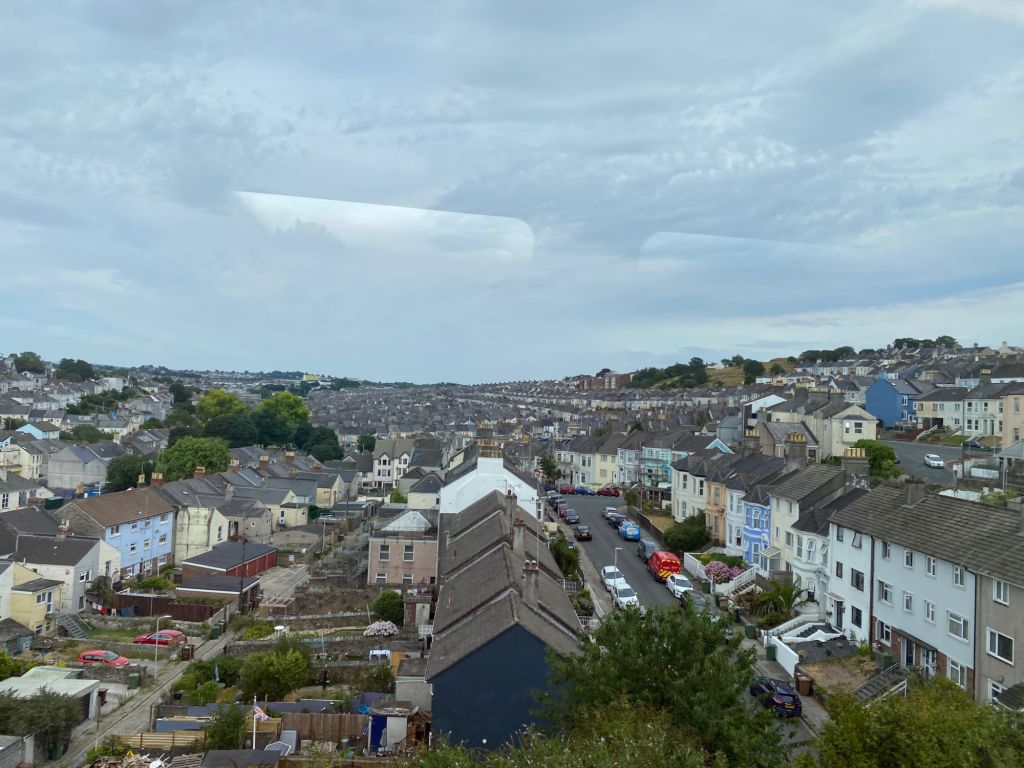
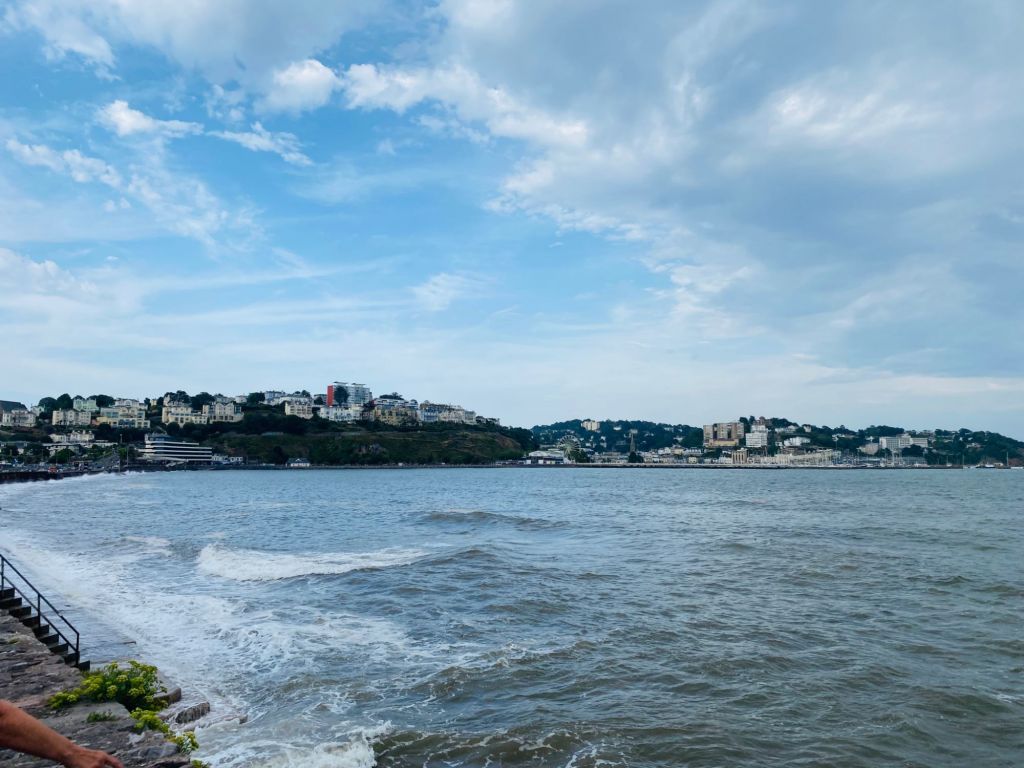
Hearing her story, I spent some time thinking about my own solo trip, a product of our present life situation in which certain responsibilities have limited my wife and I from being able to travel together the way we have for most our married life. I feel the anxiety of that once powerful push against this idea of getting creative with our plans, with this concept of venturing out on my own bringing deep feelings of uncertainty. I feel the tension she describes, in making sense of how such points of initiative fit with the fact that none of us are ever truly doing anything “on our own.” This revelation from Christie is not so much a wanted grasp of a sought after individualism, but an invitation to keep the world that is shaping her in view, in times when life threatens to bury it. To hold fast to that simple need to be a participant in this thing we call life. For Christie, the bigger the world became, the more meaningful home becomes.
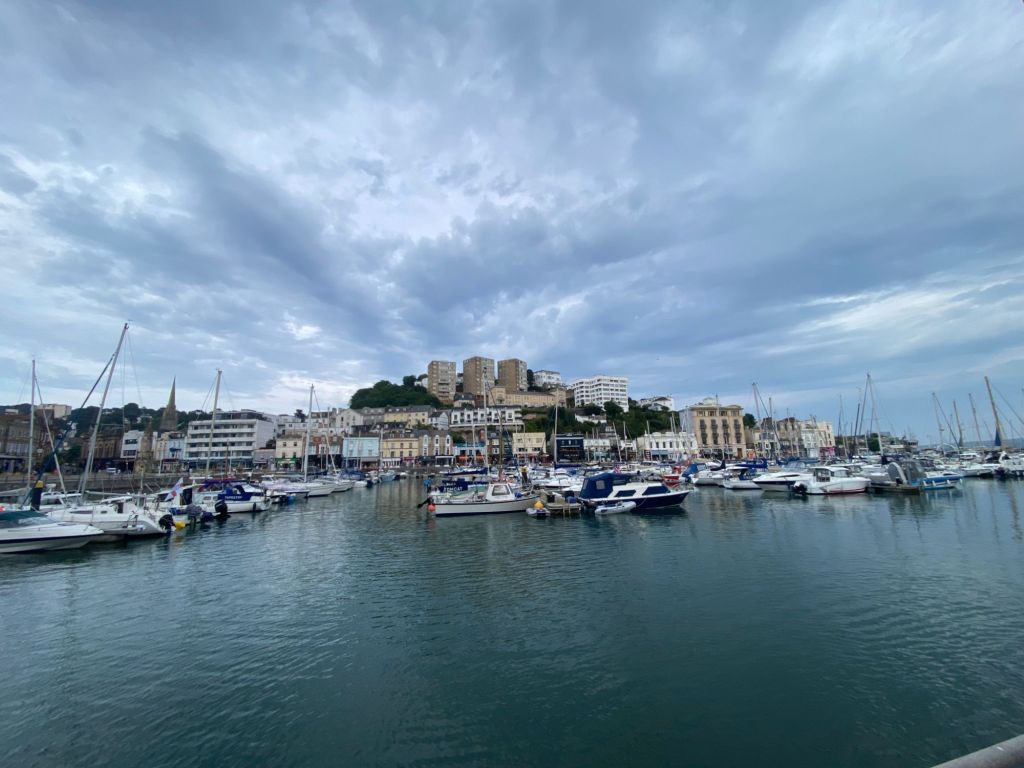
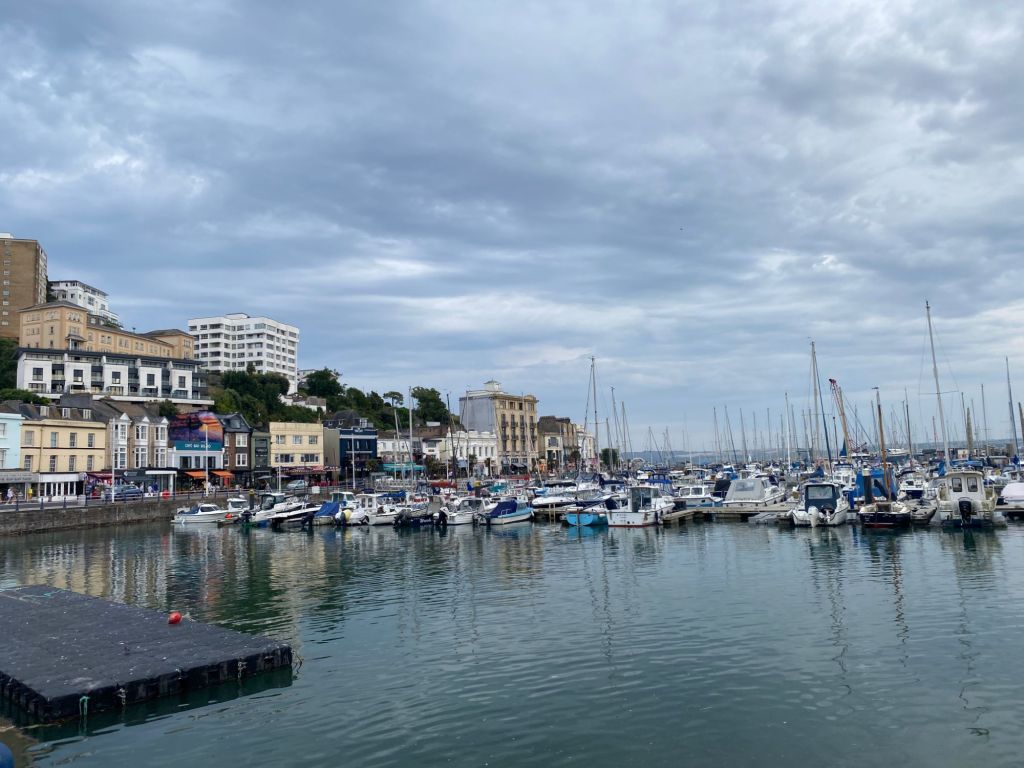
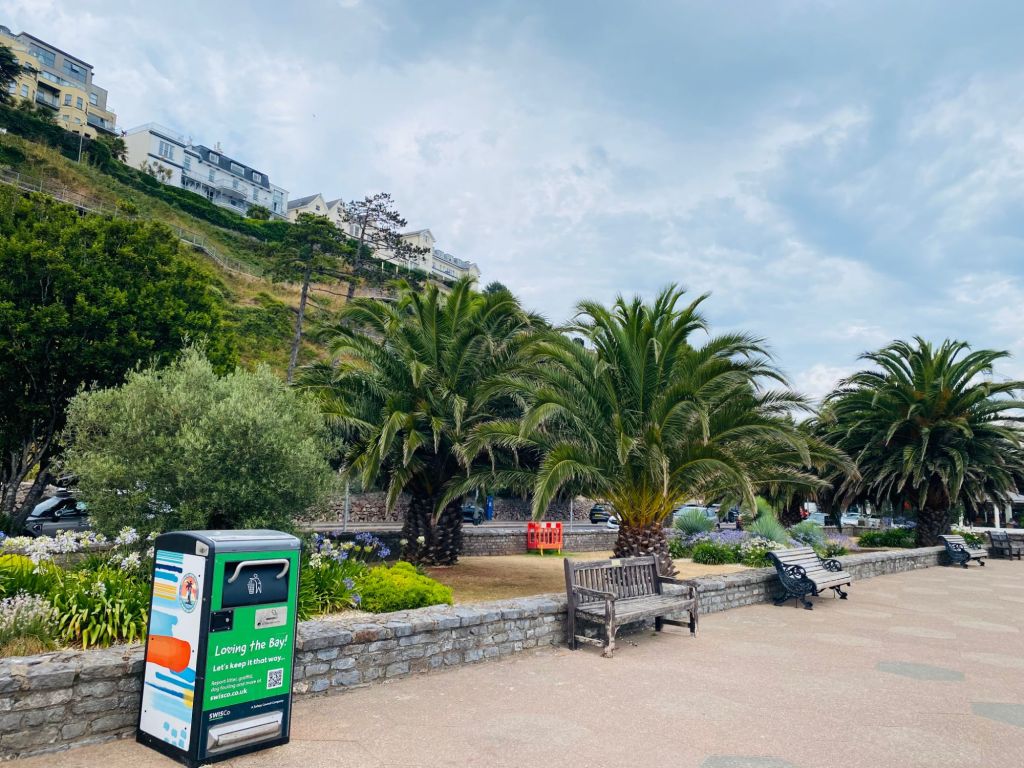
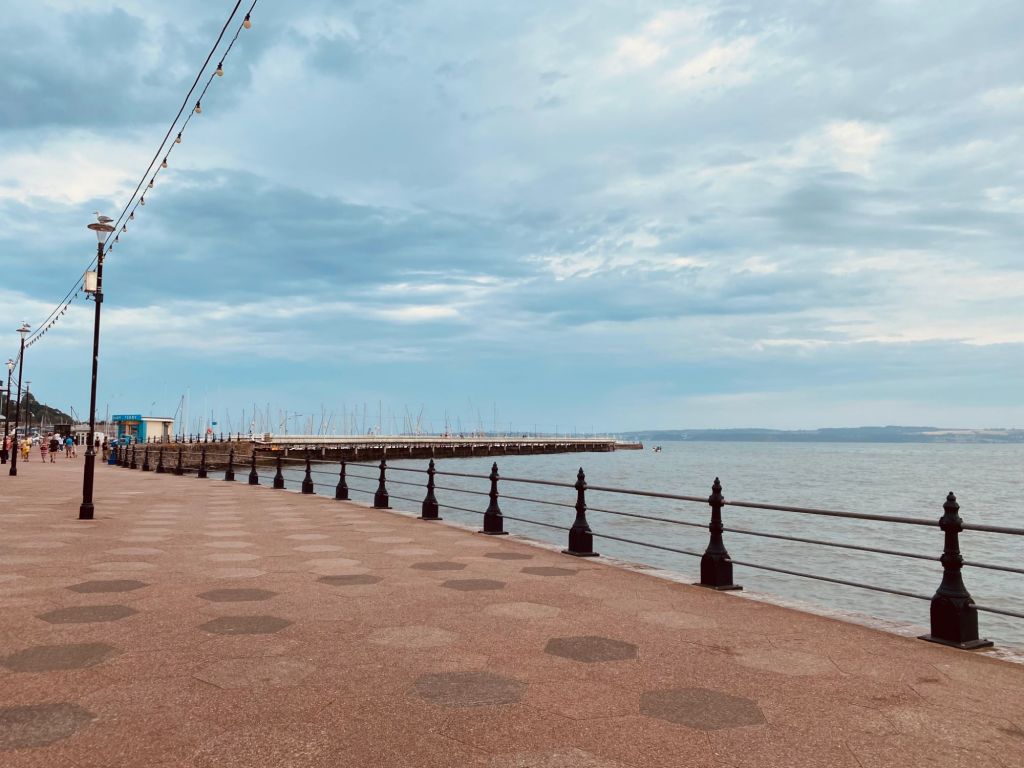
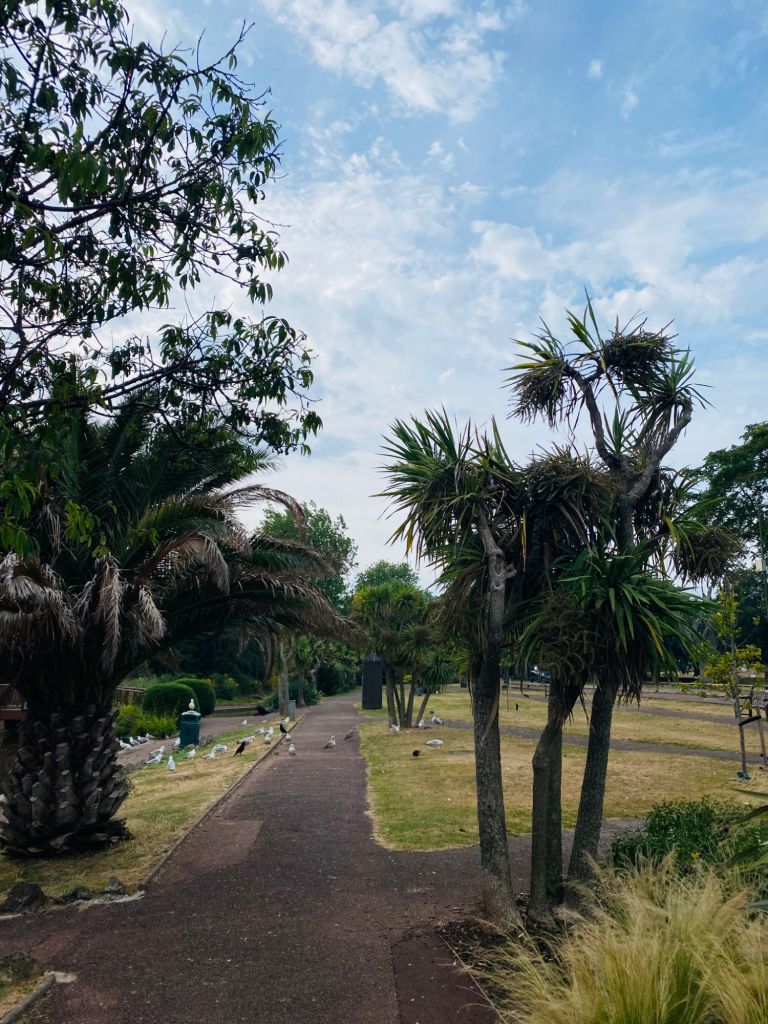
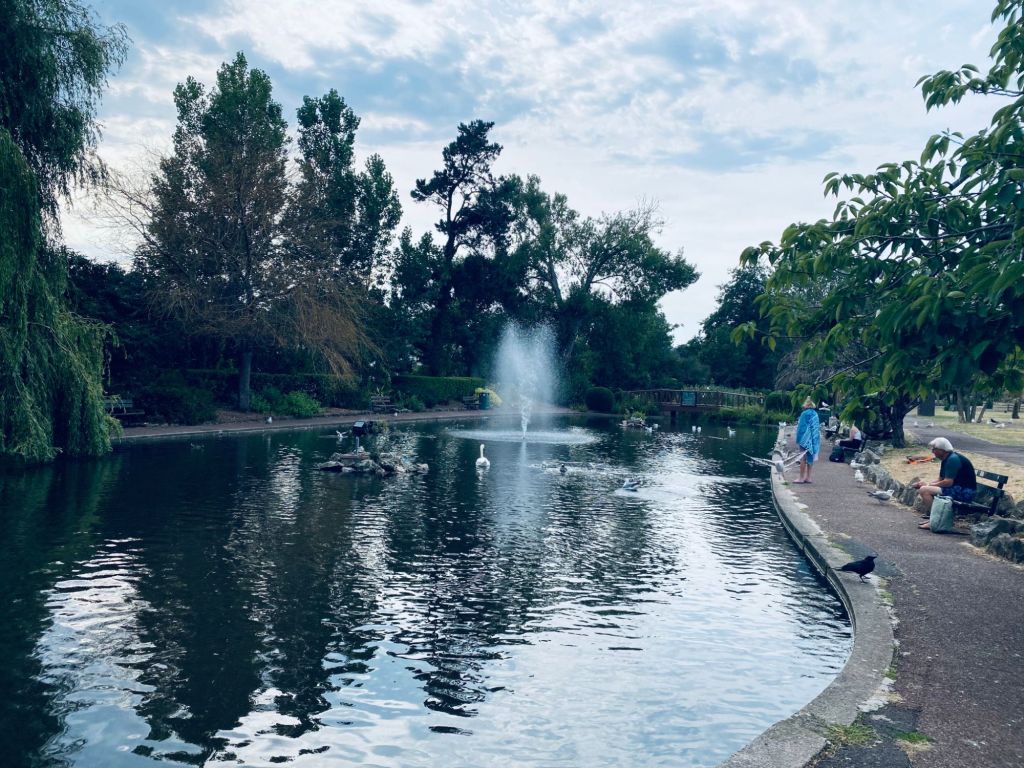
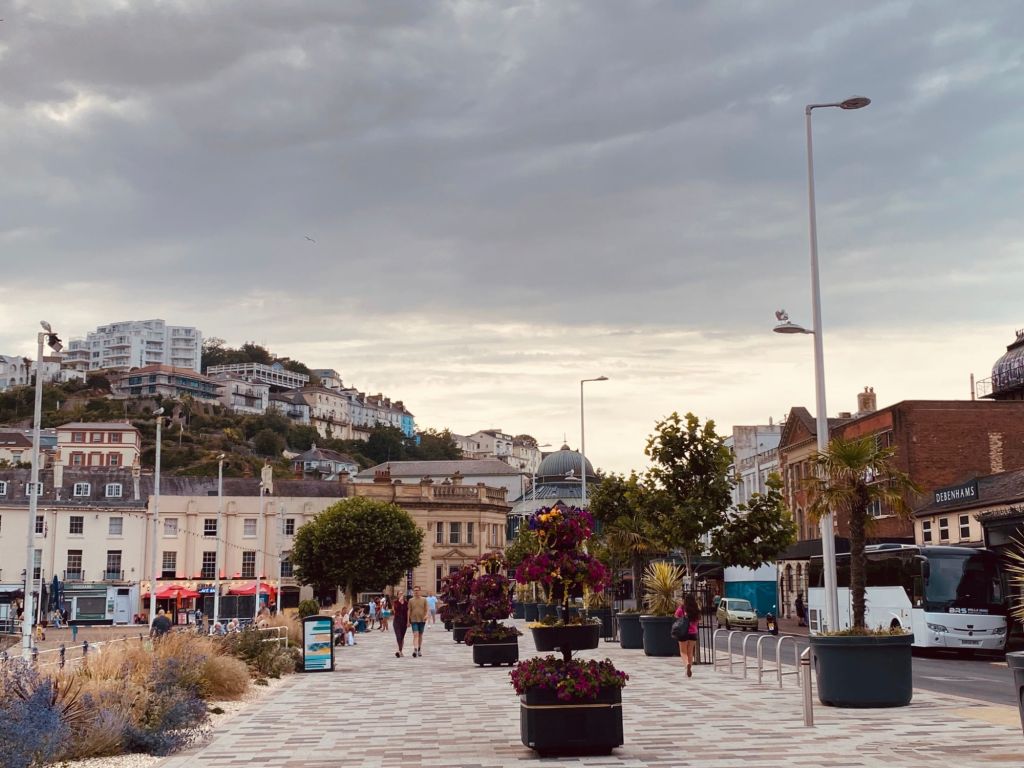
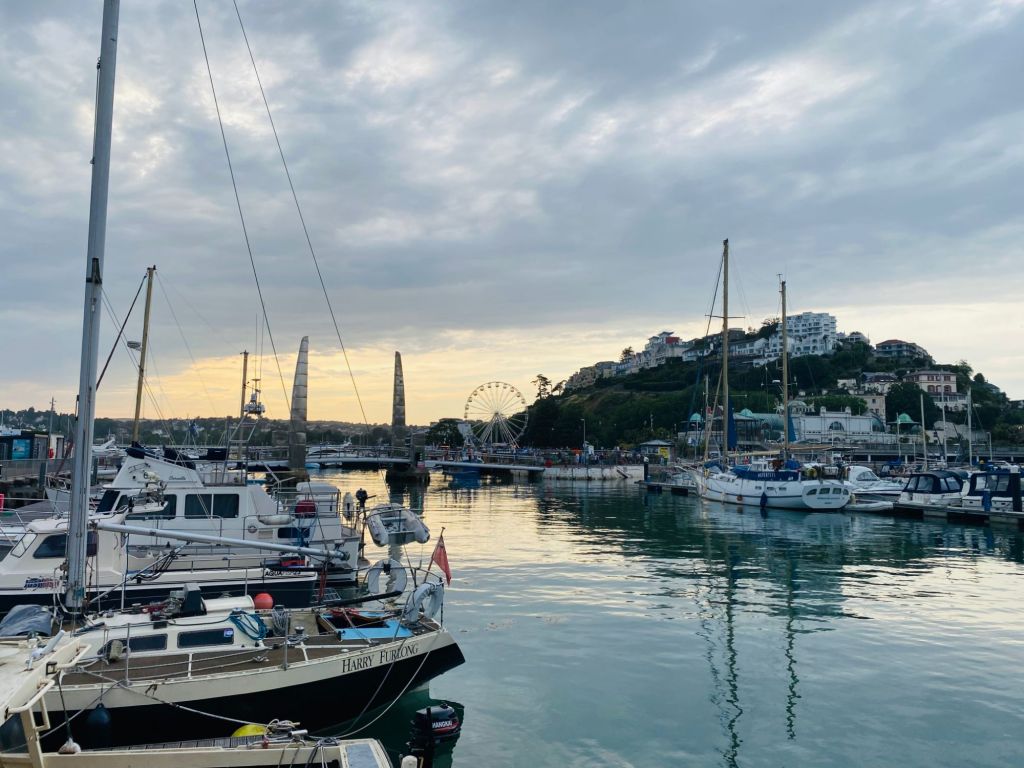
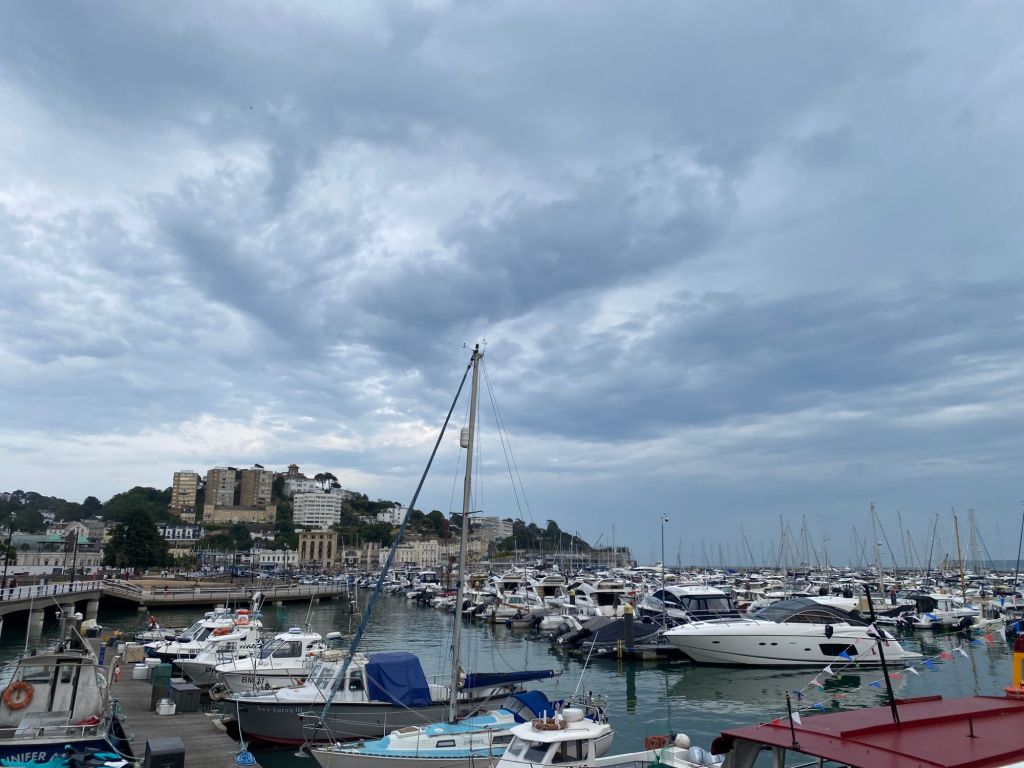
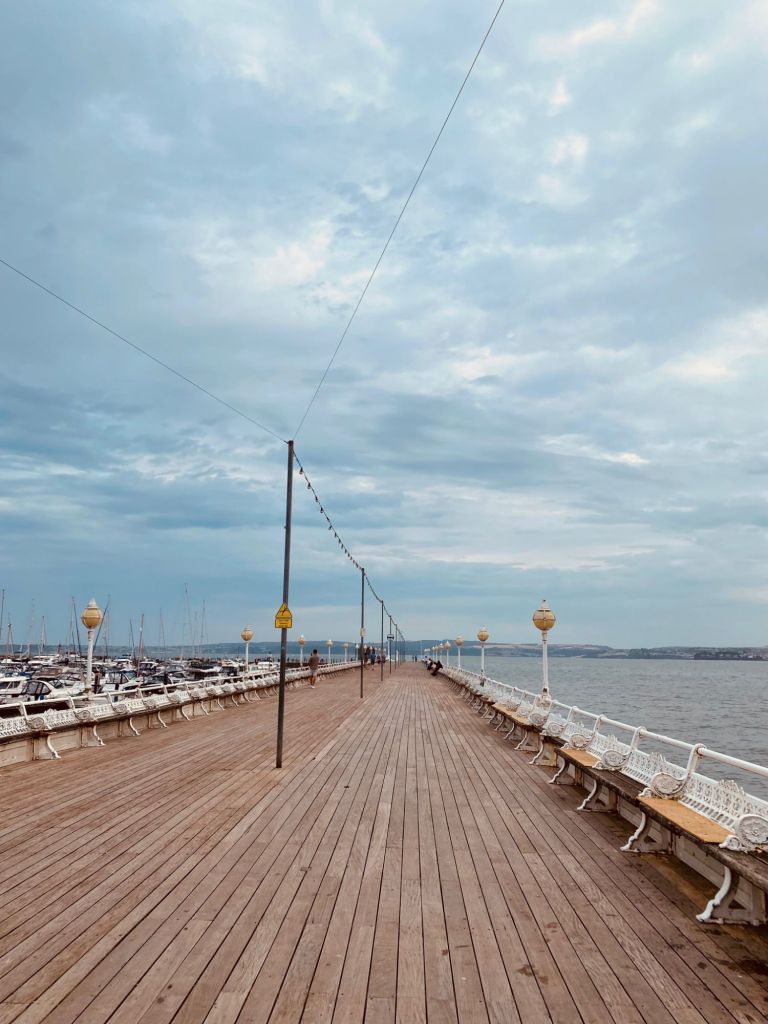
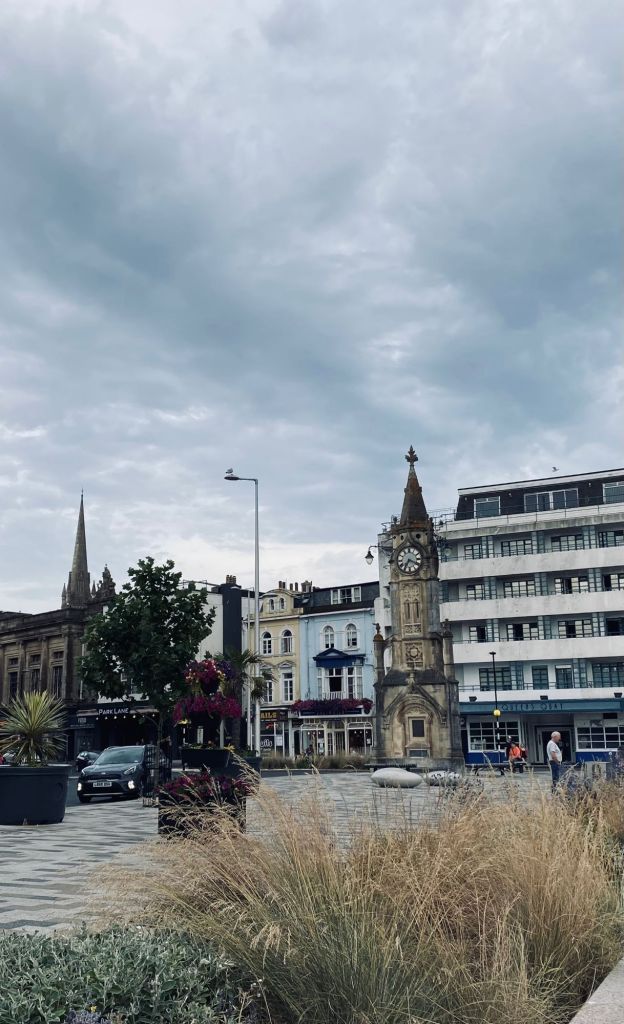
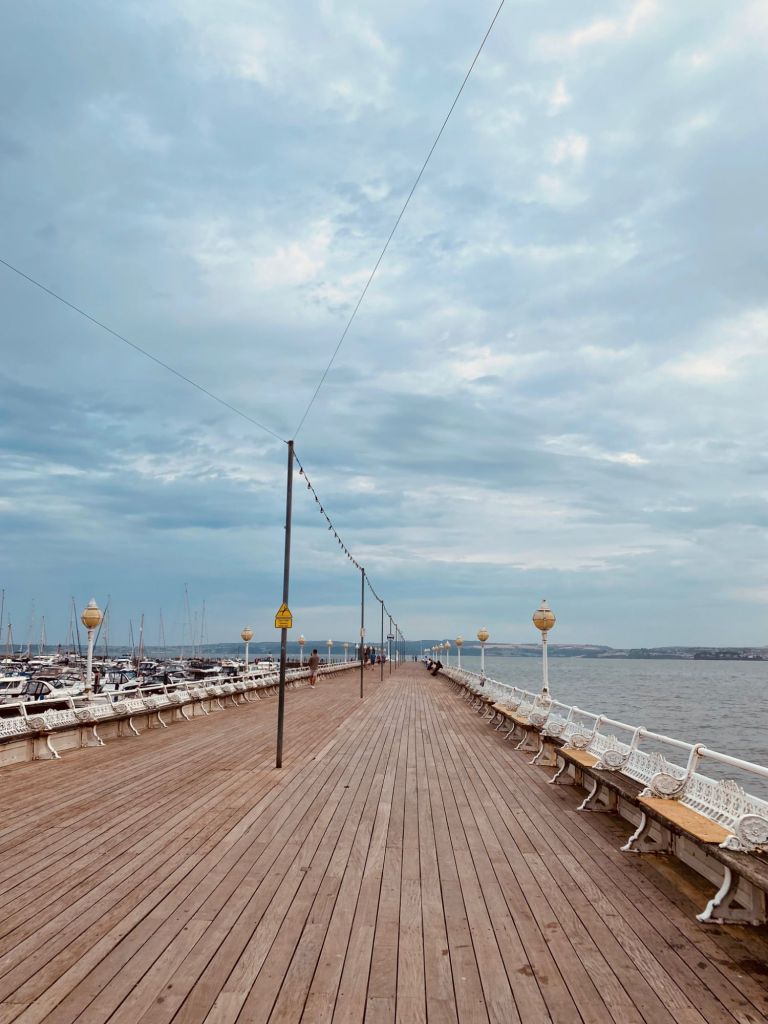
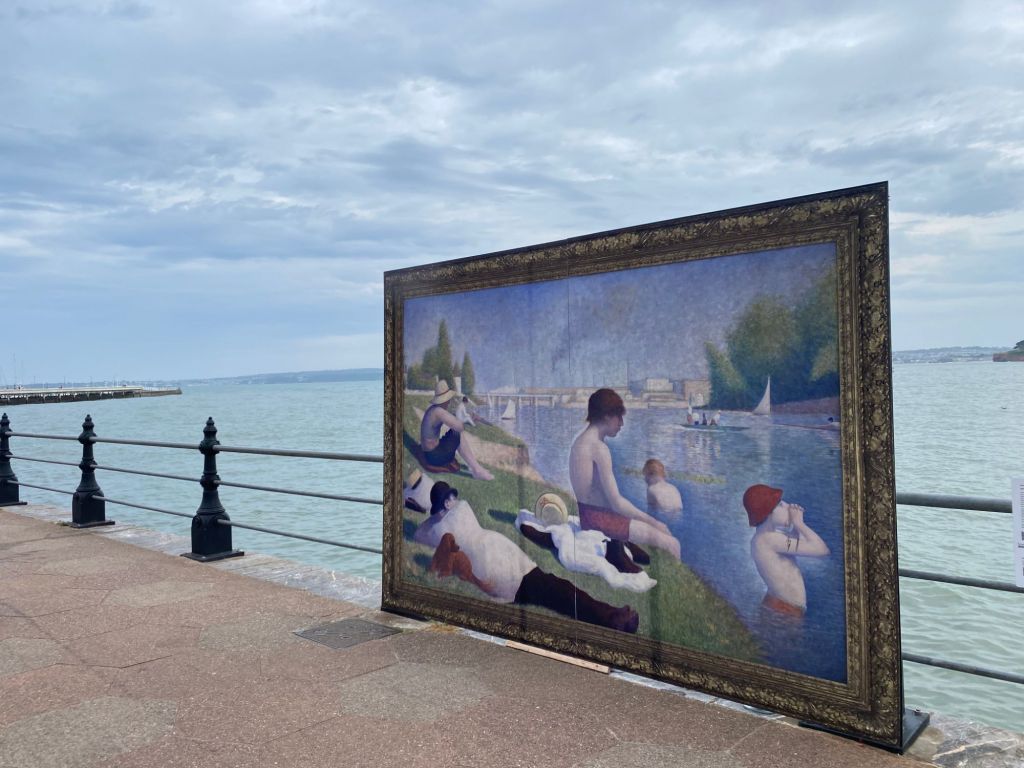
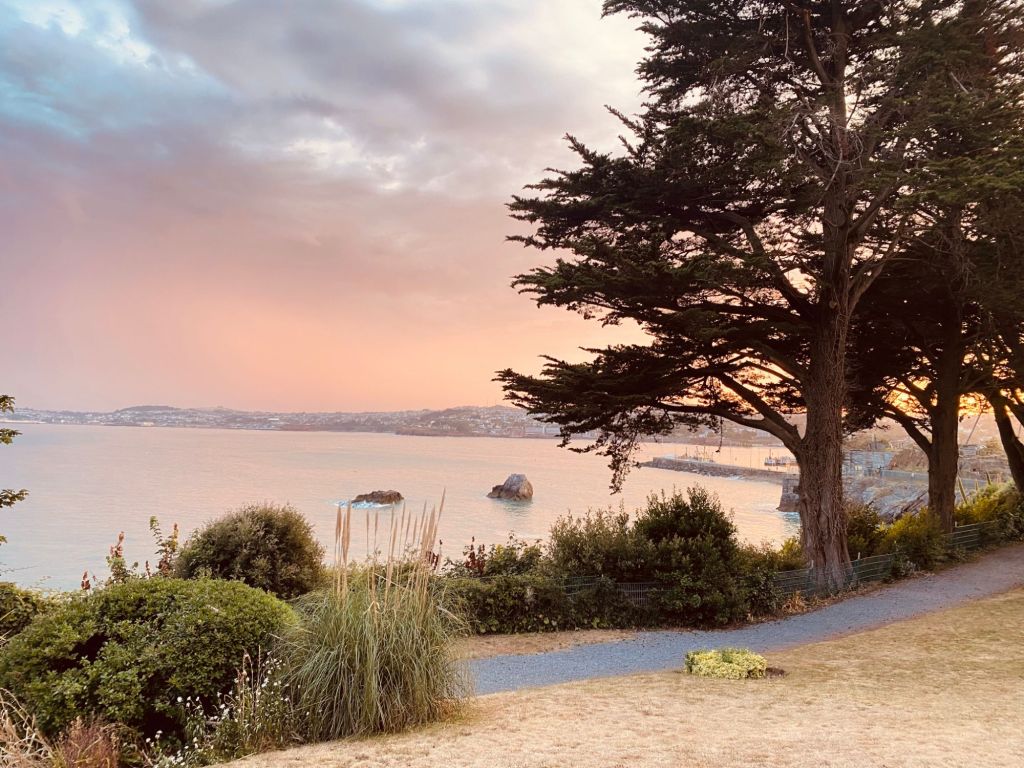
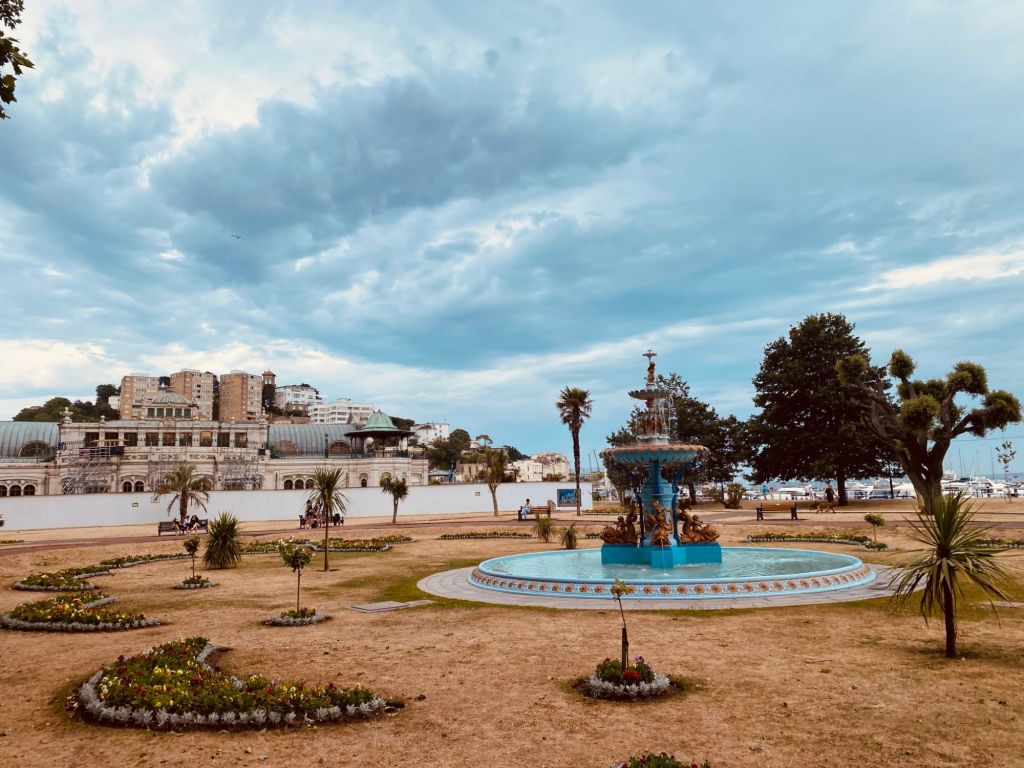
Torquay is her home, of which she describes it as “my home, off and on, nearly all my life.” It sits at the heart of what has been coined the English Riviera. This is a place where the waters carry a rich bluish tinge and the streets a golden hue, where the emergence of the sun, which I got to witness from my deck as the clouds finally cleared, giving way to its setting, reveals a once hidden space that before didn’t exist. Dig a little deeper and you find the long standing economic struggles that seperates the town from the enchantment of its High Street, This remains the modern shape of the town, and I found it equally interesting to read through the present state of its politics and the ambitious plans for revitalization that is reimagining and reshaping the immediate future of the area. But to gain a glimpse into Christie’s world, the immediate interest is in walking what is called the Agatha Christie mile.
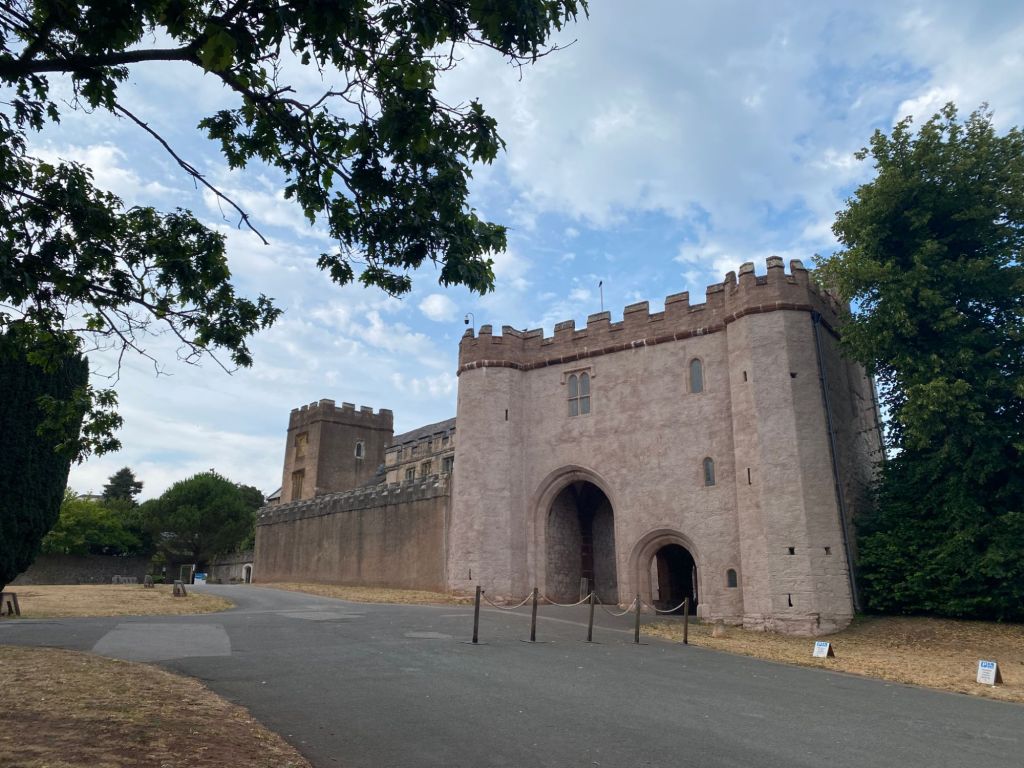
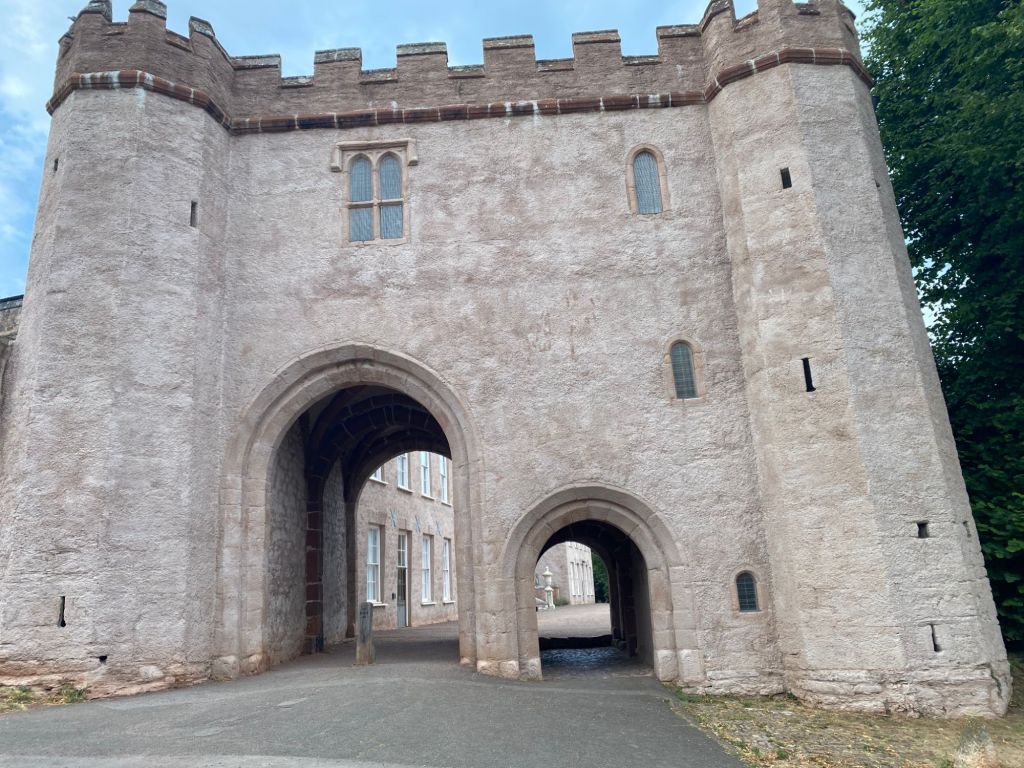
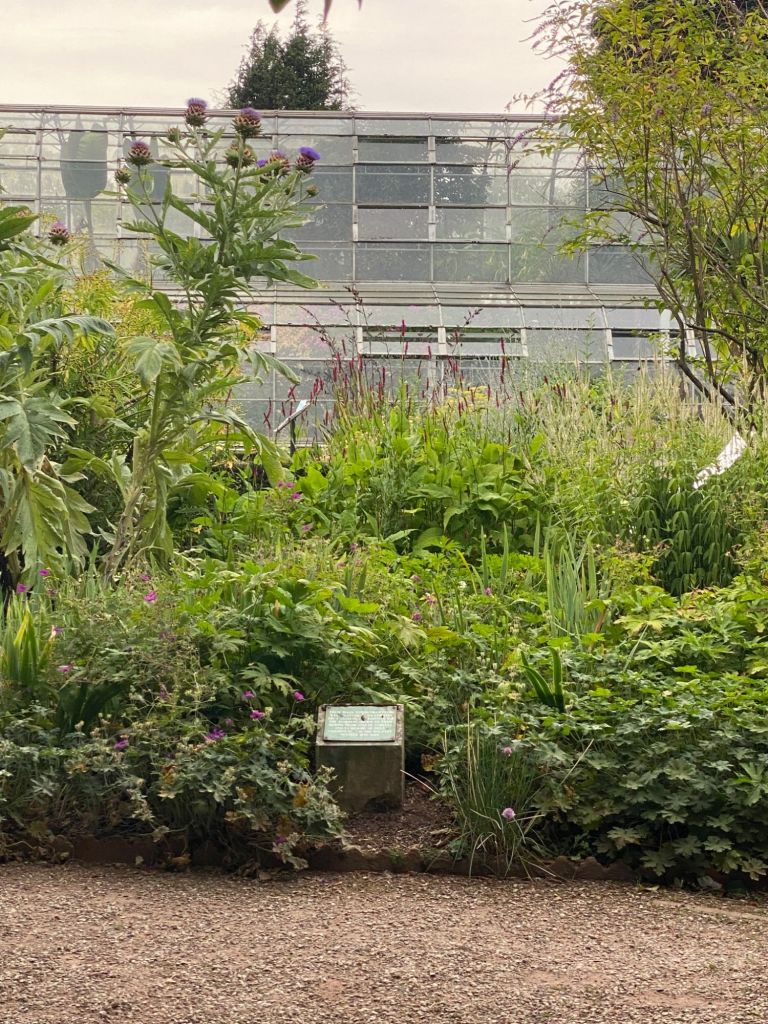
I could recount my own experiences here of walking in her footsteps, but this was my guide, and it does a wonderful job of bringing these spaces alive. For me, I booked a seaside room at the Imperial Hotel overlooking Beacon Cove, the place where she once thrilled over the simple act of bathing in the sea. For my part, arriving at that train station and stepping off on to the same platform, walking down the same streets, imagining the area that once was her home, seeing the plant collection that inspired her more fun, maccabre sensibilities, strolling the same shorelines that continue to define her conception of “home,” it led me to think more deeply about what it means to love the homes that we have inherited. This is the thing Agatha Christie modeled, this practice of expanding our view of the world, an act that this pilgrimage was opening up for me in this very moment, while simitaneously allowing that to shape our participation in the homes we have inherited. And what lies behind that is the similar revelation which shapes all of the literary voices of my childhood: the powerful role that story plays in binding these two things together.
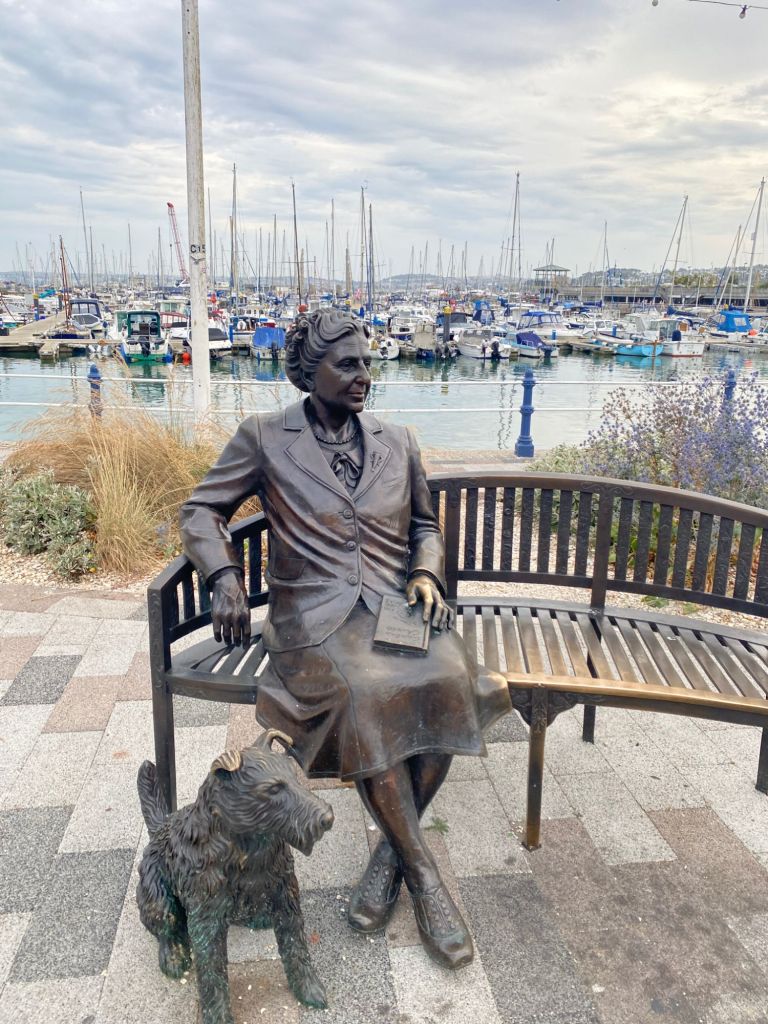
Christie never got to see the world that Suchet is encountering in his travels today. In some ways it’s quite a different space. In many ways it’s very much the same. It’s the fact that Christie lived her life in the world that was right in front of her that felt so poignant to me. It’s a reminder that, for all the ways in which the modern world sells its myth of progress, this problematic way of measuring our present based on scapegoating the past and the valourization of an illusioned future only serves to bury the world that is right in front of us, disconnecting us from the real invitation. This is what Suchet intuitively picks up on in “minding the gap” between Christie’s travels and his own, something that Christie’s own journey observes through the acts of writing and creating it inspired: this modern myth can only ever condemn the world we are called to inhabit. To inhabit the world that is right in front us, as Christie so modeled, is to learn how to love it.